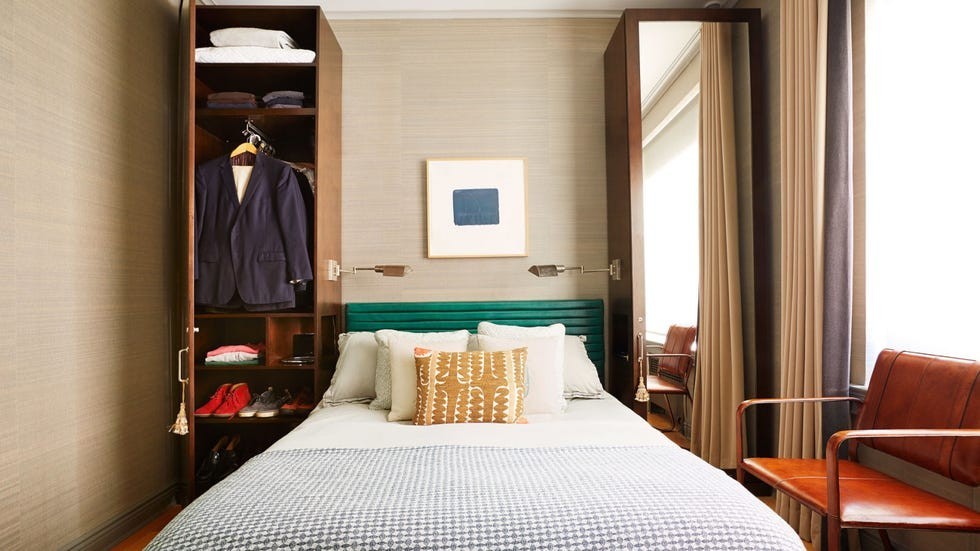
GarmentCare Guide
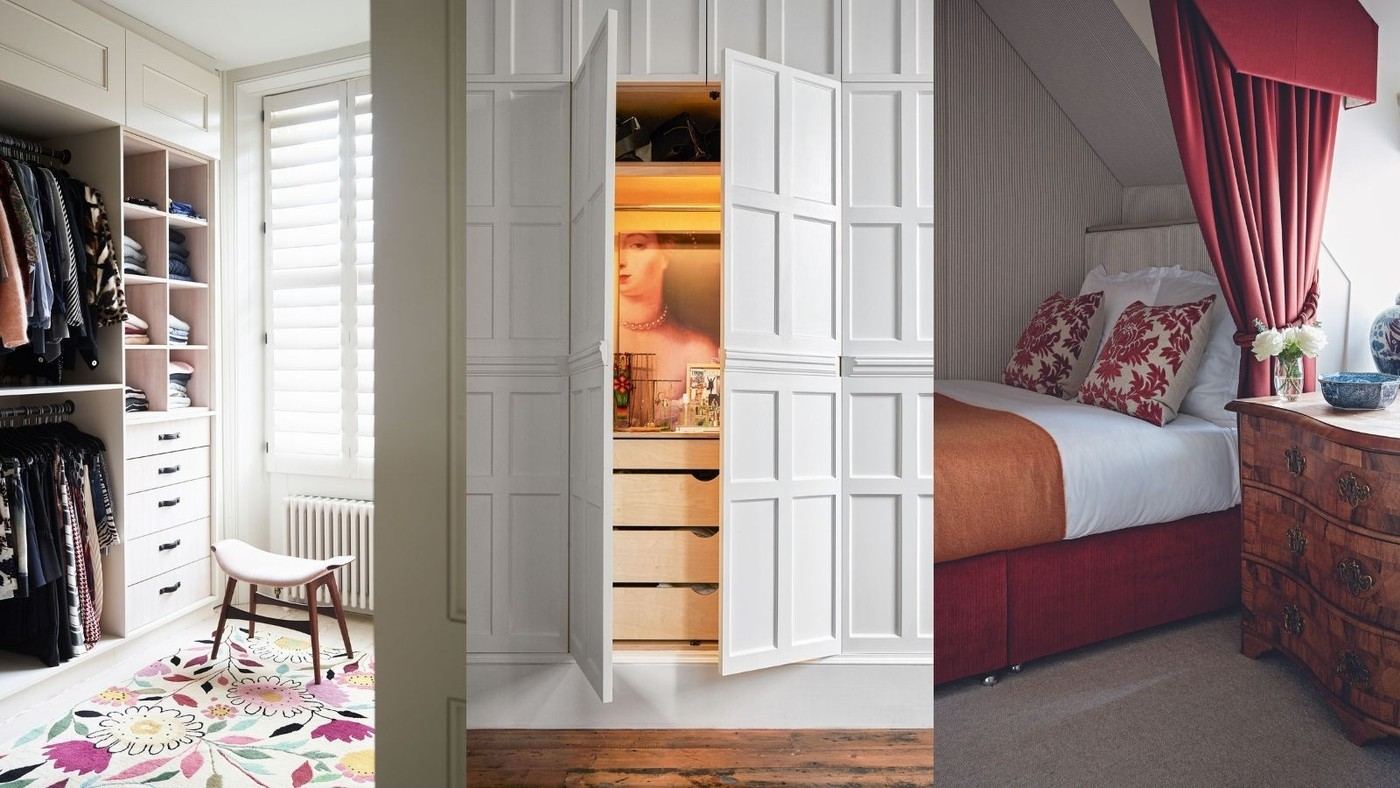
Measure access as well as the furniture footprint
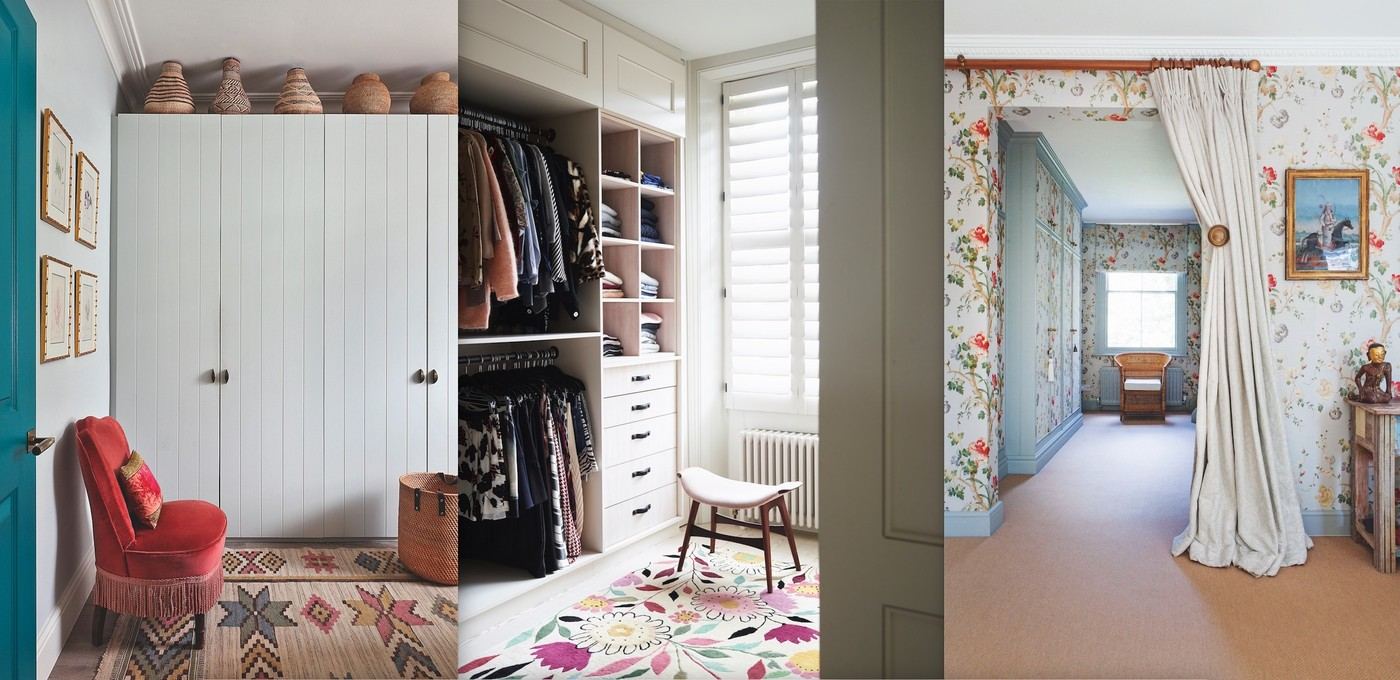
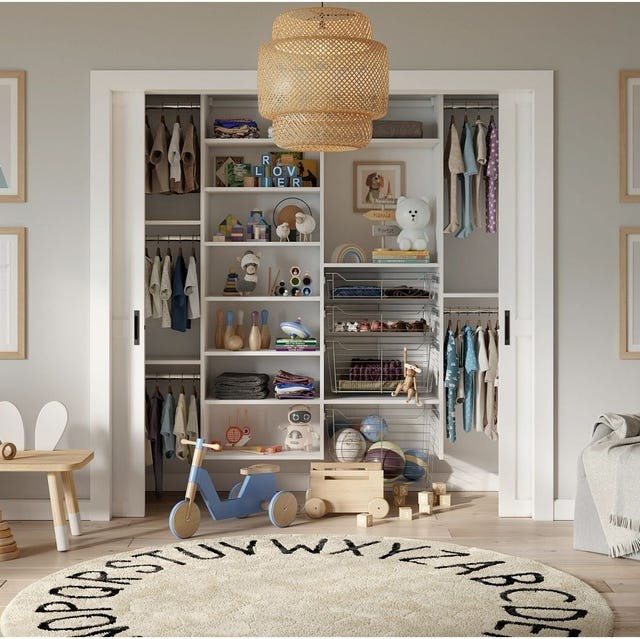
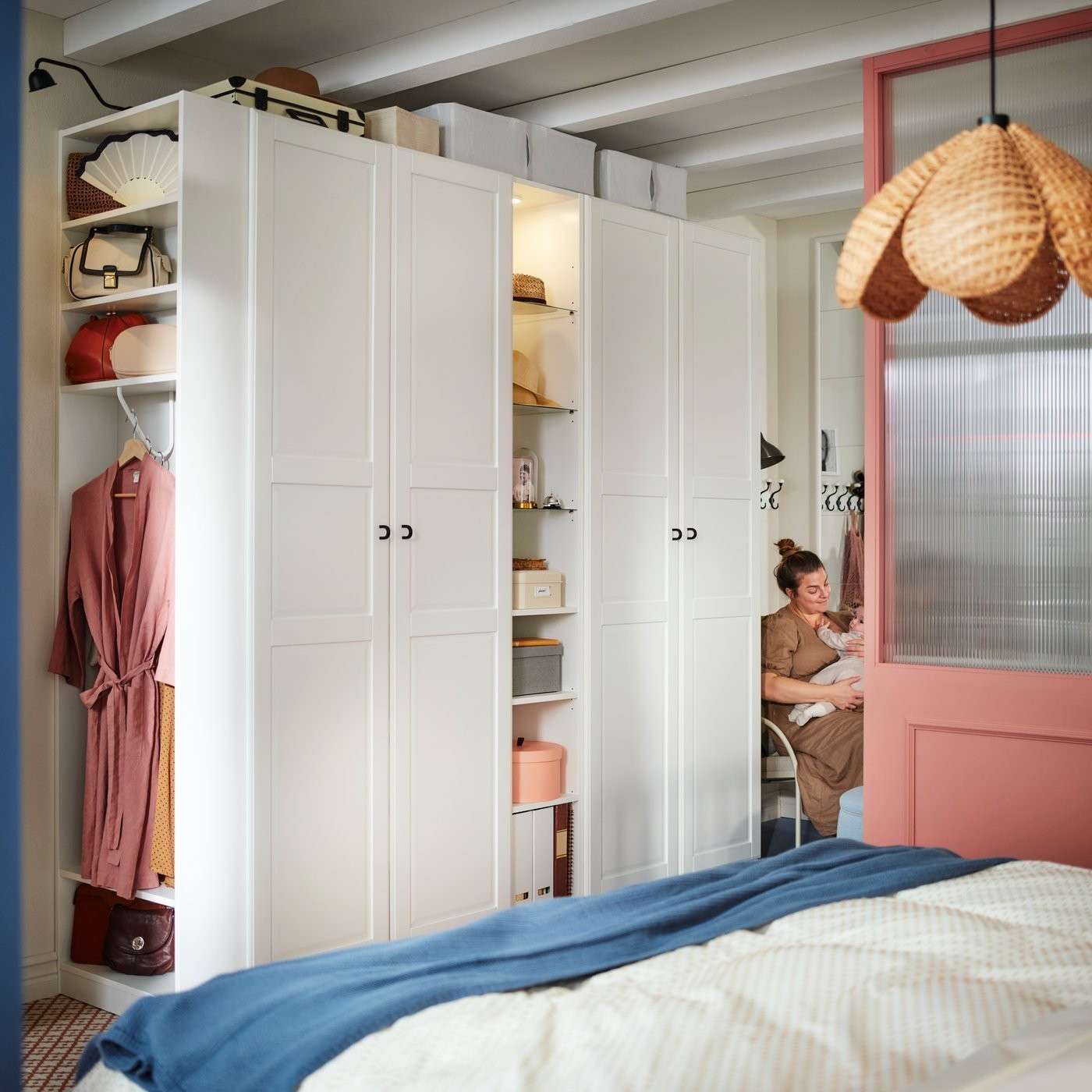
Homes and Gardens emphasizes that small bedroom storage needs to work within the whole room. A wardrobe may fit against a wall yet be difficult to use if its doors meet the bed. Consider the movement of doors and drawers alongside the cabinet's dimensions. Sliding doors are one option the article discusses where swing space is limited, although the right choice depends on the actual layout. Keep access to stored items clear enough for daily dressing and laundry returns. A larger capacity is less helpful if retrieving clothing requires repeatedly moving furniture or squeezing through an unusable gap.
Combine storage types instead of repeating one rail
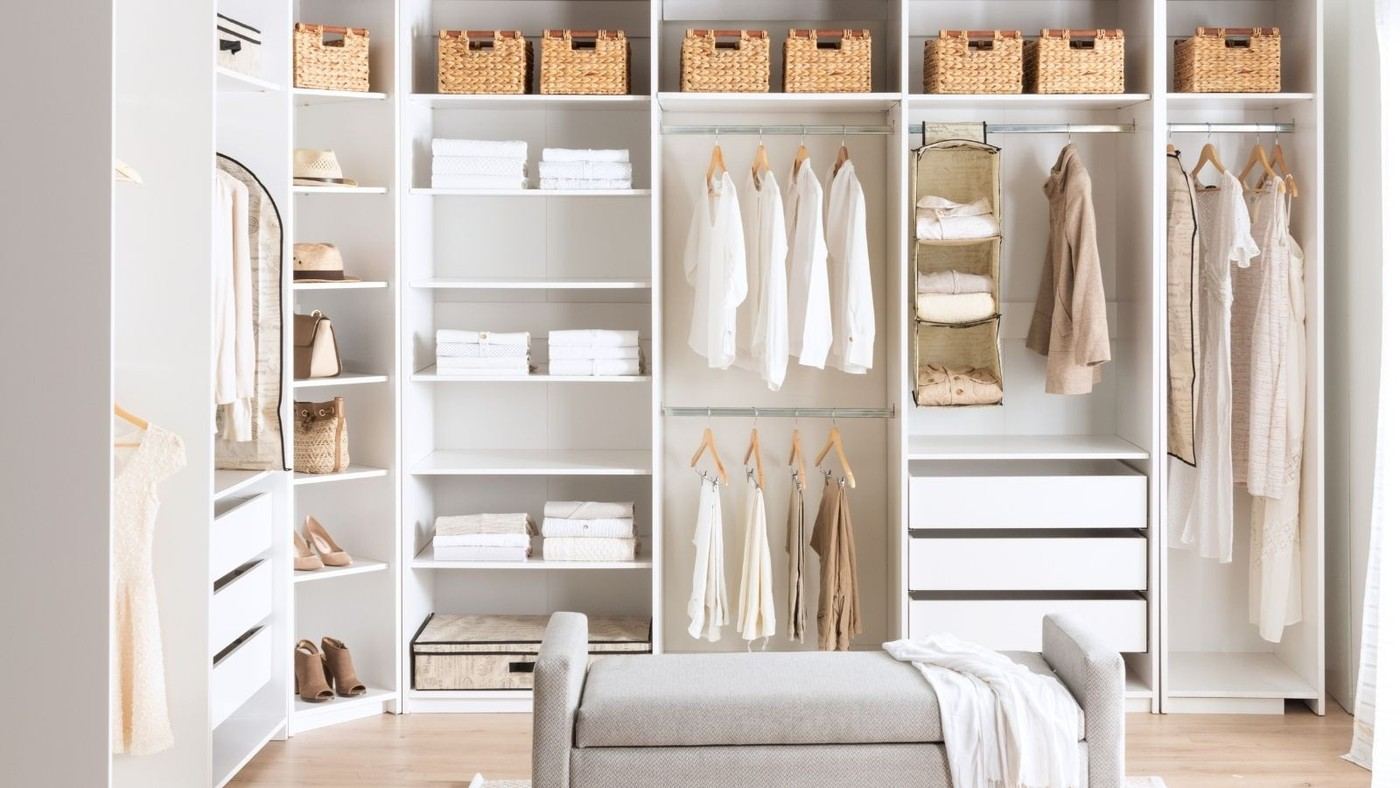
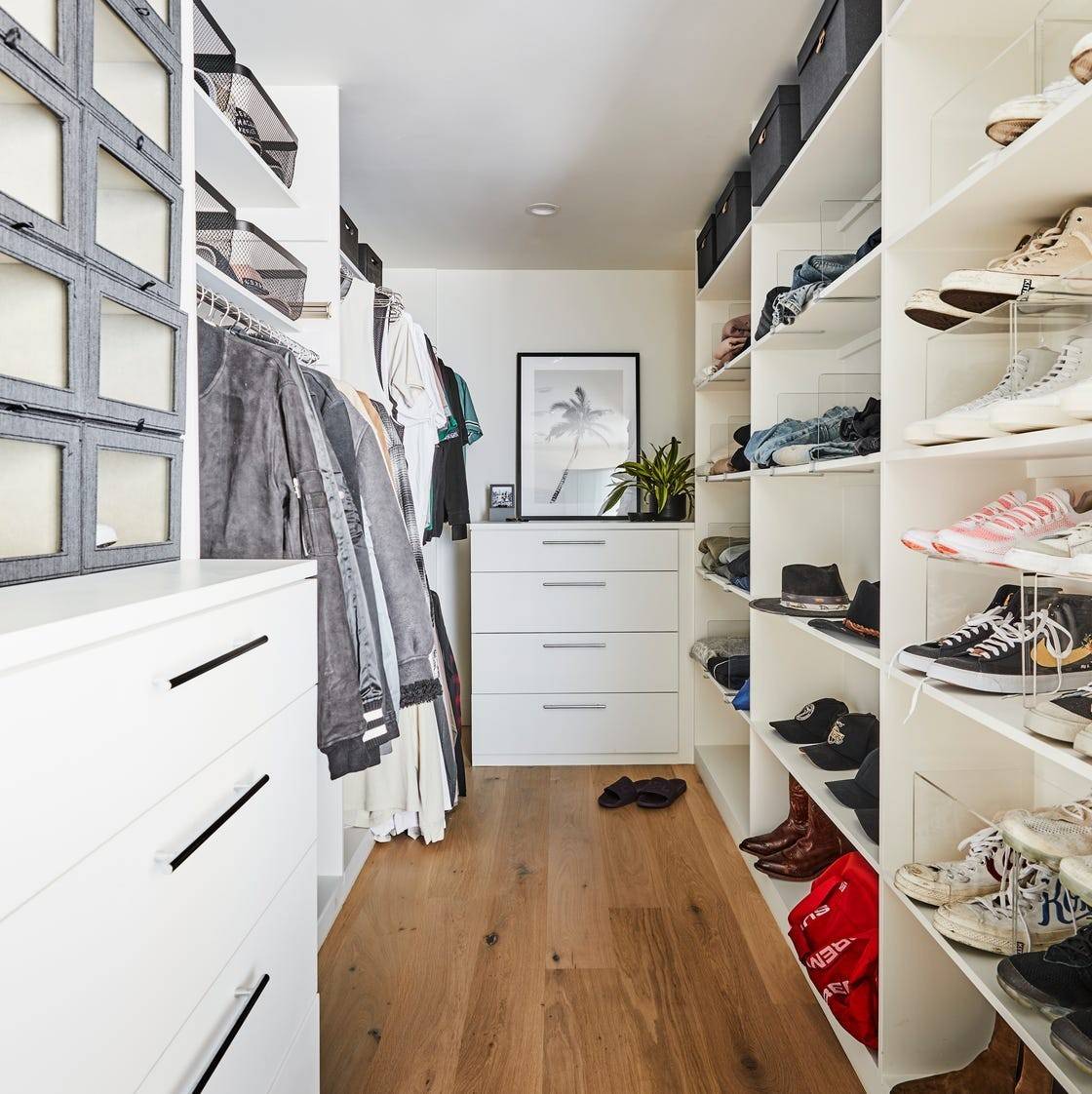
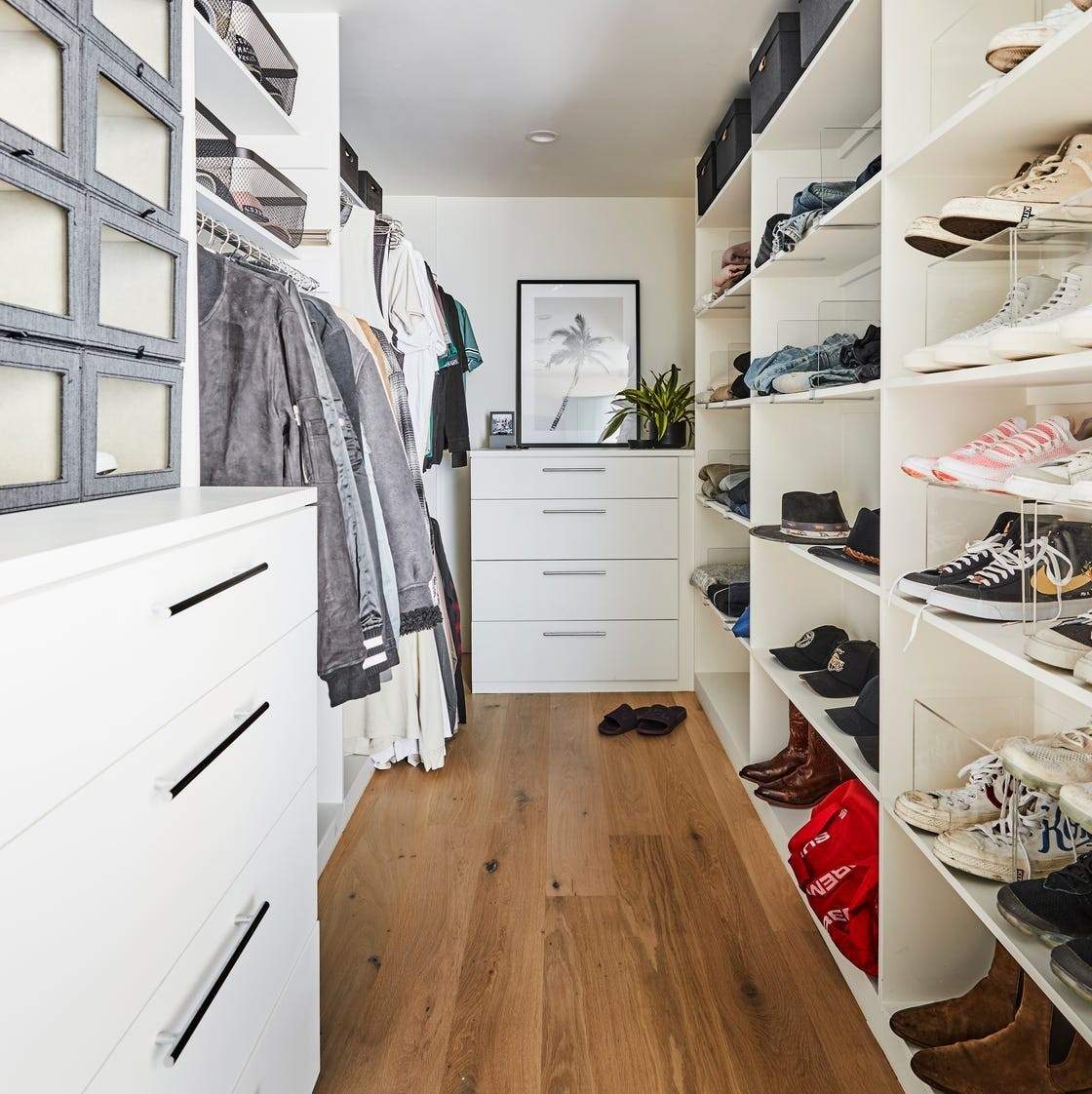
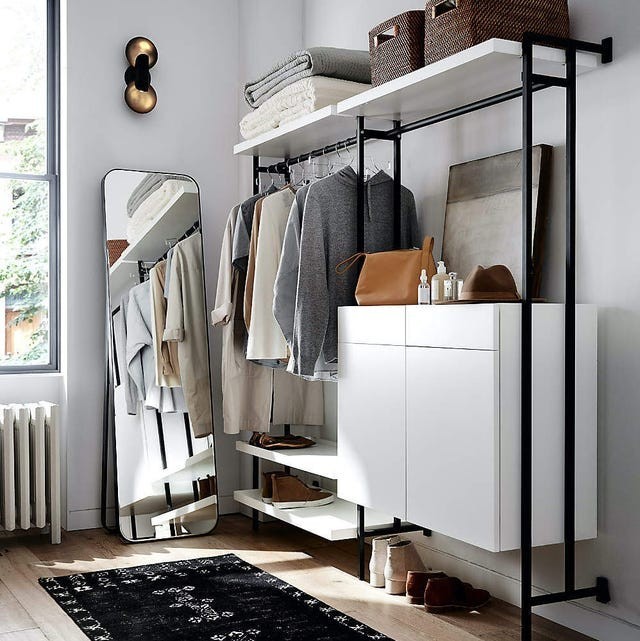
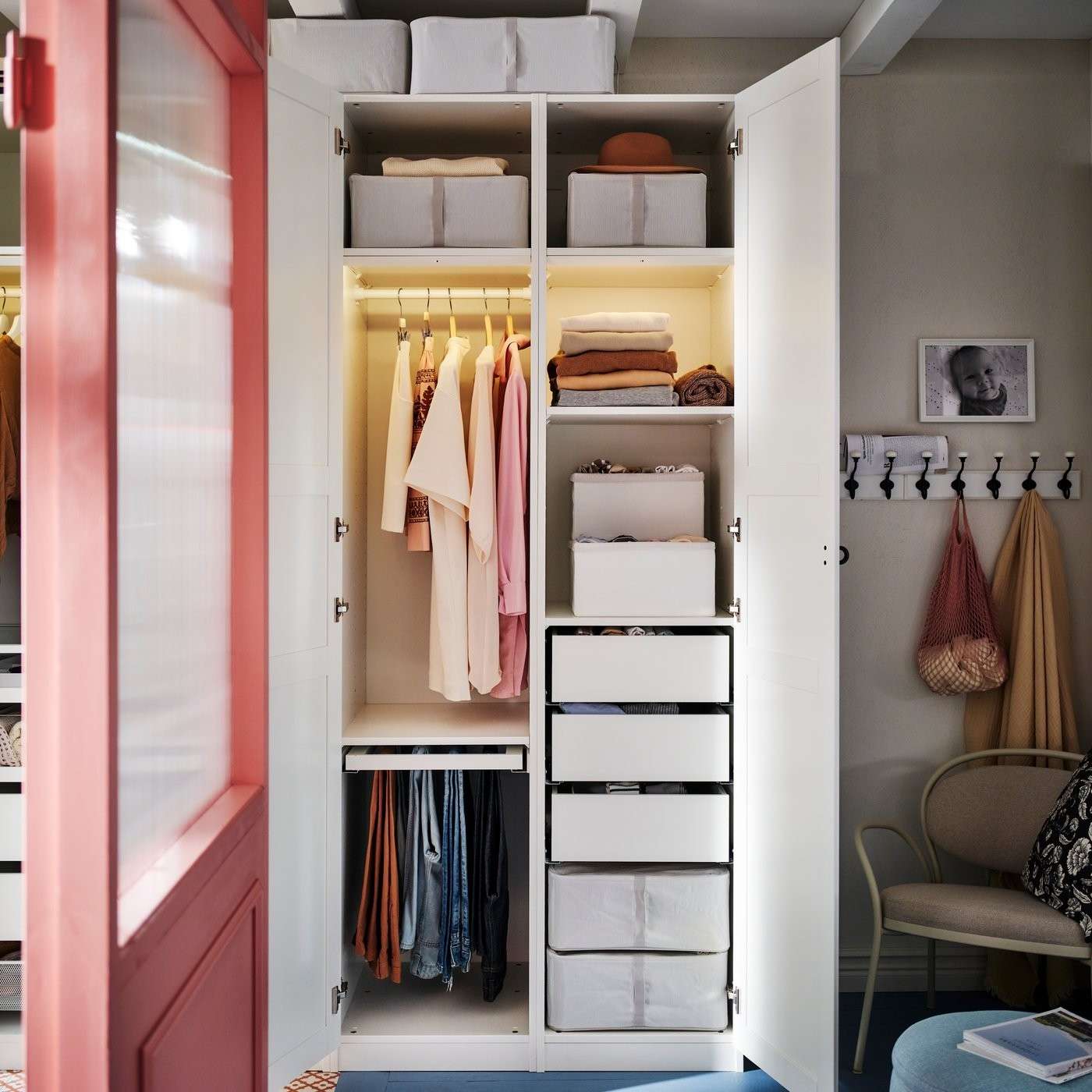
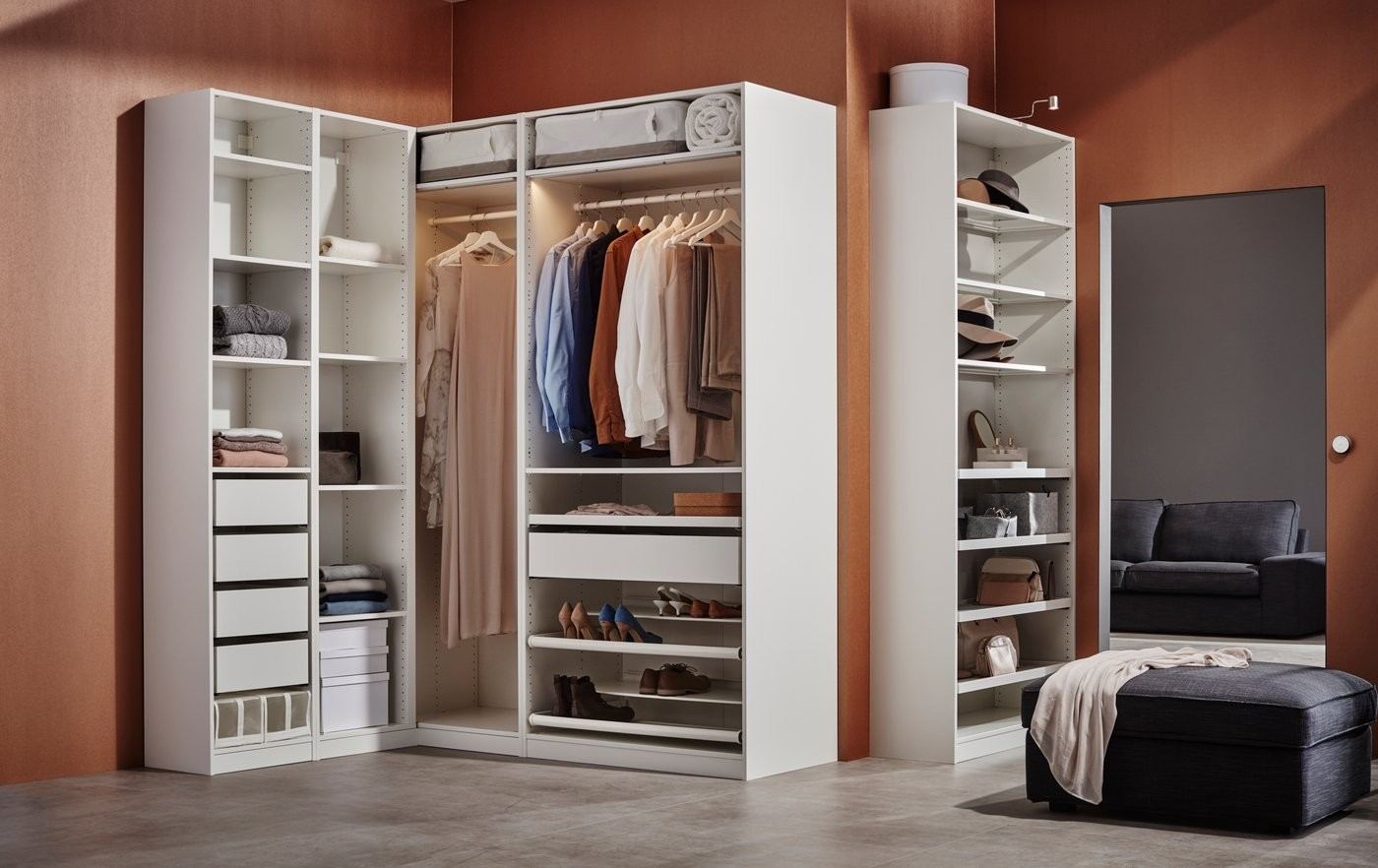
The source recommends a mix of hanging rails, smaller shelves, internal drawers and footwear storage tailored to the collection. Count the items that need hanging clearance and those that work better folded. Appropriate pullout or adjustable components can make selected areas easier to reach, while clear fronts or open sections may improve visibility. Check each system's dimensions, supported loads and installation requirements before planning the layout. A fitted or modular approach should address the specific room and possessions rather than copy a display. The aim is useful storage in the available volume, not simply filling every surface with another compartment.
Use height and underbed areas selectively
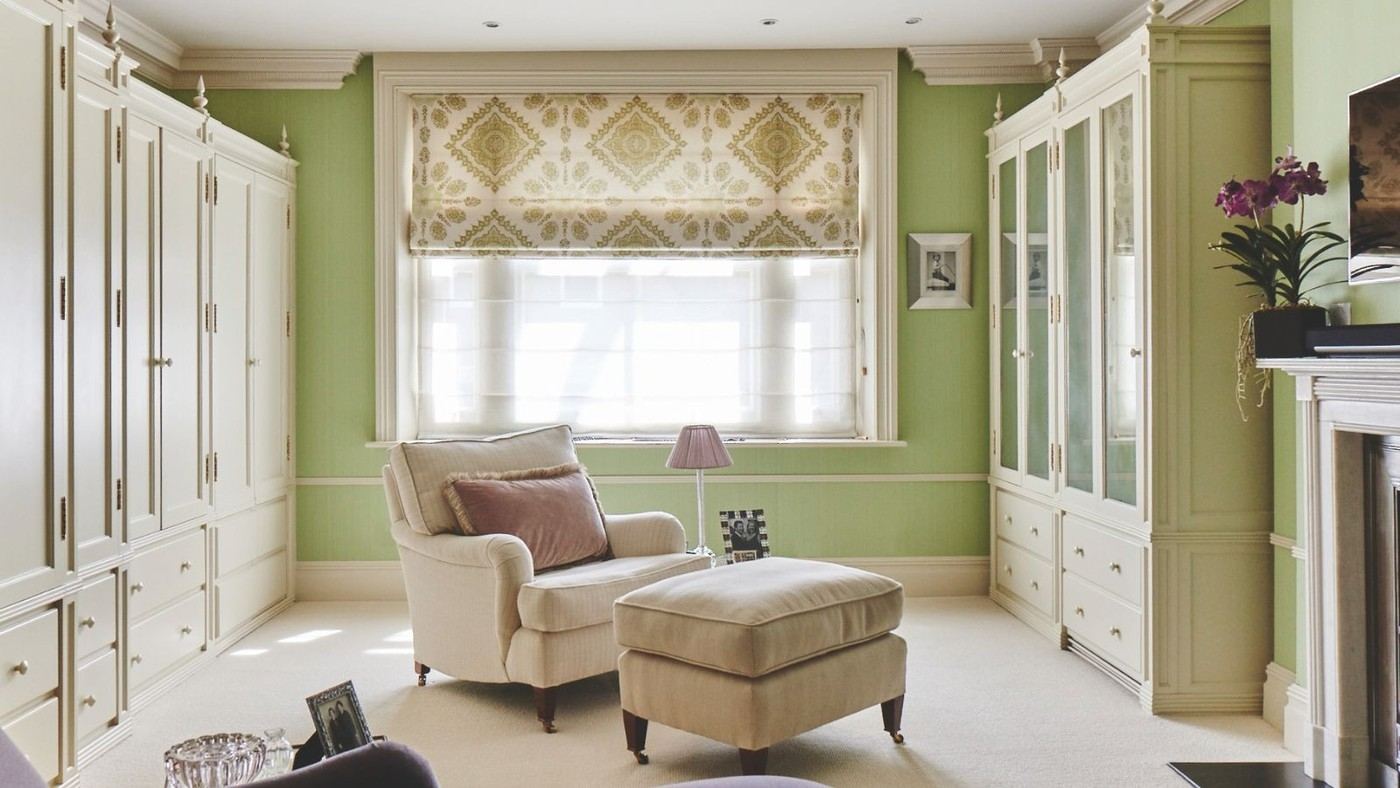
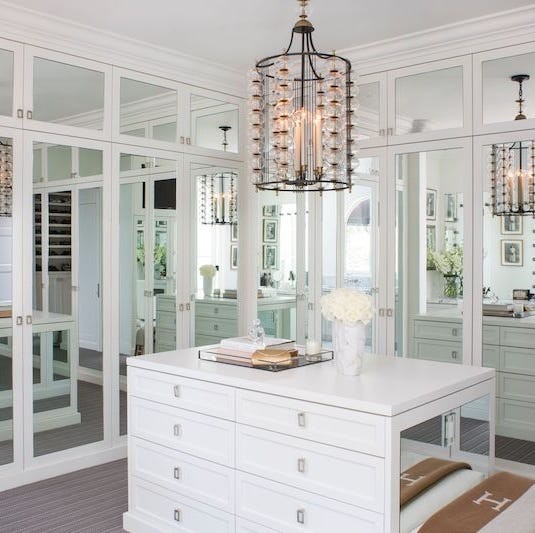
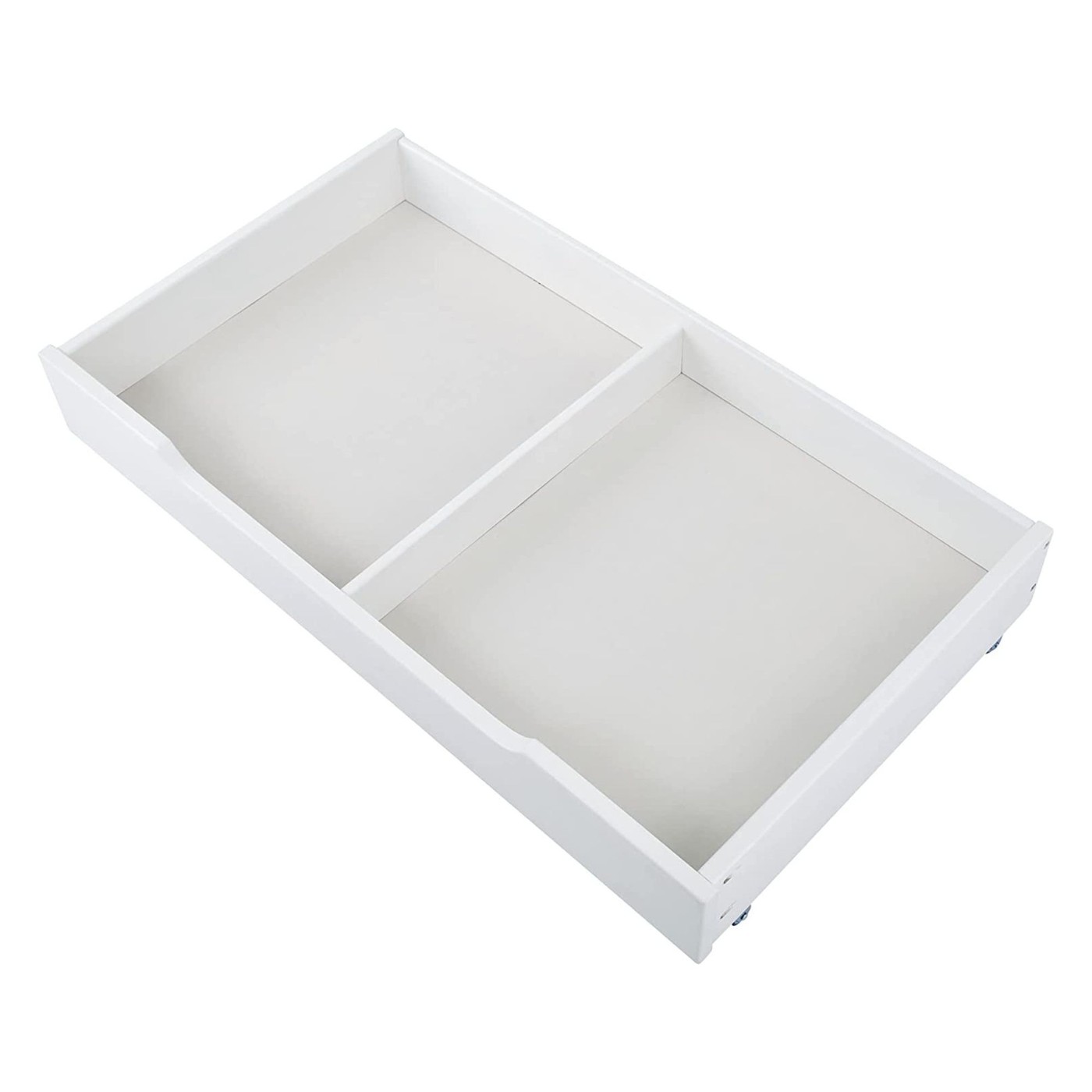
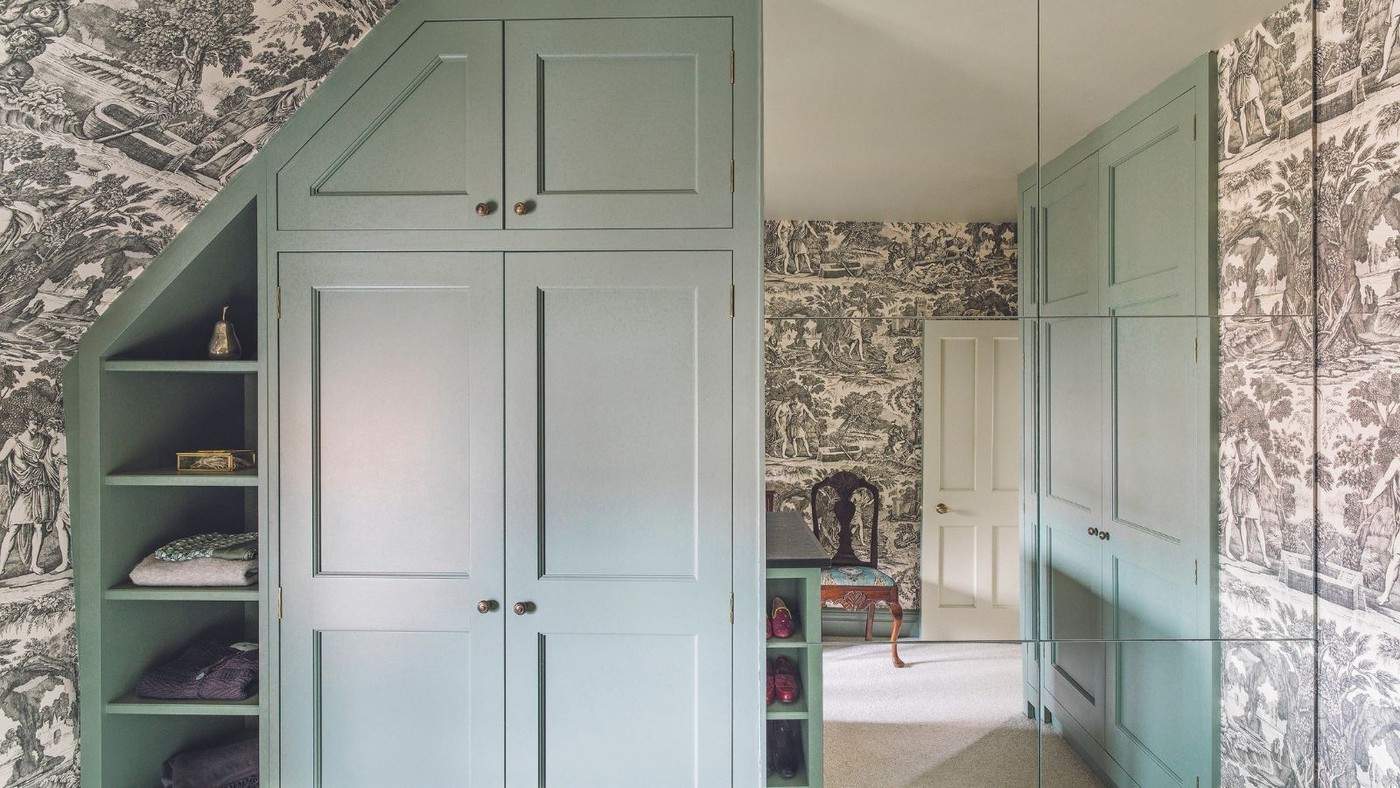
Tall narrow units can make use of vertical space, while storage beds or suitable underbed drawers can add capacity without another freestanding cabinet. Decide what belongs in these less immediate positions, keeping daily essentials within comfortable reach. Verify clearances for opening drawers or lifting a storage base and follow the manufacturer's instructions. Avoid packing so tightly that the contents become difficult to identify or remove. Pale finishes and mirrors may affect the room's appearance, but physical organization still determines access. Review the stored selection first so additional capacity serves needed clothing rather than preserving a growing collection of unused pieces.
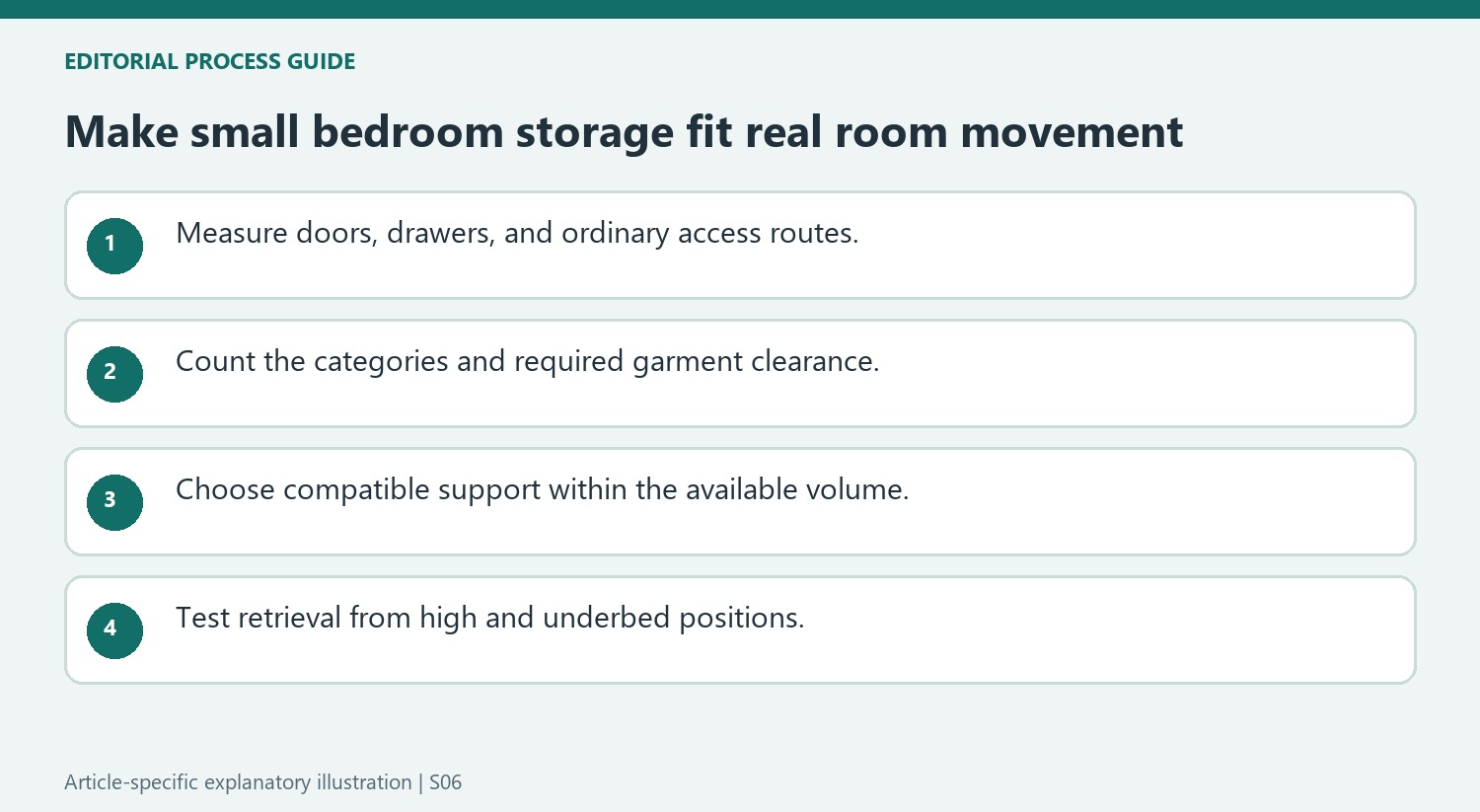
Trace the opening movement before adding capacity
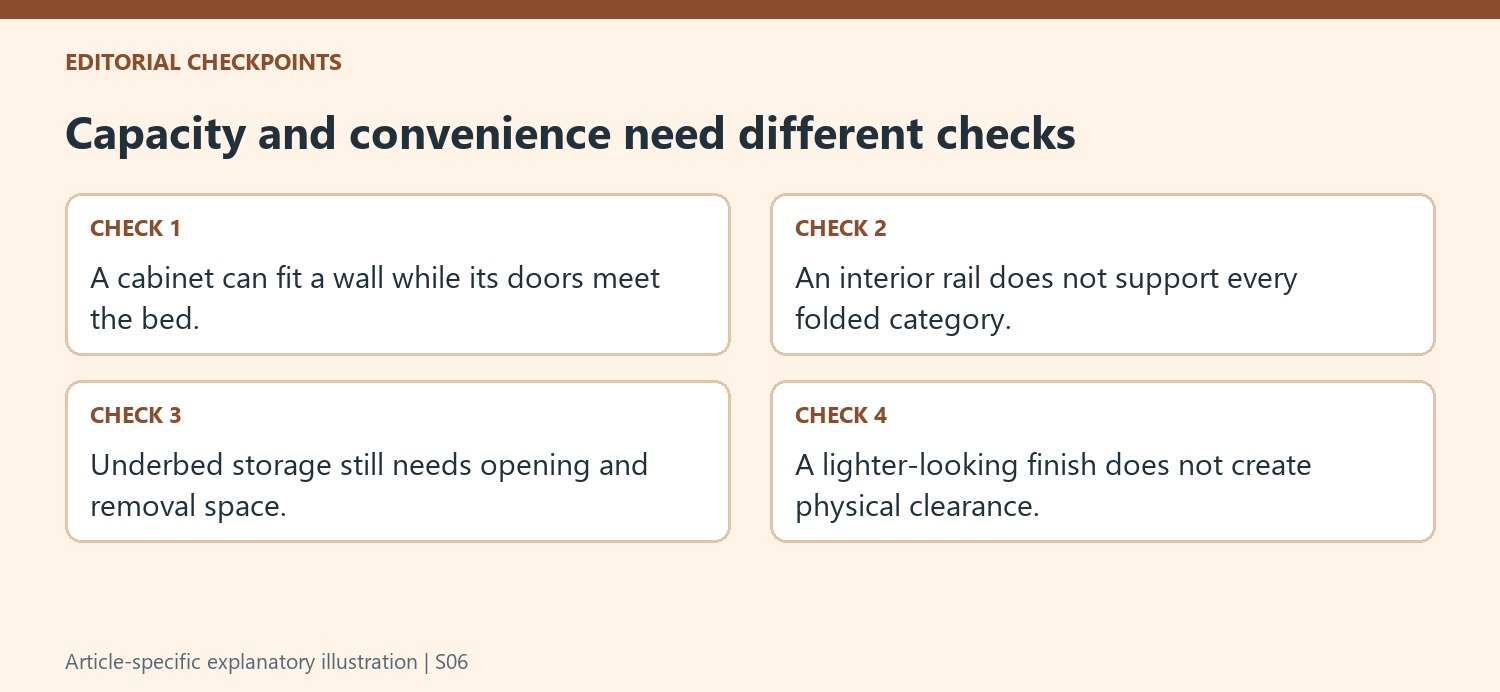
The source stresses that a wardrobe's doors matter when a bed is nearby. Measure the actual opening route of doors and drawers, not just the cabinet footprint against the wall. A unit can fit physically yet remain difficult to use if reaching a garment requires shifting furniture. Sliding doors may help in some layouts, but they have their own access pattern and installation requirements. Consider the movement needed for laundry returns and for removing a storage box as well as selecting an outfit. The useful layout keeps those repeated actions possible. A capacity gain is less valuable when it turns ordinary dressing into an awkward maneuver through a gap that looked sufficient only on a static floor plan.
Assign interior components to real categories
The article recommends combining rails with shelves, drawers, and footwear storage according to the collection. Count long and short hanging garments separately, then identify what needs folded support or smaller compartments. Appropriate pullout components may improve access, but their movement and load requirements must fit the actual system. Clear fronts or open sections can improve visibility for a user who forgets hidden items, while enclosed storage may suit another preference. Compare the working arrangement rather than assuming a bespoke or modular label guarantees the right mix. The same internal volume can serve different wardrobes very differently. Start with the clothing and accessories being retained, then choose compatible supports that allow them to be identified, removed, and returned independently.
Use vertical and underbed space with retrieval in mind
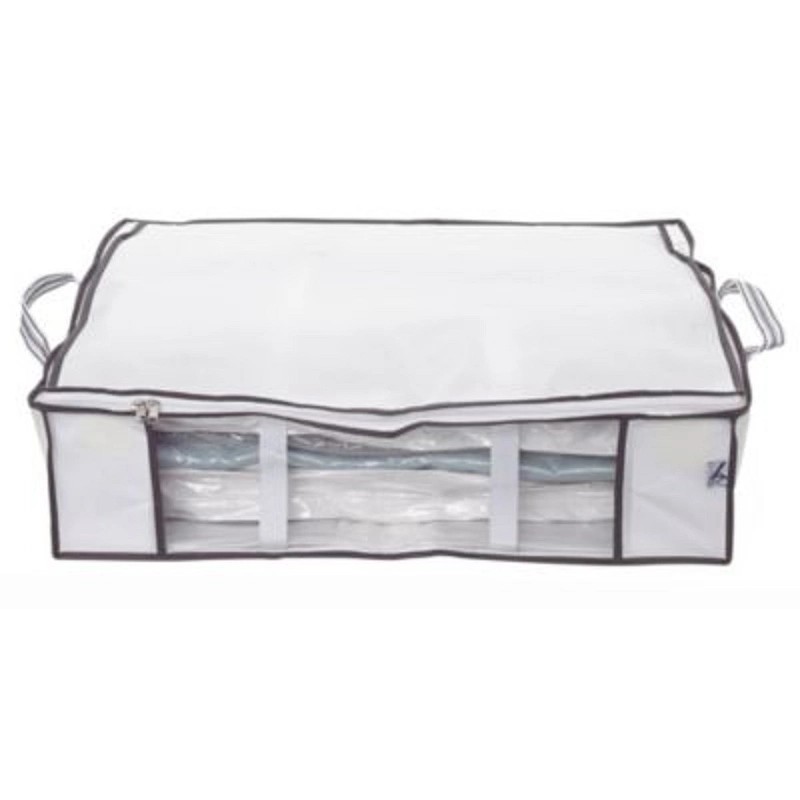
The source includes tall narrow furniture and storage beds among its options. These can add capacity without another broad cabinet, but they change how the room is used. Check access to higher positions and the clearance needed to open drawers or lift a storage base according to its instructions. Less frequently used suitable items can occupy these areas while everyday essentials remain convenient. Avoid filling an awkward position with a heavy mixed box simply because it fits. Pale finishes and mirrors may make the room look lighter, yet they do not create physical movement space. Review unused clothing before expanding storage, so the extra capacity serves a considered collection instead of preserving the same crowding in another part of the bedroom.
References
- Small bedroom clothes storage ideas – 10 clever ways to make the most of a tiny space. Homes and Gardens; Sophie Warren-Smith.