GarmentCare Guide
Keep current needs at the front
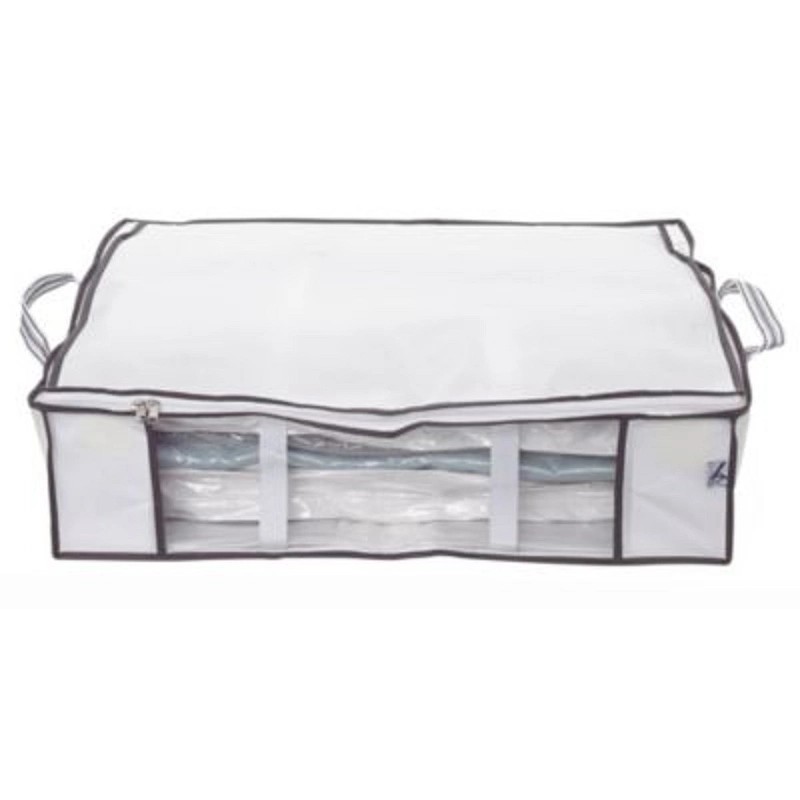
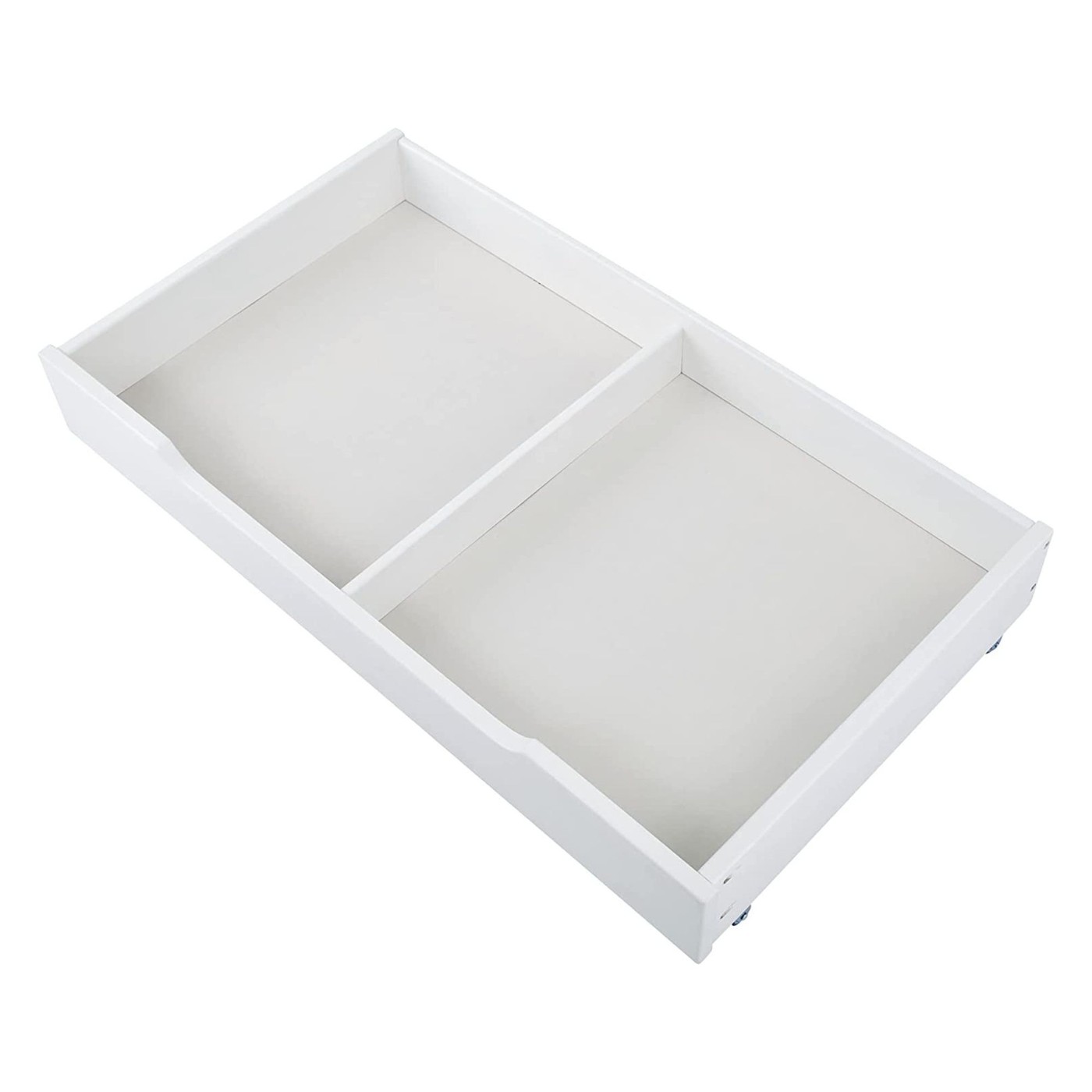
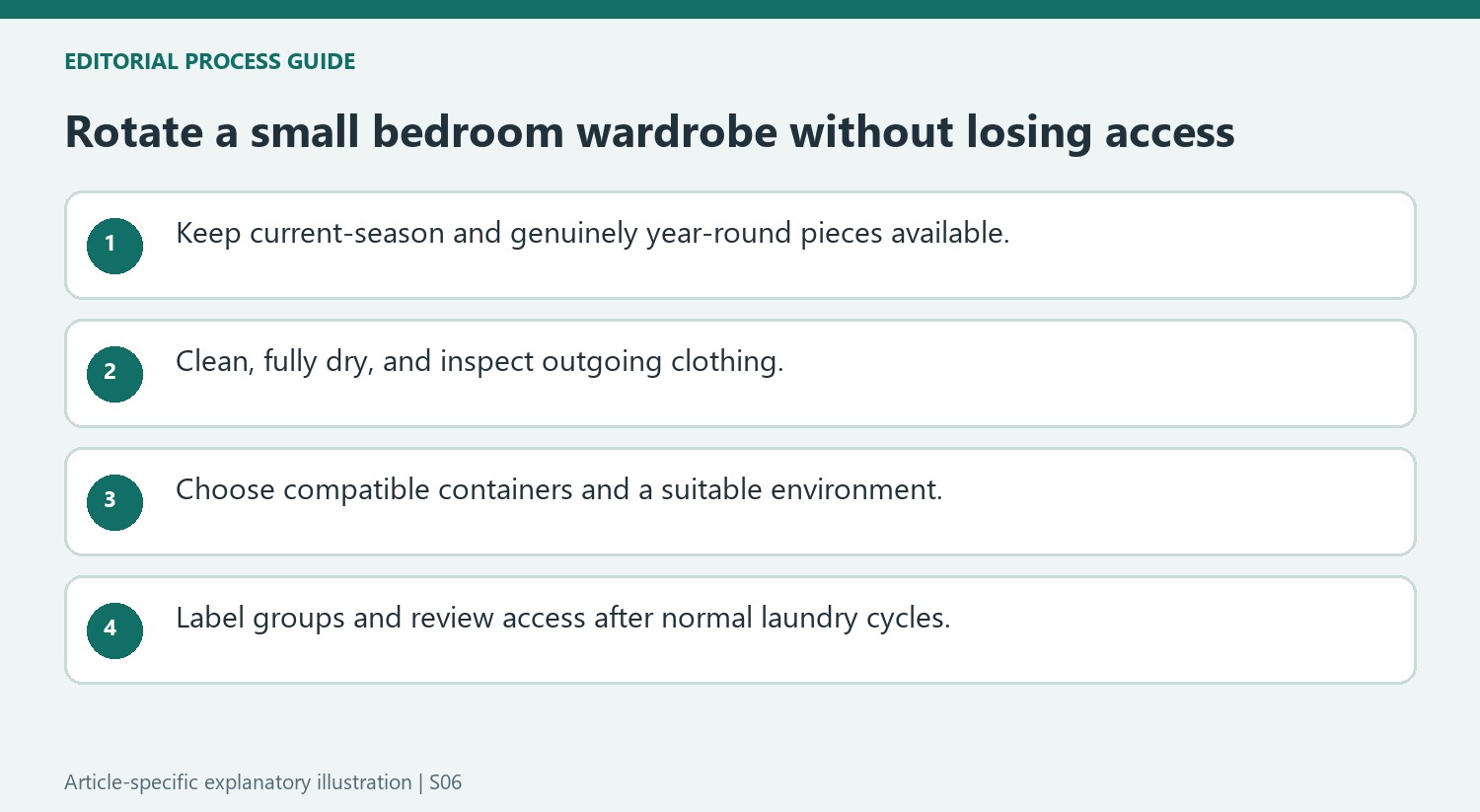
Real Homes recommends seasonal rotation as a useful way to manage clothing in a small bedroom. Move pieces not needed for the coming months out of the prime daily positions, while keeping year round favorites available. A frequently worn sweatshirt should not become inaccessible simply because it is usually associated with colder weather. The useful division is based on actual use as well as season. Underbed boxes or drawers may provide additional capacity, but they should be easy to reach and clearly labeled. Storage works best when retrieving one item does not require disturbing a whole collection of unrelated containers.
Prepare clothes and choose the location carefully
The article emphasizes cleaning seasonal clothing and allowing it to dry fully before packing it away. Existing stains can become harder to address after storage, while trapped moisture creates another problem. Choose containers appropriate to the clothing and the storage conditions rather than relying on weak temporary bags or deteriorating boxes. The source cautions about uncontrolled basements, attics and garages where moisture and pests may affect garments. Assess the actual environment instead of assuming any space outside the bedroom is a useful solution. A smaller suitable storage area can be preferable to a larger location that leaves clothing vulnerable.
Use different spaces for different garment types
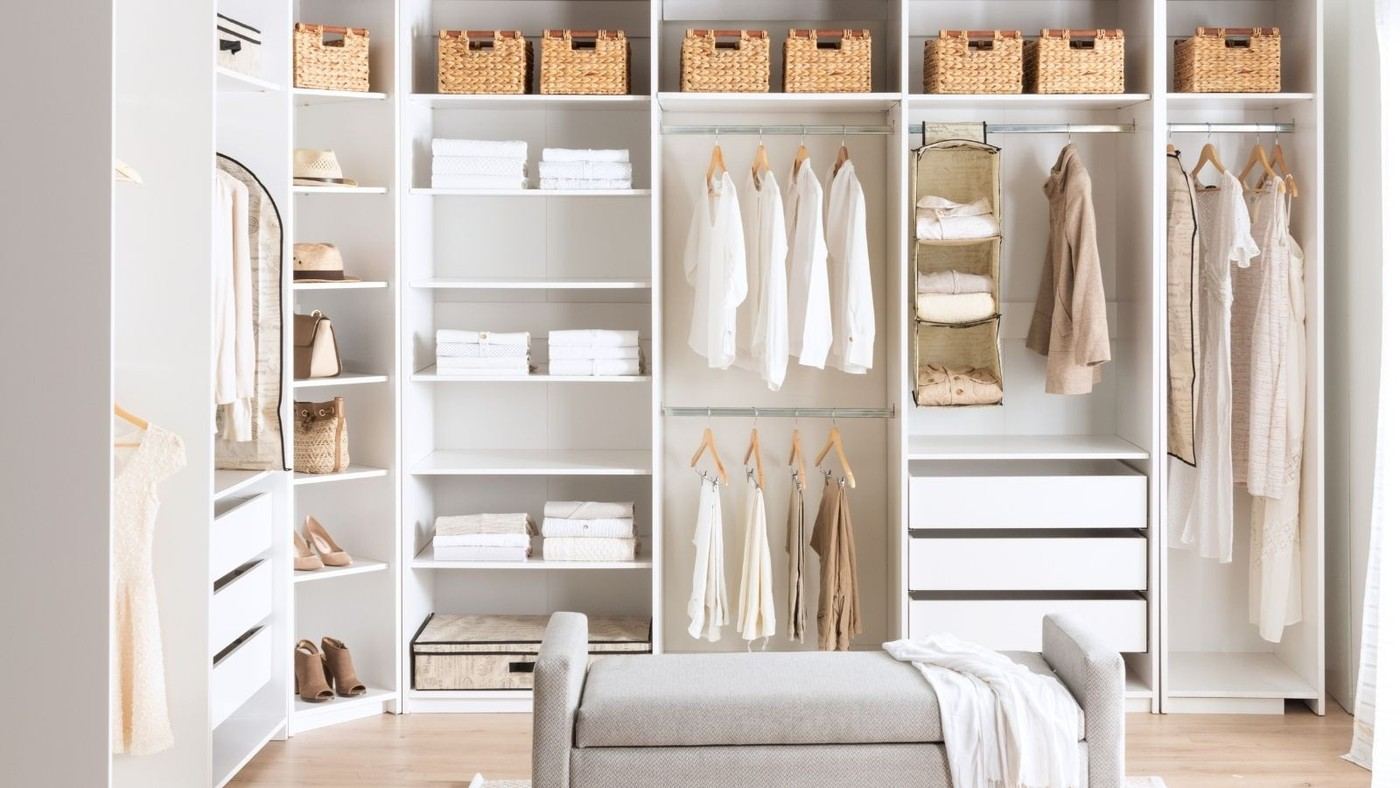
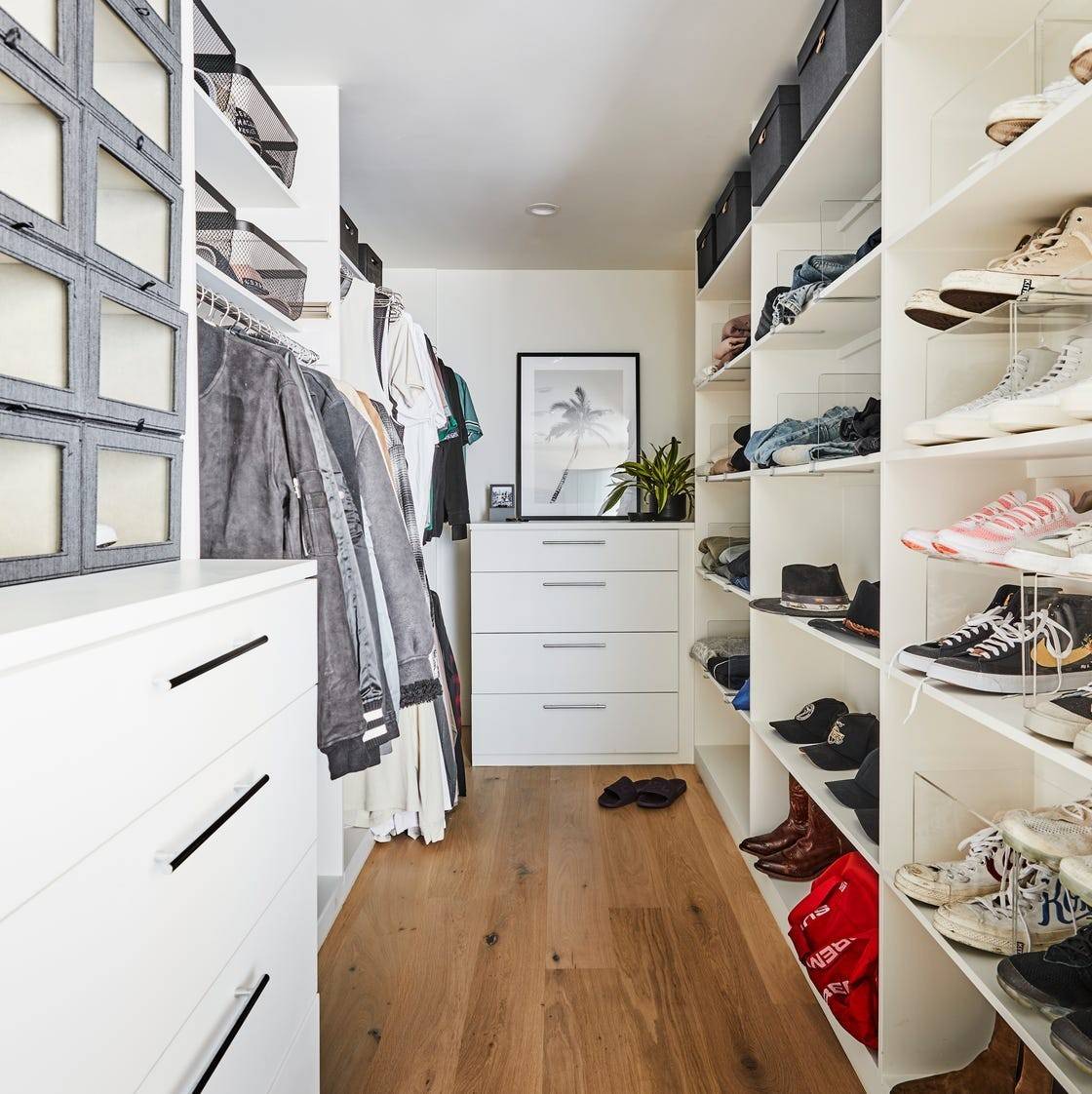
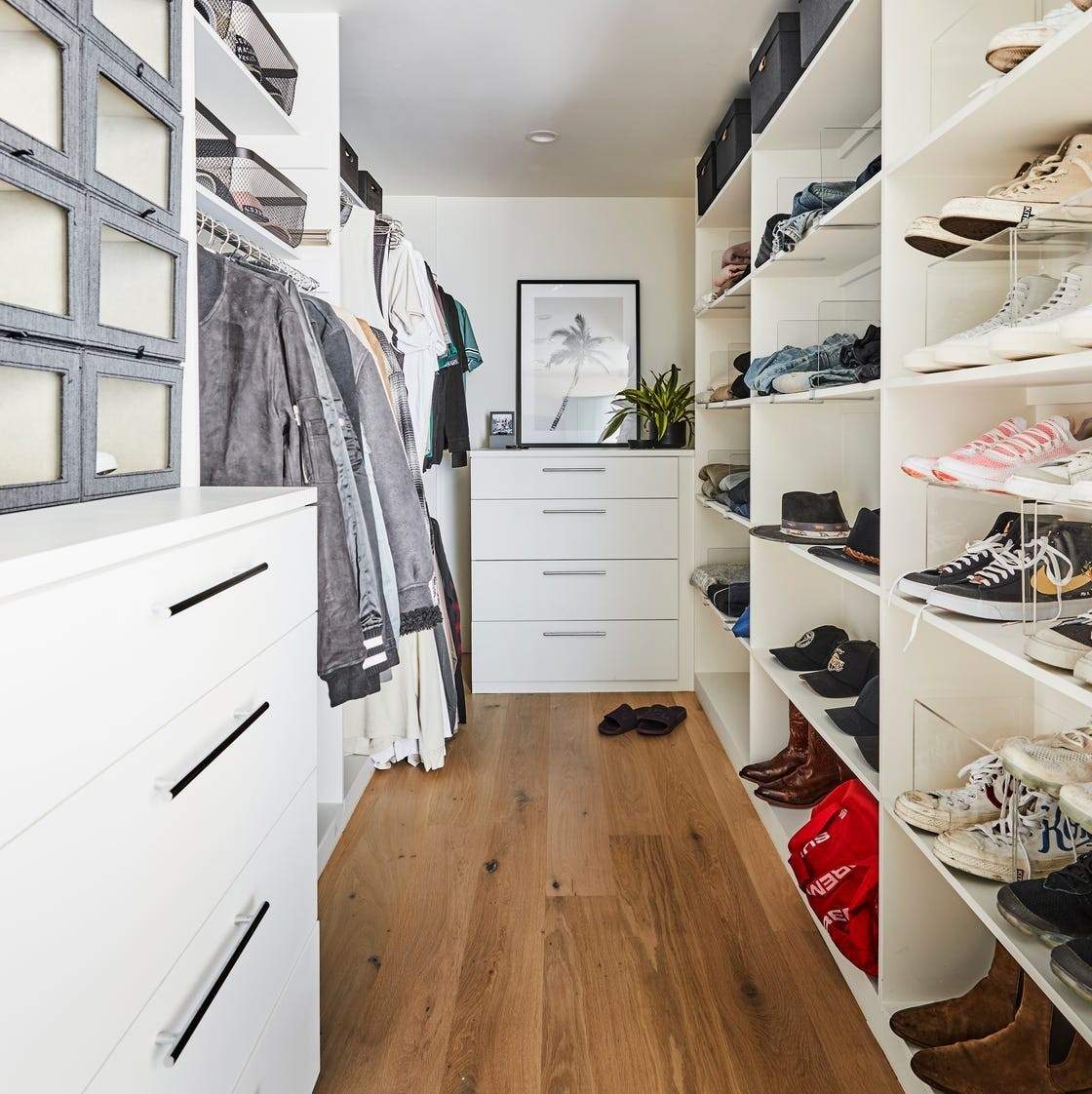
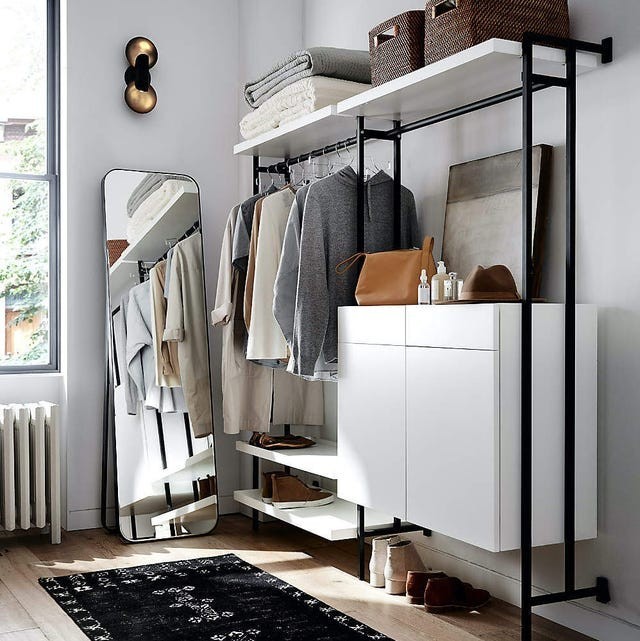
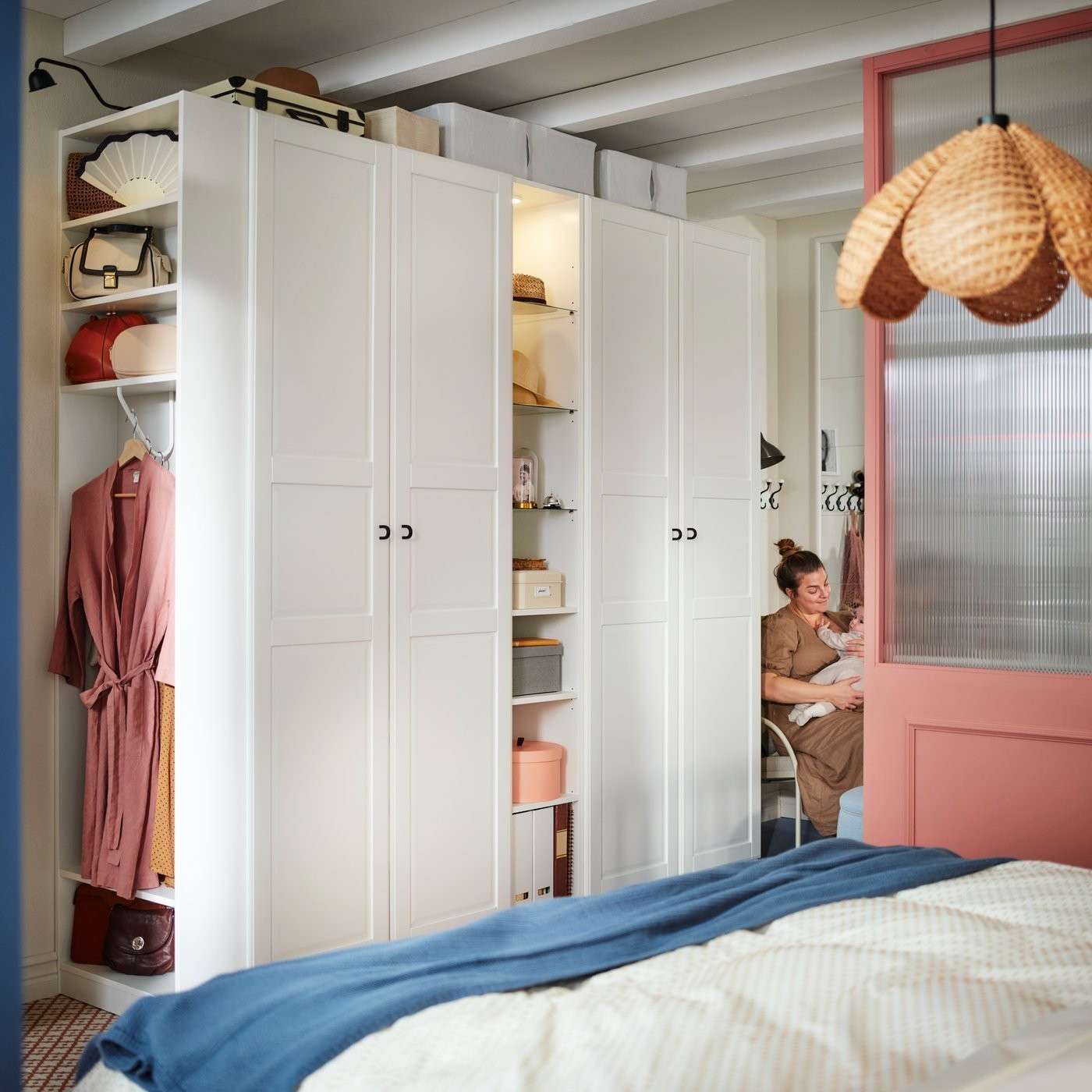
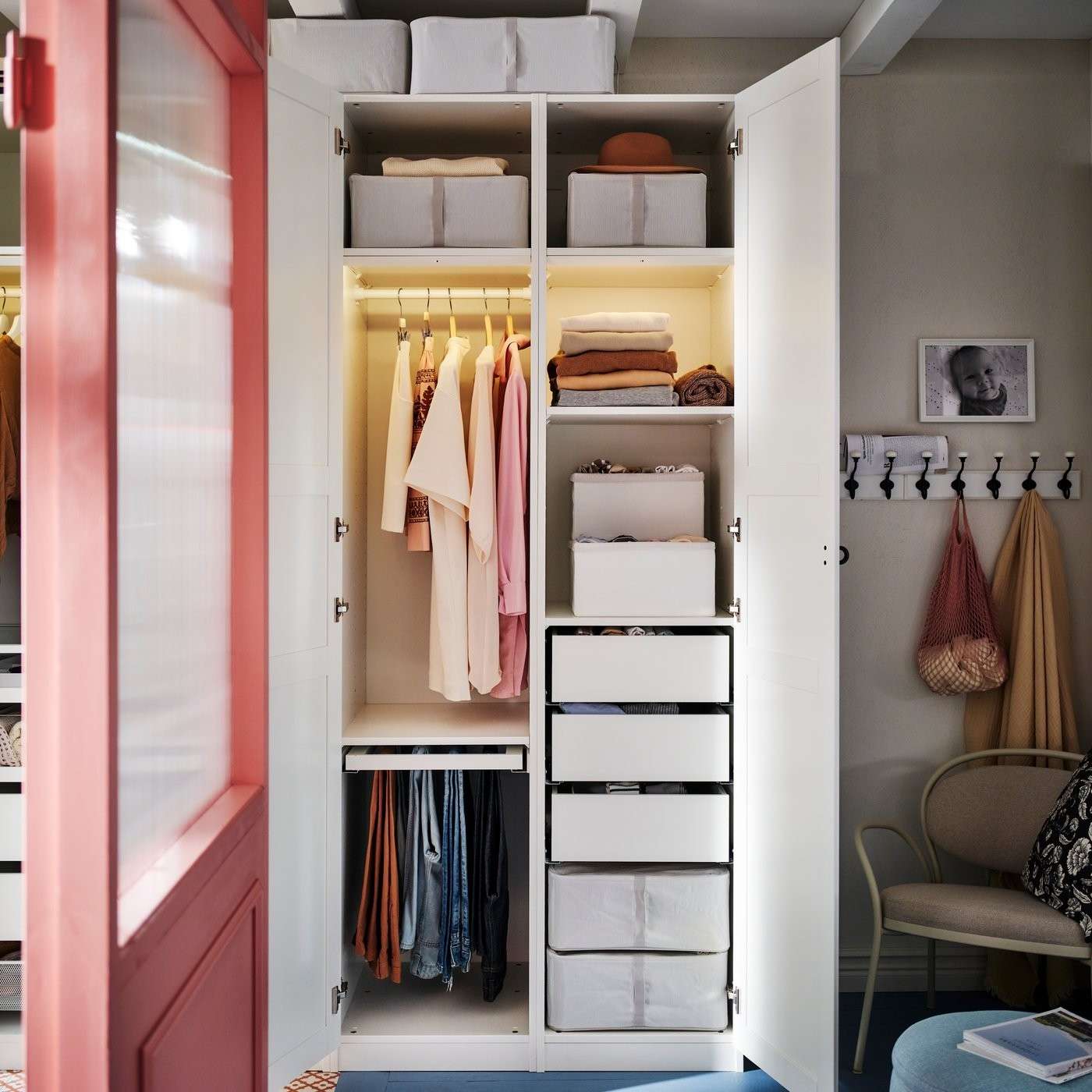
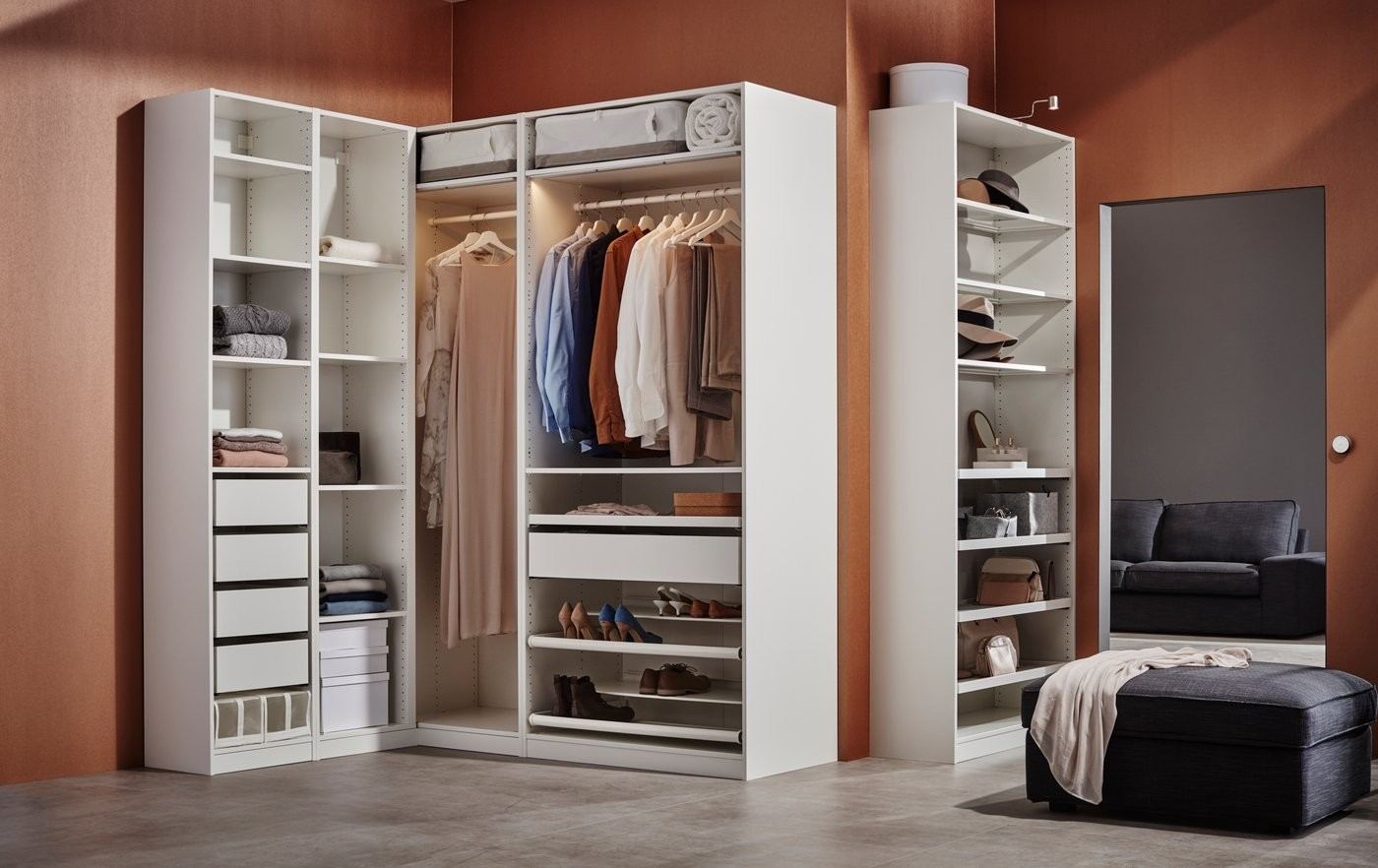
Hanging areas can hold appropriate tops and dresses, while drawers with dividers can organize casual pieces and smaller items. Group hanging clothes by length where that helps reveal usable space below. Avoid treating every unused gap as a place for another compressed bundle; access still matters. Labels and defined sections may take time to establish but reduce searching later. Review the setup after a few laundry cycles to see whether the chosen folds and categories are practical. A small bedroom wardrobe becomes more manageable through selective access and suitable storage methods, rather than one product that promises to contain everything.
Rotate by actual use as well as by season
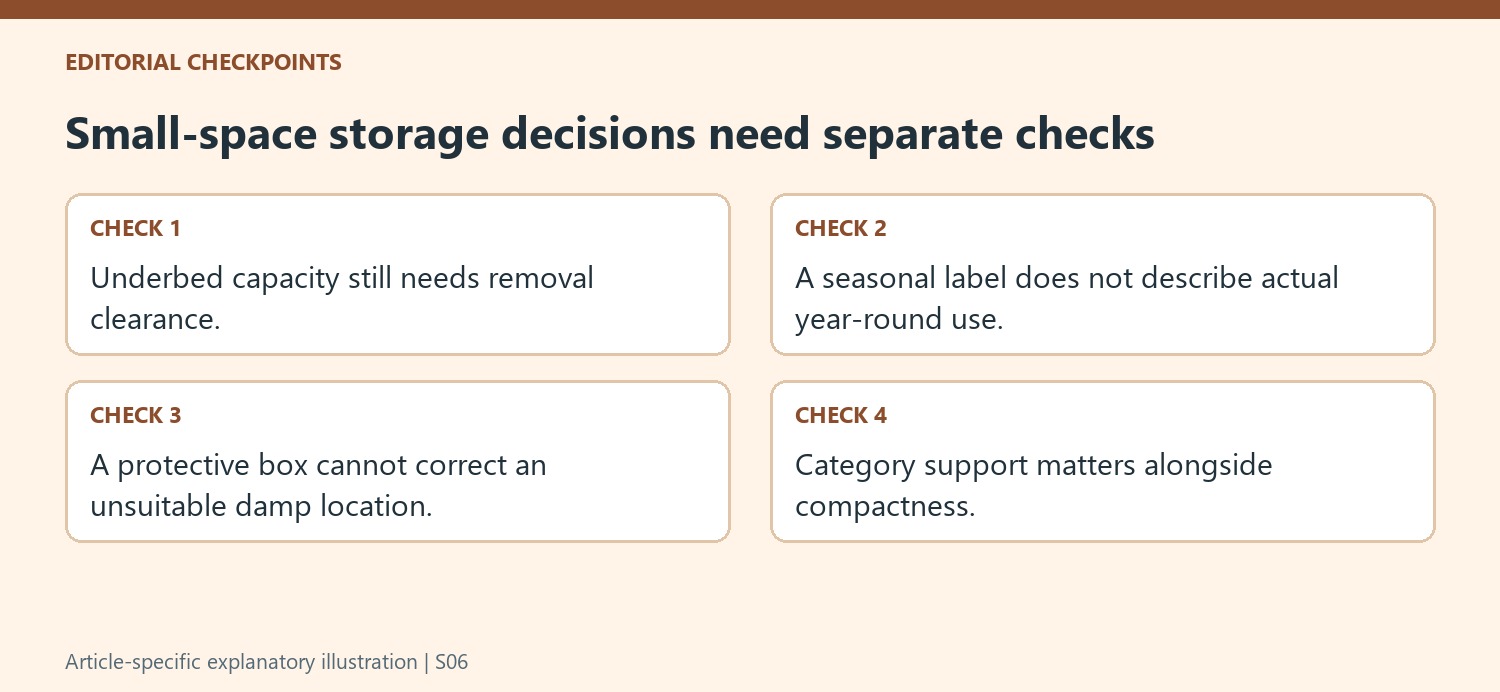
The source recommends moving out-of-season pieces away from prime storage while keeping year-round favorites available. That distinction prevents a rigid seasonal rule from hiding the sweatshirt or light layer still worn regularly. Review the coming months and the actual wardrobe routine before packing. Underbed boxes or drawers can hold suitable less-needed clothing, but measure clearance and removal space first. Label contents so an unexpected change in weather does not require searching every container. The active wardrobe should reflect what is genuinely being worn, not merely what belongs to a named season. This makes daily access more useful while preserving a clear route to occasional pieces without dismantling the whole storage arrangement when one item is needed.
Do the preparation before moving the clothing away
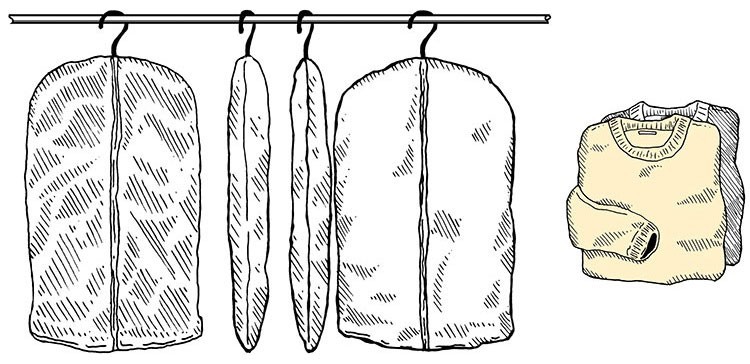
Real Homes stresses that seasonal garments should be clean and fully dry before storage. Address visible stains through the permitted method while they remain easy to inspect, and separate any repairs rather than sealing an unfinished task into a box. Choose good-quality containers suited to the clothing and the environment. A weak transport bag is not automatically adequate for months of storage. The source also warns that uncontrolled garages, basements, and attics can be damp or vulnerable to pests. Assess actual conditions rather than assuming a location is suitable because it has spare floor space. Protective packaging helps organize and contain items, but it cannot make existing moisture or an unsuitable storage environment disappear from the garment's care requirements.
Give every category a practical destination
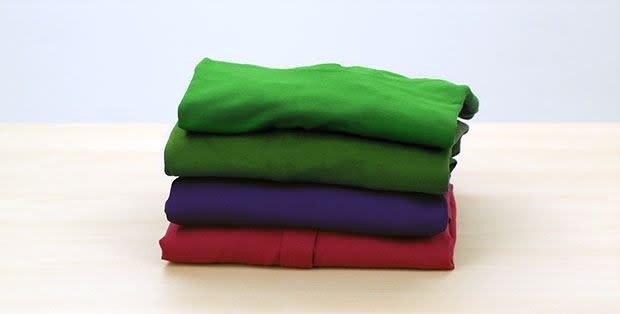
The article suggests combining appropriate hanging space with drawers and dividers, rather than forcing every piece into one method. Group hanging clothing by length where that makes useful clearance visible below, while preserving suitable support for each garment. Fold or arrange casual pieces to fit their actual drawer and leave enough room to identify and retrieve them. Establish labels and sections at a level the household can maintain. After a few laundry cycles, check where clothing gets left outside the system; that may reveal an awkward return step or an overcrowded category. A small bedroom benefits from storage that works through repetition, not just a larger number of boxes. Adjust the layout when ordinary use shows that the initial arrangement was too demanding.
References
- How to store clothes in a small bedroom, according to pros | Real Homes. Real Homes; Danielle Valente.