GarmentCare Guide
Clean and support wool before packing
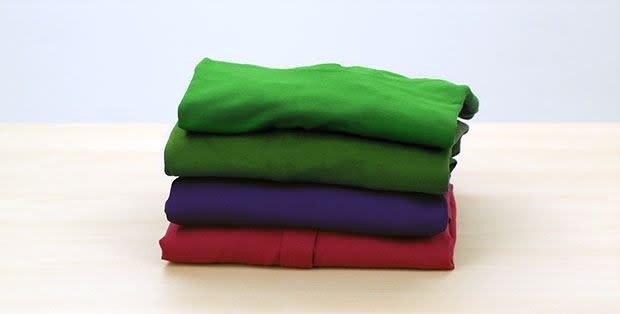
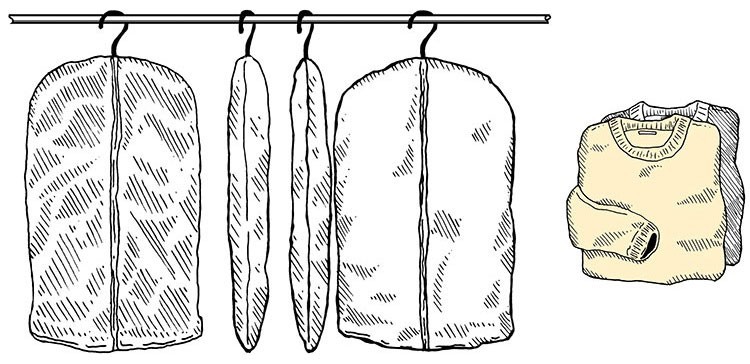
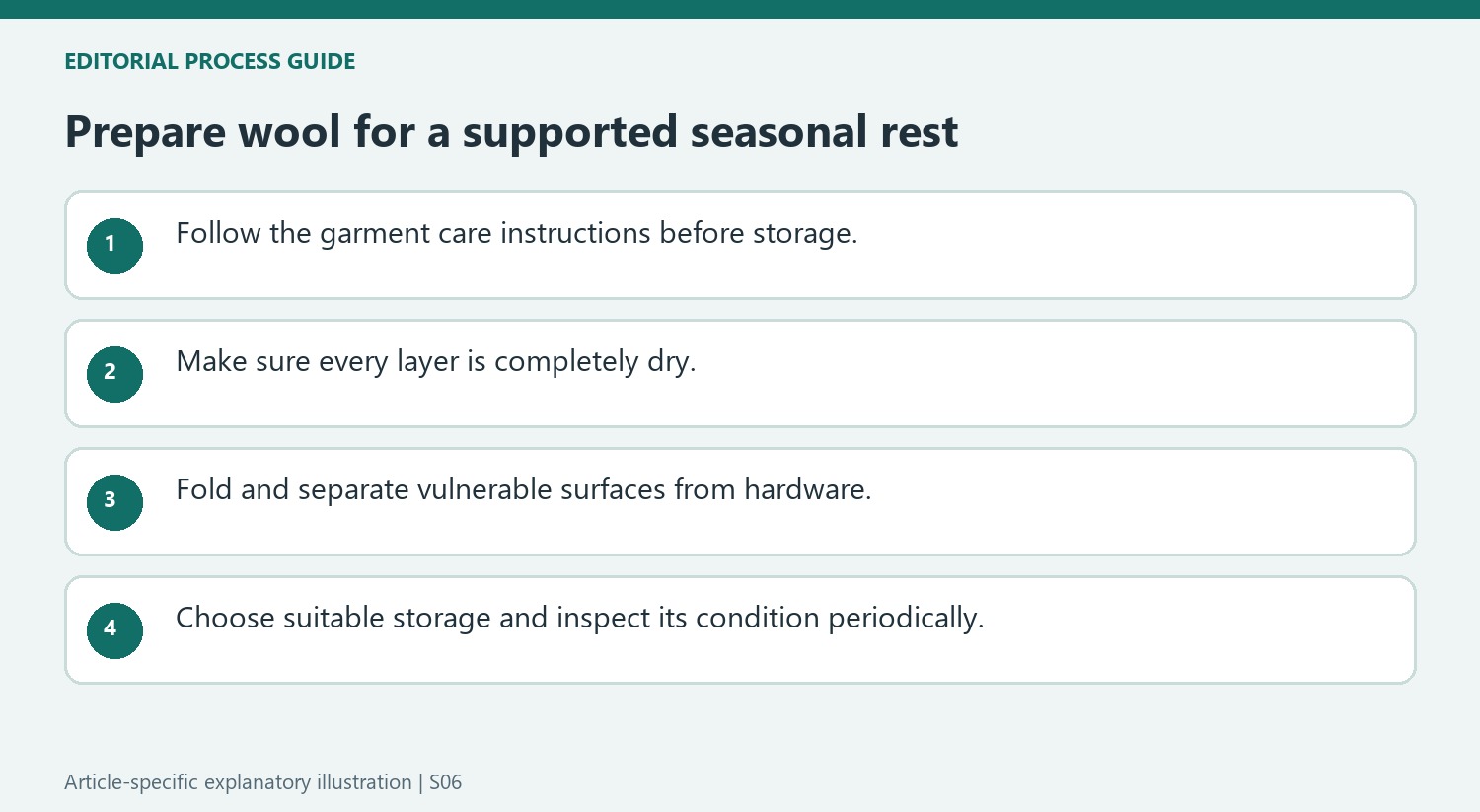
Woolmark recommends cleaning wool clothing before storage to address dirt, odors and stains, using the garment's permitted care method. Allow the piece to dry appropriately before enclosing it. Fold suitable wool garments rather than leaving their weight suspended from a hanger, helping them retain their shape during the off season. Review the clothing before deciding what to store, including whether a repair or stain needs attention. Packing is easier to plan when only ready items are included. A protective container does not undo soil, moisture or a distorted shape that was already present when the garment went inside.
Understand the limits of compression
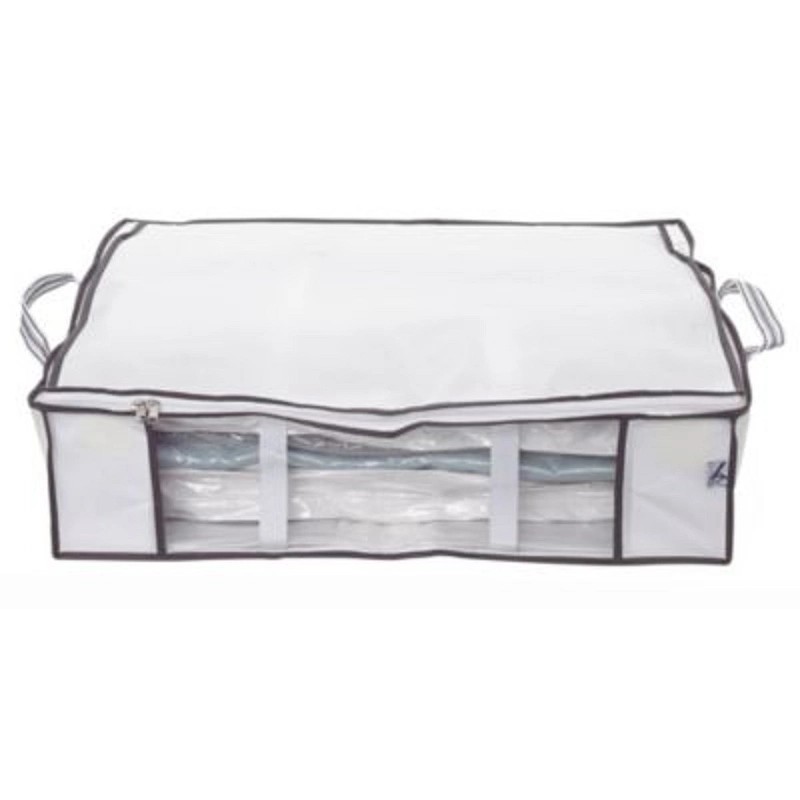
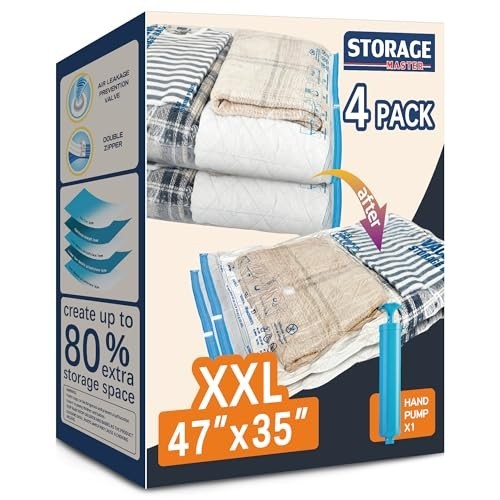
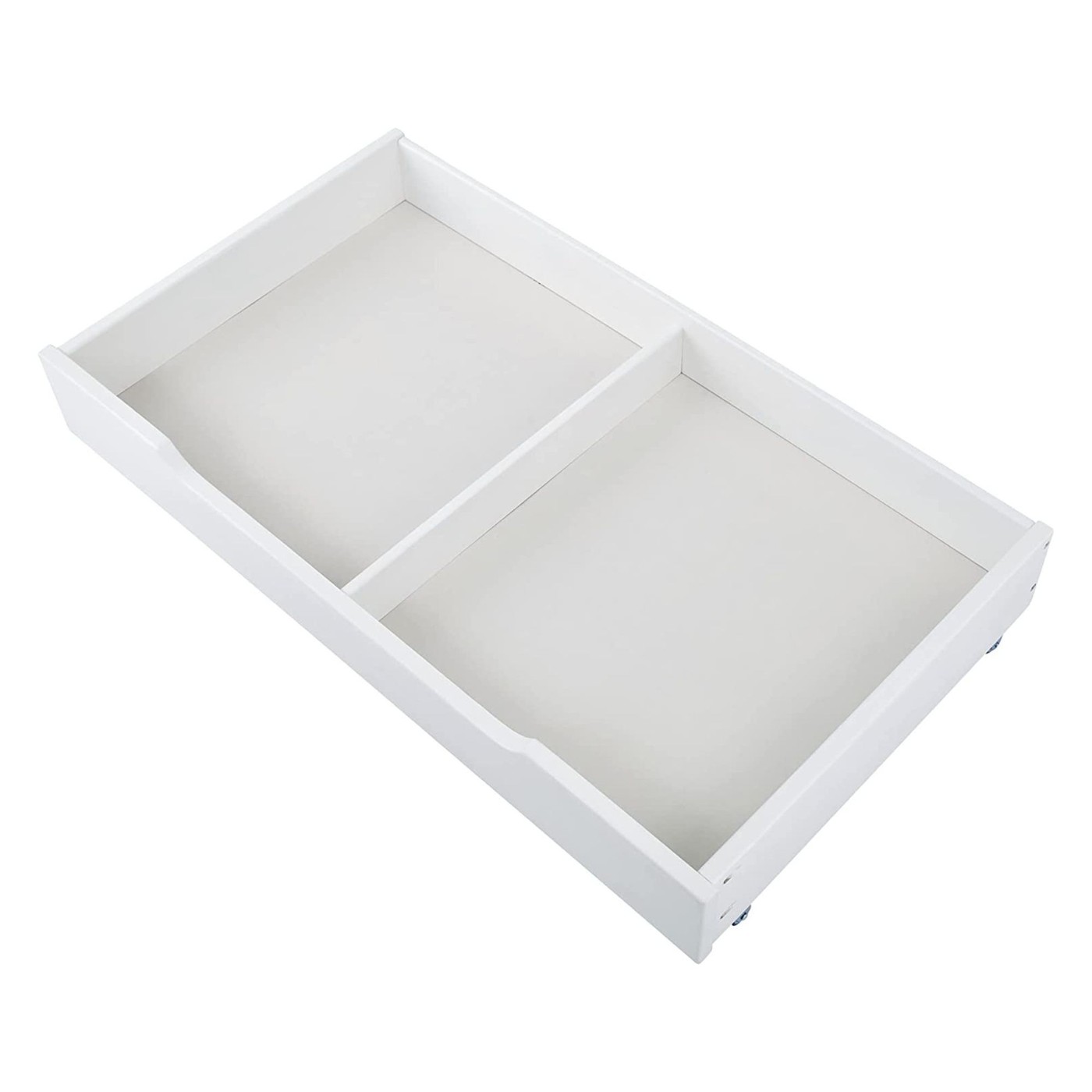
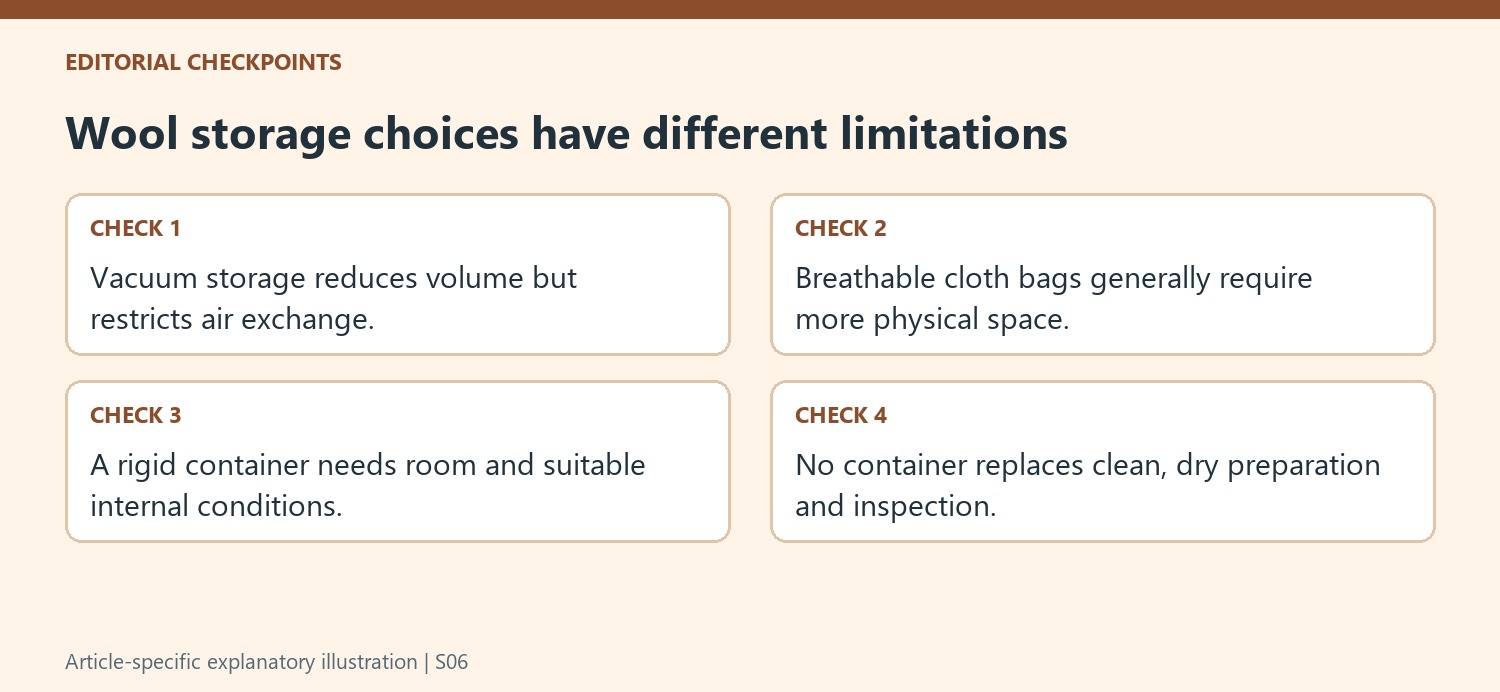
Vacuum packing can reduce the space used and make contents visible through a clear bag, but Woolmark also describes drawbacks. Bags may need resealing, limit breathability and can trap moisture. The source notes that they are not ideal for delicate clothing. Cloth bags made from suitable natural materials offer a different balance, allowing clothing to breathe without the same compression benefit. Appropriate tissue can help separate fabric from snagging hardware or neighboring garments. Choose based on the piece and its construction rather than assuming that a smaller package always means better protection. Storage bins provide another option where their physical size fits the space available.
Check the contents while they are stored
The source advises inspecting garments occasionally for moisture or insects. A closed package should not be treated as permanently finished until the next season. Keep the storage location suitable and the contents identifiable, so checking does not require opening an entire mixed collection. Woolmark discusses cedar and other deterrent approaches, but these should not replace cleaning, inspection or an appropriate response to a confirmed pest problem. Consider compatibility with any nonwool pieces stored nearby as well. The most reliable routine combines garment preparation, a suitable container and continued observation, rather than depending on one accessory to prevent every possible storage issue.
Choose the storage method before trying to save space
Woolmark describes vacuum packing, cloth bags, and bins as options with different strengths and limitations. Begin with the garment's construction and condition rather than the smallest package achievable. A suitable cloth bag can allow breathing without the compression benefit of a vacuum bag, while a bin occupies storage space of its own. Delicate clothing may need another arrangement entirely. Clean by the permitted method and dry appropriately before enclosure, because no container can undo soil or moisture already present. Fold suitable wool pieces to support their weight and preserve shape. These preparation decisions come before choosing a bag size, and they prevent a storage purchase from becoming the only consideration in a garment's off-season care.
Use separation to protect the actual surfaces
The source mentions tissue paper as a way to reduce snagging against zippers or neighboring clothing. Consider the points where stored pieces touch hardware or each other, and use suitable clean materials where they are appropriate. Do not force a delicate item into a mixed compressed group simply because protective tissue has been added. The container still needs to suit its construction, and the location needs suitable conditions. Keep categories identifiable so one garment can be checked or retrieved without repeatedly handling the entire collection. Cedar and other deterrent suggestions also require compatibility with nearby nonwool items; the source notes that some materials need different treatment. An accessory cannot be assumed safe or useful for every object sharing the same shelf or bag.
Keep observation in the off-season routine
The source explicitly recommends checking garments occasionally for moisture or insects. Treat packing as the start of a managed storage period rather than a completed task that needs no attention. Look for a bag losing its seal, a change in the container, or evidence that the location is unsuitable. If a problem is found, investigate and take the appropriate action before it affects more clothing. Do not rely on a pleasant scent as proof that moisture or pests are absent. Labels and manageable groups make these checks easier, particularly when weather changes require an item earlier than expected. The purpose of seasonal storage is to keep retained clothing ready for use, and continued inspection supports that goal alongside cleaning and suitable folded support.
References
- How to store wool clothes. The Woolmark Company.