GarmentCare Guide
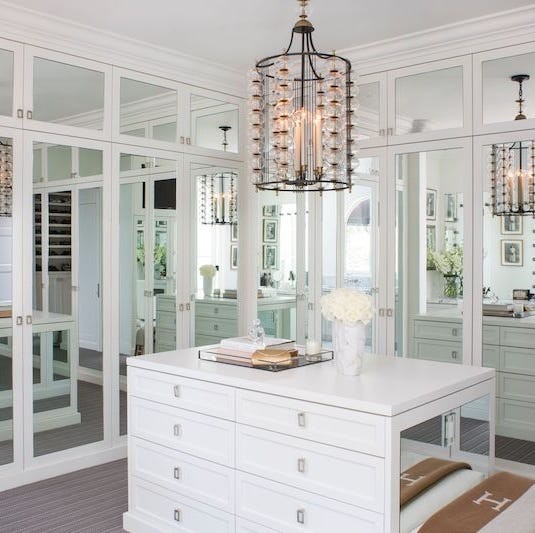
Arrange related clothing around the daily routine
In House Beautiful, closet designer Lisa Adams describes asking clients about their routines before planning storage. Clothing used together should not require unnecessary travel across the wardrobe. Her example pairs workout categories so the pieces are easy to gather. Apply that principle to the outfits and accessories actually used at home, rather than copying the scale of a celebrity closet. A small drawer or one section of rail can become more useful when its contents support a recognizable task. Start with the repeated actions of getting dressed and returning clothing before choosing decorative finishes.
Improve the view without overfilling the space
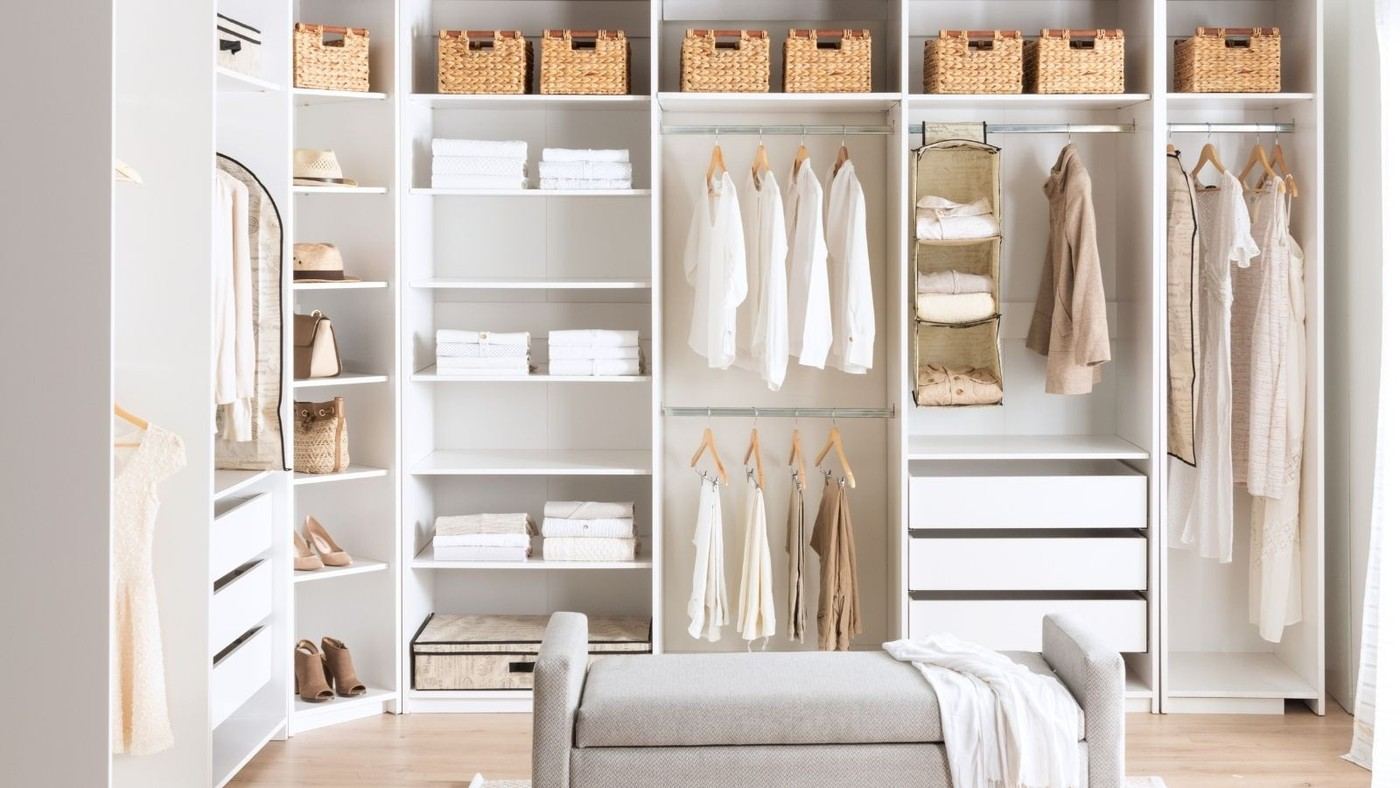
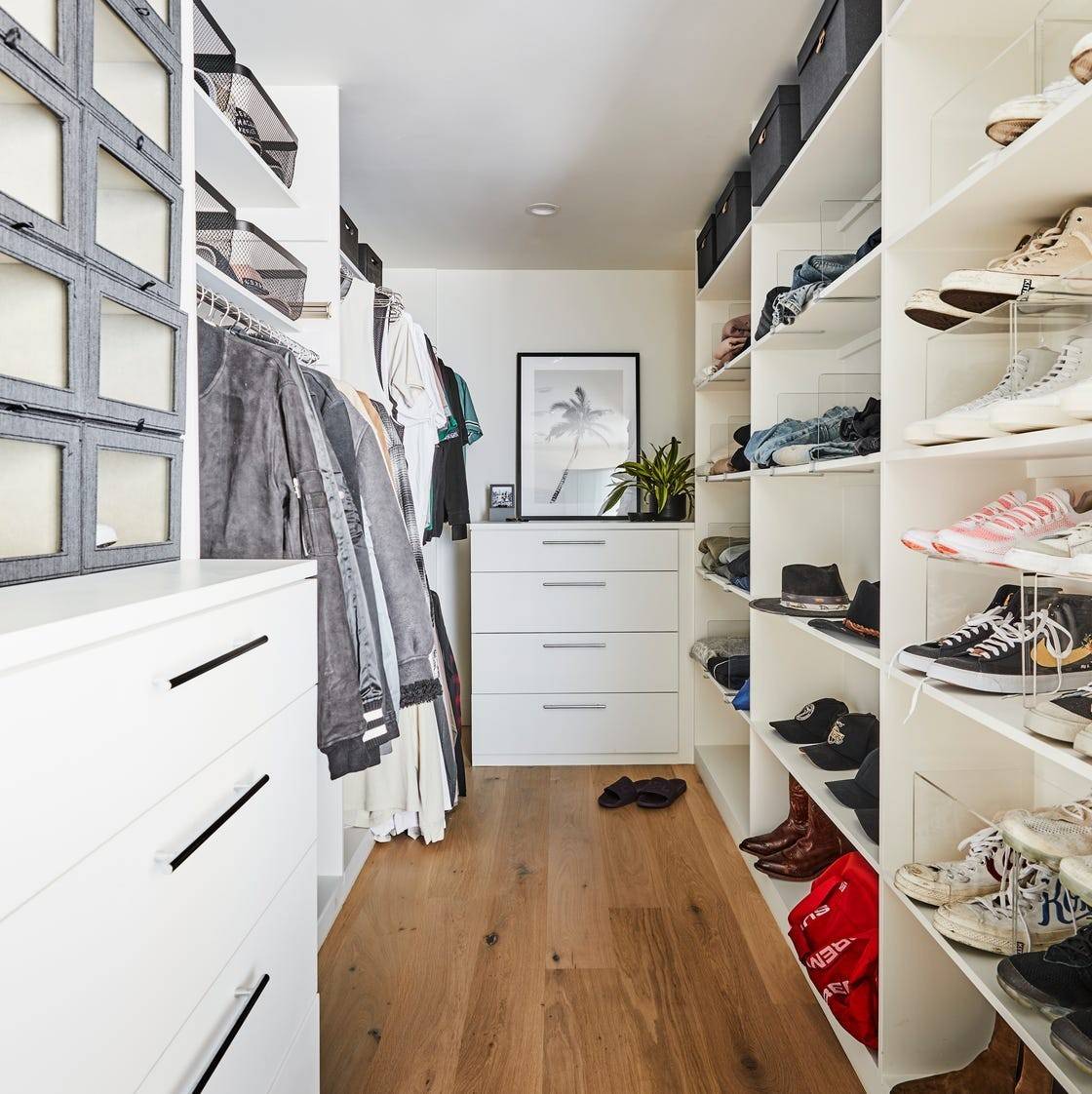
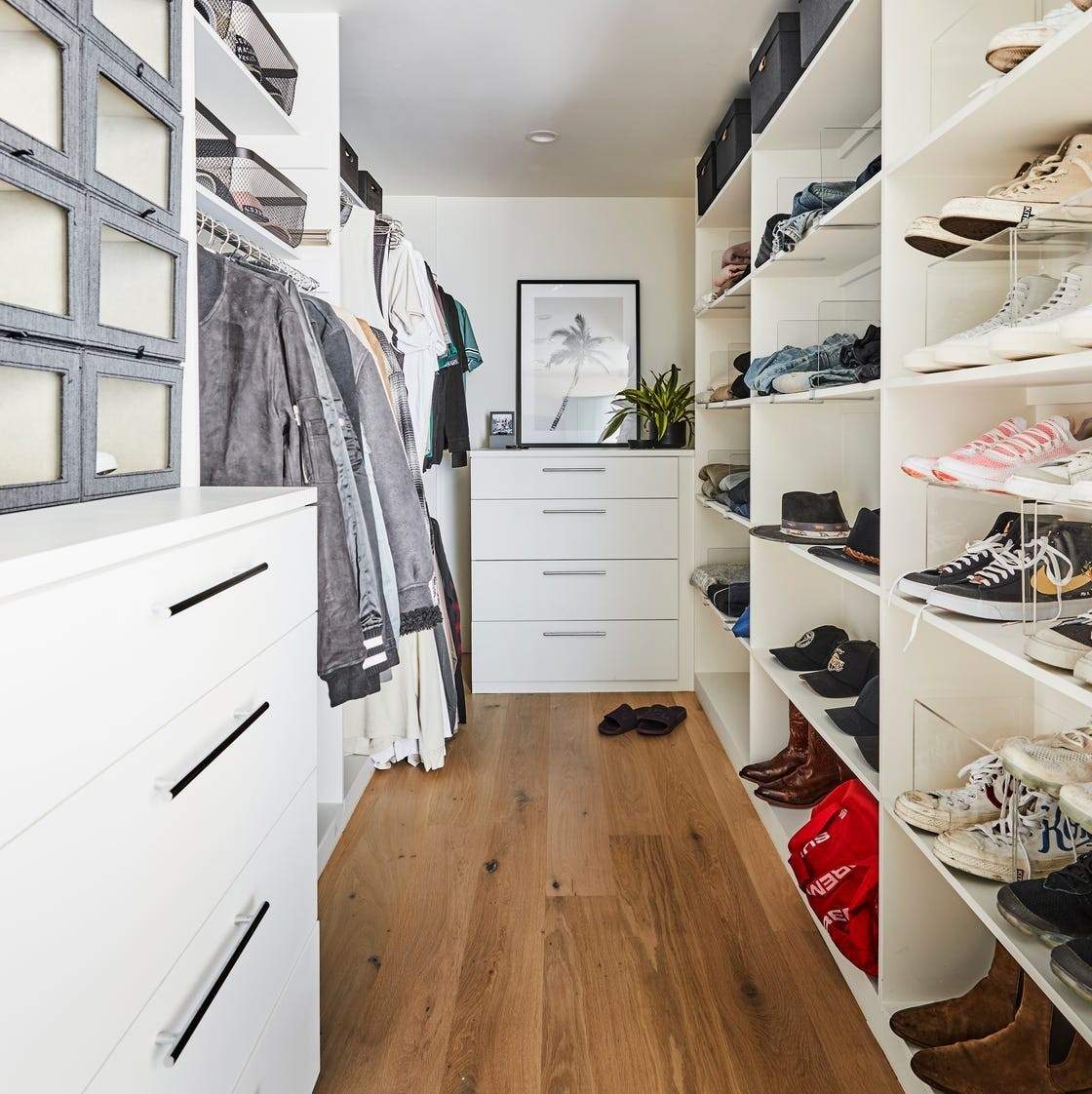
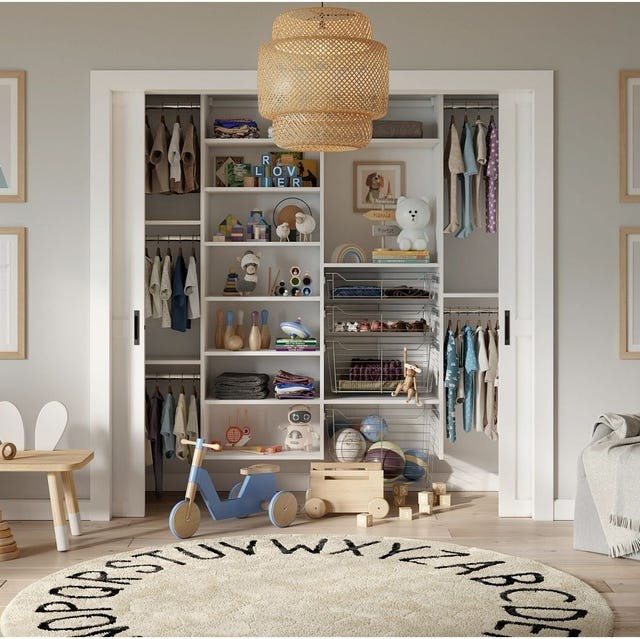
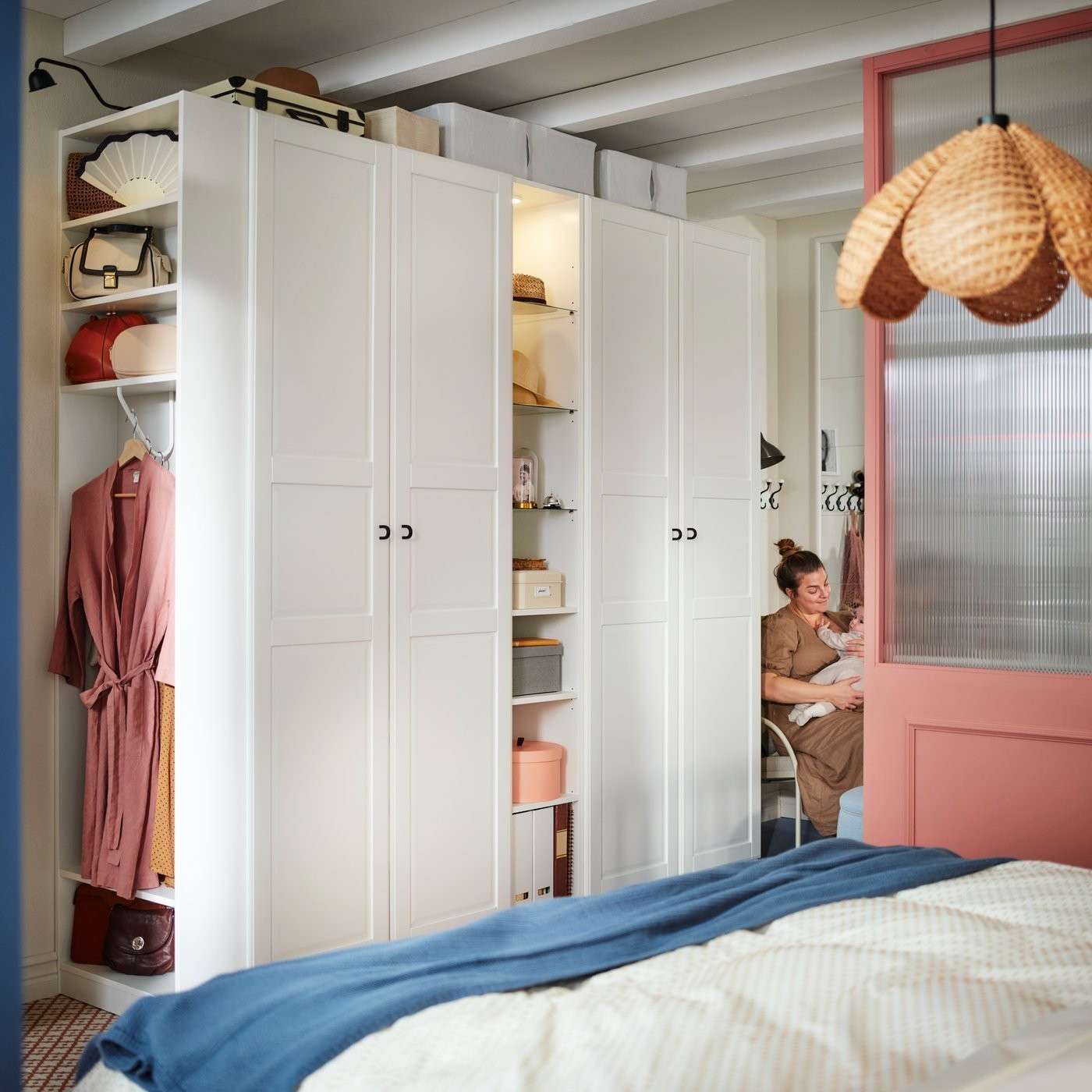
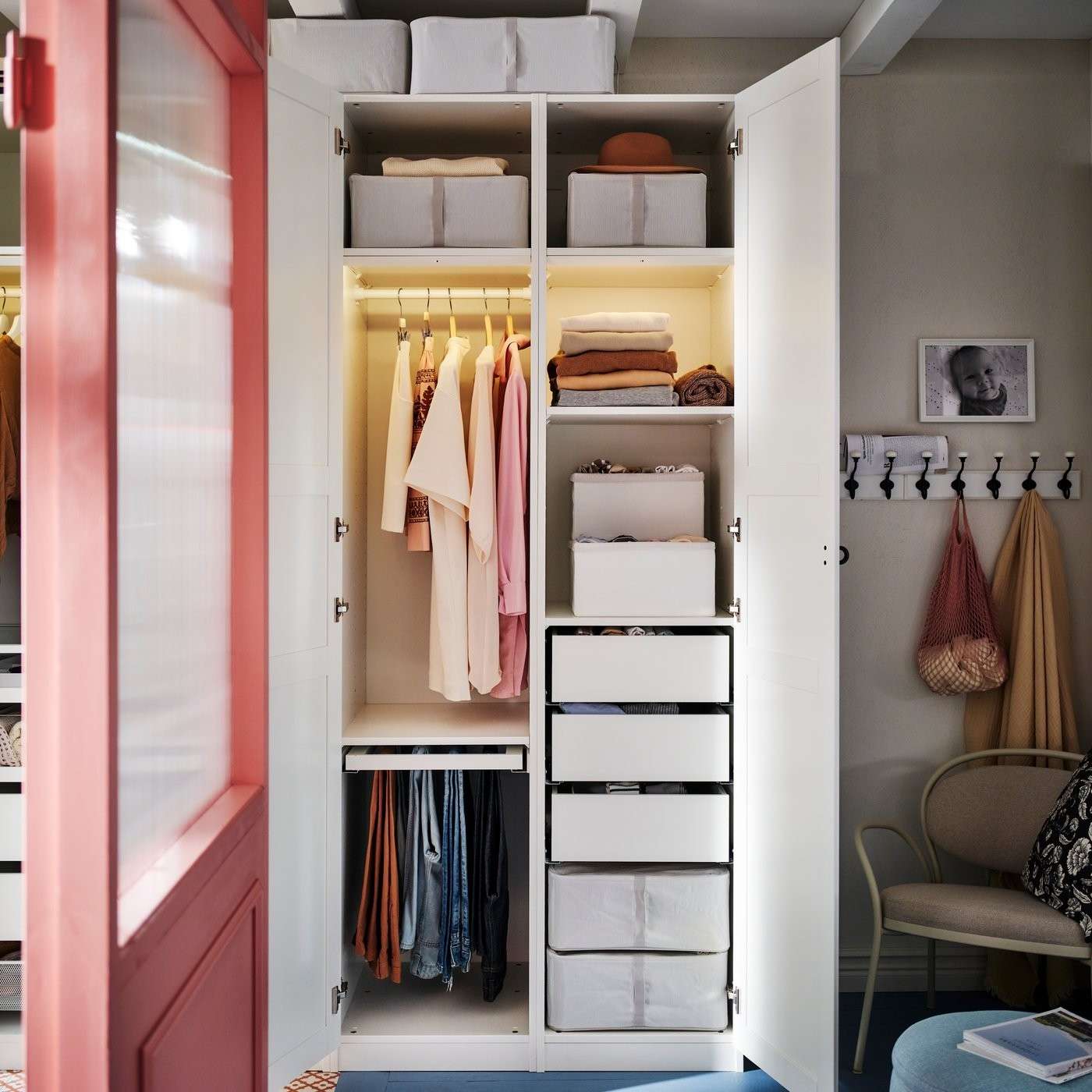
The article emphasizes being able to see the collection, using appropriate drawer, shelf and bag dividers where hanging room is limited. A visible category is easier to select from than a mixed pile whose lower layers are forgotten. Choose suitable hangers for the particular garments rather than assuming one material or thickness is right for every piece. Consider the available capacity and the support each item needs. More prominent display does not justify crowding: the arrangement should allow pieces to be removed and returned without pulling neighboring clothing out of position. Visibility is useful when it survives normal handling.
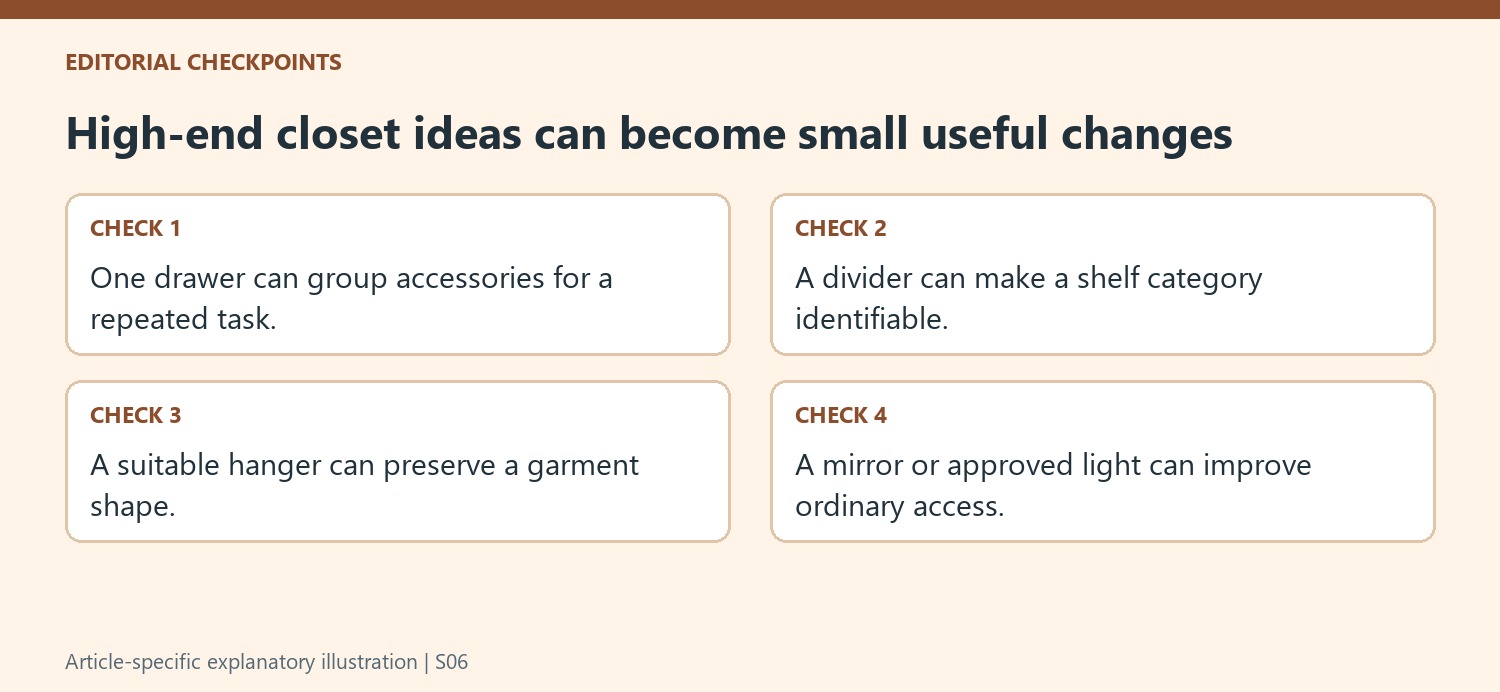
Address awkward areas with a defined purpose
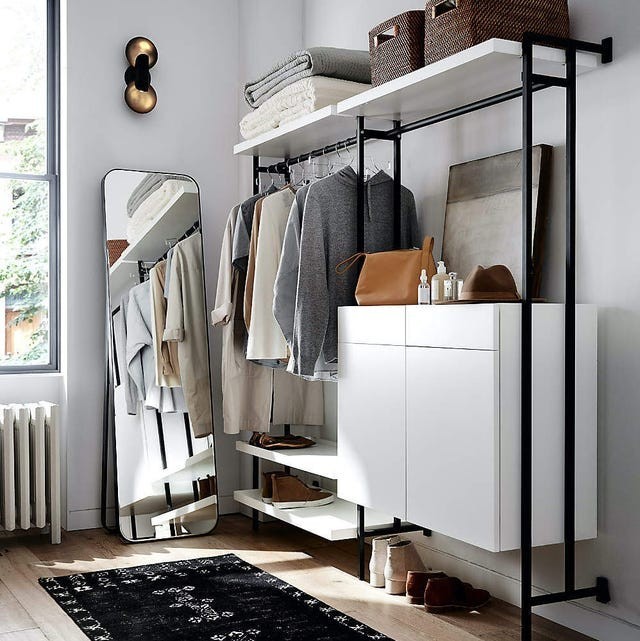
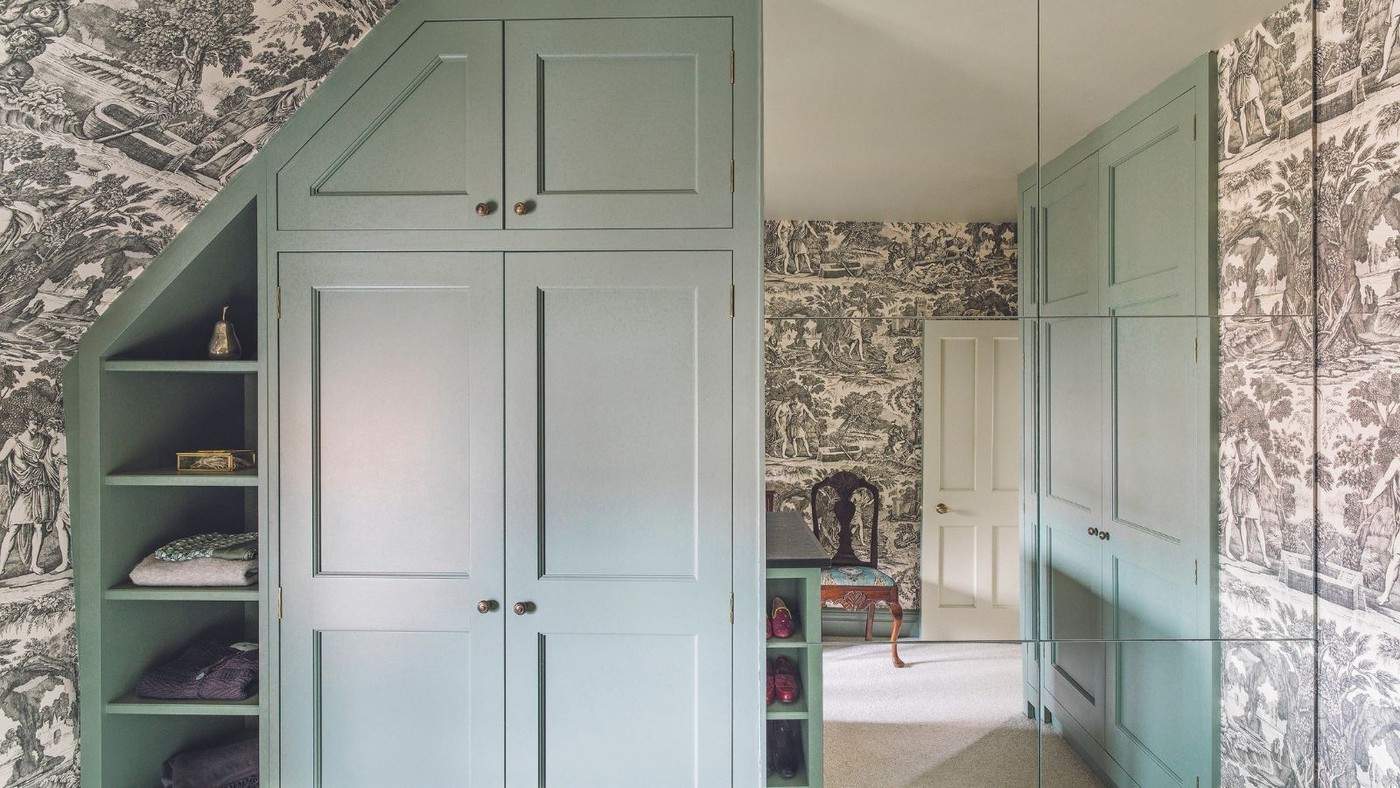
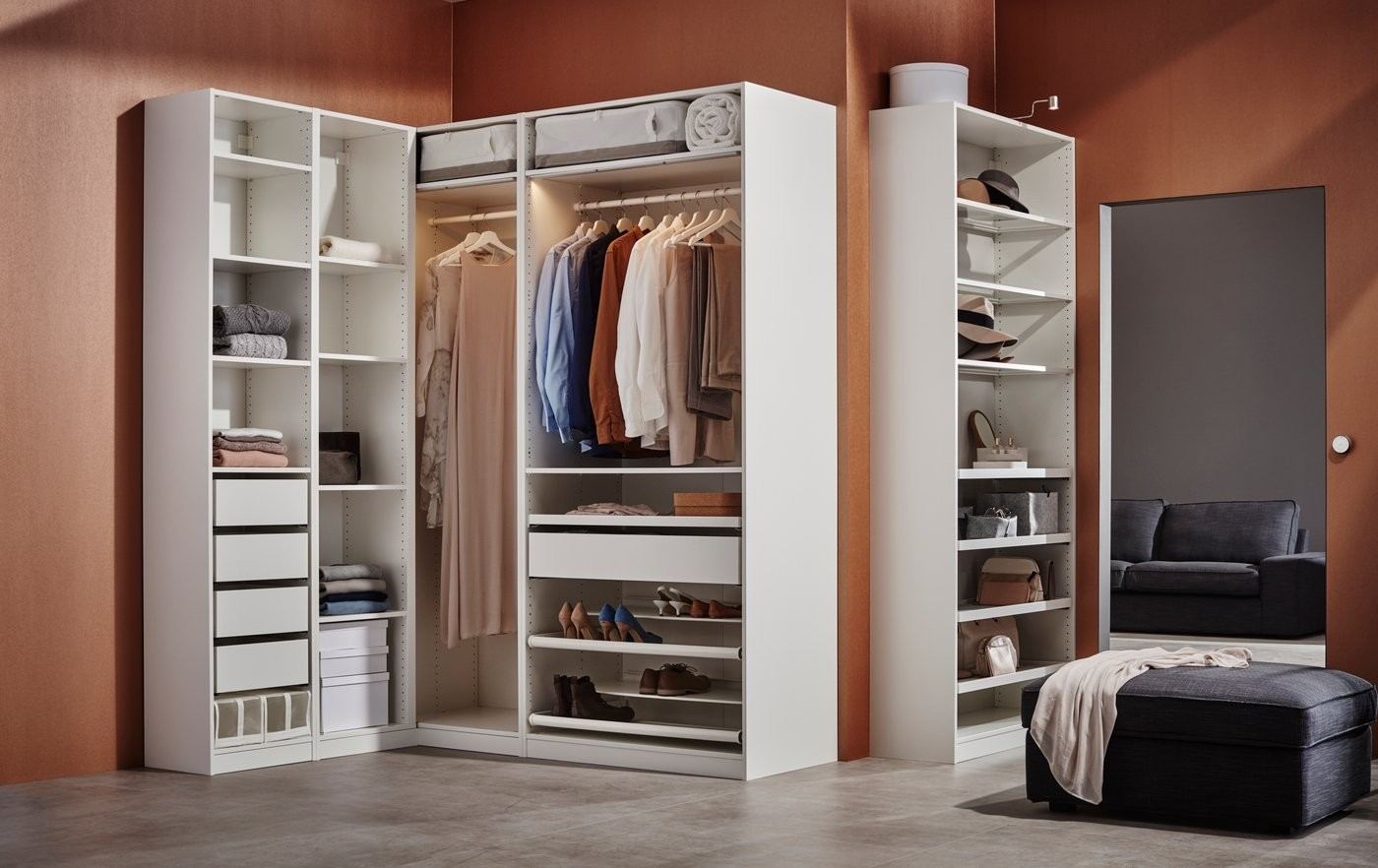
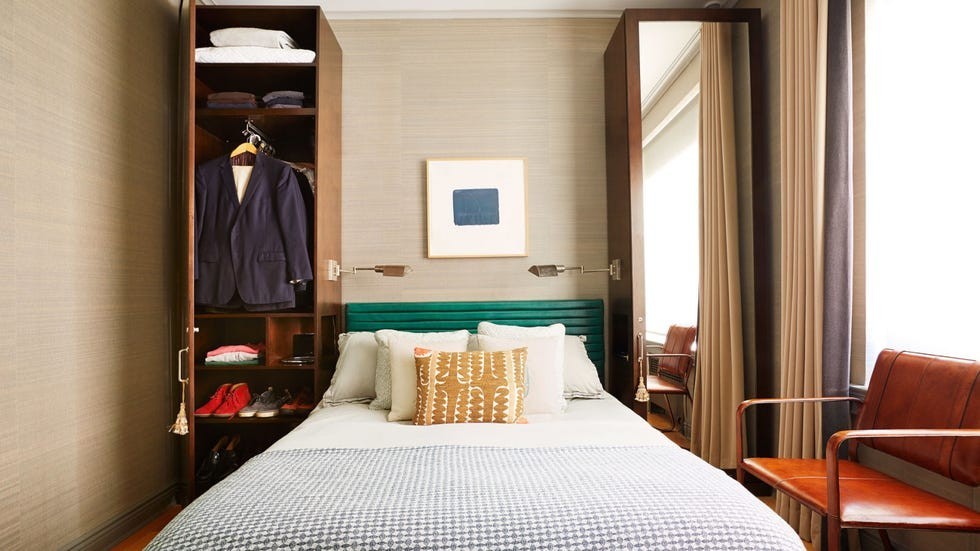
Adams discusses using height above a simple rail and finding a deliberate solution for corners instead of stuffing them with sweaters. Check dimensions, load limits and installation requirements before adding containers, rods or shelves. A mirror or suitable lighting can also make the space more usable at a modest scale, while seating may be appropriate only where there is room. Choose the changes that answer a real need in the home. The useful lesson from a high end closet is considered placement and flow, not an obligation to reproduce every feature or create storage larger than the collection requires.
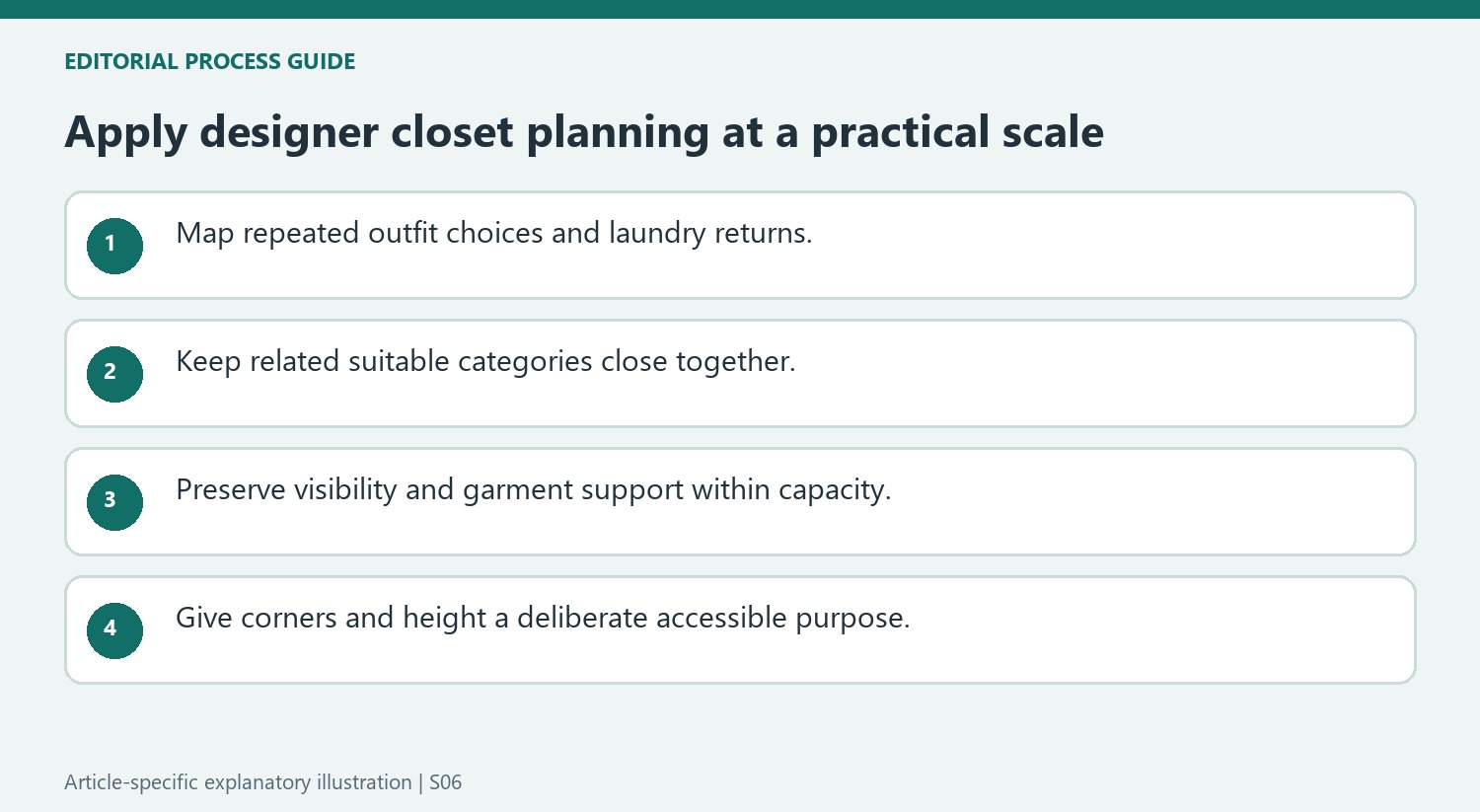
Map the repeated outfit tasks first
Lisa Adams describes asking clients about daily routines before designing storage. Her example keeps related workout clothing close together so getting dressed does not require unnecessary movement around the closet. Apply that principle to actual repeated outfits at home. A small drawer can group suitable accessories used together, while a rail section can support a regular clothing category. Keep the garment's storage needs in mind rather than grouping pieces in a way that distorts them. Review the route for returning clean laundry too, since an arrangement convenient only for selection may still create piles later. This approach translates a designer's method without requiring the scale, cabinetry, or luxury details shown in the source's celebrity examples.
Use visibility with support and usable capacity
The article encourages seeing the collection and using dividers where hanging space is limited. A clear view can prevent a useful piece from being forgotten at the bottom of a mixed pile, but it does not replace suitable support. Choose hangers for the actual garment's shape and weight, and size shelf or bag dividers around what they hold. Leave room for one item to be removed without dragging neighboring pieces out of position. If visibility disappears whenever the wardrobe is used, review the quantity or arrangement before adding another decorative display. The source's boutique comparison is most useful as an access principle: clothing should remain identifiable and returnable after normal handling rather than looking perfect only before the first outfit is chosen.
Give awkward areas a specific role
Adams discusses using height above a simple rail and treating corners deliberately instead of stuffing them with sweaters. Before borrowing either idea, measure the space and check reach, mounting requirements, and supported loads. An L-shaped rail or another component must fit the actual room and its garments. Less-used items can occupy suitable less-immediate positions, while daily essentials should not be pushed beyond convenient access merely to fill a high gap. Mirrors and appropriate lighting may improve a modest space, but seating or larger additions need sufficient room to function. Choose only changes that answer a defined household need. A thoughtful corner or one well-planned drawer can carry the practical lesson without reproducing an entire high-end closet.
References
- Kylie Jenner's Closet Designer Swears By These Hacks. House Beautiful.