GarmentCare Guide
Use a mix of interior storage types
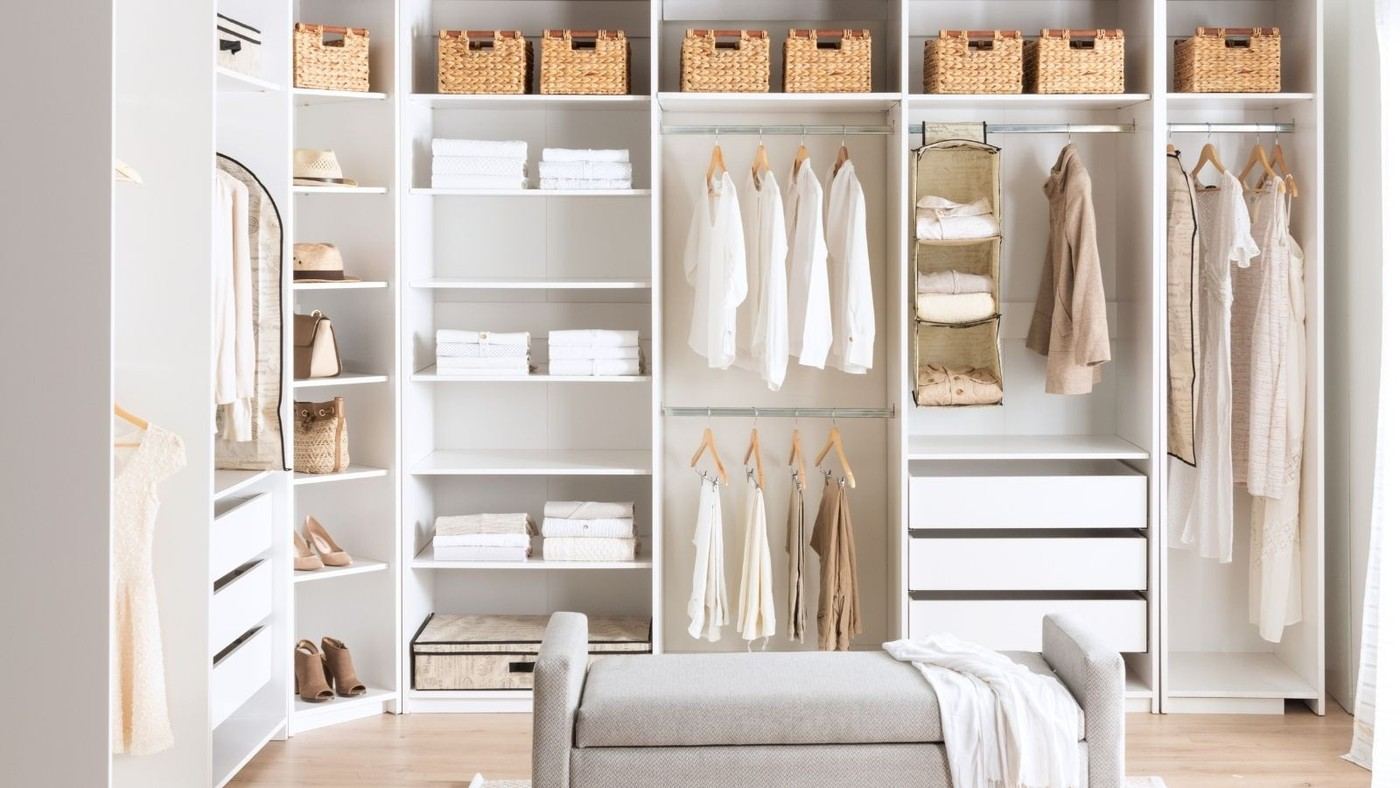
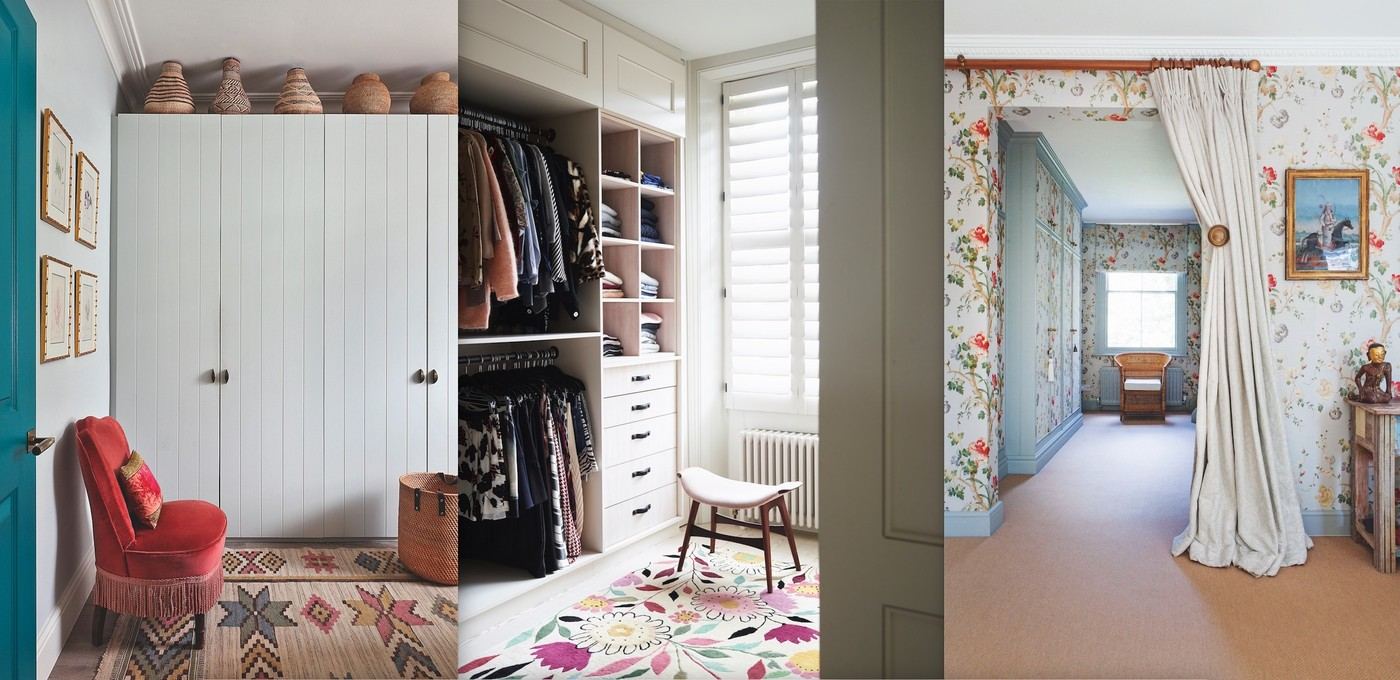
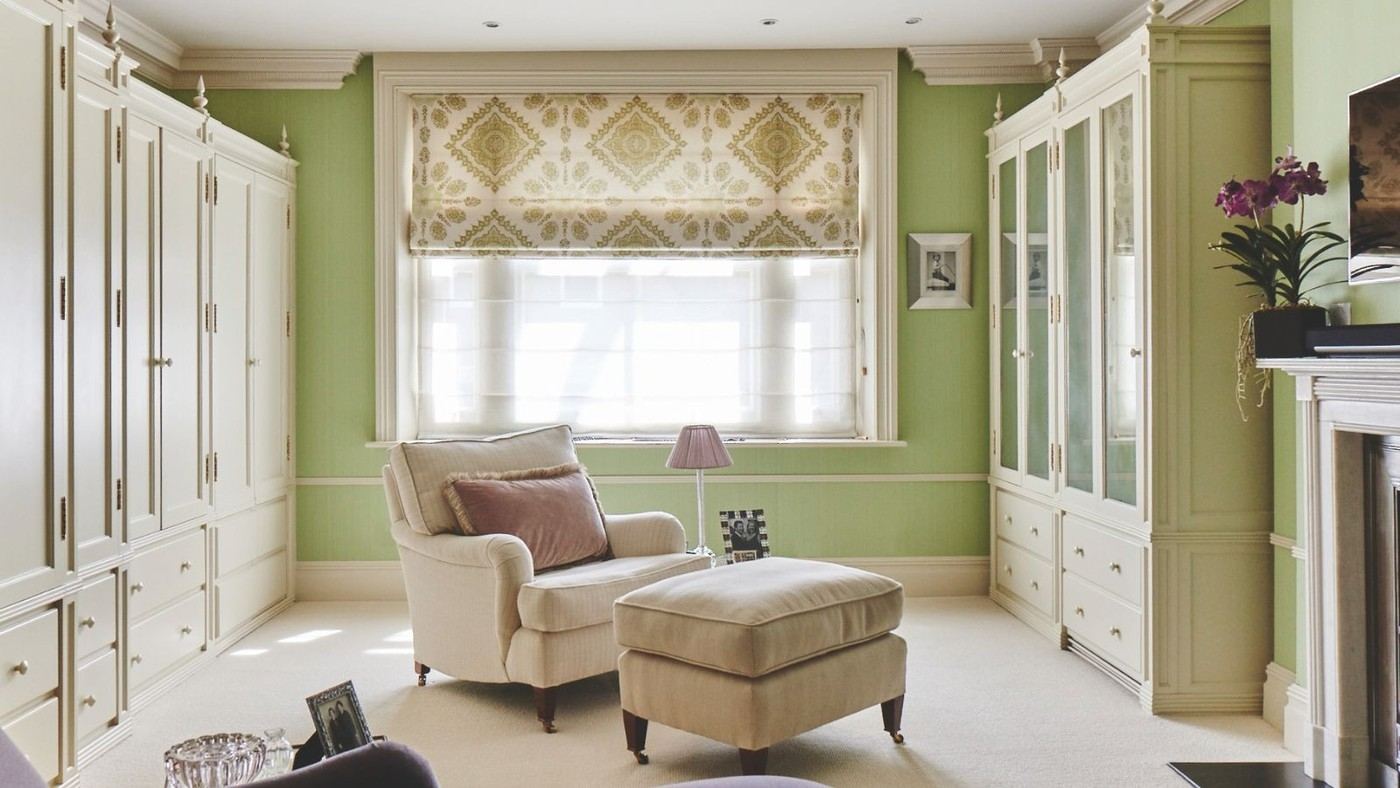
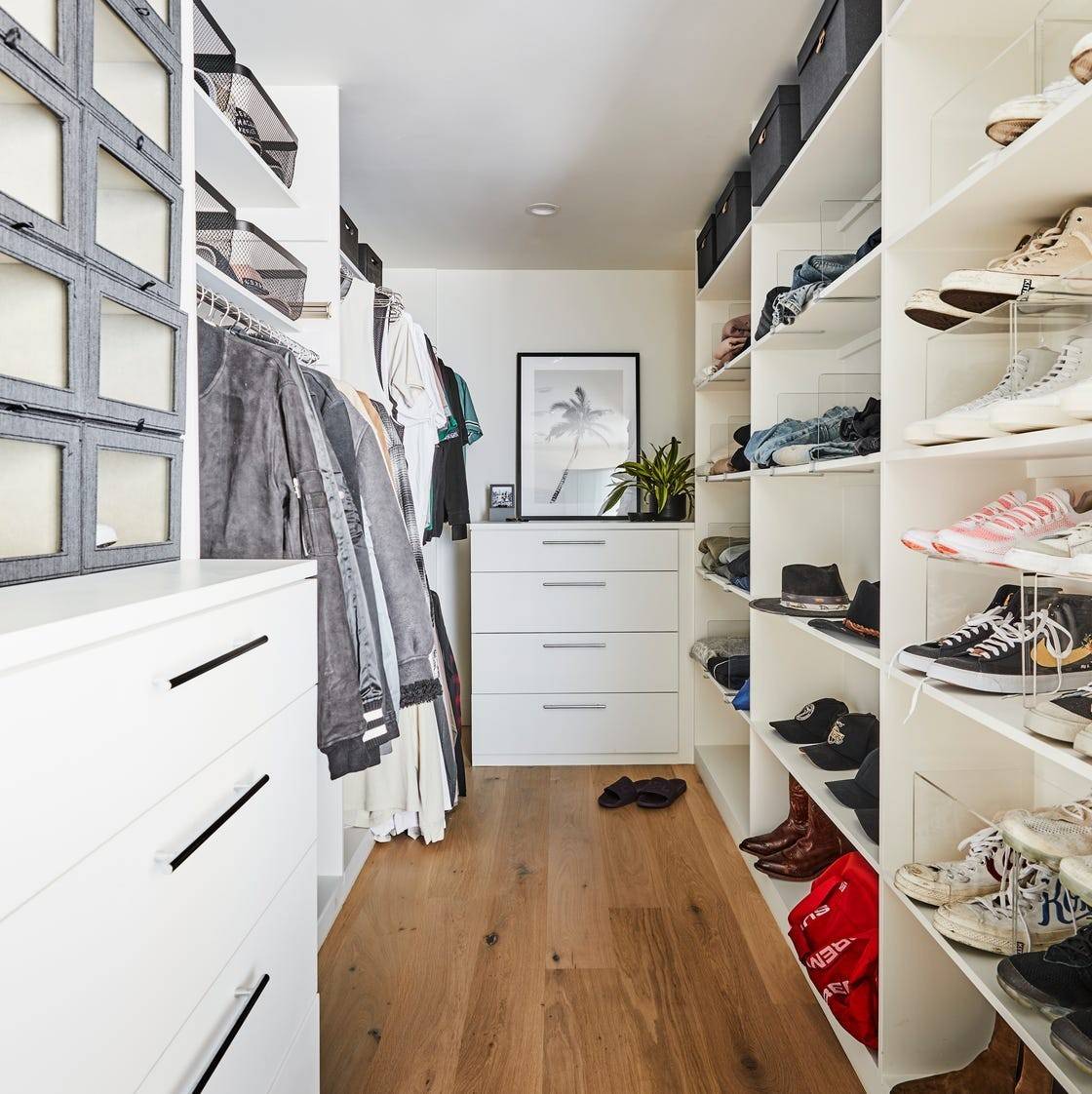
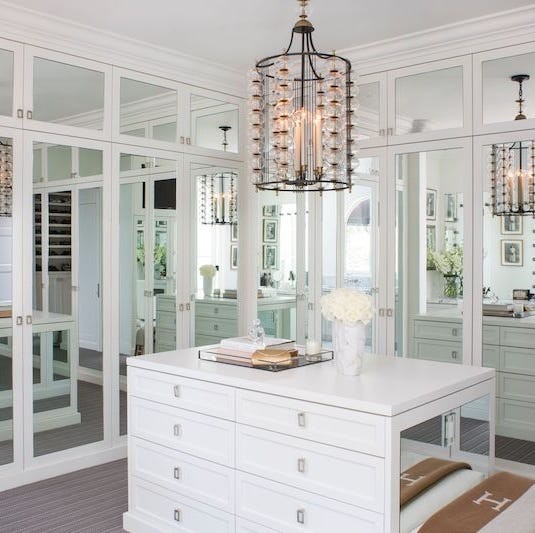
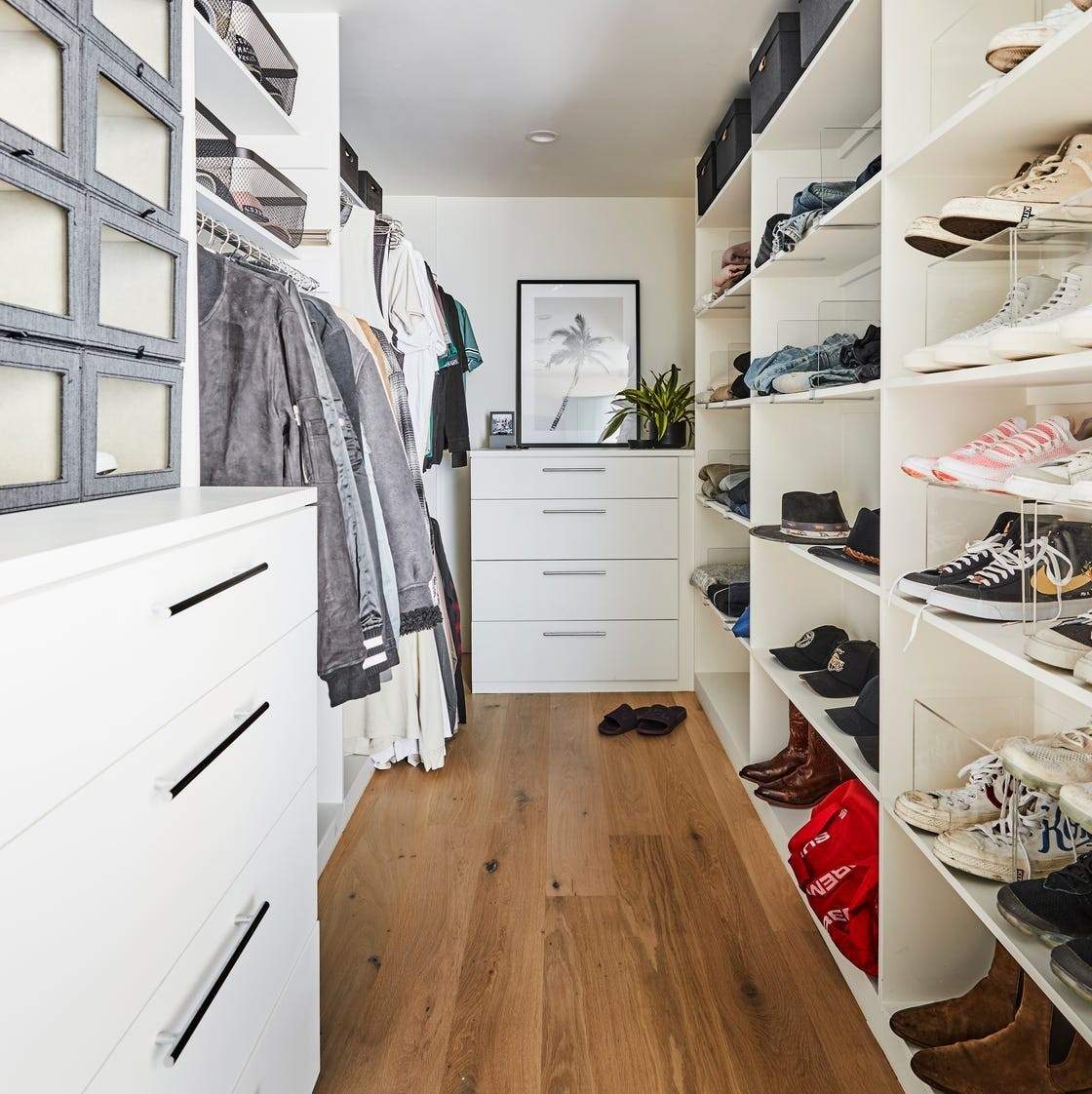
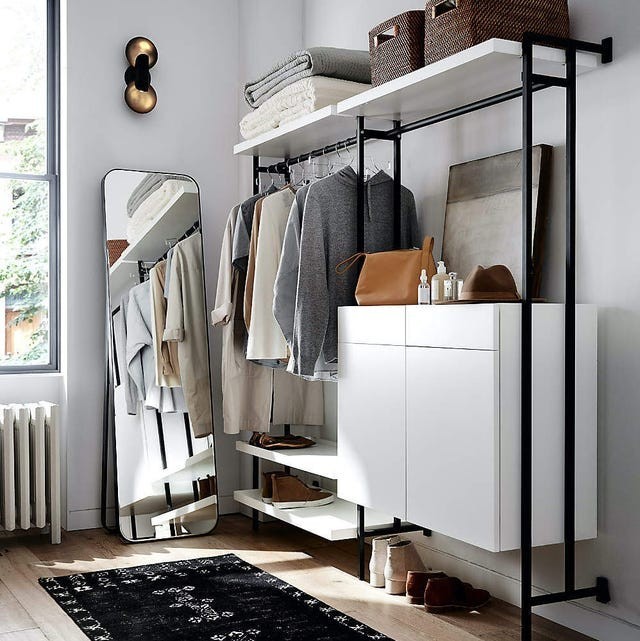
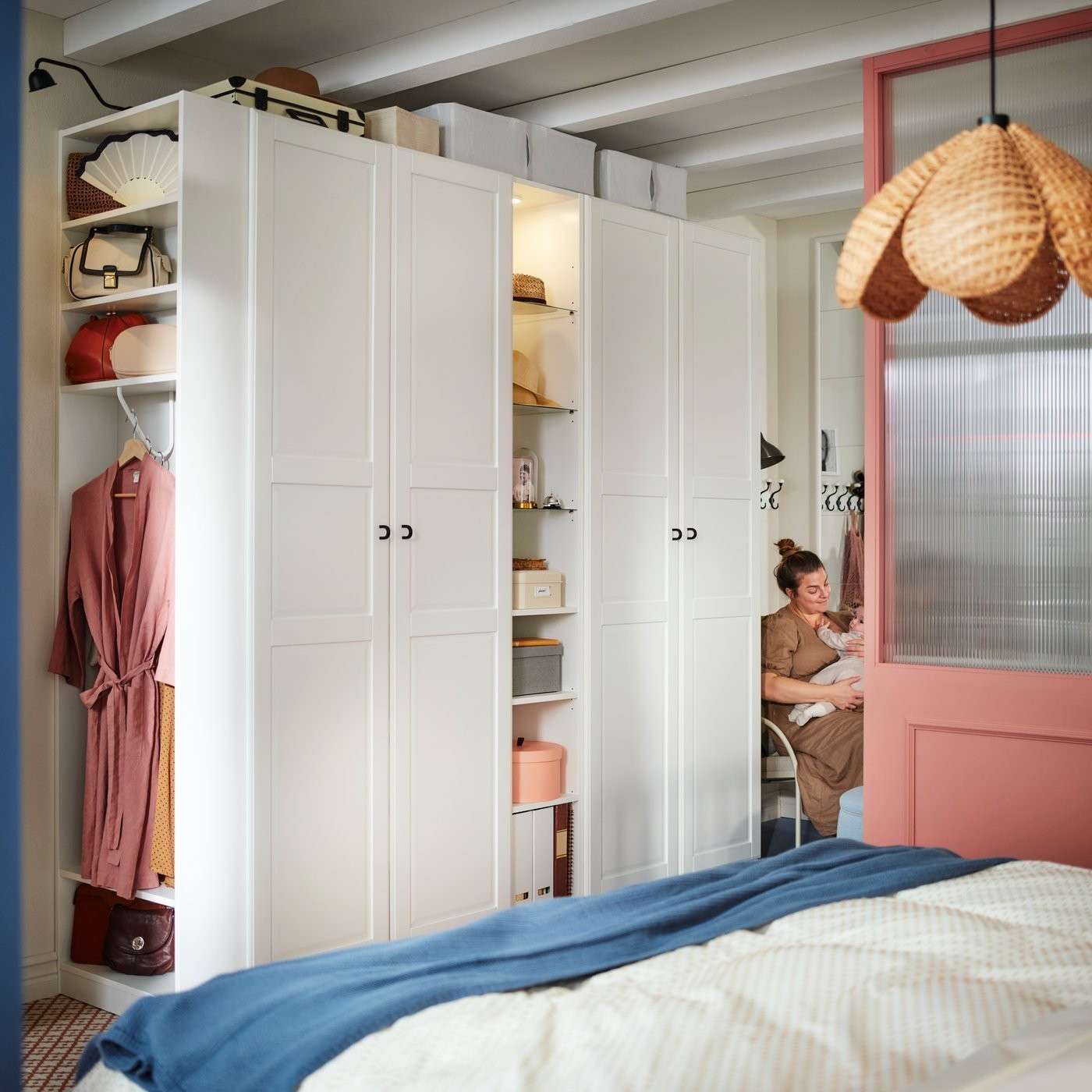
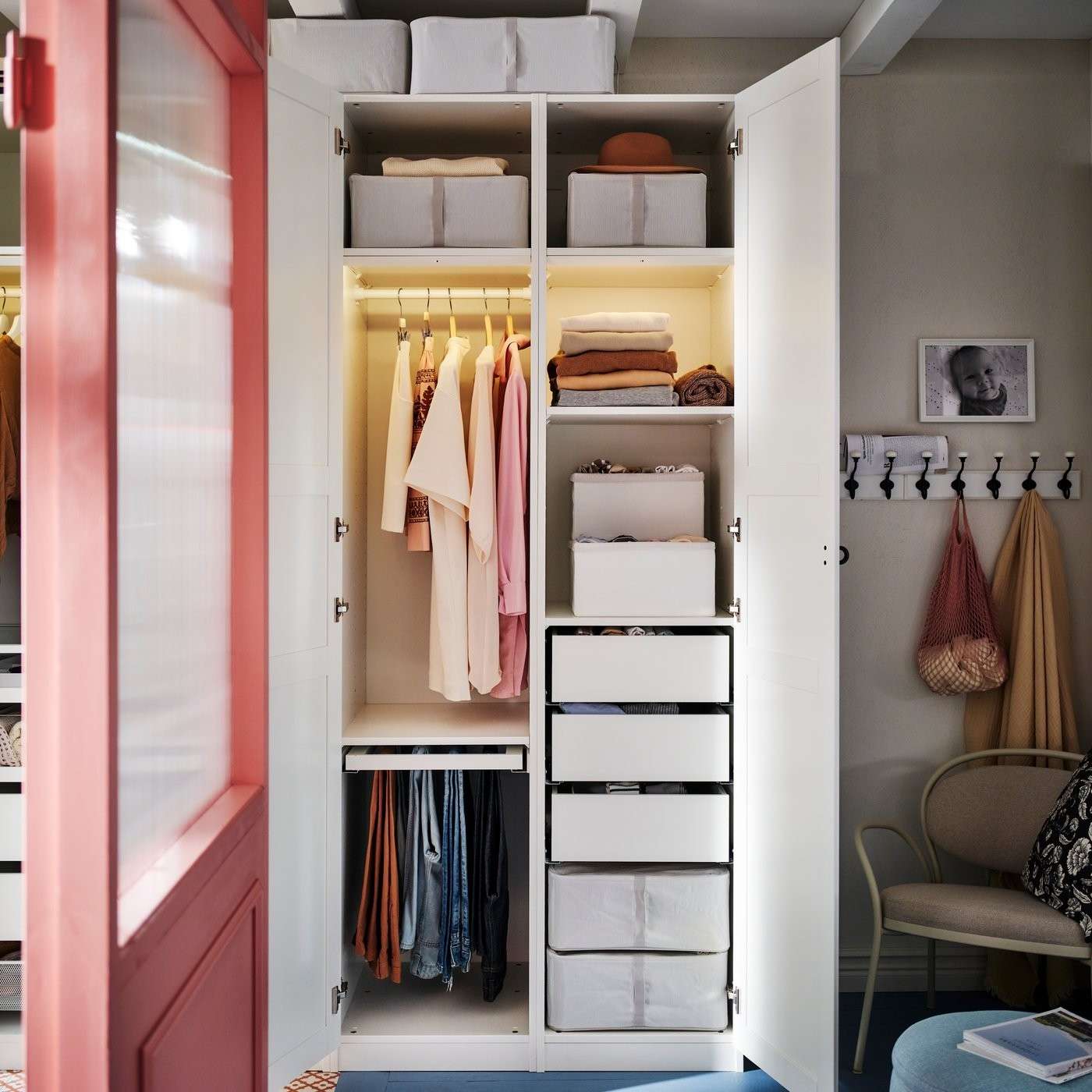
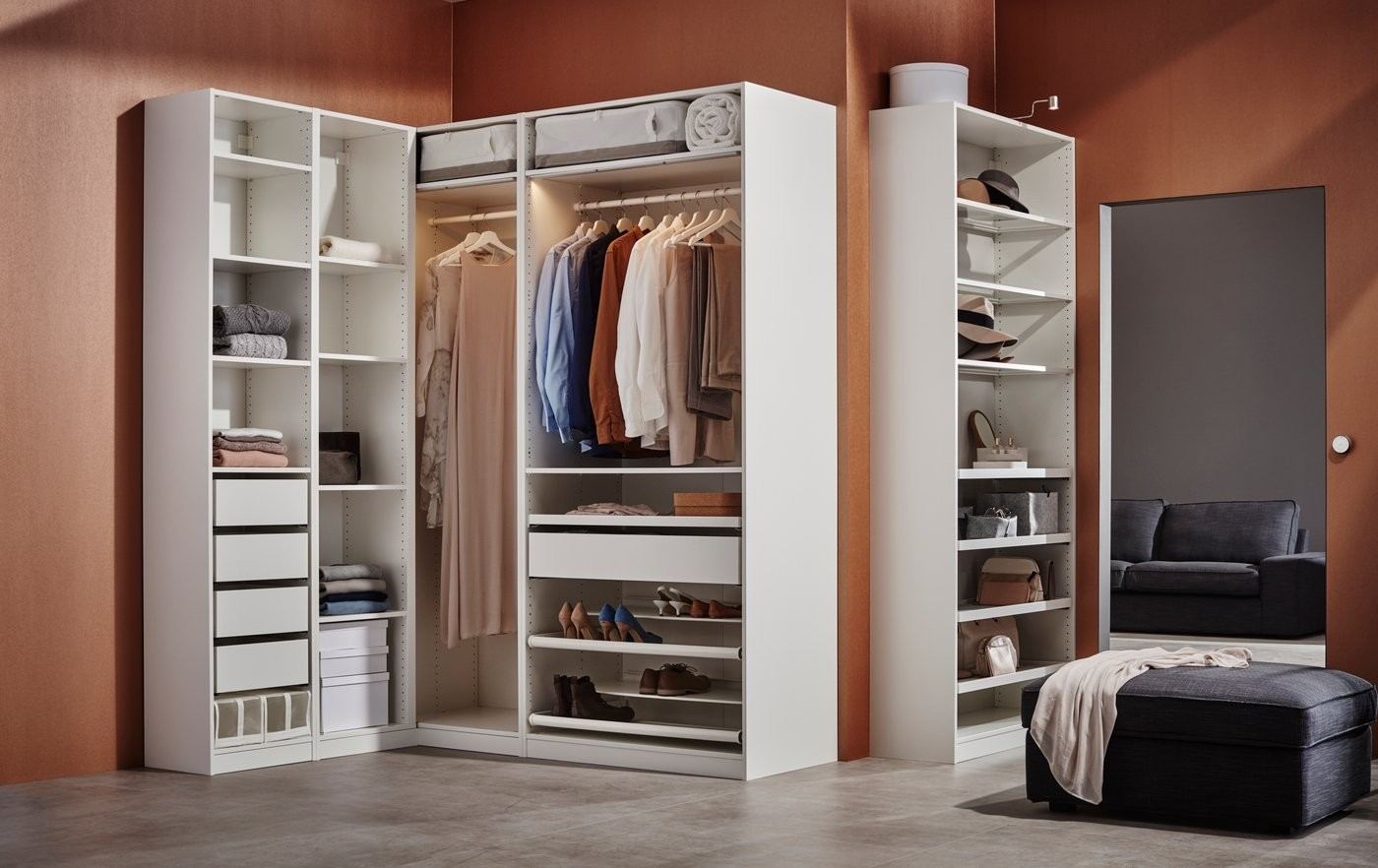
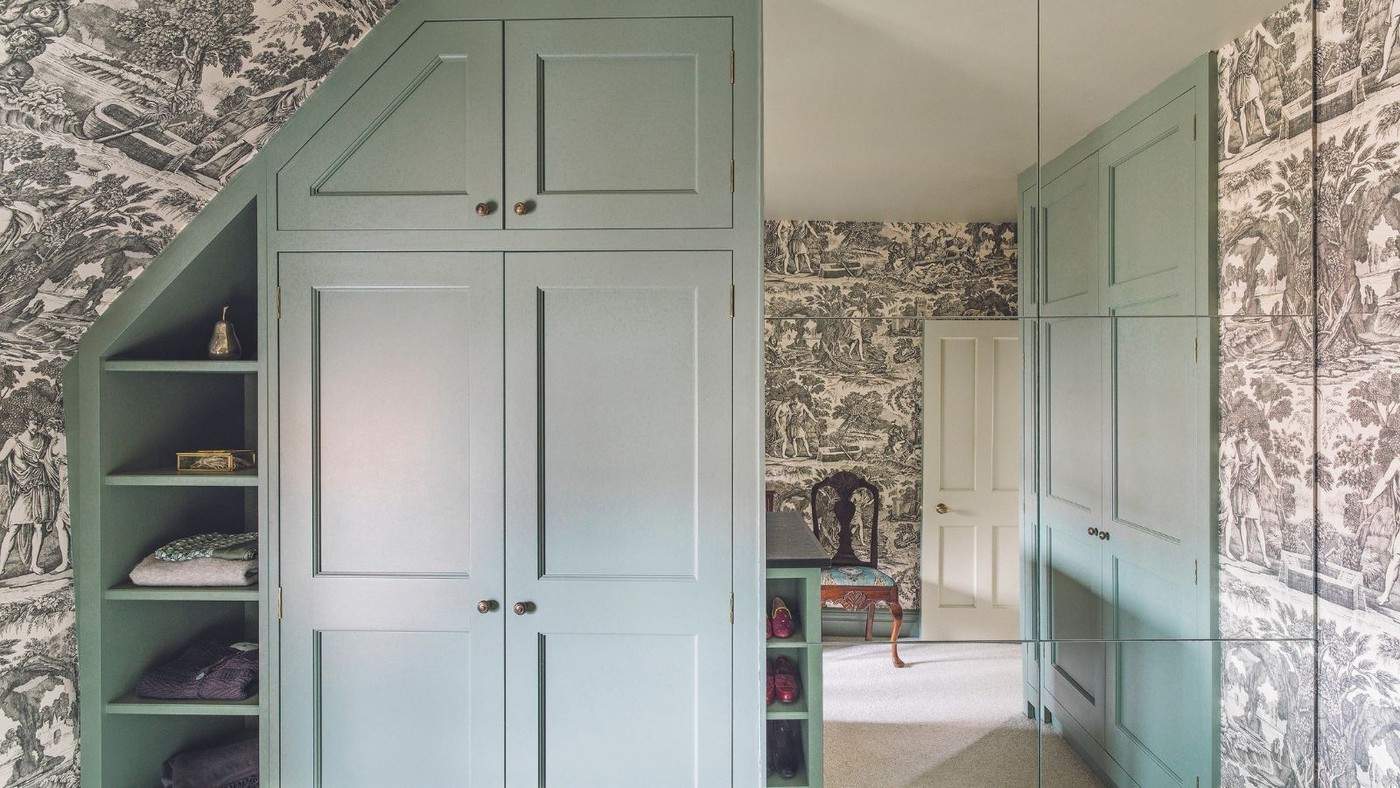
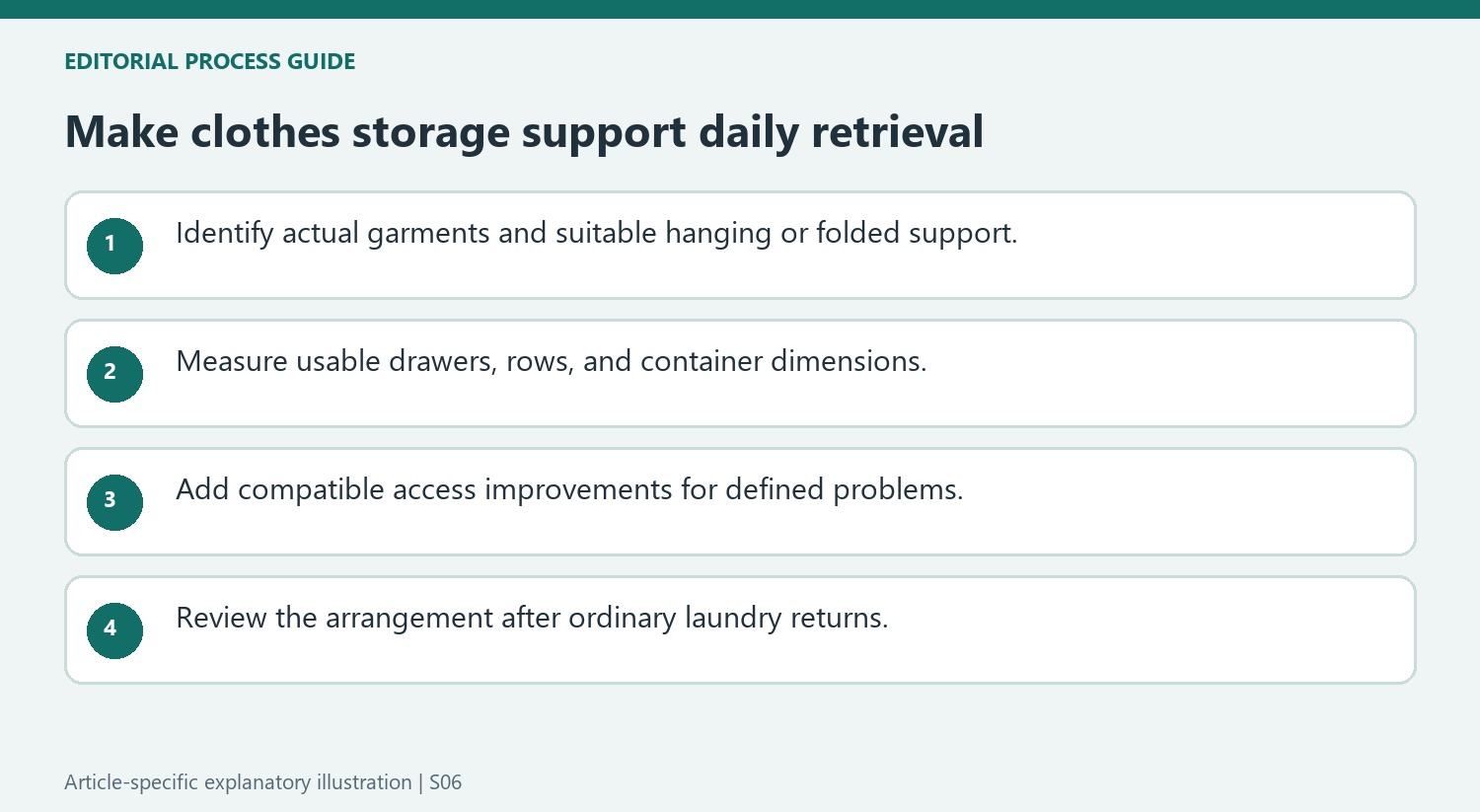
Homes and Gardens describes fitted wardrobes and modular systems as ways to combine hanging rails with shelves, drawers and footwear storage. The useful mix depends on the clothes rather than the outside appearance of the cabinet. Identify which categories need immediate access and how much hanging height is genuinely required. A single rail across the whole space can leave some areas underused while failing to support folded pieces properly. Plan around the room's dimensions and the manufacturer's installation requirements. Custom storage is one route, but adaptable components can also create a considered layout where a fully bespoke solution is unnecessary.
Decide what should hang and what should fold
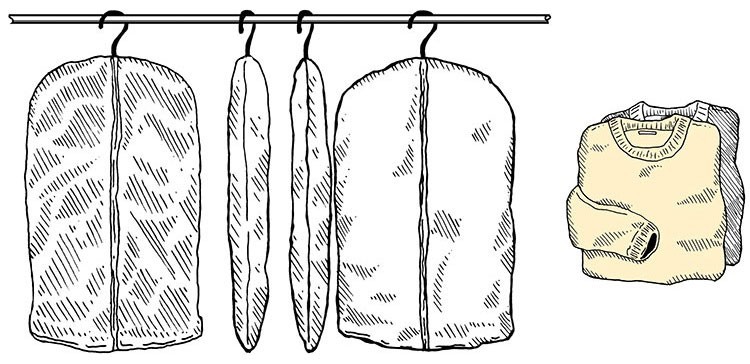
The article's organizers emphasize protecting clothing as well as making it look tidy. Heavy items that may stretch often need folded support, while suitable structured clothing can benefit from appropriate hangers. Different organizers may prefer different methods for everyday categories, so assess the actual garment rather than applying one rule to every sweatshirt or sweater. Choose the hanger shape and size for its job, leaving enough room on the rail for retrieval. A slim profile can help capacity, but fitting additional hangers is not useful if the clothing becomes tightly compressed or difficult to see.
Make folded groups easy to maintain
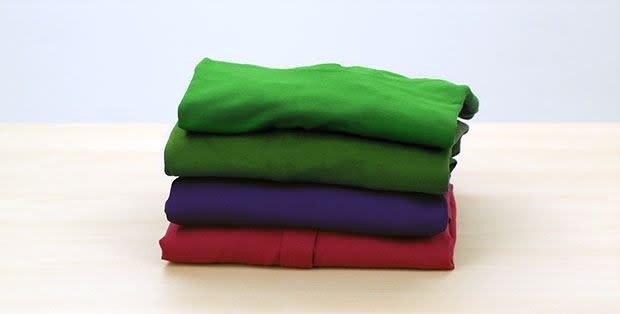
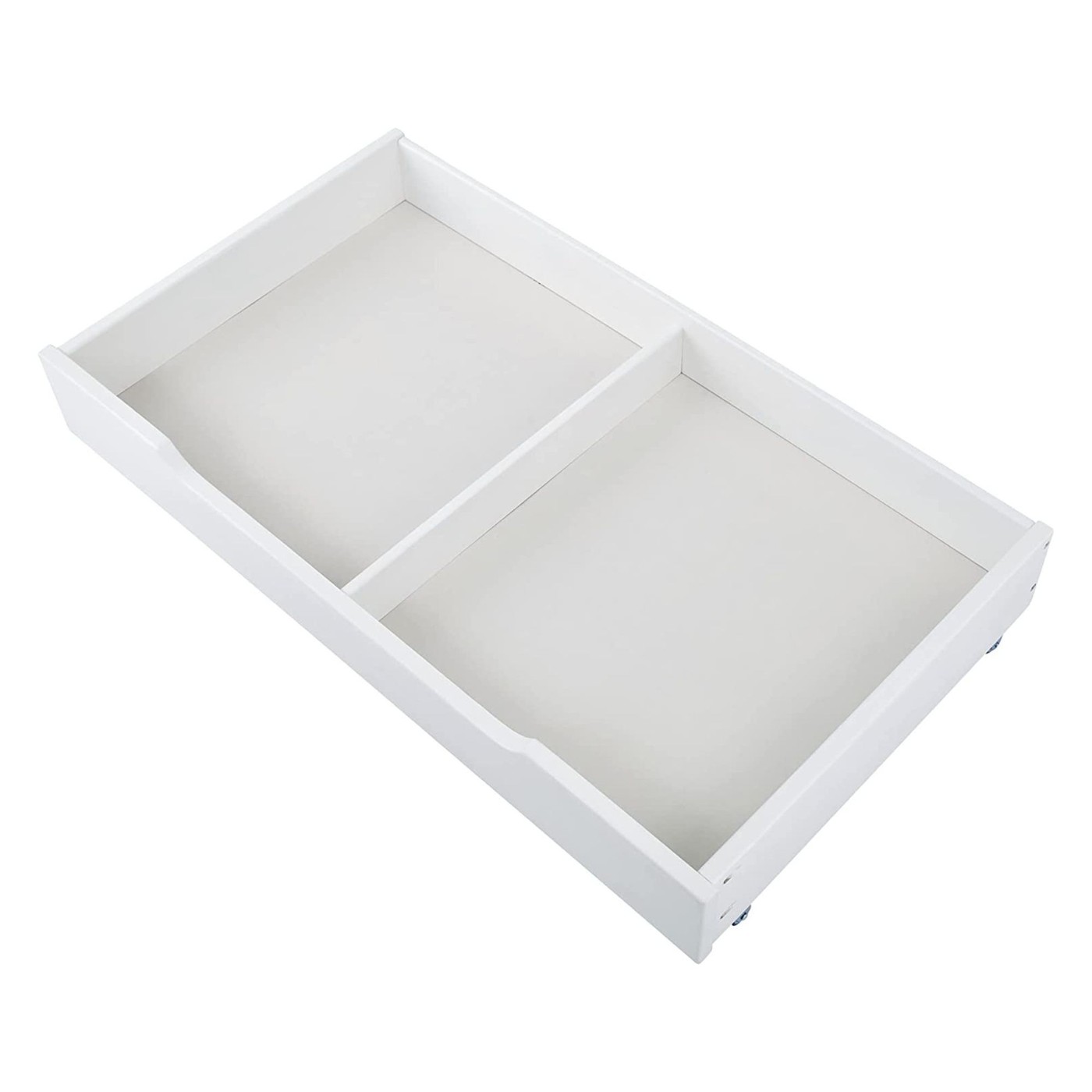
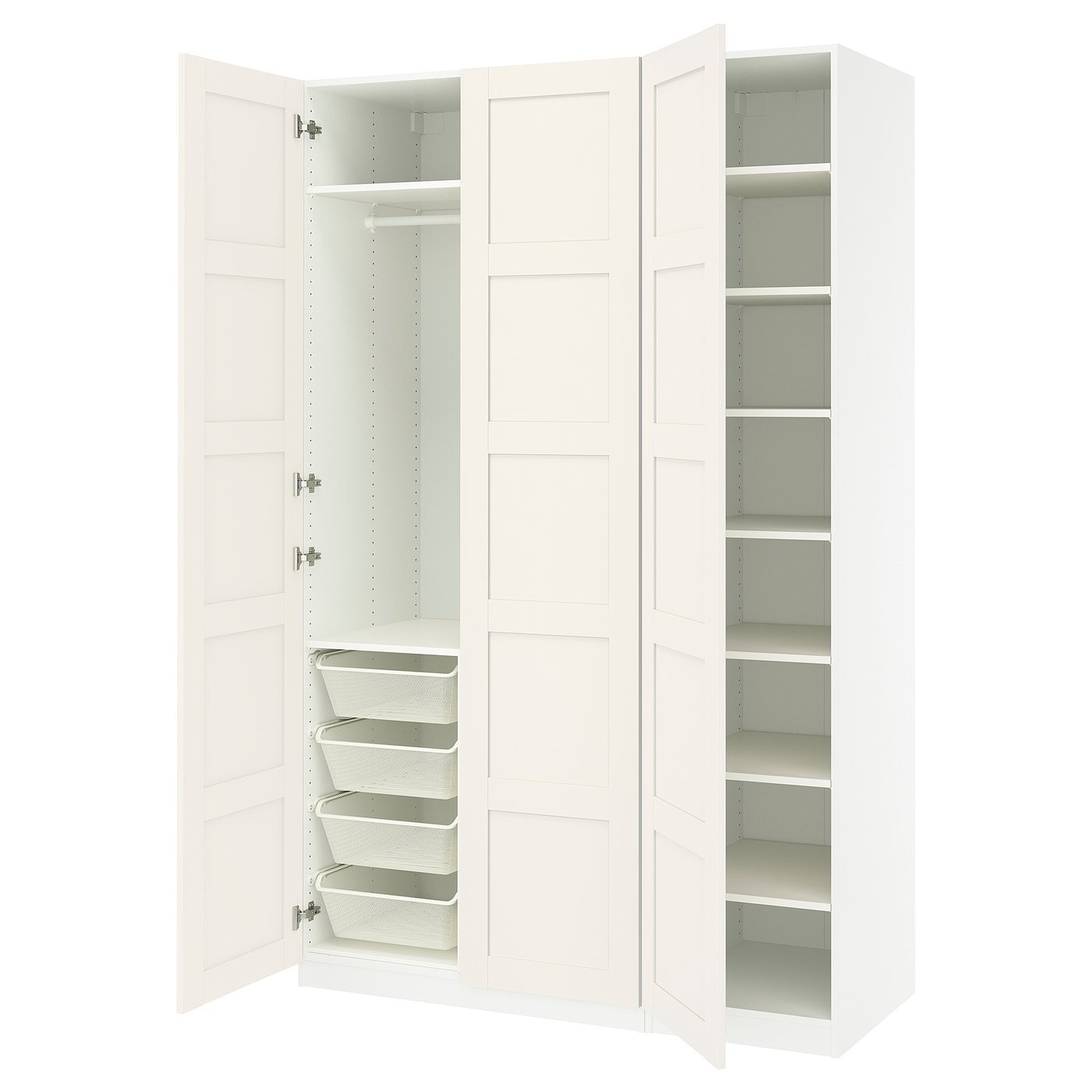
File folding and drawer dividers can help display clothing in accessible rows, provided the folded dimensions fit the drawer. Bulkier or more delicate pieces may need suitable boxes or shelf storage instead. Avoid building tall unstable piles simply to achieve a decorative arrangement. The article includes storage products and protective ideas, but no accessory replaces clean dry clothing and periodic inspection. Review how easily a piece can be removed and returned during an ordinary week. A practical wardrobe is one whose categories remain visible and supported after use, reducing the need to reorganize every time fresh laundry is put away.
Start the interior plan with clothing support
The source's fitted and modular examples combine rails, drawers, shelves, and shoe storage because one continuous rail does not solve every category. Identify which garments need hanging clearance and which need their weight supported horizontally. Consider actual construction and care guidance rather than applying a blanket rule from a fiber name or a product photograph. Organizers in the article offer different preferences for some everyday clothing, reinforcing the need to check the individual piece. A slim hanger saves little practical space if adjacent garments are crushed together or difficult to retrieve. Give the supported item enough room to remain visible and returnable. The layout should protect clothing through normal use, not merely produce the largest number of occupied positions inside the cabinet.
Use dividers and labels to clarify the routine
File folding, drawer dividers, and labeled bins are useful when they make a category easier to understand. Measure the drawer depth and folded width before filling it, and test whether a piece can be removed without toppling the row. Opaque bins can reduce visual busyness, but they need accurate labels if their contents are not immediately visible. Choose detail that the household will actually maintain: an elaborate subdivision is less helpful if clean laundry cannot be returned quickly. For delicate or bulky items, appropriate boxes or shelf support may be more suitable than forcing the same fold used for thin shirts. Review how the system behaves after several ordinary days rather than judging only its appearance on completion.
Treat access improvements as room-level decisions
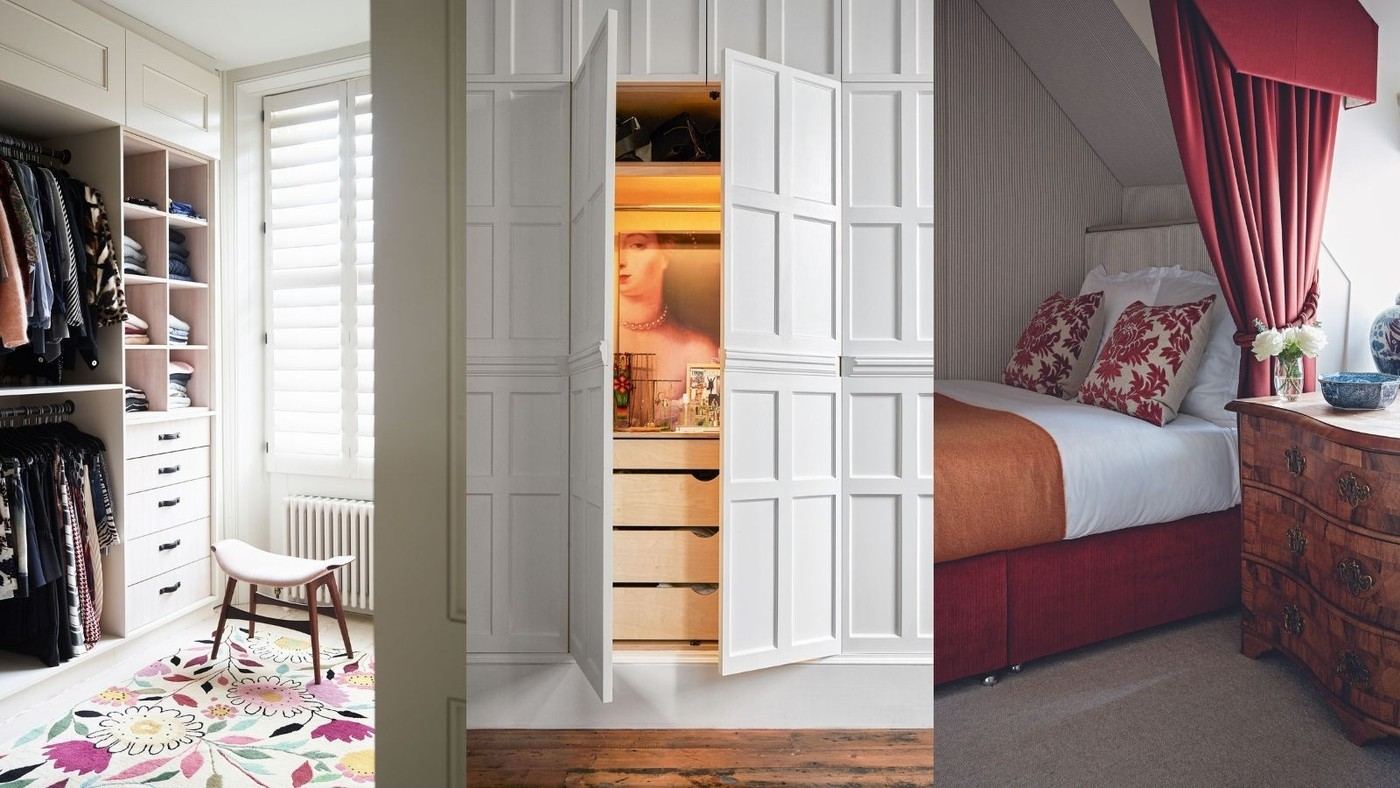
The article discusses double hanging rods, hooks, pullout accessories, shoe racks, and lighting. Each changes a different part of access, so first identify what is difficult to see or reach. A second rod needs sufficient garment clearance, while a pullout needs its intended movement space and installation. Hooks should support suitable items without becoming an unexplained permanent pile of damp or partly worn clothing. Lighting must be suitable and fitted according to its instructions. Seasonal storage can reduce demand on the active area, but its contents still need cleaning, dryness, and a review plan. These changes work best together when they solve actual retrieval problems instead of simply adding more fittings to a wardrobe whose inventory remains unchanged.
References
- 9 clothes storage ideas from the pros to add a boutique feel to any bedroom – make getting dressed simple every day. Homes and Gardens; Chiana Dickson.