GarmentCare Guide
Reconsider the space while clothing is moving
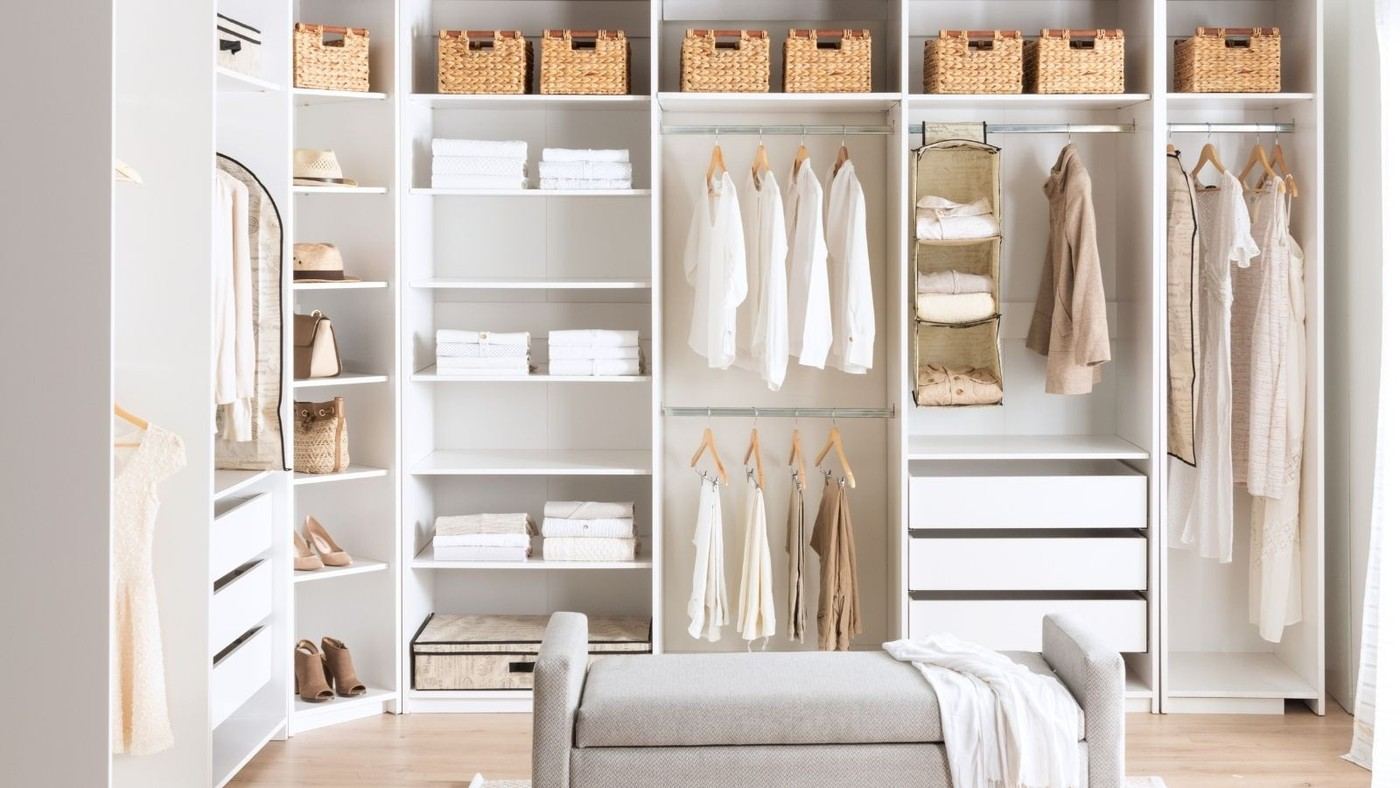
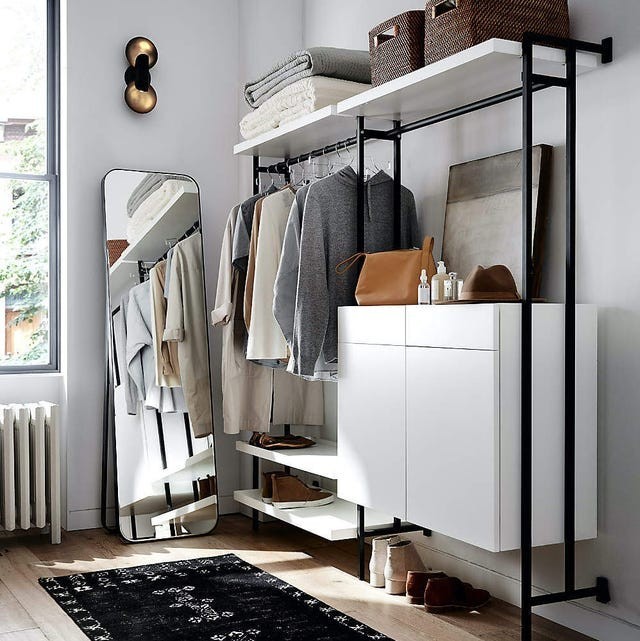
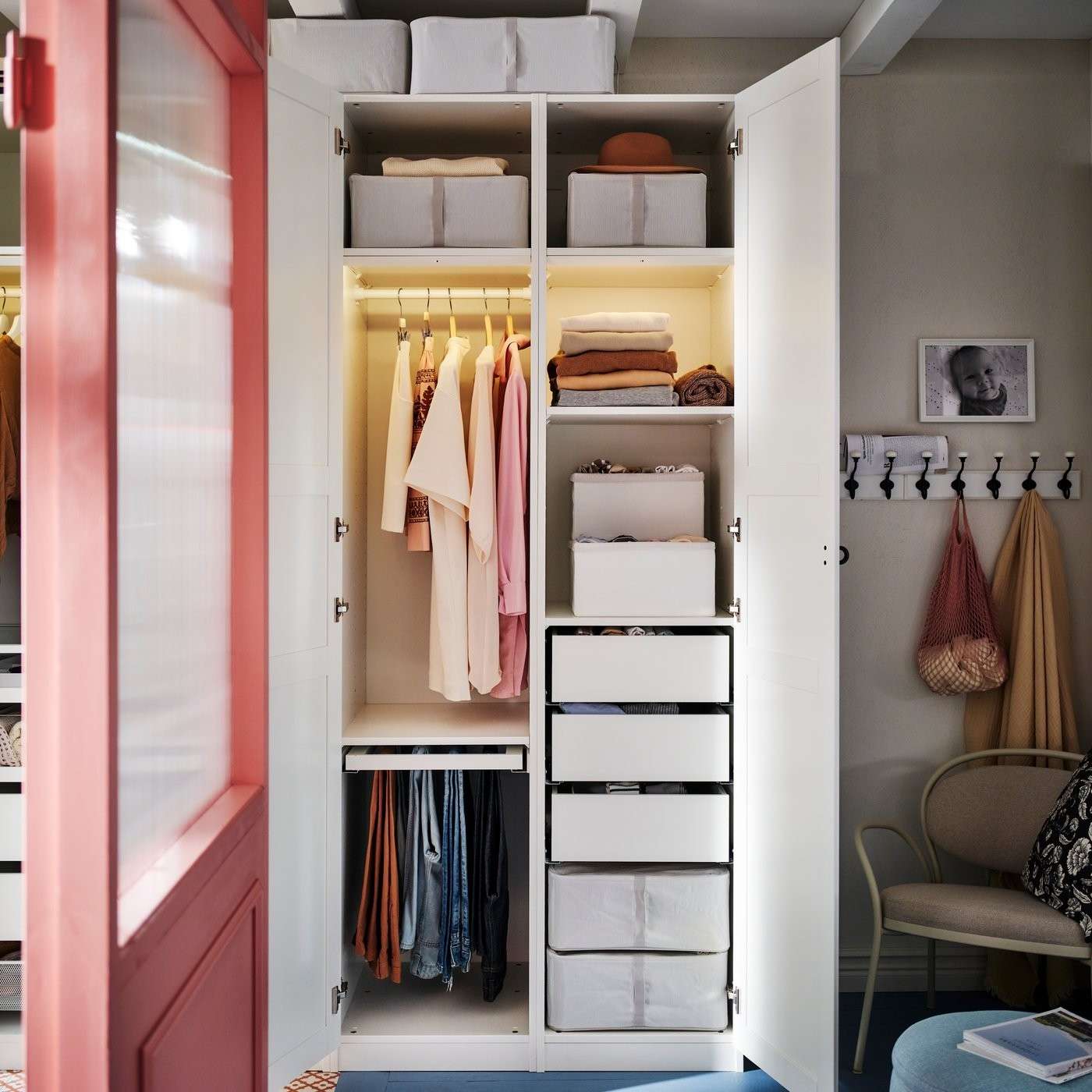
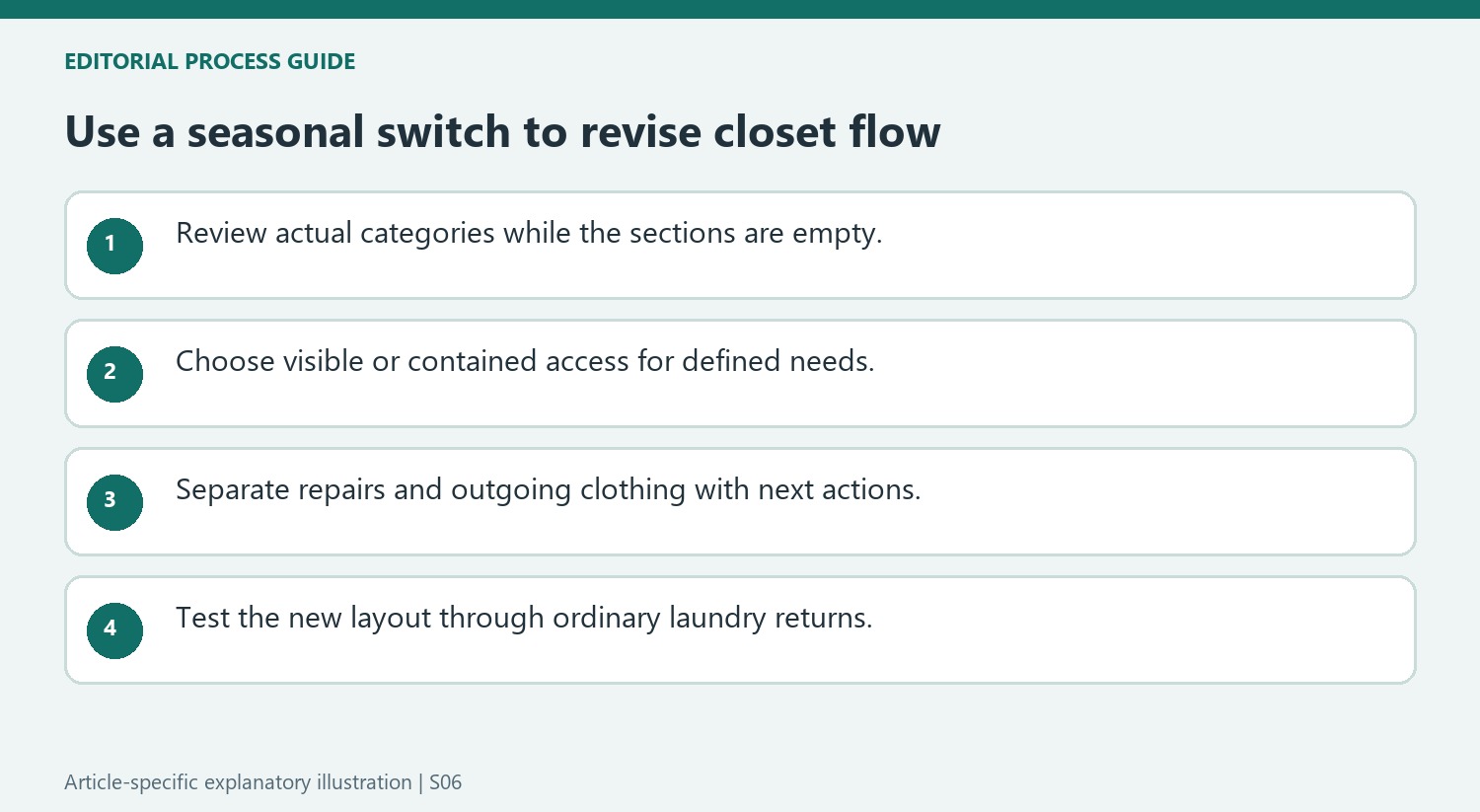
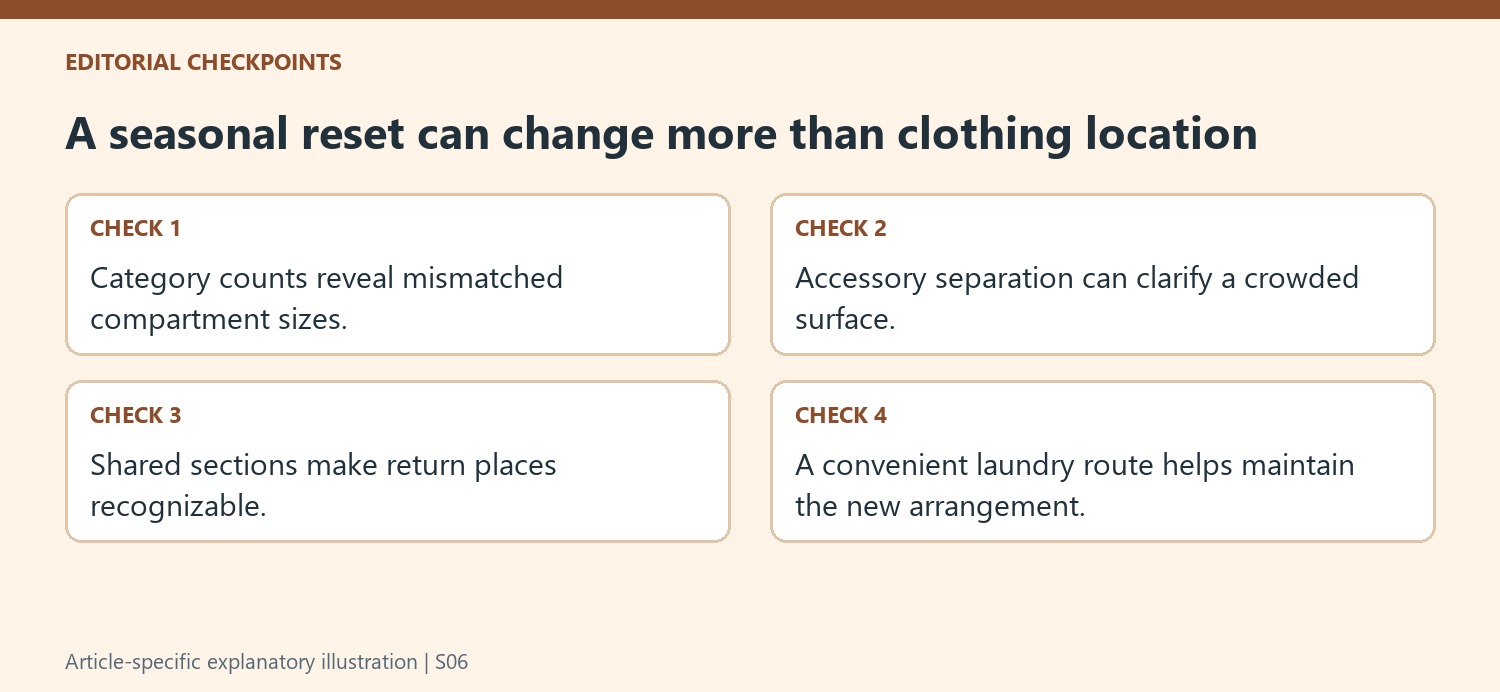
House Beautiful introduces its closet ideas as useful inspiration for a seasonal wardrobe change. When sweaters and lighter clothes exchange places, the empty sections make it easier to see whether the current layout still serves the collection. Count the categories before returning everything to the same positions. Long dresses, folded knitwear and small accessories need different spaces, and a combined wardrobe may also contain nonclothing possessions. Choose a layout based on those needs rather than preserving an arrangement simply because it is familiar. The seasonal switch becomes a practical review point, not only a transfer between boxes and rails.
Choose visibility that suits the daily selection
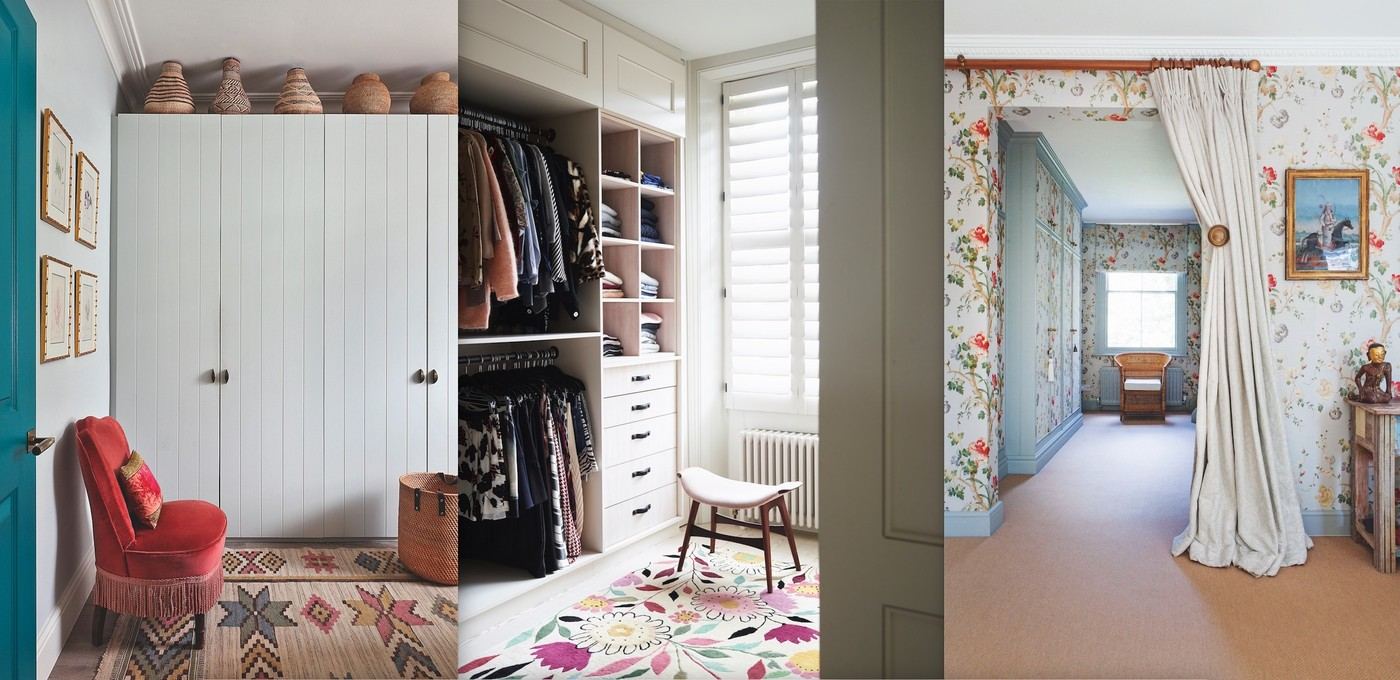
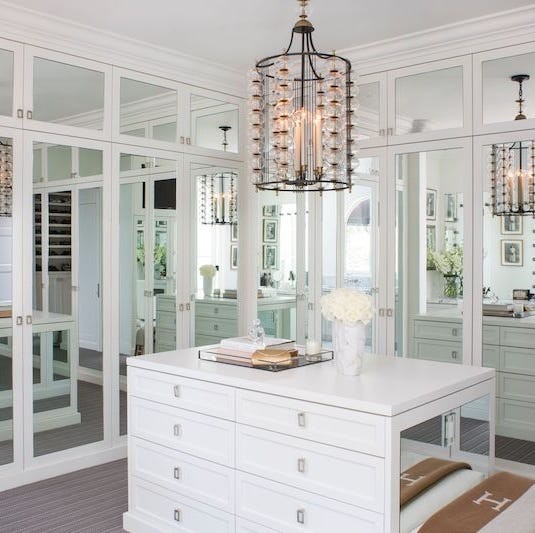
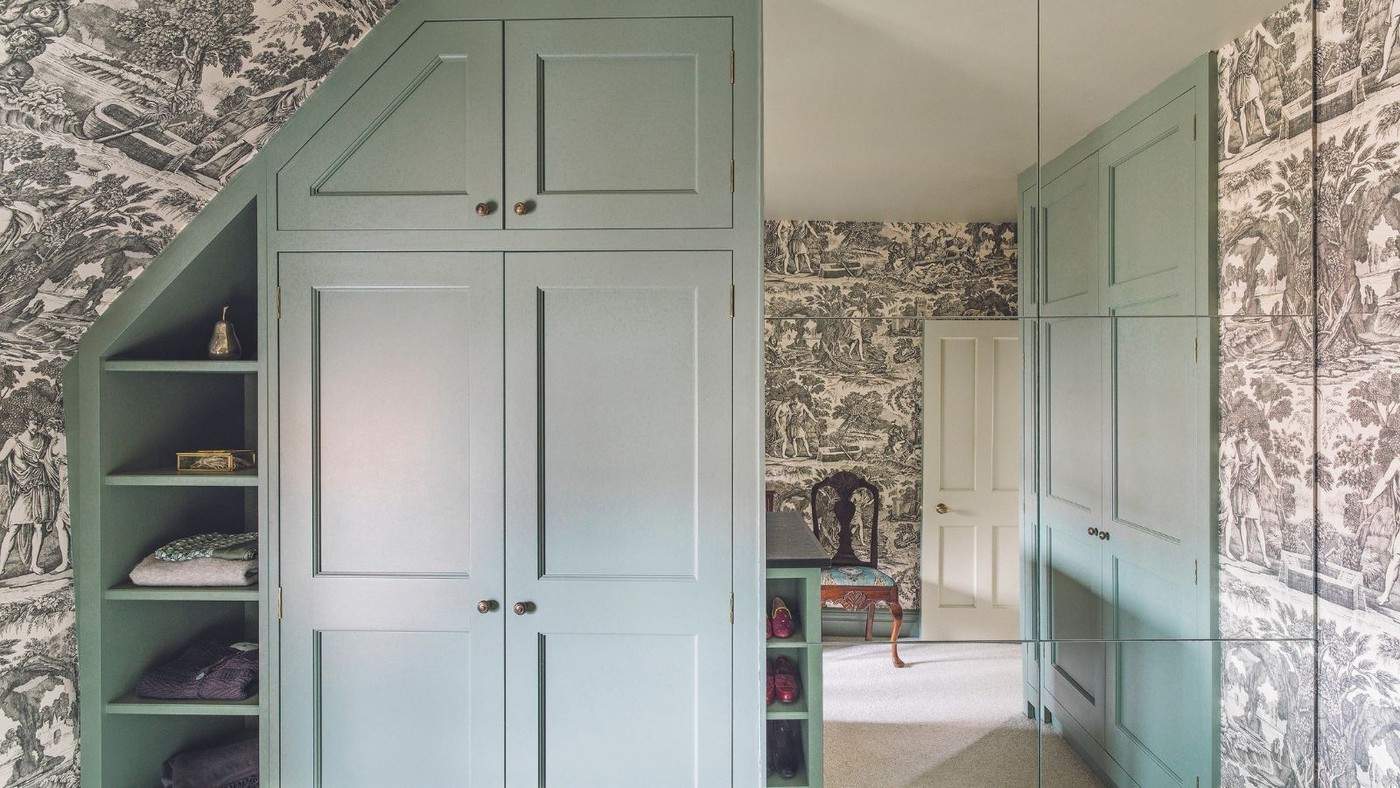
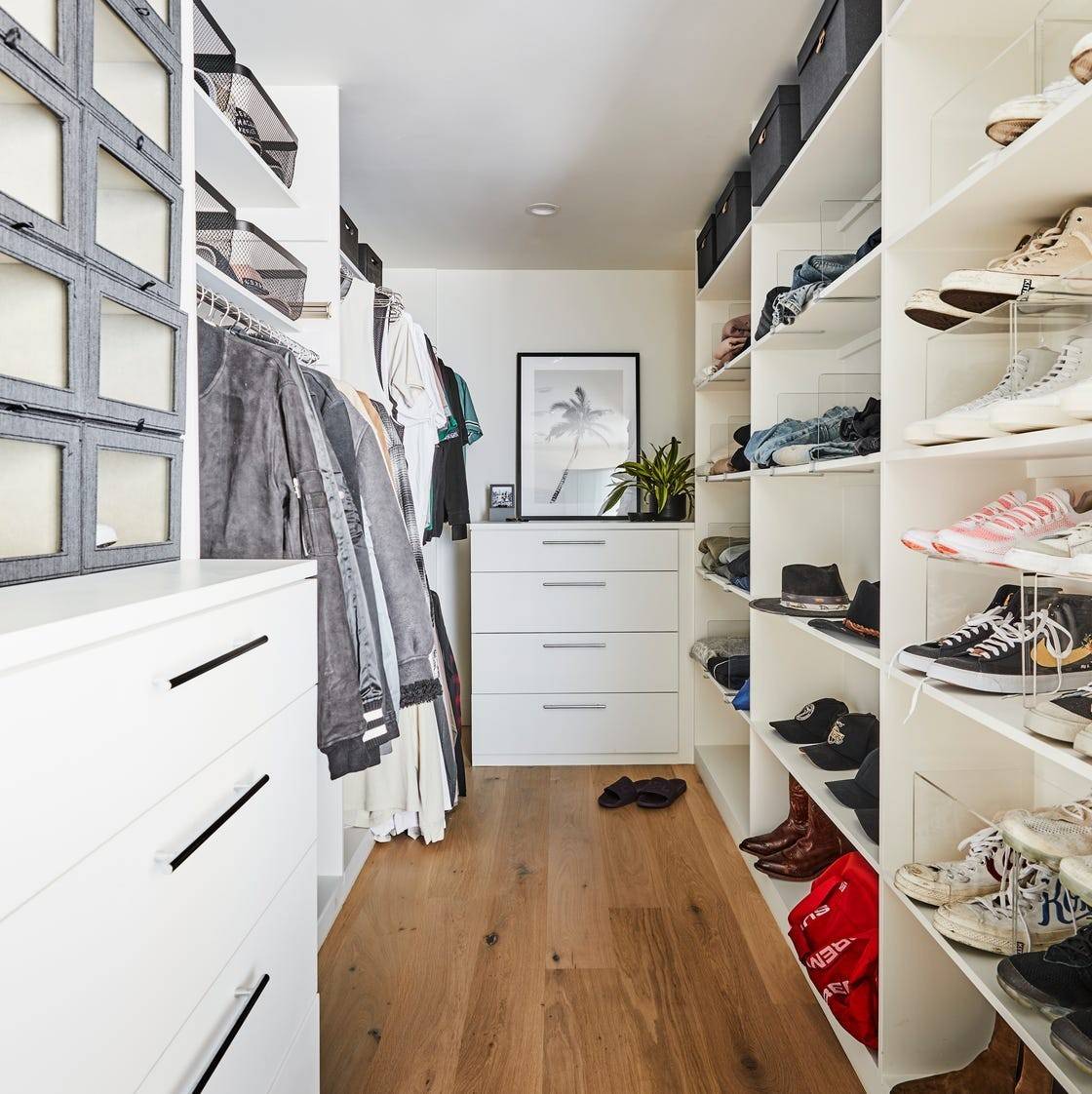
The source includes glass front cabinetry, open shelving and dedicated accessory racks among its examples. Each changes how clearly stored items can be seen. Someone who forgets pieces hidden behind a closed drawer may benefit from a different view, while small accessories can become easier to choose when separated from a mixed surface pile. Keep the categories simple and leave room for retrieval. A display that requires extensive rearrangement whenever one item is removed is unlikely to stay useful. Where storage is shared, assign recognizable sections so clothing can return to its place without repeated decisions.
Shorten the path from laundry to storage
A hanging rail near laundry equipment is another idea in the article, connecting clean clothes with prompt hanging where appropriate. Adapt the principle to the available room and follow the installation requirements for any new fitting. Prepare hangers or folding space before a load finishes so clean laundry does not become another temporary heap. A seasonal reset can also reveal clothes no longer needed or repairs that should be handled separately. Finish those decisions rather than relocating the same unresolved items. Clear categories, usable access and a workable laundry route make the refreshed closet easier to maintain after the first tidy day.
Use the empty sections to question the old layout
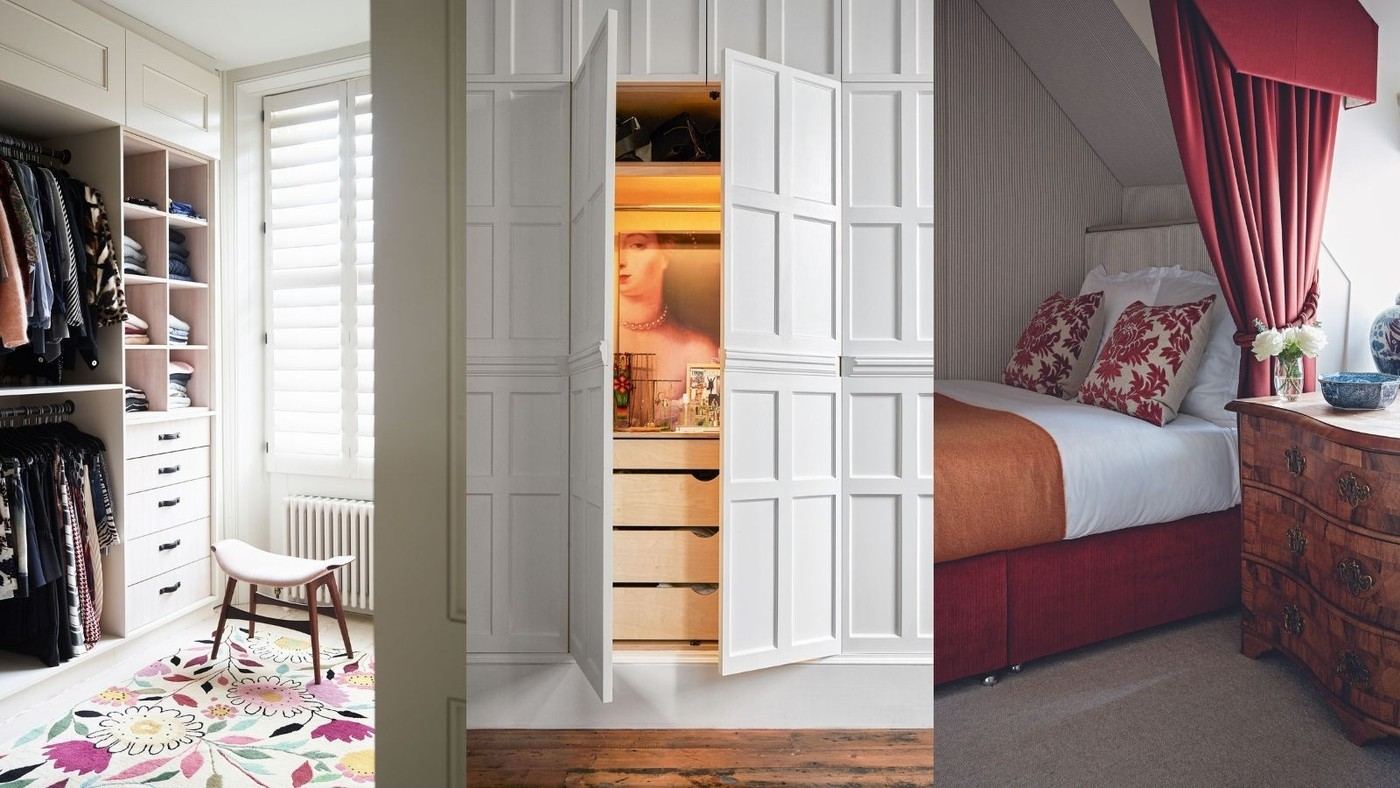
The source treats a seasonal switch as a convenient time to reconsider the closet. Before putting the returning selection into familiar positions, count the actual categories and notice what was difficult last season. A long garment, a folded sweater, and a group of small accessories ask for different support and access. The article's personalized cabinet example even includes nonclothing possessions, showing why a standard interior is not automatically the right answer. Decide which objects belong in the active dressing area and give each a clear purpose. This prevents a seasonal exchange from becoming a transfer of the same crowding between two sets of clothes, with every unresolved access problem preserved simply because the previous arrangement is familiar.
Borrow one visibility idea for a defined category
Glass-front cabinets, open shelves, and accessory racks all appear in the source, but their usefulness depends on the user. Identify what gets forgotten or tangled before changing the view. A small visible rack can clarify a category without exposing the whole wardrobe, while a divided drawer may suit a person who prefers contained groups. Leave enough room to retrieve one item without disrupting the others. If the display needs extensive restyling after each choice, simplify it. Shared storage benefits from recognizable sections so returning clothing does not require another ownership decision. The aim is a clear daily selection, not an obligation to reproduce every decorative detail or glass-front feature in a designer photograph.
Finish the reset with the next laundry day in mind
The source's nearby laundry rail illustrates the value of a short route from clean clothing to appropriate support. Prepare the relevant hangers or folding area before the next cycle finishes and check whether the intended return places are genuinely convenient. A hanging rail must suit its installation and the garments; a piece needing folded support should not be hung simply because the rod is close. Separate repairs and outgoing clothing during the seasonal review, then complete their next actions instead of moving unresolved bags into another corner. After a few ordinary laundry returns, inspect where pieces accumulate. That evidence shows whether the new categories are workable and turns a one-day tidy-up into an arrangement that can remain useful.
References
- 50 Expert-Approved Closet Storage Ideas. House Beautiful.