GarmentCare Guide
Choose how enclosed the storage should be
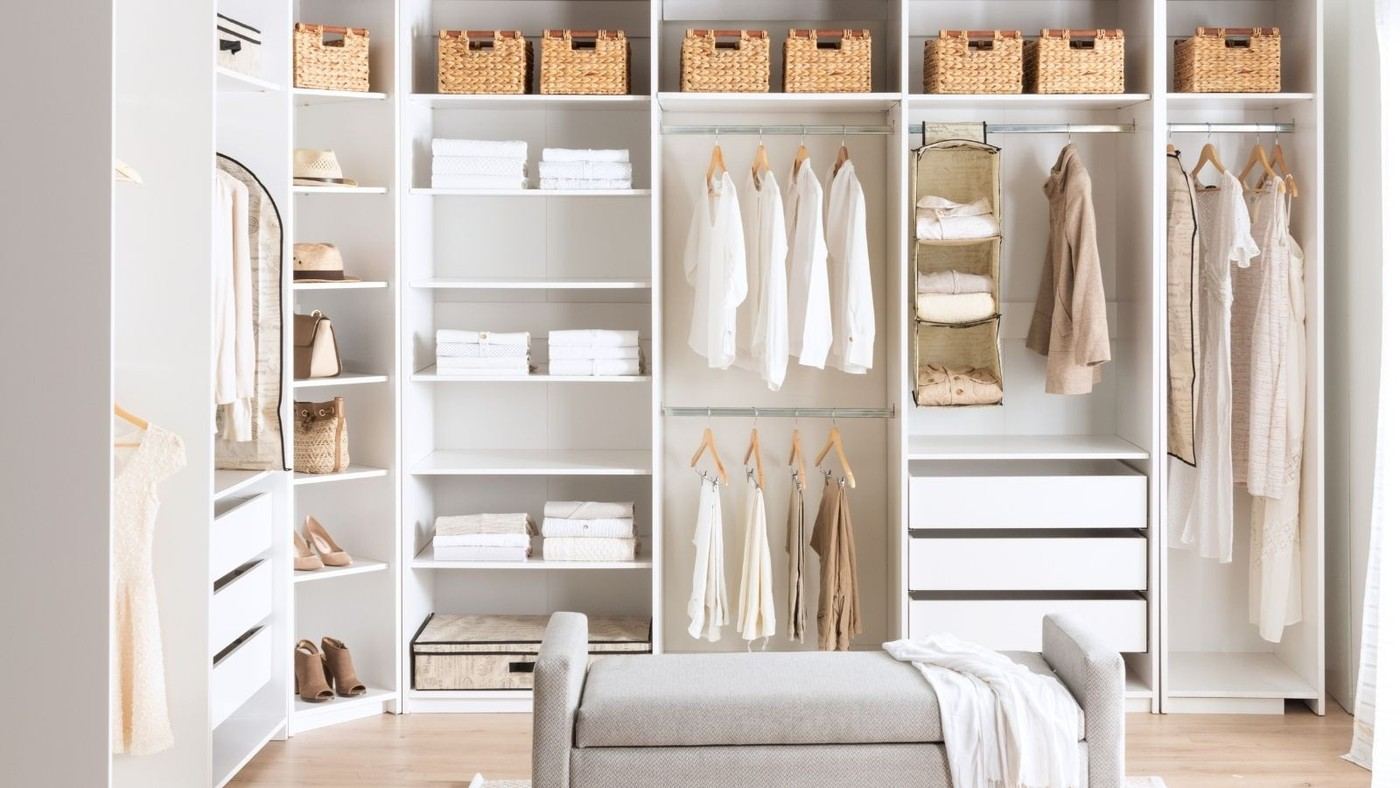
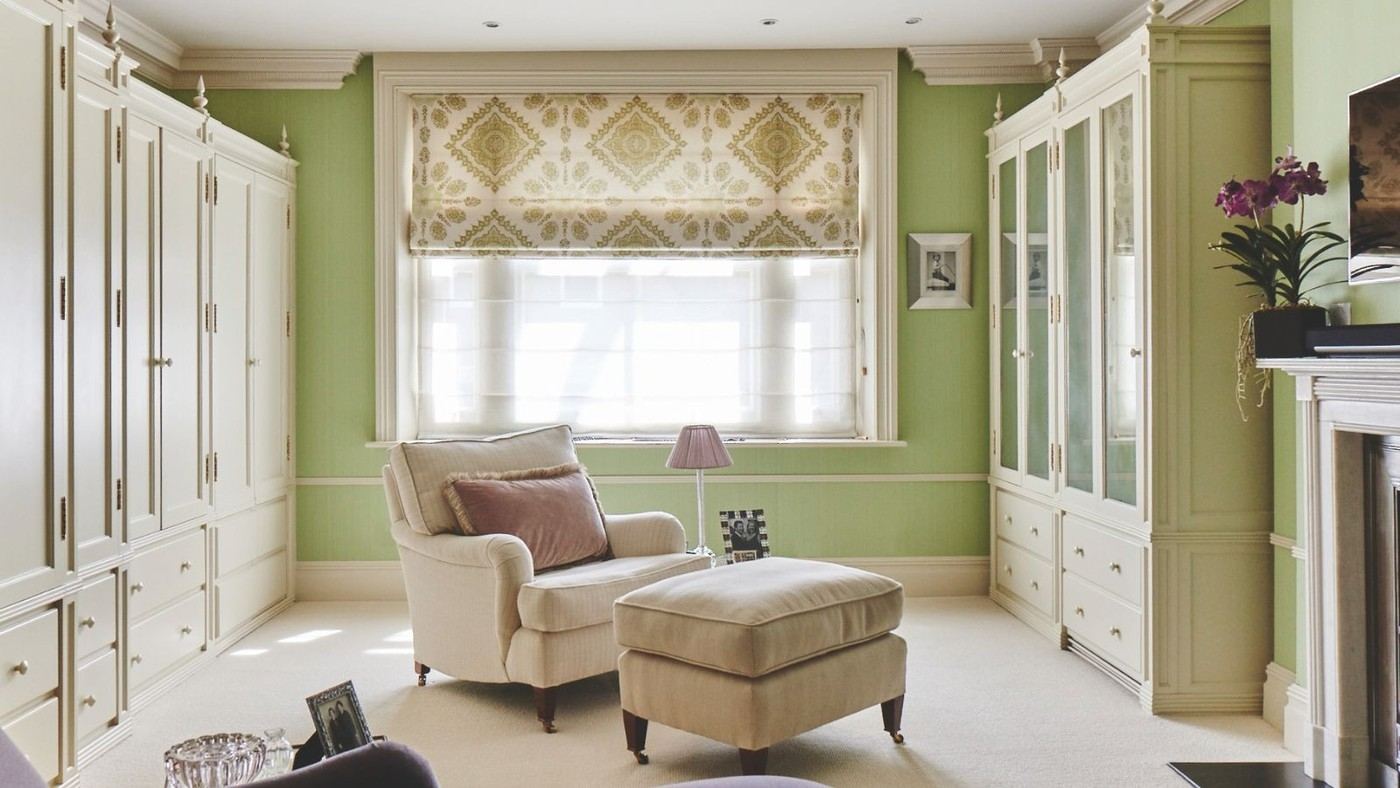
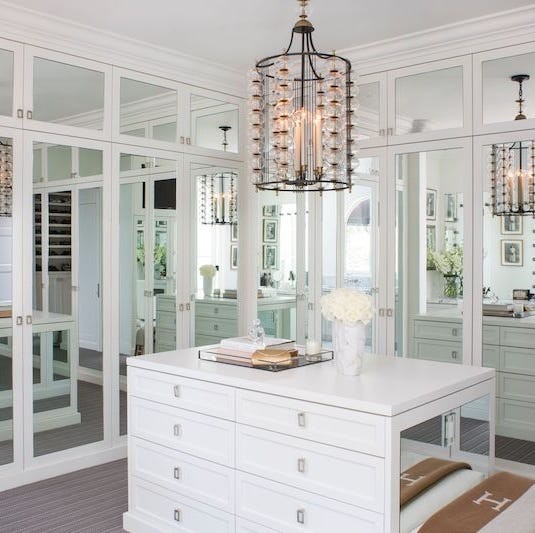
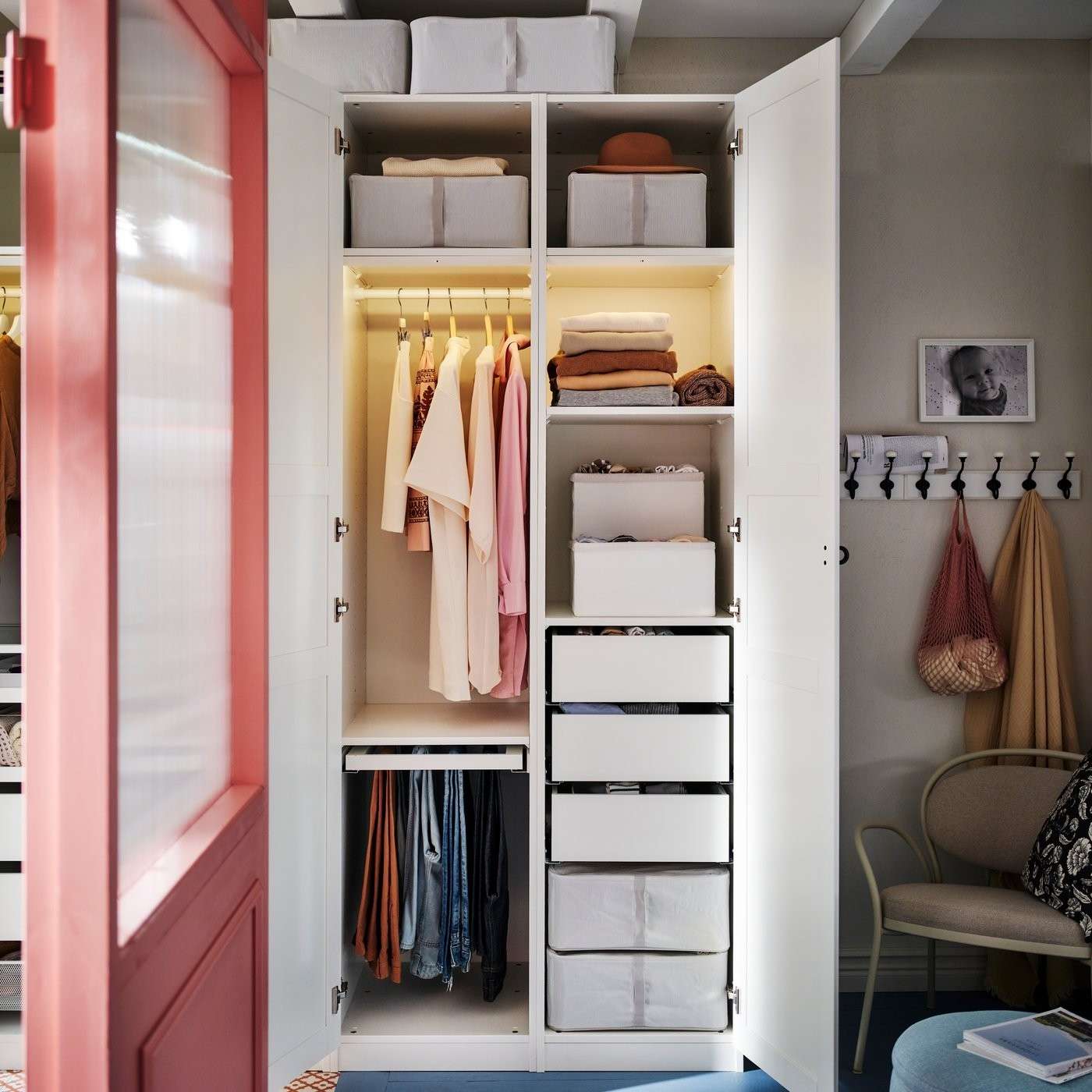
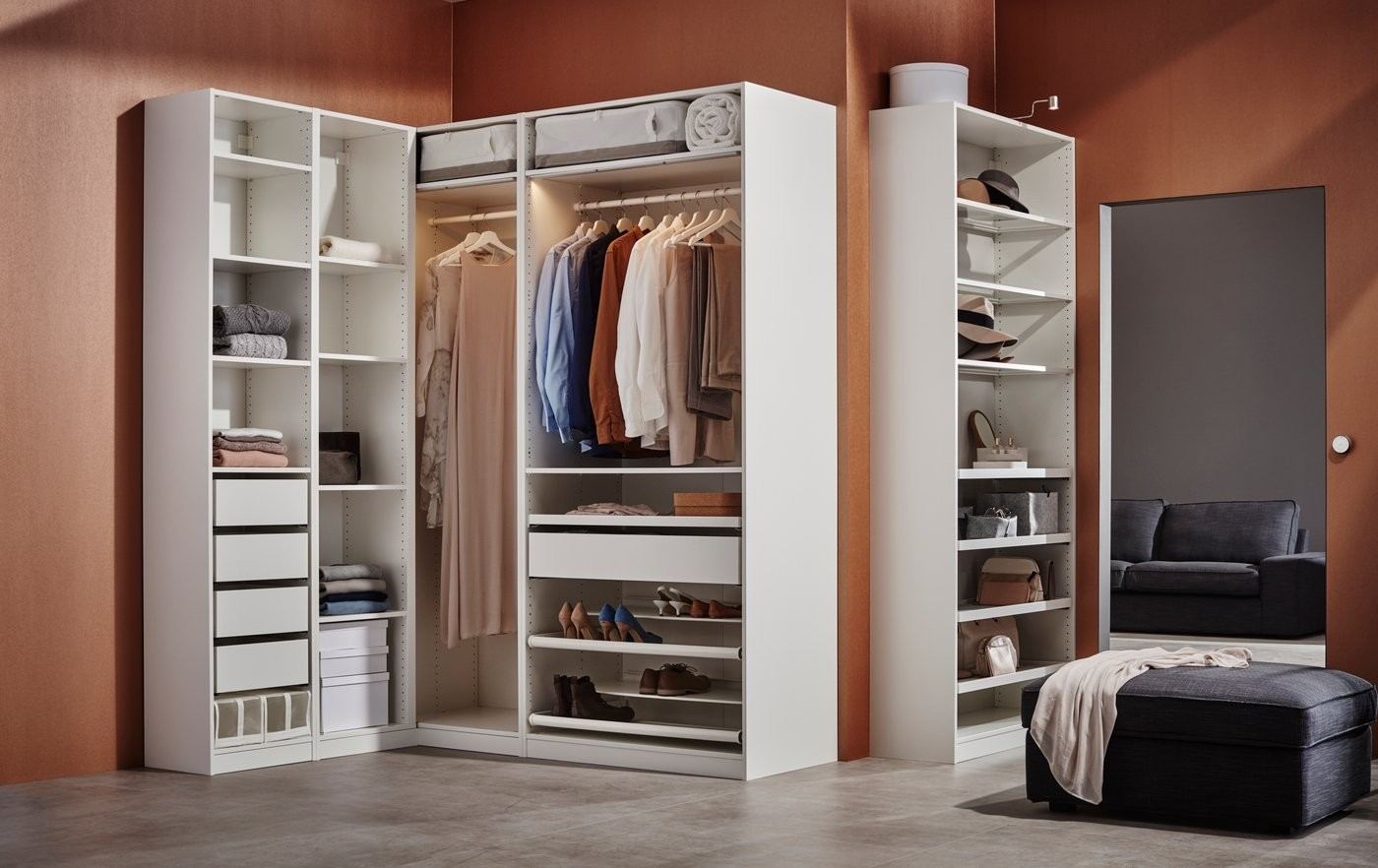
IKEA's storage system overview presents several approaches rather than one standard wardrobe. PAX combines wardrobe frames with interior organizers and exterior doors, allowing a more enclosed cabinet arrangement. AURDAL offers modular storage with a mix of open and closed sections for different closet layouts. Consider how much clothing should remain visible and whether the surrounding room benefits from doors. The choice affects access and appearance as well as storage capacity. Start with the space and the collection, then compare systems that can provide the required balance of rails, shelves and compartments within their intended installation conditions.
Consider flexible open arrangements
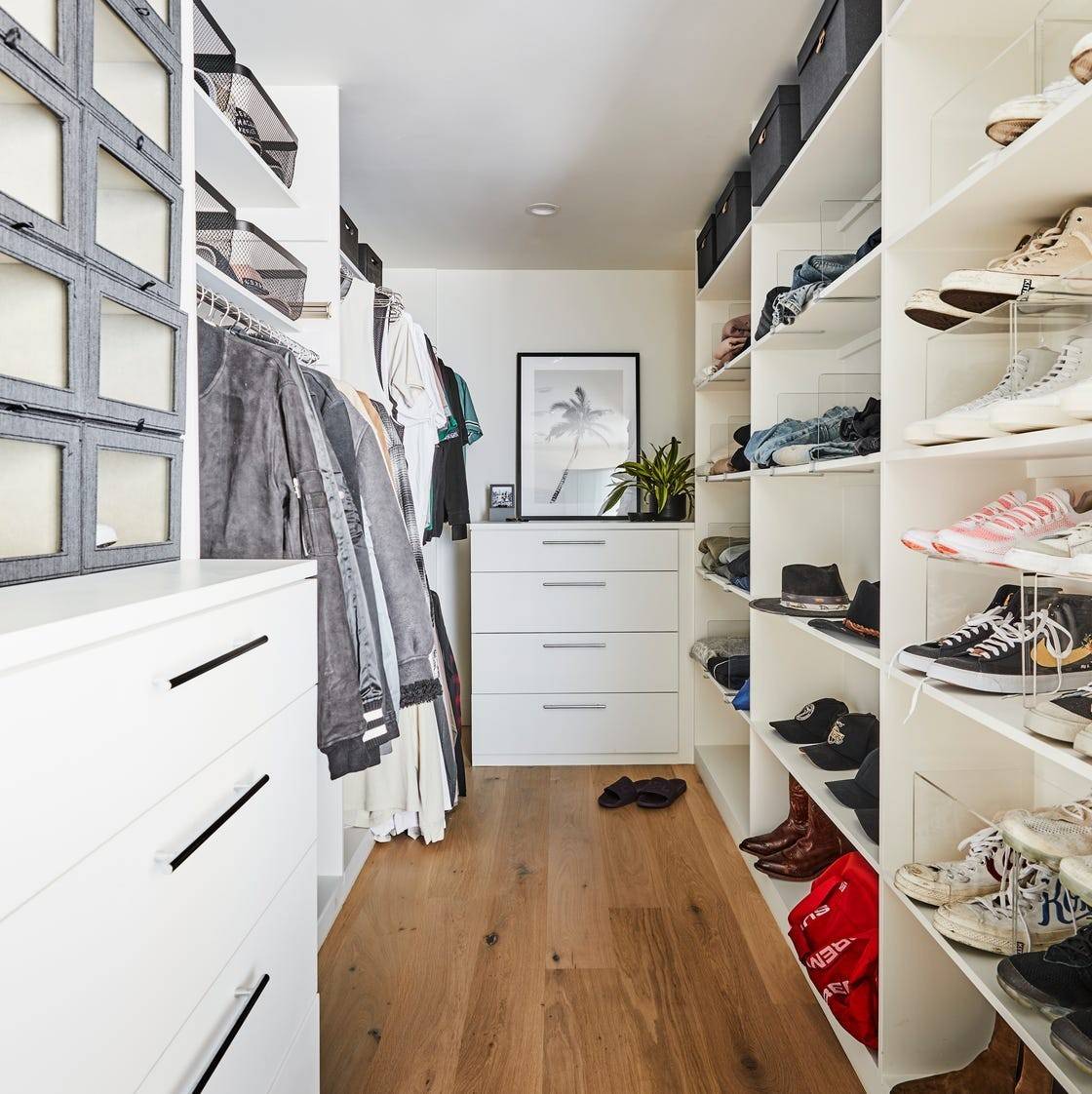
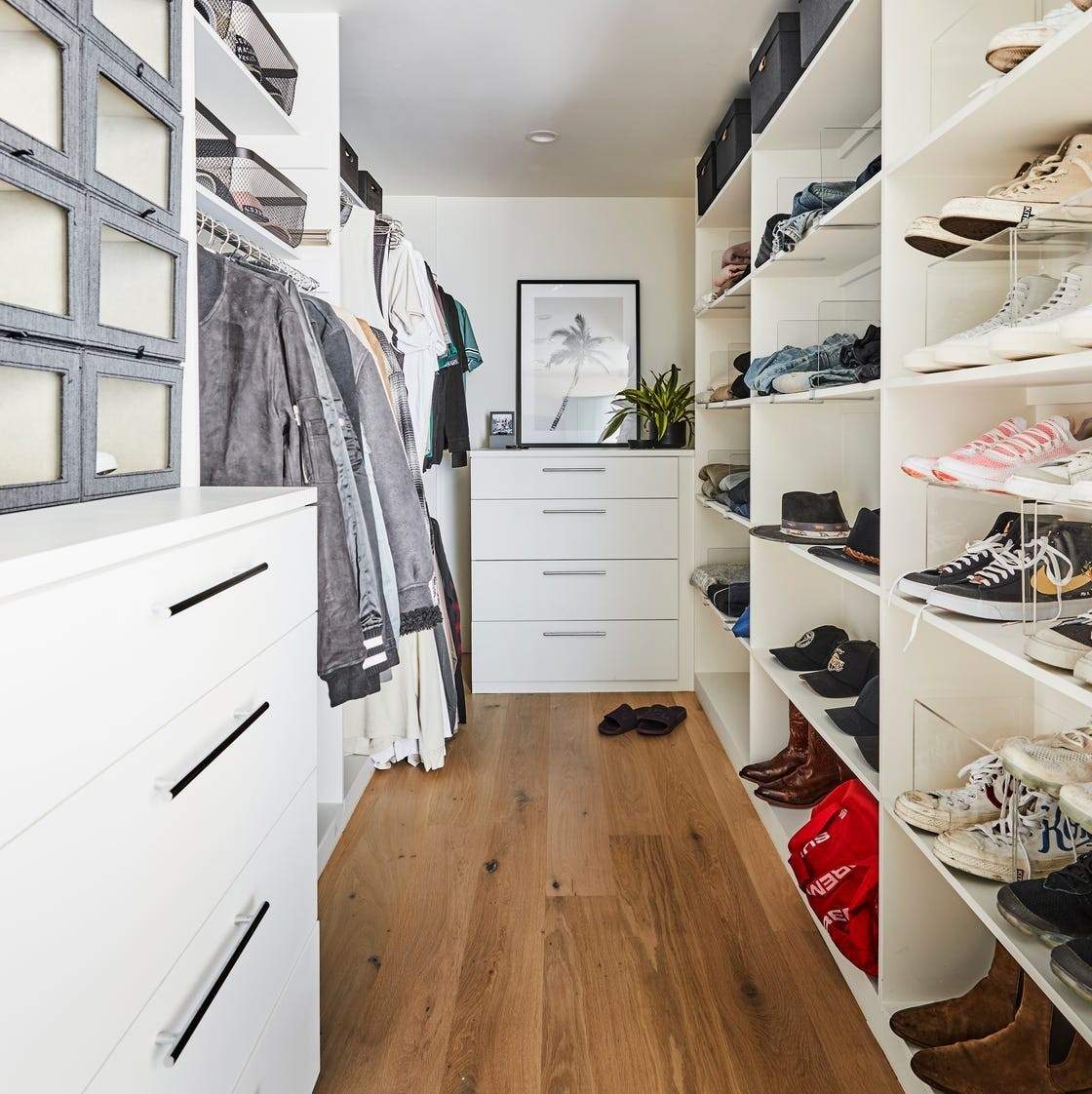
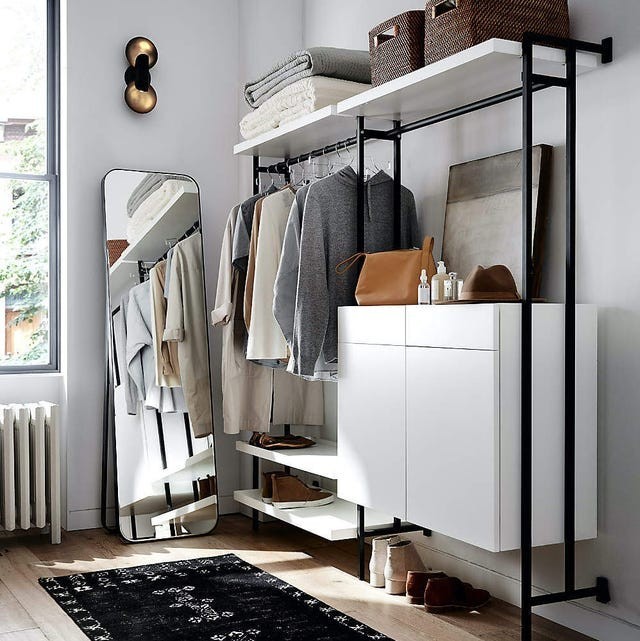
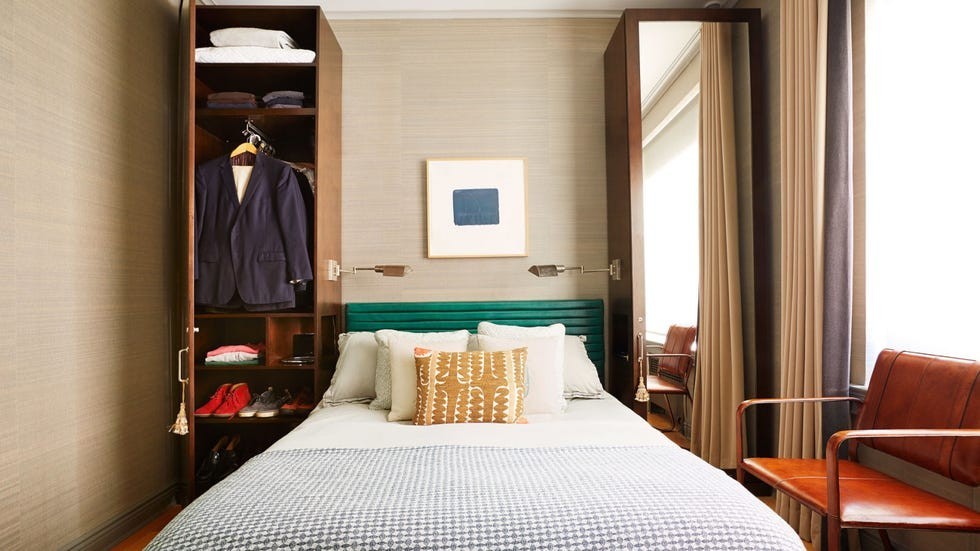
The source describes ELVARLI as an open system with combinations of shelves, drawers and rails, including a floor to ceiling post option. JONAXEL offers frames and accessories that can serve varied spaces, while BOAXEL uses wall mounted components such as rails, shelves and mesh drawers. These examples show different ways to adapt storage to a room rather than insisting on a conventional closed cabinet. Check the current components, dimensions, mounting requirements and load limits for the specific system. An open arrangement makes contents easy to see, but still needs an understandable layout and enough room to use each section comfortably.
Plan the interior before committing
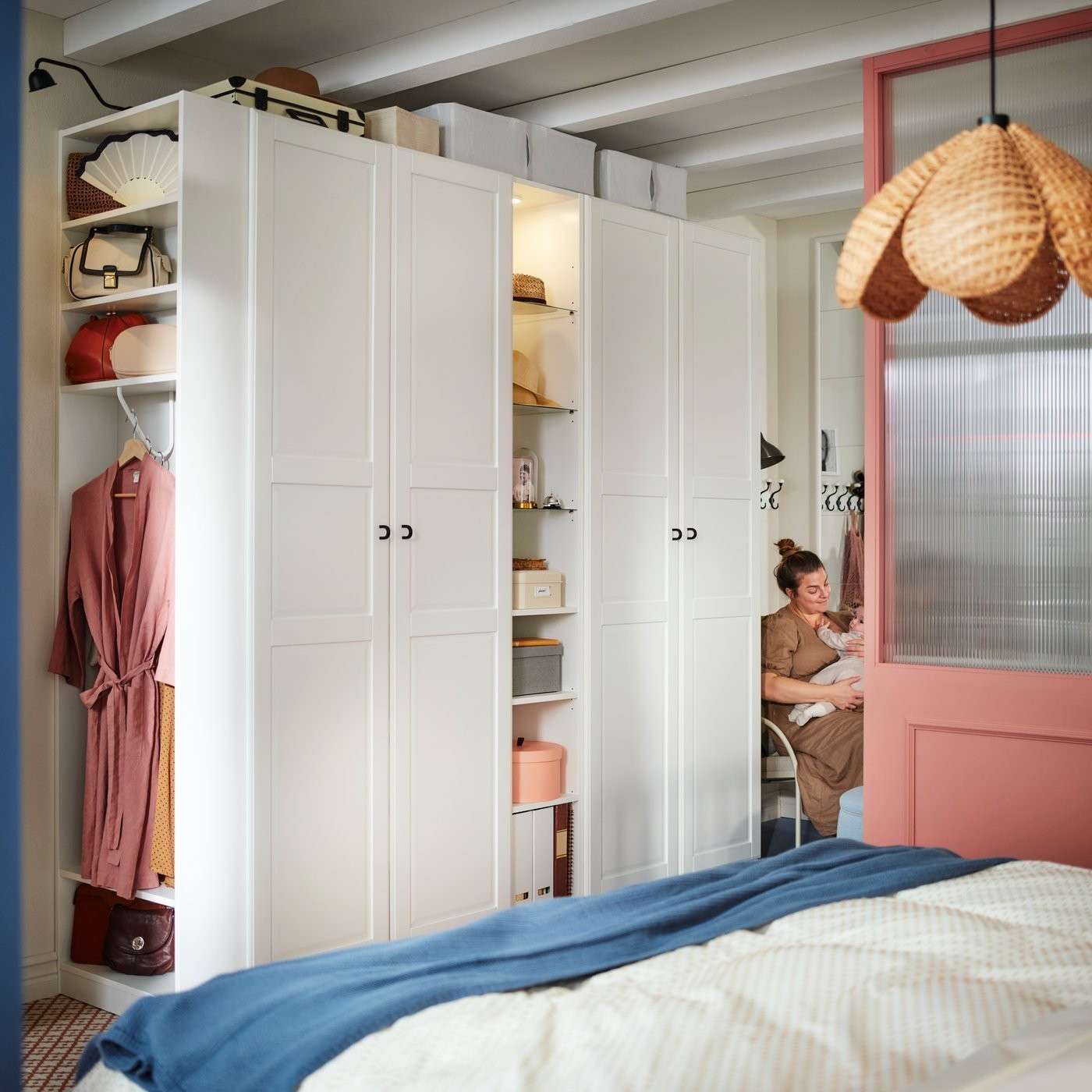
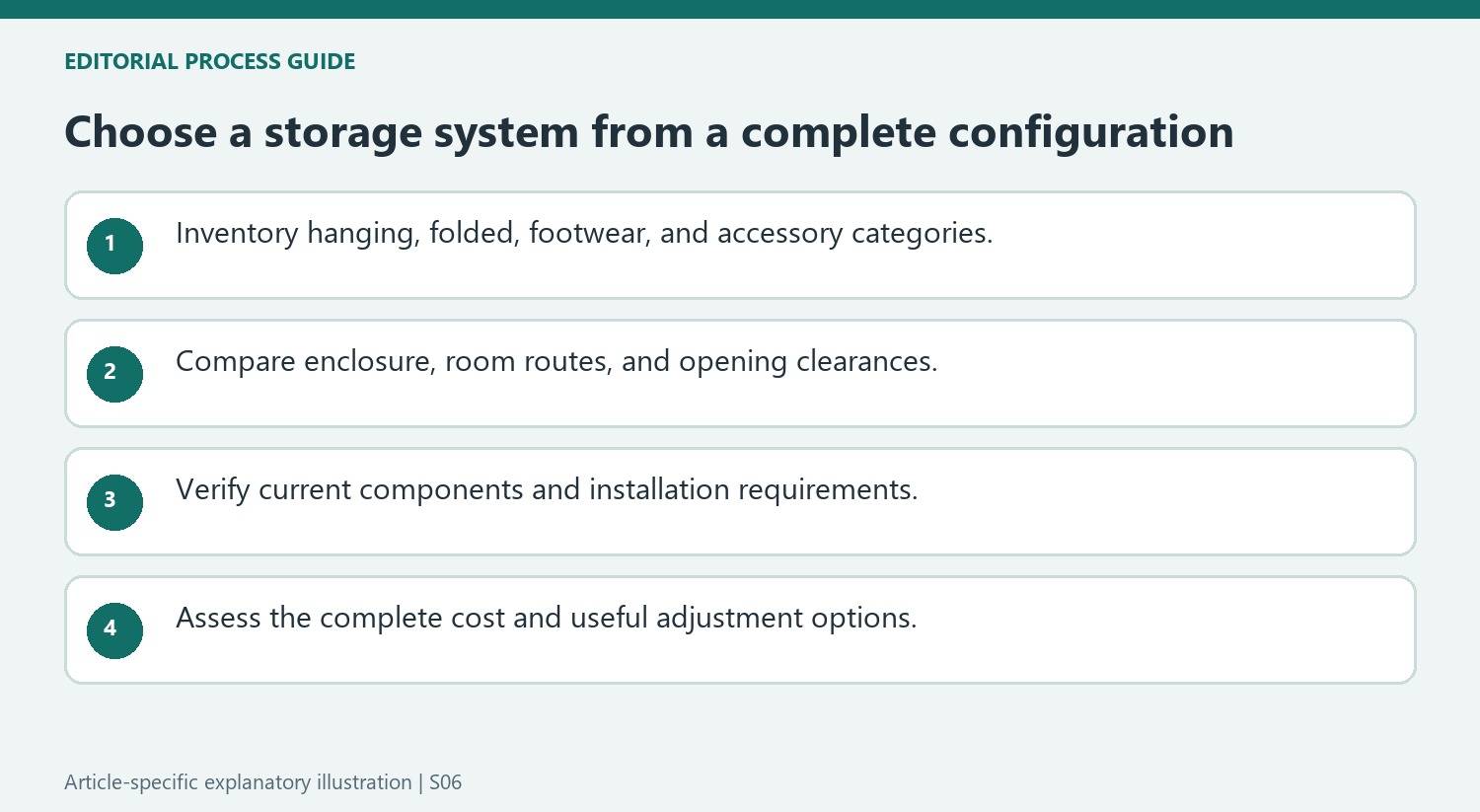
Count long hanging garments, shorter pieces, folded clothing, footwear and accessories before choosing the system. Leave suitable support for knitwear and useful clearance for dresses or coats. A modular design helps only when the chosen components address those actual categories. Allow for doors, drawer movement and access in the surrounding room as well as the footprint of the frame. Prices and component availability can change, so verify the current offering instead of relying on an older displayed example. The best fit is the system that meets the storage needs, physical constraints and budget together, with installation carried out according to its instructions.
Compare enclosure as a daily-use choice
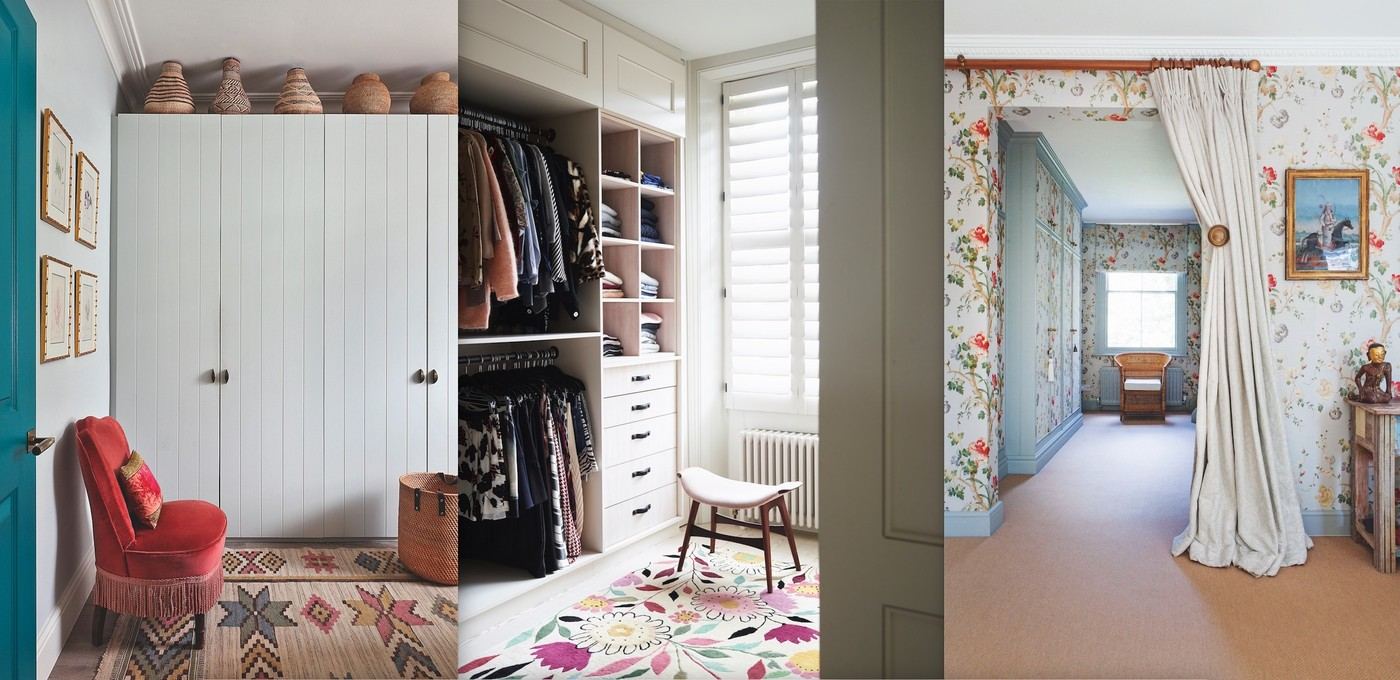
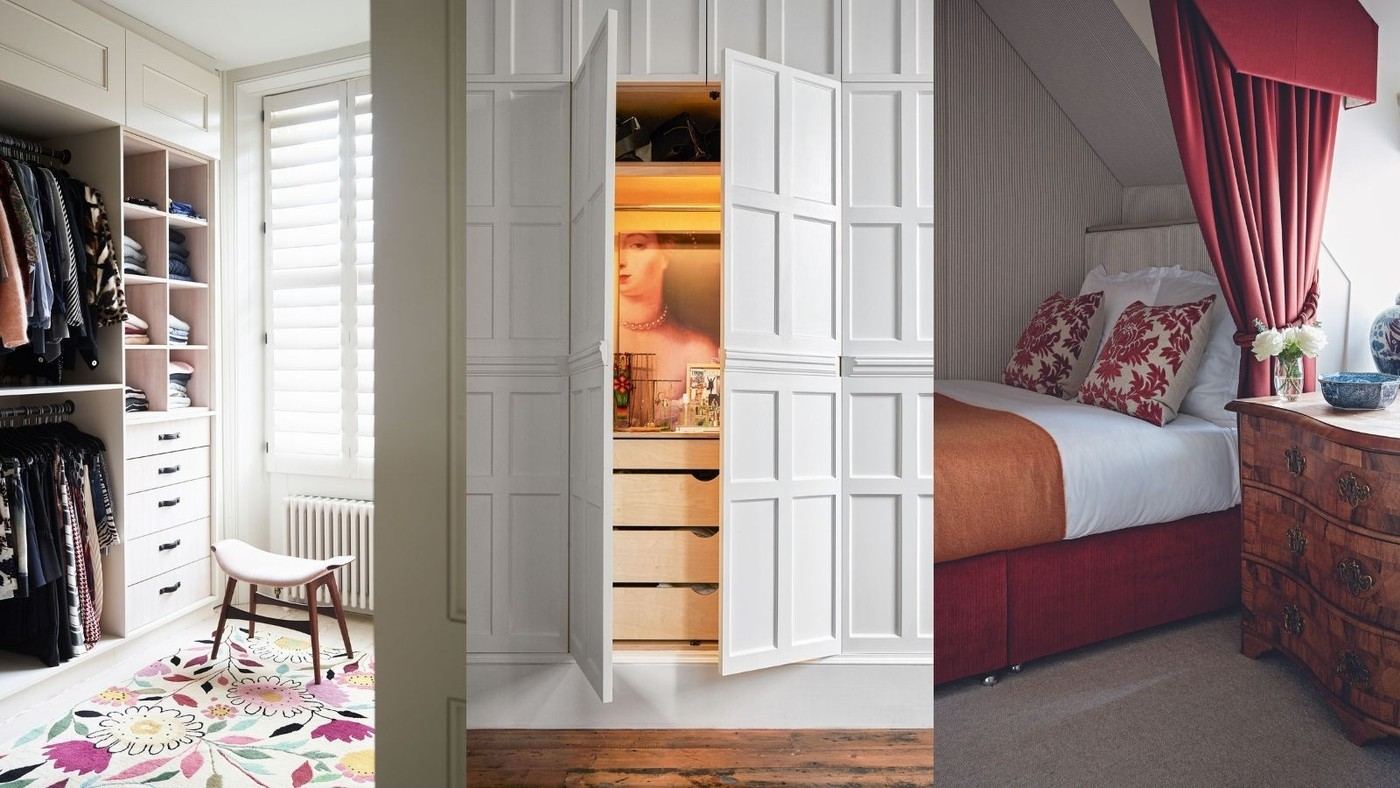
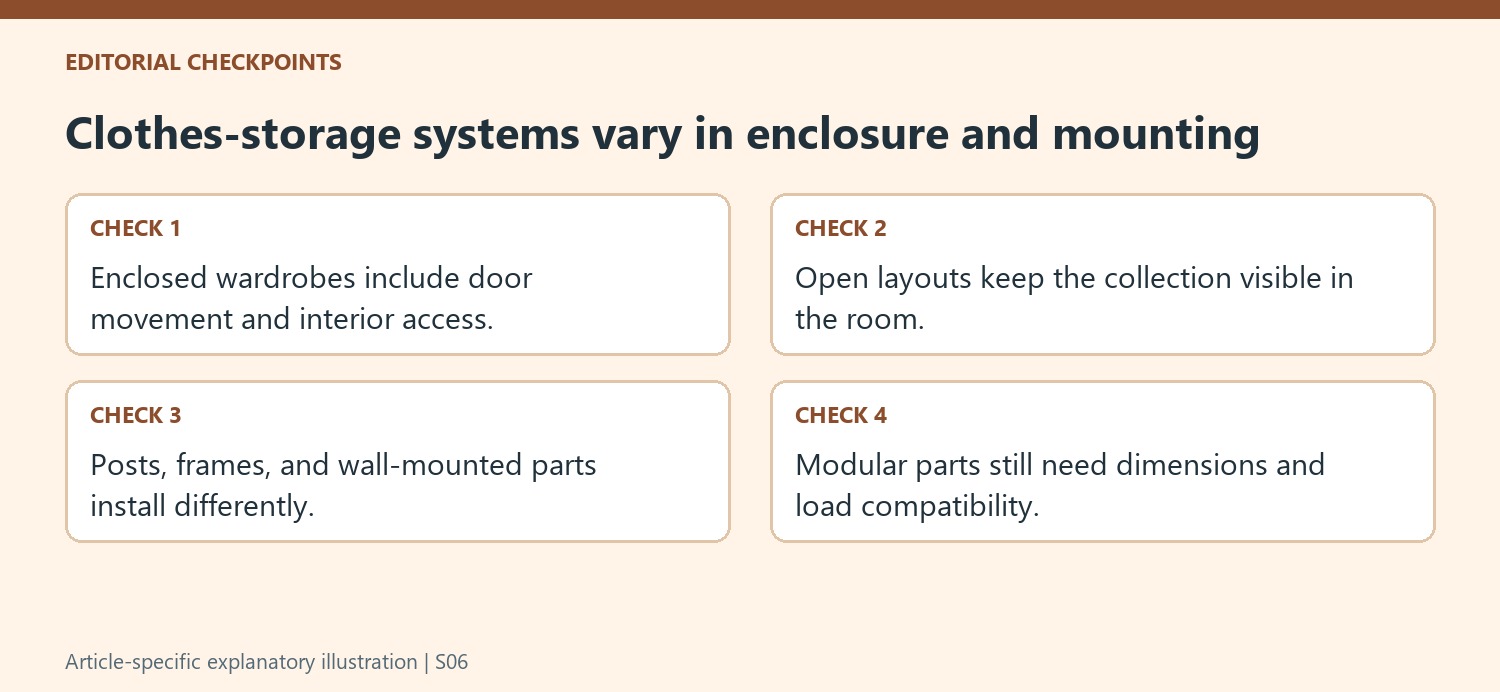
IKEA's overview distinguishes enclosed wardrobes from open and mixed systems. Think about what that difference means in the room before choosing a style. Doors can hide the visual activity of stored clothing, but they also need opening clearance and compatible internal access. Open storage keeps categories visible and asks for a layout that remains understandable after ordinary use. A combination can serve different groups within one room. The source presents PAX and AURDAL among the examples, yet the useful question is how the available configuration fits the actual collection. Check current components and dimensions rather than assuming a styled photograph represents a complete solution for a different wall, wardrobe inventory, or walking route.
Keep mounting method separate from appearance
The overview includes systems with frames, floor-to-ceiling posts, and wall-mounted components. These may look similarly light or modular while having different installation requirements. Establish which approach suits the room's structure and follow the exact product instructions, load limits, and required fixing method. Do not transfer an installation assumption from one named system to another. Allow room for drawers and hanging garments as well as the visible frame. A shelf that fits the wall width may still be awkward if its contents obstruct access below or project into the room. Modularity is useful when the chosen parts form a compatible, properly installed arrangement, not simply when many accessories can be added to a shopping list.
Choose flexibility around a realistic inventory
The source describes several systems as adaptable, but flexibility still begins with knowing what needs a place. Count long garments, shorter hanging pieces, folded clothing, footwear, and small accessories. Compare that list with the actual arrangement being considered and leave practical retrieval space between categories. A household that mostly folds clothing may need a different balance from one with many tailored jackets or dresses. Review current prices and availability for the complete configuration, including the required installation components. Then consider whether the layout can be adjusted as the wardrobe changes within the system's intended use. This connects budget and future adaptation to a concrete starting arrangement instead of treating a flexible design as unlimited capacity.