GarmentCare Guide
Understand the two part construction
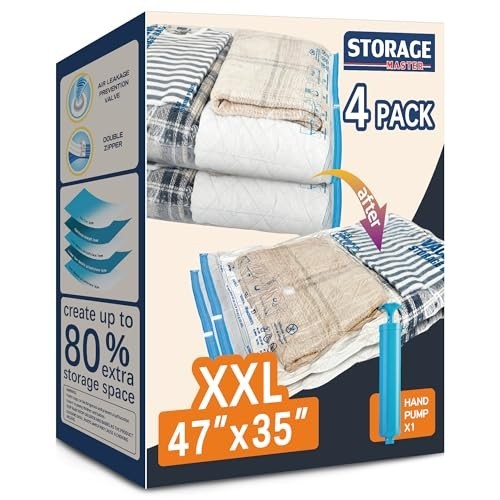
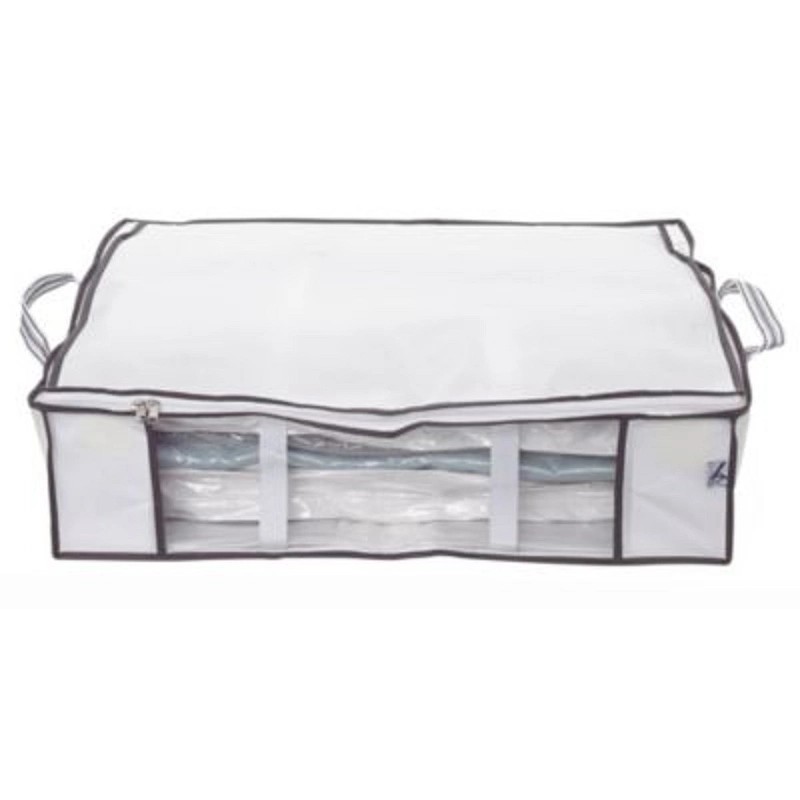
Ideal Home's report describes Lakeland's underbed storage tote as an inner vacuum bag enclosed by a zipped outer case. The inner layer compresses suitable contents, while the outer layer provides an additional cover and handles for moving the package. A viewing window helps identify what has been stored. Those design details distinguish it from an ordinary loose vacuum bag. Check the current product description for dimensions, included parts and instructions rather than assuming an older article's price or capacity remains unchanged. The useful comparison is whether the complete packed case fits the available storage location and can be moved comfortably.
Match compression to the clothing
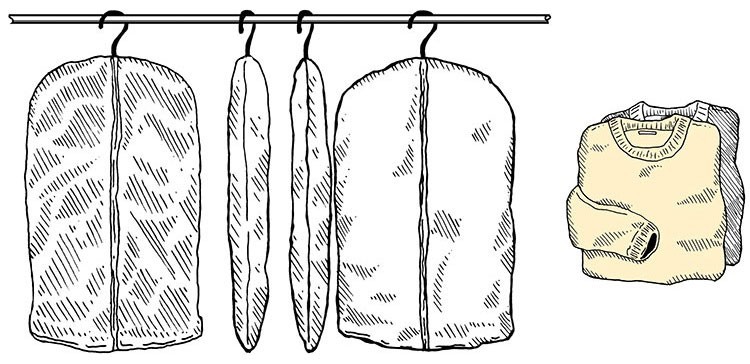
The article presents the tote as an option for seasonal garments and bedding, but not every item should be compressed. Woolmark's storage advice notes that vacuum packing can be unsuitable for delicate clothing and can trap moisture. Consider garment construction and care requirements before choosing this method. Clean suitable pieces and let them dry fully before packing. Follow the bag's fill and sealing directions, leaving items that need shaped or hanging support in another arrangement. A large stated capacity is not a target that must be reached if doing so forces unsuitable clothing into the package.
Use the window and labels for regular checks
A visible panel and an understandable label can reduce searching when an unexpected weather change makes a stored item necessary. Keep the tote in a suitable environment and check its condition periodically rather than treating the outer cover as proof against every storage problem. Inspect for moisture, damage or loss of compression, and review the contents during the next wardrobe rotation. Choose the container size around the actual selection and the space available beneath a bed or on a shelf. The design may help organize an appropriate load, but careful preparation and suitable garment choices remain the main basis of good storage.
Compare the inner bag with the outer case
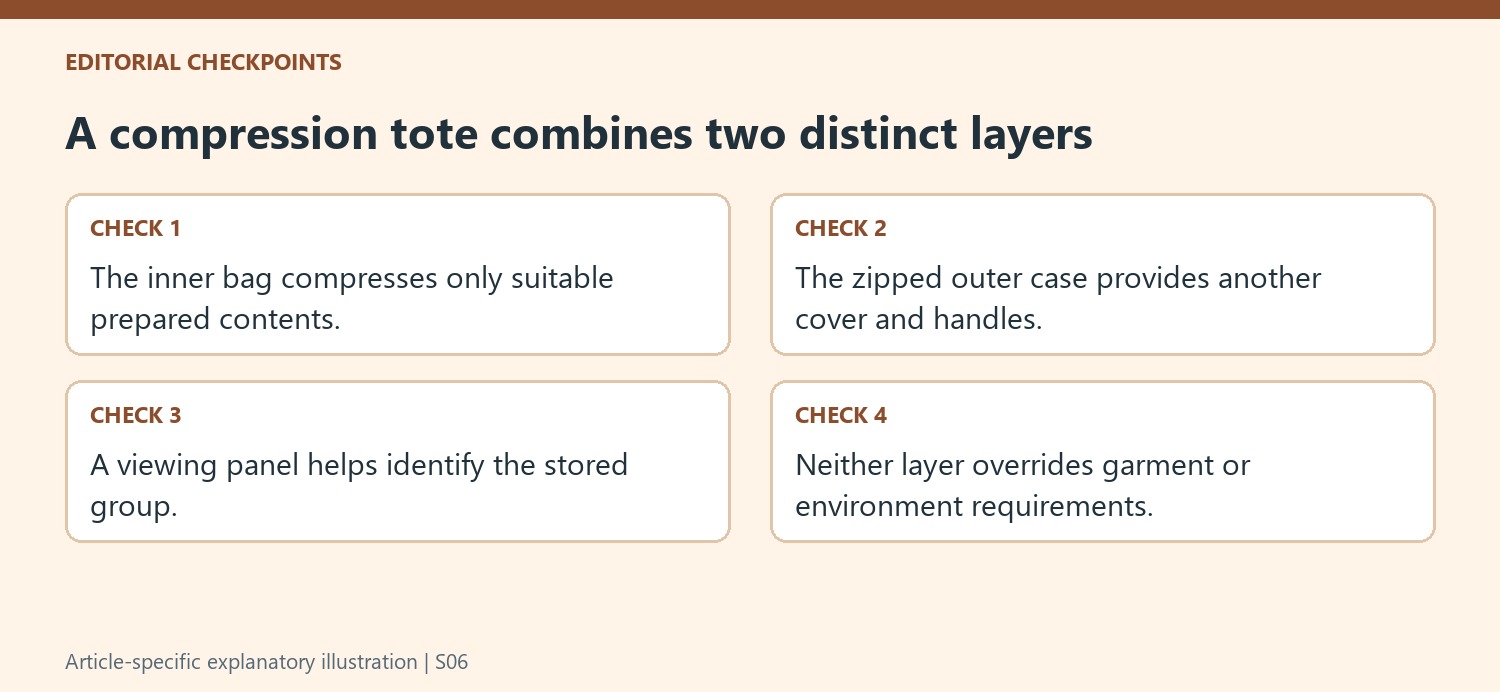
The source describes two layers that perform different jobs: an inner vacuum bag for suitable compressible contents and a zipped outer tote with carrying handles. The outer layer can make the package easier to move and provide another cover, but it does not change which garments can tolerate compression. Check the current instructions for the complete product, including how the layers fit together and how the case should be handled when full. A viewing panel can help identify contents without opening everything. Compare that arrangement with an ordinary loose vacuum bag according to the actual task, rather than assuming an additional cover makes every storage location or type of clothing appropriate for long periods out of sight.
Measure the packed arrangement against the location
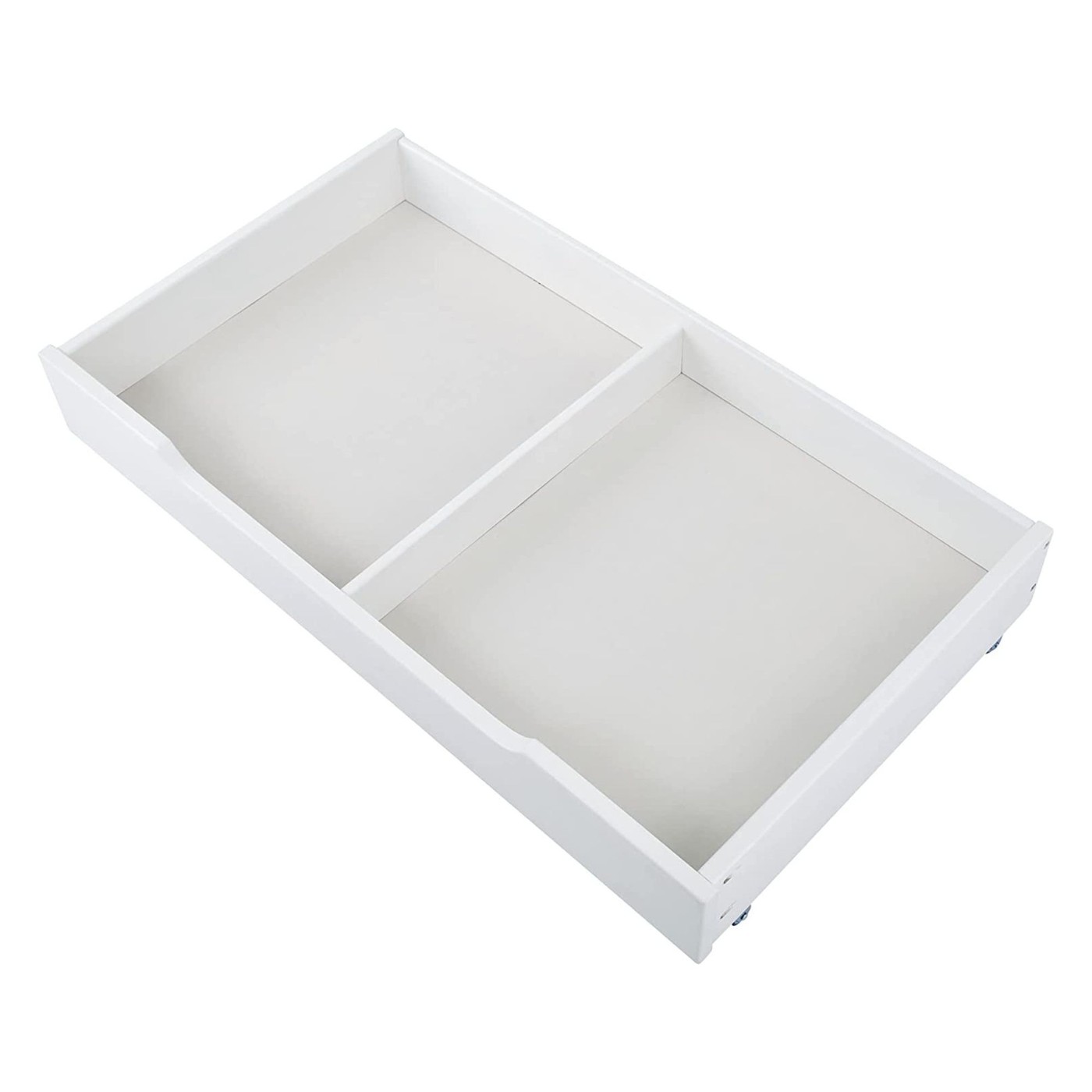
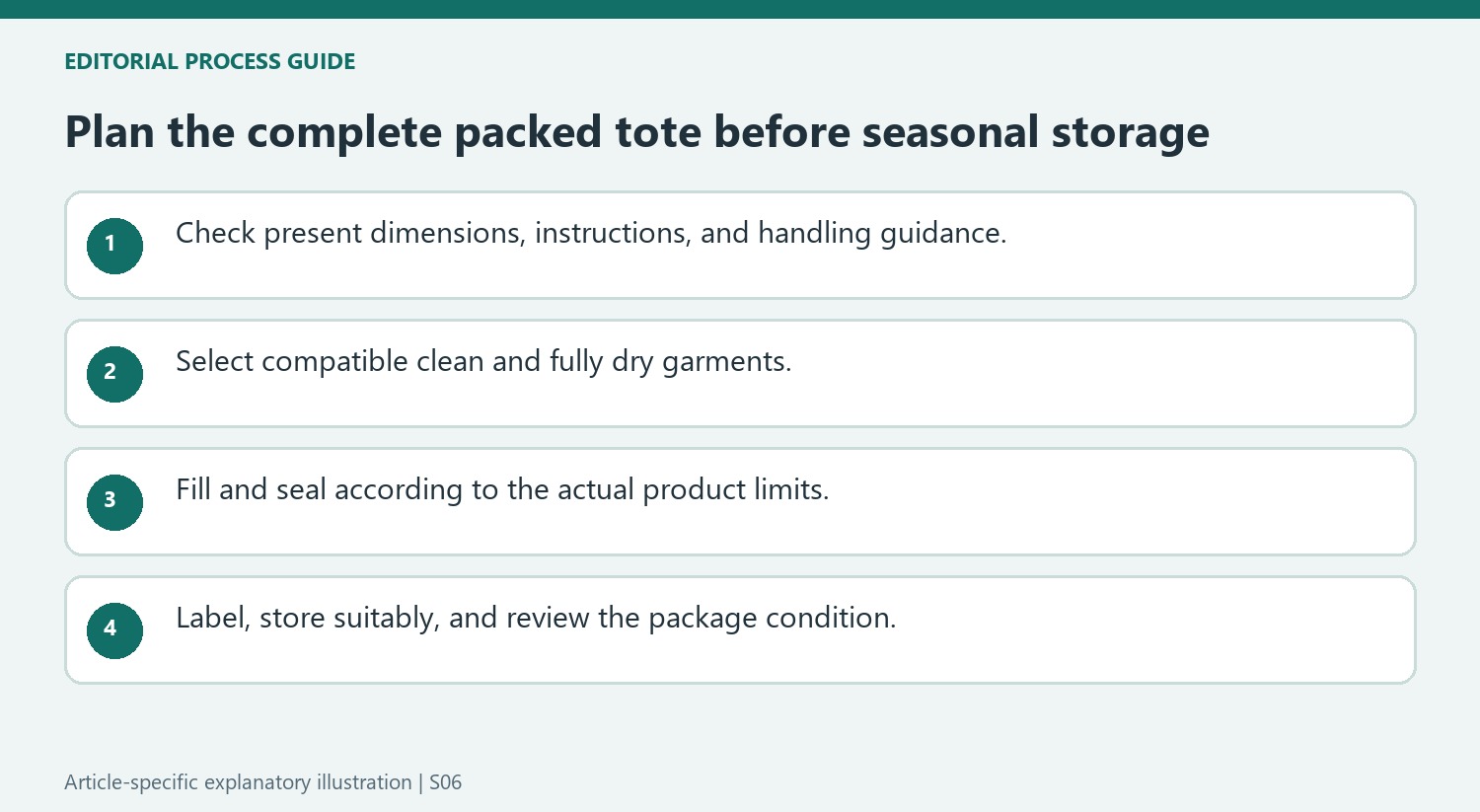
The article discusses several stated sizes and an underbed use, but capacity in liters does not establish whether a case will fit beneath a particular bed or on a shelf. Verify current external dimensions and allow for access when the tote is filled. Consider how a full package will be pulled out and supported, following the product's handling guidance rather than treating handles as permission for any load. Do not fill a bag to its advertised maximum if that forces unsuitable items into the group or makes the closure difficult. The useful size matches the retained selection, the approved packing method, and the physical storage position. More volume is not automatically more convenient when retrieving one garment requires moving the entire arrangement.
Keep seasonal review part of the product's role
The source presents the tote as a way to make a seasonal wardrobe switch more organized. Preserve that limited purpose rather than interpreting favorable shopper comments as a guarantee against moisture, pests, or damaged contents. Clean compatible garments and let them dry completely, then label the group clearly. Check the bag and outer case periodically for damage, loss of compression, or signs that the storage conditions are unsuitable. A window can make identification easier but cannot reveal every hidden surface inside a packed load. Clothing needing shaped or hanging support should remain elsewhere. At the next rotation, inspect the contents and update the label or selection before packing again, making the container one managed part of the routine.
References
- Yes, small wardrobes can be organised too – and Lakeland’s £16.99 storage solution is the key to your seasonal clothing switch-up this May. Ideal Home; Lauren Bradbury.
- How to store wool clothes. The Woolmark Company.