GarmentCare Guide
Use the overlooked edges of the space
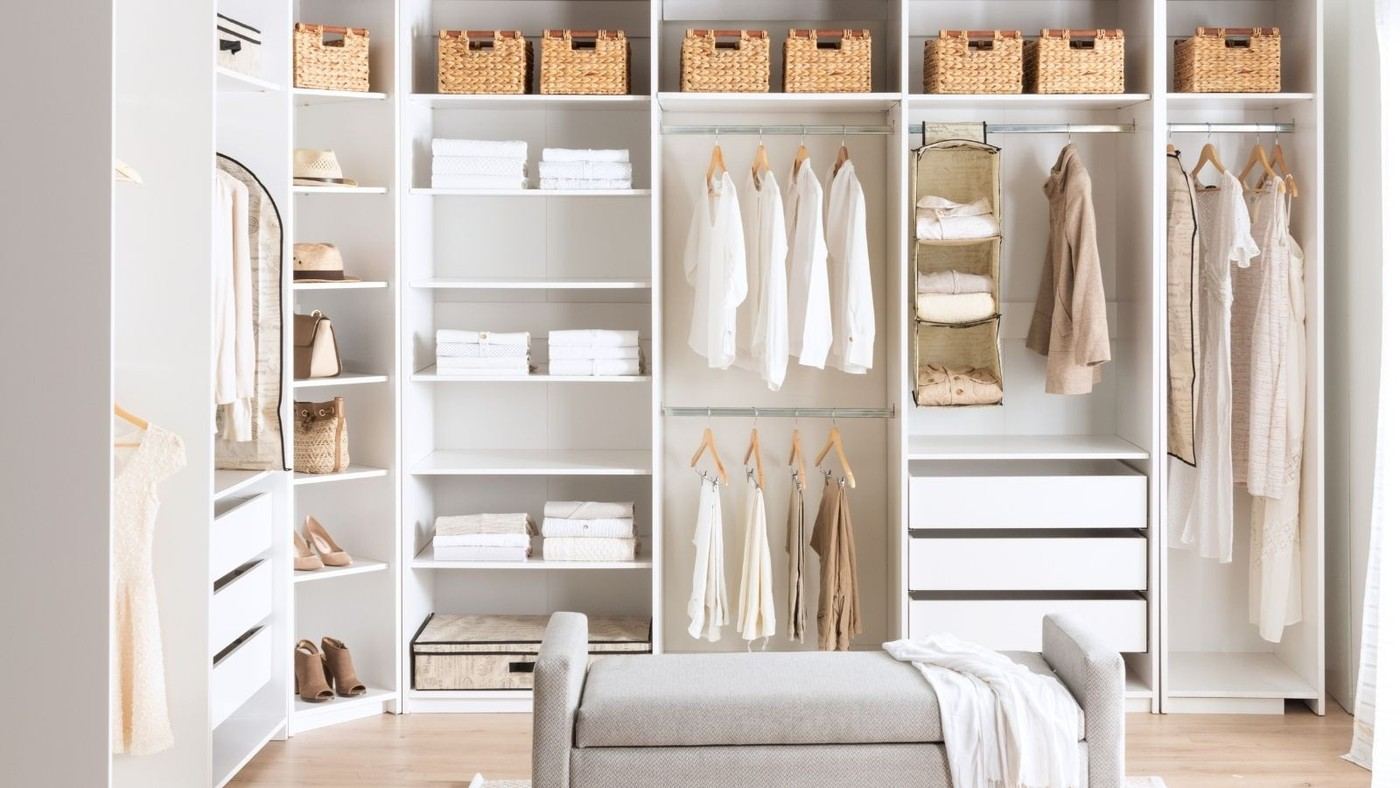
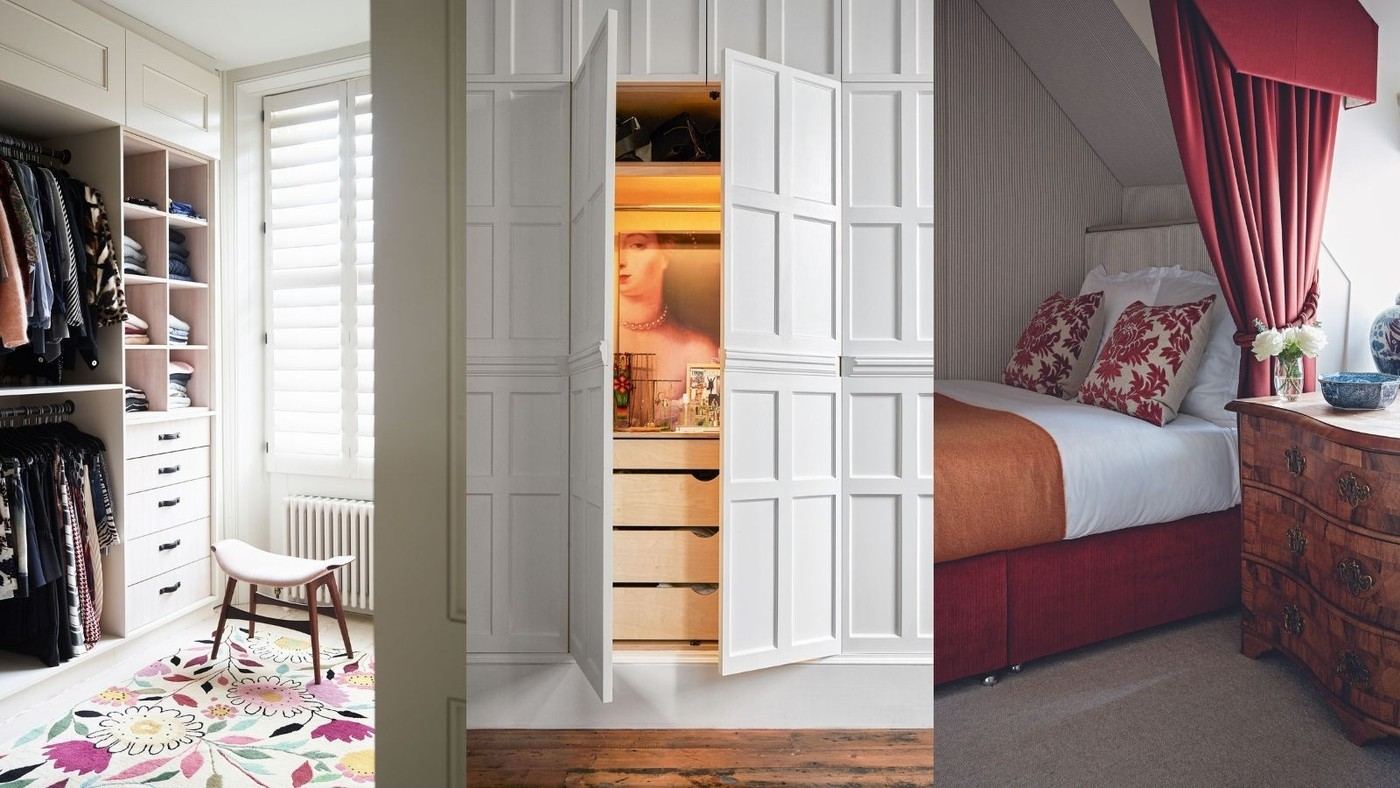
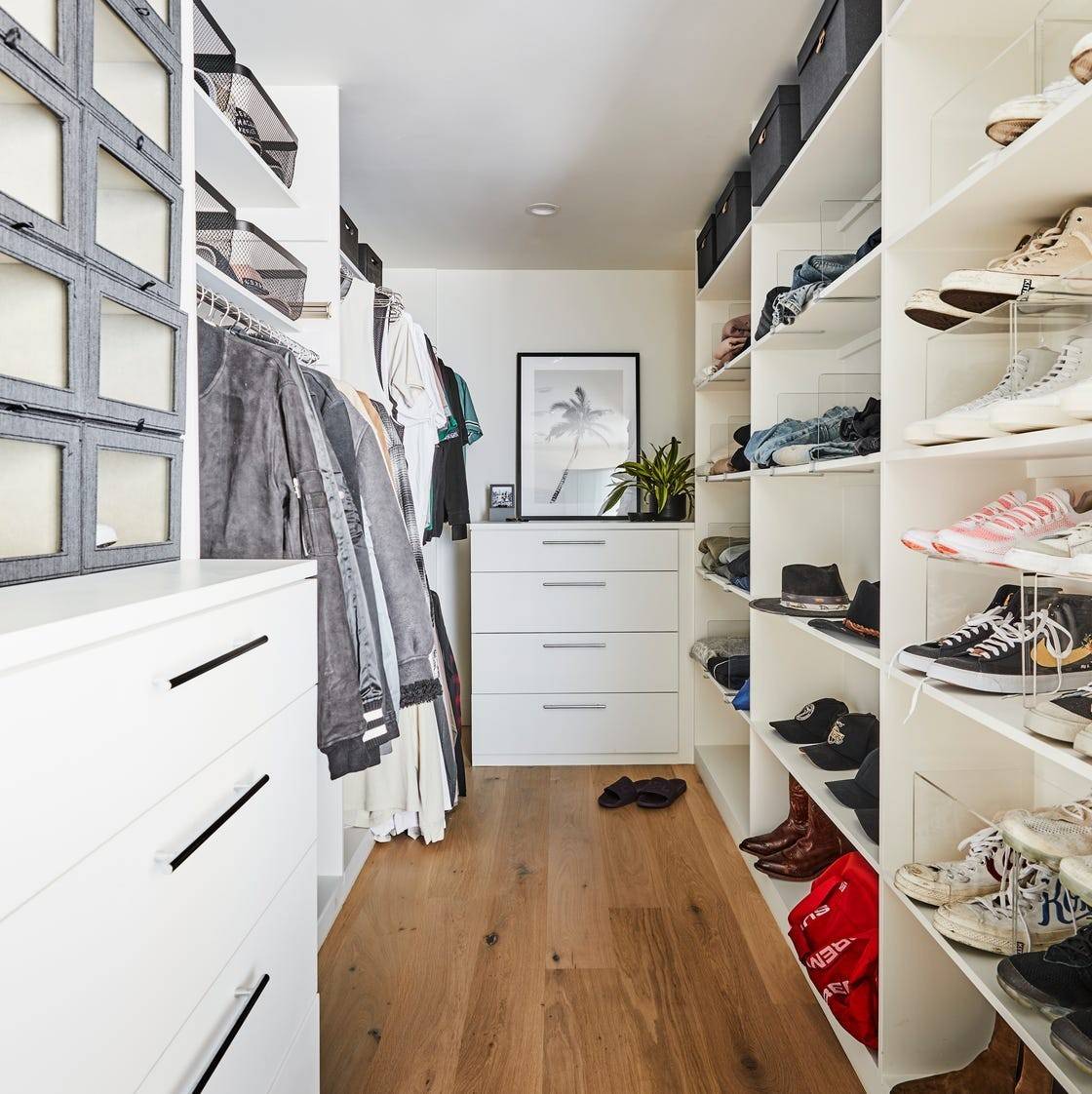
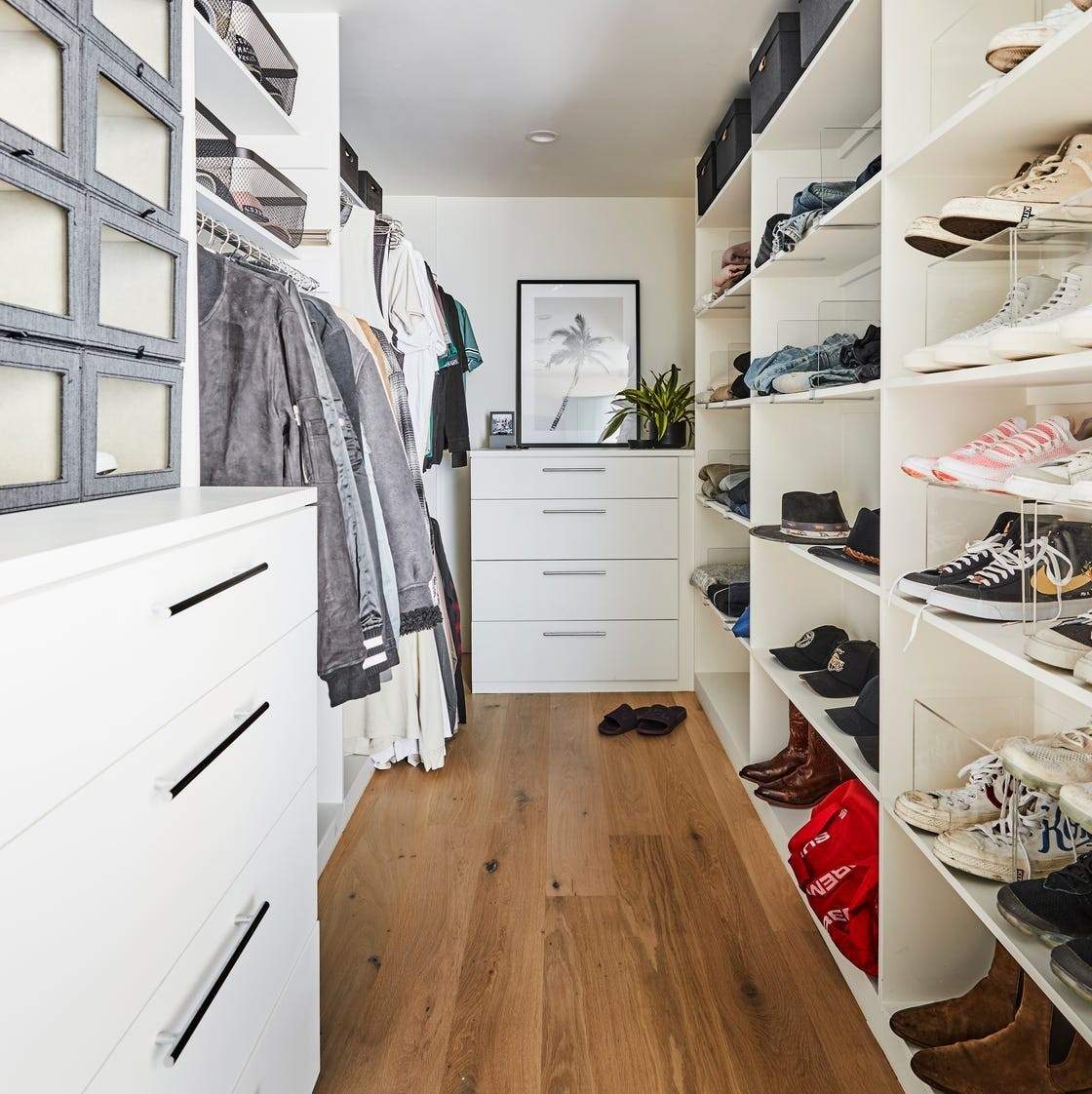
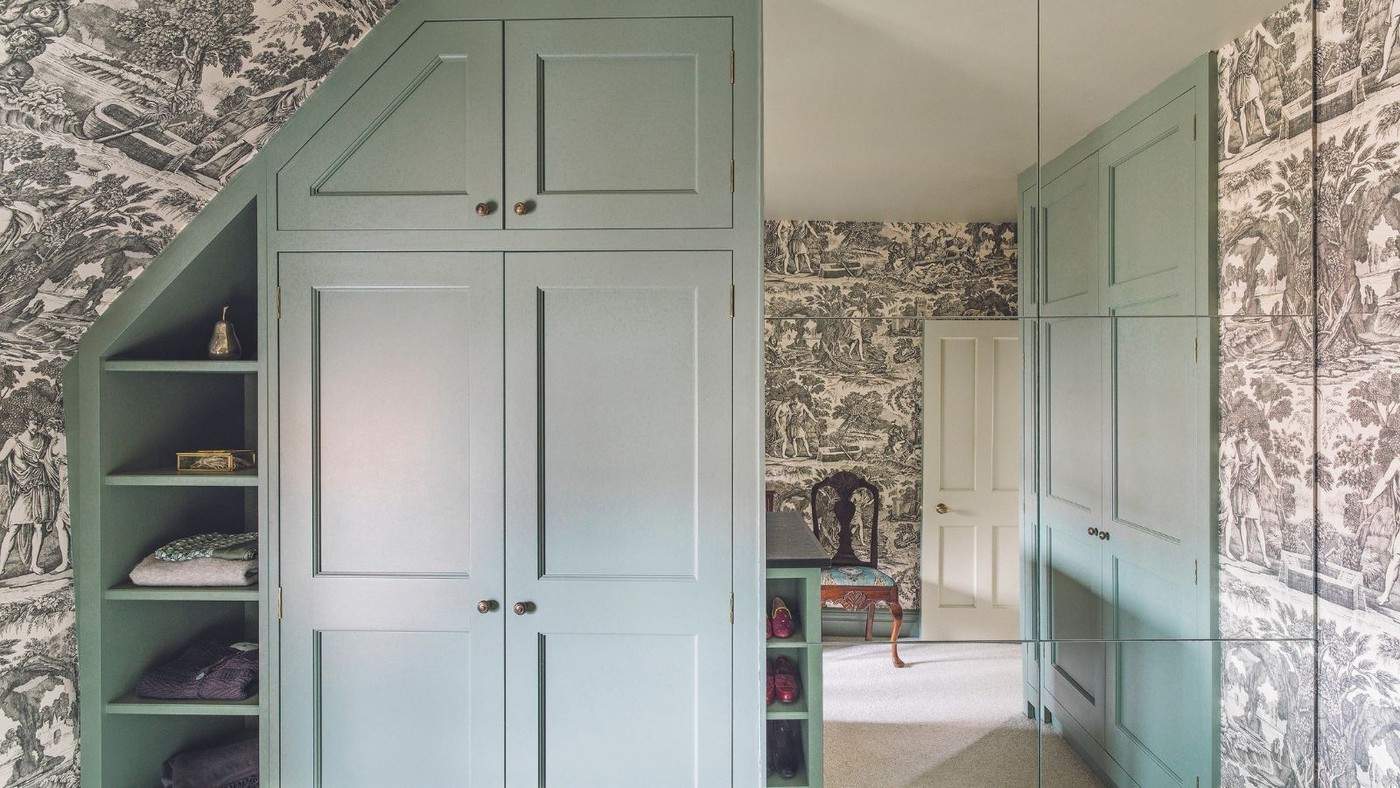
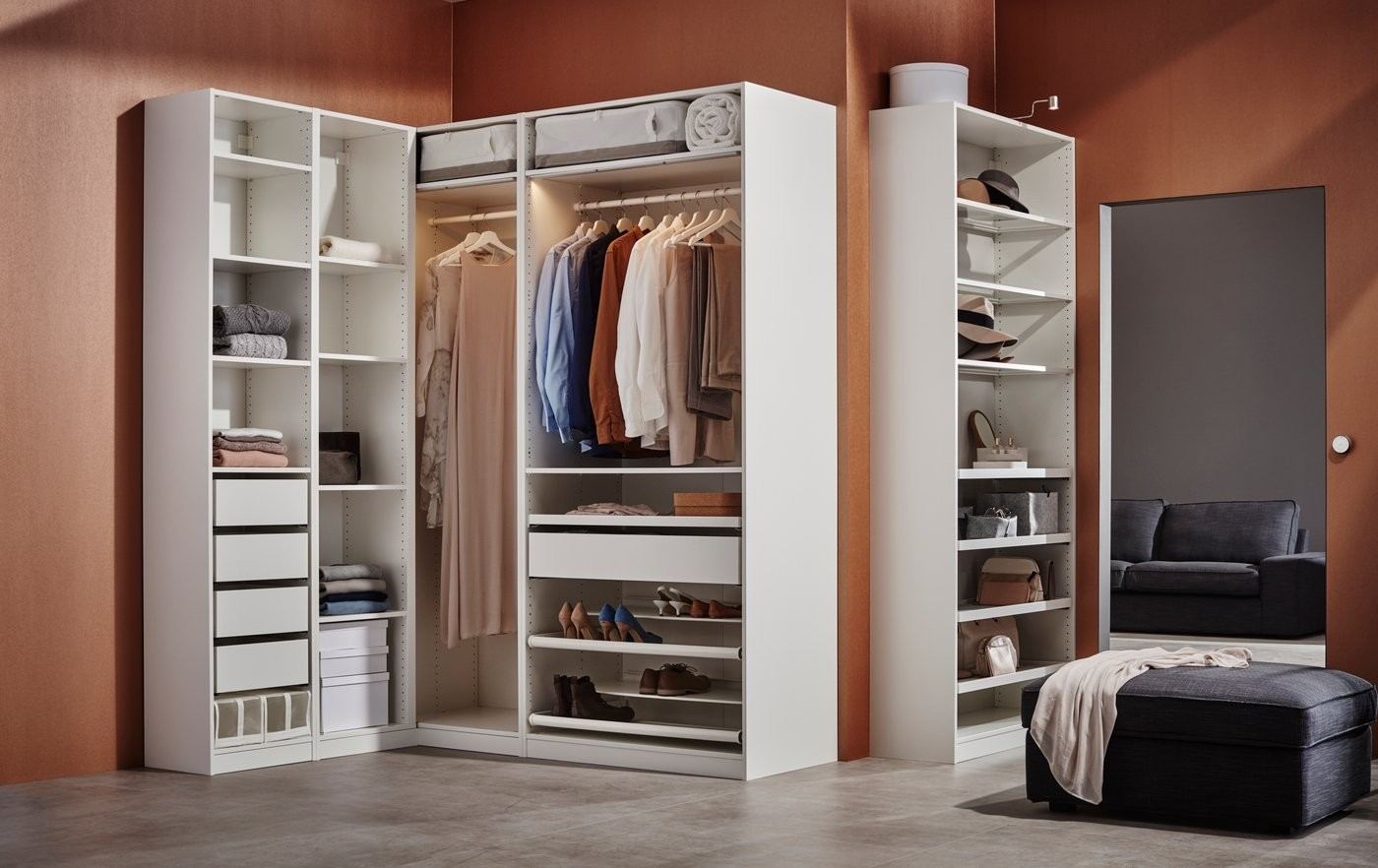
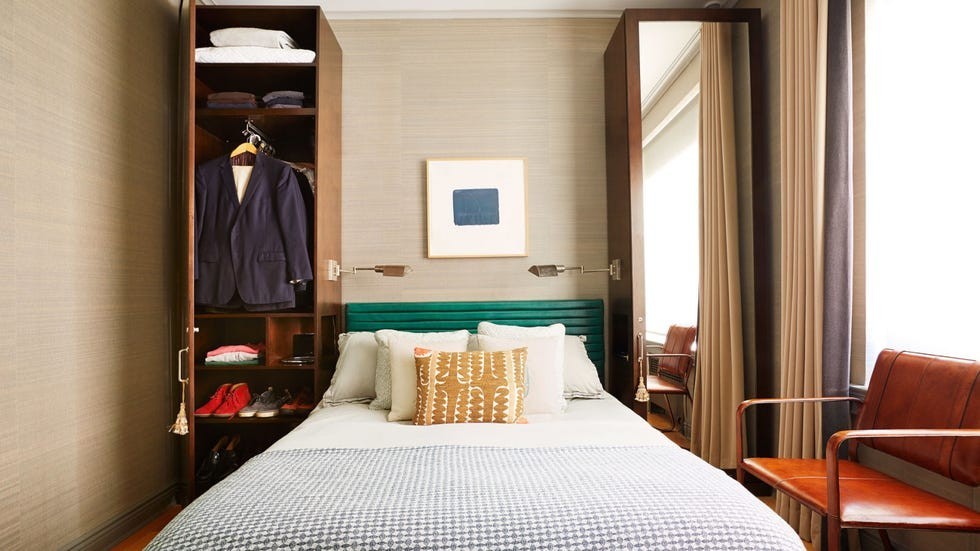
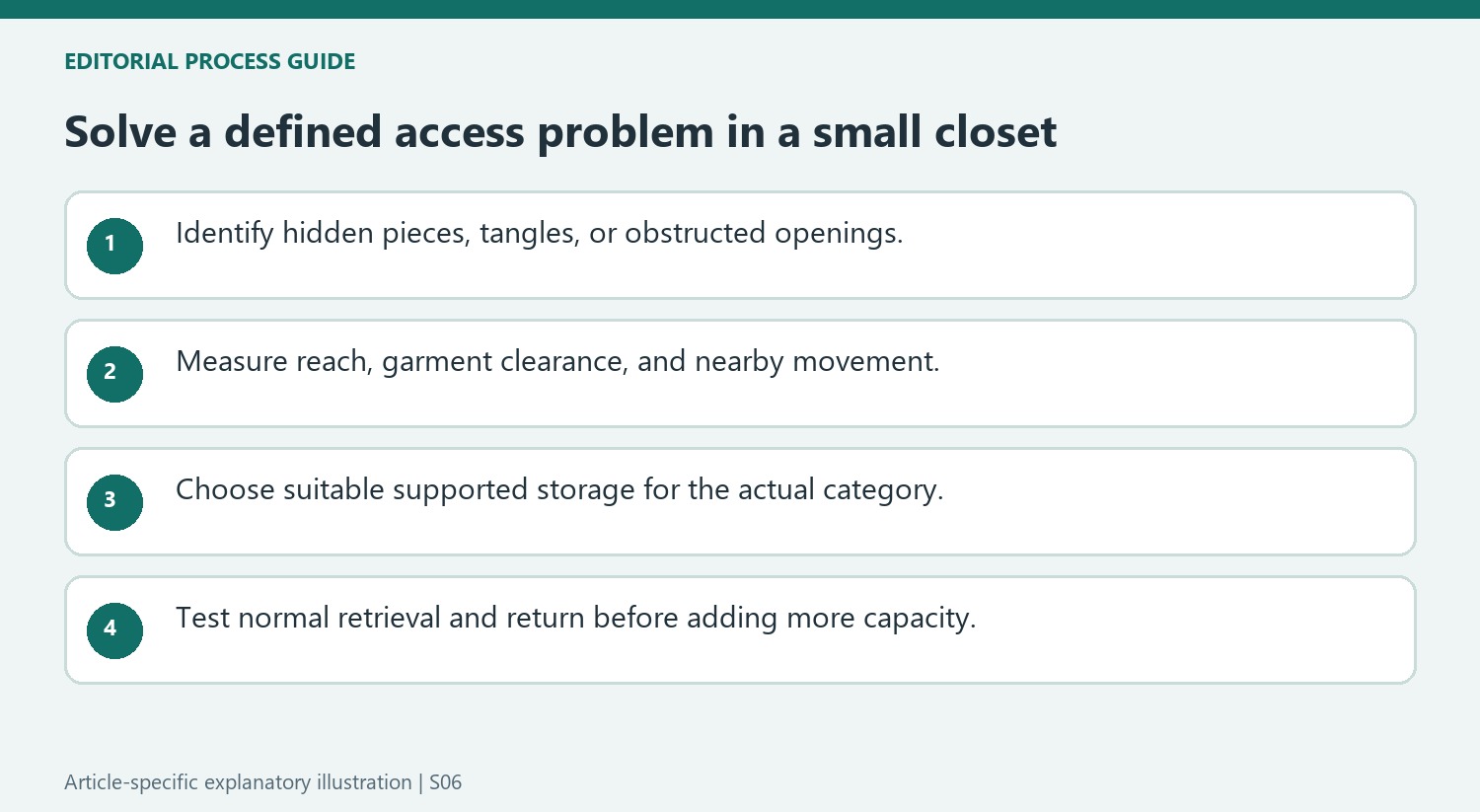
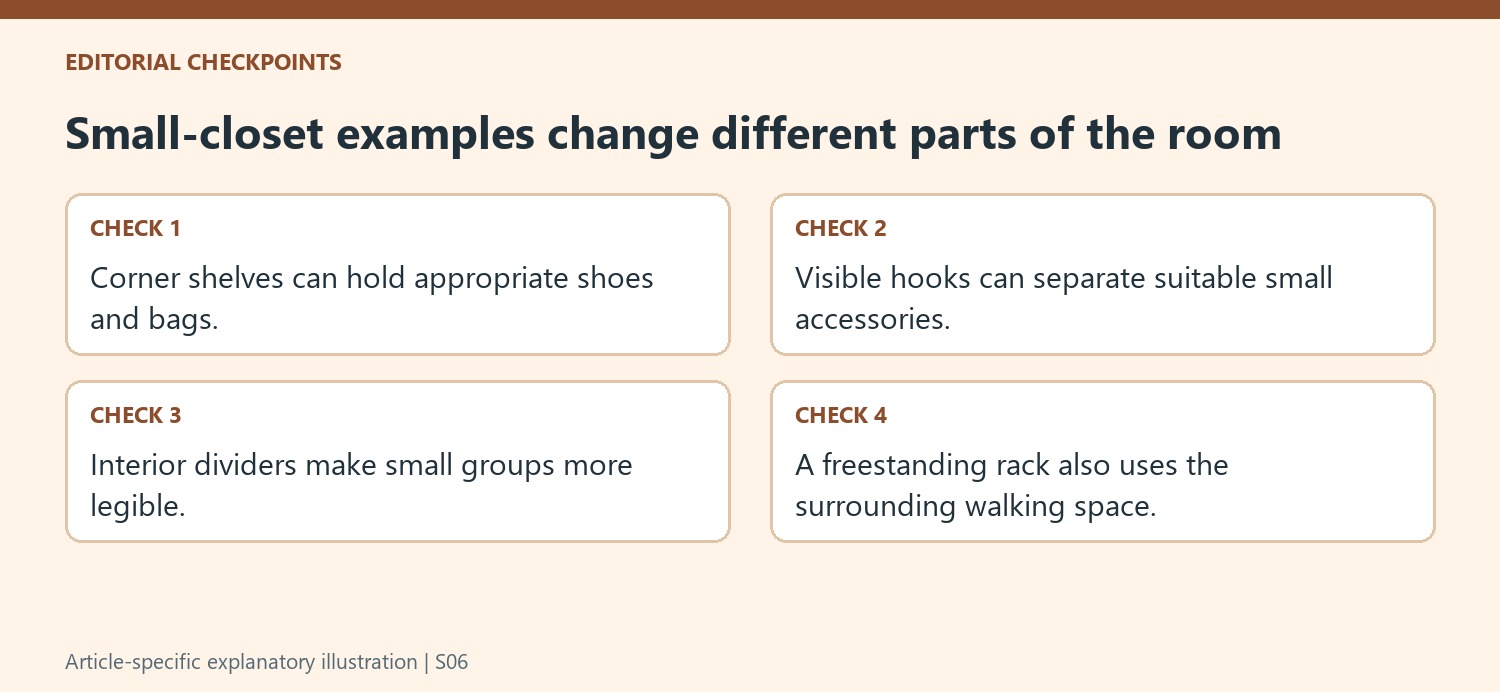
House Beautiful's small closet examples include corner shelving for shoes, bags and accessories. This approach can make a previously awkward area useful without assuming that the main rail must carry everything. Look at the shape of the room and the reach required before adding shelves. A storage position that is difficult to access may suit occasional pieces better than daily essentials. Keep the clothing and accessories visible enough to identify, while providing support appropriate to their shape. The most effective addition solves a particular access problem rather than simply increasing the number of surfaces available to collect mixed items.
Give small accessories an understandable display
The article shows visible hanging systems that could be adapted for belts, ties or scarves. Separating these pieces can reduce searching through tangled bins and makes returning an item more obvious. Decide which accessories need this treatment and how many the available space can comfortably hold. Visibility does not require displaying every possession at once; grouping by purpose can keep a compact area legible. Choose hardware suitable for its load and location, following installation instructions. Consider the full movement of nearby doors and drawers so an attractive arrangement does not become an obstruction during ordinary use.
Look beyond the existing closet boundary
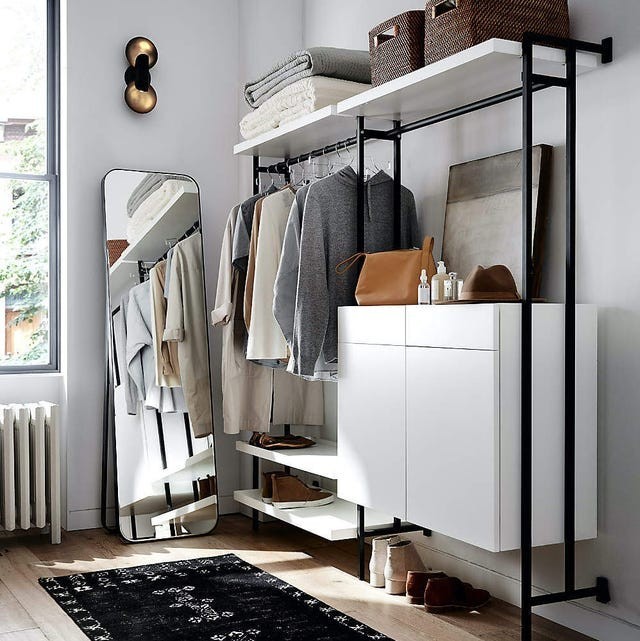
A freestanding clothing rack is another example in the source, offering hanging space outside an overfilled closet. A different door arrangement may also improve access where a swinging door competes with furniture. These choices affect the surrounding room, so account for walking space and the visual presence of stored clothing. A rack works best when its contents have a clear role, rather than becoming another temporary laundry pile. Assess what is actually needed and remove unused items before expanding storage. A small closet becomes easier to use through a combination of selection, suitable support and accessible placement, not through one universal space saving product.
Begin with the particular access problem
The source offers examples of corners, door arrangements, dividers, and freestanding racks rather than one identical solution for every closet. Identify the actual difficulty before borrowing an idea. A hidden back shelf, tangled accessories, and a door that clashes with furniture are different problems. A new surface can help only if it is reachable and suitable for the pieces placed there. Corner shelves may serve shoes or bags, while a visible hanging system may be more useful for belts or scarves. Consider how the item will return after use as well as how it first looks on display. The addition should simplify one repeated action, not merely create another place where a mixed collection can accumulate.
Use vertical space without making daily items awkward
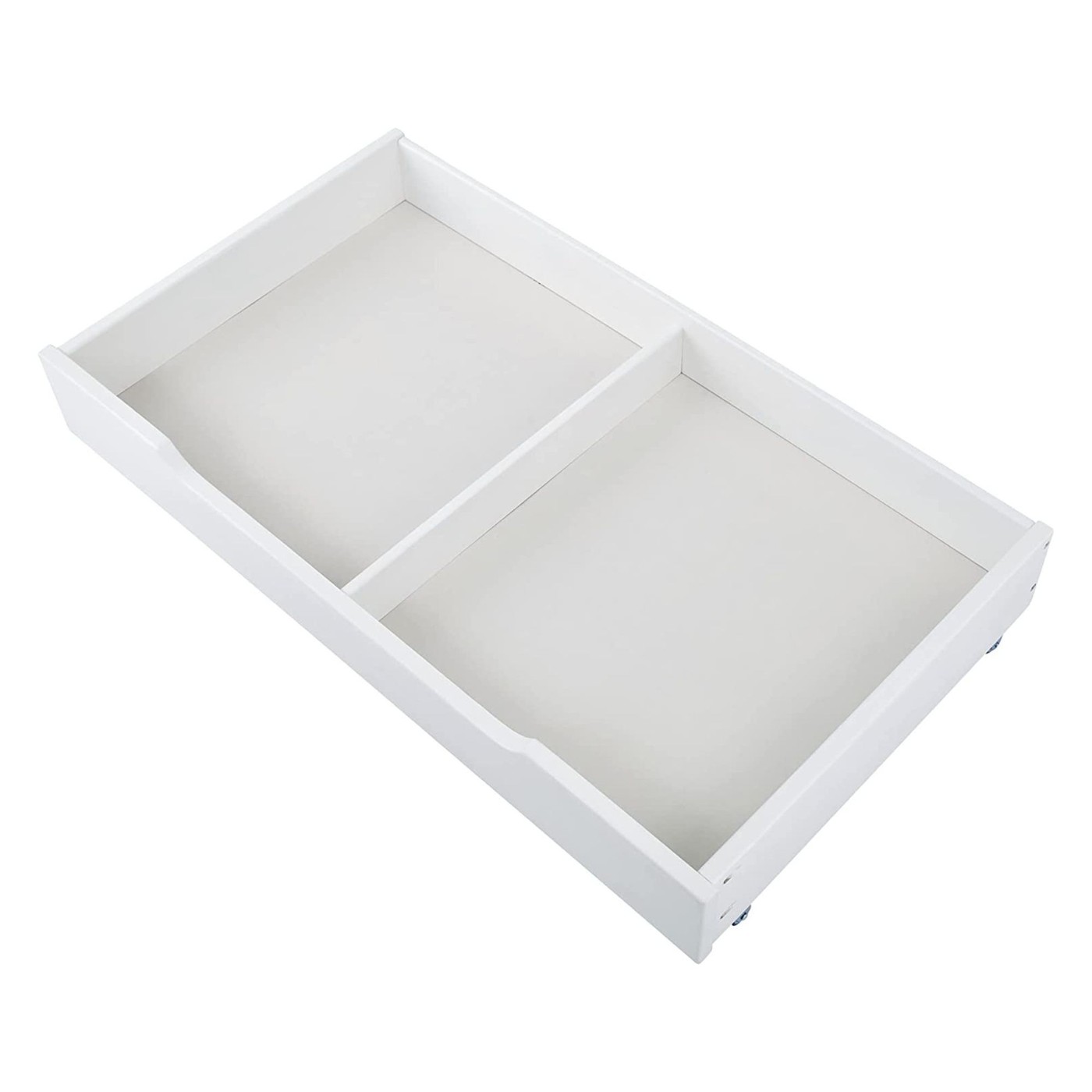
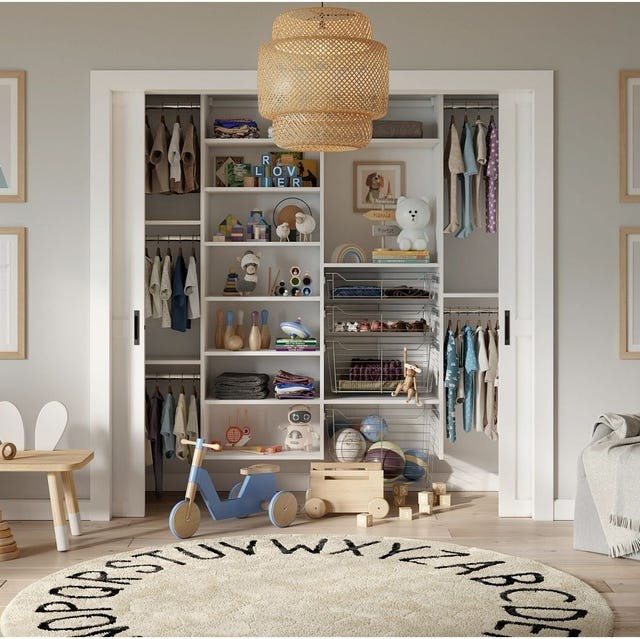
Several examples in the article use more than one rail, interior trays, or shelves fitted into an unusual nook. These can improve the use of a small area, but the clothing's length and the user's reach still matter. Measure the actual hanging pieces before fitting another level so shorter garments do not become crowded and longer ones do not drag. Follow the hardware's installation and load directions, including support suitable for the wall or frame. Assign less immediate positions to items used less often rather than moving everyday essentials beyond easy access. A compact closet gains value when its contents are understandable at a glance and can be handled independently, not simply when every vertical gap has been filled.
Assess any expansion as part of the surrounding room
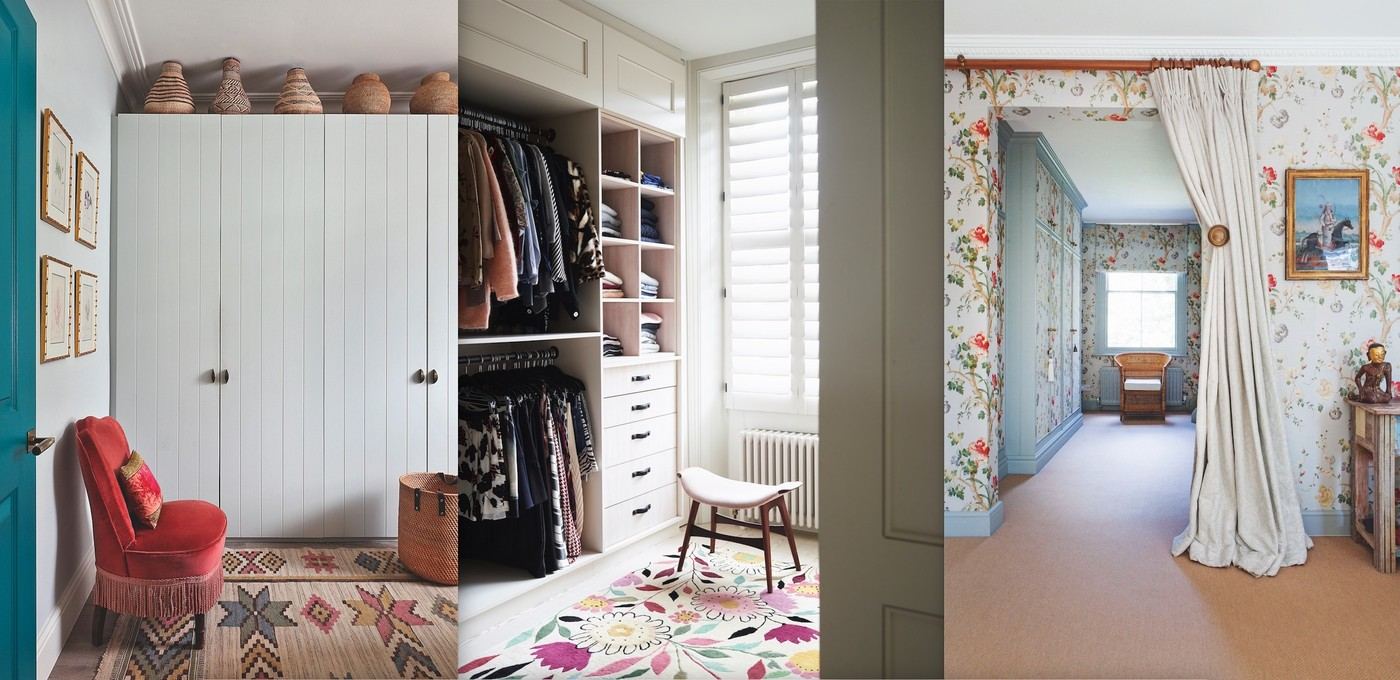
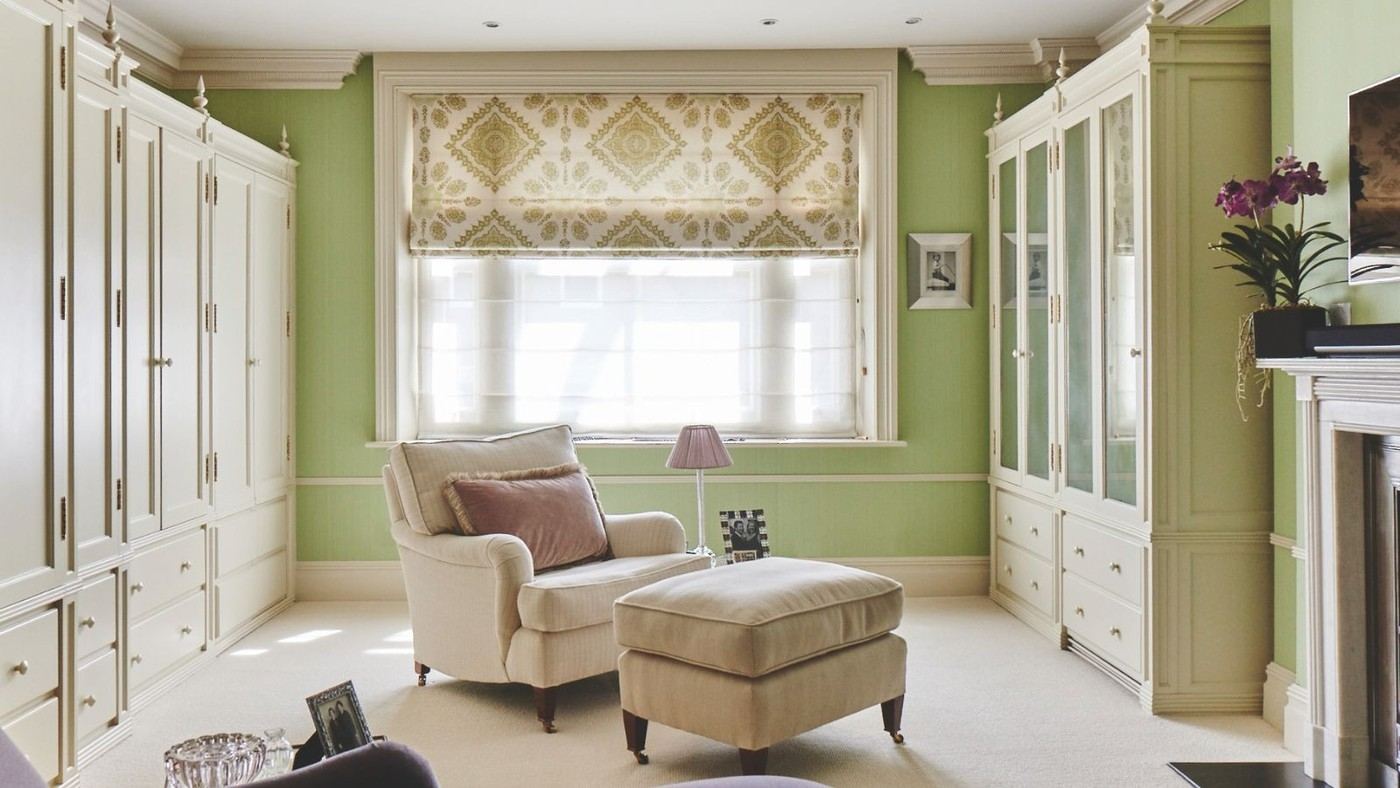
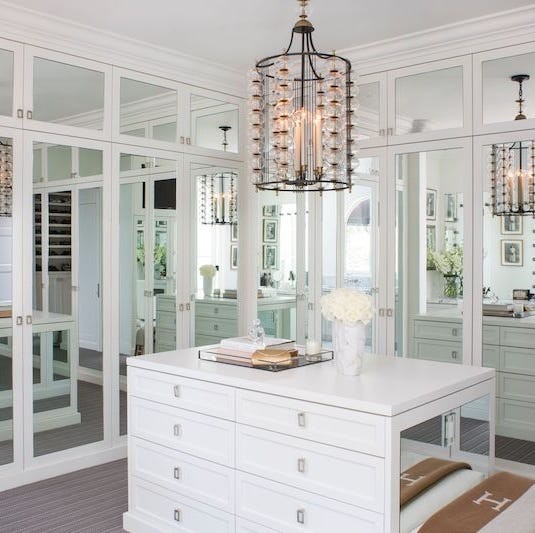
A boutique-style rack or a changed closet door affects more than the storage interior. The source's examples show clothing becoming part of the room, so consider walking routes, furniture movement, and the space needed to get dressed. A freestanding rack should hold an intentional selection within its rated capacity rather than become a substitute for sorting a continually growing pile. A door change may improve access but needs an appropriate installation and may alter how the room looks or functions. Review unused clothing before adding more storage. The aim is a workable balance between selection and capacity, allowing the compact wardrobe to serve daily needs without exporting its crowding into every neighboring corner of the bedroom.
References
- 35 Best Small Closet Ideas to Keep You Organized. House Beautiful.