GarmentCare Guide
Select covers around the stored item
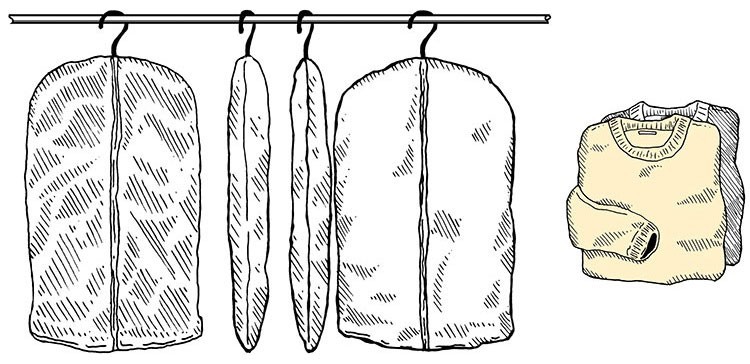
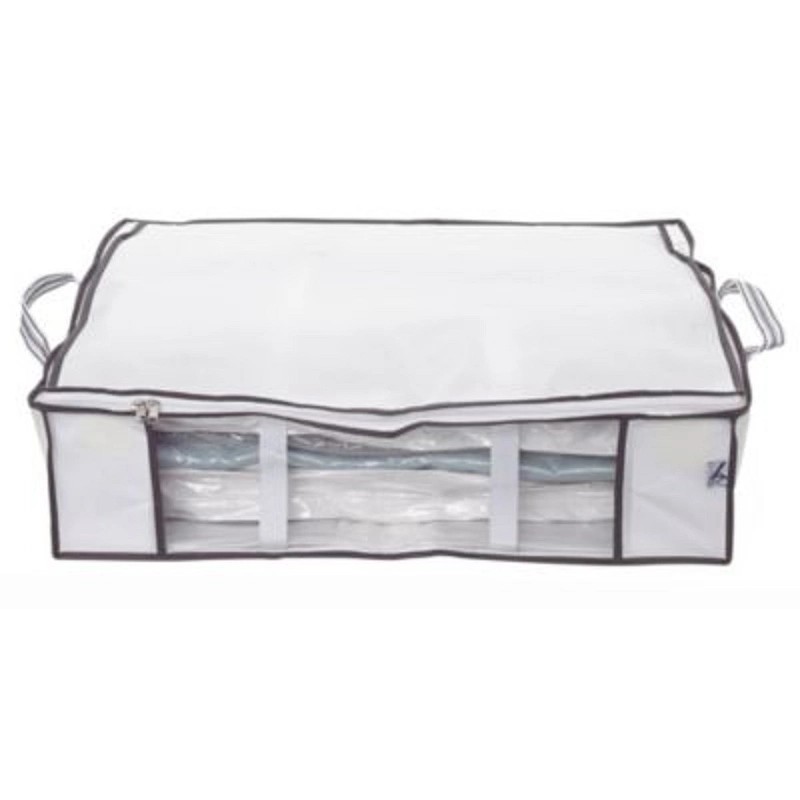
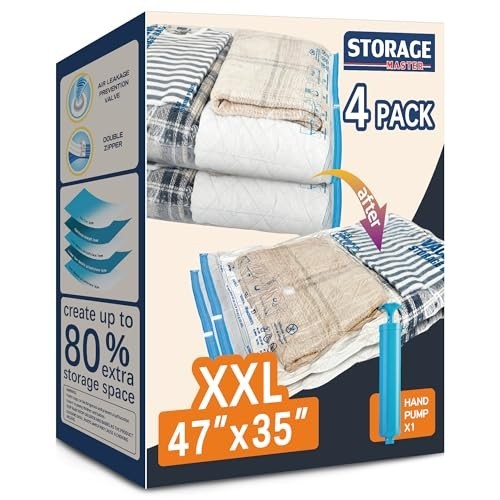
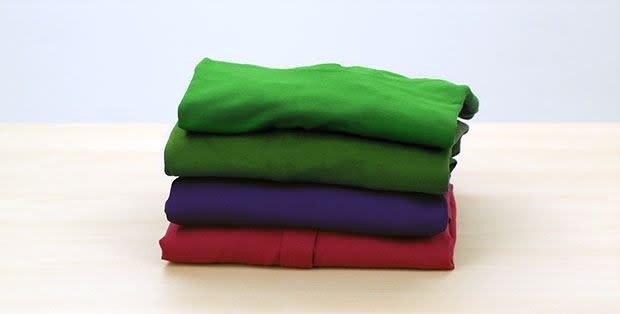
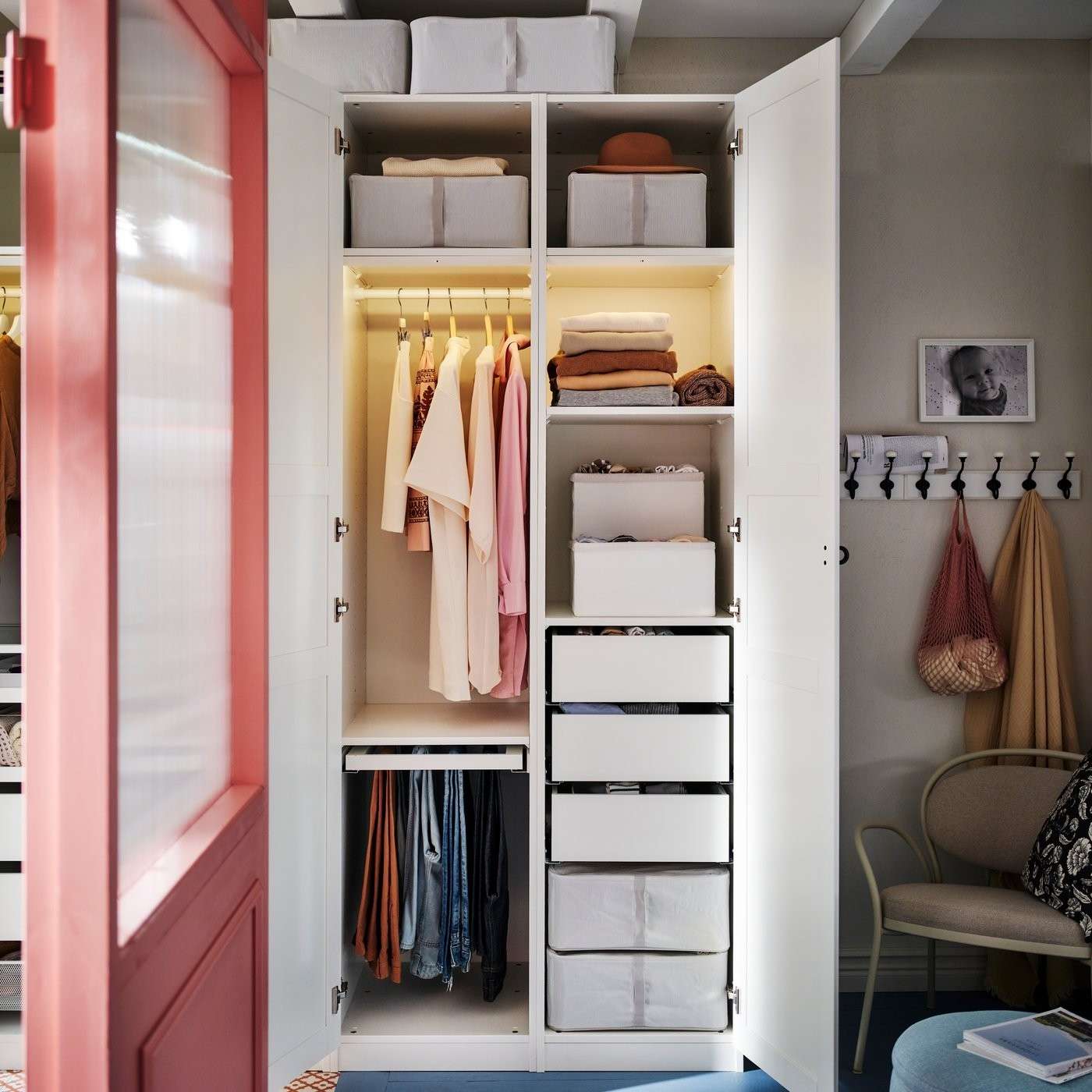
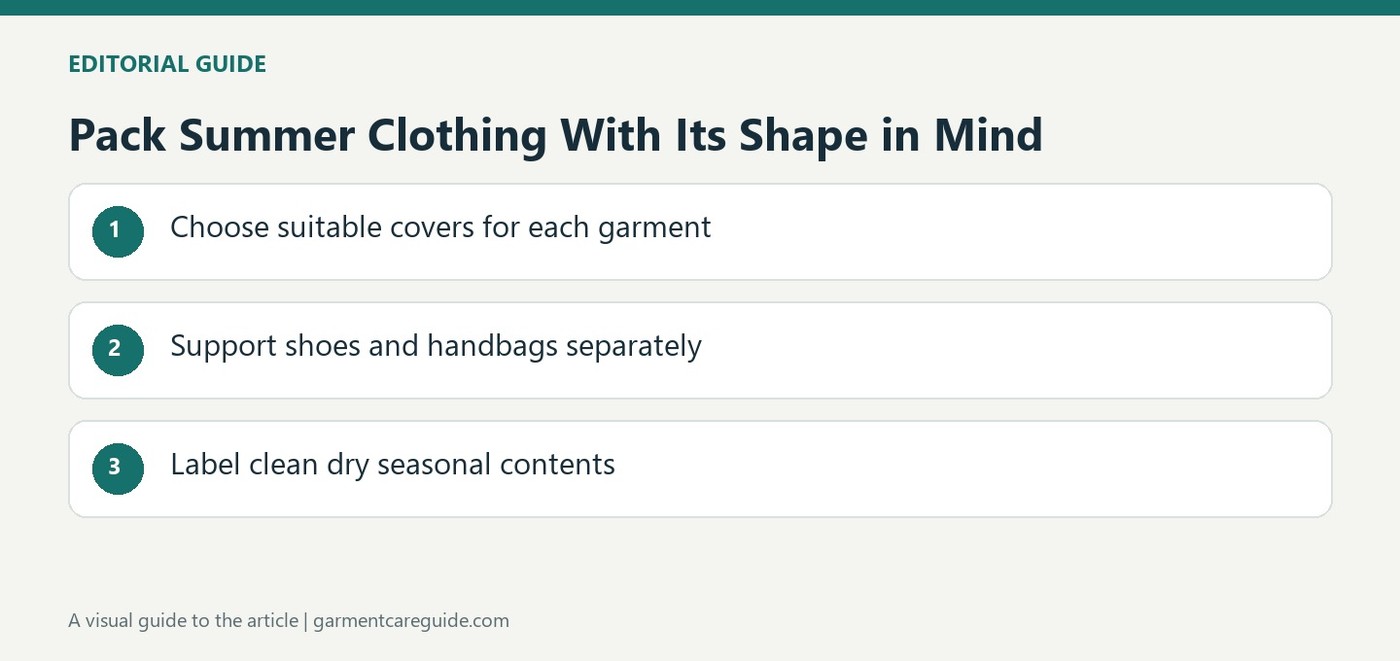
Homes and Gardens describes seasonal storage options ranging from breathable garment bags to compression bags and lidded bins. These serve different purposes and should not be treated as interchangeable. Clothing that needs to remain hanging may suit a compatible garment bag, while appropriate folded pieces can go into a labeled container. Compression is a choice to assess against the garment's construction, rather than a universal way to store every summer item. Start with clean, thoroughly dry clothing and a suitable storage location. A container can help organize and protect its contents, but it does not correct dampness already packed inside.
Keep shoes and bags from becoming a mixed pile
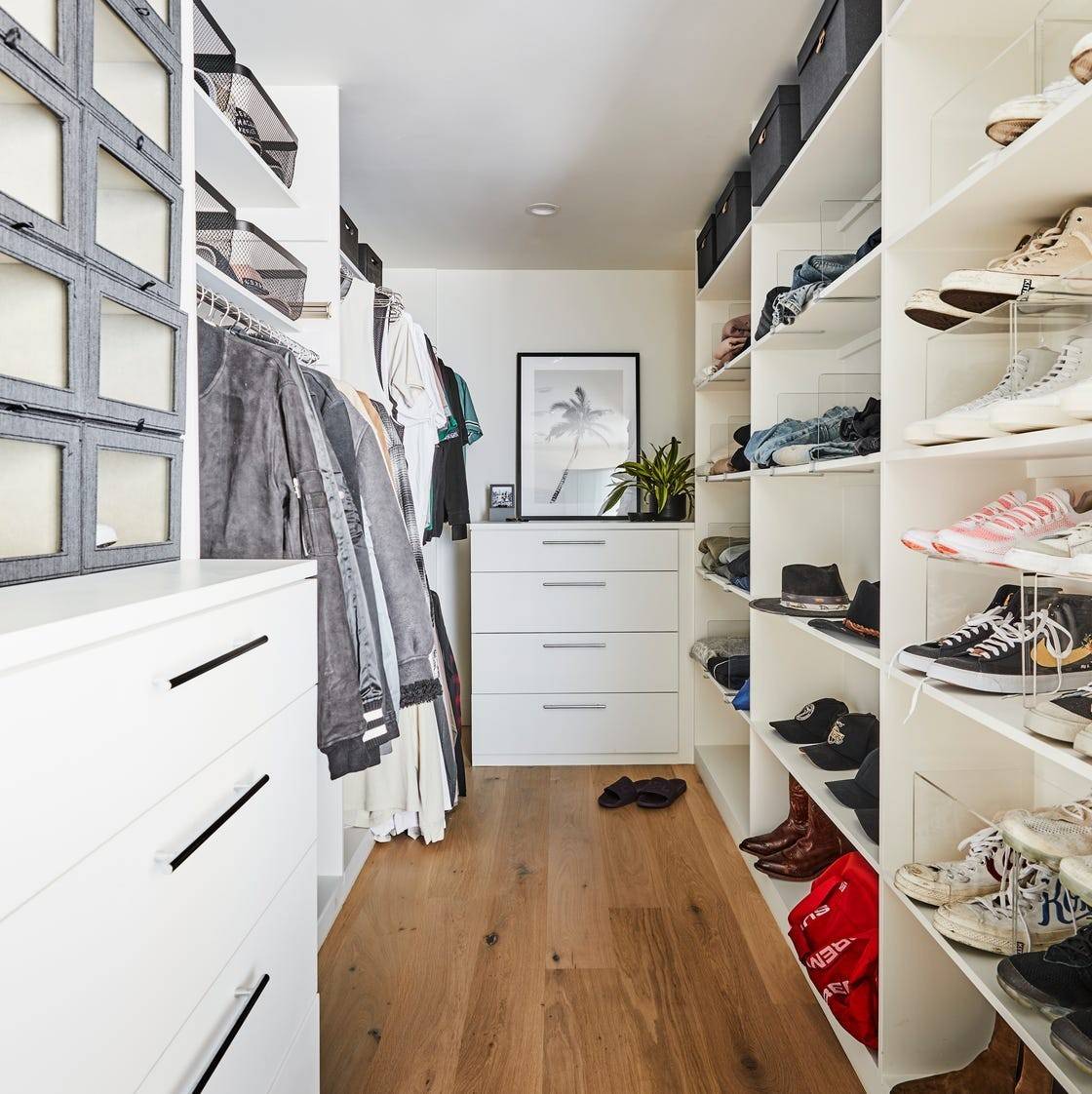
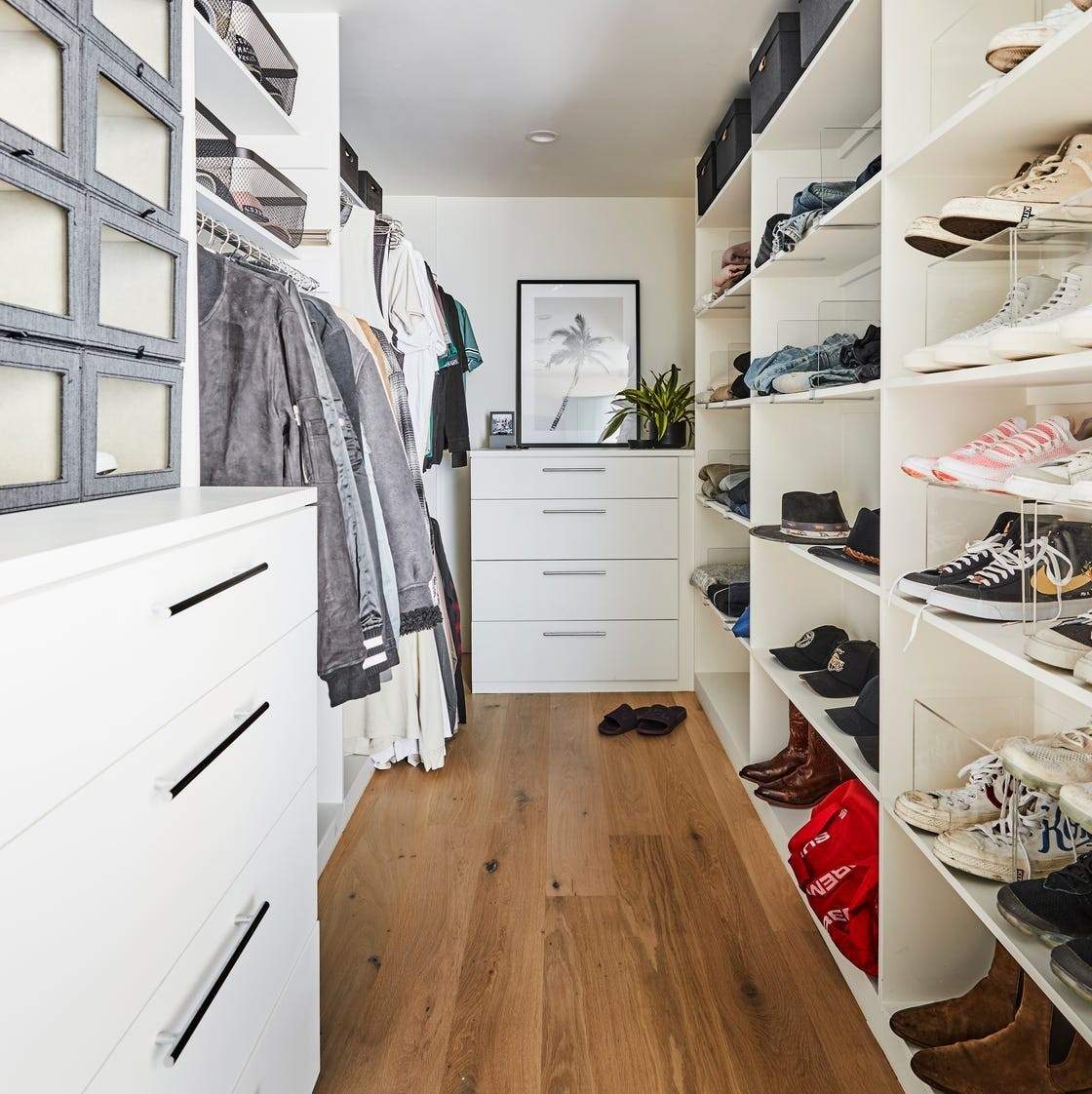
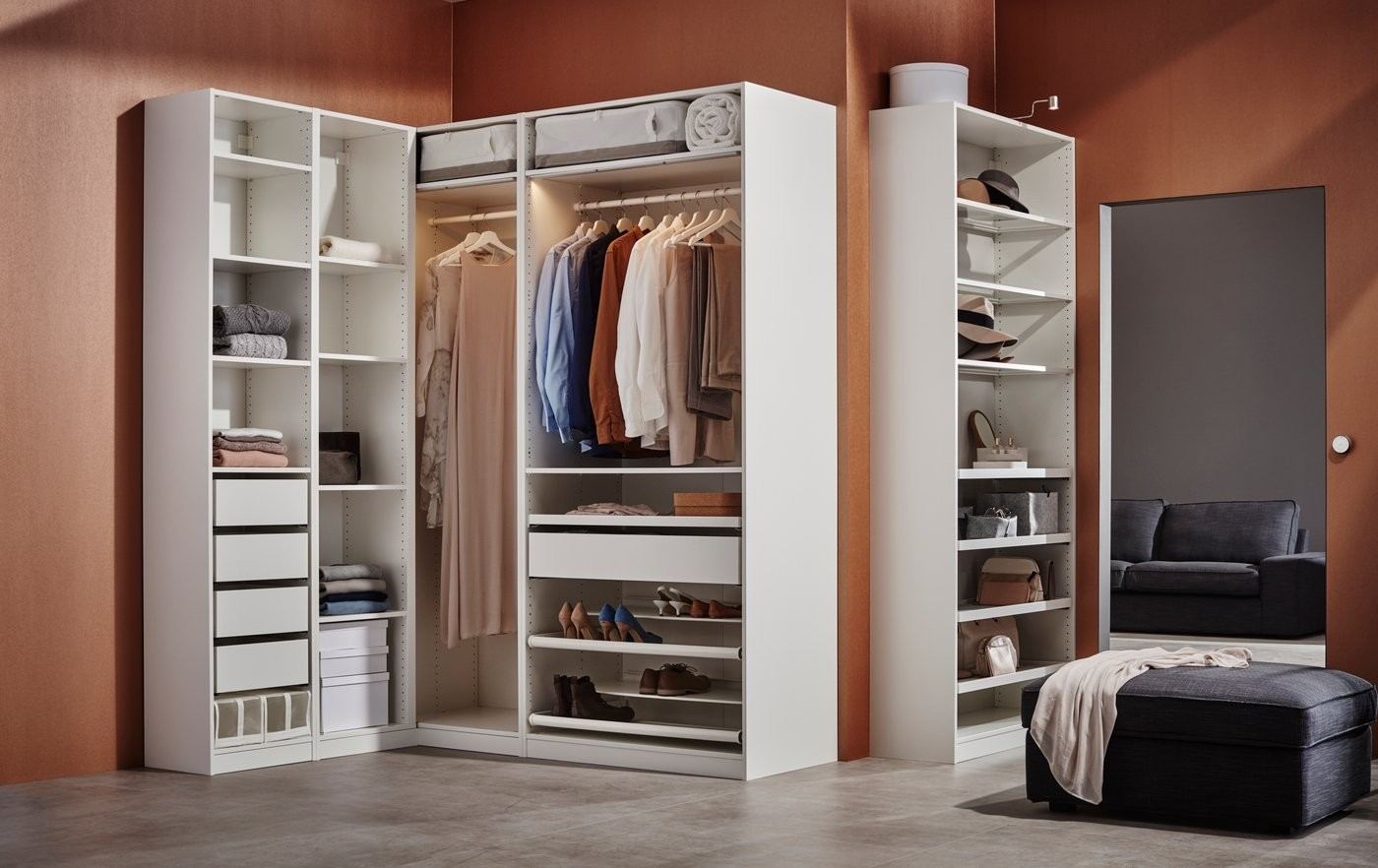
The article recommends clear stackable shoe boxes to keep seasonal footwear identifiable, making space for the pairs used in colder weather. Choose box sizes that fit the footwear without forcing its shape. Handbags need a different approach: the source suggests upright divided shelving and warns against cramming them into bins or vacuum bags. Appropriate internal support may help a bag retain its form. Group accessories by the way they need supporting, not simply by the season when they are used. This makes packing more deliberate and reduces the temptation to fill the remaining space with whatever is nearby.
Use labels and simple protective layers
Reusable labels or removable tape can identify contents without requiring every box to be opened during the next wardrobe change. The source also describes repurposing clean pillowcases or cotton sheets as soft covers for suitable accessories. Check that any reused material is clean and appropriate for the item it touches. Fragrance products discussed in storage guides should not replace cleaning, dryness or inspection for pests. Keep a record of what has been stored and revisit it when seasons change. The useful outcome is clothing and accessories that remain easy to find and correctly supported, rather than the smallest possible collection of tightly packed bags.
Separate protective covers from compression choices
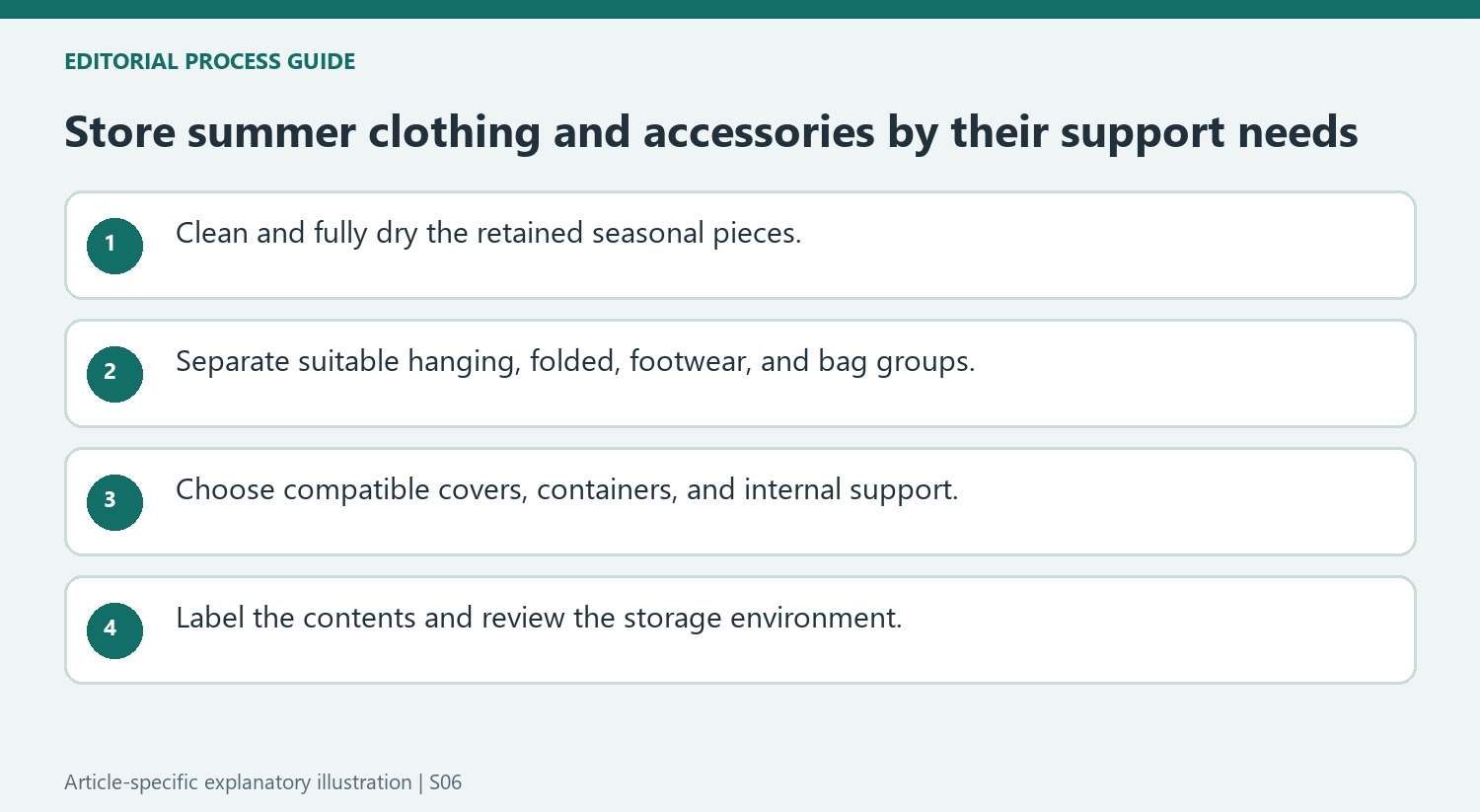
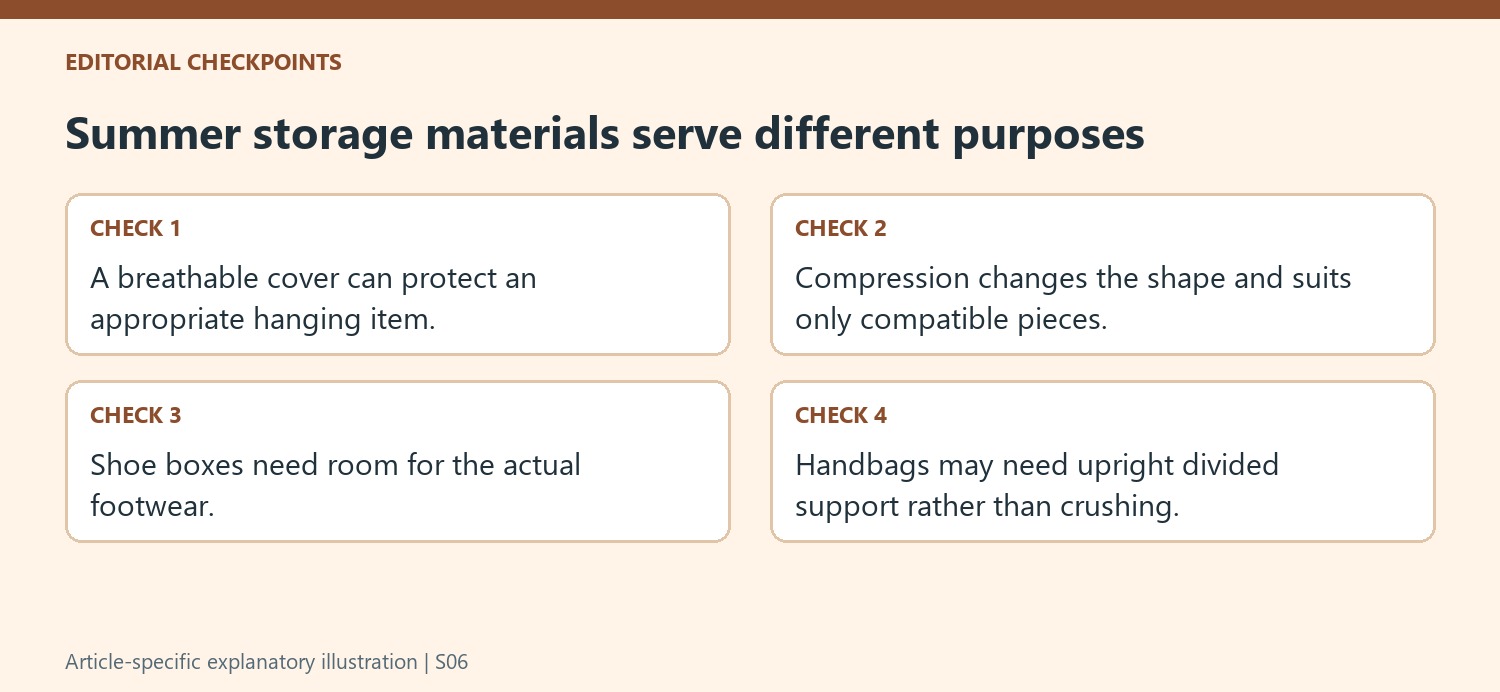
The source lists breathable garment bags, vacuum bags, and lidded bins, but they answer different storage needs. A hanging piece may need support that a compressed bundle cannot provide. Suitable folded clothing can be grouped in a container, while construction-sensitive pieces may need another arrangement. Start with clean, thoroughly dry items and inspect the proposed storage location before selecting the package. A closed lid cannot correct moisture already inside or guarantee protection under every attic or garage condition. Check the bag or box instructions and the garment's relevant care guidance. Space saving is useful when it preserves the item's condition, not when the smallest possible bundle becomes the only criterion for storing the whole summer wardrobe.
Treat footwear and bags as separate shapes
The article recommends stackable clear boxes for seasonal shoes and divided upright shelving for handbags. Those choices reflect different support needs. A shoe box should fit the actual pair without bending it into an awkward position, and a handbag should not be crushed into spare space simply because it belongs to the same season. Suitable internal support may help preserve a bag's form where its maker recommends it. Keep handles, decoration, and closures from being forced against neighboring items. Visibility can also make seasonal retrieval easier, but a clear container is still only useful if it can be accessed. Organize by the way pieces need supporting and handled, rather than using one large bin as a catch-all for every accessory.
Make low-cost materials part of a deliberate plan
The source suggests reused pillowcases and cotton sheets as soft covers for suitable items, alongside reusable labels made with tape or tags. Inspect reused fabric for cleanliness and suitability before it touches stored belongings. A soft layer can reduce direct rubbing, but it does not replace the right support or a suitable environment. Label groups in plain language that will still make sense next season, and update the label when the contents change. Fragrance products should not conceal dampness or stand in for pest checks. Leave a clear record of what has been stored and revisit it during the seasonal exchange. These small decisions improve retrieval and review without requiring every useful storage action to begin with another purchase.
References
- I asked 3 Pro Organizers What They Use to Store Away Summer Shoes and Clothes – Their 7 Must-Haves Are So Helpful. Homes and Gardens; Chiana Dickson.