GarmentCare Guide
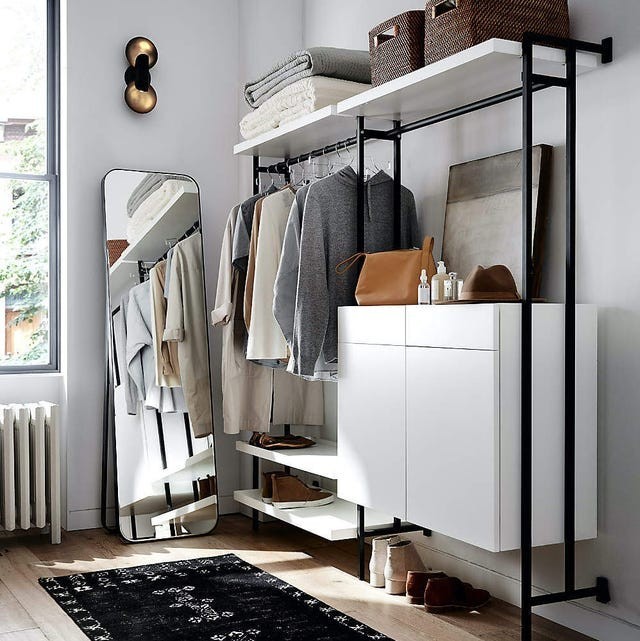
Decide whether a whole system is needed
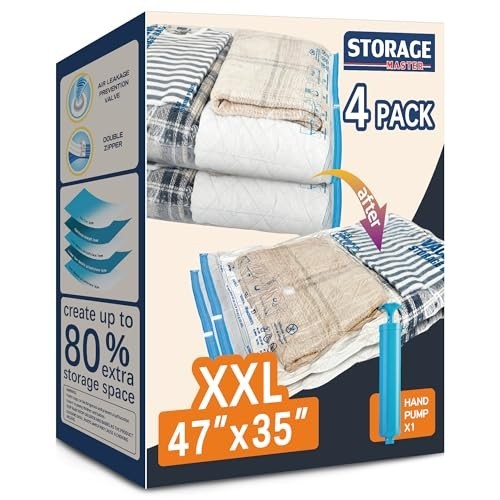
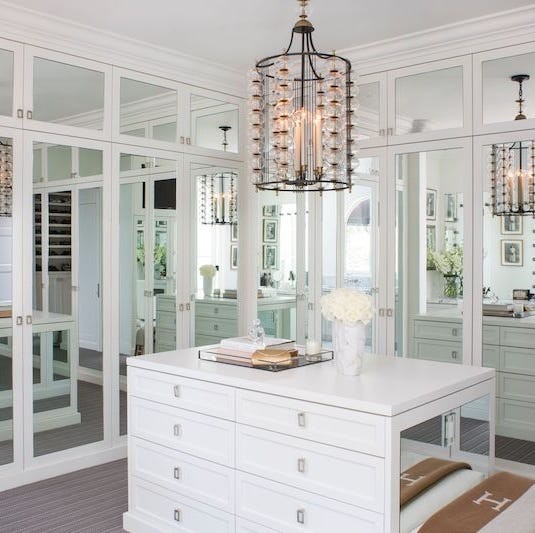
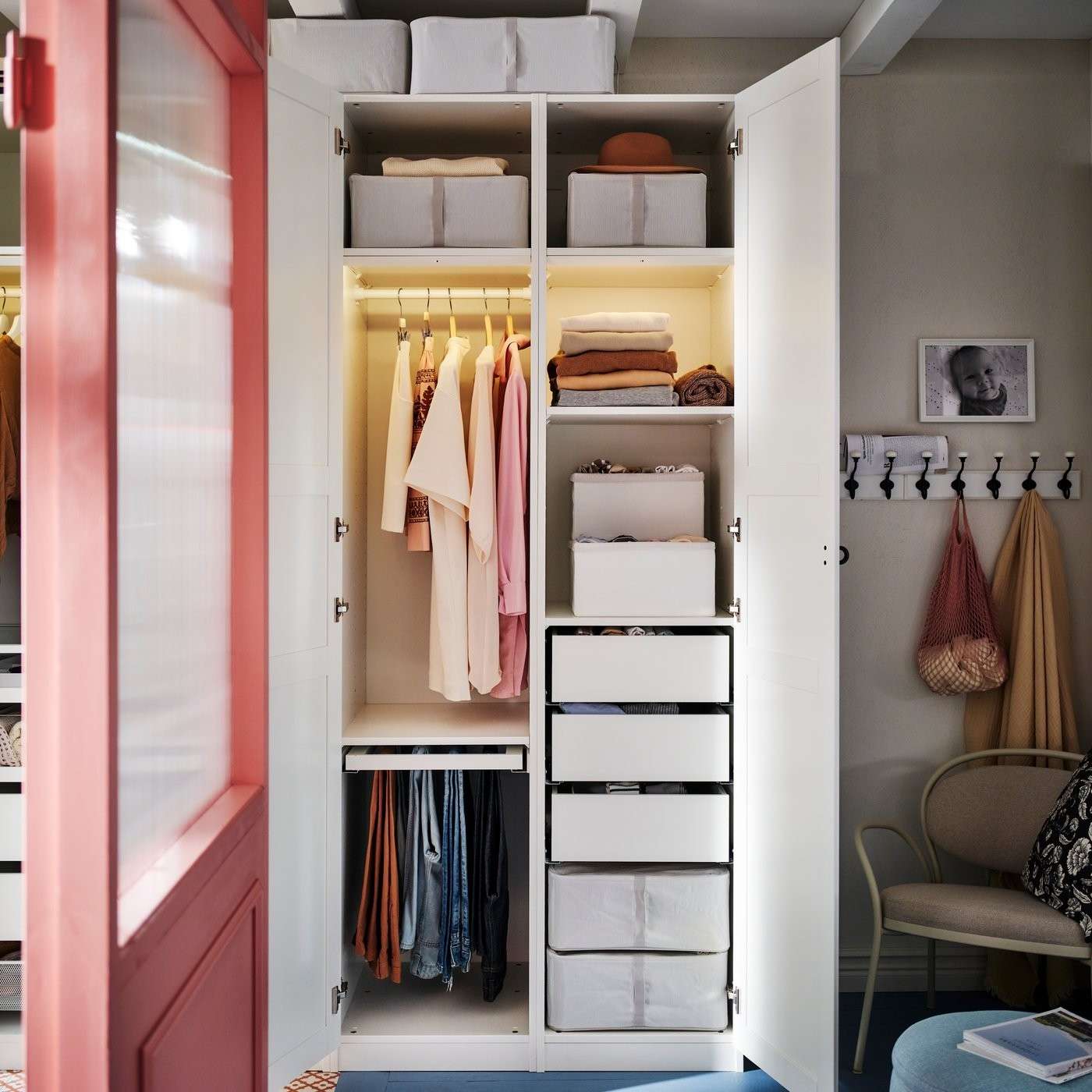
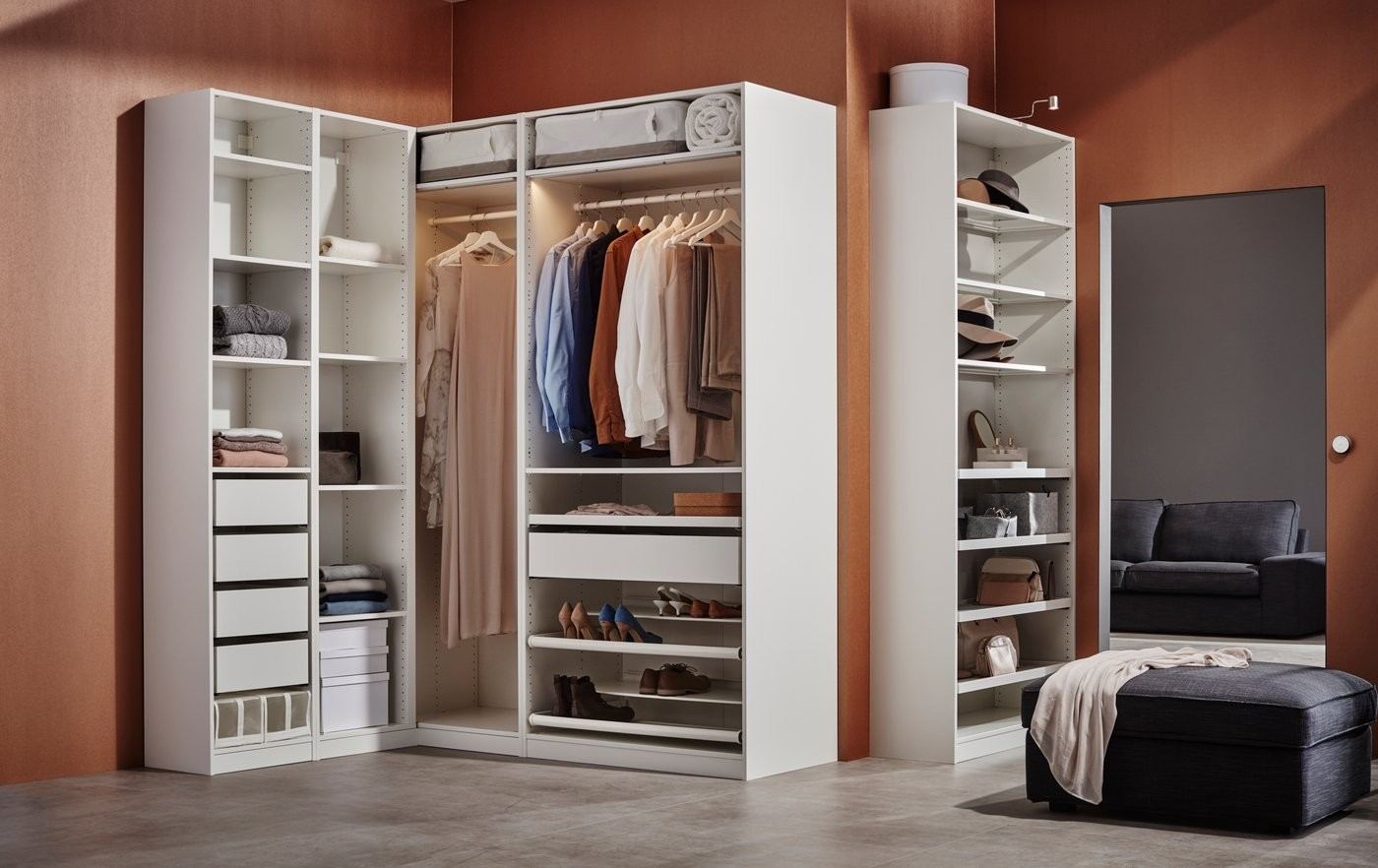
House Beautiful's closet system roundup includes extensive combinations of rails, drawers and shelves alongside much simpler additions. A crowded wardrobe may need a new interior layout, but a wide shelf with unstable piles might only need suitable dividers. Start by identifying the specific problem: missing hanging space, inaccessible footwear, unsupported folded clothes or small accessories without a home. This avoids comparing every product as though it provides the same function. A visually impressive kit can still leave the original difficulty unresolved if its component mix does not match the items the household actually stores.
Compare mounting, flexibility and assembly
The source describes wall mounted systems, freestanding organizers and a wheeled clothing rack, each with different practical implications. A fixed installation may offer adjustable shelves or a more permanent arrangement, while a movable rack changes how storage uses the surrounding room. Check current dimensions, supported loads and installation instructions rather than assuming all shelves can carry the same weight. Assembly demands also differ. Consider the wall conditions and any permission needed in a rented home before choosing a mounted product. Configurable bays are useful only if the available components and the space allow the intended arrangement to be built correctly.
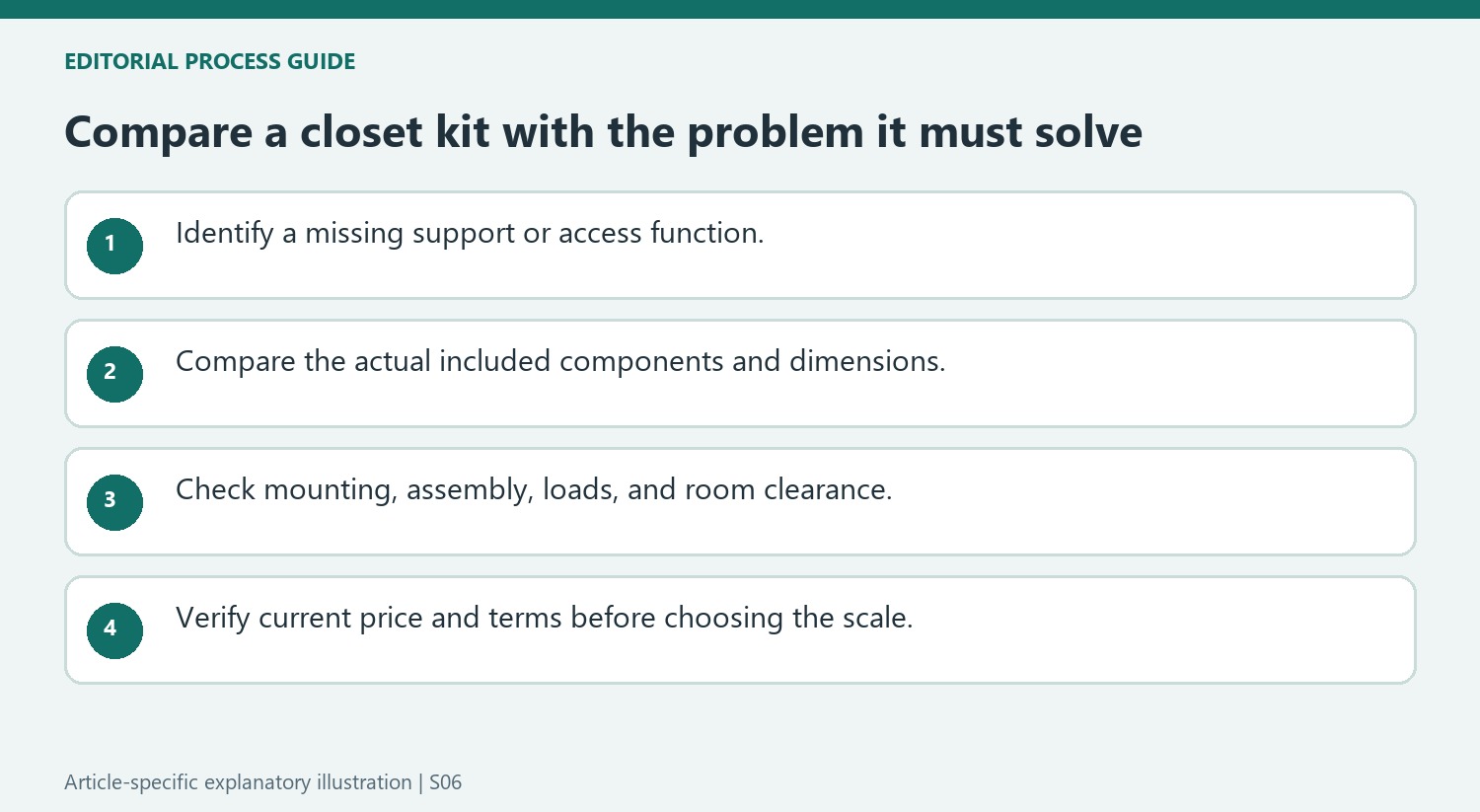
Treat prices and product labels as a starting point
Roundup prices, availability and promotional descriptions can change. Verify the current listing, included components and return conditions before purchasing, particularly for a custom system. The article's examples show why a single best label is less informative than the features behind it. A modest divider may suit an existing shelf, while a combination with drawers and rails may suit a larger reset. Choose the scale of intervention around the actual storage gap and budget. Once installed, keep categories clear and avoid filling the new space so tightly that the same access problem immediately returns.
Compare the function before comparing the package size
The roundup places extensive closet combinations beside simple shelf dividers, showing that the products do not all solve the same problem. Start by describing what fails in the existing wardrobe. If folded stacks spread across a wide shelf, appropriate dividers may address it without replacing the entire interior. If a household lacks hanging clearance, another small bin is unlikely to solve the shortage. Count the relevant items and compare the components included in each option. A kit that looks complete in a photograph may omit the drawer, shoe support, or accessory compartment the household most needs. Choose the scale of intervention from the specific access and support gap rather than treating the largest package as the most organized result.
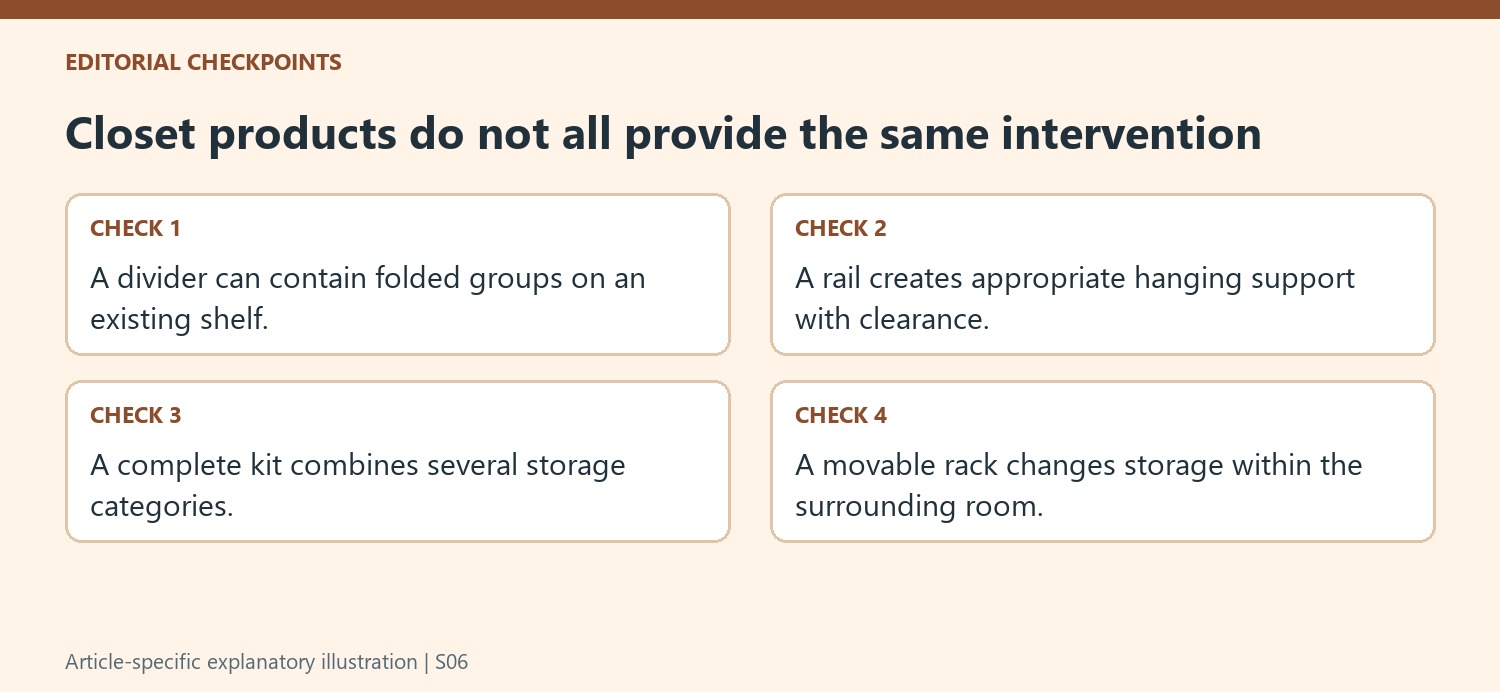
Give assembly and mounting their own comparison
The source describes freestanding, wall-mounted, adjustable, and wheeled options, with differing assembly demands. These distinctions affect how a product can be used in the actual room. Check the current installation instructions, suitable mounting surface, required tools, and supported loads rather than transferring a capacity claim from one listed shelf to another. Consider any rental restrictions where a fixed installation is proposed. A portable rack still needs suitable stability and movement space, even though it does not create the same permanent arrangement. Review the effort and cost of installation alongside the purchase price. A configurable product is valuable only when its intended configuration can be assembled correctly within the available space and used without obstructing normal access.
Verify the present offer before committing
The article contains promotional labels, prices, and availability that can change after publication. Confirm the current model, included components, dimensions, and return terms, especially when a configuration is custom-made for the room. A historical best-value label does not establish today's total cost. Include any necessary accessories and assembly arrangements in the comparison. Once a system is chosen, plan the categories before filling every new compartment; otherwise added capacity can quickly recreate the previous crowding. Leave room for retrieval and laundry returns, and inspect whether a smaller targeted fix remains sufficient. The useful lesson from the roundup is the variety of component choices, not a promise that one listed kit will organize every wardrobe regardless of its contents.
References
- 11 Best Closet Systems and Closet Kits to Get Organized in 2024. House Beautiful.