GarmentCare Guide
Separate everyday choices from the rest
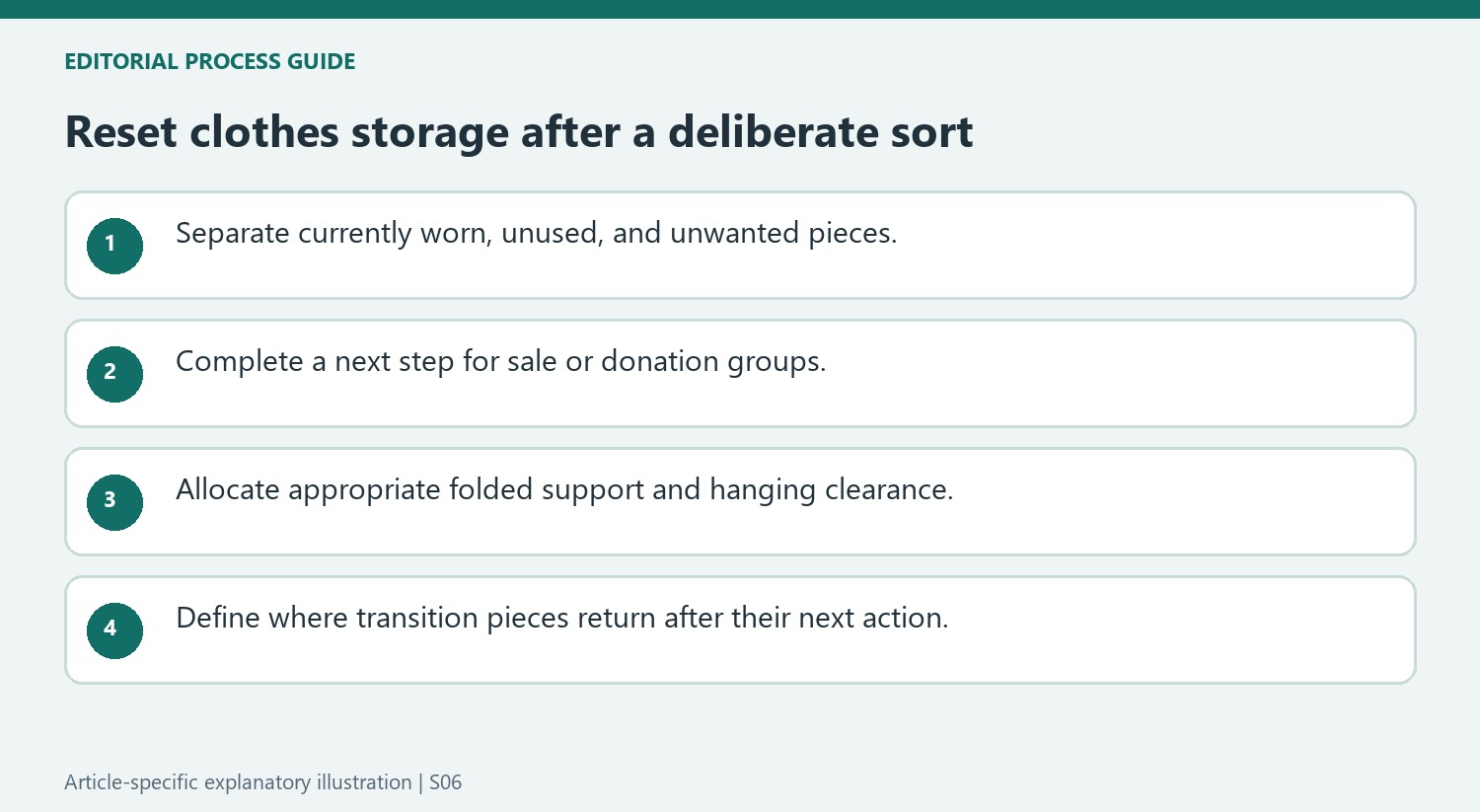
IKEA recommends starting a wardrobe reset by identifying what is owned and what is actually worn. Sort current use pieces from clothing that is not being used and items no longer wanted. Decisions to donate or sell should lead to an actual next step, so those garments do not quietly return to the same crowded rail. Focus the most accessible storage on the selection needed day to day. This first stage provides a clearer picture of the real storage requirement, which is more useful than buying organizers for a collection that has not yet been reviewed.
Fold garments that need supported weight
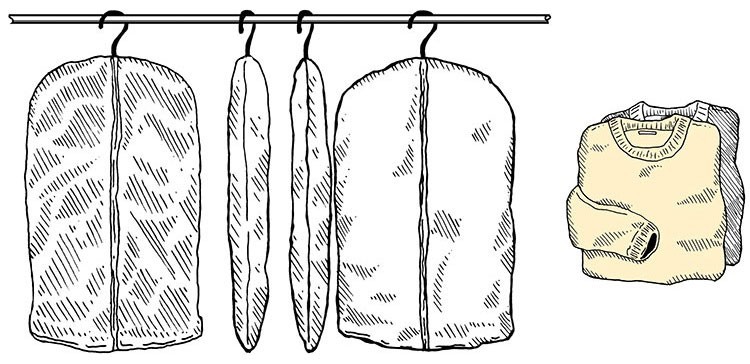
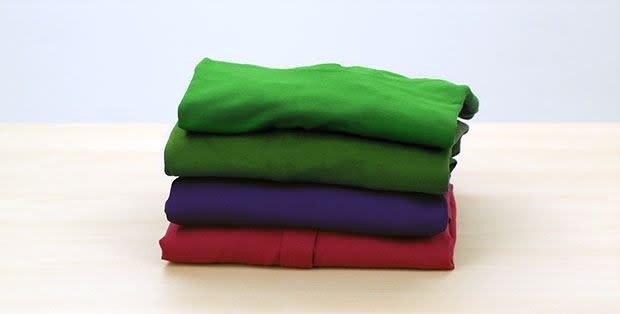
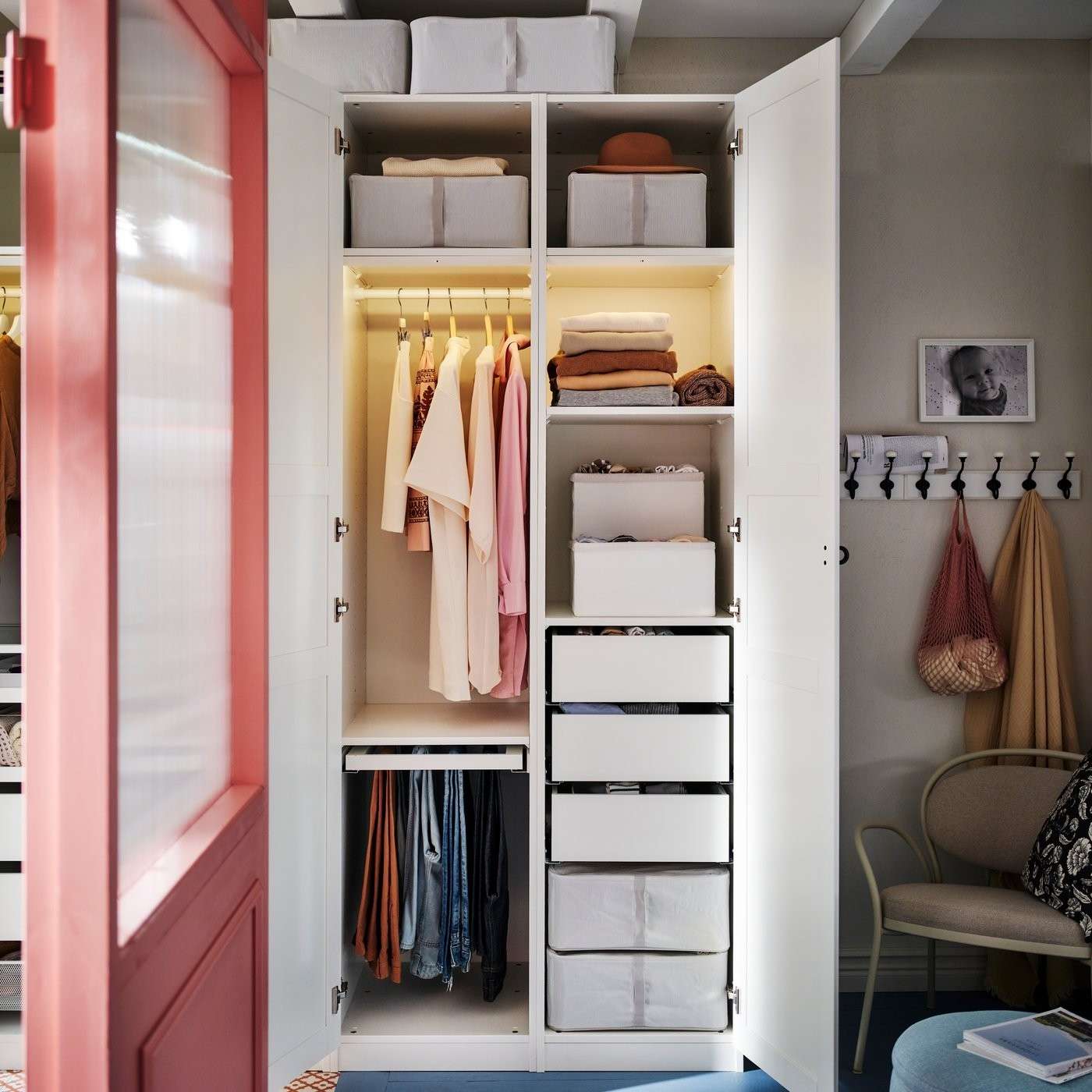
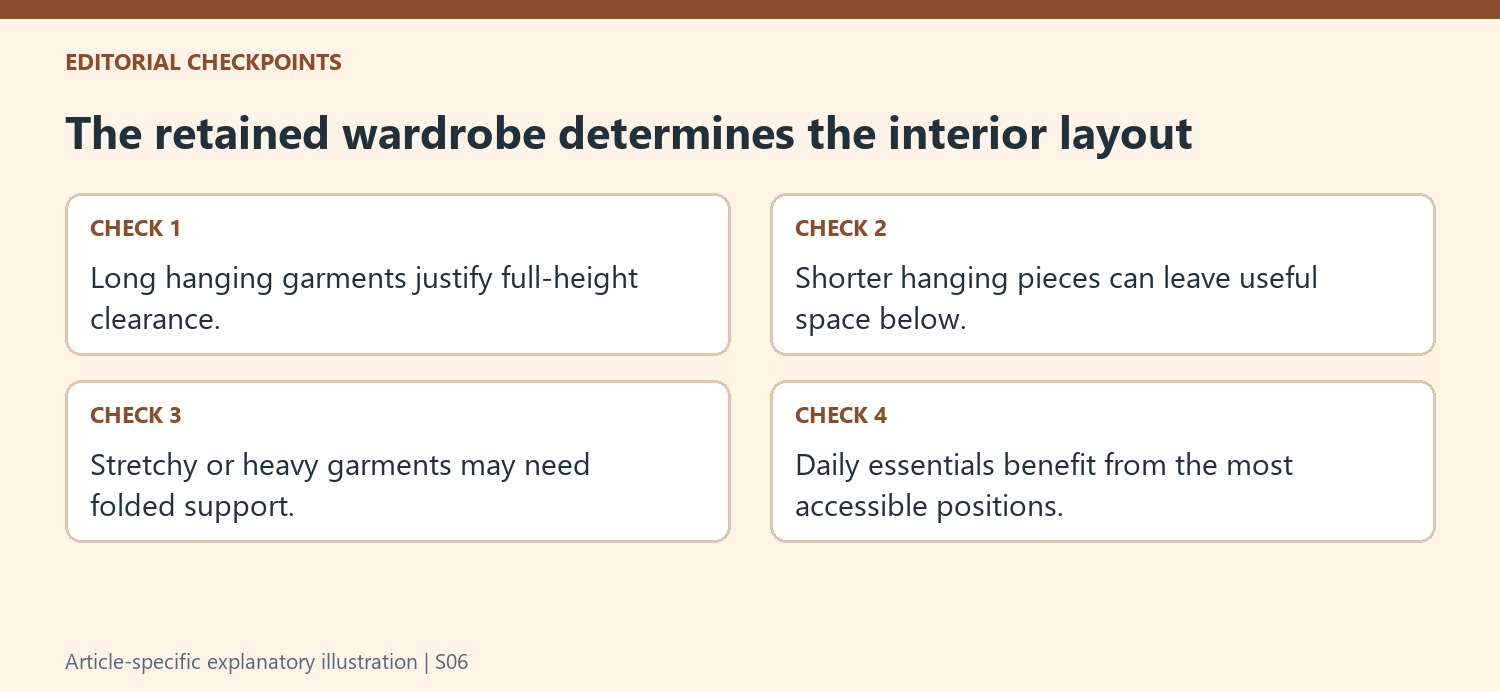
The guide treats garment type and construction as important when choosing between folding and hanging. Stretchy knitwear and heavier pieces may lose shape when their weight hangs from a narrow point, making folded storage more suitable. T-shirts, casual trousers and loungewear can also work in drawers or shelf groups. Make stacks manageable and leave room to remove a piece without pulling the whole group over. Similar looking garments can have different care needs, so a broad category is only a starting point. Respect any instructions relevant to an unusual fabric, finish or construction.
Allocate rail height deliberately
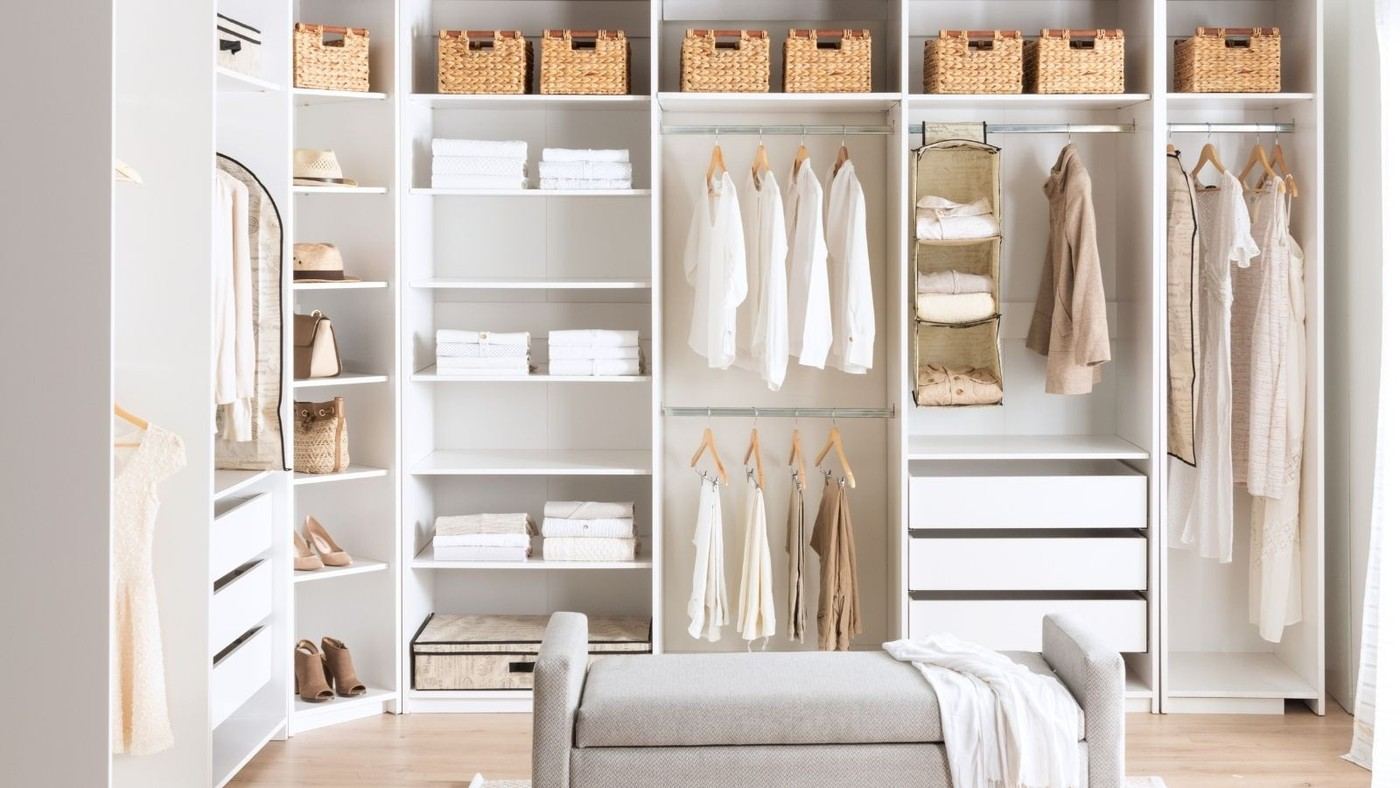
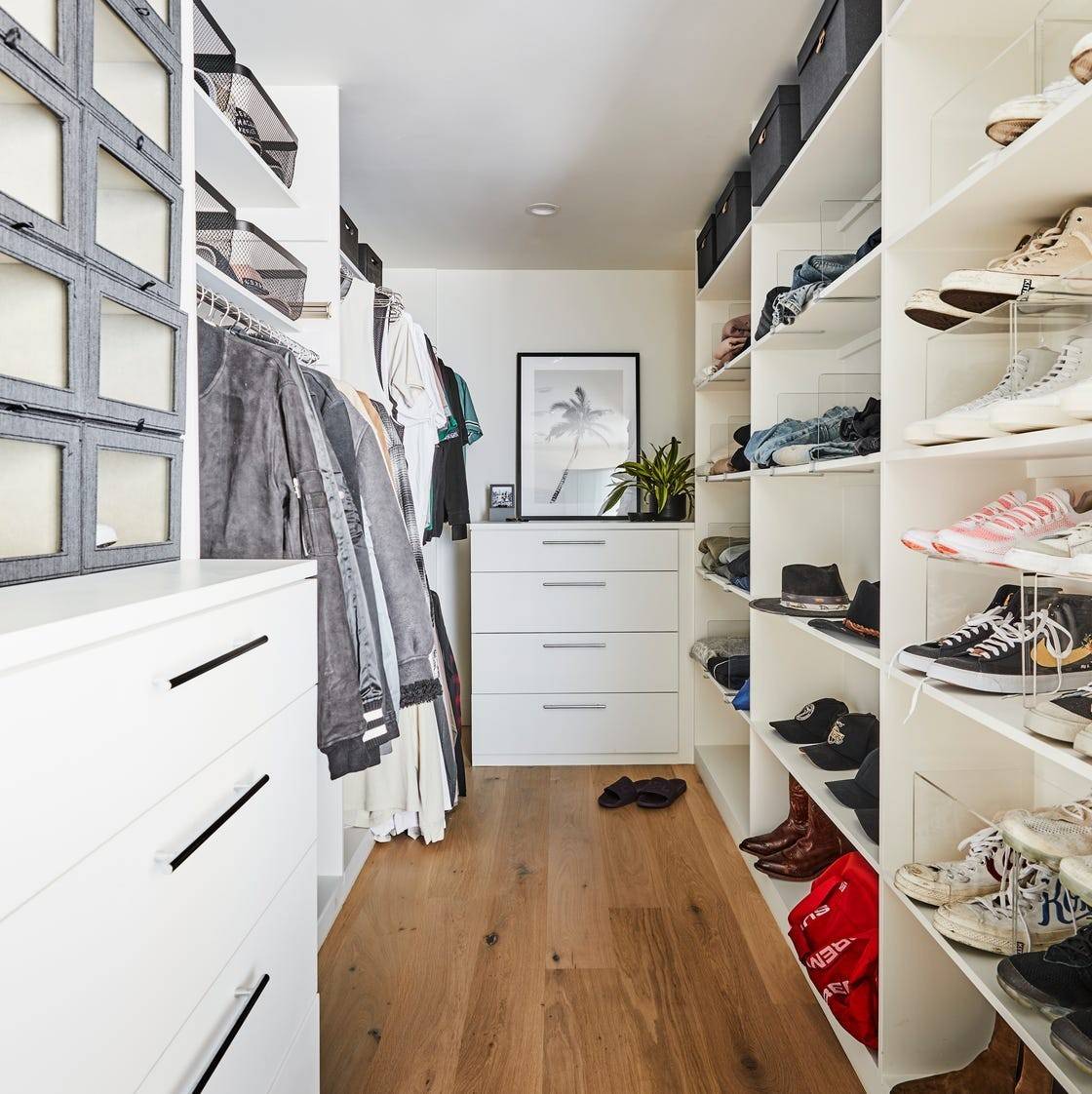
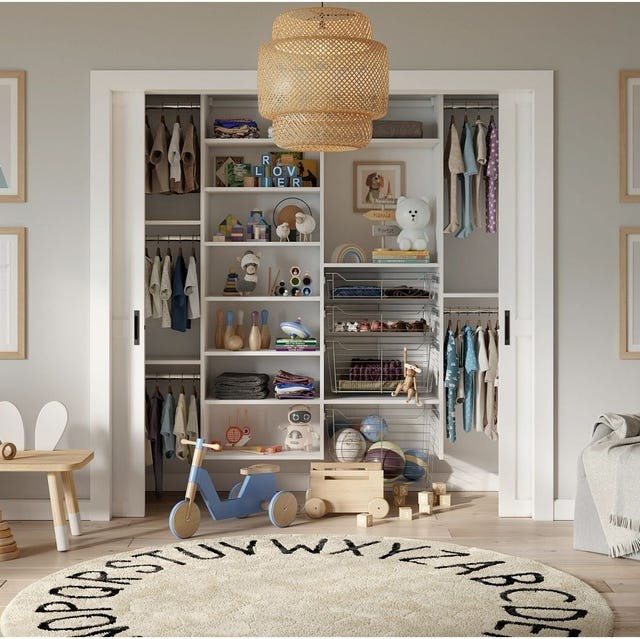
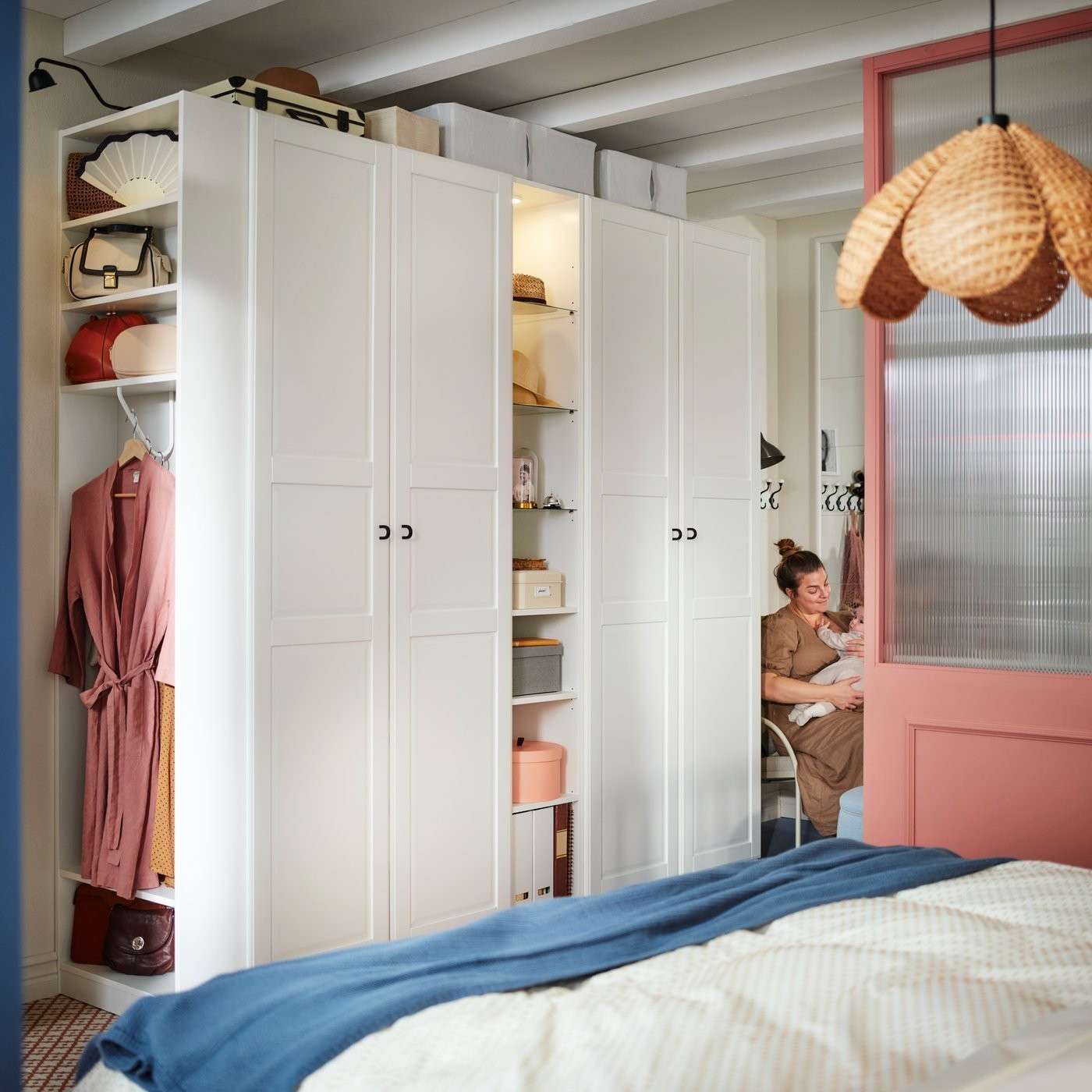
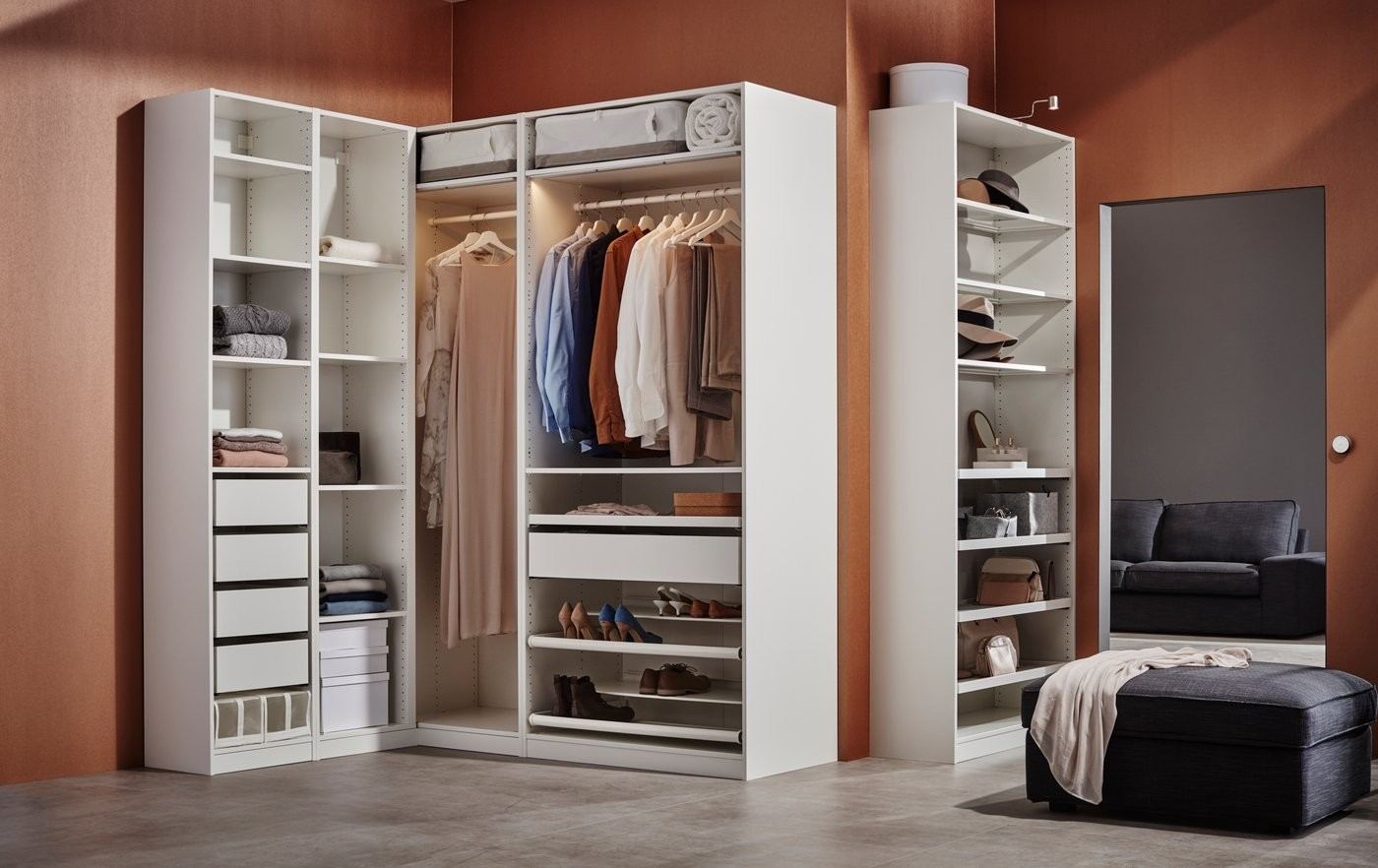
Suitable blouses, jackets and tailored trousers may be easier to keep ready for wear on appropriate hangers. Avoid crowding the rail so tightly that clothing is crushed and difficult to identify. Long dresses need enough clearance below, while shorter hanging pieces can leave room for shelves or drawers. IKEA suggests planning a full height section where long garments justify it, rather than using the same arrangement across the whole wardrobe. Measure the actual pieces and the available frame before fitting inserts. A useful layout balances hanging clearance with supported folded storage and keeps daily dressing from becoming a search through compressed layers.
Let the sort determine the required capacity
IKEA's first stage separates currently worn clothing from unused pieces and items no longer wanted. Complete that review before selecting organizers, since the retained selection defines the actual space needed. Keep items for sale or donation in a clear next-step group so they do not quietly rejoin the wardrobe after the reset. Unused clothing may still have an occasional or seasonal role, but it does not automatically need the most accessible daily position. Look at how often each category is reached for and returned from laundry. This gives the new layout a practical basis. Buying storage for an unreviewed collection can preserve the same crowding in a more elaborate arrangement without making everyday dressing noticeably easier.
Allocate hanging clearance by real garment length
The guide distinguishes long dresses from shorter hanging clothing and suggests using space below shorter pieces for suitable shelves or drawers. Measure the actual garments and allow for the support and clearance required by the system. A full-height section is valuable when the wardrobe contains enough long pieces to justify it, but it may waste accessible space in a different collection. Keep garments that can distort under their own weight appropriately folded instead of trying to hang everything. Tailored trousers and suitable blouses may have different needs from jeans or loungewear. Check item-specific care and construction before applying a broad category rule. The purpose of the layout is to preserve those differences while keeping the retained clothing easy to see.
Give temporary clothing a defined return route
The source also suggests a separate place for clothing in transition, such as suitable pieces being aired between wears, and an emergency container for clean laundry awaiting sorting. Treat those as temporary functions with a next action, not as permanent alternatives to the wardrobe. Keep the groups distinct from soiled washing and from garments already ready for ordinary storage. Choose support that fits the clothing, and return items promptly once their next step is complete. Drawer organization can then focus daily essentials in convenient positions while larger or less-used categories occupy appropriate other space. A useful reset changes what happens after the first tidy day: the system should explain where an item belongs at each ordinary stage instead of allowing another unexplained pile to form.