GarmentCare Guide
Empty a manageable area completely
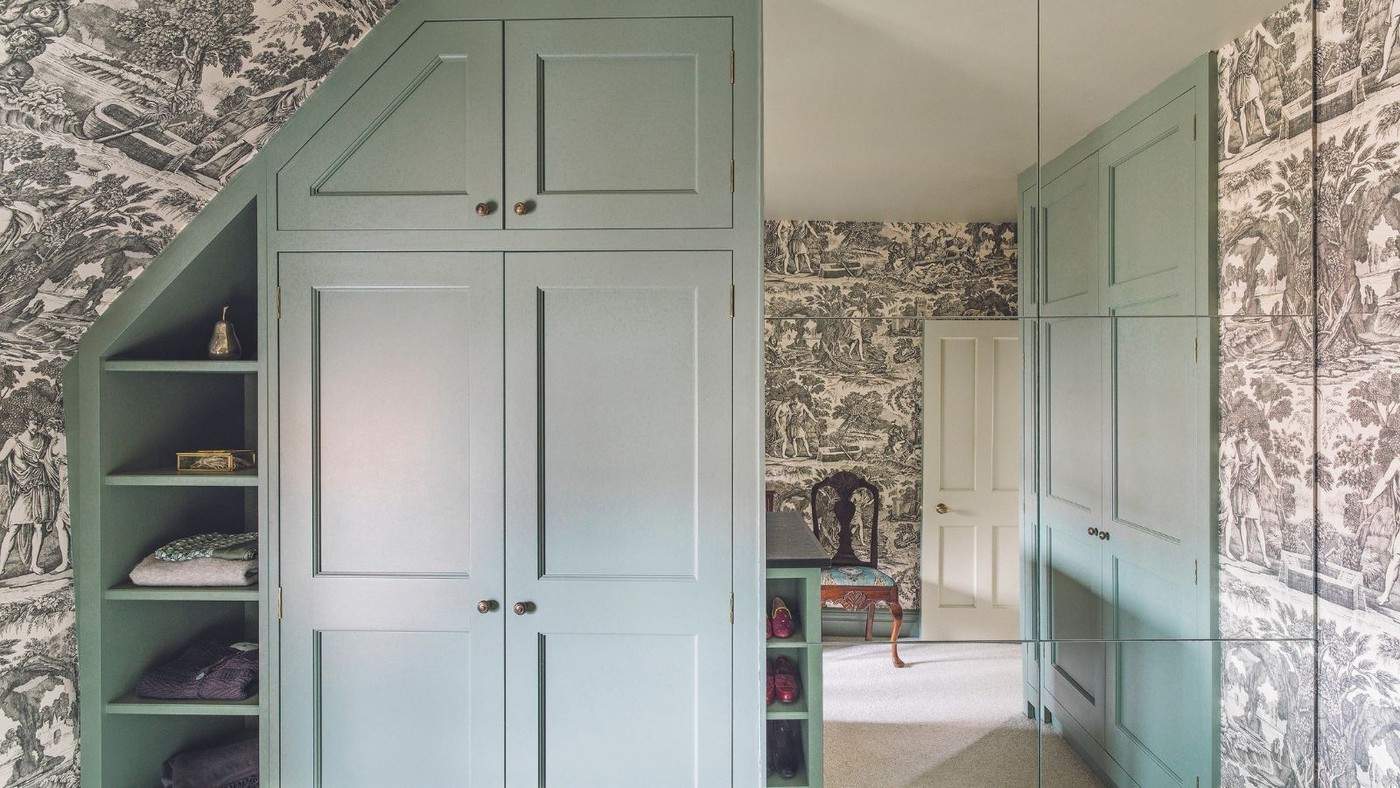
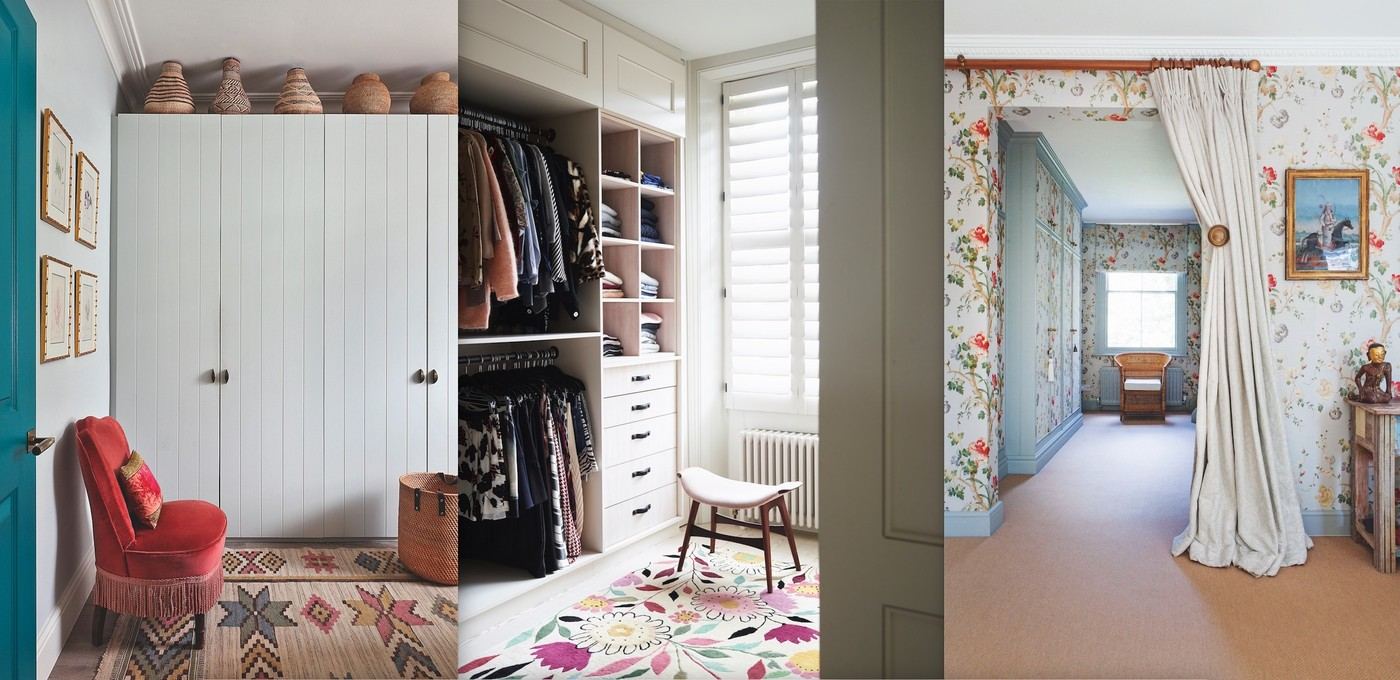
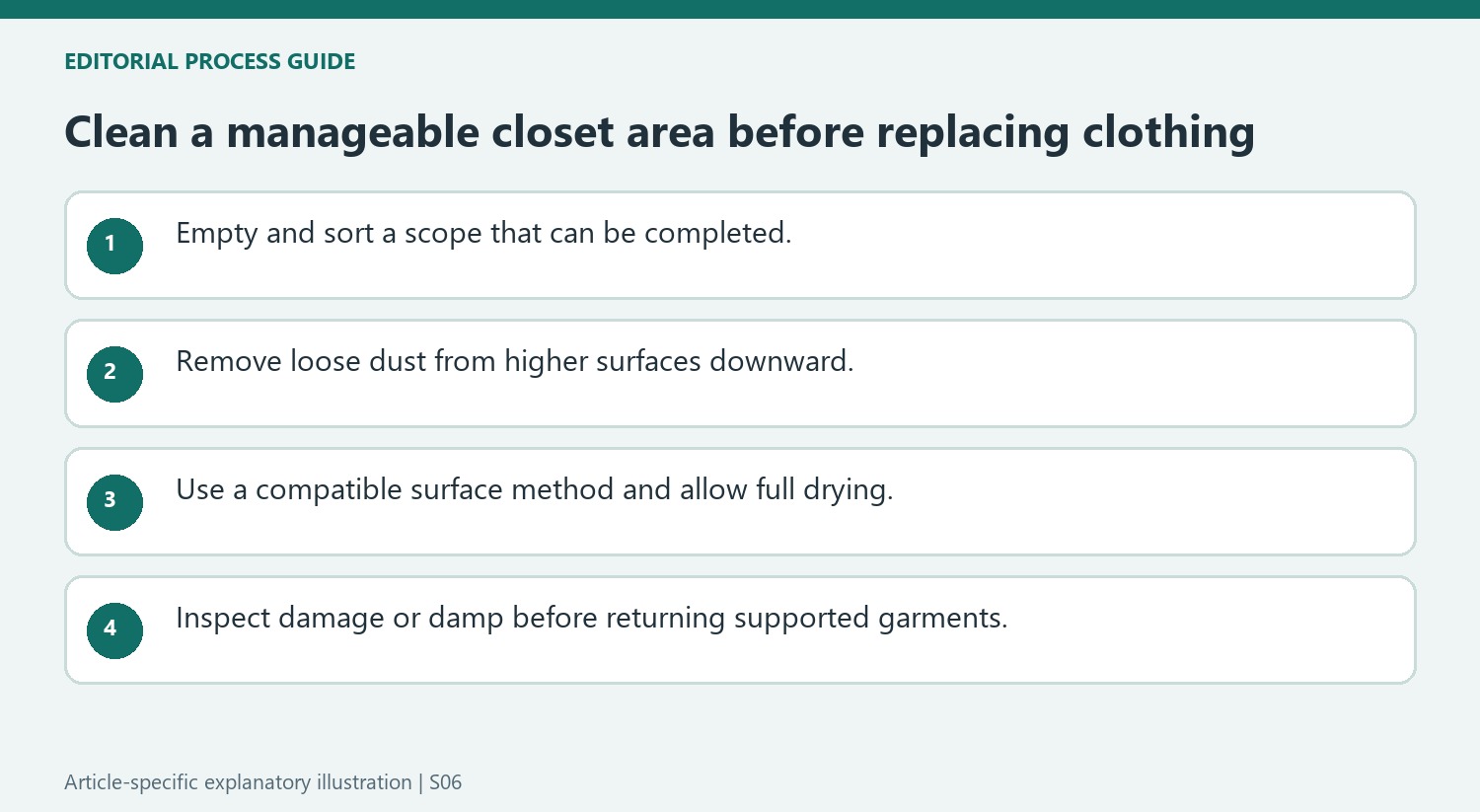
Homes and Gardens suggests using a seasonal clothing change as an opportunity to clean a closet or dresser. Choose one area with enough time to finish it, then remove the contents and sort them as you go. Decide which pieces will return now, which need seasonal storage and which require another destination. Cleaning and repairing garments before packing them avoids discovering the same problem at the next change of season. An empty compartment also reveals places that are difficult to inspect behind hanging clothes. Keep the project small enough that it can end with the clothing properly returned instead of remaining spread across the room.
Work from higher surfaces downward
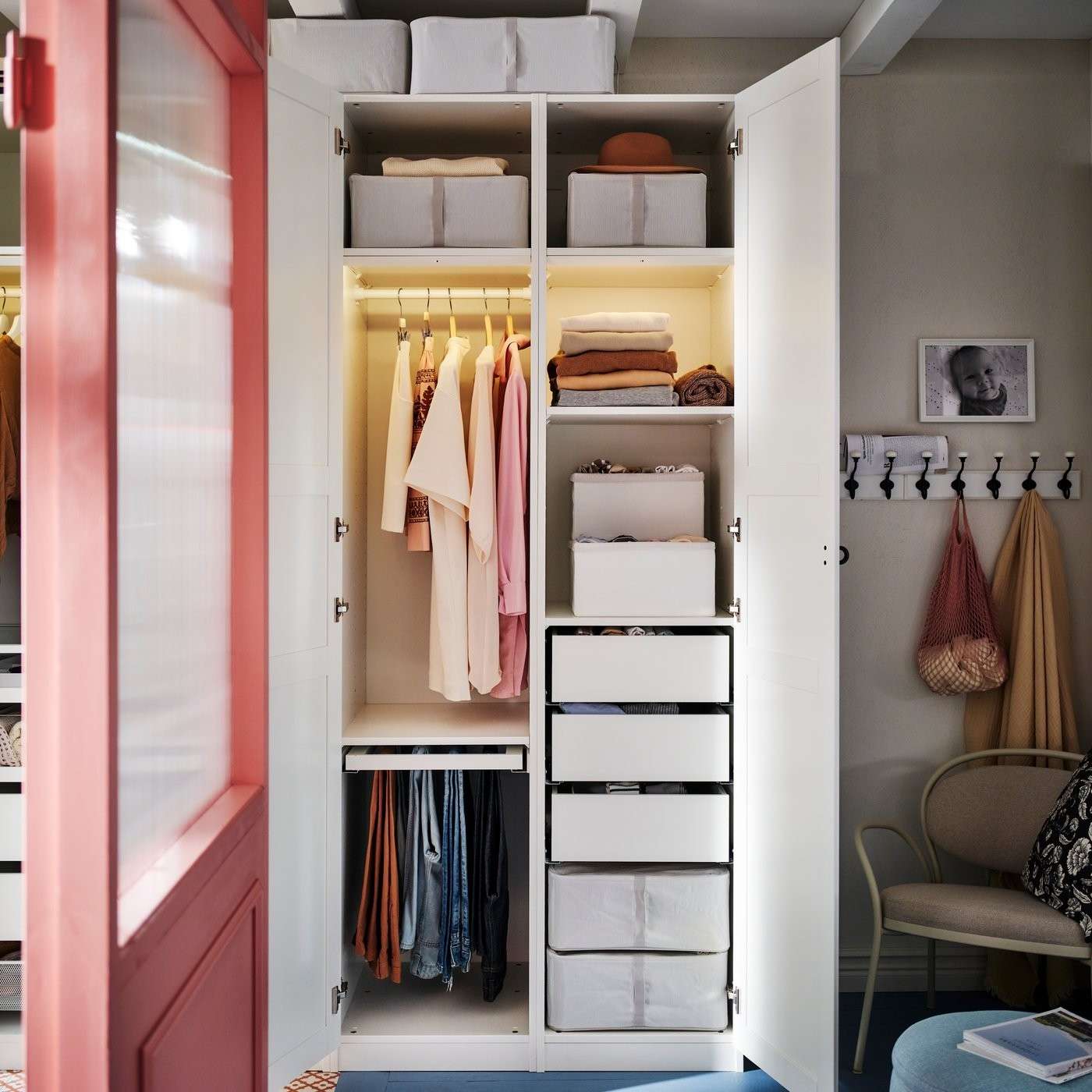
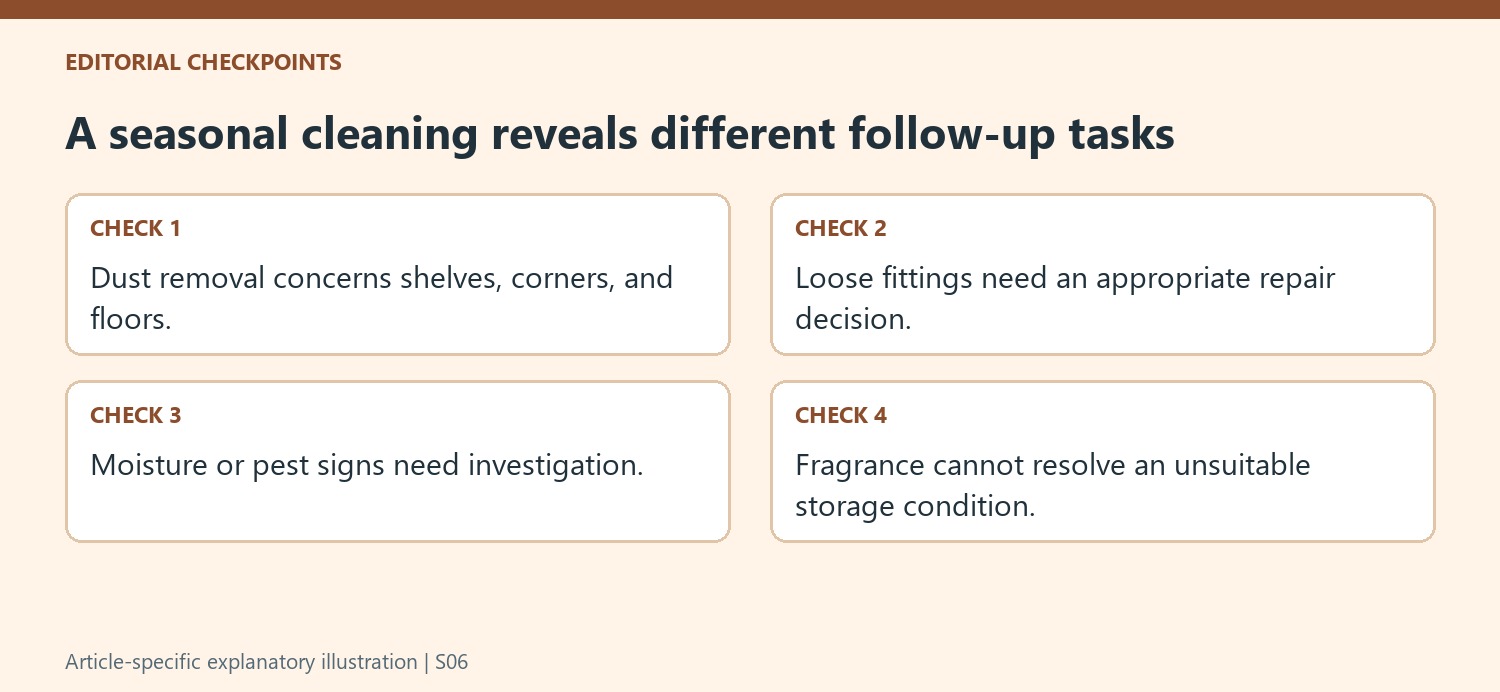
The source describes dust accumulating on shelves, shoulders of hanging clothing and areas near footwear. Remove loose dust with suitable tools, working from top to bottom so material from upper shelves does not settle onto a freshly cleaned lower surface. A vacuum attachment may help in accessible corners, while a compatible cloth and cleaner can suit certain shelves. Check the furniture material before damp cleaning and allow surfaces to dry before replacing garments. The objective is to remove dust rather than repeatedly move it between levels. Include drawers and the closet floor where access is normally blocked by stored possessions.
Investigate damage before covering it again
Once surfaces are visible, check for loose fittings, damaged shelves and signs of moisture or pests. Persistent musty smells or visible mold may point to a wider damp problem that deserves appropriate specialist advice. Do not simply hide the area behind clean clothing or rely on a fragrance product to make the issue disappear. Follow suitable guidance for any affected material and avoid copying a cleaner choice across every surface. Return garments only to a suitable dry area, using an arrangement that leaves them supported and identifiable. Seasonal cleaning is most useful when it also prevents the same unnoticed condition from continuing behind the wardrobe contents.
Choose an area that can be completed and returned to use
The source recommends setting aside enough time for a single closet or dresser, emptying it so the surfaces can actually be reached. Match the scope to the available time and space. Sort the removed clothing into clear groups while it is visible: pieces returning now, suitable seasonal storage, and items needing another destination. Address cleaning and repairs before outgoing clothing is packed. This prevents a surface-cleaning task from ending with garments scattered across the room and unfinished problems hidden in storage bags. An empty compartment is also a chance to see corners and fittings normally obscured by hanging pieces. The useful project finishes with a dry, suitable area and a deliberate return arrangement rather than a briefly empty wardrobe beside an unresolved pile.
Remove loose dust before using a compatible damp method
The article advises working from higher surfaces down so falling dust does not settle on a lower area that has already been cleaned. Use appropriate tools for accessible shelves, corners, drawers, and the floor, including suitable vacuum attachments where useful. Then check the furniture material before applying any damp cleaner. A method accepted for one finish may be unsuitable for another, and more liquid is not automatically better. Allow surfaces to dry before garments return. Include the areas near shoes and the shoulders or collars of stored clothing when inspecting where dust accumulates. The aim is to remove material from the storage area rather than repeatedly redistribute it between levels or conceal remaining moisture beneath newly folded clothes.
Treat newly visible damage as a separate decision
Once clothing is out, inspect shelves, hinges, and other fittings for looseness or damage and look for signs of moisture or pests. The source notes that a persistent musty smell or visible mold can point to a wider damp problem. Avoid covering that evidence with clean clothes or using a scent product as the only response. Seek suitable guidance for the affected material and specialist help where the condition requires it. General cleaning recipes should not be applied indiscriminately across porous and nonporous surfaces, and products should never be mixed casually. Return garments only when the area is suitable and dry. A seasonal cleaning is most useful when it reveals and addresses a continuing condition instead of simply making the visible shelf temporarily look neater.