GarmentCare Guide
Plan the folded and hanging sections separately
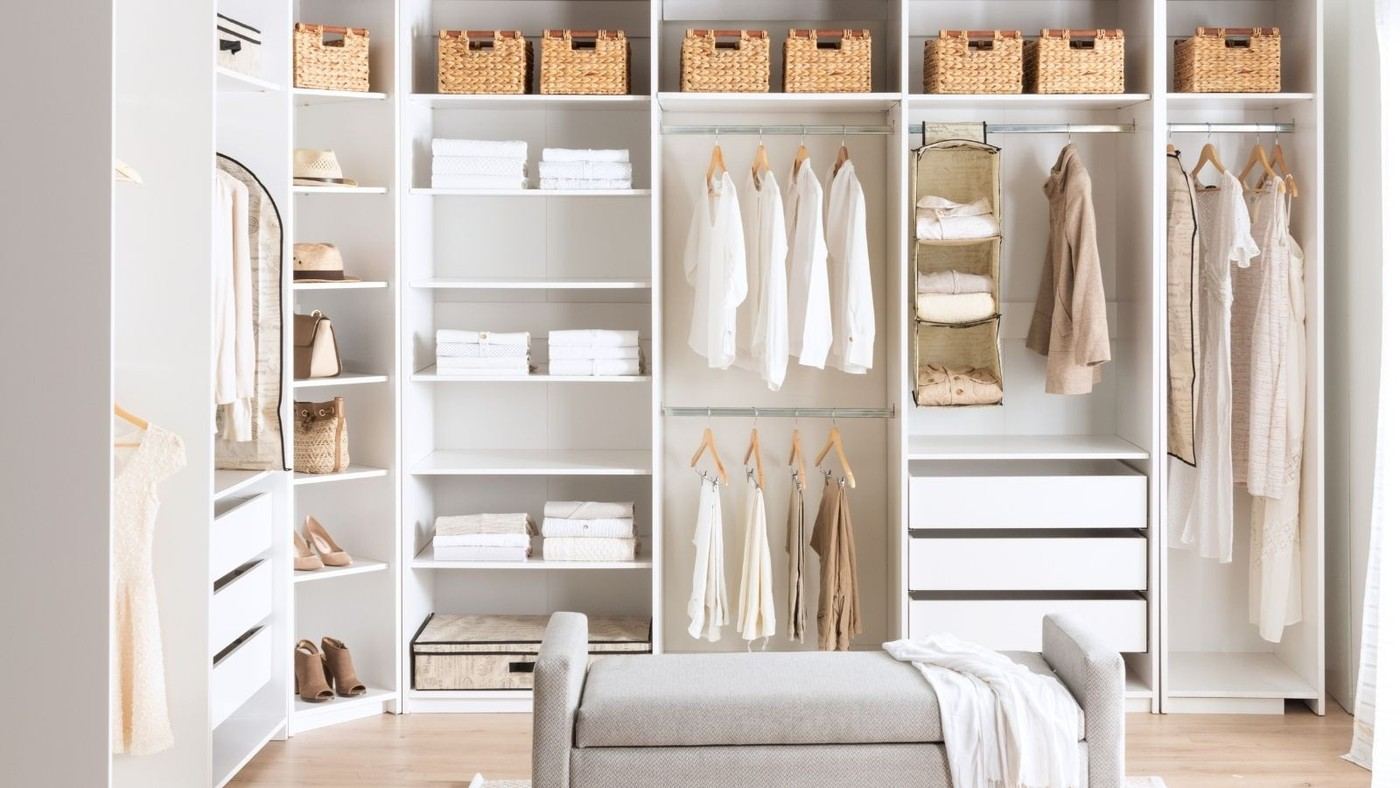
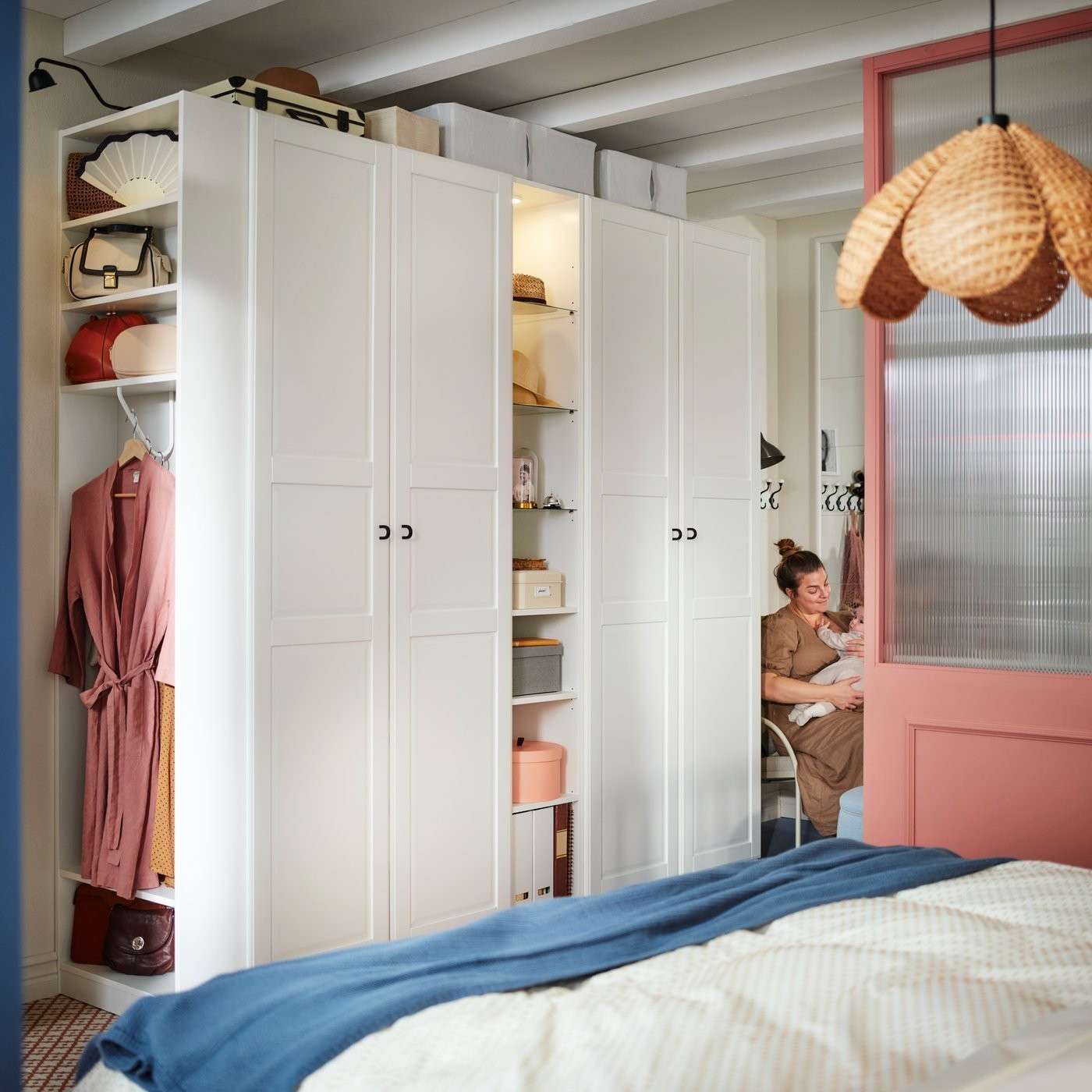
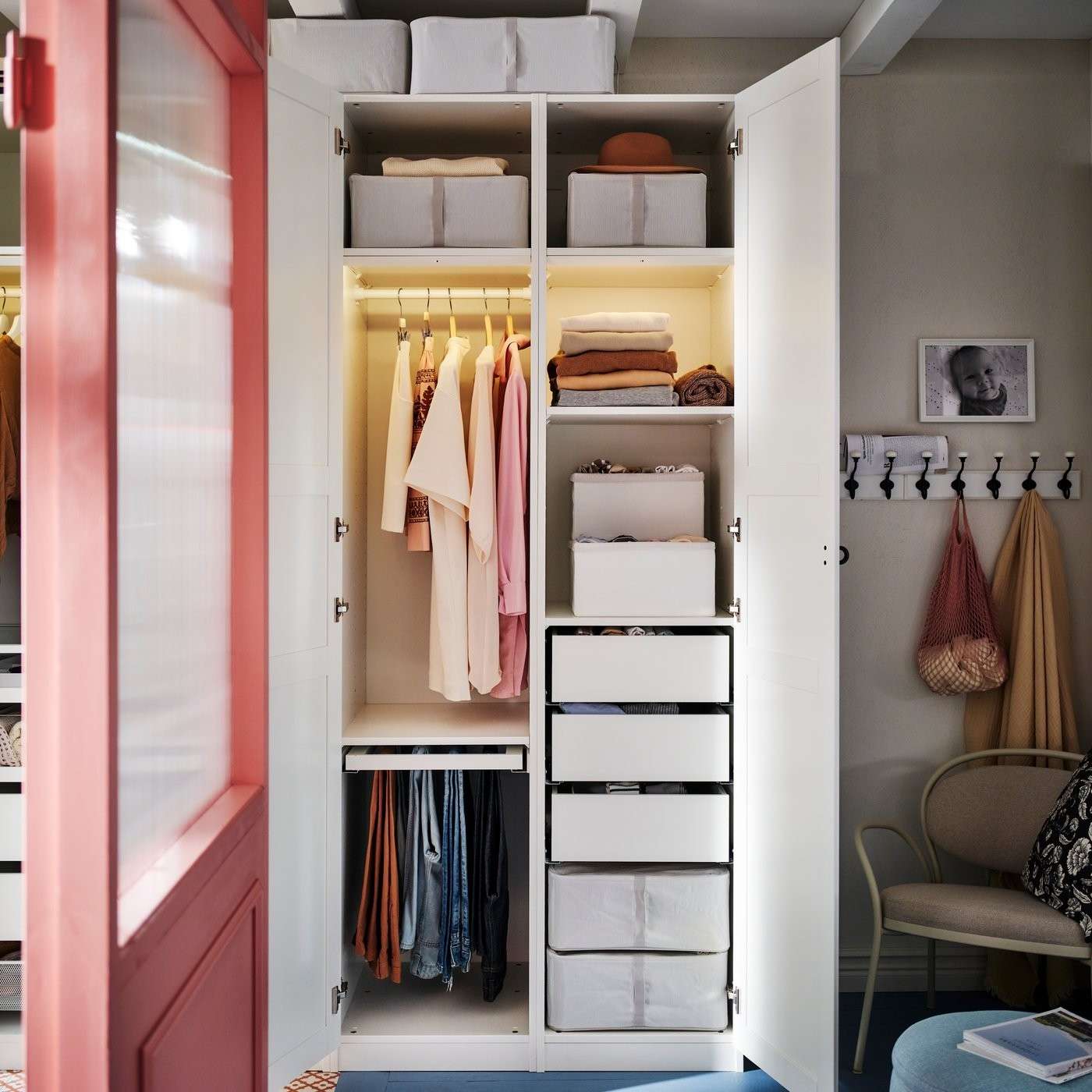
IKEA's guide to PAX interiors begins with the choice between hanging and folded storage. Clothes rails provide a place for suitable shirts, dresses, jackets and coats, while drawers, shelves and mesh baskets support folded items. Pullout trouser hangers offer another option where tailored clothing needs an accessible position. Count the categories before choosing components, since a wardrobe with generous rail space can still lack somewhere practical for knitwear. Check compatibility with the exact frame and follow its installation and load guidance. The arrangement should reflect how garments need supporting, rather than filling every available position with the same type of insert.
Give footwear a visible place
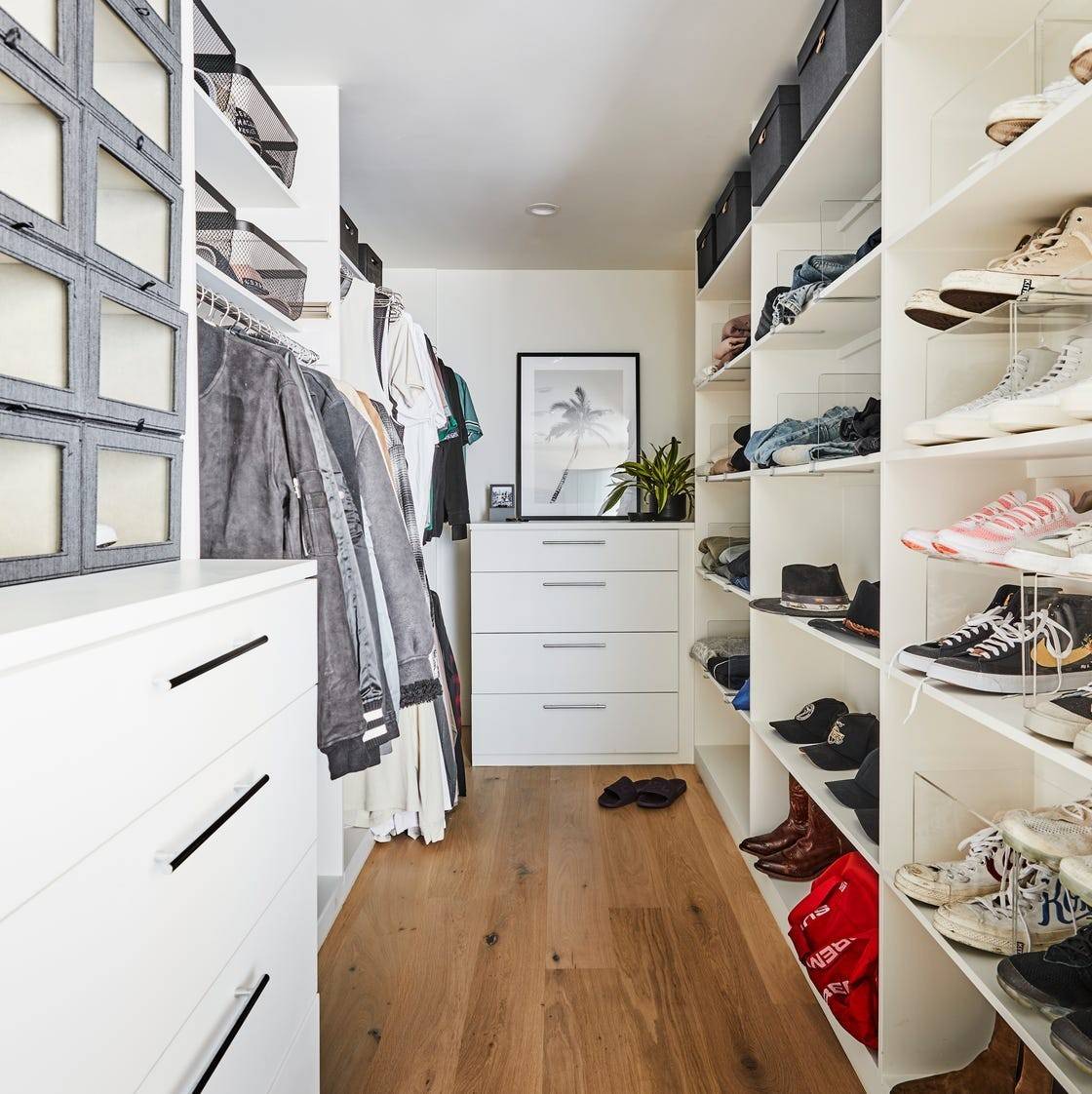
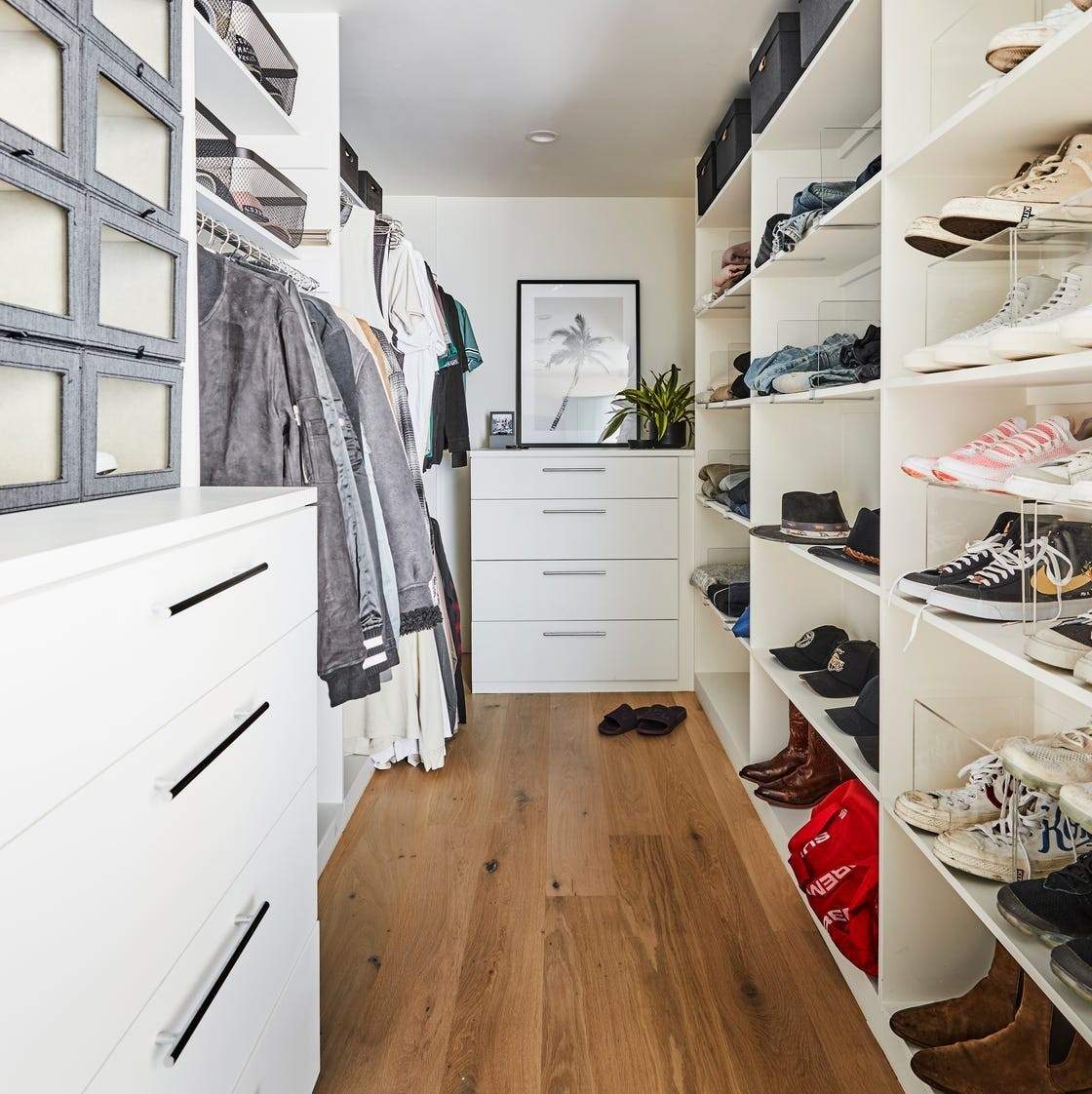
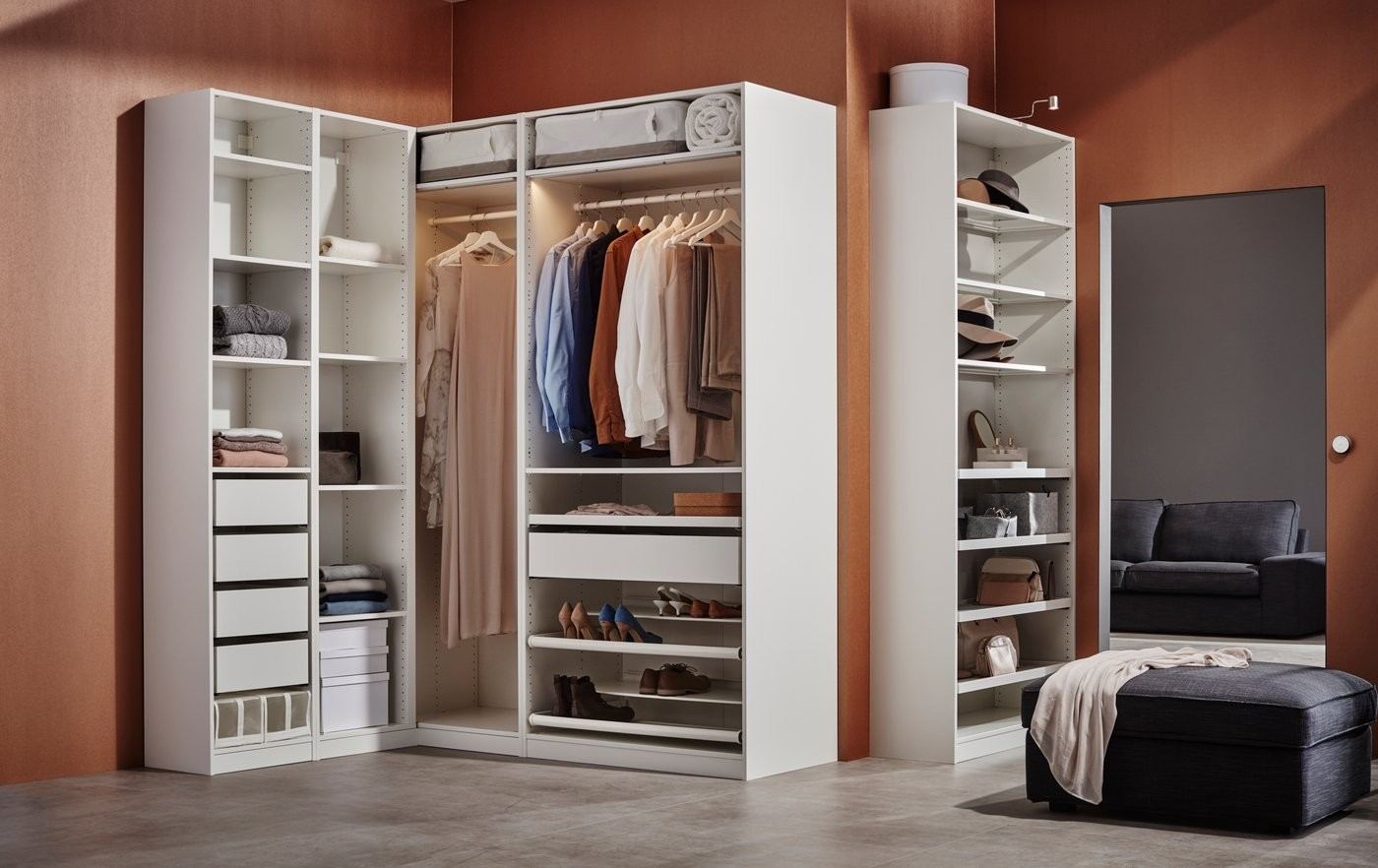
The guide describes slanted shoe shelves and pullout trays with shoe inserts as alternatives for footwear. These can make pairs easier to see and reach, particularly when the wardrobe is near an entrance. Choose around the size and number of shoes rather than assuming all pairs fit the same compartment. Allow access to the tray or shelf without requiring neighboring clothing to be moved each time. Separating footwear from a mixed pile gives each pair an obvious return location. It also makes the capacity easier to assess before more storage is purchased or additional shoes are added.
Contain accessories in smaller compartments
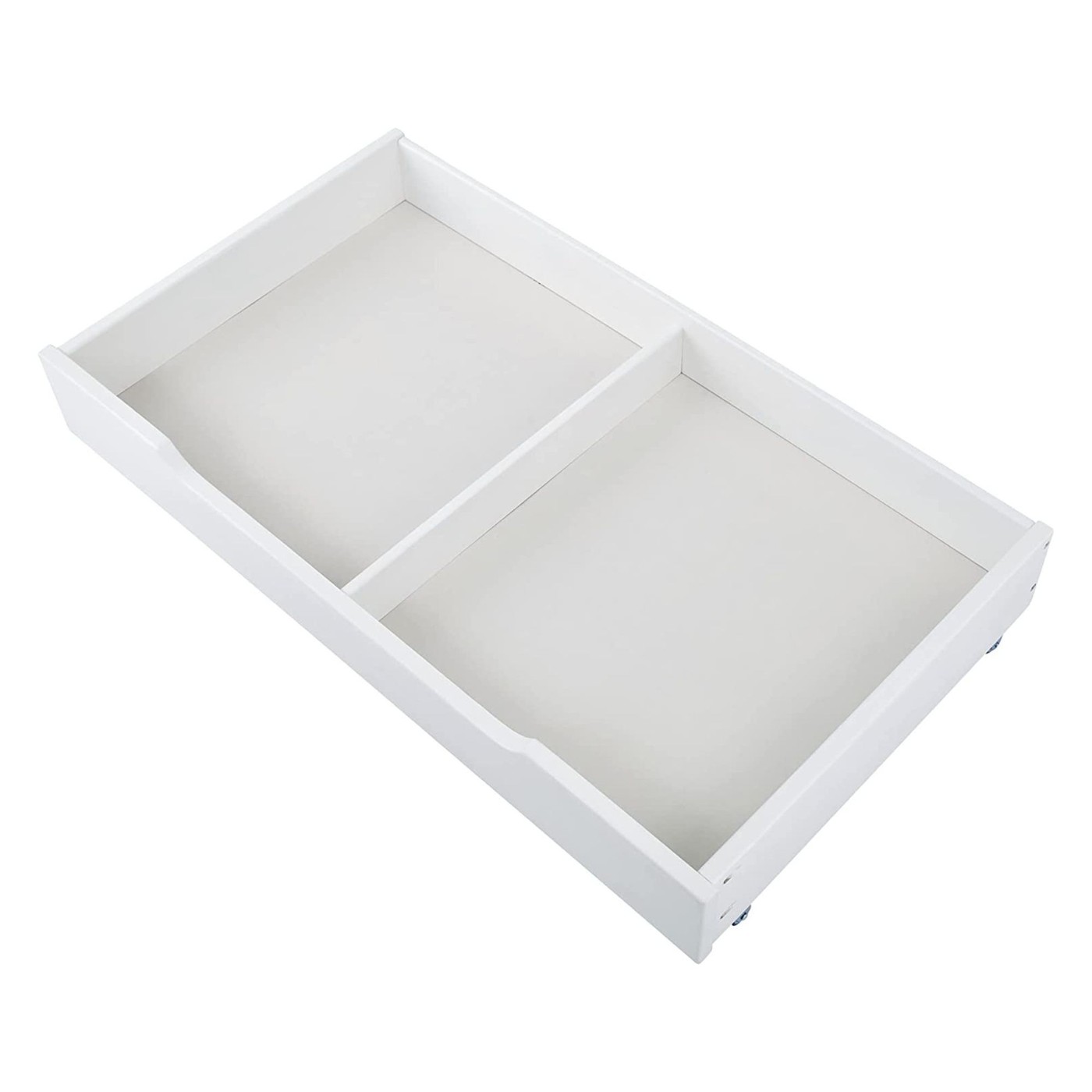
Belts, ties, watches and jewelry can disappear inside a large undivided drawer. IKEA suggests pullout trays with inserts or dividers, while boxes of different sizes can group socks, scarves and other small pieces. Decide which items need individual compartments and which can share a category. Keep the arrangement simple enough to restore when returning clean laundry or getting ready in a hurry. A coordinated interior is useful when it reduces searching and protects the stored pieces. Revisit the layout as the collection changes, adjusting components where the system allows rather than preserving a configuration that no longer fits.
Build the layout from three distinct inventories
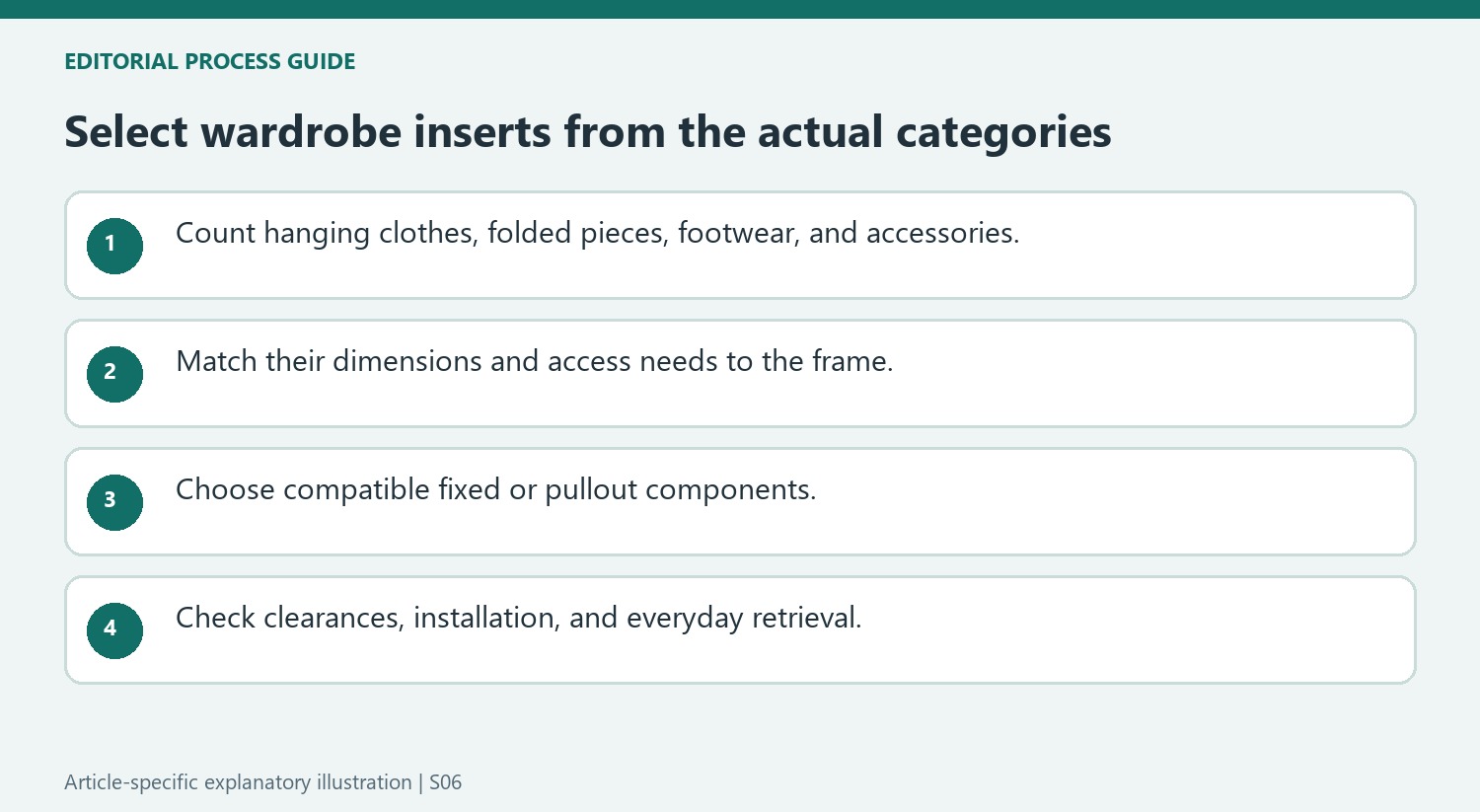
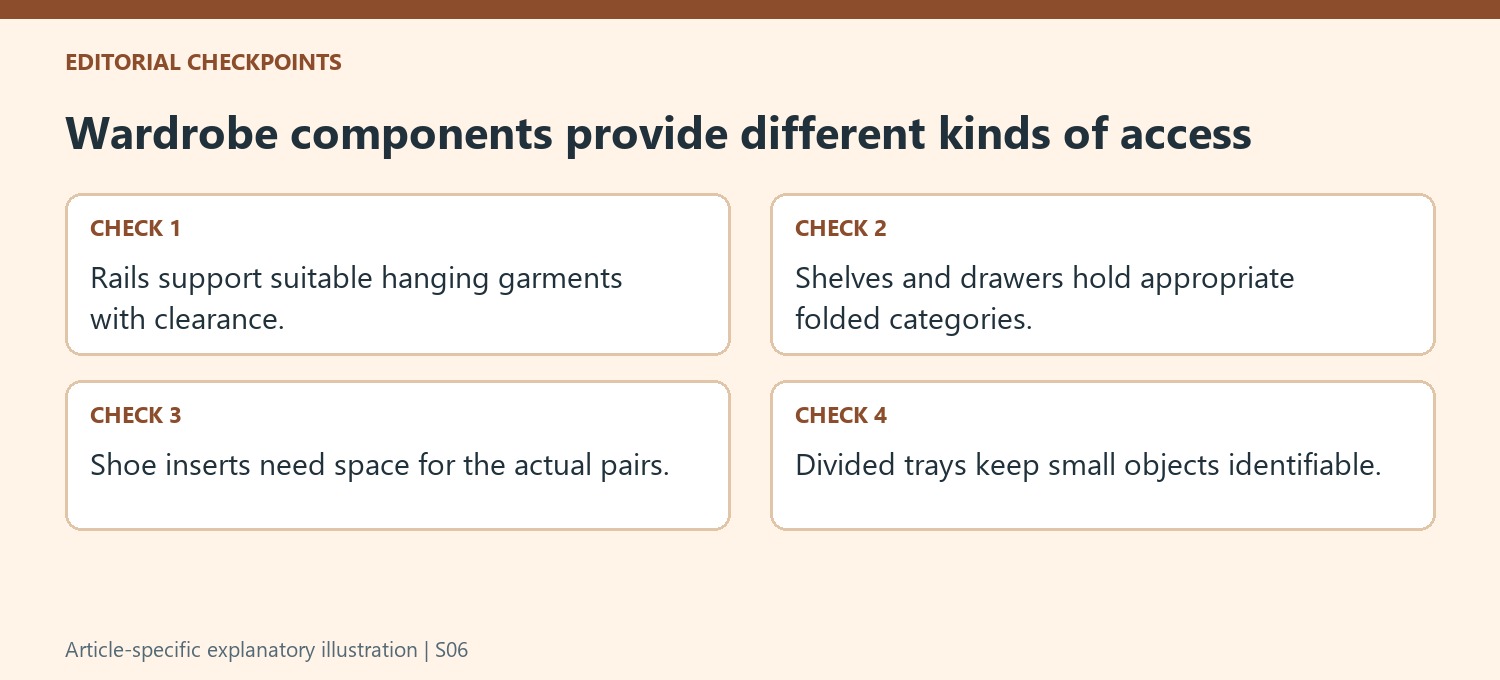
The guide organizes PAX interiors around clothing, footwear, and small accessories. Count these groups separately before choosing inserts because each one asks for a different kind of access. Hanging shirts need rail space and clearance; folded garments need usable support; shoes need compartments large enough for actual pairs. A generous total cabinet volume does not prove any one of those needs is met. Sketch the proposed arrangement with the real frame dimensions and the relevant component information. Check compatibility and installation requirements before purchase. This keeps the selection from becoming a collection of attractive inserts that compete for the same position or leave an important category without an accessible home after the wardrobe is assembled.
Compare fixed support with pullout access
IKEA lists drawers, shelves, mesh baskets, and pullout trouser or shoe options. These are different access arrangements, so choose according to what will be stored and how often it is handled. A fixed shelf makes its front edge easy to reach, while items placed farther back may be less visible. A compatible pullout component brings its contents forward but needs the specified installation and operating clearance. Check the movement with neighboring doors and compartments in mind. Avoid choosing an insert solely because its category name sounds appropriate: the actual garment, pair of shoes, or folded stack still has to fit comfortably. The preferred configuration is one that supports retrieval and return without repeatedly disturbing adjacent groups.
Size accessory compartments to the actual collection
The source describes divided trays for items such as ties, watches, sunglasses, and jewelry, alongside boxes for socks, scarves, and similar smaller pieces. Decide which objects benefit from individual separation and which can share a simple category. Too few compartments can recreate a mixed pile, while unnecessarily detailed sorting can slow ordinary use. Check the usable dimensions and lining requirements appropriate to the items rather than relying on a product photograph. Keep daily essentials easy to identify and return. When the collection changes, review the arrangement before buying another insert. Coordinated components are useful when they solve an access or support need, and their value comes from that daily function rather than the number of accessories fitted into one wardrobe.