 GarmentCare Guide
-
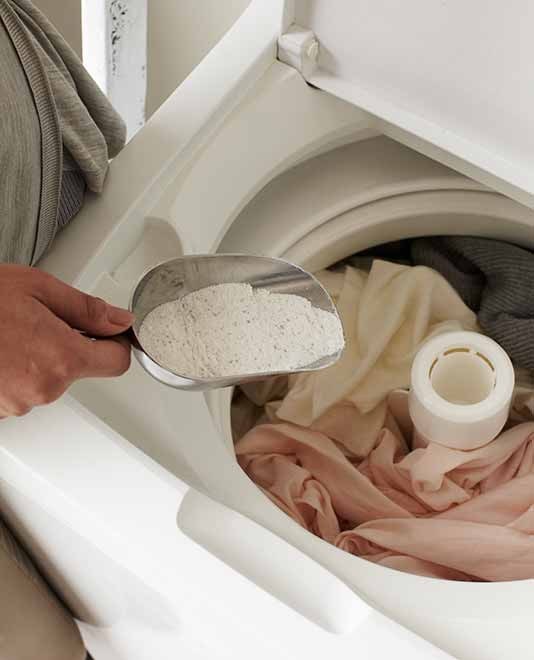
Find the Sewn-In Care Claim Before Washing Wool Trousers
Woolmark distinguishes machine-washable trousers from items requiring a different method.
-
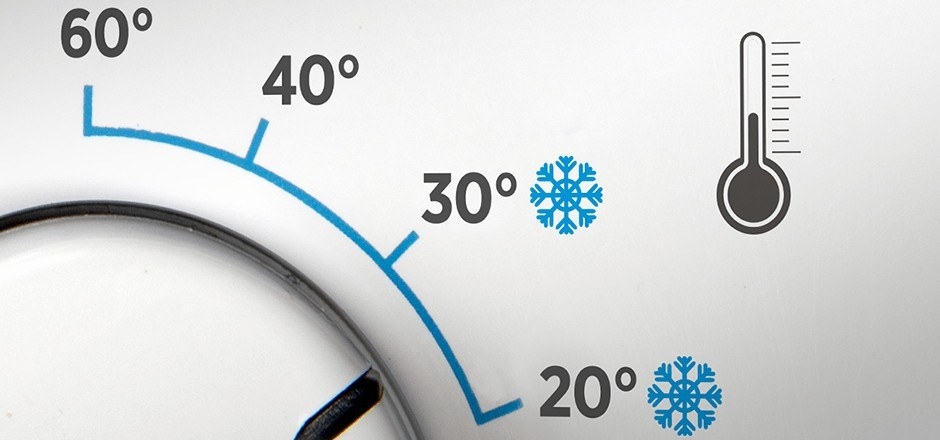
Understanding a 30-Degree Wash Limit: Cold Washing Works with Detergent and Cycle Choice
Ariel describes cleaning as a combination of water temperature, detergent, time, and mechanical action. A number inside a wash-tub symbol should be read as part of the washing instruction, not as a recommendation for the dryer or iron.
-

Use a Care-Symbol Reference to Understand the Clothing Label
GINETEX describes its My Care Label app as a way to explain textile-care symbols.
-

Distinguish Pure Acetate From a Blend When Reading Wash Directions
Ariel explains why an acetate-containing garment's care label matters before washing or drying.
-

Use the Acrylic Garment's Care Label Before Selecting a Cycle
Ariel notes that fiber combinations and intended use can change acrylic clothing instructions.
-

Check a Cotton Blend's Label Before Choosing Heat
Ariel's cotton guidance distinguishes general fabric behavior from the instructions for a particular blend.
-
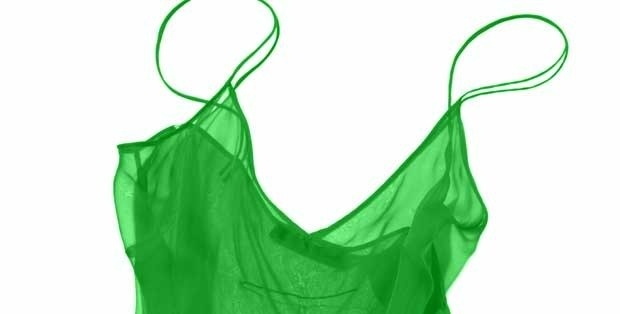
Reading Dry-Cleaning Instructions: Silk Care Includes Color Testing and Supported Drying
Ariel distinguishes a recommendation to dry clean from a dry-clean-only restriction. A circle on a care label concerns professional cleaning, with additional marks supplying more specific instructions.
-
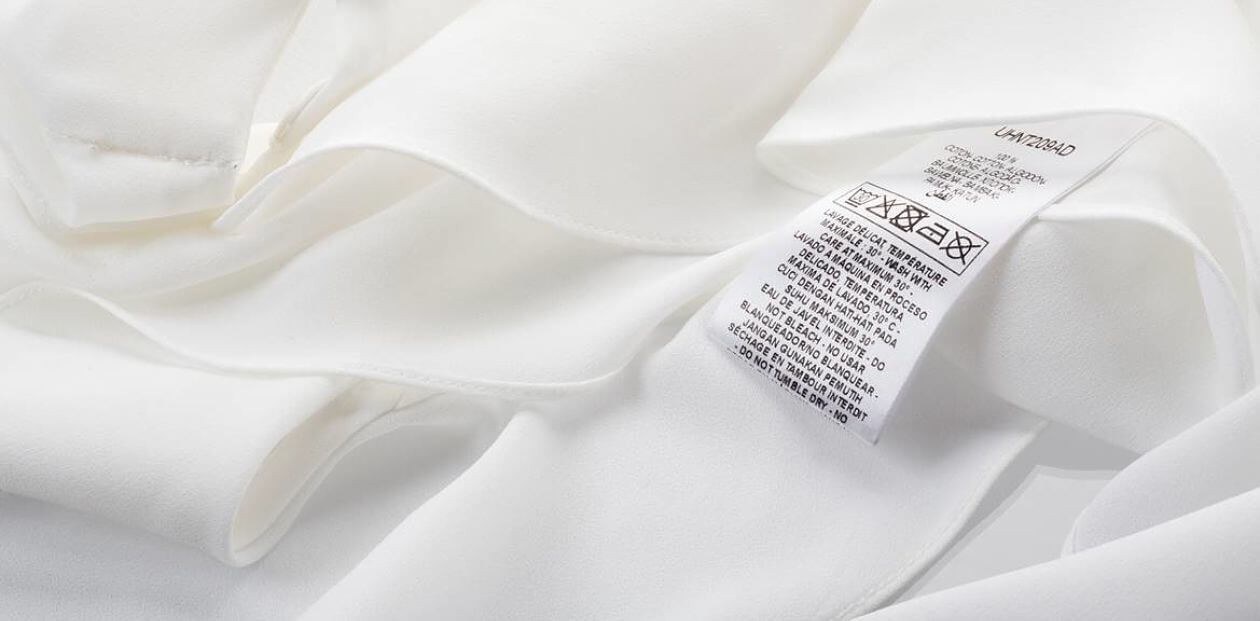
Treat a Care Label as a Treatment Limit Rather Than a Quality Score
GINETEX explains that care directions reflect the most sensitive aspects of a textile item.
-

Read the Number and Bars Beneath a Washing Symbol Together
GINETEX distinguishes a maximum temperature from the mechanical action permitted during washing.
-

Read Washing, Drying and Bleaching Symbols as Separate Instructions
The basic shape of a care icon identifies which part of the laundry process it governs.
-
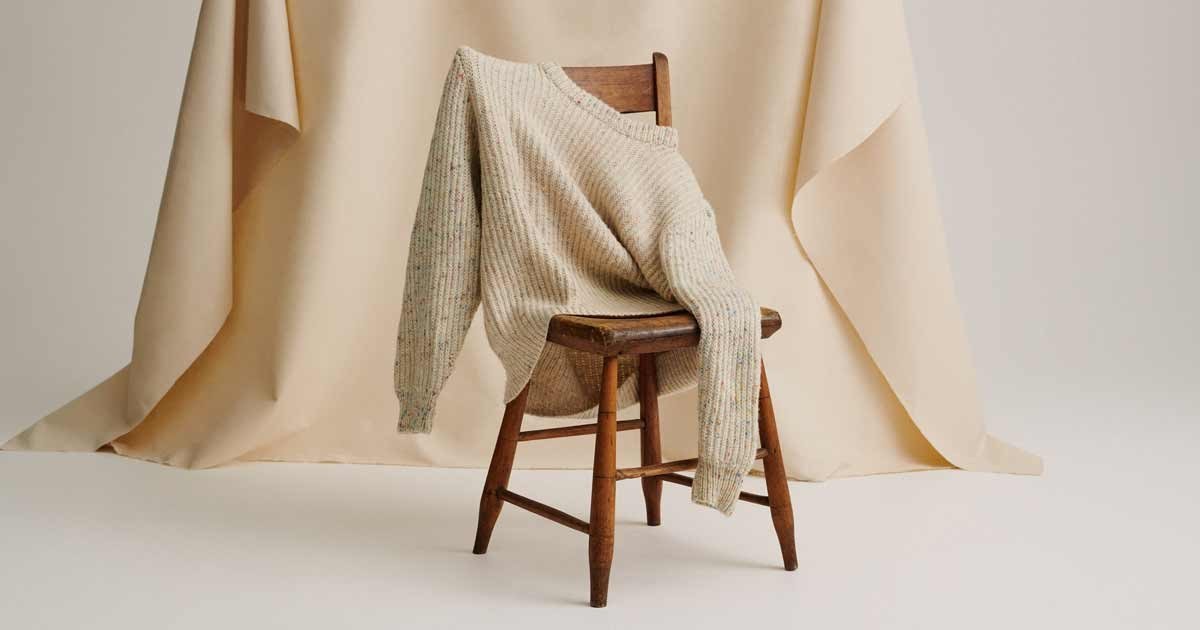
Use Woolmark's Care Directory to Find the Relevant Garment Guide
Different washing, drying and repair questions lead to separate wool-care instructions.
-

Interpreting Ironing Temperature Marks: A Careful Order for Pressing a Shirt
Ariel recommends checking the shirt's care instructions and making sure it is clean before ironing, because heat can set existing stains. The iron symbol and its modifiers identify the permitted finishing treatment.
-
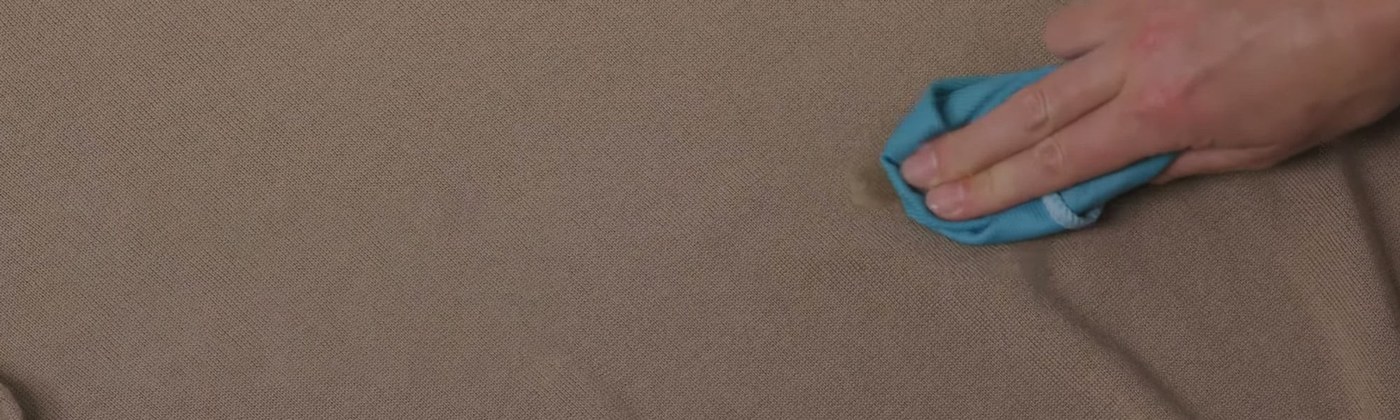
Distinguish Wool Stain Treatment From a General Wash Routine
Woolmark provides different methods for different spills instead of one universal stain recipe.
-

Look for Wash Permission Before Putting a Wool Blanket in a Machine
A blanket's care label determines whether the machine-washing steps apply.
-
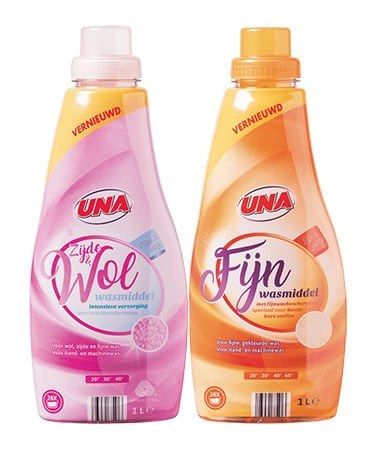
Match a Wool Wash Detergent to the Care Instructions
Woolmark's detergent guidance excludes bleach and emphasizes a mild formulation.
-

Reading Laundry Care Symbols: Reading the Main Families of Laundry Symbols
The wash-tub symbol describes whether and how a garment can be washed. Care symbols describe separate operations rather than one universal permission to wash.
-

Distinguish a Wool Garment's Construction When Applying Care Advice
Woolmark's general guidance treats woven clothing and knitwear differently during storage and refreshing.
-
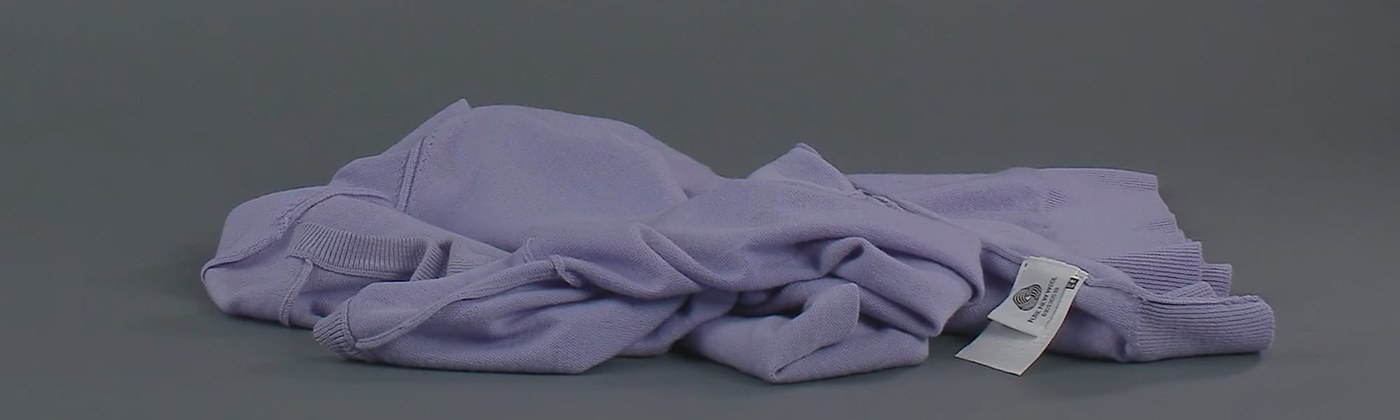
Use a Sweater's Washing and Drying Instructions Together
A machine-washable wool sweater still needs an appropriate drying method.
-
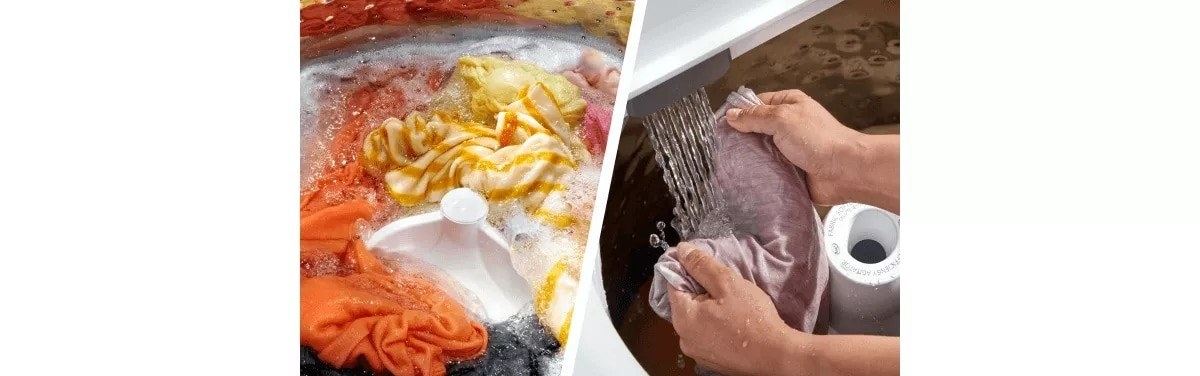
Understanding the Hand-Wash Symbol: Choosing Between Gentle Programs and Washing by Hand
Whirlpool compares delicate and hand-wash programs as gentle machine options rather than identical labels used everywhere. The hand-wash mark should be interpreted as an instruction for the garment, rather than a suggestion to choose whichever machine program sounds most gentle.
-

Understanding the Hand-Wash Symbol: A Hand-Wash Machine Cycle Is Not Physical Hand Washing
Maytag explains that delicate and hand-wash machine cycles generally use gentle action and low or absent spin. The hand-wash mark should be interpreted as an instruction for the garment, rather than a suggestion to choose whichever machine program sounds most gentle.

