GarmentCare Guide
Start with the collection and the routine
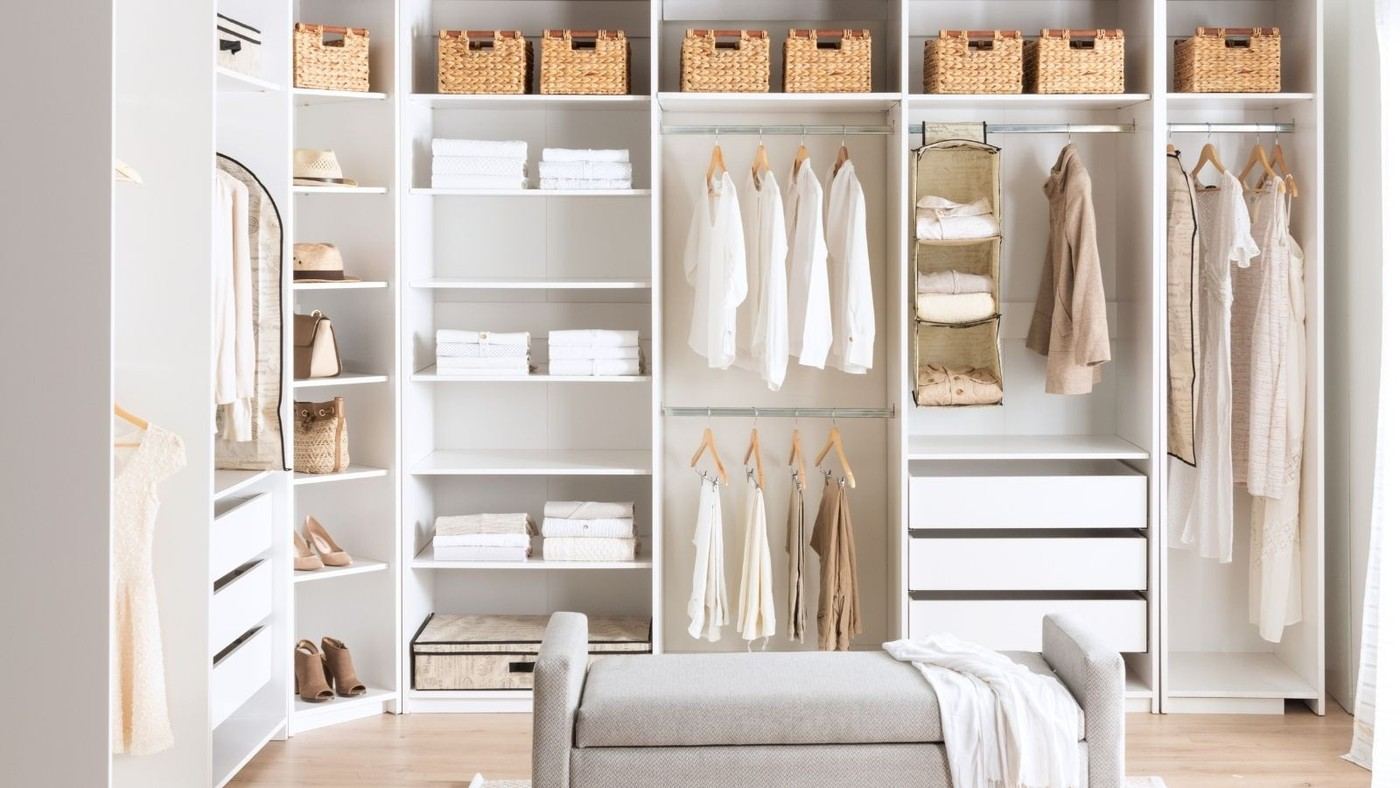
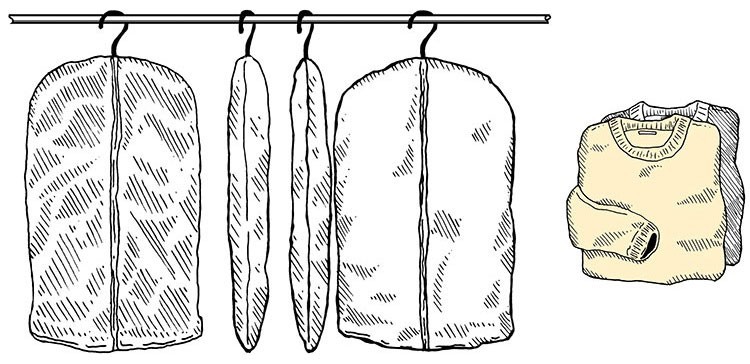
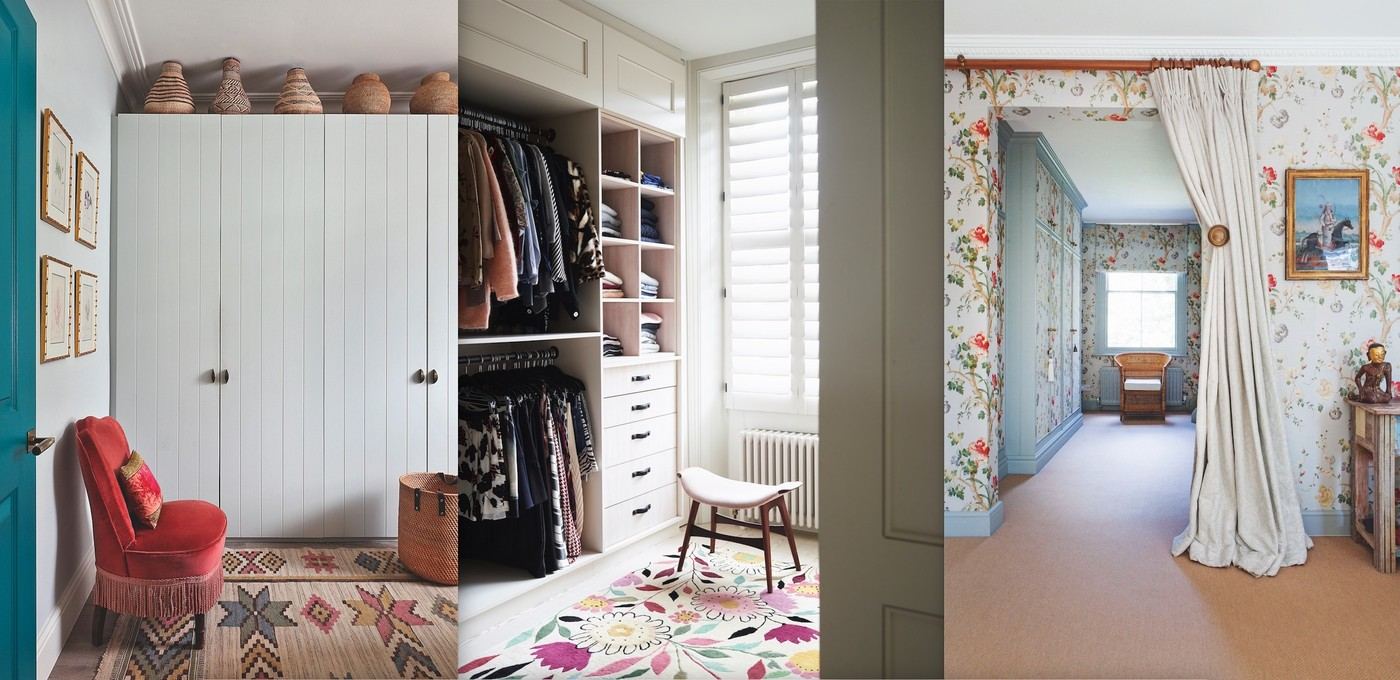
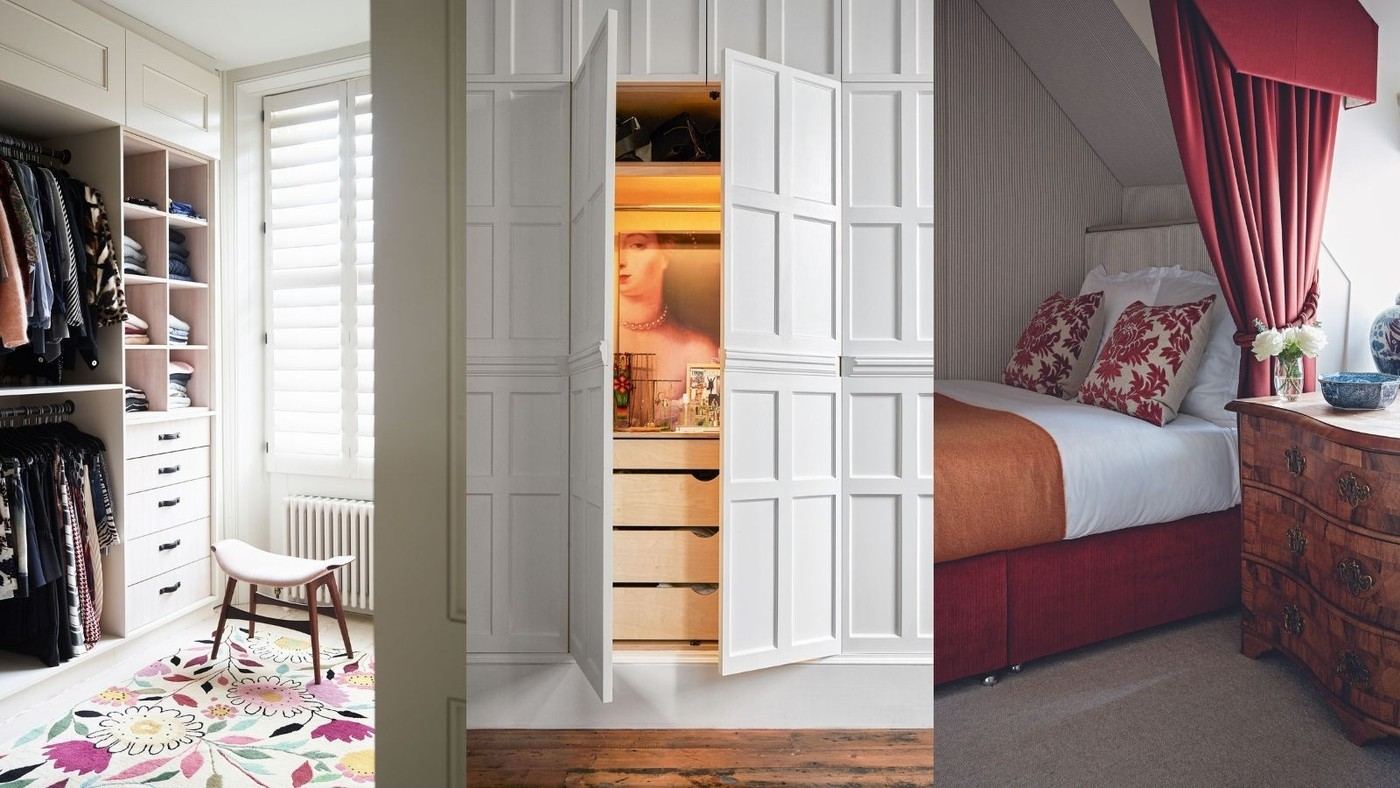
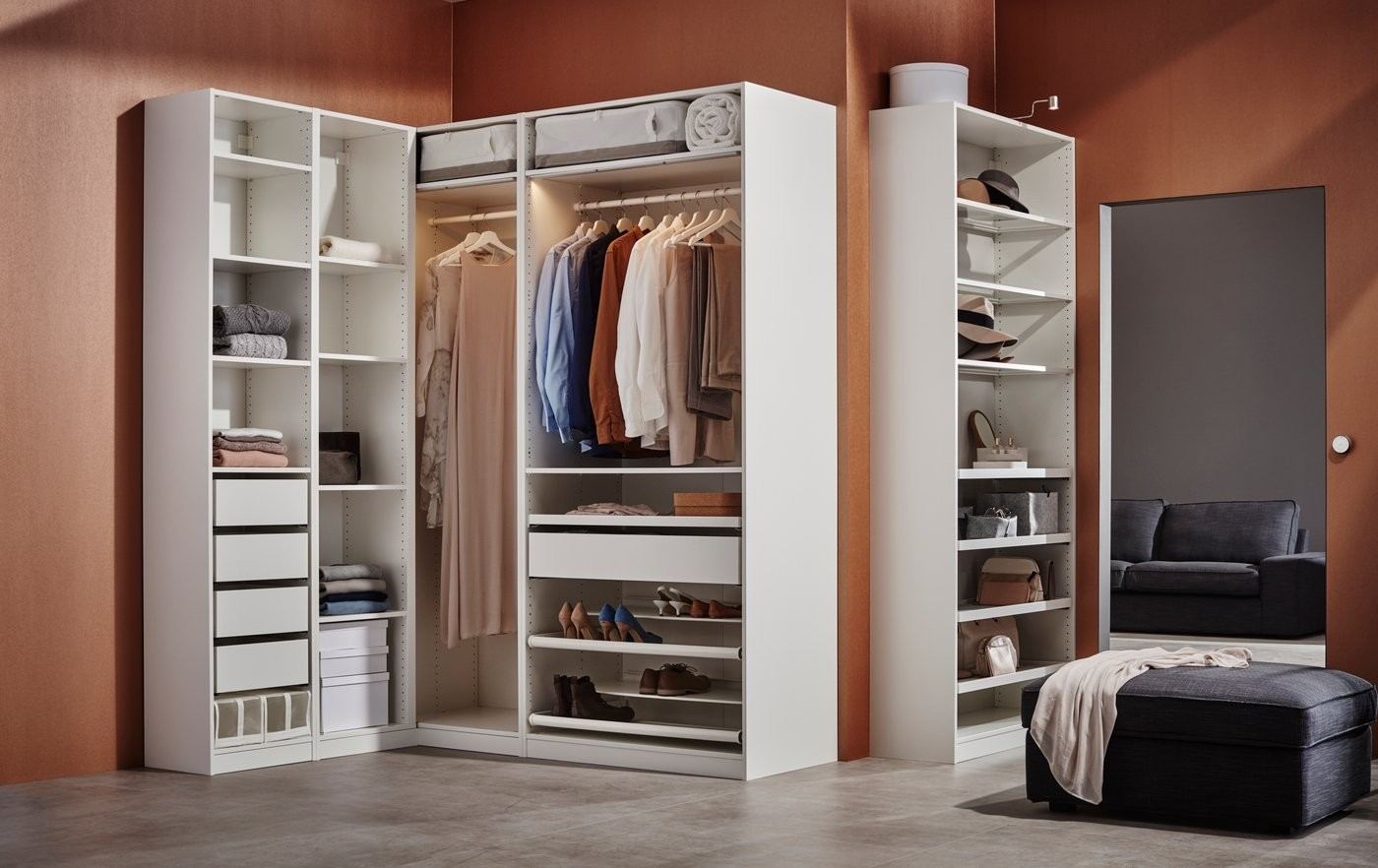
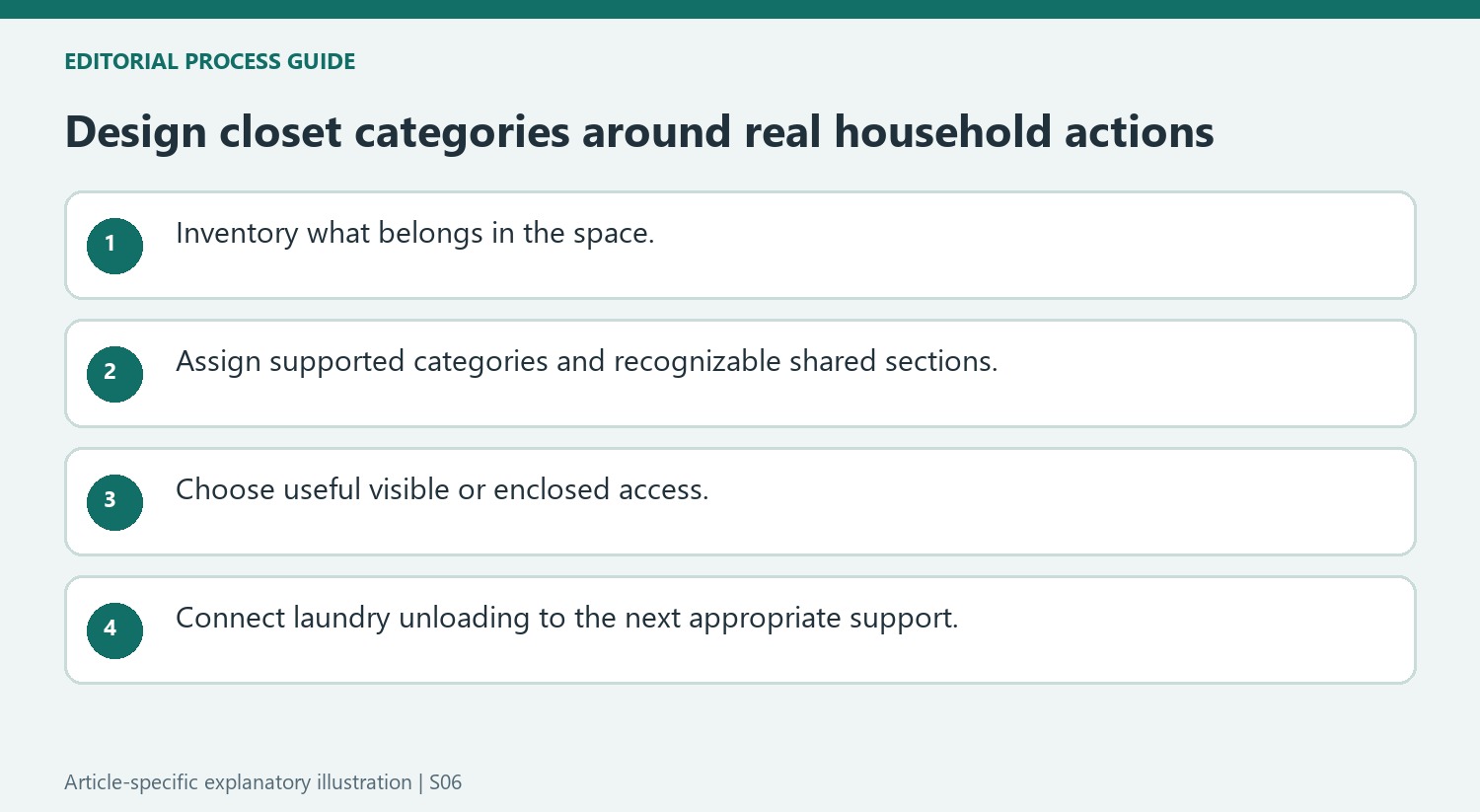
House Beautiful's closet examples include a combined wardrobe and office designed around its owner's different possessions. The wider lesson is to identify what needs storing before choosing compartments. Sweaters, long dresses, accessories and nonclothing items may require different positions and support. A standard layout is not automatically suitable simply because it looks orderly in another home. Decide which pieces belong in the daily dressing area and which should have another location. Where two people share storage, defined sections can make ownership and return places clearer without needing a large separate dressing room for each person.
Keep small pieces visible and contained
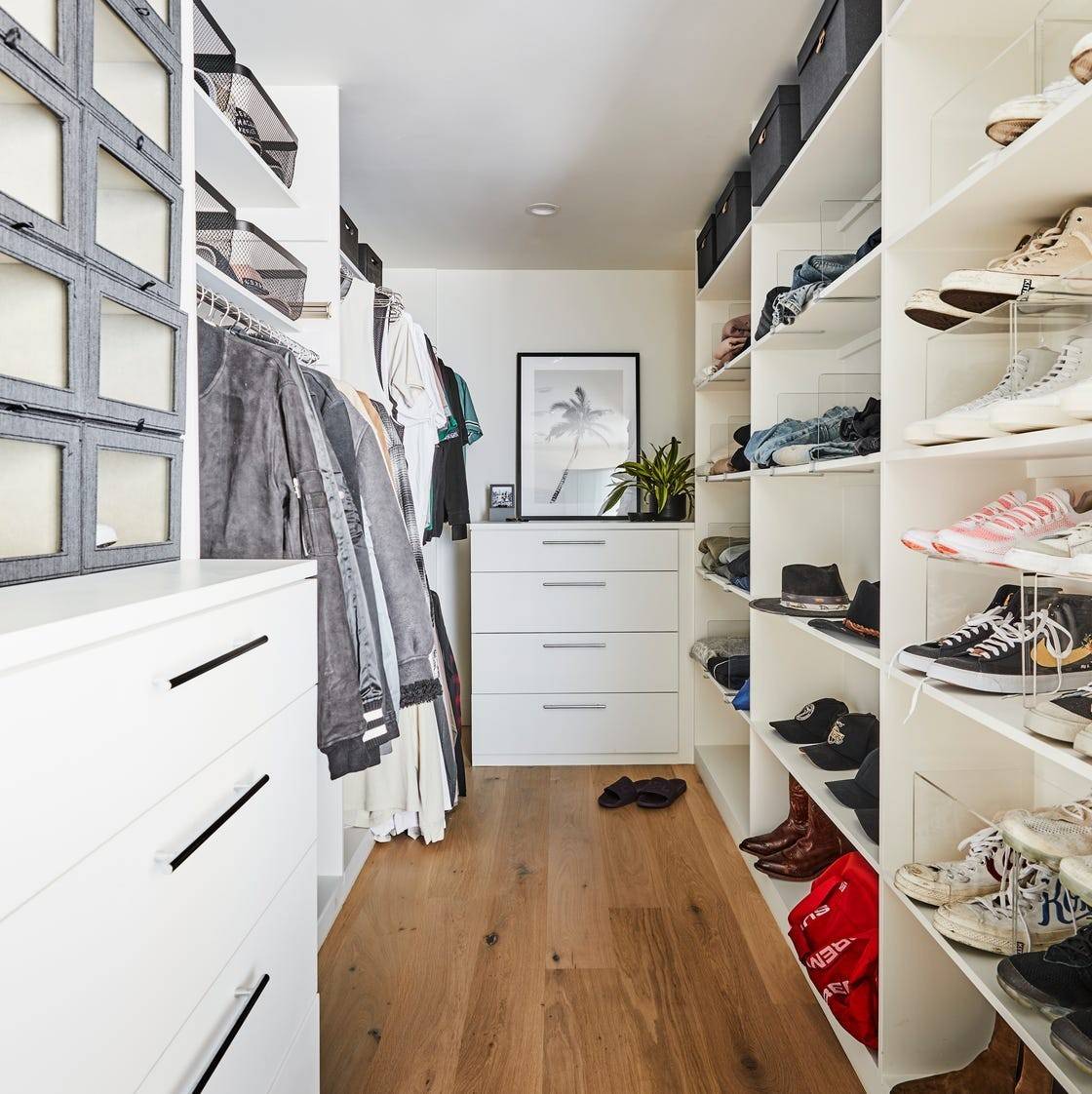
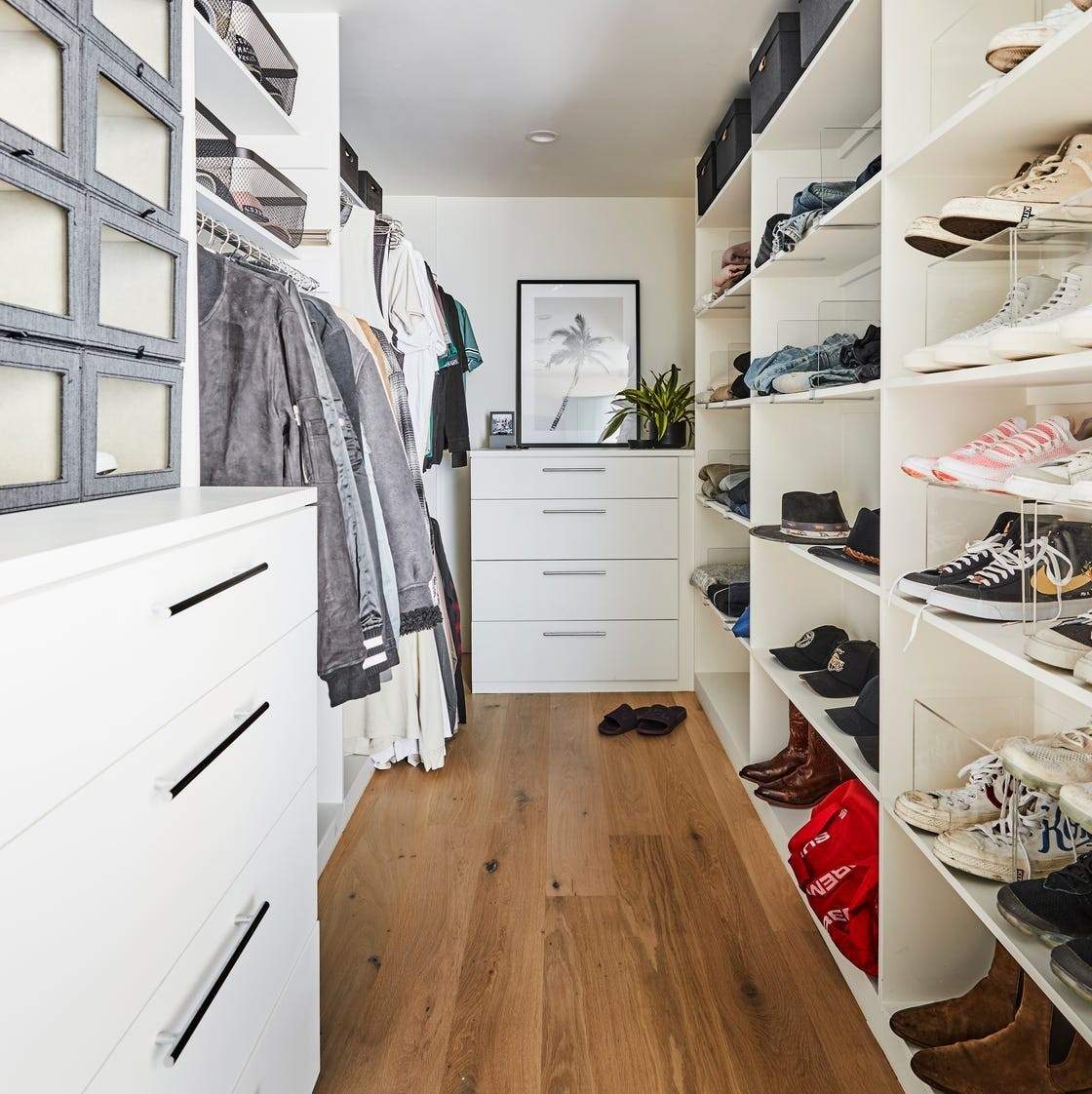
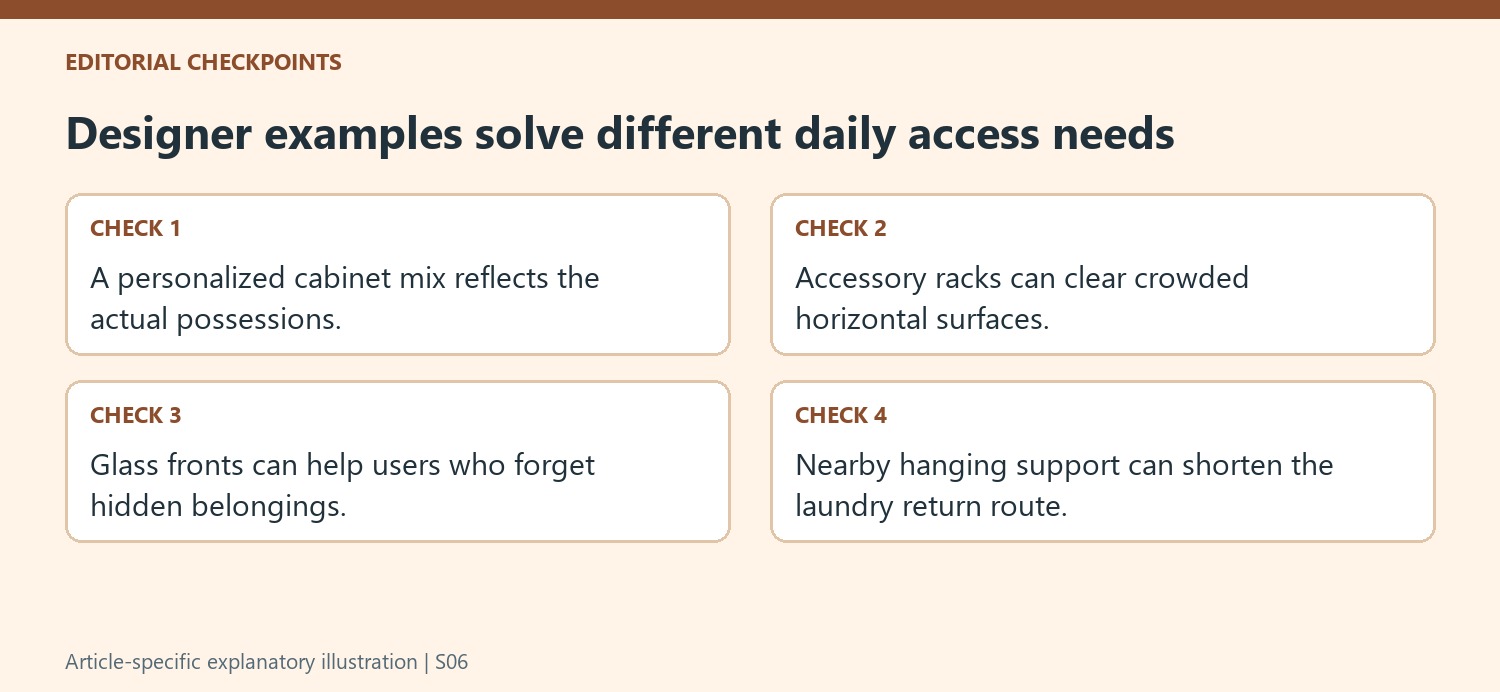
The article shows dedicated accessory racks that move headbands or scarves away from crowded surfaces. Open shelving and glass front storage are other examples intended to improve visibility. These approaches suit different preferences: someone who forgets hidden items may value a clear view, while another user may prefer contained categories. Choose around actual behavior rather than a display style alone. Use drawers, racks or compartments that support the items and remain easy to restore after use. An open arrangement should still have boundaries, so visible storage does not become a collection of unrelated objects placed wherever space appears.
Connect the wardrobe to laundry handling
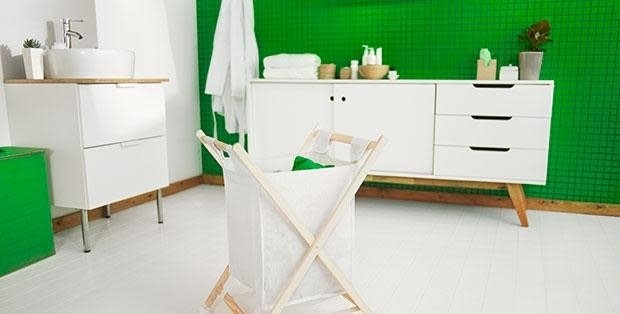
A hanging position near laundry equipment is another example in the source, allowing suitable garments to be hung promptly after drying. Check the available clearance and installation requirements rather than copying a photograph without considering the room. The intended benefit is a shorter path between clean laundry and its next proper position. Keep the broader closet from becoming overfilled as well: a useful arrangement needs room for retrieval and return. Adapt selected ideas at the scale the home requires, combining appropriate support, visible categories and a workable laundry flow instead of reproducing every decorative feature from a designer closet.
Let the inventory explain the compartment mix
The source's combined closet-and-office example includes separate places for clothing, stationery, and laundry equipment. It illustrates how a successful layout can begin with the owner's actual possessions rather than a standard balance of shelves and rails. Identify what truly belongs in the dressing area and what would be better elsewhere before adding another cabinet. Long dresses need different clearance from folded sweaters, and office supplies should not quietly take the only convenient space for daily clothing. Where storage is shared, recognizable sections can clarify who uses each area. This does not require a large room. Even one drawer or shelf can become more useful when its purpose is tied to the objects and repeated actions it must support.
Choose visibility that the user can maintain
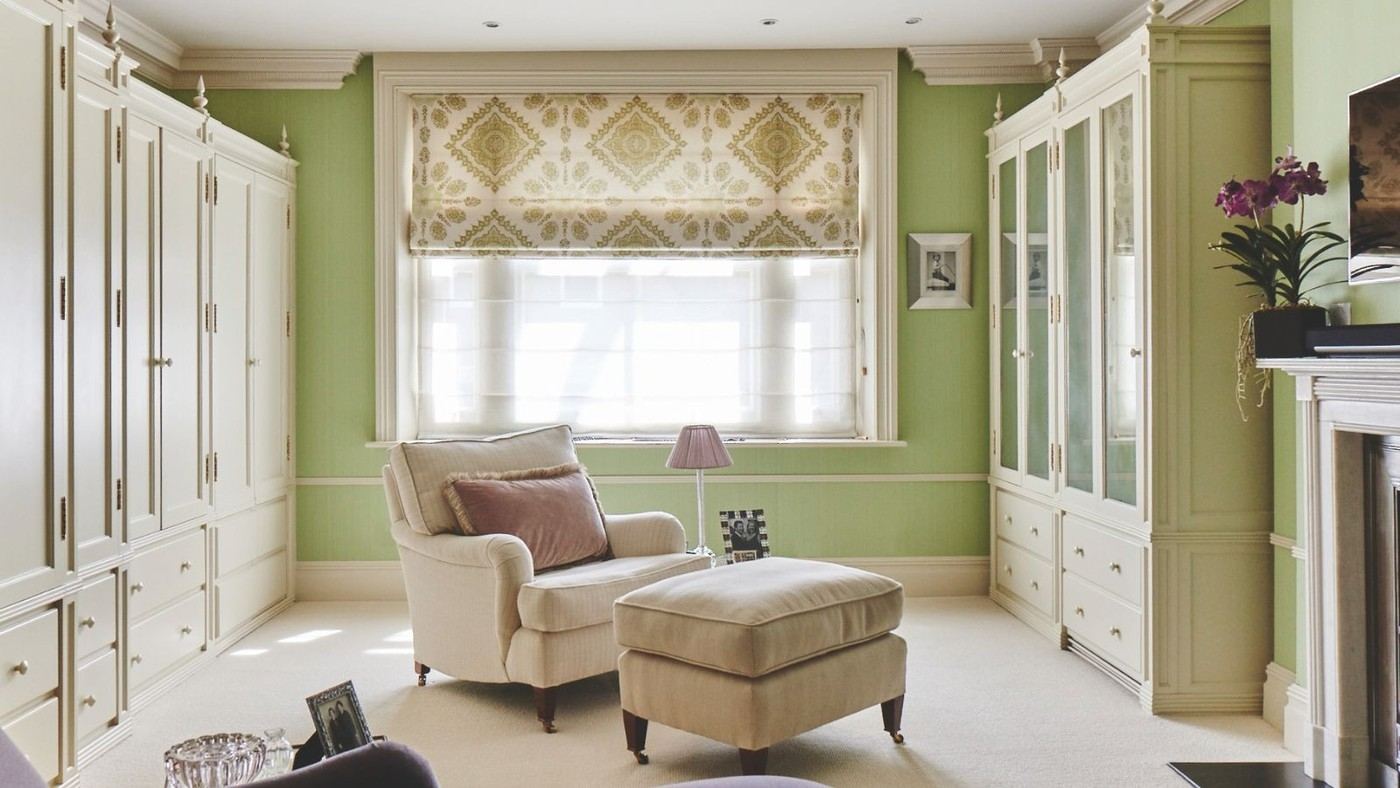
House Beautiful shows accessory racks, open shelves, and glass-front cabinetry as ways to keep belongings in view. Those approaches are most relevant when hidden items are frequently forgotten. Consider which category needs that visibility and whether the user can restore the arrangement easily after selecting an item. A small rack may keep scarves or headbands clear of a dresser, while divided storage can prevent a visible shelf from becoming a mixed pile. Glass fronts still need suitable shelves and accessible contents behind them. A display is useful when it makes an ordinary choice simpler; it should not demand elaborate restyling whenever one piece is removed. Keep boundaries between categories even when everything remains open to view.
Shorten the route between clean laundry and support
One source example places a hanging rod near the laundry machines so suitable garments can be hung promptly. Apply the principle at the scale the room supports, checking clearance above equipment, reach, installation, and the movement of baskets or doors. The goal is a convenient next position for clothing, not a rail squeezed into any available gap. A garment that needs folding should still move toward suitable support rather than hang simply because a rod is close. Review the broader route from unloading to final storage as well. If clean pieces repeatedly stop in a temporary pile, identify the difficult step and simplify it. This connects decorative closet ideas with the practical work that keeps the system usable after laundry day.
References
- 50 Closet Storage Ideas to Make Your Life Easier in 2025. House Beautiful.