GarmentCare Guide
Choose a width that fits the drawer
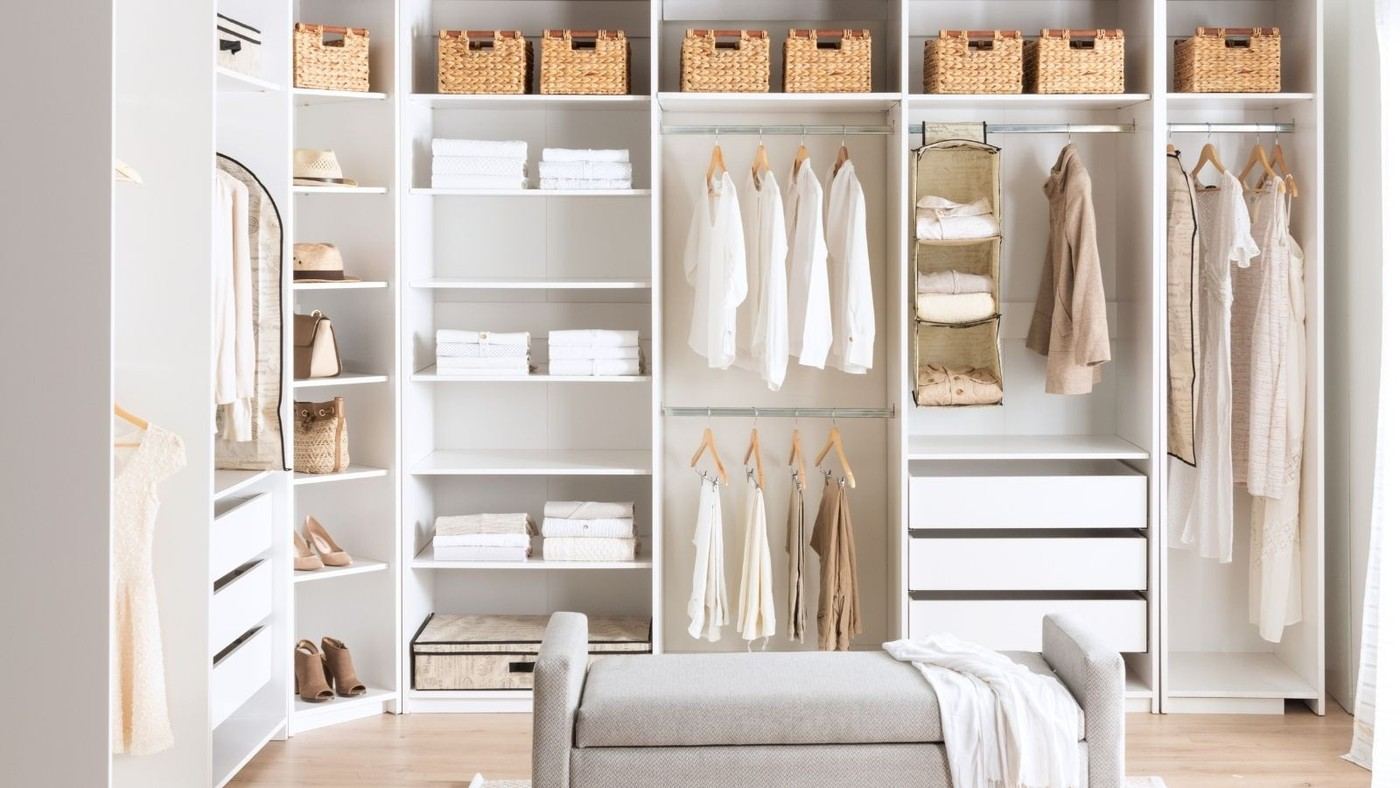
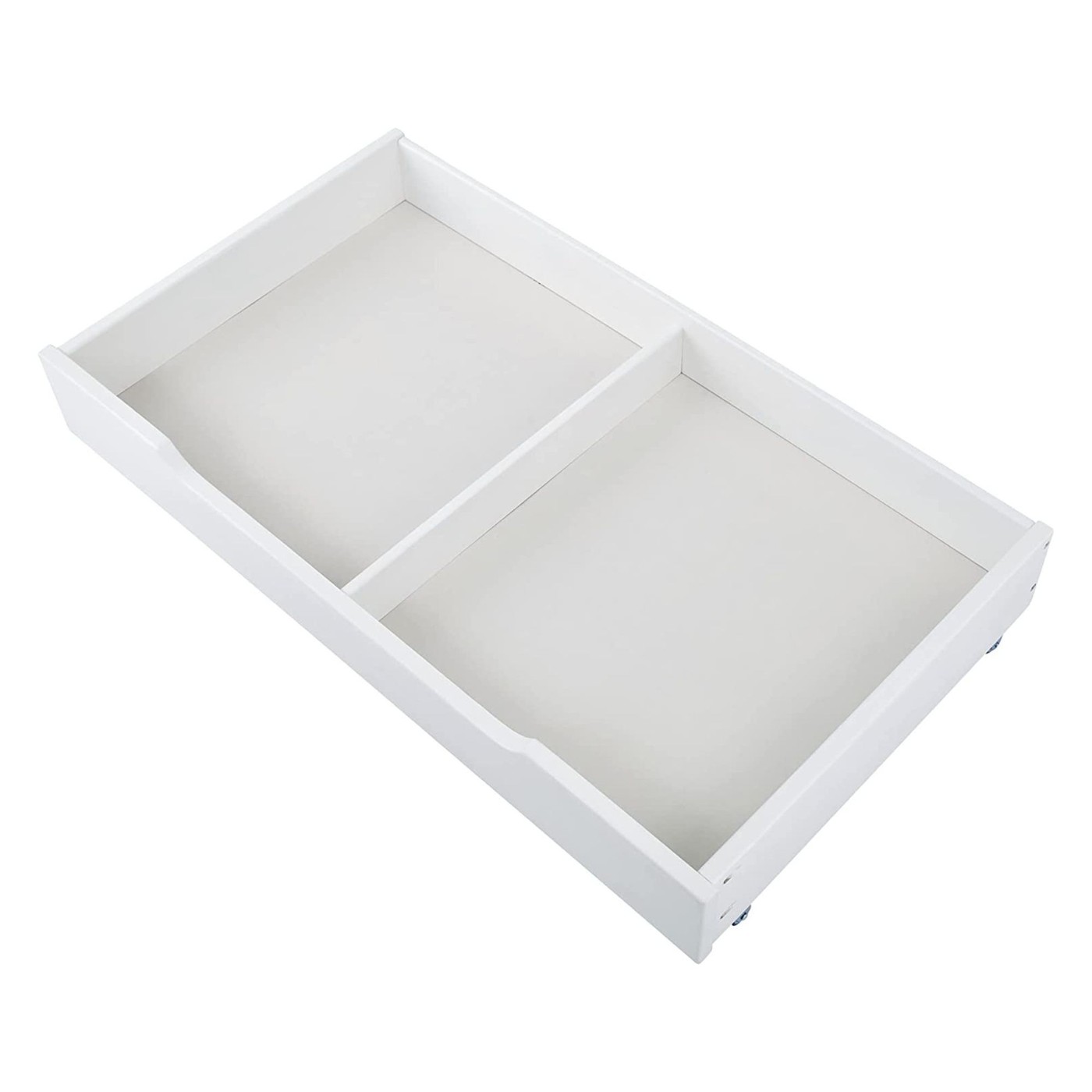
Homes and Gardens highlights consistent width as a practical foundation for file folding. When folded items sit upright in a row, a much wider piece can interrupt the arrangement and leave difficult gaps. Start with the available drawer dimensions and choose a workable size for the clothing being stored. Adjustable dividers may help keep rows aligned, especially as items are removed. They should support the arrangement rather than squeeze it tightly. A row is useful when pieces can be seen, selected and returned independently, so leave enough room for normal handling instead of treating every empty space as wasted capacity.
Keep useful identifying features visible
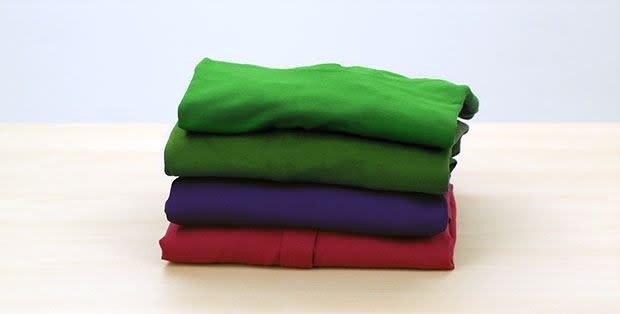
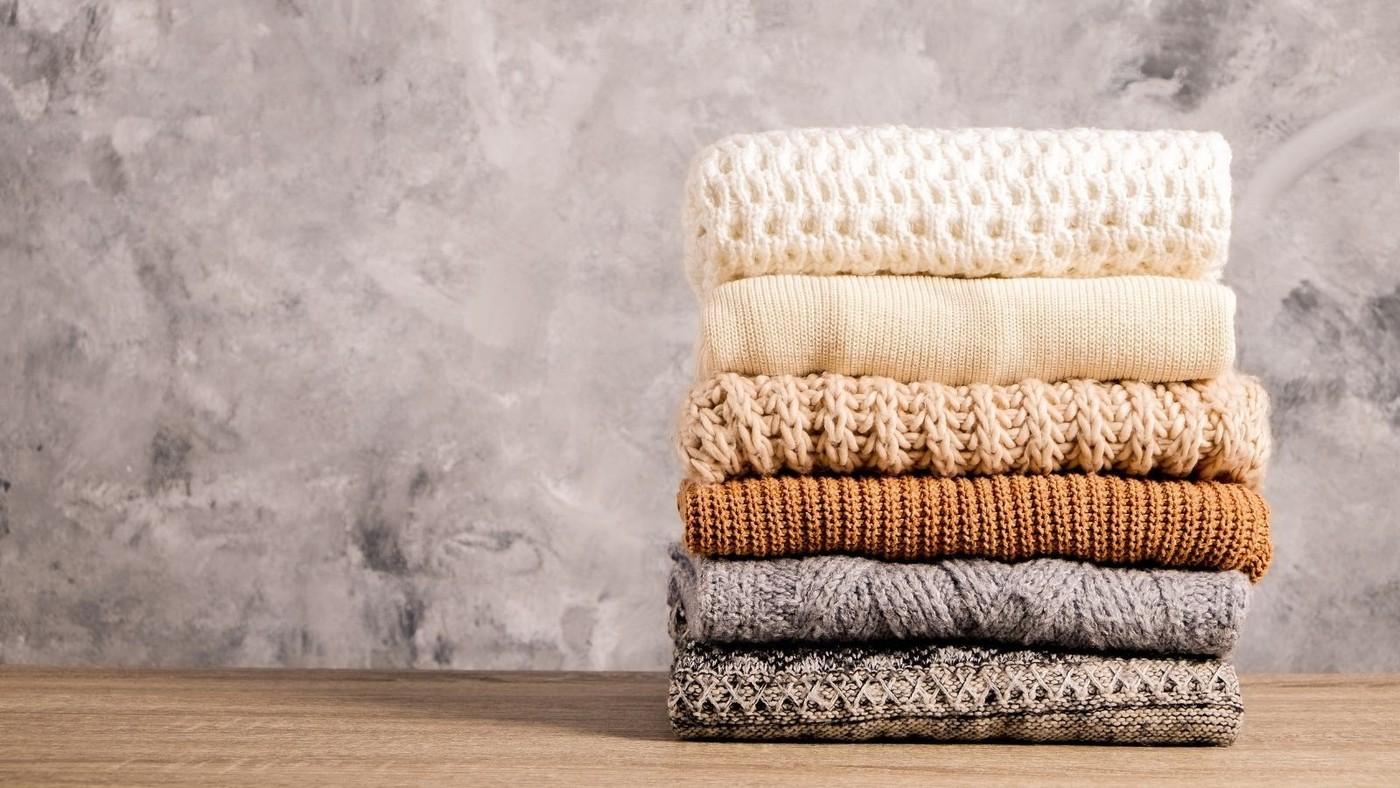
The article recommends folding basic and graphic T-shirts for drawer storage, arranging a visible detail so the desired item can be recognized. A graphic folded inside a plain rectangle may make several different shirts look identical. Bulkier pieces such as sweaters and sweatshirts may work better as supported shelf stacks than as overfilled drawer contents. Group similar weights and types together so a thin top is not lost between heavy bundles. Match the method to the clothing and its destination rather than insisting that every item in the wardrobe must fit one precise fold.
Fold small items without stretching them
Socks are another part of the storage system. The source favors laying a pair together and folding it into a compact bundle rather than stretching one cuff around a ball. Small compartments can help pairs remain together without being mixed into larger clothing. Review how the drawer behaves after several normal uses: collapsing rows or inaccessible pieces suggest a layout change is needed. Folding is not simply a display technique completed once. It works as a repeated habit, with suitable space, visible contents and manageable groups making the next laundry return easier than starting the arrangement over again.
Set the row width from the drawer and the clothes
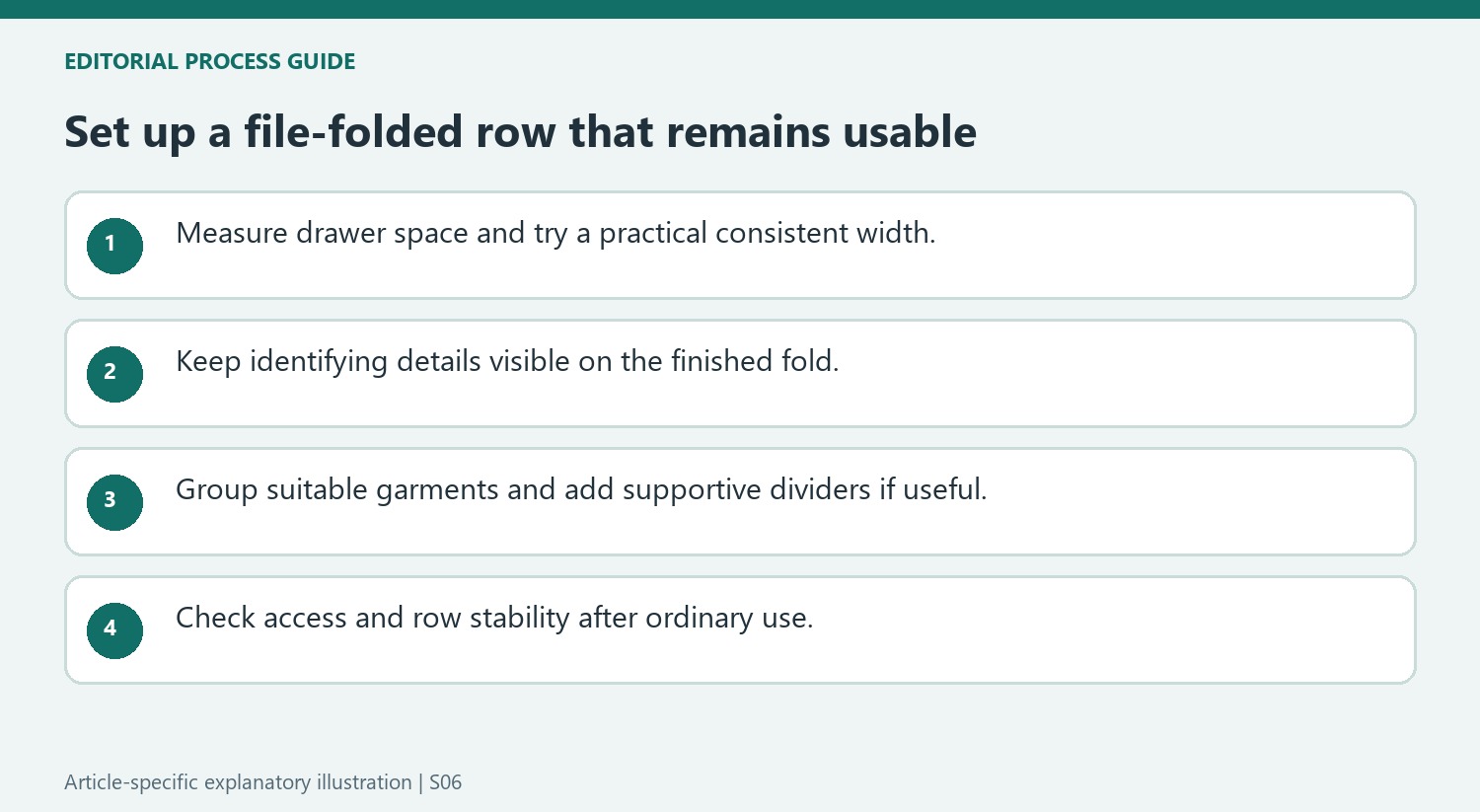
The source emphasizes consistent width because one oversized folded item can interrupt a row and create awkward gaps. Measure the usable drawer space and choose a practical width for a group of similar garments. It need not be the smallest possible rectangle. The finished pieces should stand or sit with support while remaining easy to select. Adjustable dividers can help maintain a row as clothing is removed, but they should not compress bundles so tightly that retrieval becomes a struggle. Try the arrangement with several actual items before folding the whole category. That small check reveals whether the chosen width, depth, and grouping work together or merely look compact on the folding surface before anything reaches the drawer.
Preserve clues that help identify an item
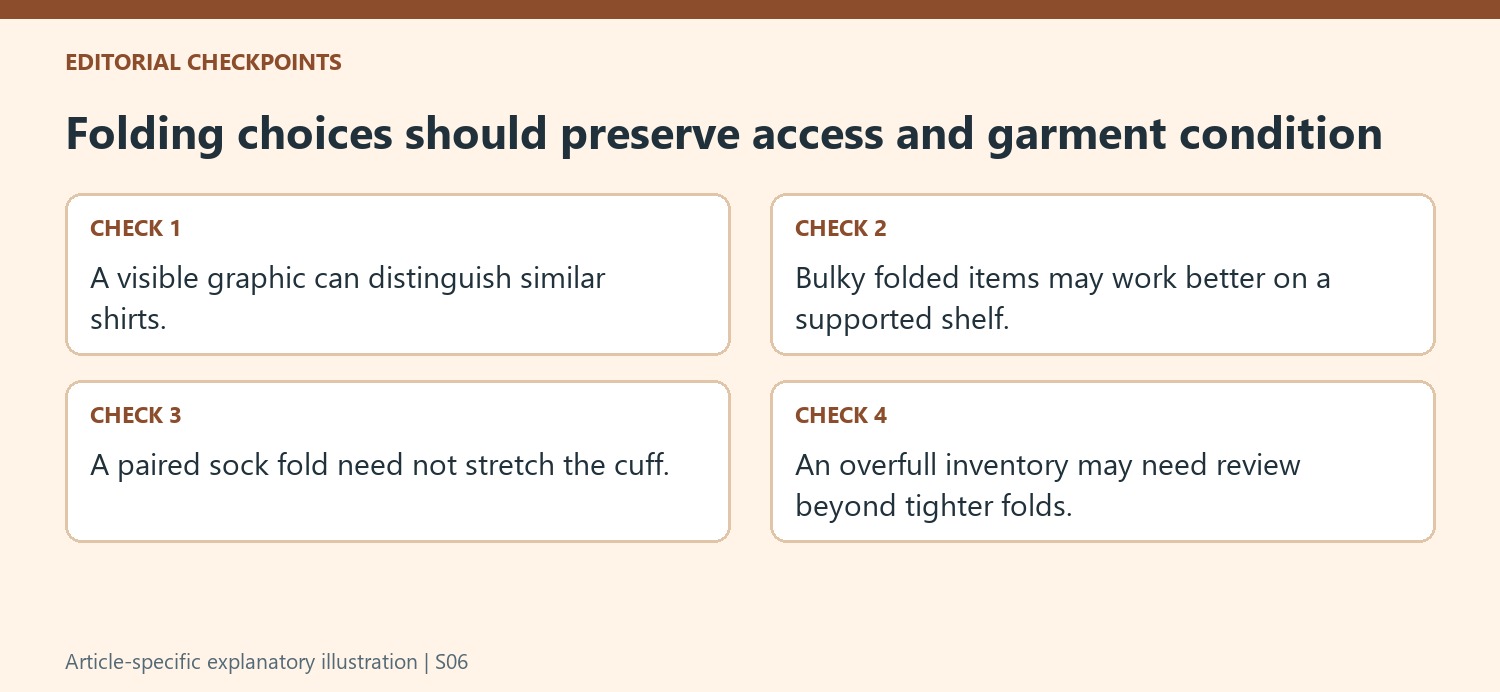
The source recommends keeping a graphic visible when a T-shirt is folded for drawer storage. This is a functional detail: otherwise several shirts can become nearly identical plain rectangles. Look at the part that will face upward or outward in the actual arrangement and adjust the fold where the garment allows. Group similar weights so a thin shirt is not concealed between bulky sweaters or denim. The article favors shelves for many heavier folded items, leaving drawers for pieces that work better as accessible rows. Match the destination to the clothing instead of insisting that file folding is the answer for every category. Visibility saves effort only when the garment can also be removed without dismantling the surrounding arrangement.
Include small items in the maintenance check
The article applies the same storage logic to socks, recommending a paired fold instead of stretching a cuff around a tight ball. Lay the pair together and form a manageable bundle, then use an appropriate small compartment if that helps keep pairs distinct. Avoid pulling elastic simply to create a more secure package. After a few normal uses, inspect the whole drawer rather than assuming the initial layout will maintain itself. Collapsed rows, concealed items, and an awkward laundry return show where support or grouping needs adjustment. If suitable folding still cannot accommodate the retained clothes, review the quantity and storage allocation. More precise folds cannot indefinitely solve an inventory that exceeds the usable space available for everyday access.
References
- How to fold clothes to save space – three steps to streamlined clothes storage. Homes and Gardens; Chiana Dickson.