GarmentCare Guide
Count the different kinds of storage needed
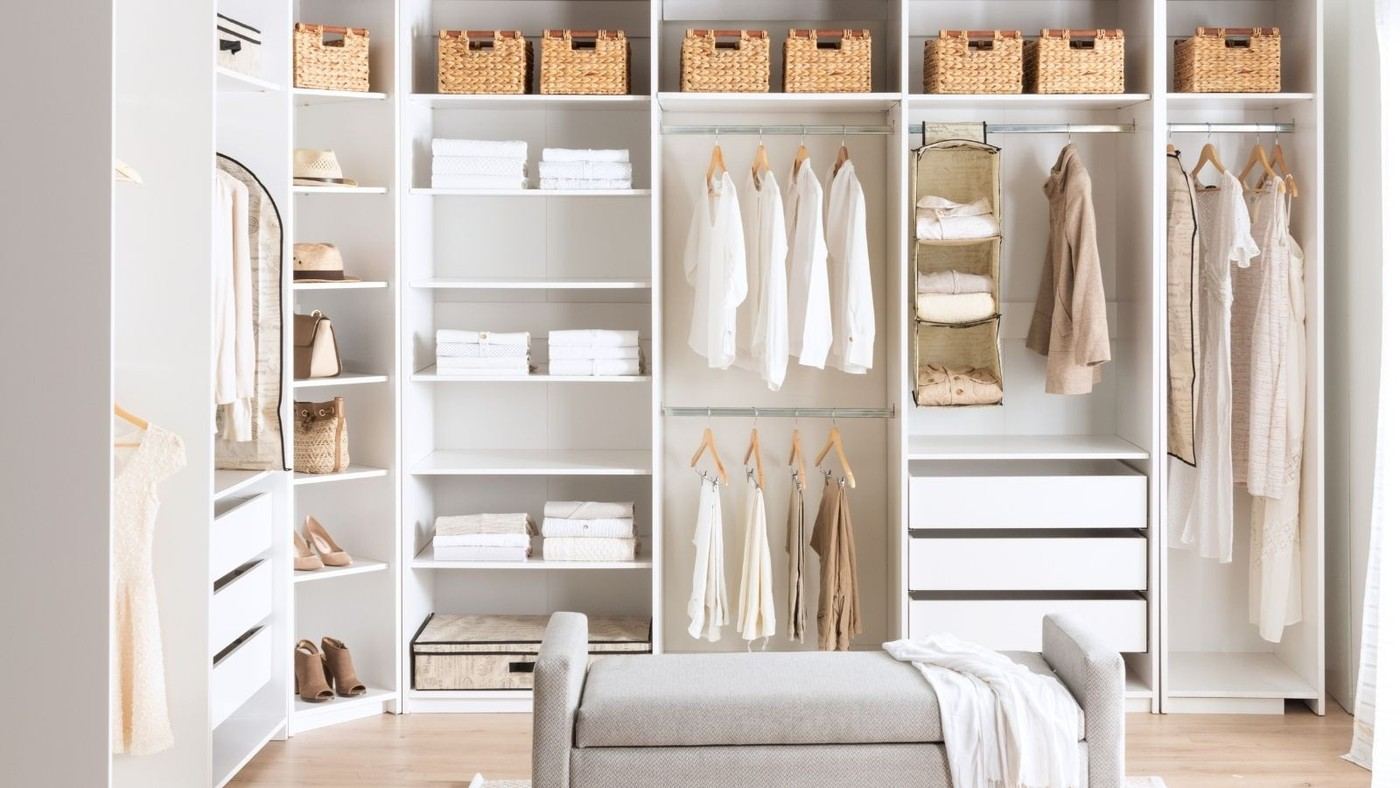
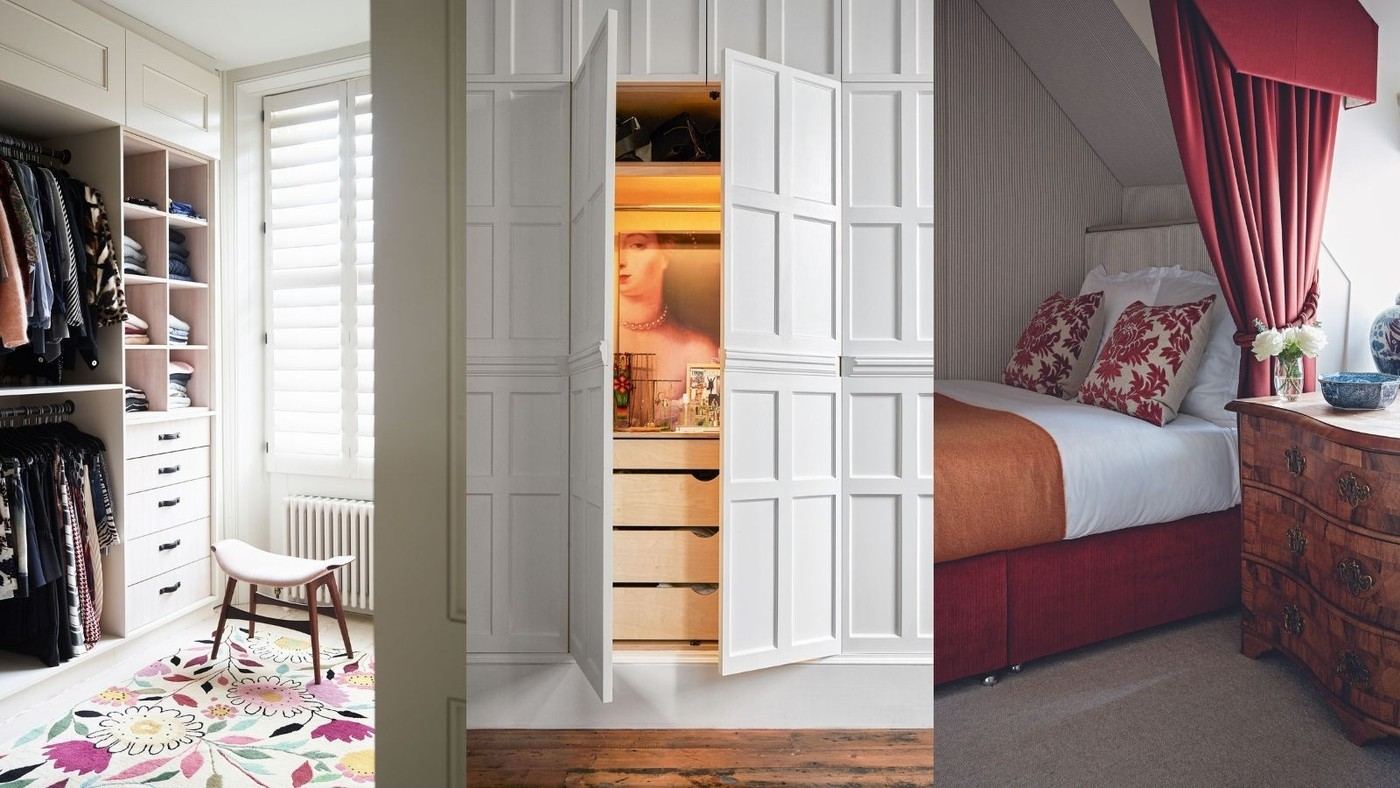
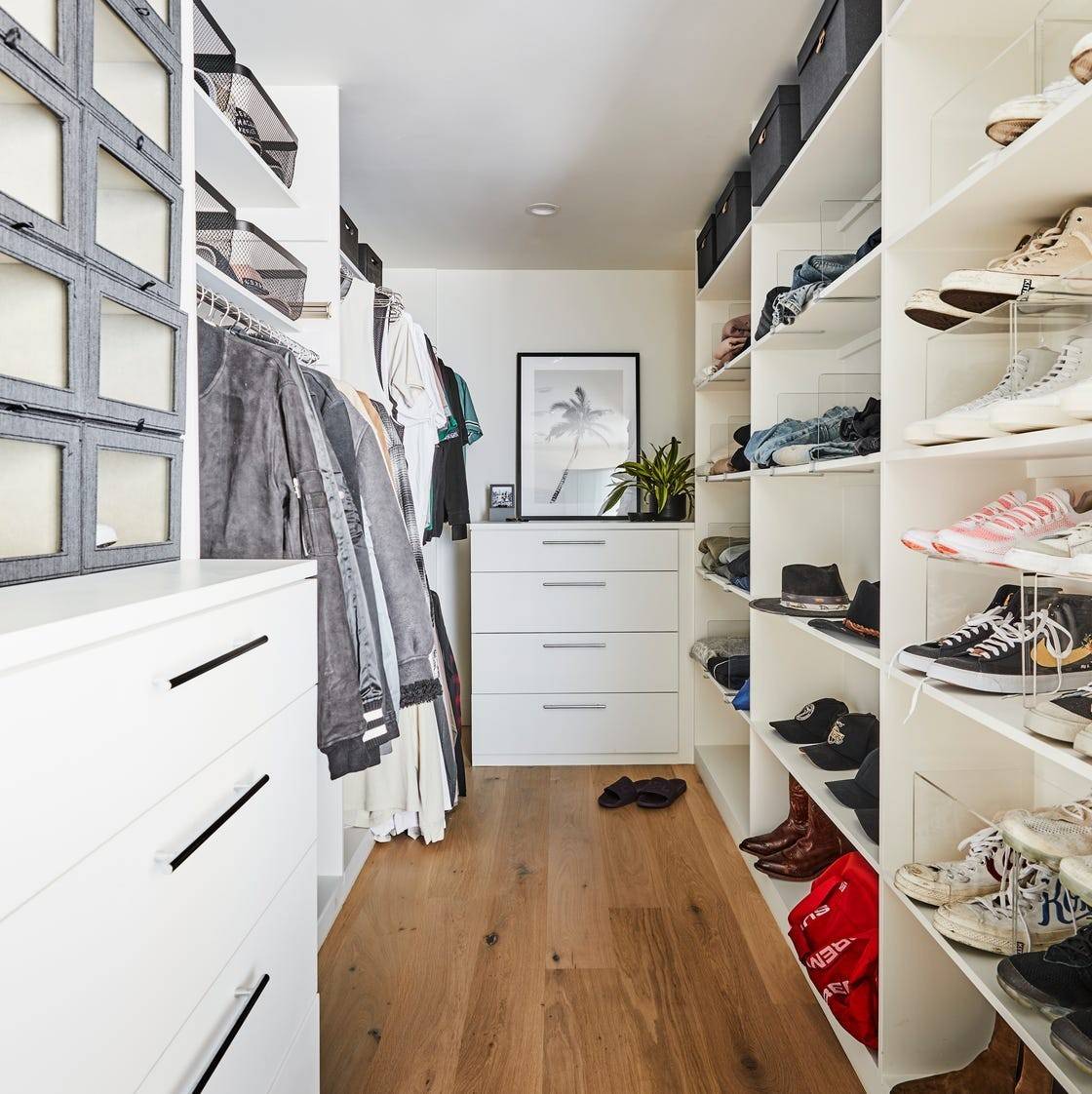
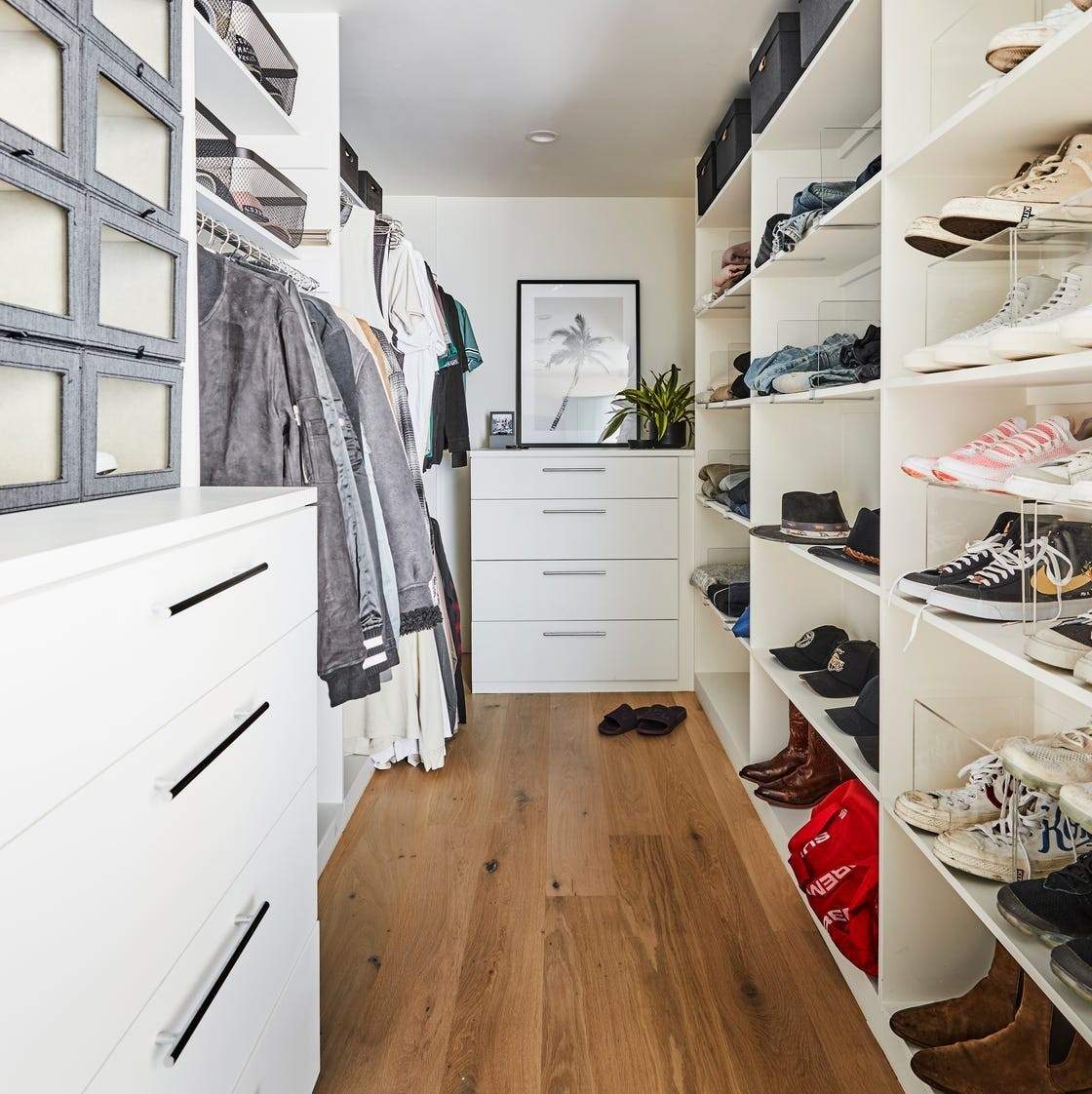
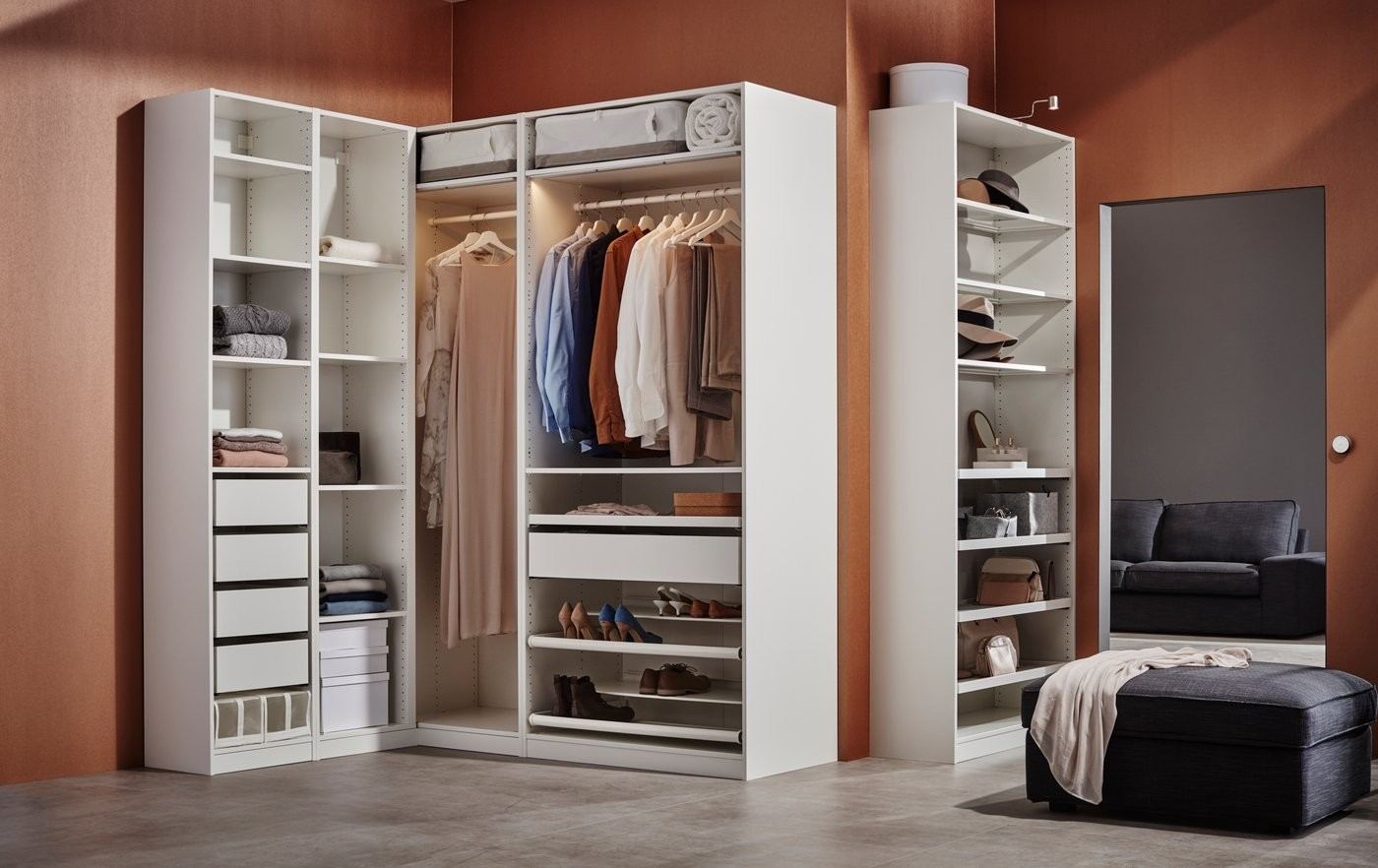
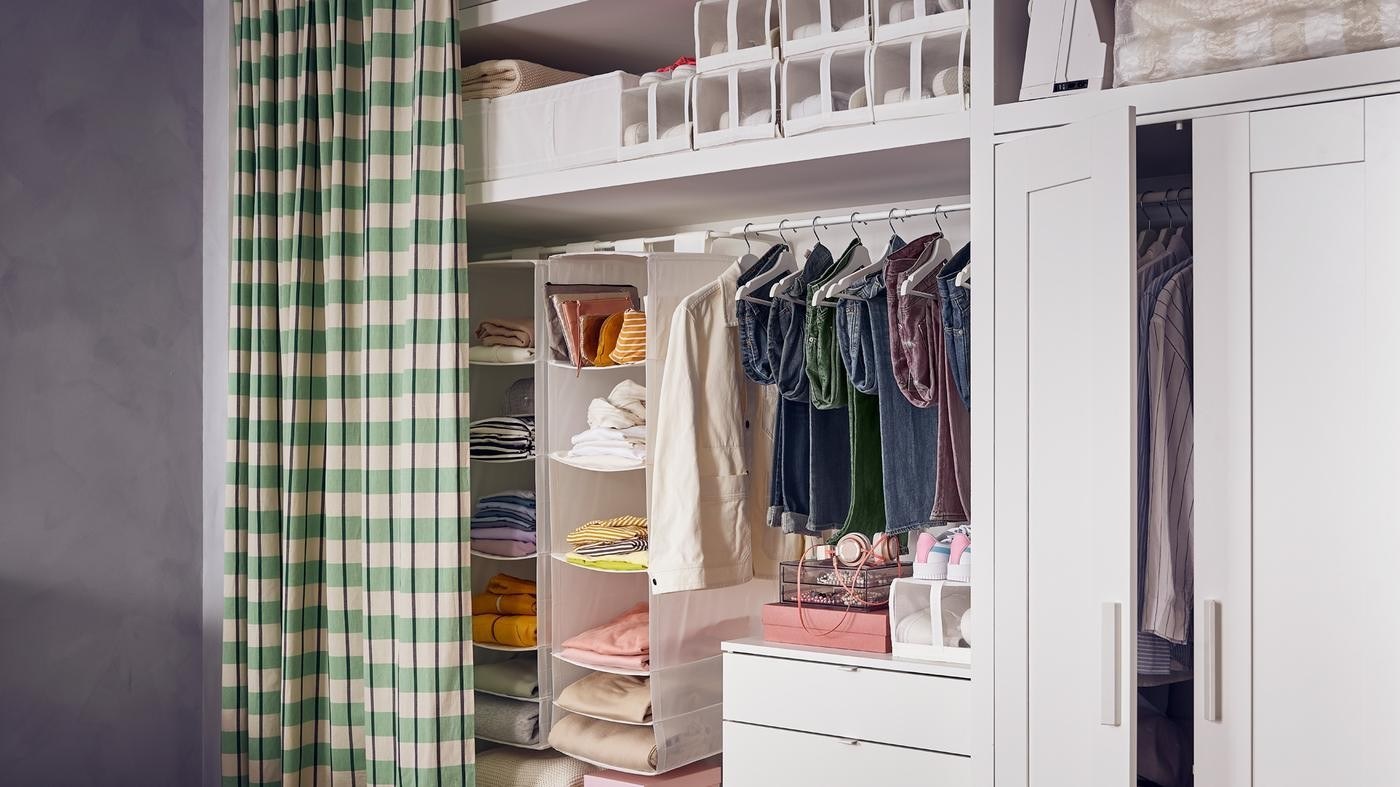
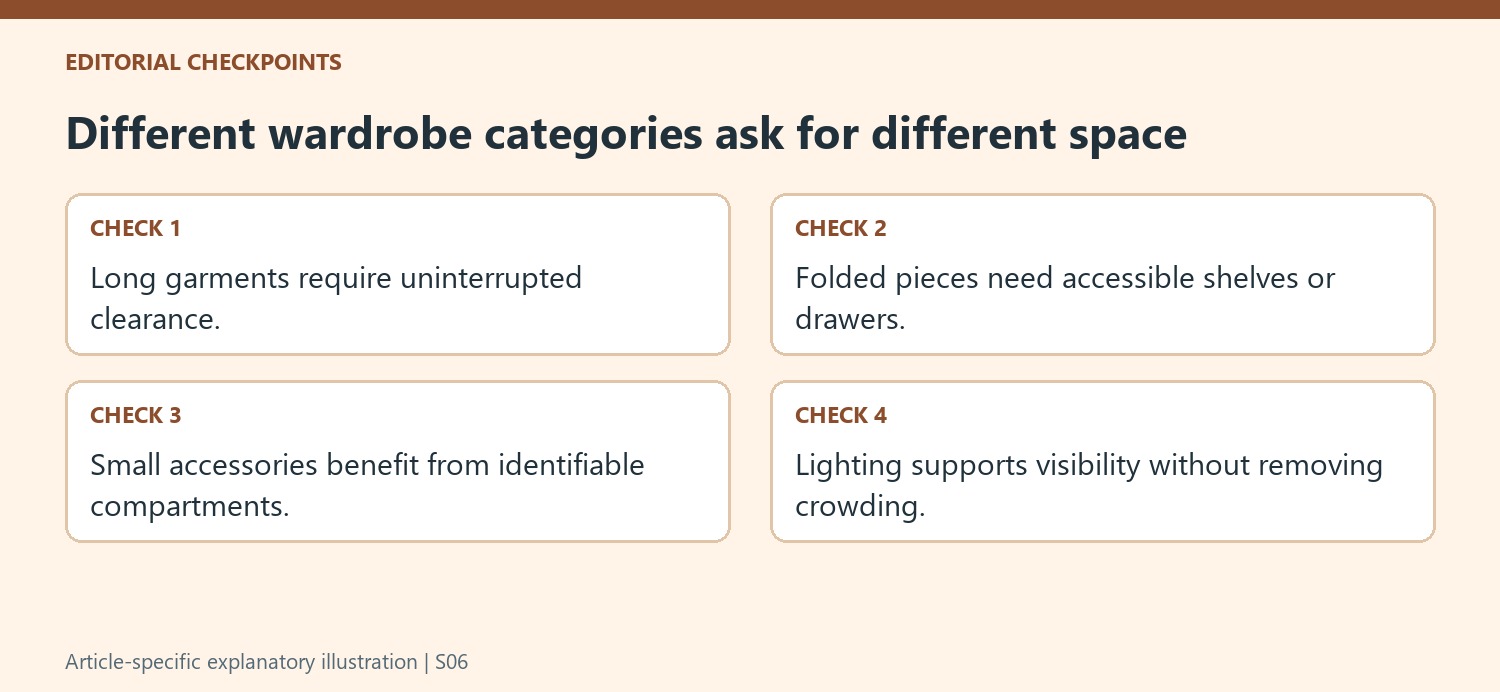
Before changing a wardrobe interior, consider the categories that need a place. IKEA's guide distinguishes clothing, footwear, outdoor gear and accessories because they make different demands on space. Long hanging pieces need clearance, folded items need usable shelves and small accessories can disappear in an undivided drawer. This inventory is useful whether buying a new wardrobe or improving an existing one. A system with ample hanging rail may still be a poor fit for someone who stores most clothes folded. Match the layout to the possessions and the room shape instead of choosing solely from the cabinet's outside dimensions.
Use containers and hanging space together
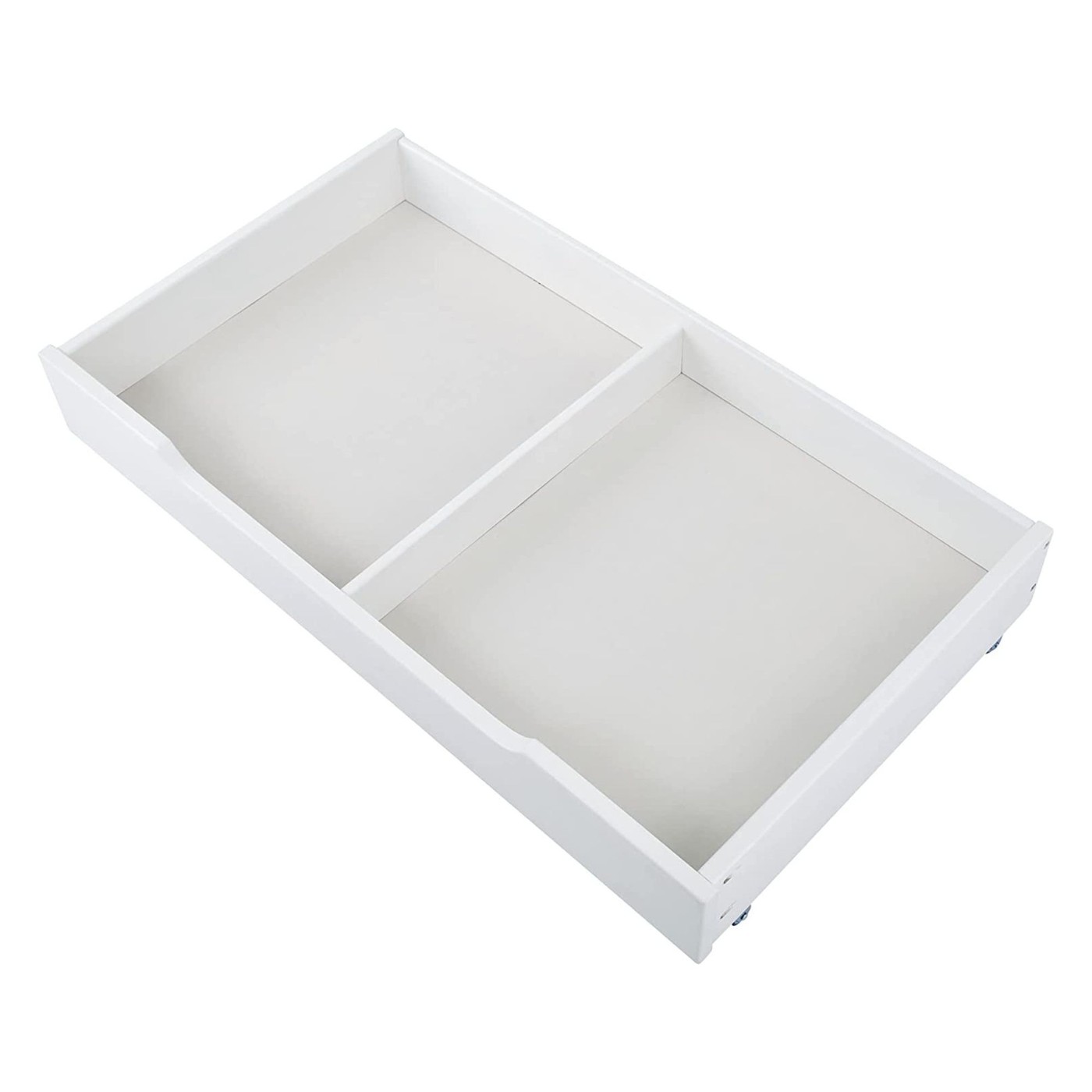
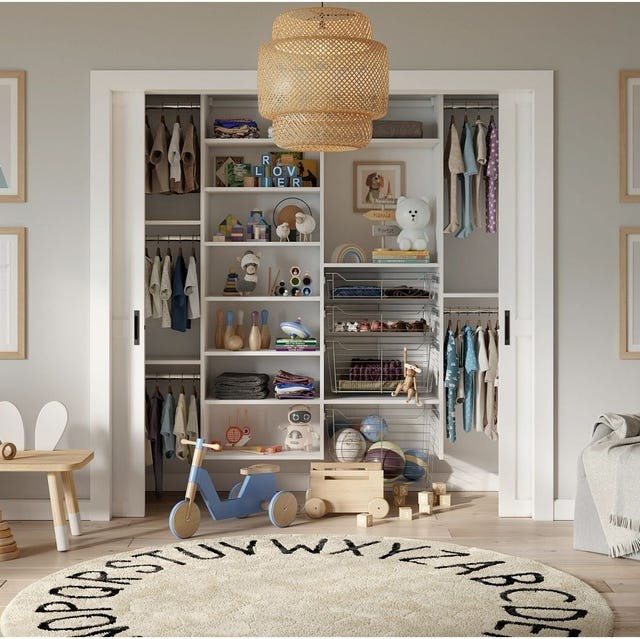
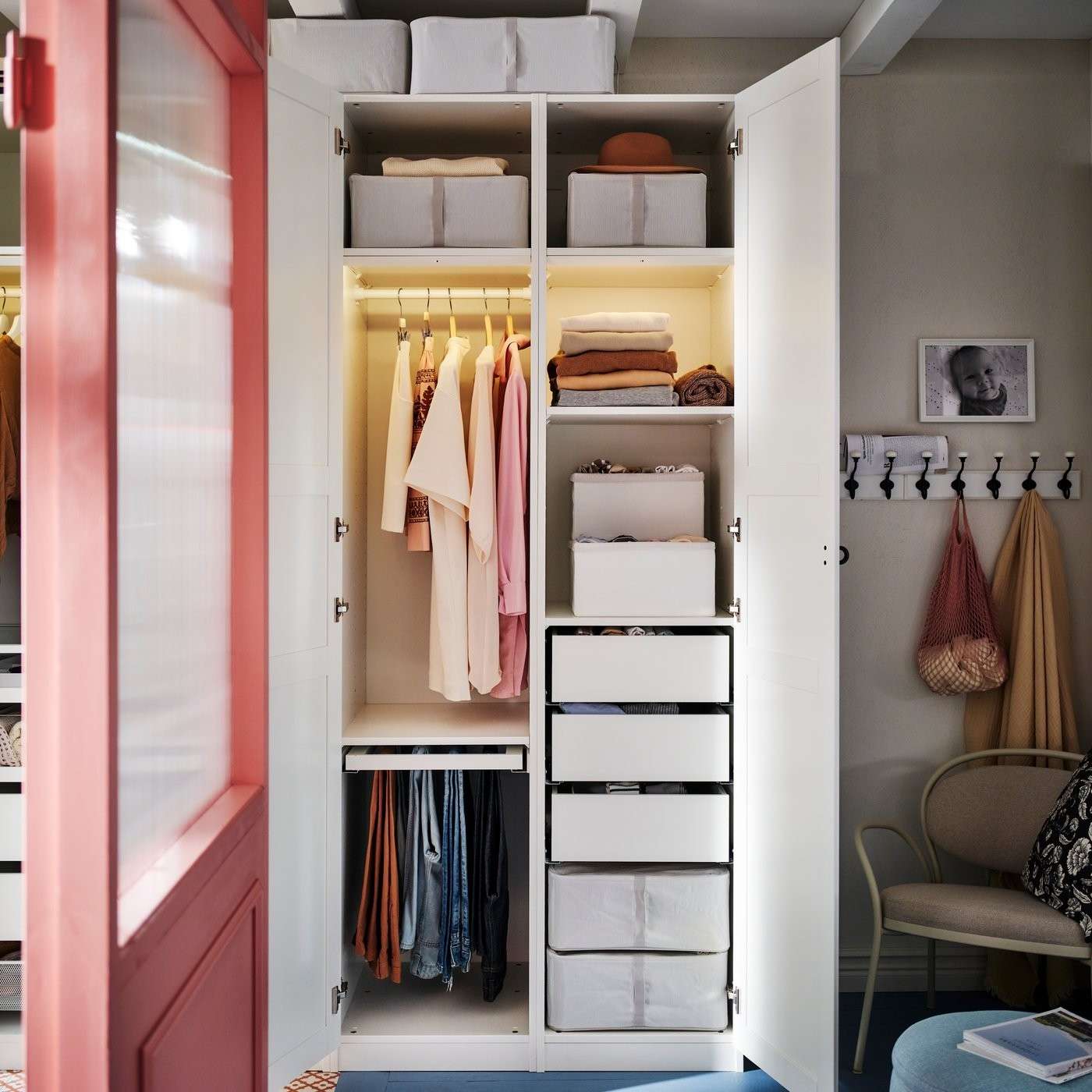
Boxes can contain scarves, gloves and seasonal pieces, while smaller compartments help make a drawer easier to navigate. Choose sizes that fit the available shelf or drawer rather than leaving awkward gaps or blocking access. Hanging organizers can introduce shelf style storage inside a rail area, giving folded pieces a place without requiring separate furniture. Keep the clothing's support needs in mind when deciding what goes on a hanger. Accessories such as belts and scarves may benefit from visible hanging storage because individual items can be found and returned more easily than in a mixed pile.
Improve visibility and keep reviewing the contents
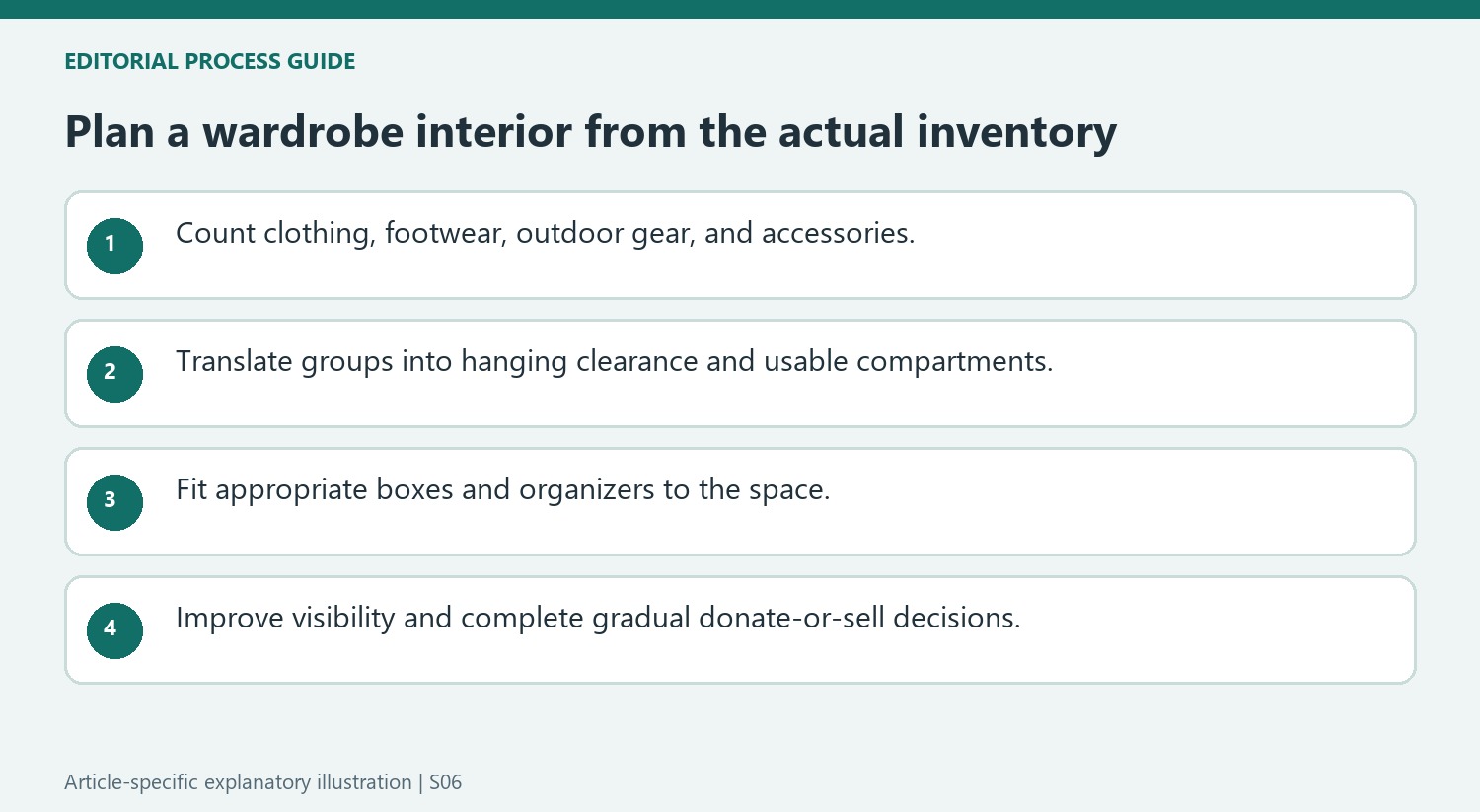
Lighting inside or above a wardrobe can make the selection easier to see, provided fixtures are suitable and installed according to their instructions. Visibility works alongside organization rather than replacing it: a brightly lit crowded rail is still difficult to use. IKEA also suggests keeping a bag for items to sell or donate, adding pieces as decisions are made instead of waiting for one large clearout. Review that bag and complete the next step regularly. A useful wardrobe remains adaptable as clothing changes, with storage choices supporting current needs rather than preserving a layout after it has stopped working.
Translate an inventory into usable dimensions
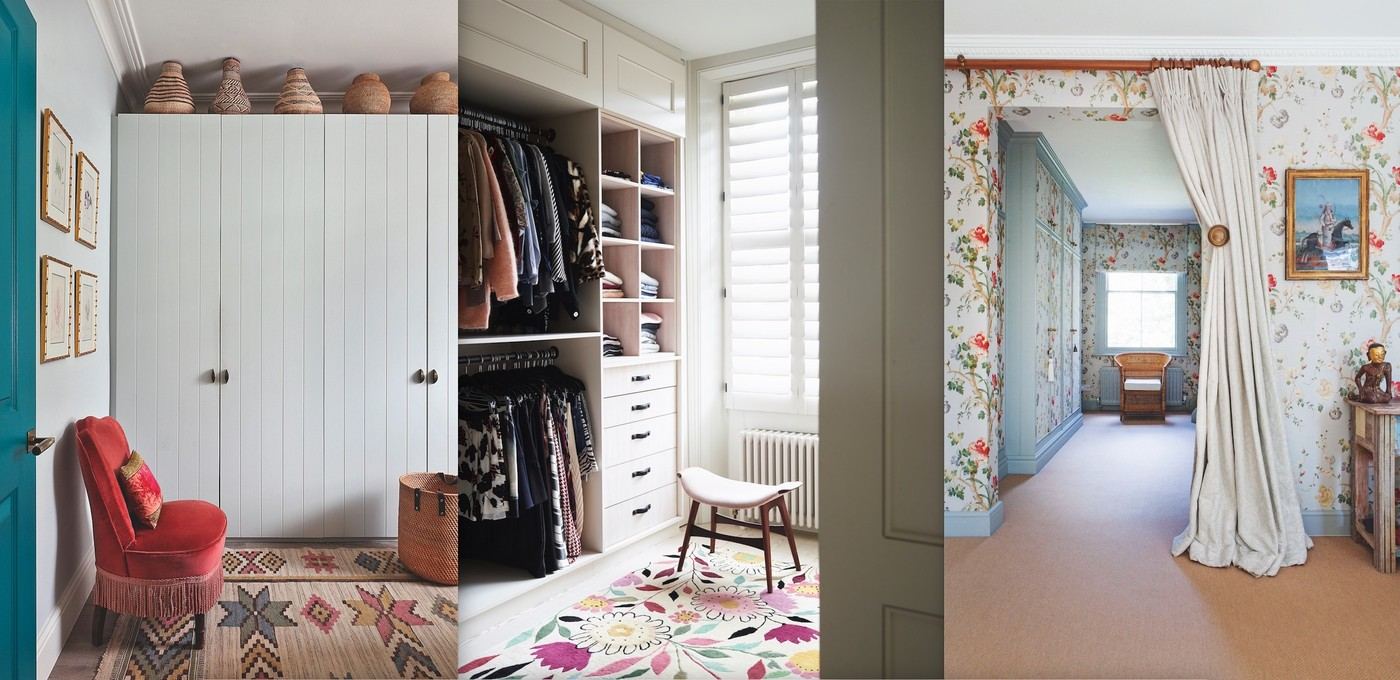
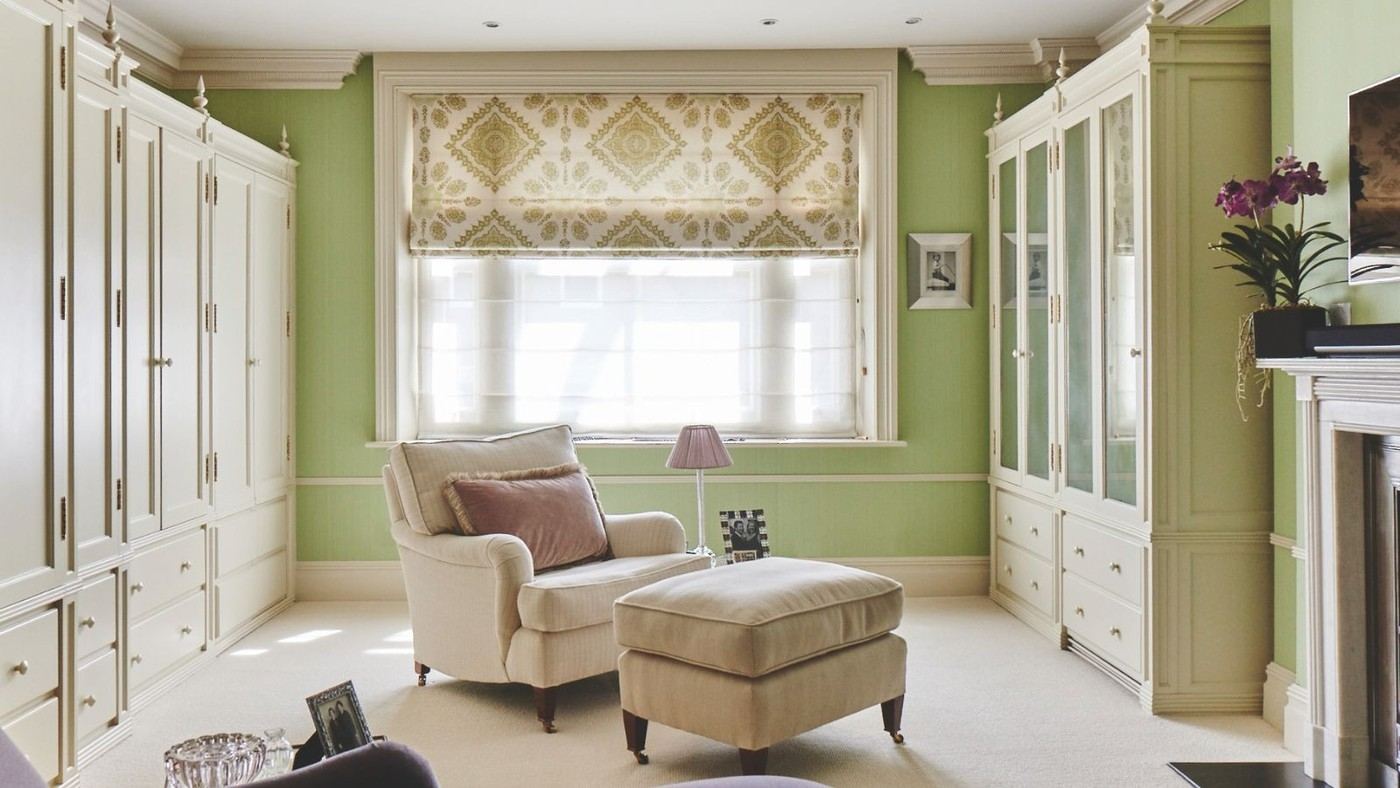
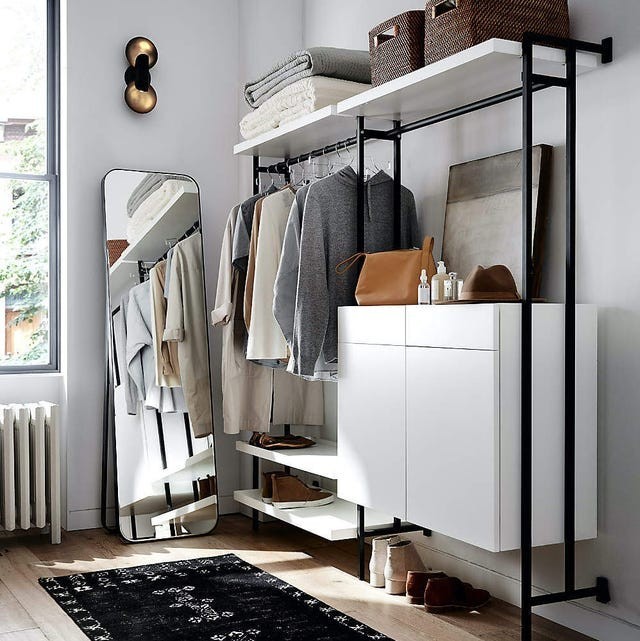
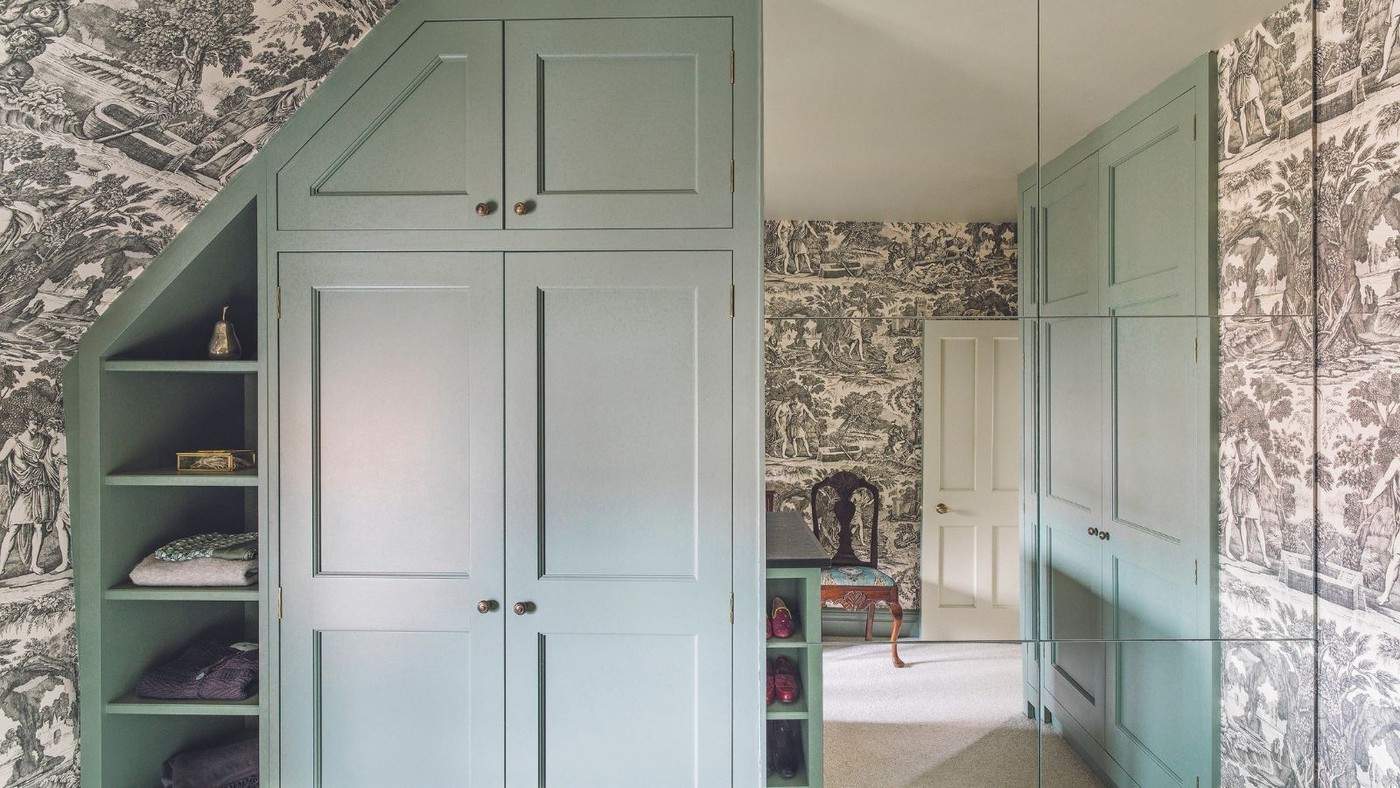
IKEA begins with the amount and kinds of possessions to be stored. Turn that inventory into practical space questions before selecting an interior layout. Long garments need uninterrupted hanging clearance, folded clothing needs shelves or drawers that can be reached, and shoes occupy a different shape from scarves or gloves. The outside width of a wardrobe does not describe how well those categories will fit inside. Consider the room as well, particularly if its shape makes a standard arrangement awkward. A narrow or open system may offer options, but the installation and load limits still need to match its instructions. Compare the usable compartments with actual items rather than assuming a larger cabinet automatically solves a poorly matched interior.
Use smaller compartments to keep accessories identifiable
The guide recommends boxes in sizes suited to the available shelf and drawer spaces. This is especially useful for small accessories that otherwise become one mixed pile. Decide which items need to be seen at a glance and which can be grouped inside a closed seasonal container. A hanging organizer can add shelf-like compartments to rail space, but it should serve clothing appropriate for that support and remain within its load guidance. Check the opening as well as the container's footprint: the arrangement needs room for a hand to retrieve an item and put it back. Coordinated boxes can look orderly while still being inconvenient if every small choice requires removing a stack of containers from the wardrobe.
Make visibility and gradual decisions work together
Lighting can help reveal a wardrobe's contents, as the source suggests, but it cannot compensate for items buried behind one another. Arrange categories so the available light reaches useful choices and use only suitable fixtures installed according to their directions. Then keep a clear route for clothing that is no longer wanted. IKEA's donate-or-sell bag turns those decisions into a small continuing action rather than a single large project. Empty and review it regularly so it does not become another forgotten storage container. As the wardrobe changes, reassess which categories need more or less room. The interior should adapt to current clothing and everyday access, instead of preserving a layout selected for an inventory that no longer exists.