GarmentCare Guide
Assess condition before reserving storage space
Homes and Gardens recommends examining clothing before packing it away for an extended period. Look for stains, damage and repairs that should be addressed while the item is still visible. A piece that needs mending belongs in a deliberate repair process, rather than disappearing into a box until the same problem is discovered next year. Clean retained items according to their care instructions and allow them to dry thoroughly. Storage is not a substitute for dealing with accumulated soil or dampness. Start by separating pieces that are ready to store from those needing attention, so the two groups do not become mixed during a rushed seasonal change.
Keep usefulness and sentiment as separate reasons
The article's organizers discuss both likely future use and sentimental value. Clothing may be worth keeping for a particular event or because it has personal significance, even if it is not part of everyday dressing. Other items may no longer fit a person's life or preferences. Make those decisions consciously rather than storing everything simply because space is temporarily available. Consider the amount and cost of storage alongside the value of what is being kept. A smaller selection with clear reasons is easier to inspect and retrieve than a large collection whose contents are gradually forgotten.
Organize the seasonal exchange in stages
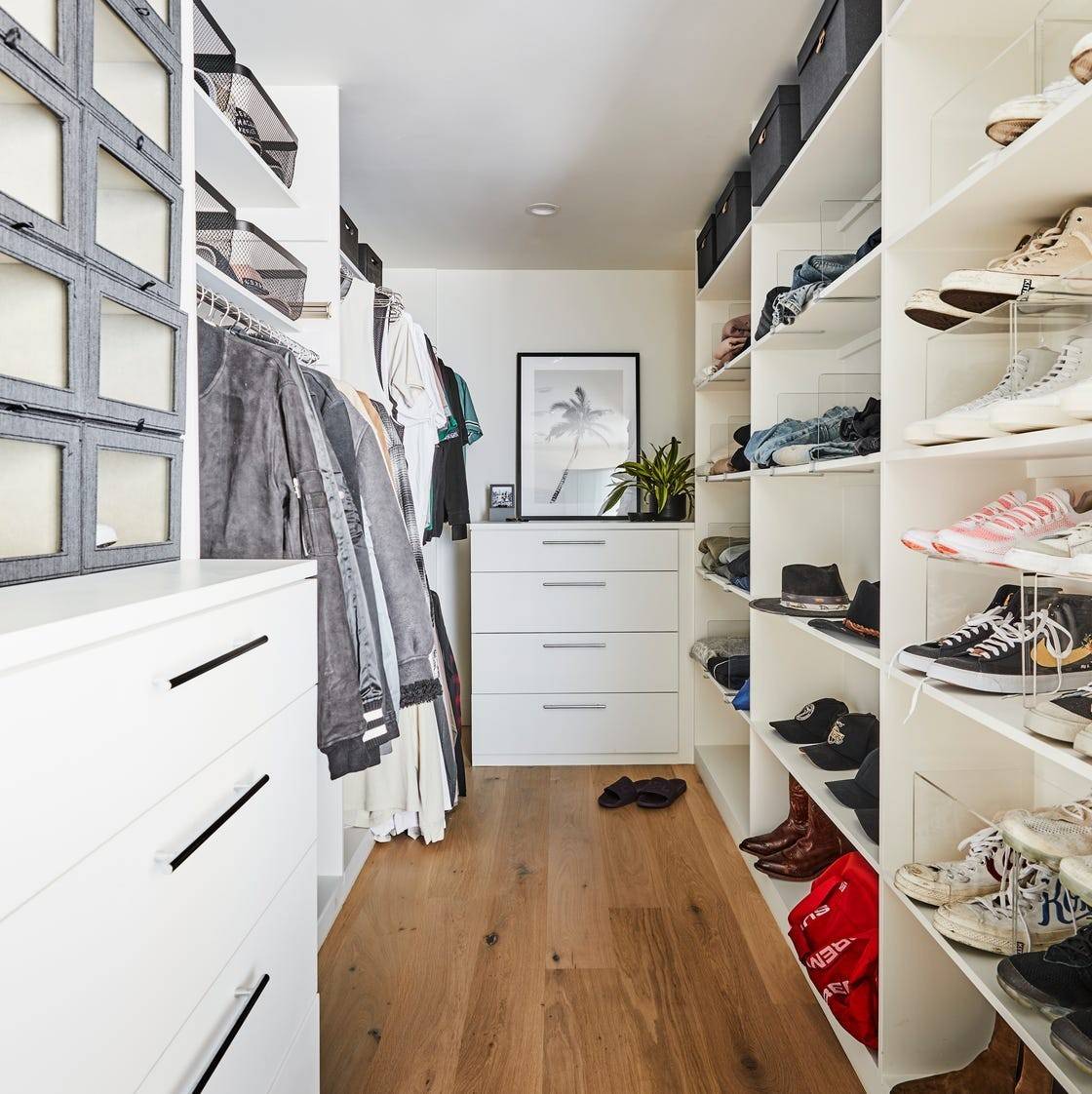
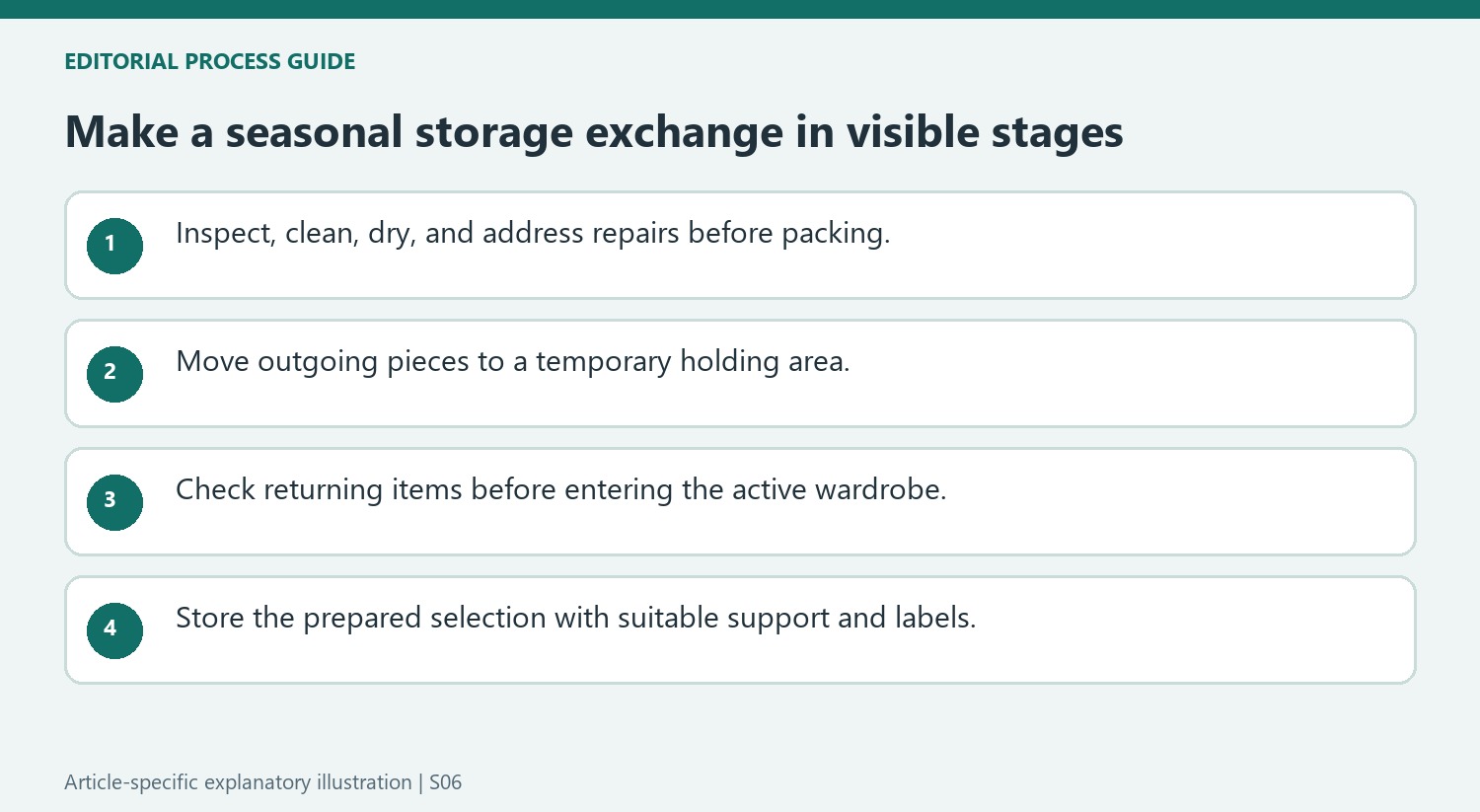
One suggested approach uses a temporary holding area while clothing moves between the active closet and storage. Remove the outgoing items, clean the available space and inspect the returning clothes before putting them into everyday use. Check for damage or signs of pests instead of transferring a problem directly into the main wardrobe. Pack the outgoing selection only when it is clean and fully dry, using storage appropriate to the garments. Label contents so the next exchange does not require opening every container. The goal is a repeatable transition with condition checks, not merely hiding the current season's excess.
Separate ready-to-store pieces from unfinished tasks
The source recommends examining condition before putting clothing away, including whether cleaning or repairs remain necessary. Create a clear distinction between items ready for storage and items waiting for attention. A garment needing mending can be directed toward a sewing area or an appropriate repair professional instead of occupying a sealed box for another season. Clean retained pieces by their permitted method and make sure they are fully dry before packing. Storage hides the garment from everyday view, which makes unfinished problems easier to forget. Complete those decisions while the clothing is accessible. That gives the eventual container a defined purpose rather than using it as temporary concealment for stains, dampness, or repairs that still need a plan.
Match the location and support to the retained item
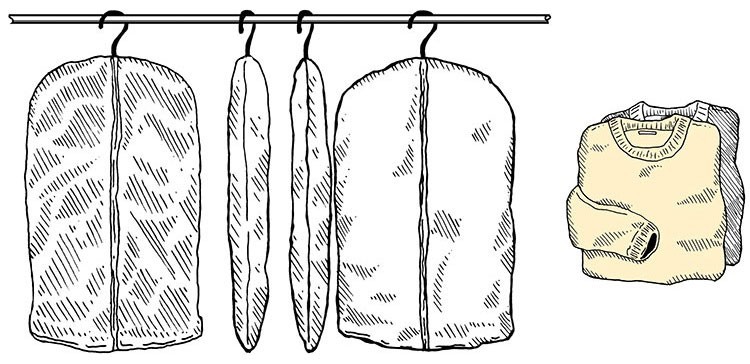
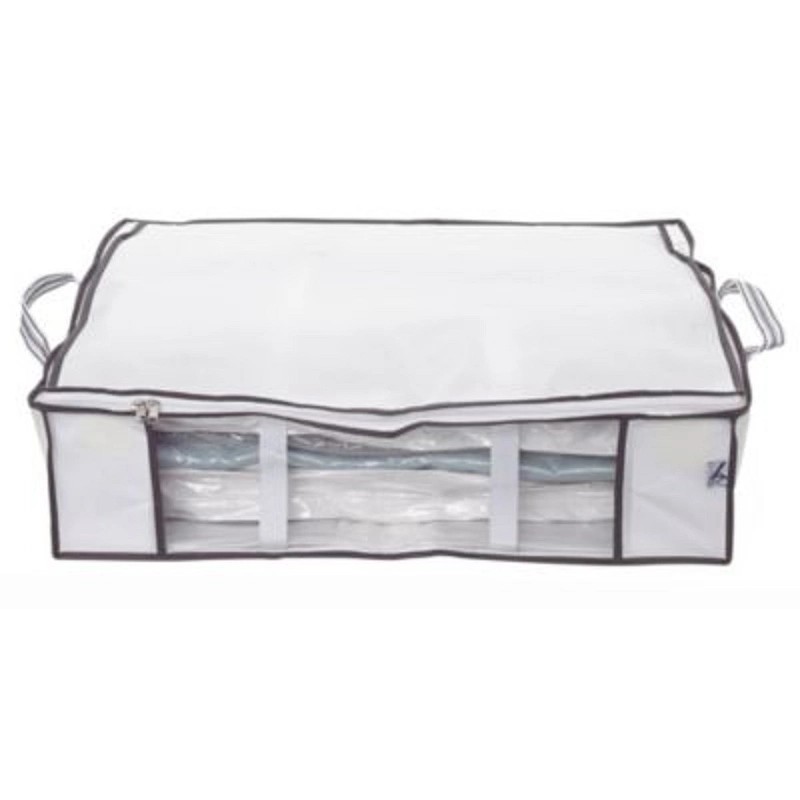
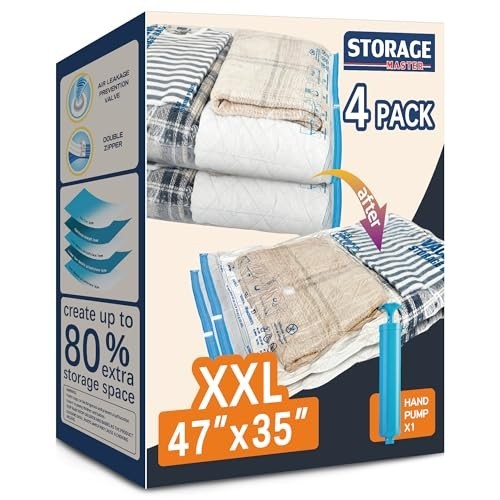
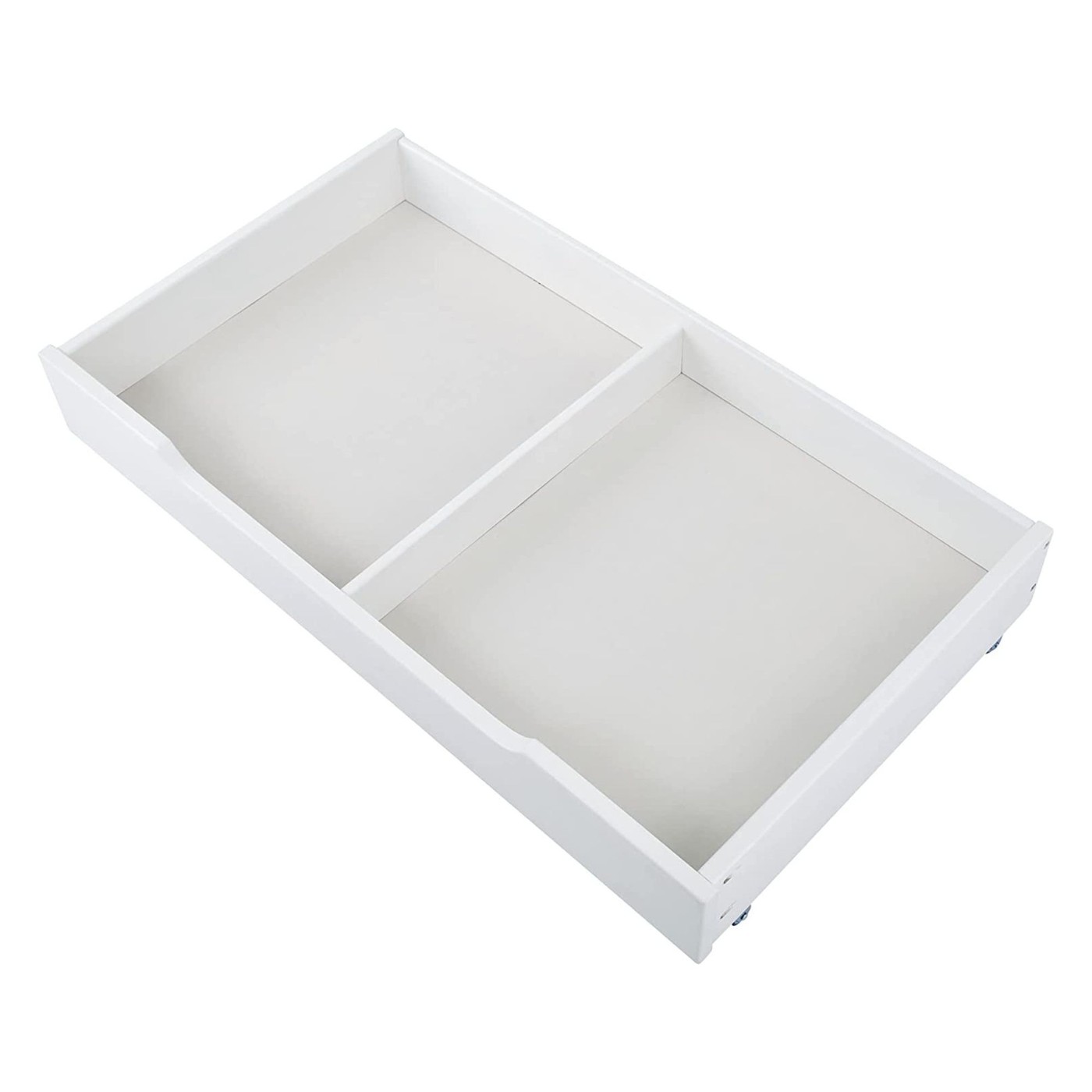
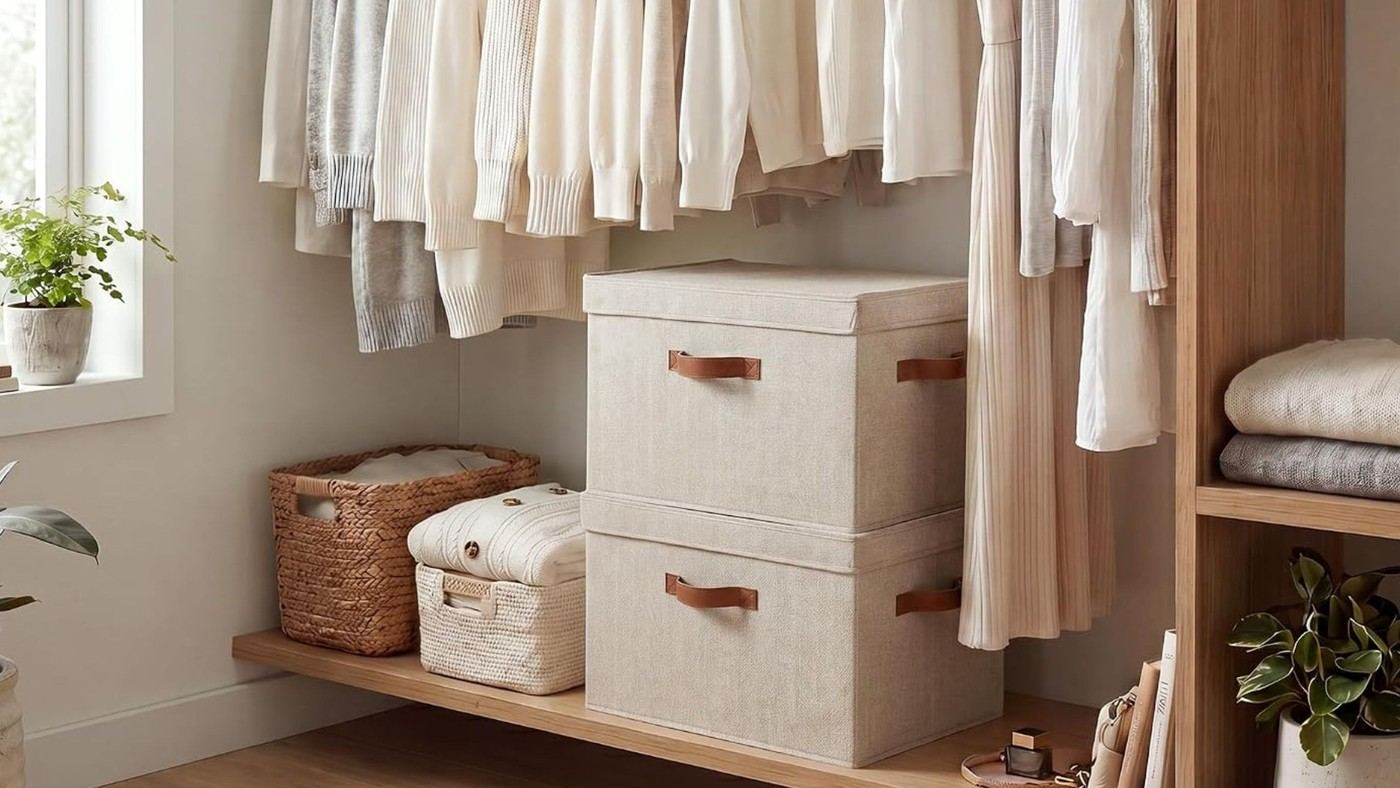
The article describes several storage options but also notes that special garments may require specialist facilities. A valuable or unusual piece should not be assigned to an attic, basement, or tightly compressed bag merely because that space is free. Consider the actual material, construction, moisture conditions, temperature stability, and risk of damage in the proposed location. Choose suitable support and protection for each group, with footwear packed separately where appropriate. A protective bag or box does not make an unsuitable environment suitable, and compression is not ideal for every construction. If offsite care is being considered, compare the service and cost with what is being preserved. The right arrangement depends on the item rather than a universal storage product.
Plan the seasonal exchange as three visible moves
One organizer in the source proposes using a temporary holding area during a seasonal swap. First remove outgoing clothing from the active space, then clean and inspect that space. Bring stored clothing into use only after checking its condition, and move the prepared outgoing selection into storage afterwards. This sequence helps prevent unexamined items from mixing with the ready group. If damage or signs of pests appear, keep the affected clothing separate and address the issue before introducing it to the main wardrobe. Label containers so a later inspection or retrieval does not require opening everything. Long-term storage should still include review; a closed lid is not evidence that moisture, pests, or the clothing's own support needs can be ignored indefinitely.
References
- How to store clothes in the long term – 7 ways professional organizers keep out-of-season items looking as good as new. Homes and Gardens; Ashley Chalmers.