GarmentCare Guide
Plan before buying more containers
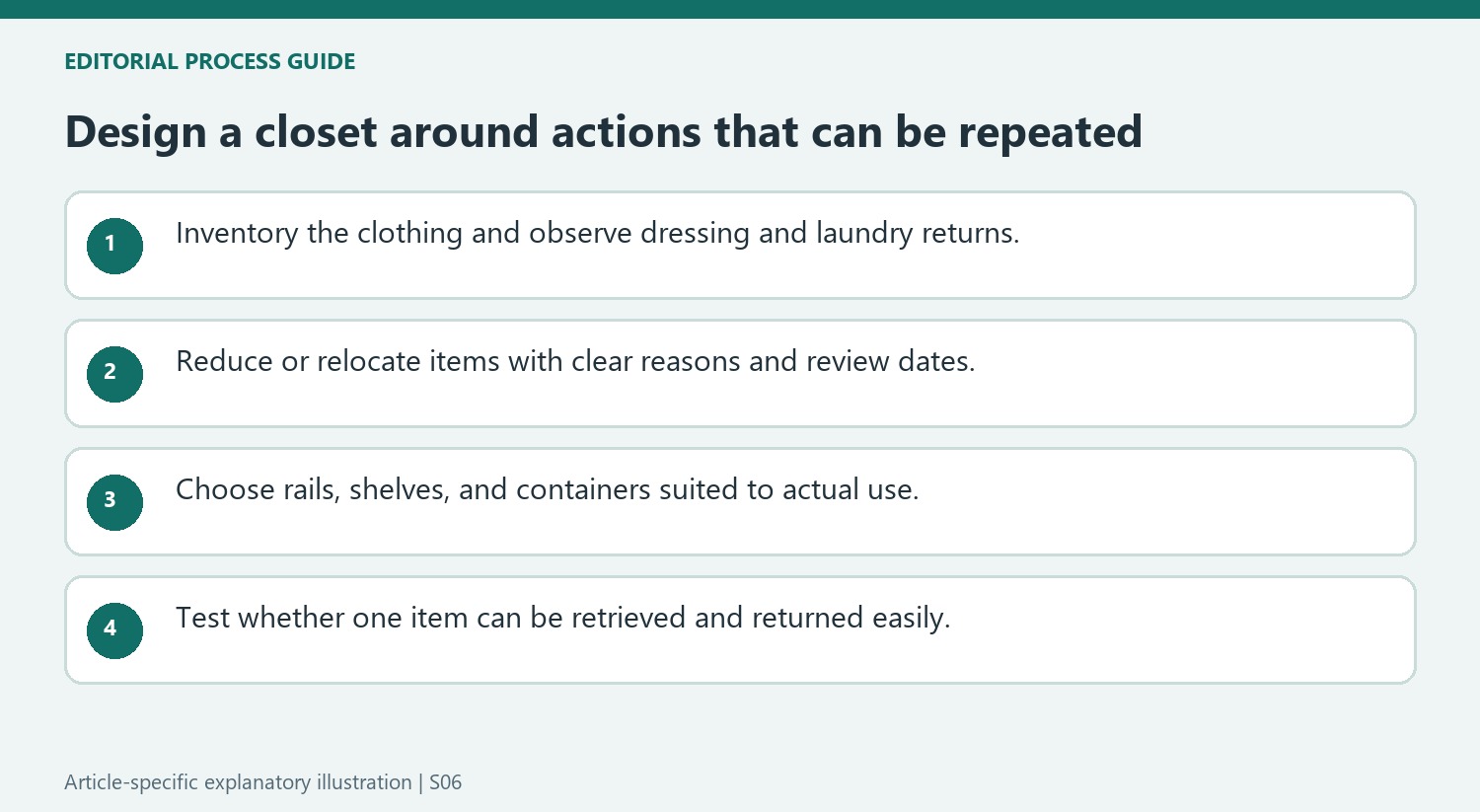
A basket does not automatically create an organized closet. House Beautiful's organizers recommend taking inventory, reducing unnecessary items and observing how the space is actually used before buying storage products. Someone who prefers to fold clothing may not benefit from another pack of hangers, while opaque boxes can frustrate a person who needs everything visible. Think about the actions involved in getting dressed and putting laundry away. A system that adds several small tasks may look orderly on the first day yet become difficult to maintain. Choose storage to support an established routine rather than expecting the product to create one.
Give seasonal and uncertain items a place
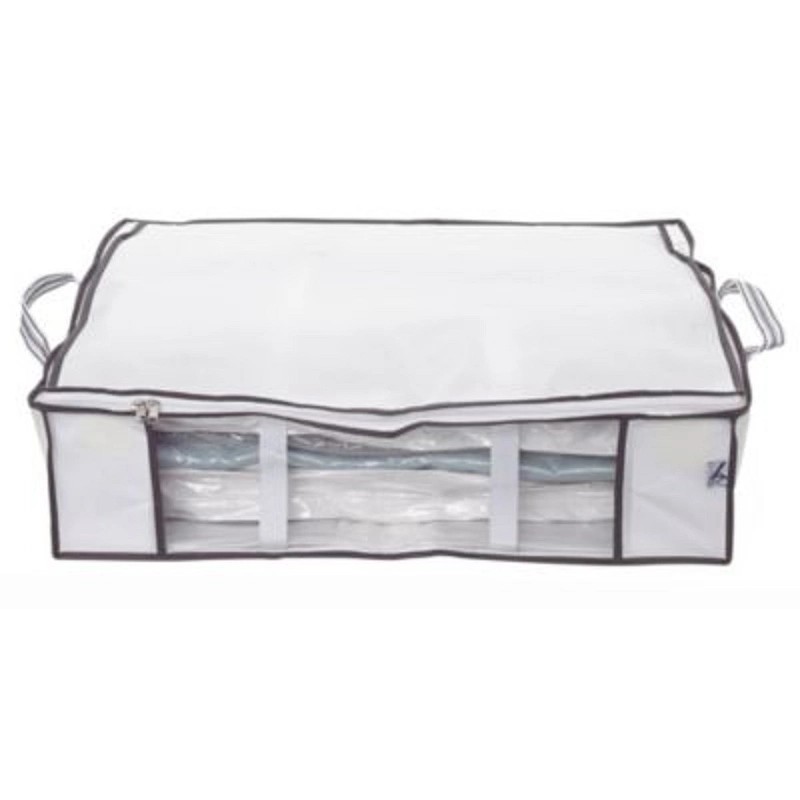
The article suggests keeping current season clothing readily accessible while moving less frequently needed pieces to appropriate separate storage. A seasonal change can also prompt decisions about garments that no longer fit the household's needs. Not every rarely worn item must be discarded; sentimental clothing or special occasion pieces may deserve a place outside the main daily selection. For undecided items, one organizer recommends a designated area marked with a review deadline. This makes the decision visible and easier to revisit, instead of repeatedly postponing it while the same garments continue occupying the most useful space.
Prioritize access over a display effect
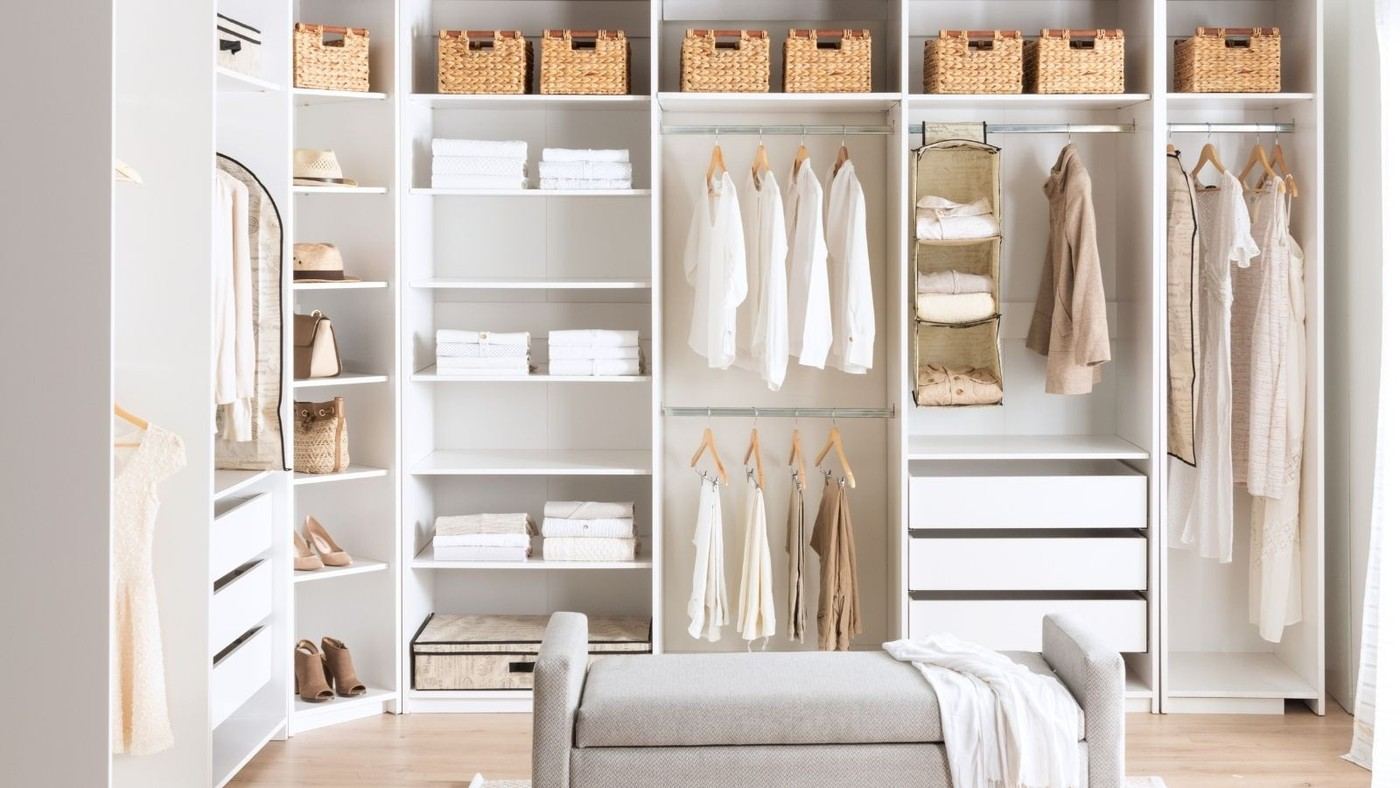
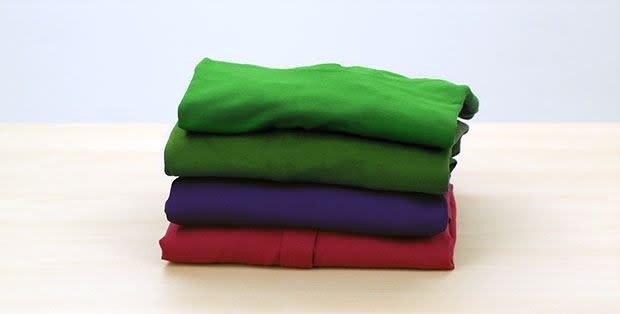
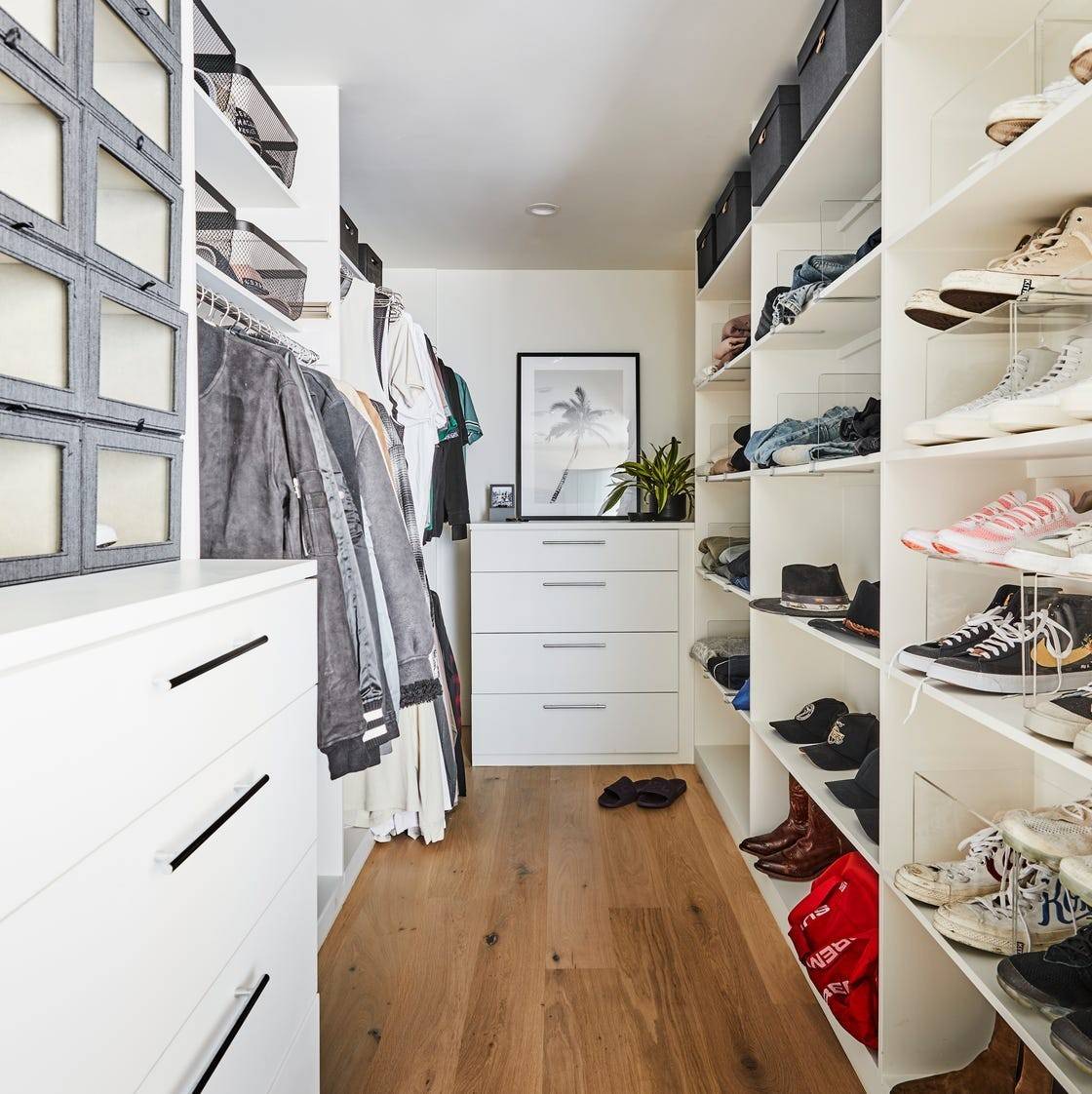
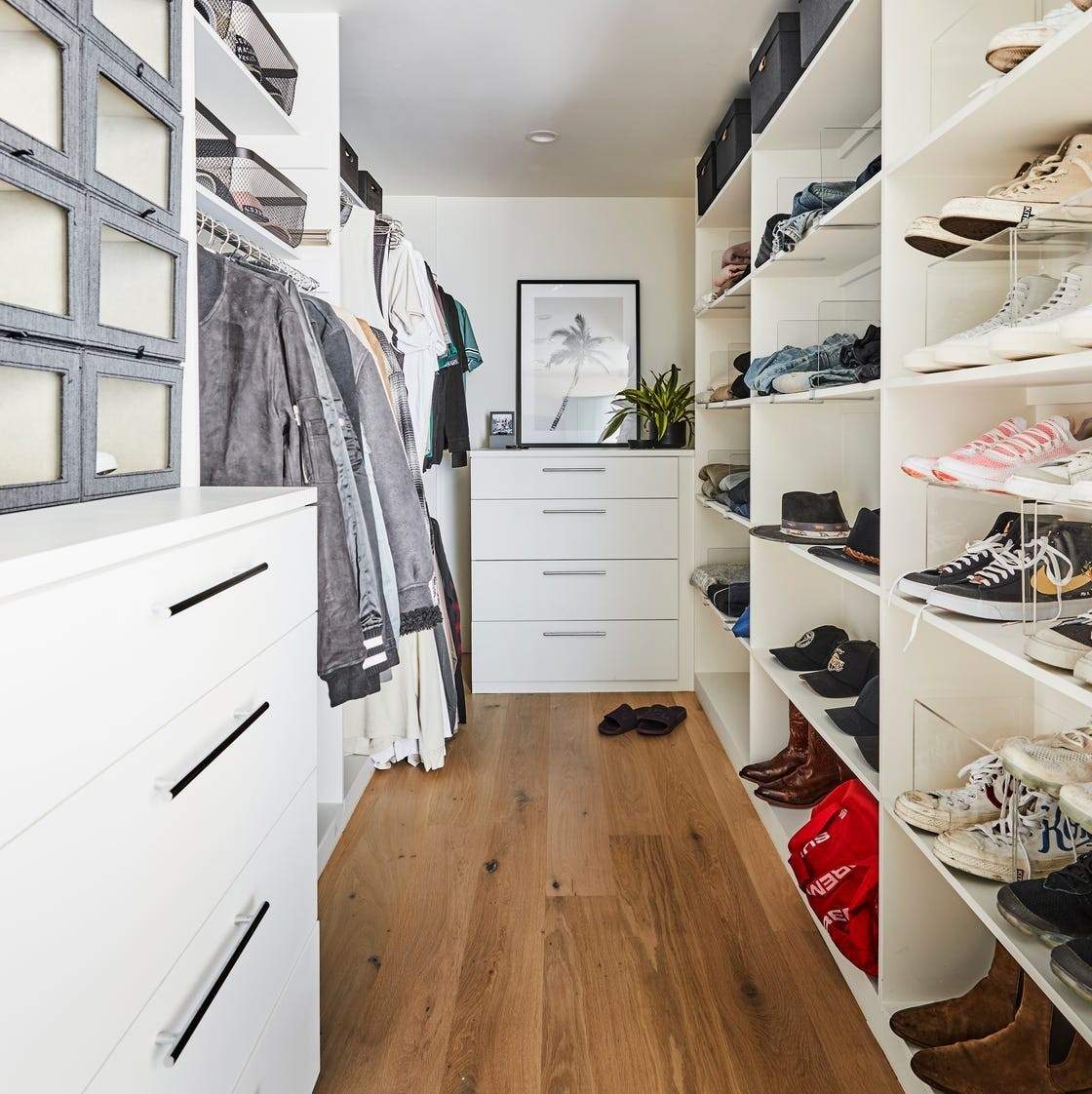
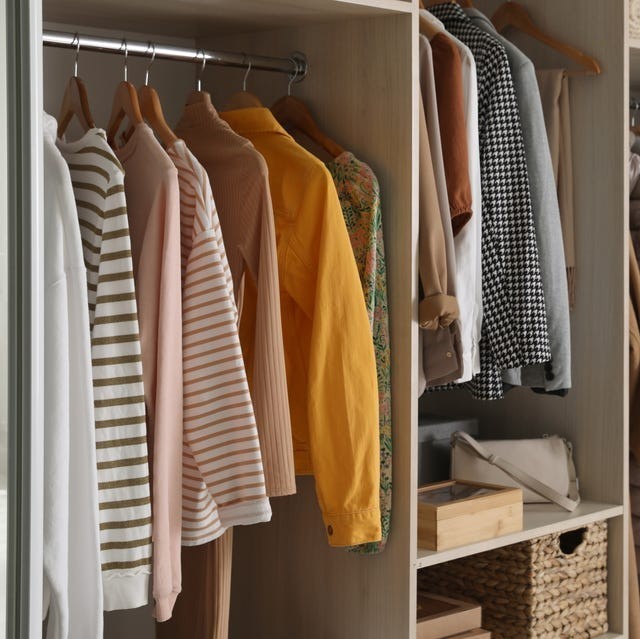
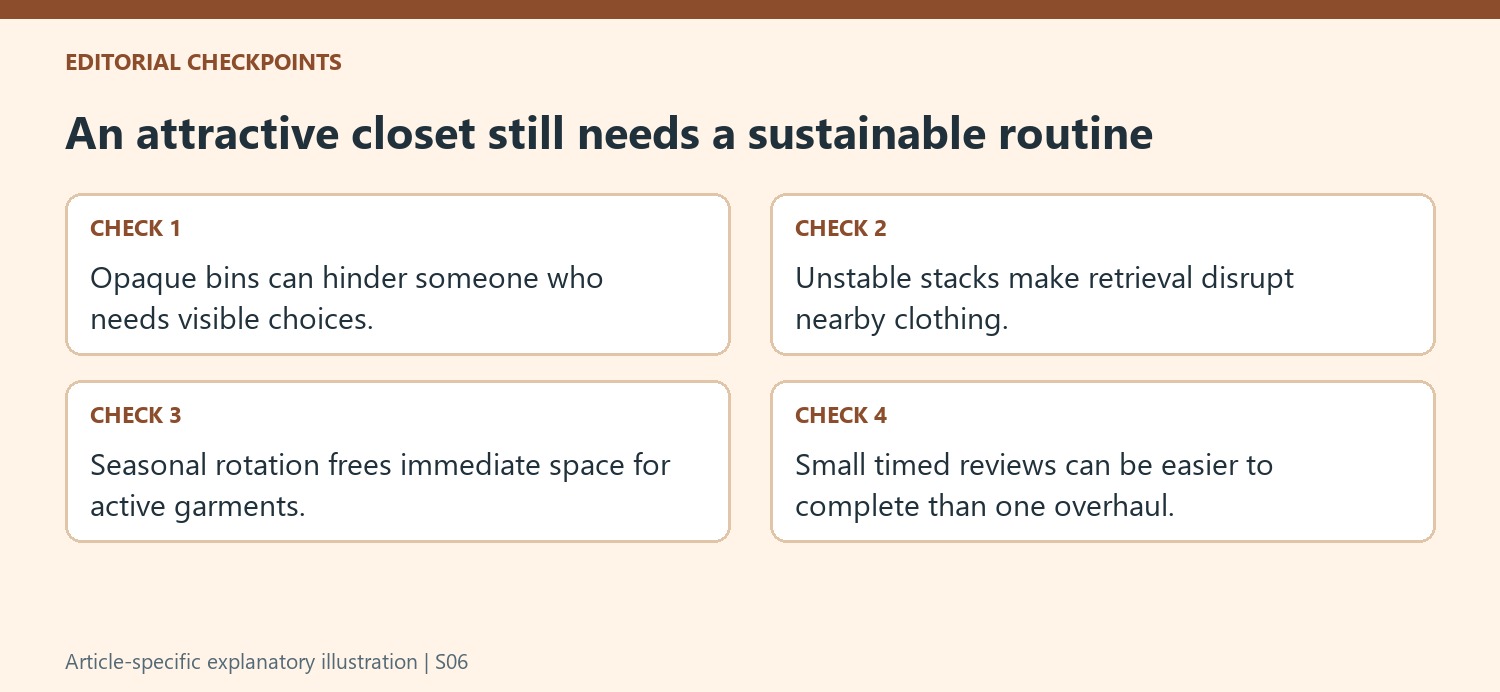
Color coordinated rails and perfectly stacked shelves can be satisfying, but they are useful only if the arrangement survives normal use. House Beautiful describes piles that collapse when one item is removed as a sign that appearance has overtaken function. Grouping by clothing category may be easier to sustain than a detailed color sequence. Choose folding or hanging methods appropriate to the garment, including support for heavier knitwear. Leave enough room to retrieve and return pieces without disturbing everything around them. A functional closet should make an ordinary laundry day easier, not require a complete restyling after every change of outfit.
Observe the return journey from laundry to storage
The source recommends watching how the closet is actually used before buying organizers. Include the moment clean laundry returns, not just the morning search for an outfit. If hanging each piece requires careful rearrangement, the system may encourage another pile outside the wardrobe. If stacked sweaters collapse whenever one is removed, simplify access or reduce the stack instead of perfecting the same unstable display again. A container should reduce friction in a routine the household can repeat. Someone who needs items visible may find an opaque bin inconvenient, while another person may prefer a contained category. These preferences are useful design information, not failures to maintain an attractive arrangement chosen for someone else's habits.
Adjust the layout to the clothing that exists
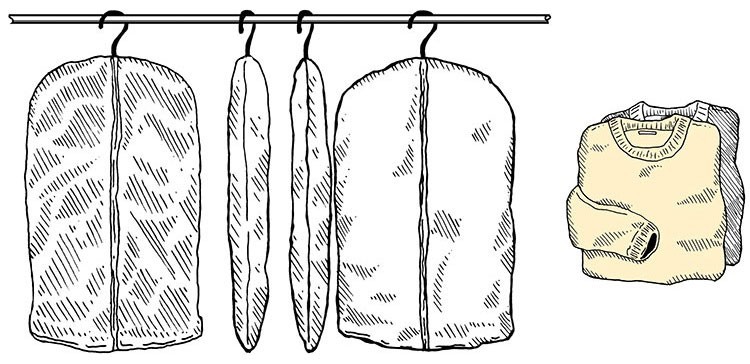
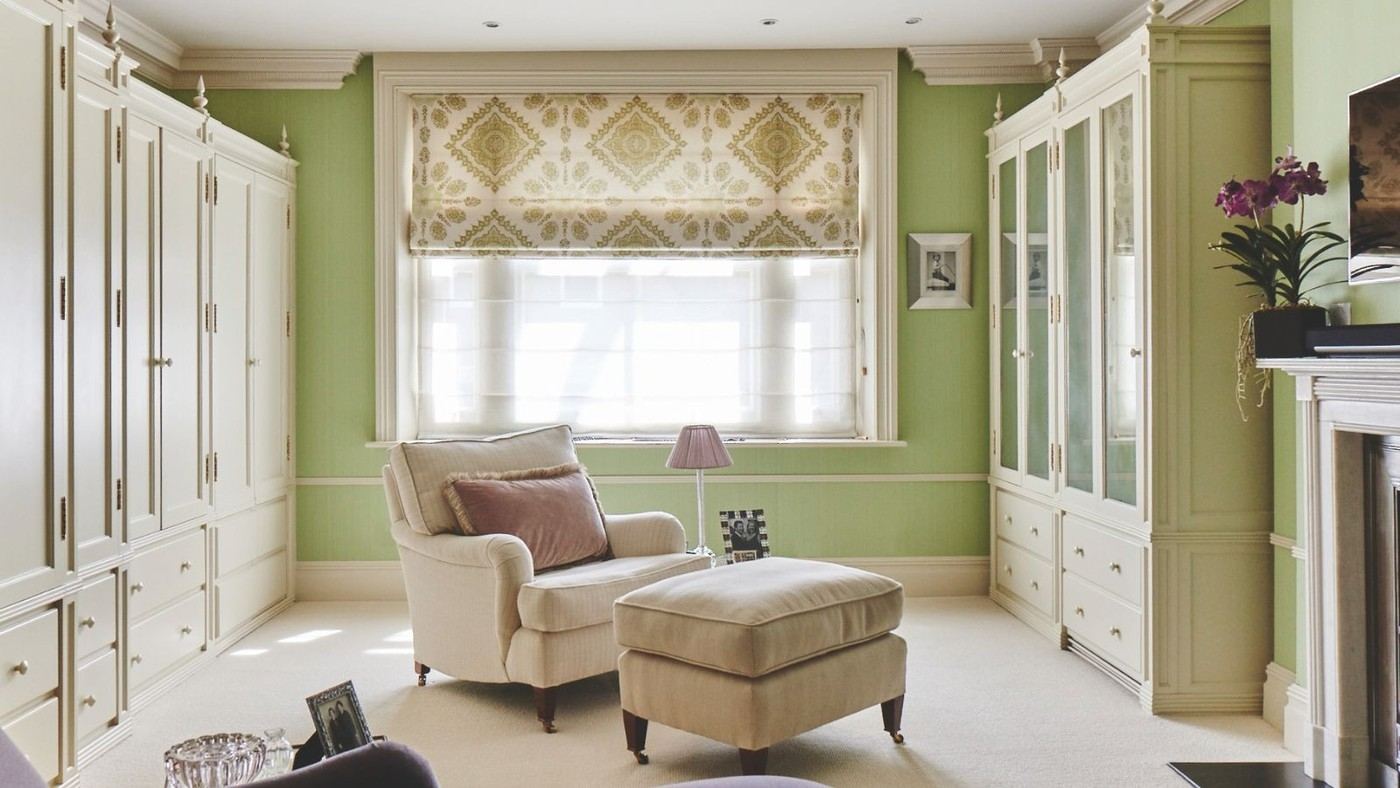
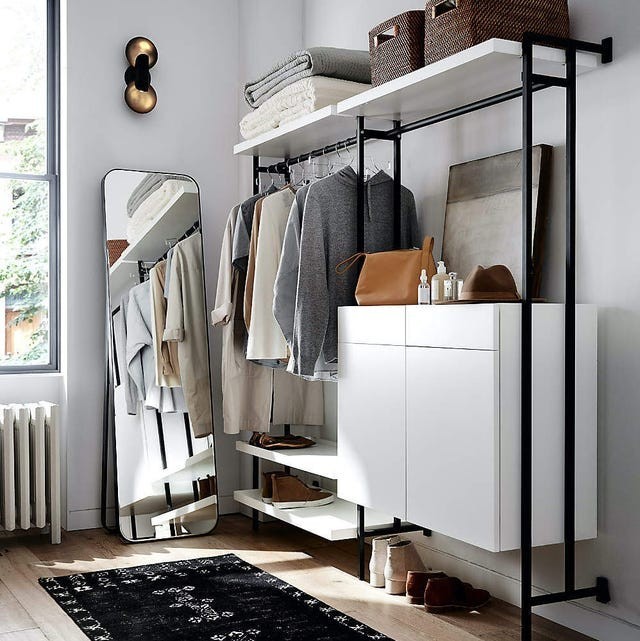
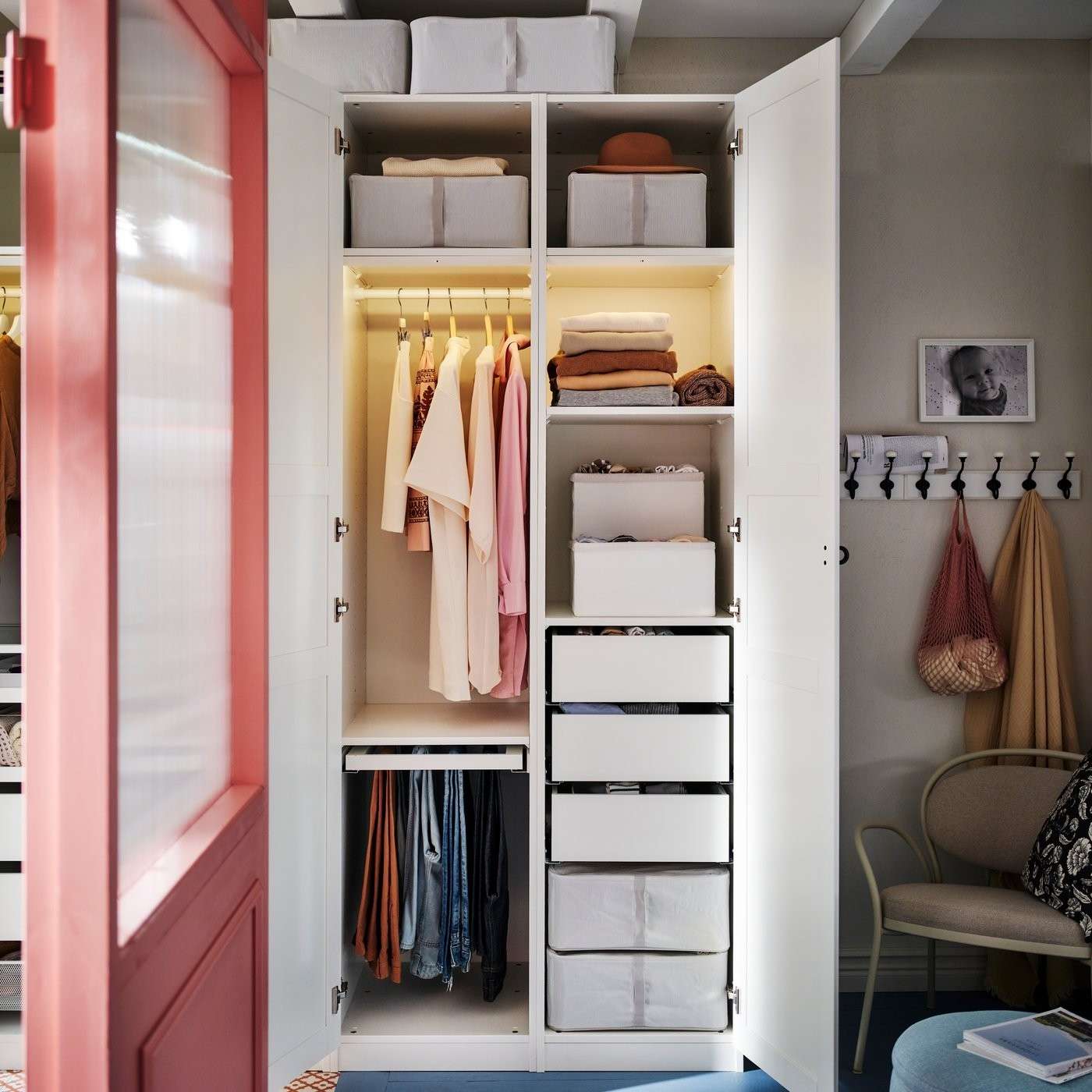
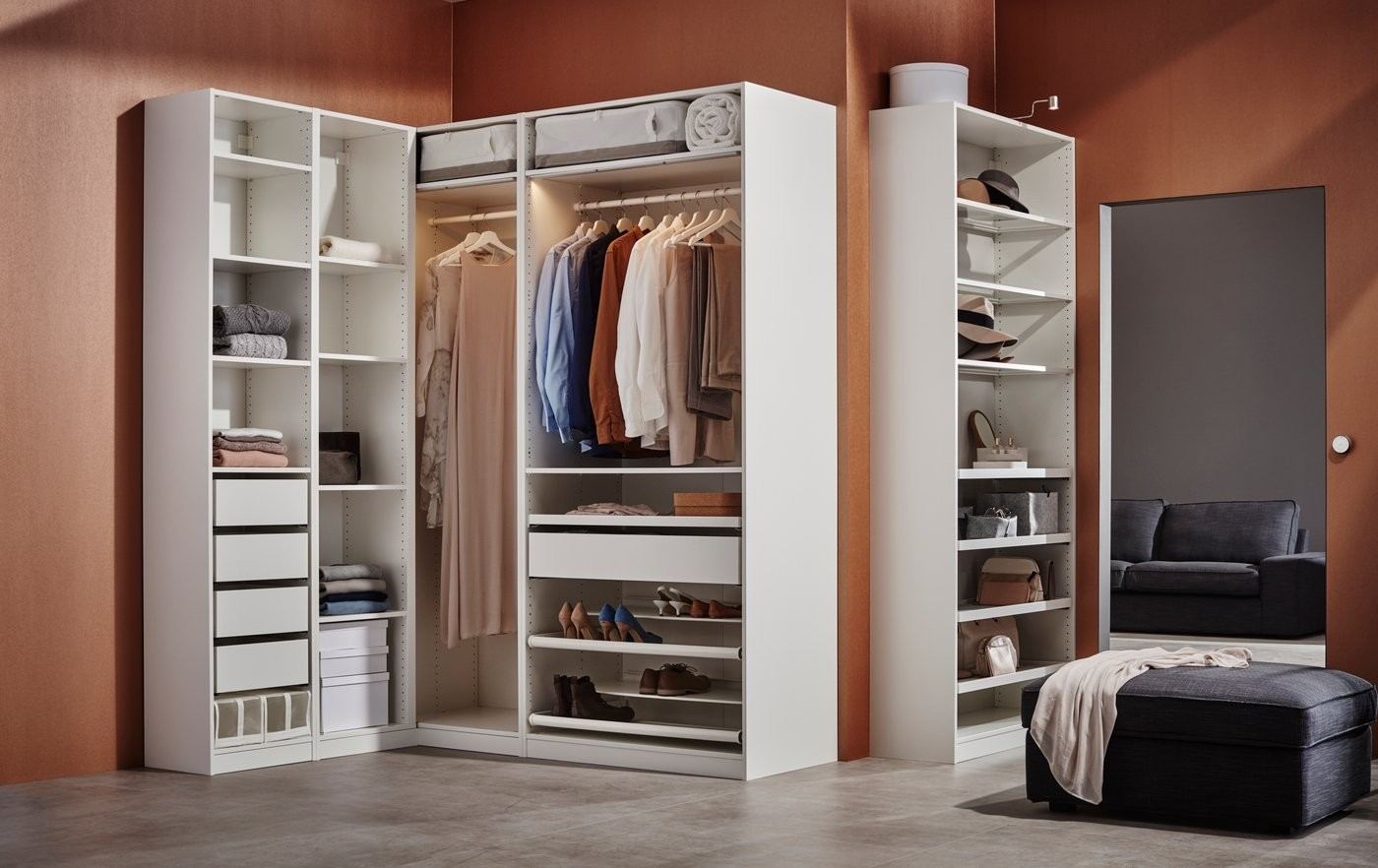
House Beautiful's organizers challenge the idea that a closet must keep its original balance of rails and shelves. A household with few long dresses may not need a large section reserved for them, while a wardrobe dominated by hanging pieces may be poorly served by excessive shelving. Assess the inventory before considering a change and use a suitable installed system rather than overloading improvised supports. Hanger choice also needs to fit how carefully clothes are usually removed and returned. A slim velvet hanger can look orderly but may be frustrating if its grip slows everyday use. Choose support appropriate to the garment and a layout that allows retrieving one piece without displacing several others or packing the back of a shelf beyond reach.
Make review decisions small enough to complete
The source suggests working through one area or shelf with a time limit rather than dismantling the entire closet at once. This can make the decision process easier to finish and keeps the room usable between sessions. Separate immediate decisions from items that genuinely need reconsideration, giving the latter a marked place and a real review date. Rarely worn clothing may still have sentimental or occasional value, but it does not all need the most accessible daily space. At the next review, assess why it is being retained and whether the storage arrangement remains suitable. The aim is not a single dramatic clear-out followed by unchanged habits; it is a series of manageable decisions that keep useful clothes easy to reach and return.
References
- 9 Closet Organization Mistakes to Avoid in 2025. House Beautiful.