GarmentCare Guide

Inspect contact areas before the shirt joins a load
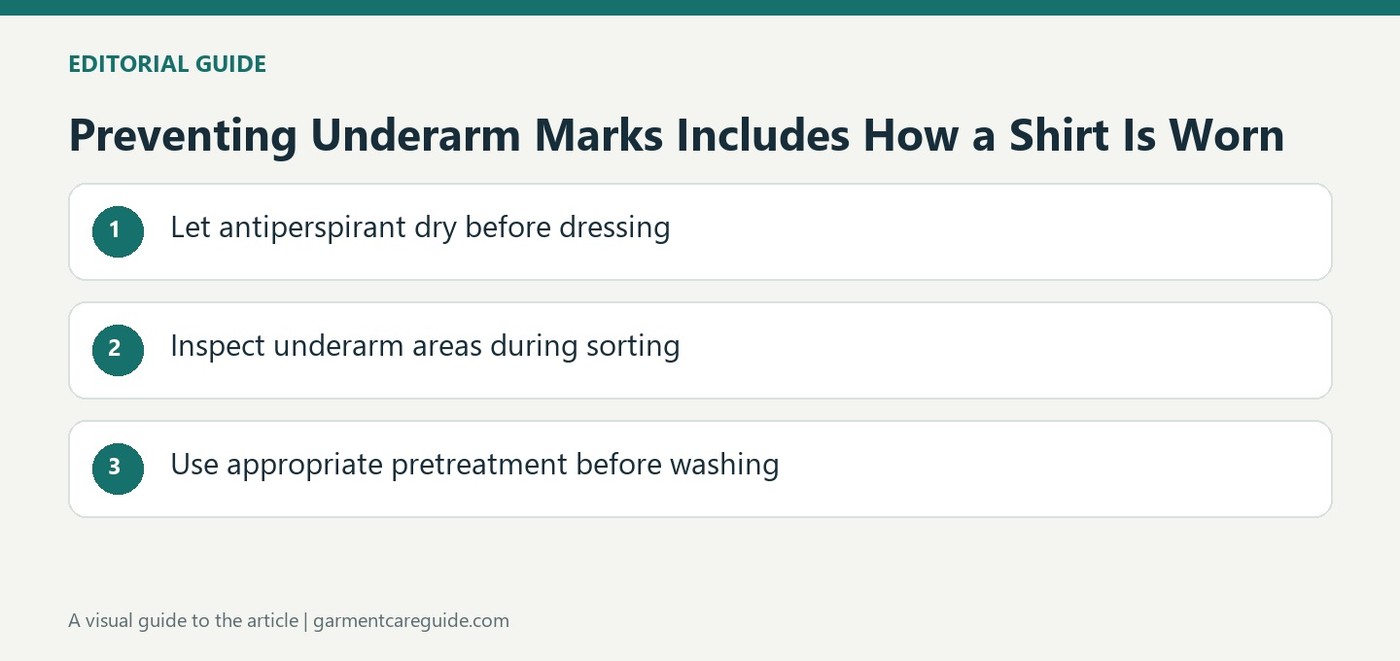
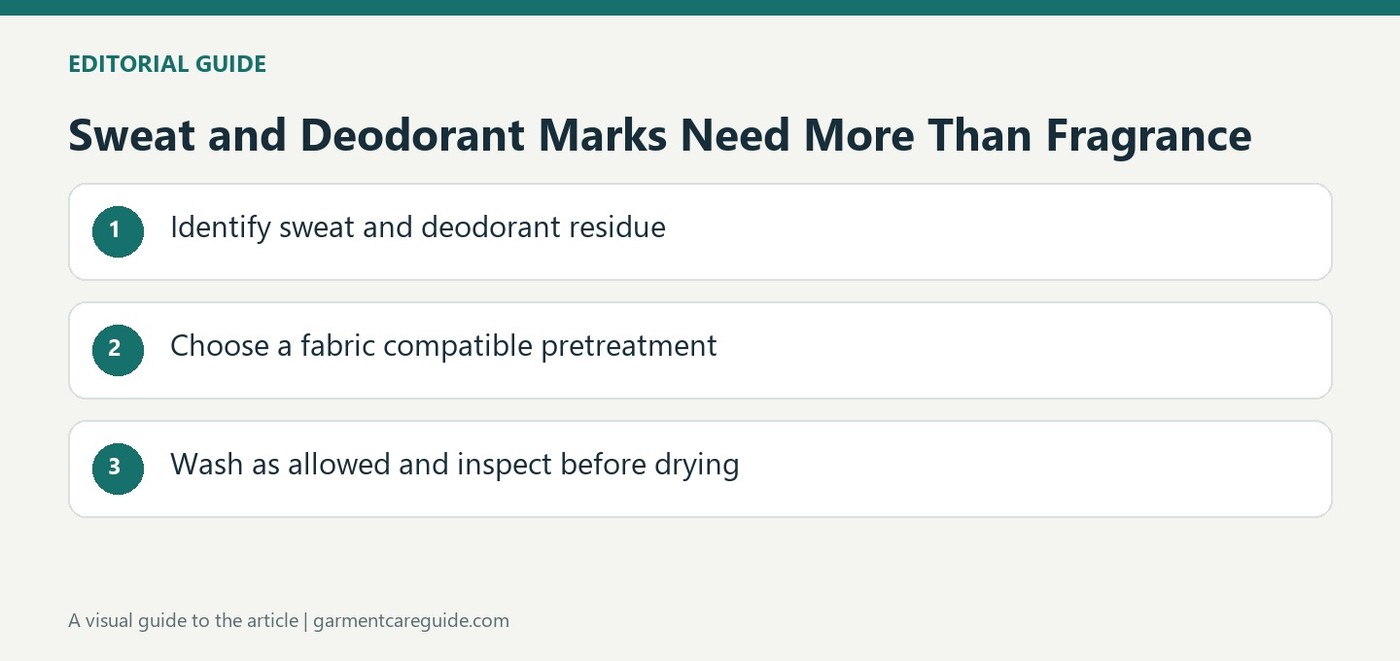
Tide's collar-and-cuff guide focuses on marks that develop where clothing repeatedly contacts skin and everyday surfaces. Those areas can need attention even when the rest of the shirt looks lightly worn. Read the care instructions and inspect the fabric before choosing a treatment. A washable cotton shirt and a delicate blend may not tolerate identical rubbing, detergent or temperatures. Local preparation should address the affected area within the finished garment's limits rather than turning the whole load into a more intensive wash by default.
Use a suitable rinse and liquid treatment
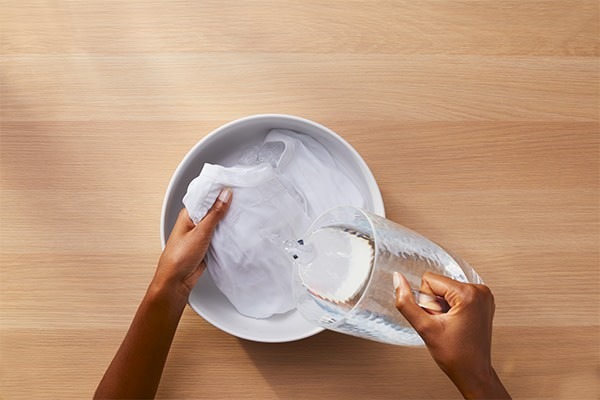
The source begins with a cold rinse for a permitted washable item, then covers the mark with a suitable liquid detergent for a short treatment period. Follow the current product directions for timing and quantity rather than assuming every formulation can be left on fabric in the same way. This is different from applying a capsule or dry powder directly. Handle the collar or cuff gently and avoid forcing the product into a delicate finish. The pretreatment helps prepare the localized soil for washing; it does not replace the garment's washing permission.
Measure the main dose and check before drying
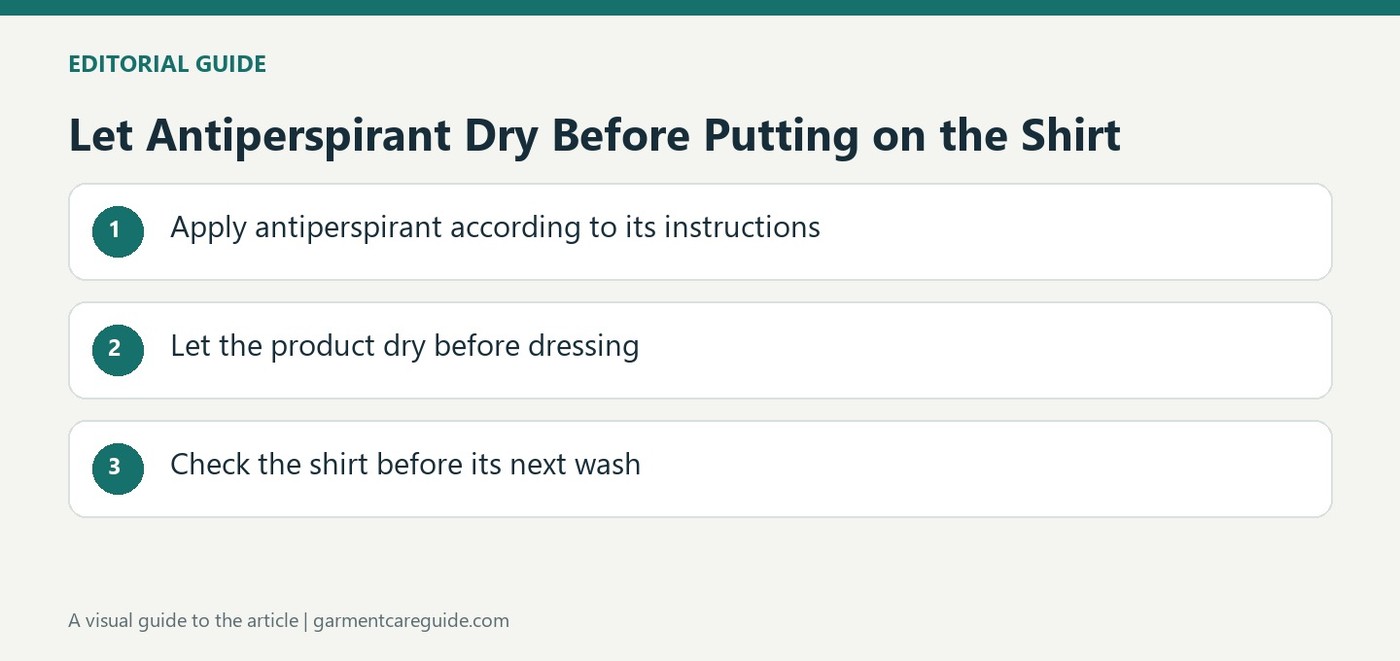
Tide next recommends adding the appropriate wash dose for the actual load and appliance, then using the permitted cycle and temperature. A pretreatment application and a full-load dose serve different purposes, so both should follow the product instructions without automatic excess. Unload promptly when the wash ends and inspect the contact areas before heated drying. If a mark remains, another compatible treatment may be appropriate before heat makes it harder to remove. This creates a clear routine from inspection through local preparation, washing and a result check, rather than expecting the main cycle alone to address accumulated cuff or collar soil.
The rest of a shirt can look cleaner than its contact areas
Tide focuses on collars and cuffs because these locations repeatedly encounter skin or everyday surfaces. Inspect them while the garment is still in hand before it joins the load. The local soil may need preparation even if most of the shirt appears lightly worn. This does not mean the full garment or every other item should receive a more intensive cycle. Read the actual care claim and select a compatible local response. The distinction is useful for keeping treatment proportionate: identify the concentrated mark, prepare it appropriately, and then wash the complete shirt by its permitted method. A familiar clothing category does not establish identical dye, finish, or mechanical tolerance for every collar and cuff.
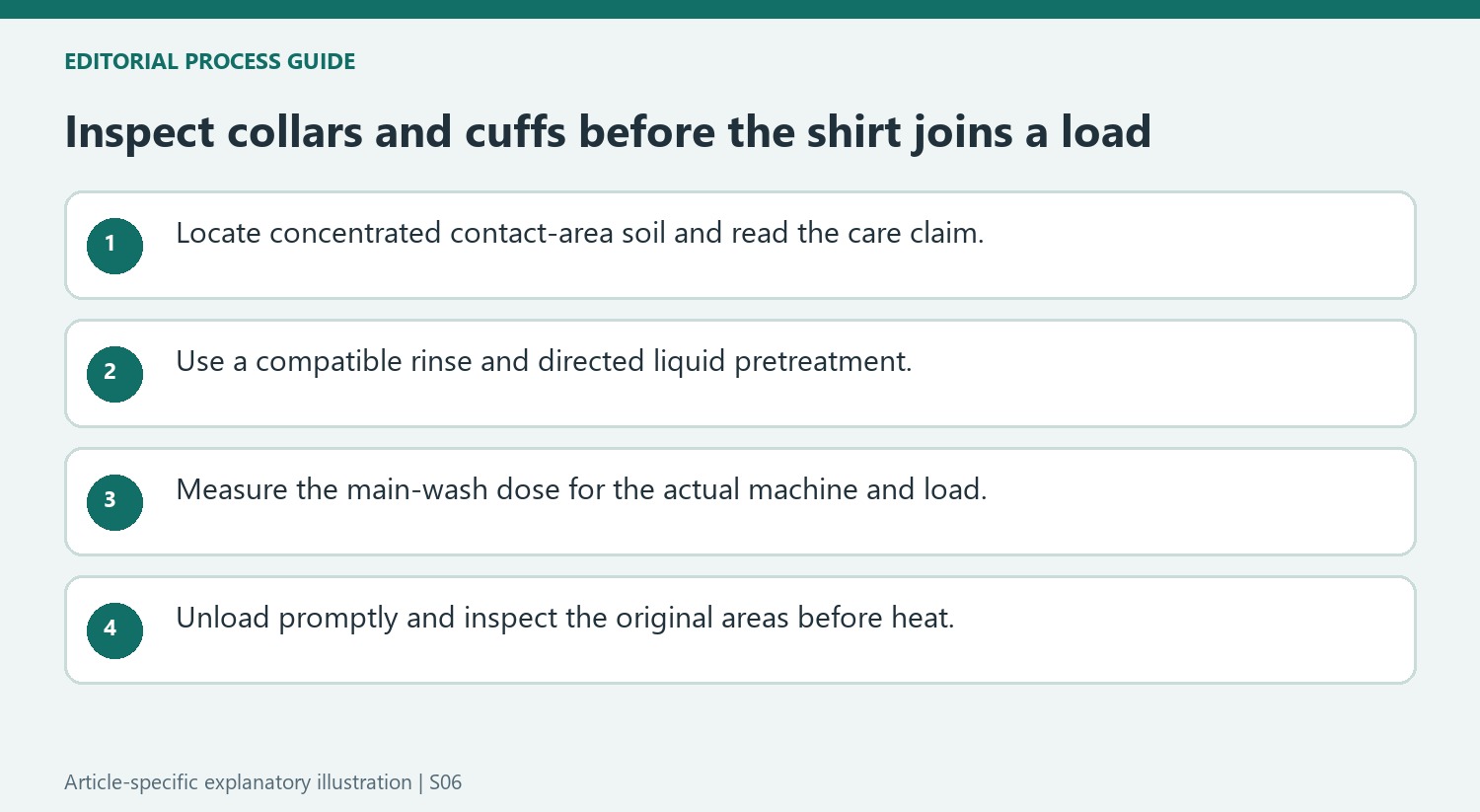
Follow the local-liquid sequence rather than borrowing another format's method
The source starts with a cold rinse for suitable washable clothing and then applies an appropriate liquid detergent for a short contact period. Use current product directions for quantity, timing, and whether the treatment remains during the main wash. A capsule or dry powder should not inherit those direct-use instructions. Keep any working action gentle enough for the actual surface, particularly on a fine blend or decorative finish. The local application is meant to prepare the soil, not demonstrate how much concentrated product the cloth can absorb. If the proposed route conflicts with the garment label, use more appropriate guidance rather than assuming the small size of the affected area removes the restriction.
Main-wash dosing still depends on the actual load and appliance
Tide distinguishes the local application from the later measured wash dose and notes different product placement for machine types. Read the current detergent and washer directions rather than copying a placement rule from another appliance. Build a compatible load, select the allowed process, and avoid adding extra product automatically because the collar remains noticeable before washing. At the end, unload promptly and inspect those original contact areas before dryer heat. Another compatible attempt may be needed if a mark remains. This final check keeps the routine result based, with the stain, the finished shirt, and the full load each receiving the kind of decision relevant to that stage rather than letting one strong treatment answer every question.