GarmentCare Guide
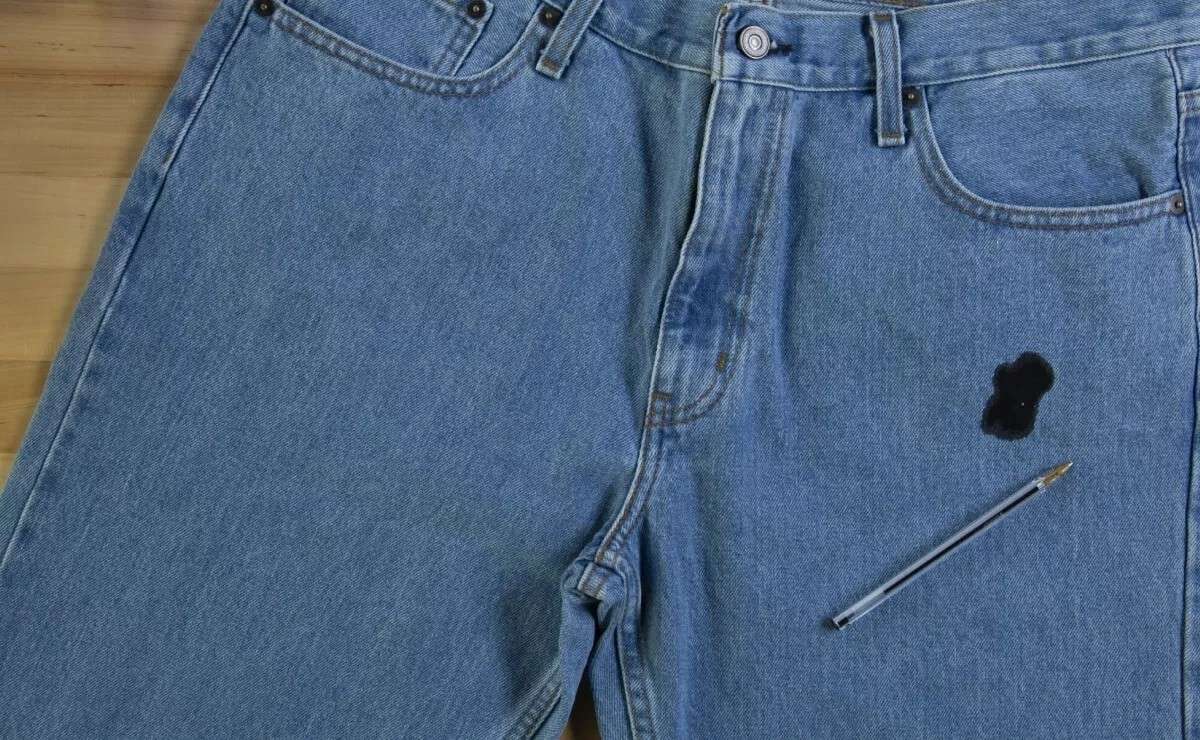
Test compatibility before working on the mark
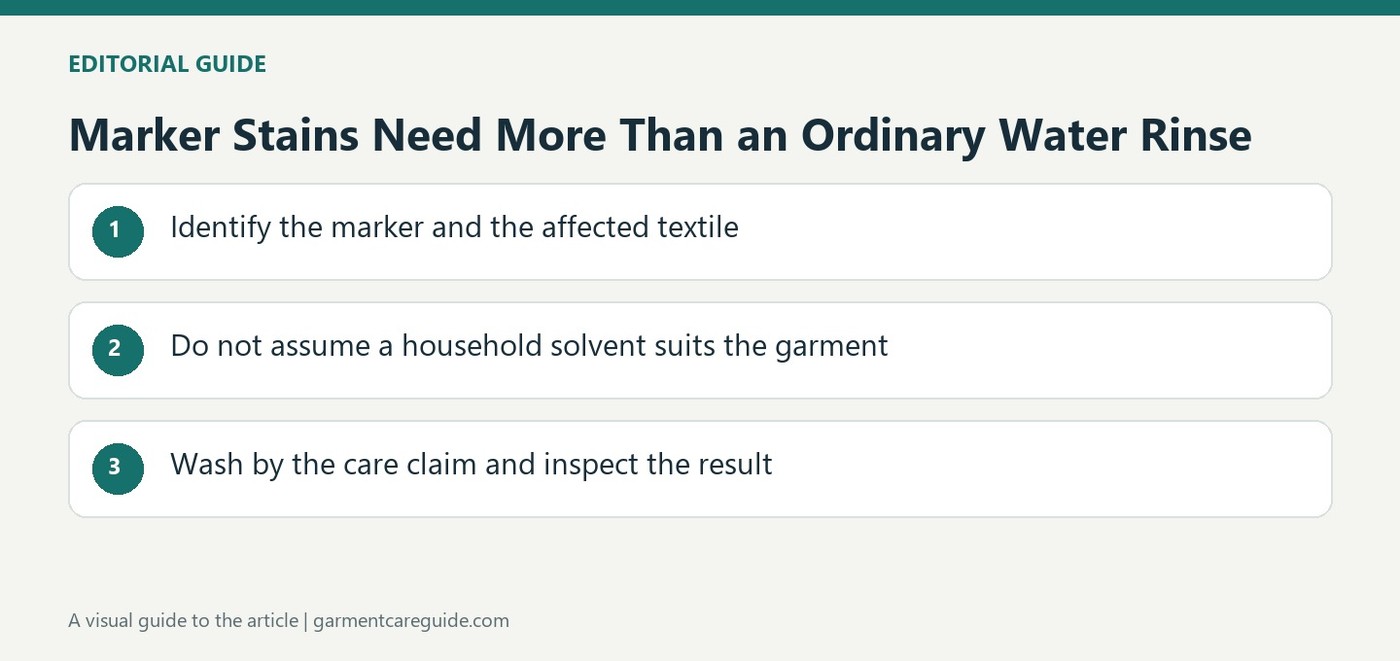
Maytag's ink-stain guide begins with checking the clothing label and testing the treatment on an inconspicuous area. It discusses rubbing alcohol for suitable materials, but the process must be compatible with the specific garment and product instructions. Fine or uncertain fabrics may be better assessed by a professional cleaner. The purpose of a hidden test is to look for unwanted change before treating a visible area; it does not cancel a manufacturer's restriction or make all household alcohol-containing products equivalent in composition and effect.
Replace the backing as ink transfers
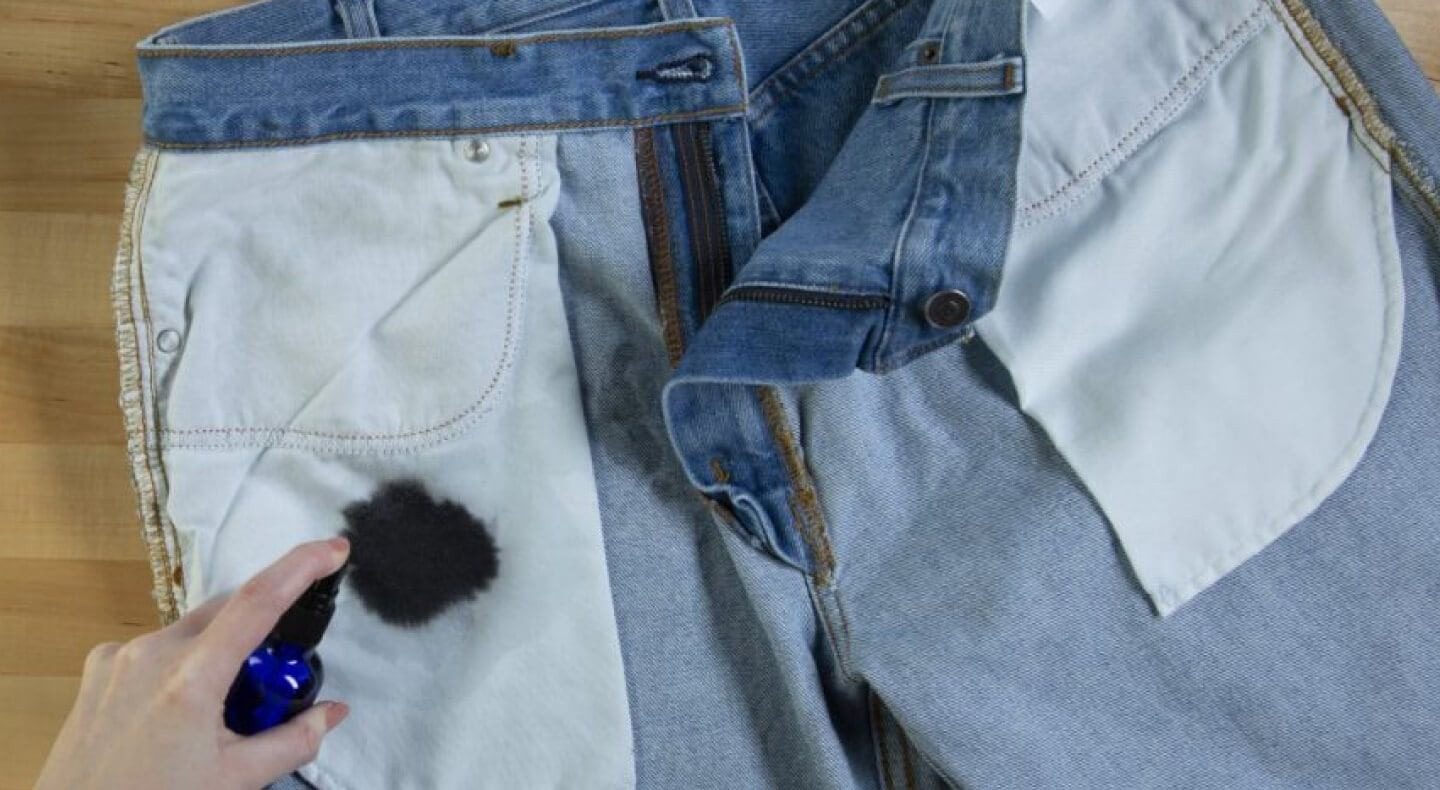
The source places paper towel against the stained area and applies a suitable treatment from the reverse side of the fabric. An absorbent backing receives the released ink instead of leaving it against another part of the garment. Replace the towel as needed rather than repeatedly pressing a saturated section back into the cloth. Keep the action controlled and suited to the textile. The method is a localized stain treatment, separate from the detergent that will later clean the full load. More vigorous rubbing is not an automatic improvement, particularly on a sensitive surface.
Rinse fully before the main wash
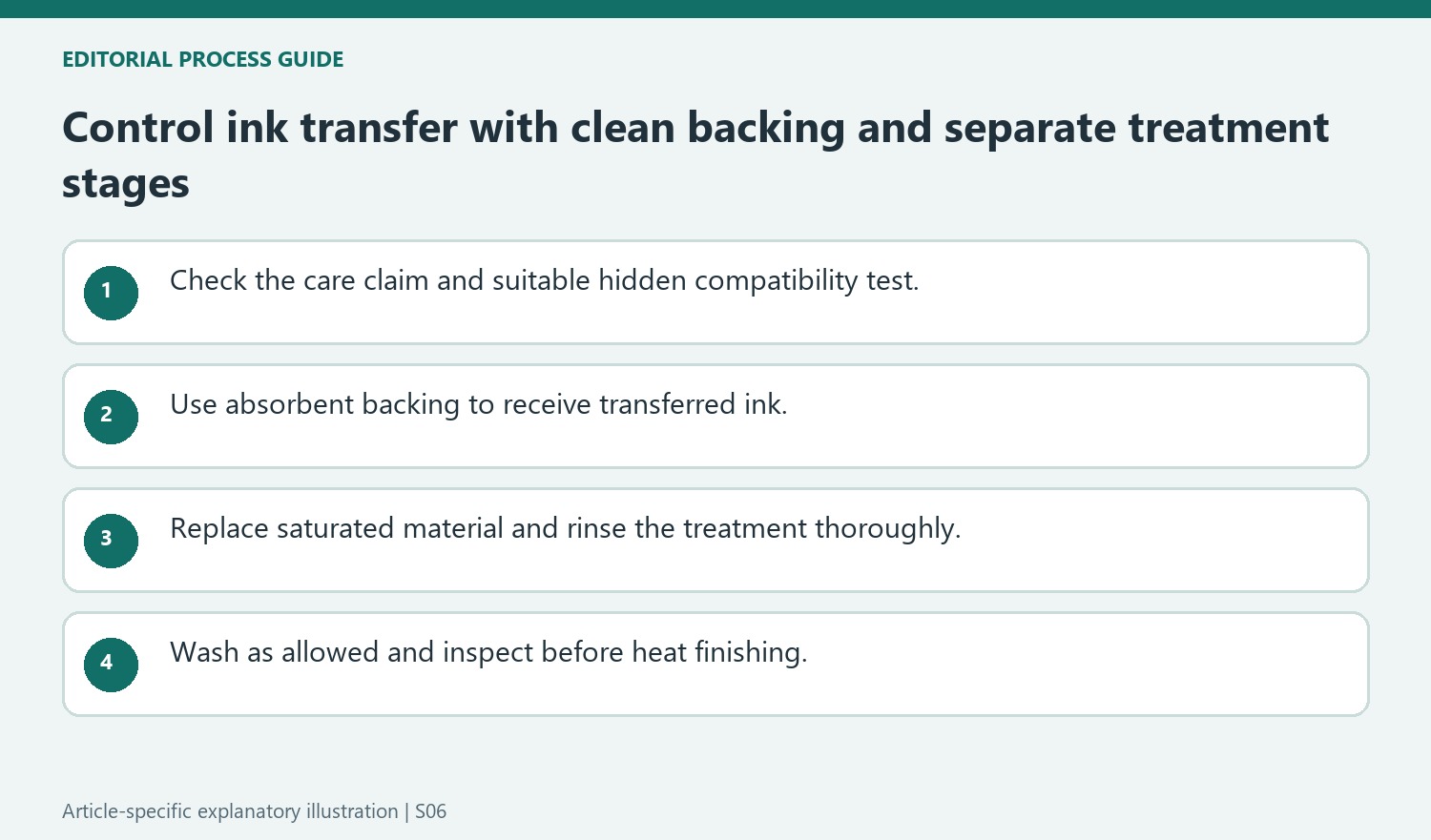
Maytag emphasizes thorough rinsing before machine washing, then selecting the hottest process safe for the item rather than an unrestricted hot cycle. Suitable detergent or stain treatment may be used according to its directions. After washing, use the garment's permitted natural drying method while the result is assessed, keeping a remaining mark away from dryer heat. A further compatible attempt may be needed. This sequence gives each step a purpose: test the material, control ink transfer, remove the treatment and wash appropriately, then inspect before finishing the garment.
An absorbent receiver needs to be changed as it fills
Maytag places a paper towel against the stained area and introduces suitable treatment from the reverse side. The towel's role is to receive released ink rather than leave it against another garment layer. Replace it when ink has transferred instead of continuing to press a saturated area back onto the cloth. This is a controlled transfer process, not a reason to rub harder. Prepare enough clean absorbent material before beginning and keep the handling appropriate to the fabric. A dark stain can tempt repeated work on one spot, but the receiving surface matters as much as the movement. Clean backing helps preserve the distinction between lifting material away and redistributing what has already left the original mark.
Rinsing separates the solvent stage from the machine stage
The source repeatedly calls for thoroughly removing the local treatment before machine washing. Treat that as an essential transition rather than another optional rinse. A compatible alcohol-based application and the laundry detergent serve different purposes, with their own use directions and garment restrictions. Do not assume that a household product is equivalent to another because both contain alcohol; other ingredients and concentrations can differ. Read the actual product information and clothing care claim before use. Once a permitted local treatment is complete, rinse as directed and then select the allowed wash. Keeping those stages distinct makes the routine clearer than carrying an unspecified mixture of spot products straight into the machine with the rest of the load.
Fine textiles may need a professional route before any trial
Maytag explicitly suggests consulting a professional cleaner for delicate fabrics. Use that option where the material, construction, or care permission makes a household treatment uncertain. A hidden color test can provide limited compatibility information, but it cannot cancel a restrictive instruction or describe every part of the completed garment. The stain may also be on an area that cannot be washed thoroughly afterward, changing the suitability of the proposed route. After any permitted wash, inspect the mark while following the item's natural-drying instructions and avoid dryer heat on remaining ink. This keeps the method conditional on the actual textile instead of treating the broad list of possible fabrics in a stain article as universal approval.