GarmentCare Guide
The underarm area can contain several residues
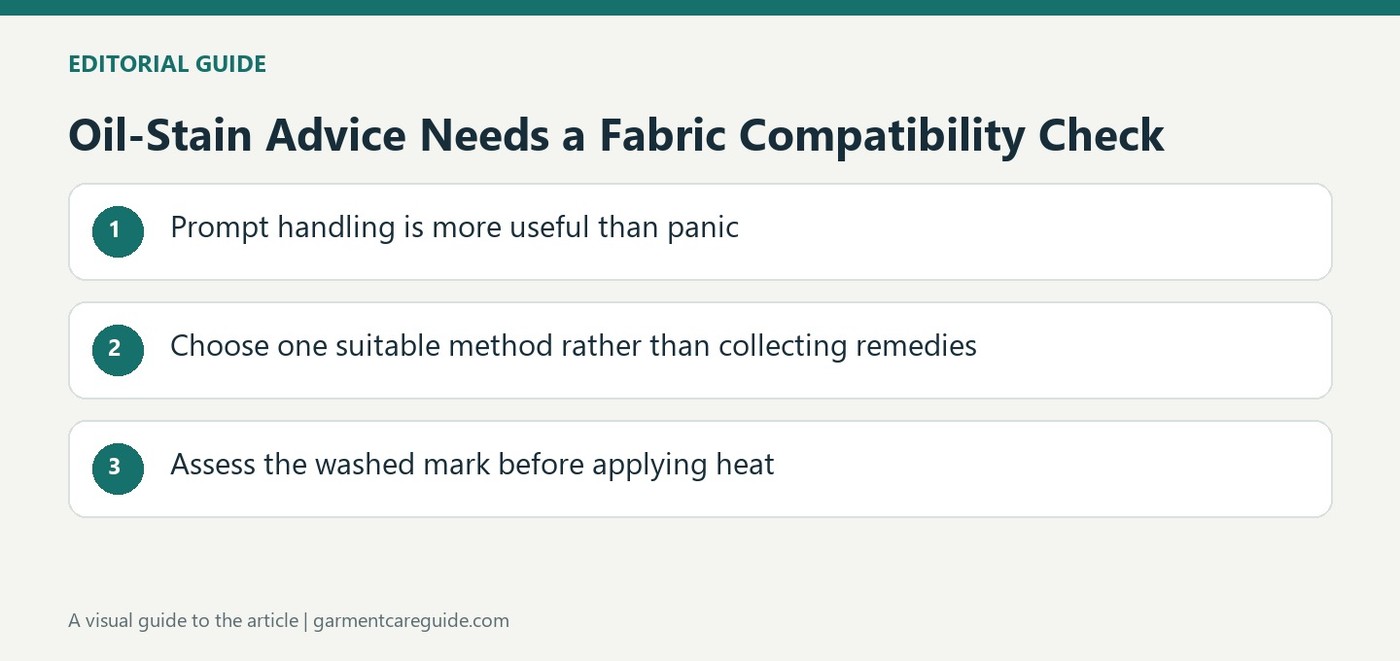
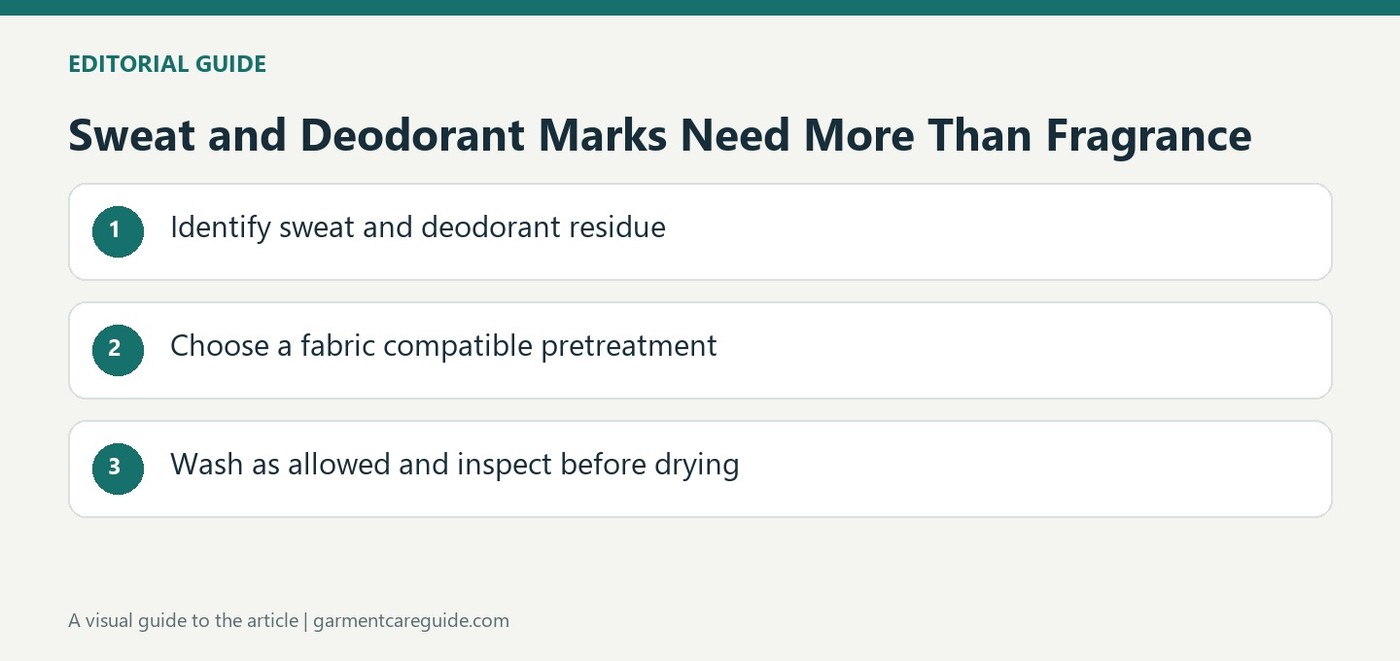
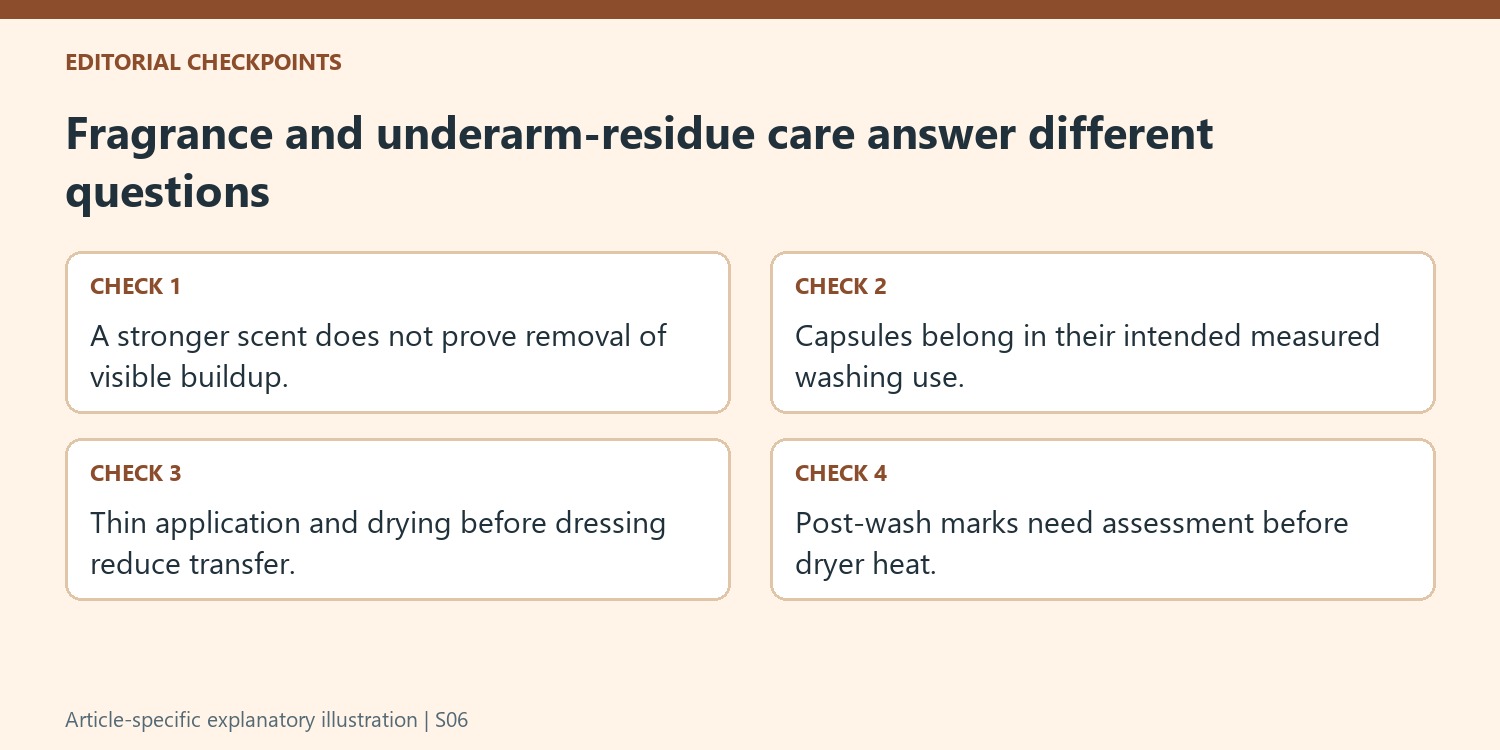
Ariel's sweat-stain guide identifies perspiration and buildup from deodorant or antiperspirant as contributors to marks on clothing. It distinguishes visible residue from the separate issue of odor, even though both can occur on the same garment. That distinction matters when judging a laundry result: a stronger scent does not demonstrate that a visible deposit has disappeared. Read the garment's care claim and inspect the affected area before deciding on treatment. Fabric, product ingredients and how long buildup has remained can all influence the practical cleaning task.
Use the detergent in its intended way
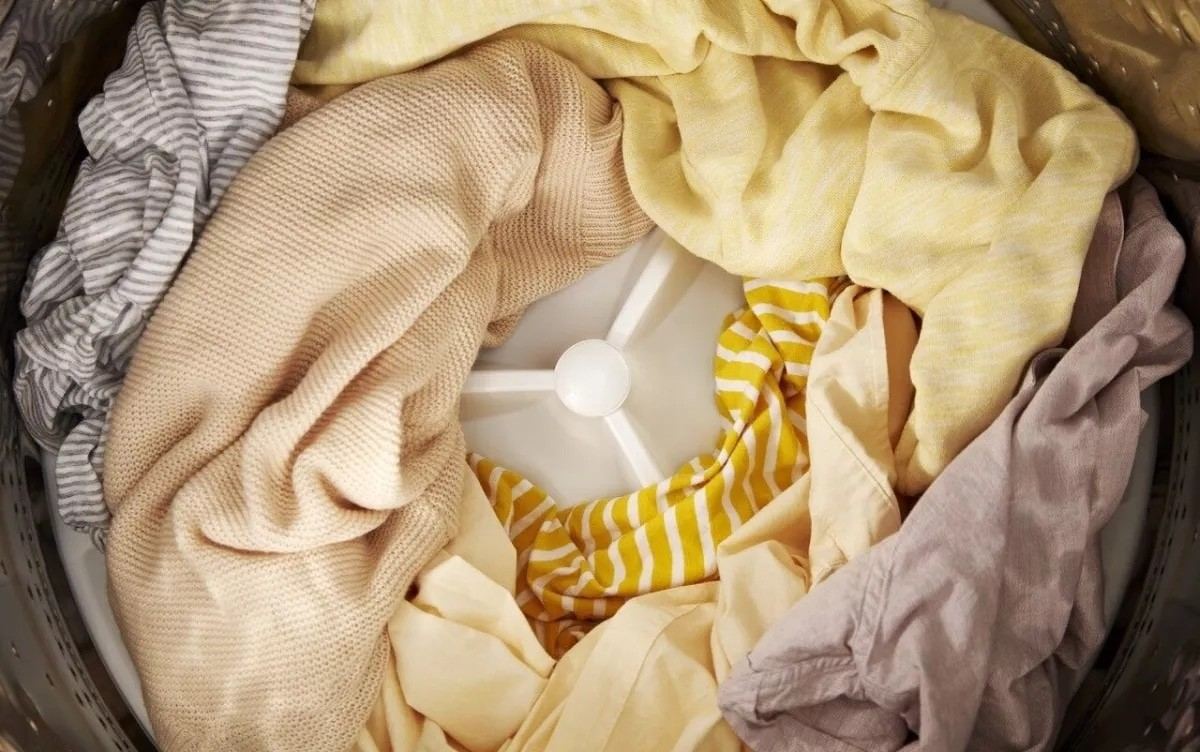
The source's capsule-based routine puts the product into the empty drum before clothing, with dose determined by the current pack and load conditions. Close and store the pack as directed after dosing. Avoid overloading, then select the cycle and temperature from the garments' care instructions. A heavy underarm mark does not permit unrestricted heat or a different detergent format to be applied directly without suitable directions. Keep product use, load preparation and cycle selection as distinct checks instead of treating an odor-focused product name as a complete washing plan.

Check the result and reduce future transfer
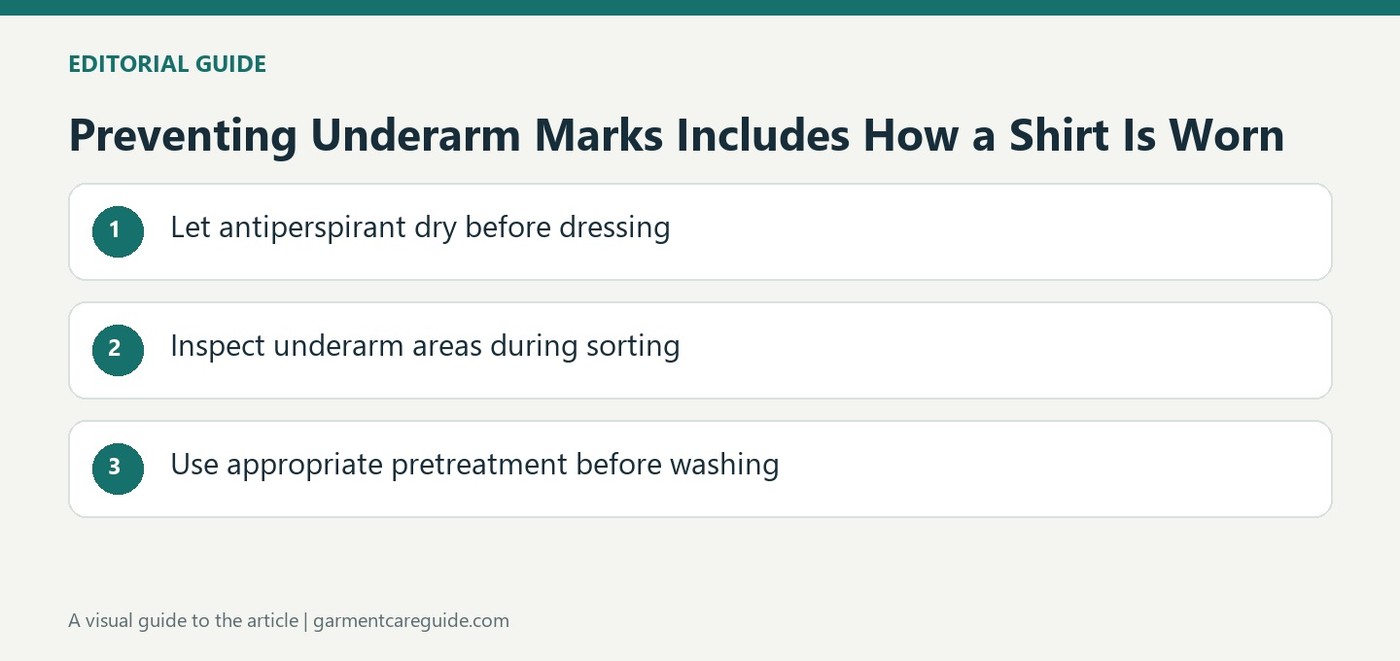
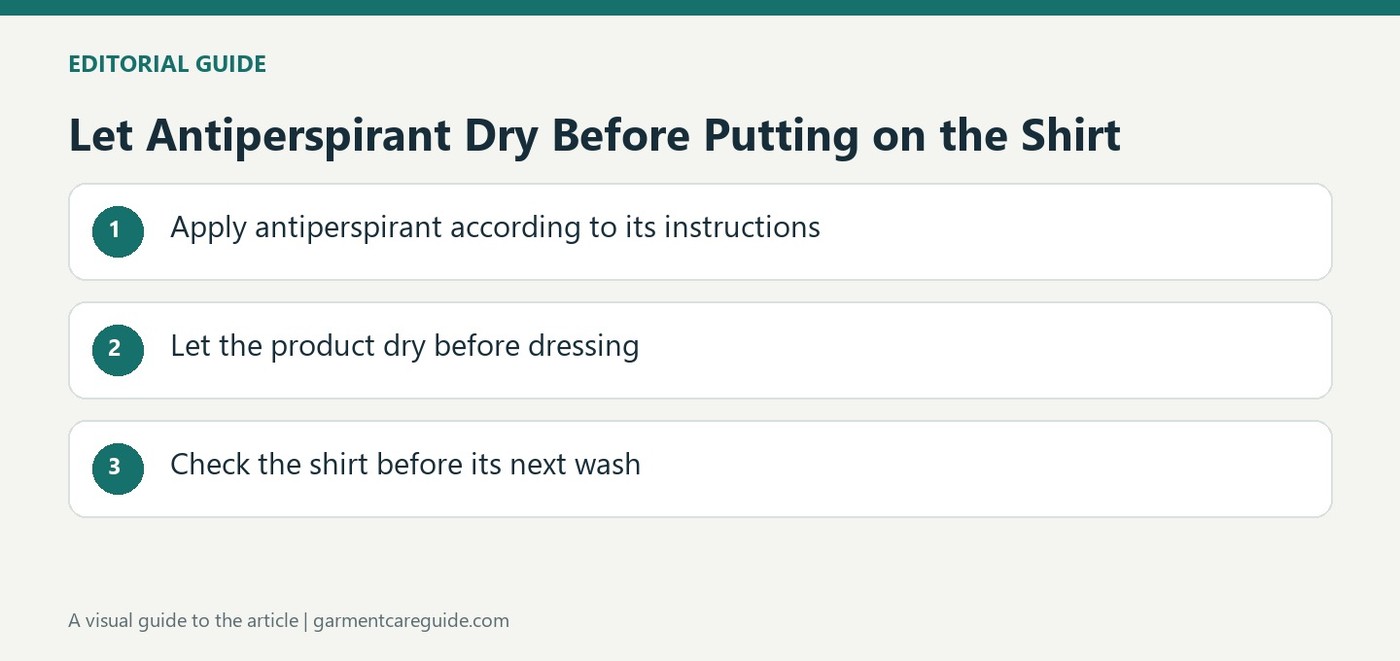
Ariel recommends prompt unloading and assessing a remaining mark before drying. Further compatible treatment may be needed before dryer heat is applied. For prevention, it suggests a thin application of underarm product and allowing liquids or creams to dry before dressing, reducing immediate transfer onto fabric. Prompt suitable washing can also keep residue from sitting untreated for long periods. These measures address the garment directly. Scent products may change how laundry smells, but the condition of the fabric and the visible area still provide the relevant evidence when deciding whether more cleaning is needed.
Separate odor perception from visible residue assessment
Ariel discusses both sweat-related odor and deposits associated with perspiration or underarm products. These concerns can coexist, but a stronger fragrance is not evidence that the fabric is free of buildup. Inspect the affected area before and after permitted cleaning, considering appearance and texture as well as how the garment smells. The source's product-focused advice should therefore sit within a complete garment-care routine rather than replace it. Read the actual label and choose a suitable detergent process for the textile. If a visible or hardened patch remains, evaluate it directly instead of assuming a scent product has answered the stain question. This makes the result check about the garment's condition rather than the intensity of its added perfume.
A capsule dose does not authorize a separate concentrated spot treatment
The source's washing route puts capsules into the empty drum according to current pack directions, then loads compatible clothing above them. Keep that intended use distinct from liquid-detergent pretreatment. Do not open a capsule or improvise a local application because a persistent underarm mark looks as though it needs concentrated product. Read the dose, garment compatibility, and machine instructions together, then close and store the package after dosing. A heavily affected item still needs loading room and permitted settings. The correct sequence is a measured compatible wash supported by appropriate preparation, not extra detergent units or an unapproved format change used as a substitute for identifying what the textile can actually tolerate.
Prevention and cleaning target different points in the routine
Ariel recommends allowing a thin layer of liquid or creamy underarm product to dry before dressing and attending to worn garments promptly. The first step reduces immediate transfer, while the second addresses residue already present after use. Neither eliminates the need to inspect frequently worn clothing or to follow its care instructions. At the end of a permitted wash, unload promptly and examine any remaining mark before heated drying. A further compatible attempt or item-specific advice may be needed. Keep those decisions separate from fragrance selection, which changes the smell experience without independently establishing removal of a visible deposit. The full routine follows the garment from dressing through wear to an assessed cleaning result.