GarmentCare Guide
Separate removable dirt from the stained fibers
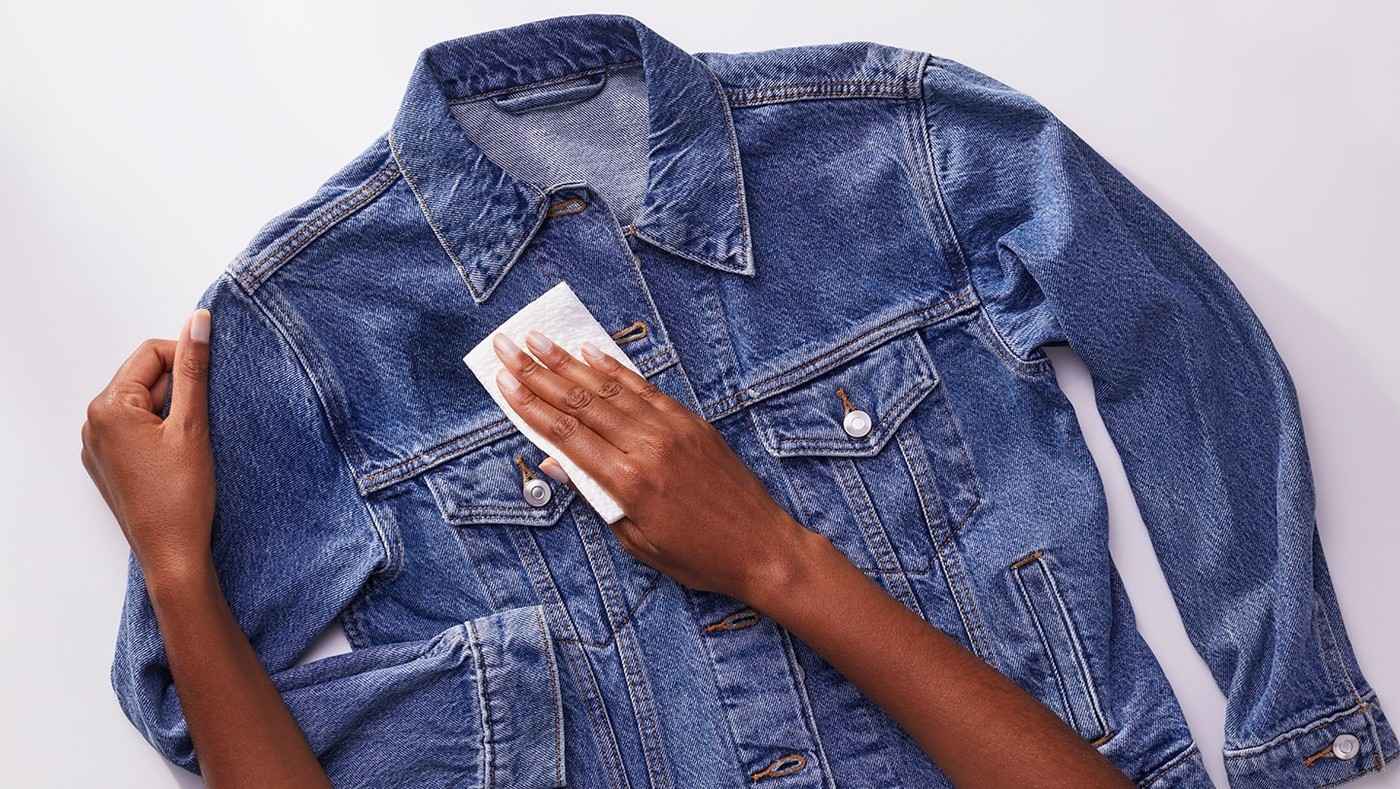
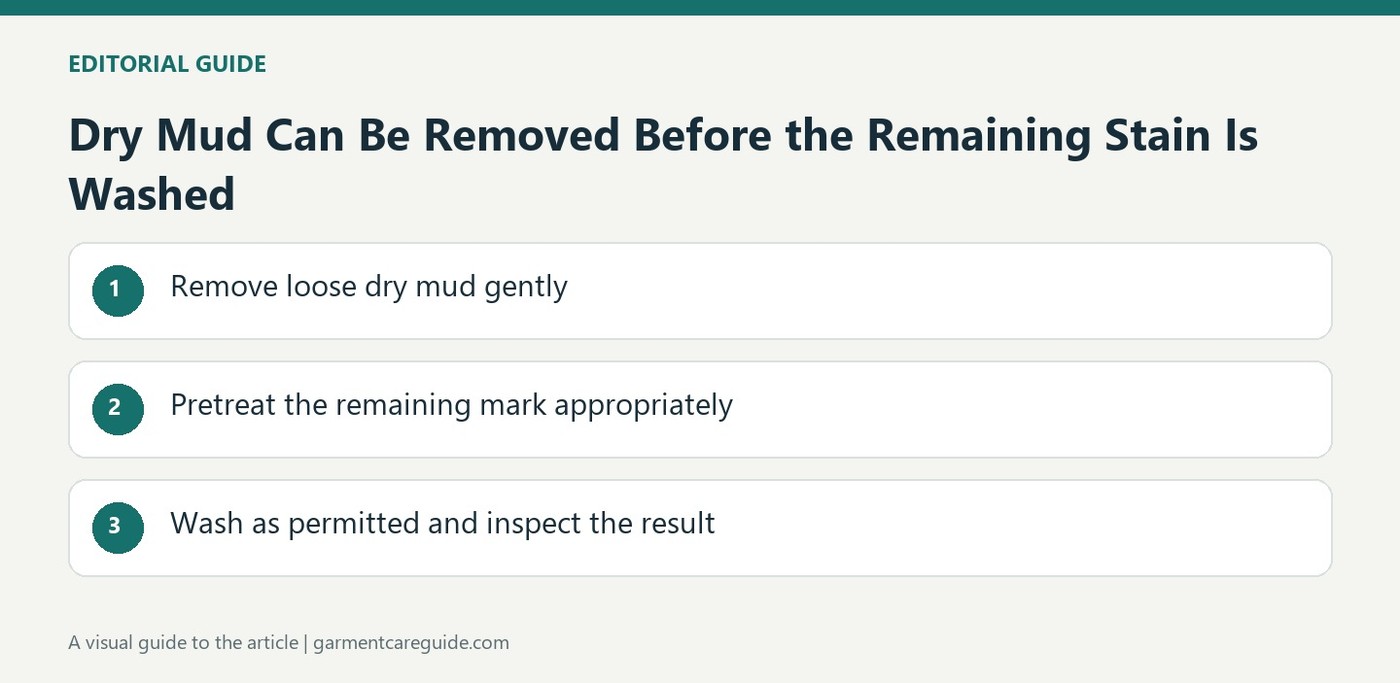
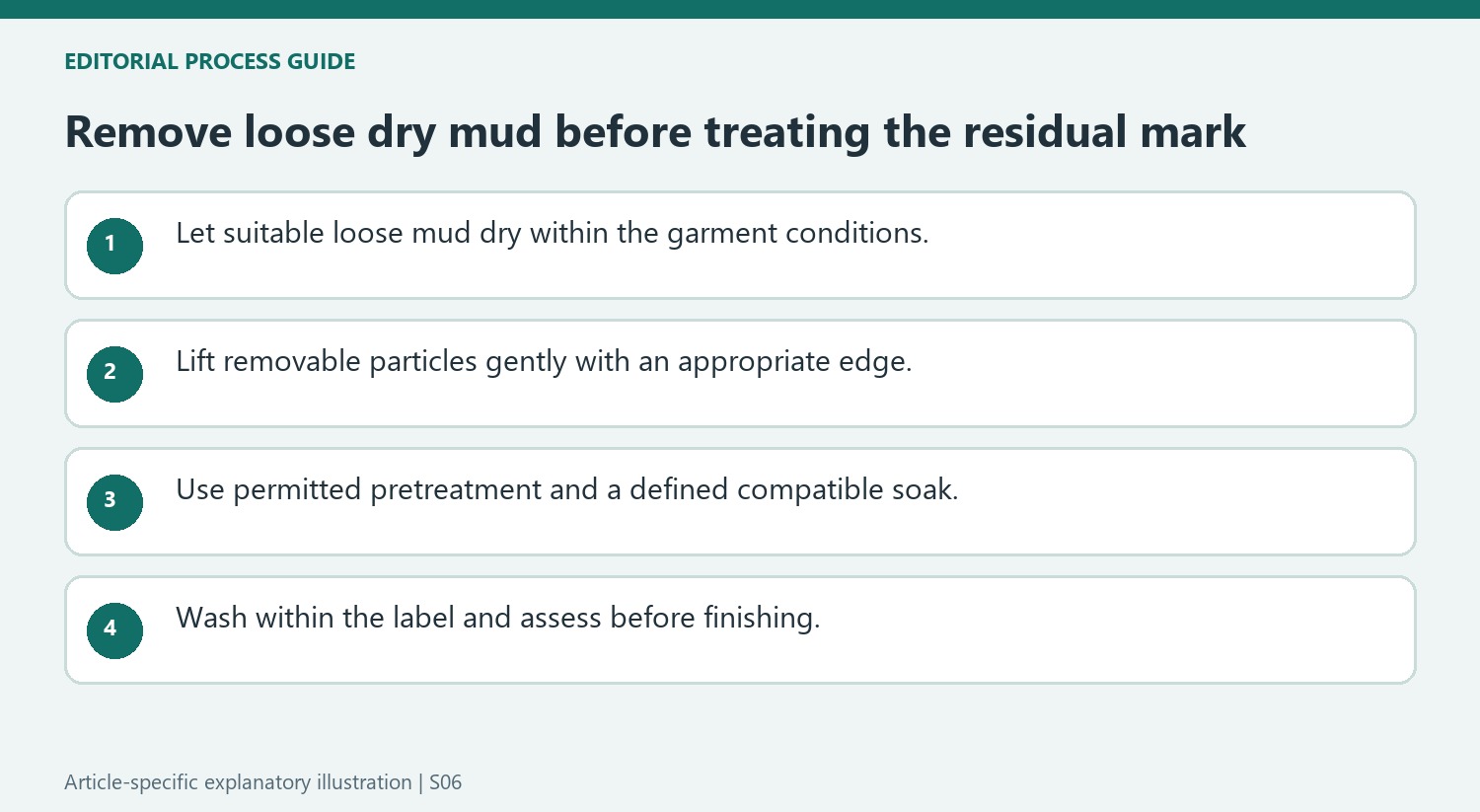
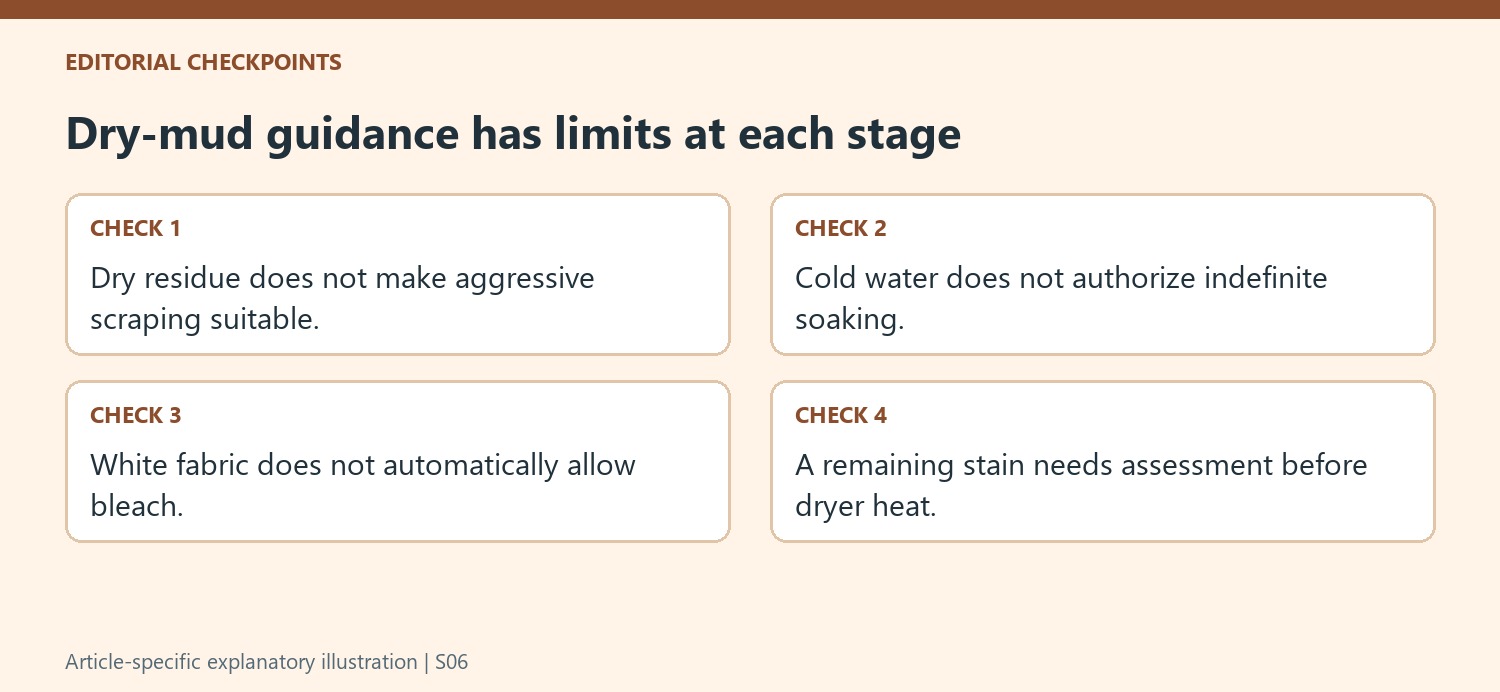
Homes & Gardens' mud-removal guide recommends allowing loose mud to dry before gently lifting it with a dull edge or suitable card. Its rationale is to avoid smearing wet mud deeper or across a wider area. The handling must still suit the garment and any special finish. A delicate fabric should not be aggressively scraped simply because the residue has dried. Remove what can be lifted safely, then treat the remaining mark as a separate task. This distinction can reduce the amount of loose soil that reaches the washing machine.
Choose a pretreatment allowed for the material
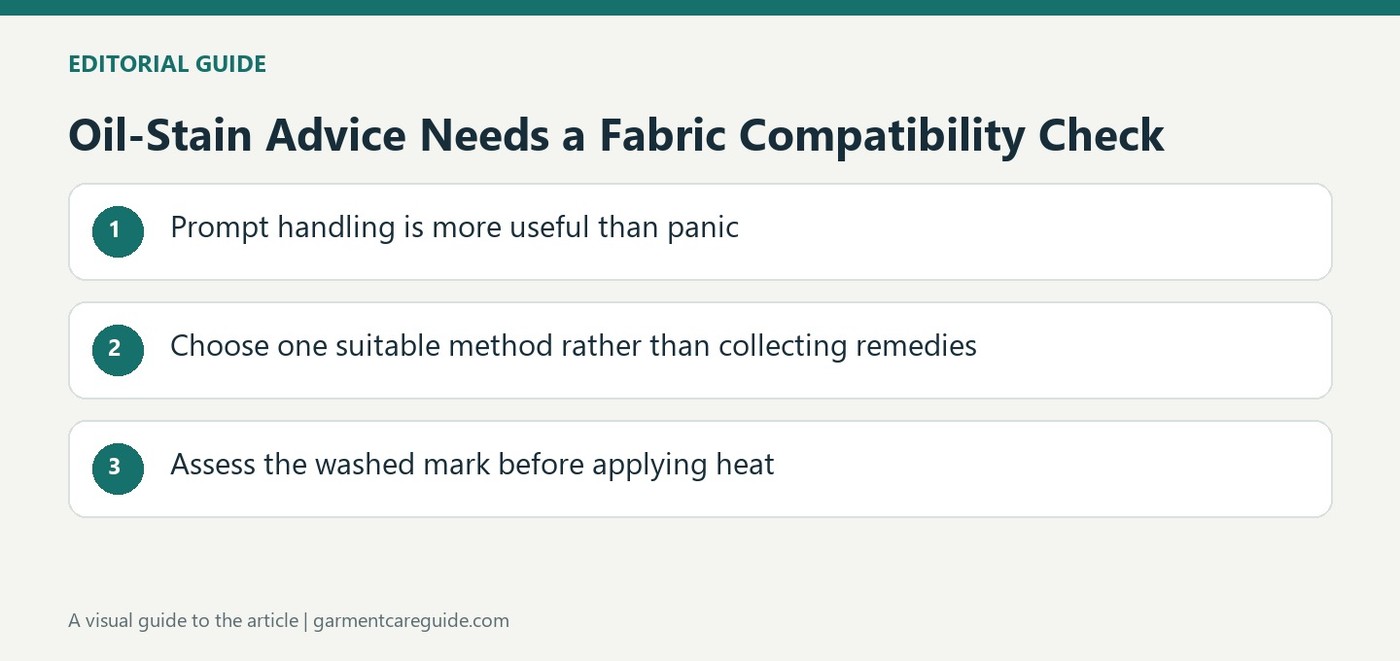
The article discusses enzyme-based stain treatment and a cold-water soaking stage for suitable washable items. Follow the chosen product's contact time and the garment's restrictions rather than assuming a prolonged soak cannot cause harm. Fabrics, dyes and finishes differ, so both soaking and the formulation need approval for the actual item. The same applies to bleach: white clothing does not automatically permit it. Use the source's sequence as guidance for a compatible process, with product instructions providing the practical details for the formulation being used.
Assess the mark before heated finishing
After a permitted wash, inspect the affected area and keep any remaining stain from receiving dryer heat while further appropriate cleaning is considered. The source highlights this checkpoint as a way to avoid making a persistent mark harder to remove. Use the garment's specified natural drying position if needed during assessment. Removal can depend on the material and the particular mud, so a further attempt or specialist advice may be appropriate. The useful sequence is controlled dirt removal, compatible pretreatment and allowed washing, followed by a decision based on what the fabric actually looks like afterward.
Use dry-soil removal for the purpose described in the guide
Homes & Gardens recommends allowing loose mud to dry so that removable particles can be lifted with a suitable dull edge rather than smeared through wet fabric. Apply that reasoning to the material actually present and the surface's tolerance. The aim is to reduce loose dirt, not to scrape until every trace of discoloration disappears. A delicate finish can still be damaged by an inappropriate edge or force after the mud has dried. Remove what can safely be lifted and treat the remaining mark as the next task. This keeps the first stage proportionate and helps prevent a large removable deposit from being carried directly into the machine as though detergent alone should handle it.
A cold soaking stage still needs a defined limit
The article discusses cold-water soaking after suitable pretreatment, but that does not make an indefinite soak harmless for every garment. Read the actual care claim and selected product directions for compatibility, dose, and duration. Dyes, finishes, and construction can impose restrictions independent of water temperature. A more restrictive instruction still governs even when a general mud guide sounds reassuring. The same applies to enzyme stain products and added whitening treatments: the soil identity does not authorize every formulation. Choose a supported route for the actual item and complete it as directed rather than lengthening each stage automatically whenever the residual mark seems stubborn or the next part of the routine is inconvenient.
Let the observed mark decide whether finishing can proceed
After a permitted wash, inspect the affected area before any dryer heat. The source emphasizes this checkpoint because heat can make a persistent stain harder to remove. If a mark remains, use appropriate further guidance and the garment's permitted natural-drying support while considering the next step. Do not assume a white appearance establishes bleach permission or that a hotter cycle is the only response to incomplete removal. The particular soil and textile can affect the outcome, so success should not be promised in advance. A controlled sequence preserves the useful distinction between lifting loose mud, treating residue, washing the completed garment, and deciding whether its actual condition now supports the planned finishing method.
References
- How to remove mud stains from your clothing – 4 simple steps for superior stain removal. Homes and Gardens; Ottilie Blackhall.