GarmentCare Guide
Identify the ink and test the proposed treatment
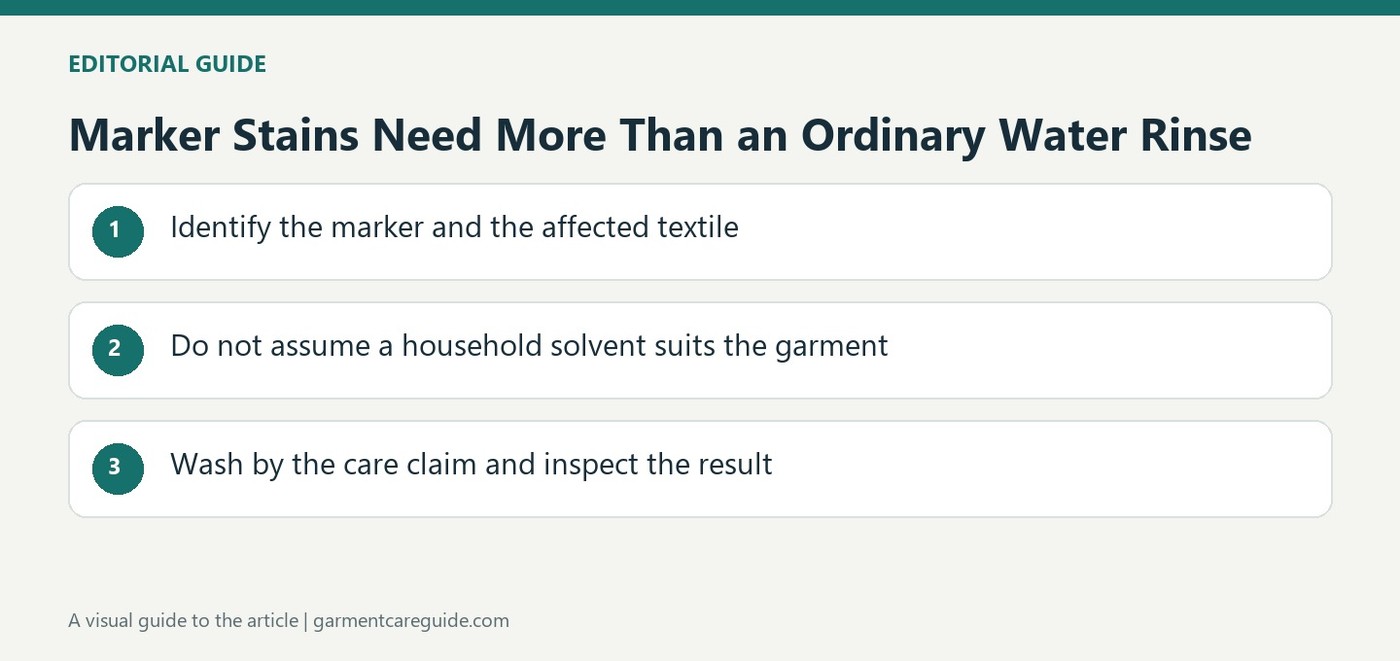
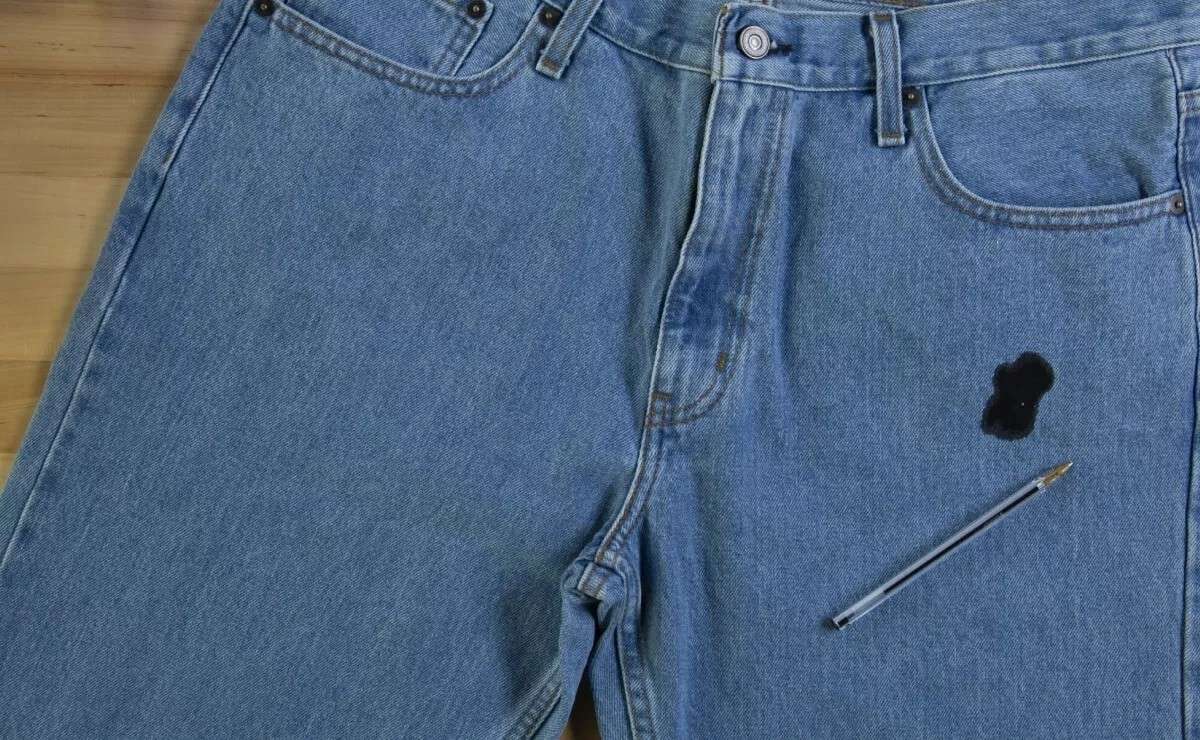
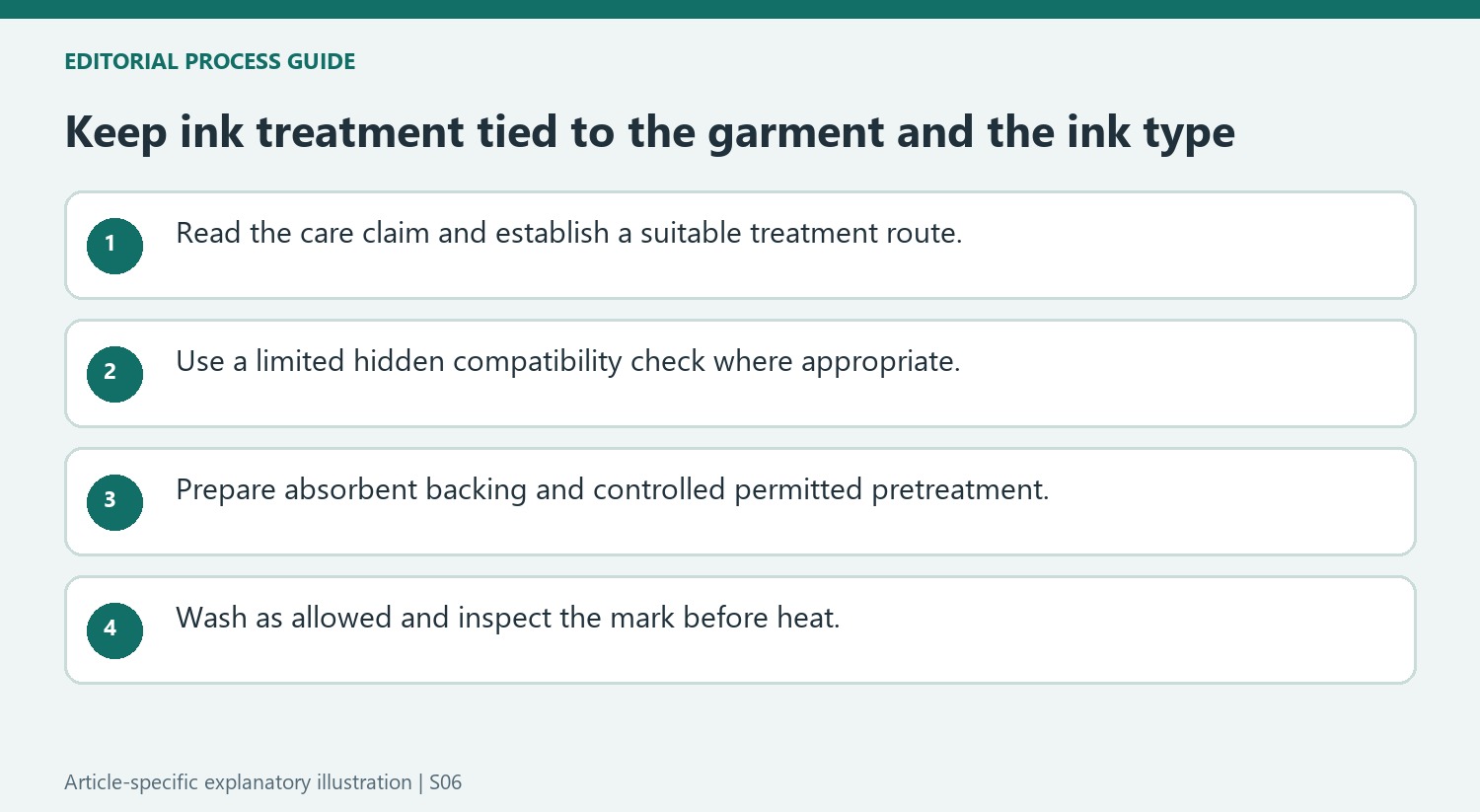
Tide's ink guide distinguishes water-based ink from oil-based ballpoint marks, noting that removal can differ in difficulty. Before treating a visible stain, consult the garment's care claim and test the proposed compatible product on a hidden area. The source describes applying a small quantity with a cotton swab, waiting briefly and blotting with paper towel to check for color transfer. This is a preliminary check, not proof that every solvent suits every textile. A restrictive care label or an incompatible material still requires another approach.
Use an absorbent backing and controlled pretreatment
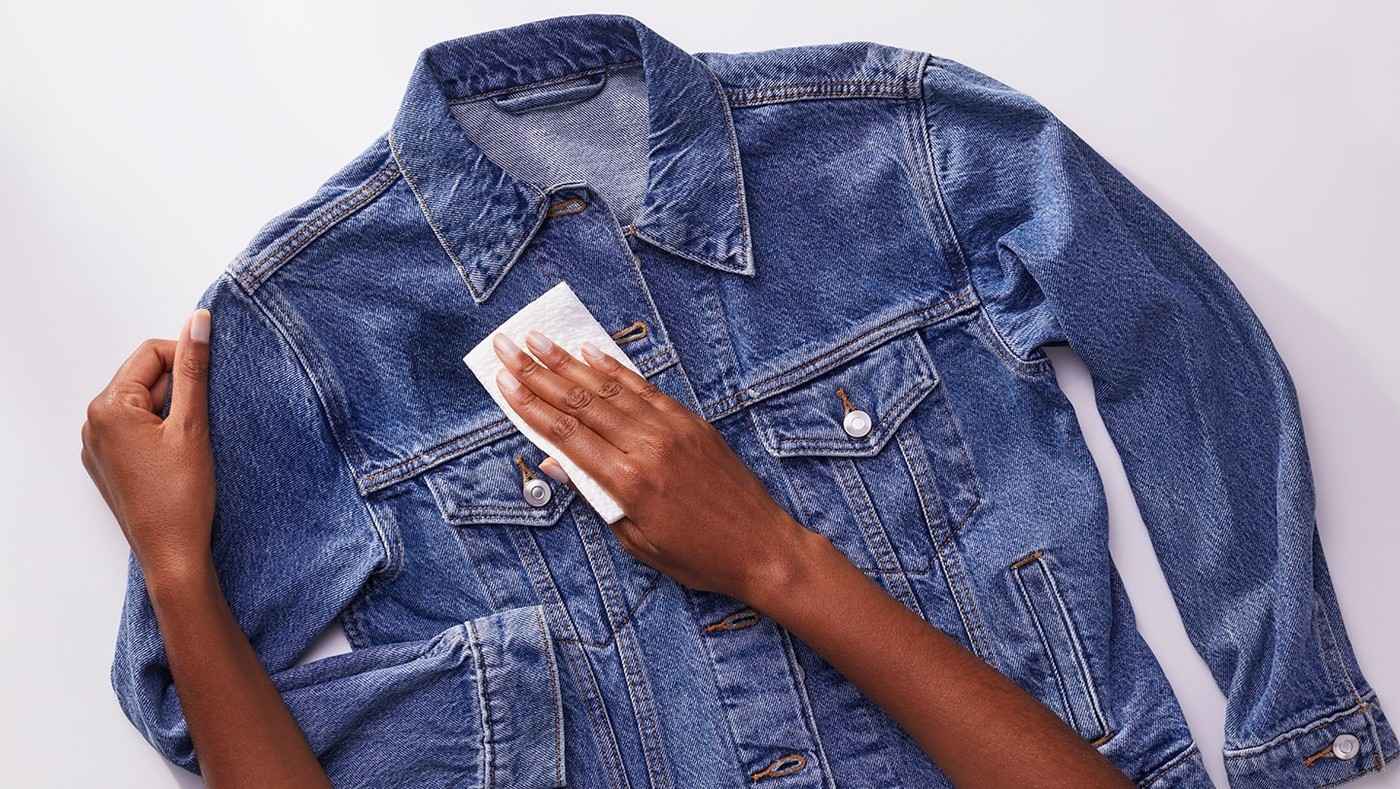
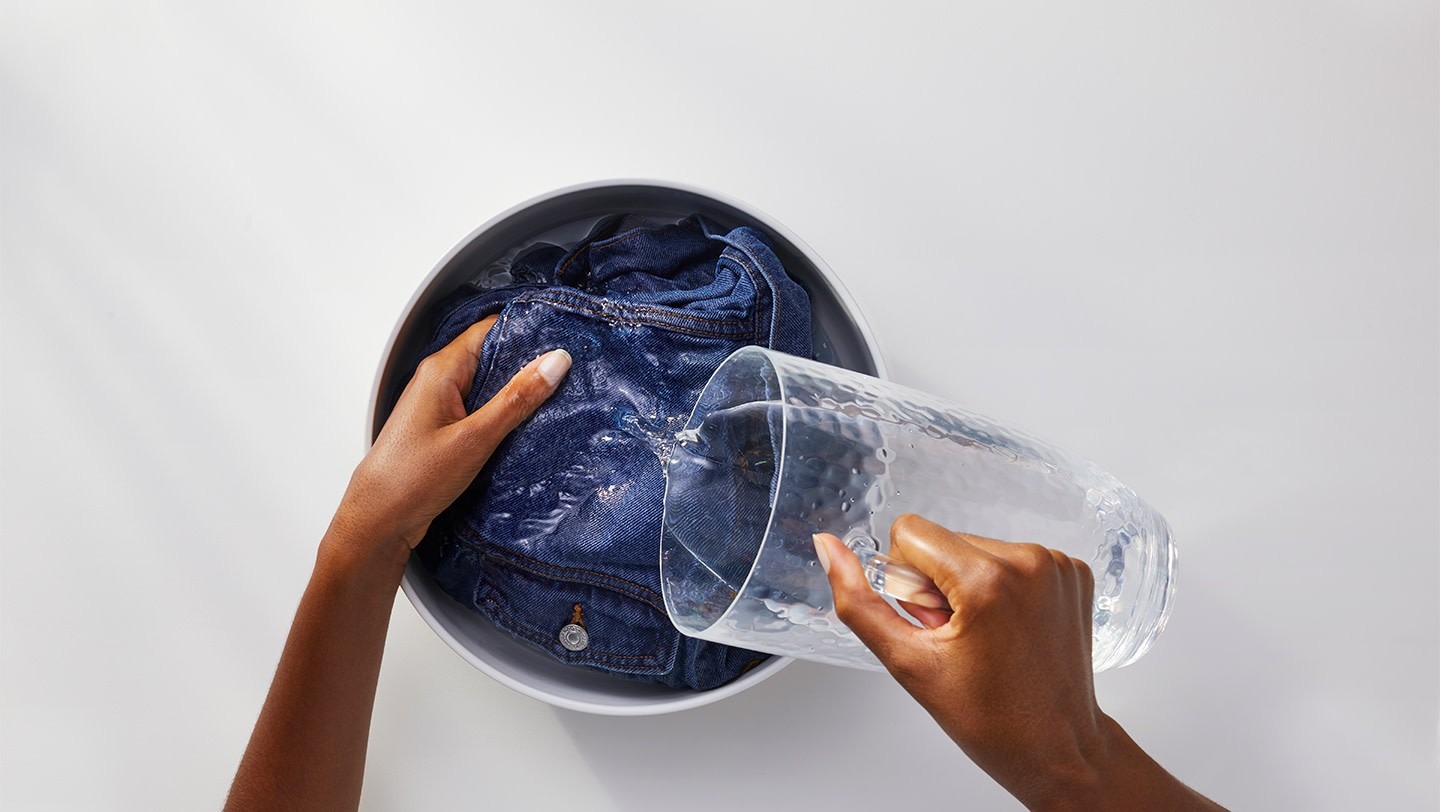
For an item that allows the selected treatment, Tide places an absorbent paper towel beneath the affected area to catch transferred ink. Blot rather than dragging loose ink across the surrounding fabric. Its general sequence then rinses the treatment and applies a suitable liquid laundry detergent, allowing a short directed contact period before the wash. Product instructions govern the actual amount and timing. Do not transfer direct-liquid directions to a laundry capsule or assume a brush is appropriate for a fragile surface. The backing, local treatment and main detergent each serve different roles.
Wash within the label and inspect before heat
Tide recommends washing by the garment's permitted cycle and temperature, using the correct dose for the load. Check the ink mark before the item enters a dryer. If it remains, another compatible treatment may be needed because heated drying can make the residue harder to remove. The guide's examples cover different garments, but they do not guarantee every pen mark will disappear. Keeping the sequence tied to ink type, fabric compatibility and the actual result is more useful than treating a household solvent as a universal ink eraser.
A hidden test cannot authorize a conflicting care method
Tide describes a small hidden-area test to check whether a proposed treatment causes dye transfer. That supplies limited information about the tested product on that area of the fabric. It does not cancel a dry-clean-only claim or prove that every component of a completed garment can tolerate the treatment. Read the care information before considering a solvent and keep any test within a suitable route. If the material, finish, or permitted process remains uncertain, seek garment-specific advice. This distinction keeps color testing useful without making it an oversized guarantee. A clear paper towel after a small trial cannot establish the outcome of unrestricted chemical application across the full visible ink mark.
The absorbent backing and detergent have different functions
For a compatible item, the guide places absorbent material beneath the affected area to receive transferred ink. Blotting and controlled handling aim to lift the loose mark without dragging it across surrounding cloth. The later laundry-detergent pretreatment then serves a different role before the permitted wash. Follow the actual product's application amount and contact time, and rinse earlier treatment as directed rather than combining every substance on the fabric. A soft brush is not automatically appropriate for a fragile surface, even when it appears in a general example. Preparing the backing and choosing suitable tools first makes each action easier to keep within the garment's limits and the selected method's intended purpose.
Ink type helps explain why one result does not predict another
The source distinguishes water-based ink, oily ballpoint ink, and more persistent permanent marks. Treat those categories as reasons to identify the spill where possible, not as guarantees that one household solvent removes every pen mark. A familiar-looking line on a shirt can involve a different formulation from an earlier stain. The fabric and dye response also matter. After the allowed treatment and wash, inspect the actual area before heated drying. A remaining mark needs a further compatible decision rather than automatic escalation of heat or cleaner quantity. Keeping the ink identity, garment information, and observed result together gives the routine a sounder basis than relying on a product's reputation as a general ink remover.