GarmentCare Guide
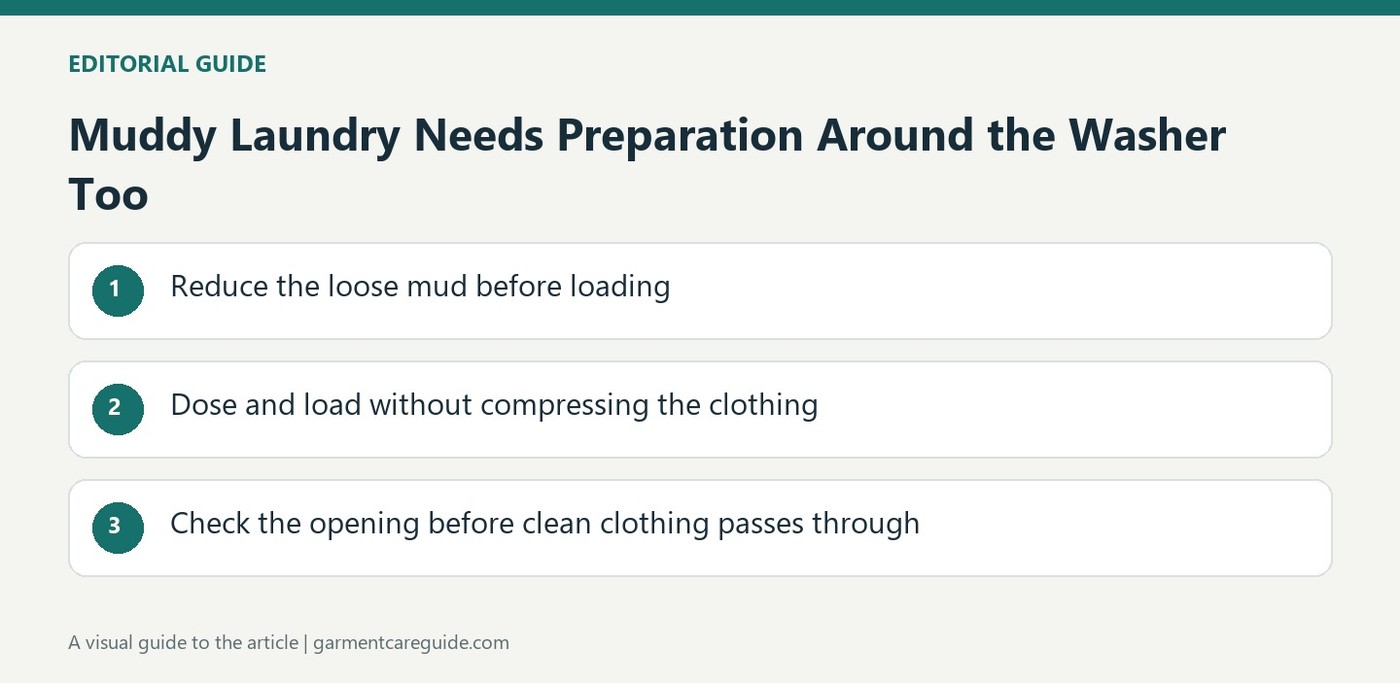
Reduce the loose mud before loading
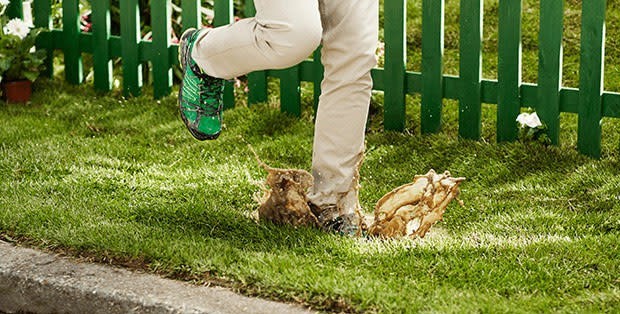
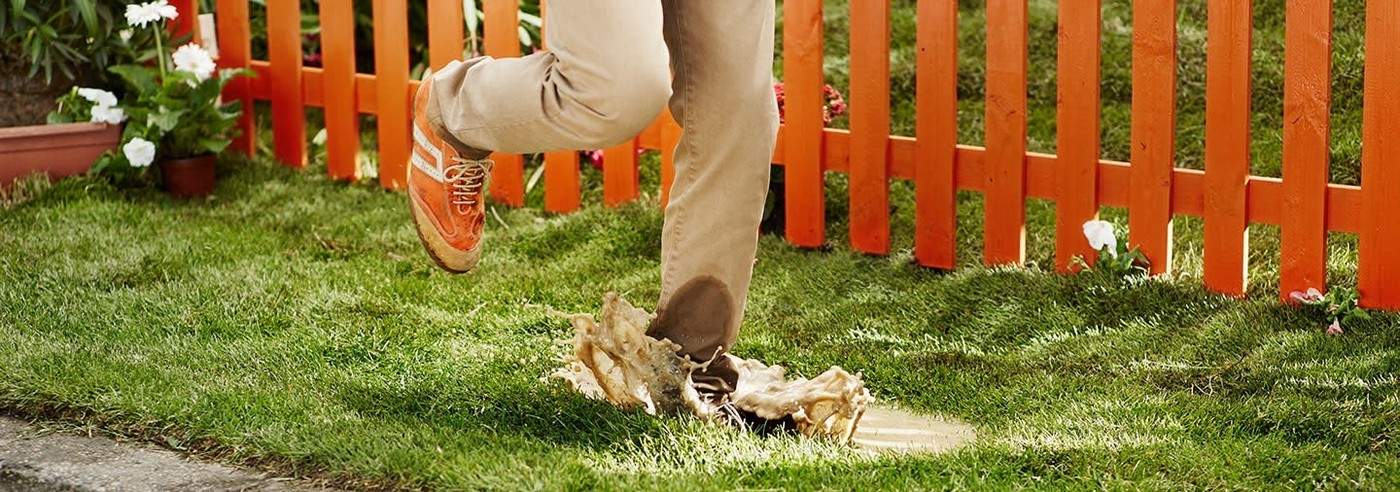
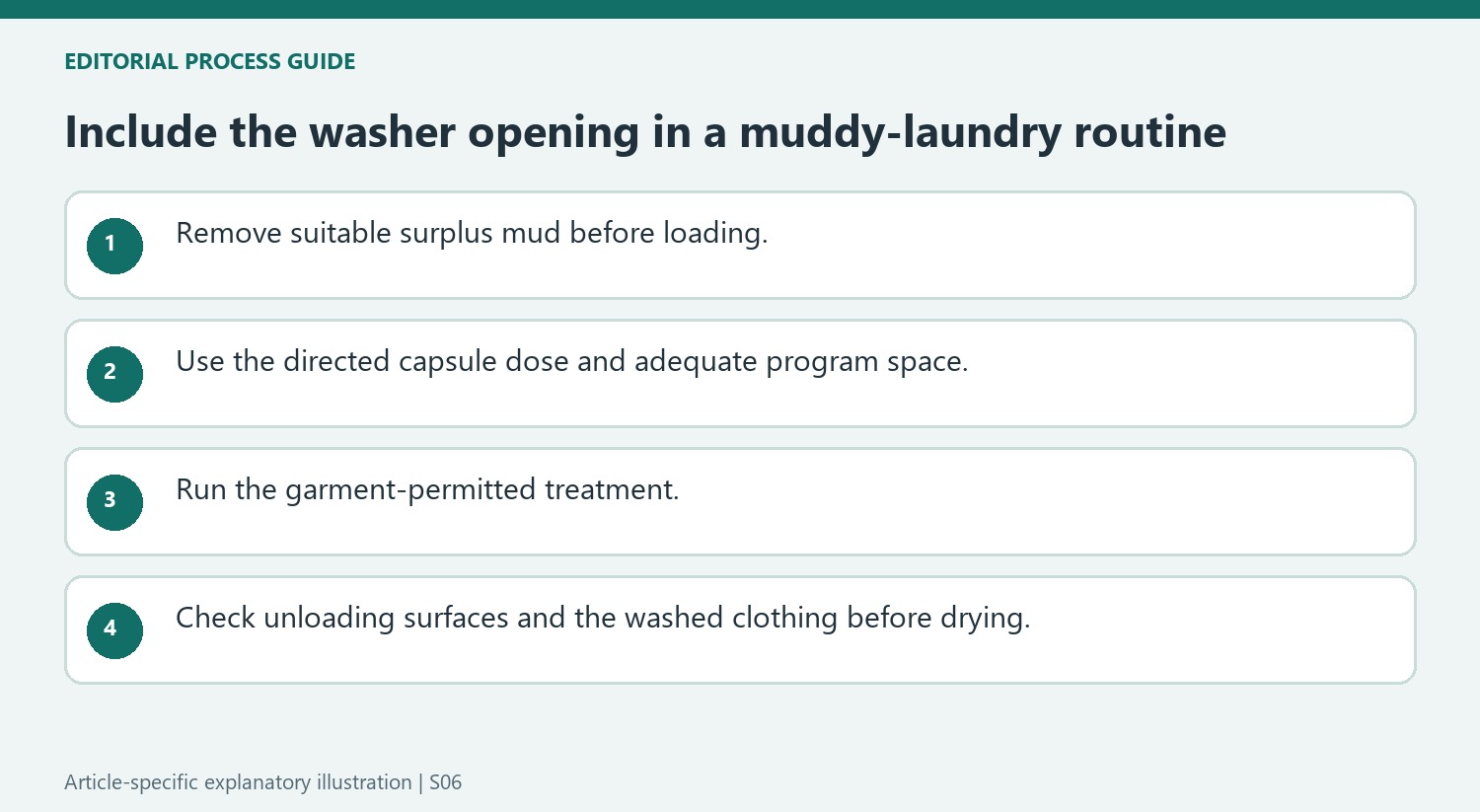
Ariel's mud-stain routine begins with removing excess residue before washing heavily affected clothing. Where rinsing is permitted, use a temperature and handling method appropriate for the garment. The purpose is to avoid transferring a large amount of loose mud directly into the appliance, not to scrub the fabric aggressively. Read the item's care label first, particularly for outdoor clothing with special constructions or finishes. A muddy appearance does not establish that the garment can tolerate every soaking, brush or high-temperature cleaning method.
Dose and load without compressing the clothing
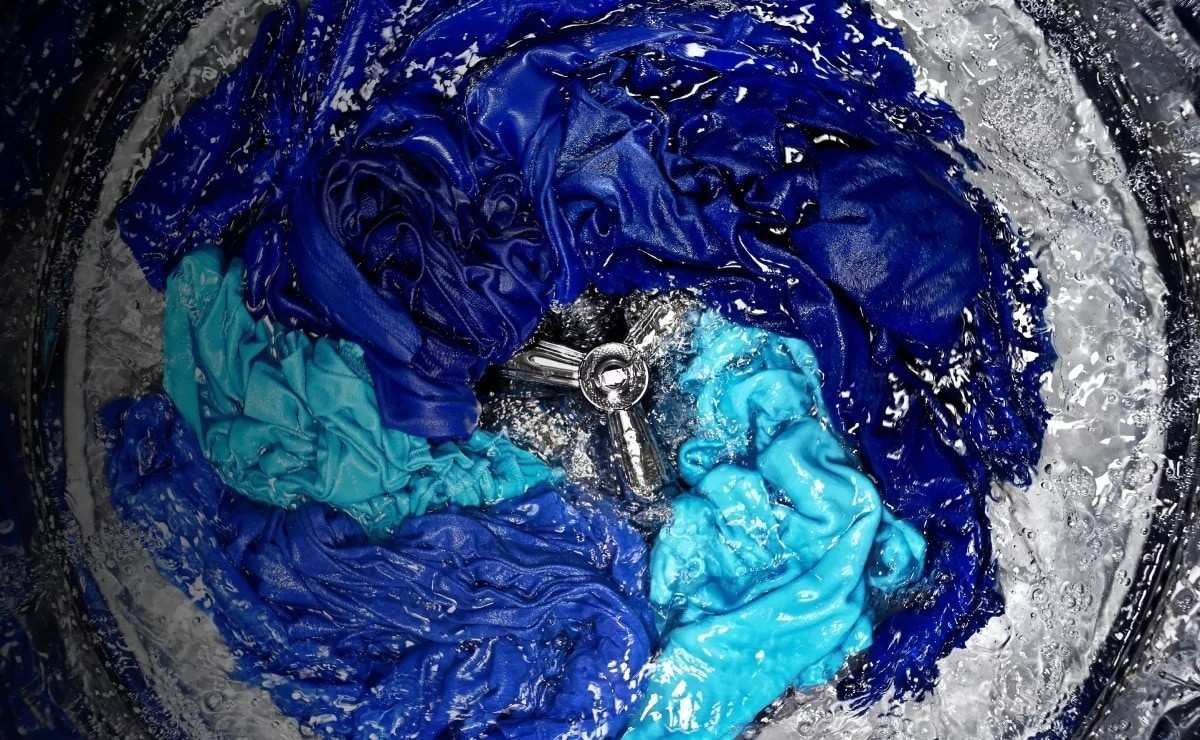
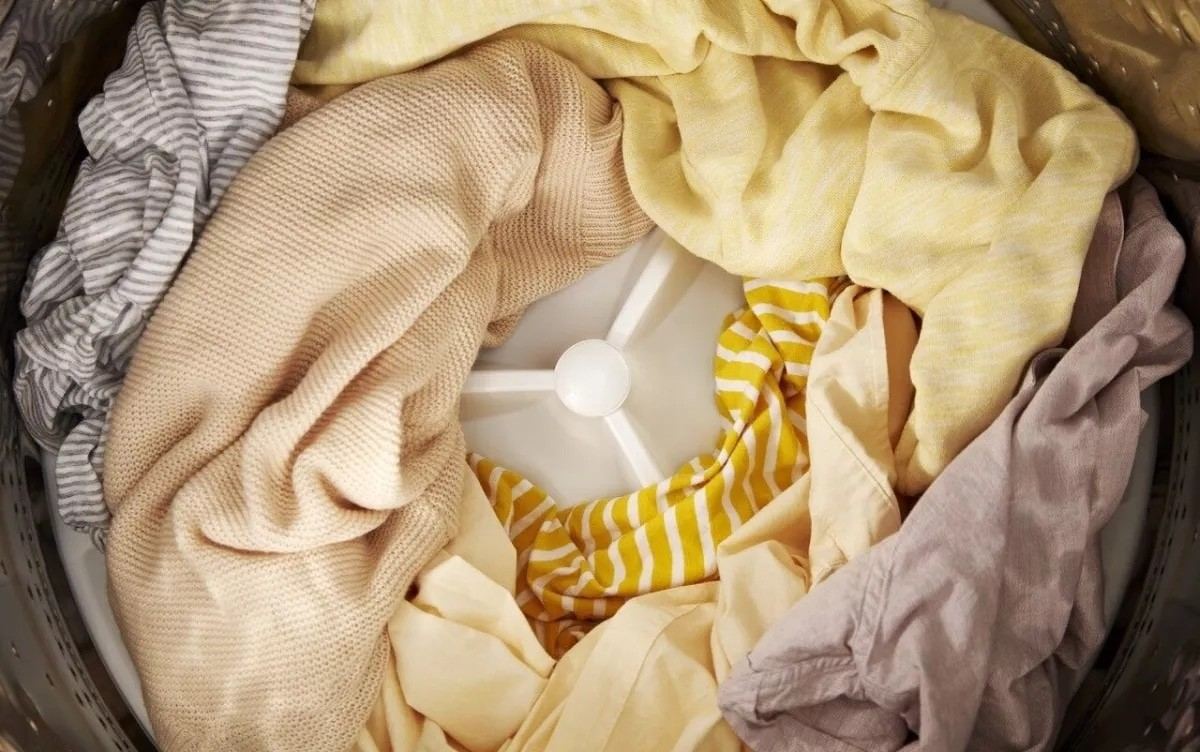
The source uses laundry capsules placed in the empty drum, then clothing above them. Follow the actual pack for dose and close the container after use, storing it as directed. Ariel also emphasizes leaving room rather than tightly packing a heavily soiled load. Select the washing program from the garments' care claims and the appliance instructions. A more intensive process can only be considered where the clothing permits it. Extra soil should prompt appropriate preparation and loading, rather than an automatic increase in detergent or heat beyond the stated limits.
Check the opening before clean clothing passes through
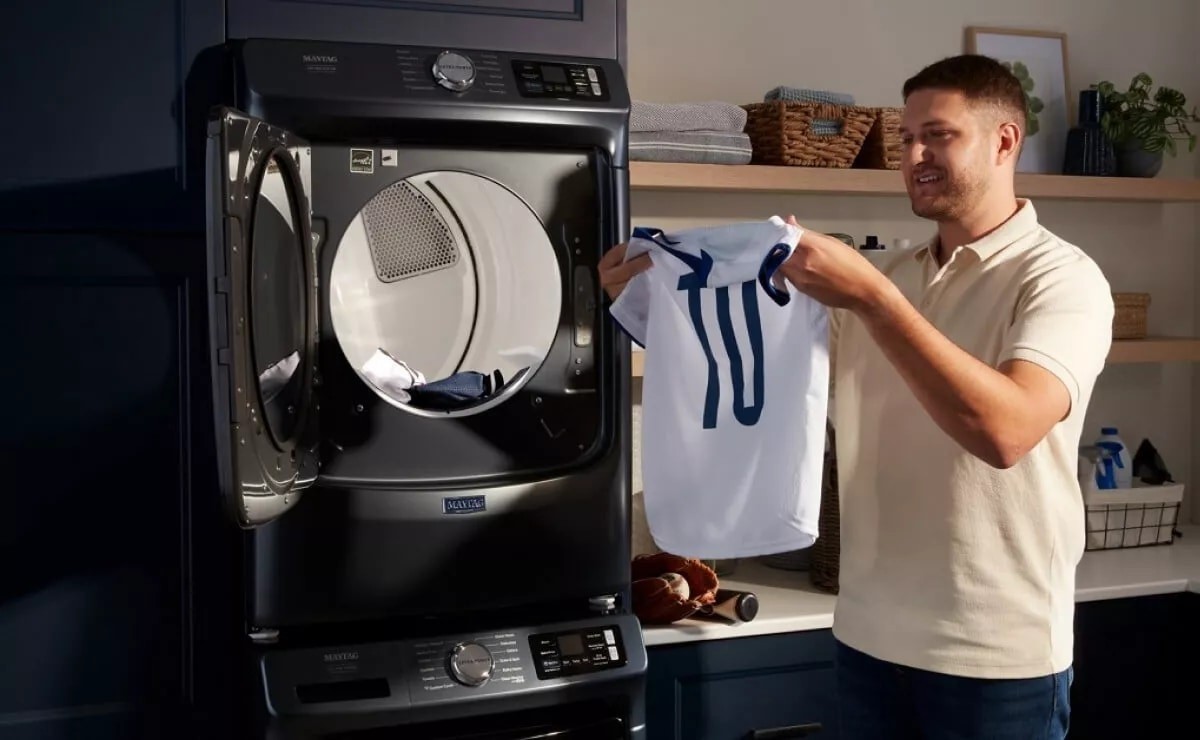
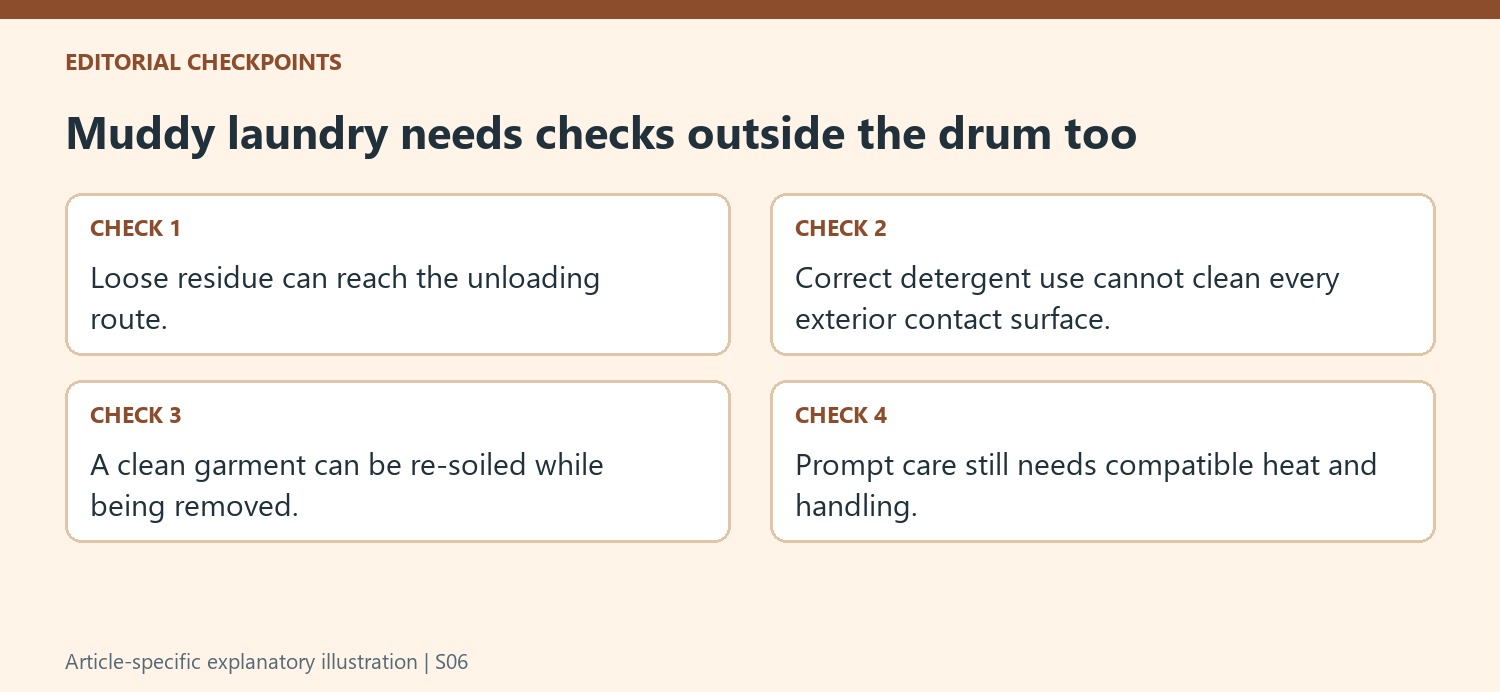
An easily missed detail in Ariel's guide is the machine's outside surface around the unloading route. Mud can remain there and transfer back onto newly washed garments. Check and clean the relevant area as appropriate before taking the load out. Then inspect the clothing itself before drying, repeating a compatible treatment if a mark remains. This makes the routine broader than stain removal inside the drum. Preparation of the item, correct machine use and care during unloading all help keep loose mud from being reintroduced after the main cleaning step has finished.
Preparation protects the unloading route as well as the wash
Ariel's distinctive final reminder is to check the outside of the machine opening before taking clean clothes out. Mud left in that area can transfer back onto garments as they pass through. Inspect and clean the relevant surface appropriately before unloading, following the appliance's care directions. This is separate from whether detergent has treated the stain inside the drum. A prepared garment can complete a suitable cycle and still be re-soiled through handling afterward. Planning the route from basket to machine and back makes the routine more complete. It also explains why excess-mud removal matters beyond stain chemistry: loose soil can reach surfaces that the finished clothing will encounter later.
Heavily soiled clothing needs loading room within the allowed process
The source places capsules in the empty drum and advises leaving space when adding muddy clothes. Use the actual product's dosing directions and the machine's program capacity rather than compressing the load to make it fit. Extra soil should prompt appropriate preparation and compatible grouping, not an automatic increase in every setting. Read the garments' temperature and movement limits before deciding whether a longer or warmer treatment is available. A heavily marked outdoor piece may still carry a restrictive finish or construction. Correct placement, measured detergent, and suitable capacity support the permitted process; none can authorize a stronger one that conflicts with the completed item's care information.
Prompt action should remain controlled at every stage
Ariel encourages attention to muddy clothing before residue accumulates through an ordinary laundry routine, but the garment still determines how that attention may be given. Remove suitable excess gently and use any rinse only where its temperature and handling fit the care claim. Close and store the capsule container after dosing, then run the appropriate wash. At the end, inspect both the unloading area and the clothing itself before drying. If a mark remains, follow further compatible guidance instead of assuming the next automatic stage is heat. These separate checks make prompt care useful without confusing speed with force, a stronger concentration, or a universally hot treatment for every garment that has encountered outdoor mud. Recheck the handling surfaces when the cycle ends.