GarmentCare Guide
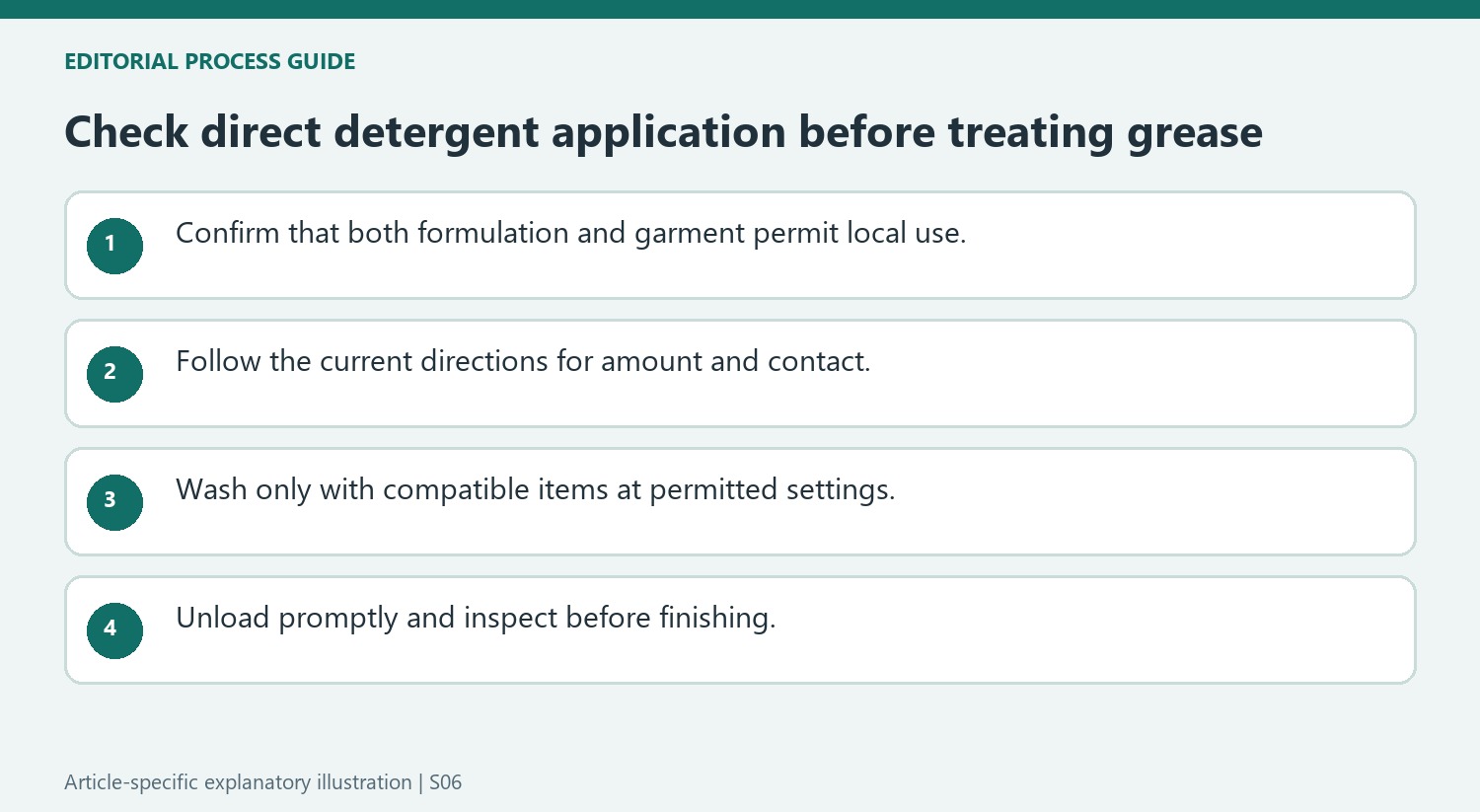
Confirm that direct application is allowed
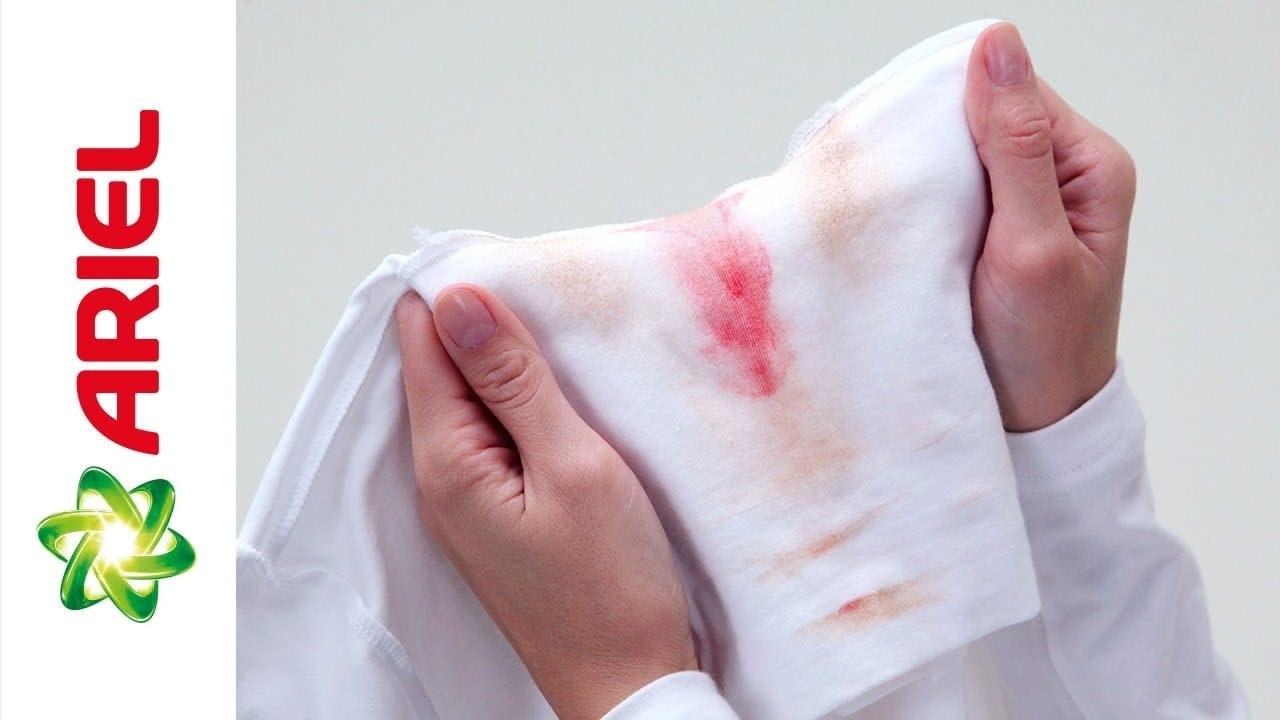
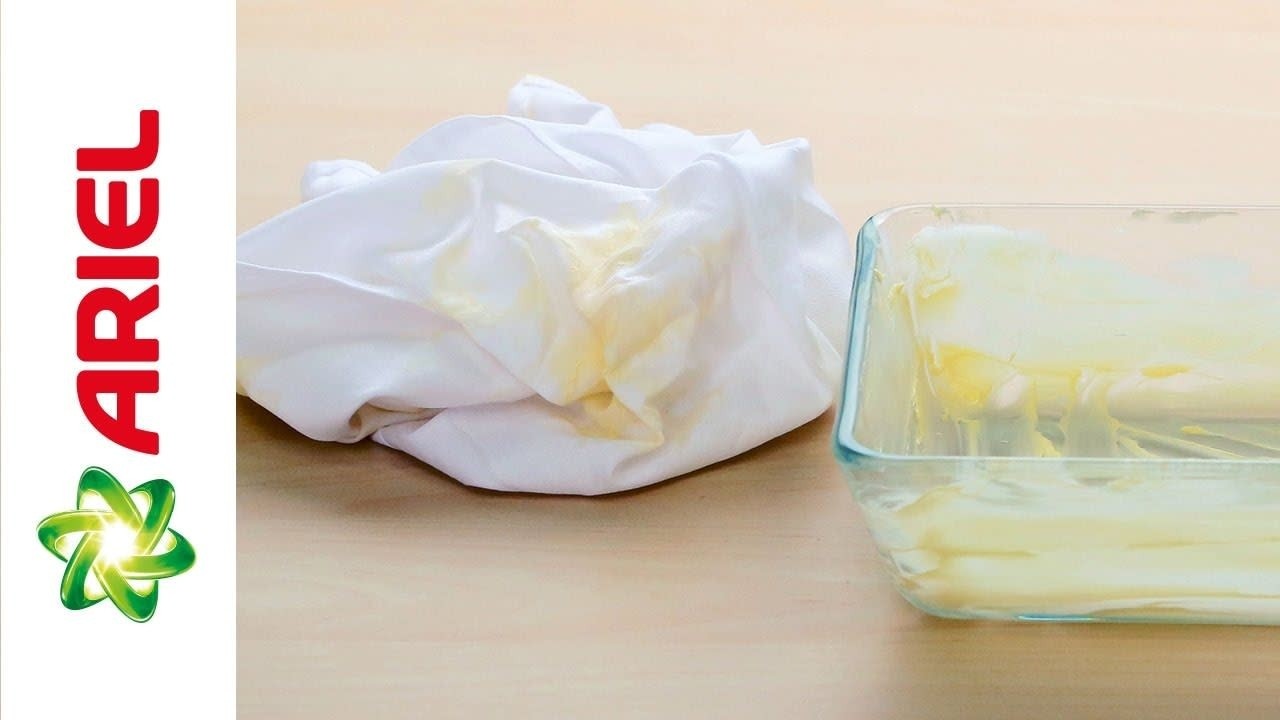
Ariel's guide to butter, cooking-oil and grease marks describes a liquid-detergent pretreatment before washing. That method begins with choosing a product intended for direct use on a stain and checking that the garment permits it. A visible greasy mark does not make every fabric suitable for concentrated detergent or rubbing. Read the care label and product instructions before applying anything. Delicate dyes, finishes or a professional-cleaning claim may require a different route from the general washable-clothing example in the guide.
Treat the mark without confusing product formats
The source uses liquid detergent to cover a suitable stain before the item enters the wash. This should not be transferred to other product types without their own instructions. A laundry capsule, powder and liquid can have different preparation and placement requirements. Use the current product directions for amount, contact time and handling rather than copying a generic measure. The goal is a controlled pretreatment of the affected area, followed by a permitted wash, not simply increasing detergent concentration throughout the entire load because one garment has a grease spot.
Build a compatible load and dose the wash
Ariel then recommends washing with compatible items at a temperature allowed by the garment's care claim, using the correct wash dose. Do not add a delicate piece to a more intensive load solely because its stain has already been treated. Prompt unloading follows the wash, with the result checked before any further finishing. The routine separates three decisions: what can be applied to the stain, how the full load should be washed and what the garment permits afterward. Keeping those decisions distinct makes direct pretreatment easier to use accurately without exceeding the fabric's limits.
Direct application needs both an appropriate formulation and an appropriate surface
Ariel's method uses a liquid detergent on a suitable greasy mark before washing. The direct contact is therefore a separate compatibility decision from selecting a detergent for a diluted machine wash. Read the product's intended uses and the garment's restrictions first. A concentration that is appropriate on one washable surface should not be assumed suitable for delicate dyes, finishes, or professional-care clothing. Keep the amount and contact period within the actual directions rather than copying a general description across products. If the proposed method does not fit the item, seek a more relevant route before applying anything. The existence of butter or oil on the garment does not suspend its normal care limits.
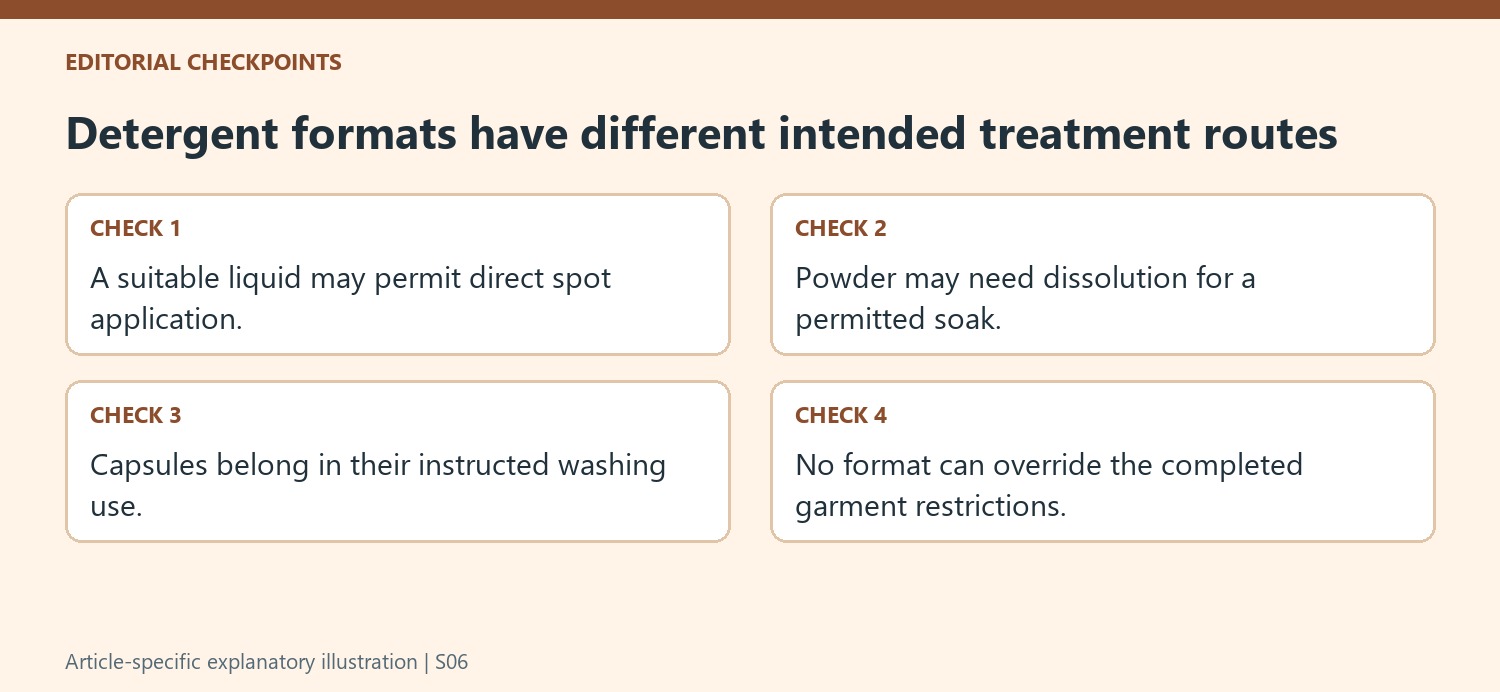
Do not translate a liquid example into another product format
The guide's direct-treatment instruction should not be extended automatically to capsules, powders, or other detergents. Each format has its own preparation and placement directions. A powder may need dissolution for a permitted soak, while a capsule belongs in its directed washing use rather than being opened for spot application. Even different liquids can vary in concentration and intended handling. Read the current pack instead of using the product name alone as a treatment recipe. This distinction is practical when a household changes detergent: the stain may look familiar, but a remembered method still needs to be checked against the new formulation and the actual fabric before the preparation is repeated.
Pretreatment does not make an otherwise unsuitable load compatible
After treating a mark, Ariel places the garment with other suitable items for the permitted wash. Check those items' requirements before combining them. A delicate garment does not become ready for a stronger cycle simply because concentrated detergent has already been applied to one area. Compare colors, fabric, weight, and allowed movement, then use the correct main-wash dose. At the end, unload promptly and inspect the actual result before finishing according to the label. The routine remains a set of connected decisions about one finished article: what may touch the stain, what process the whole garment may receive, and how it can be dried afterward. Completing the first decision does not automatically answer either of the other two.