GarmentCare Guide

A coffee spill needs an item-specific cleaning decision
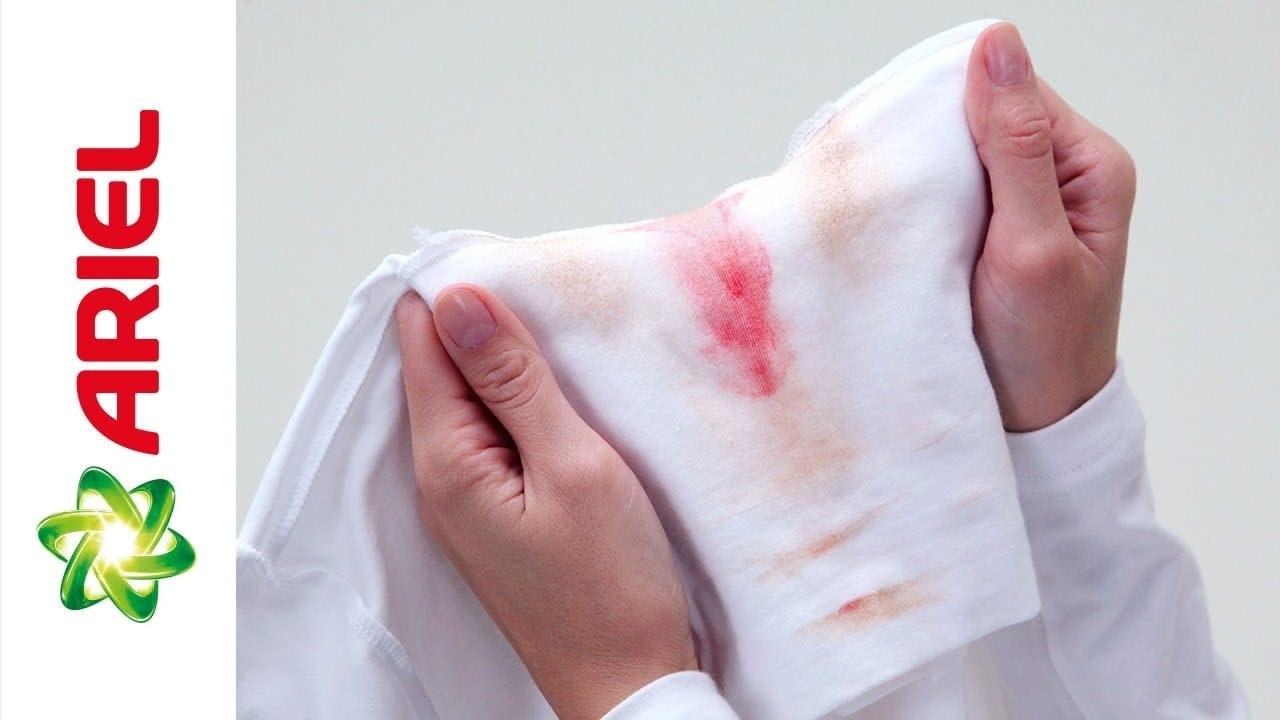
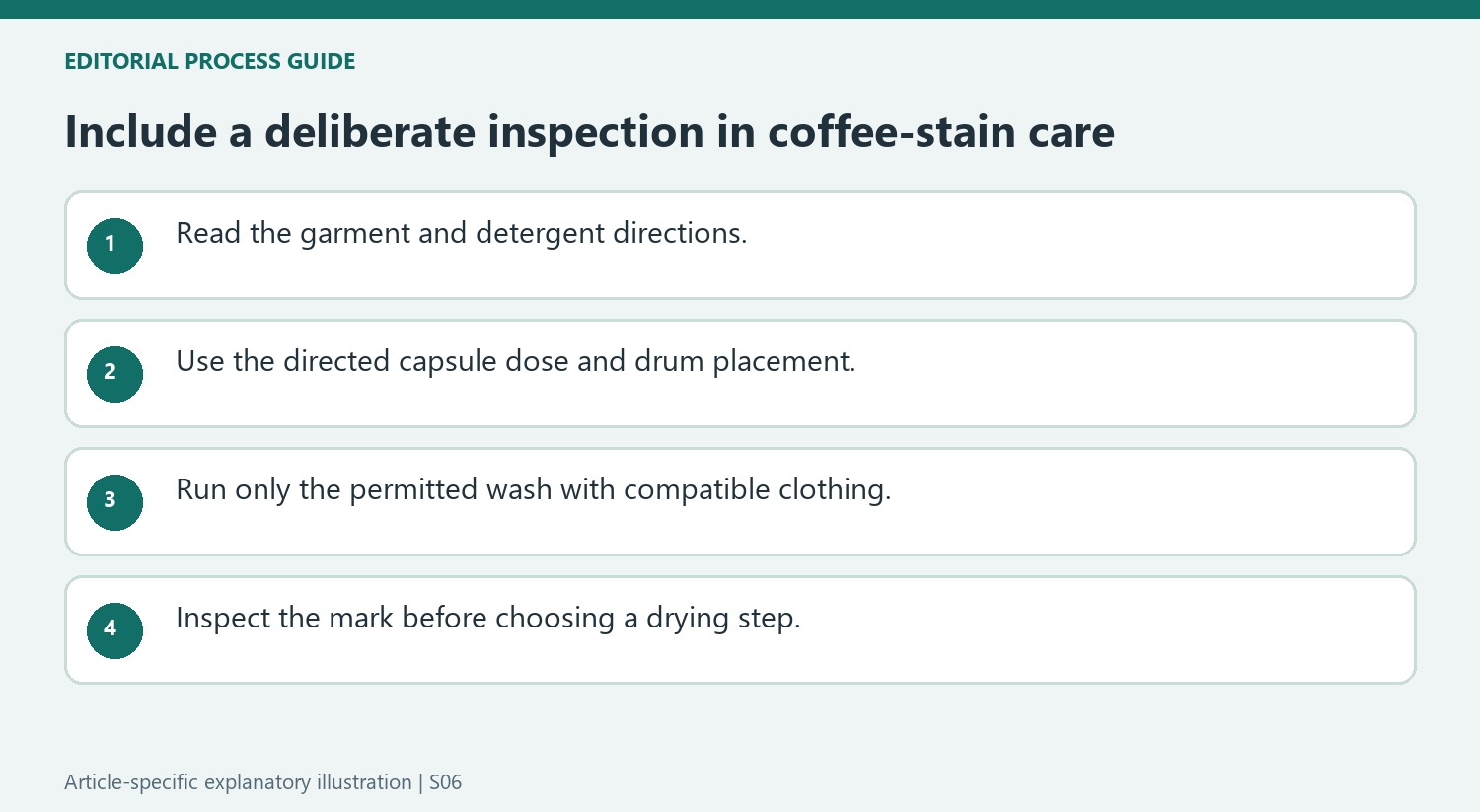
Tide's coffee-stain guide treats the spill as a laundry problem to address before it becomes part of the garment's normal appearance. Begin with the clothing label to determine whether home washing is permitted and which process can be used. A coffee mark on a white shirt does not establish that the fabric can tolerate every stain product or wash temperature. The care claim and suitable detergent directions remain relevant even when the stain looks dramatic. This keeps the treatment aimed at the mark without losing sight of the finished garment.
Dose for the actual product and load
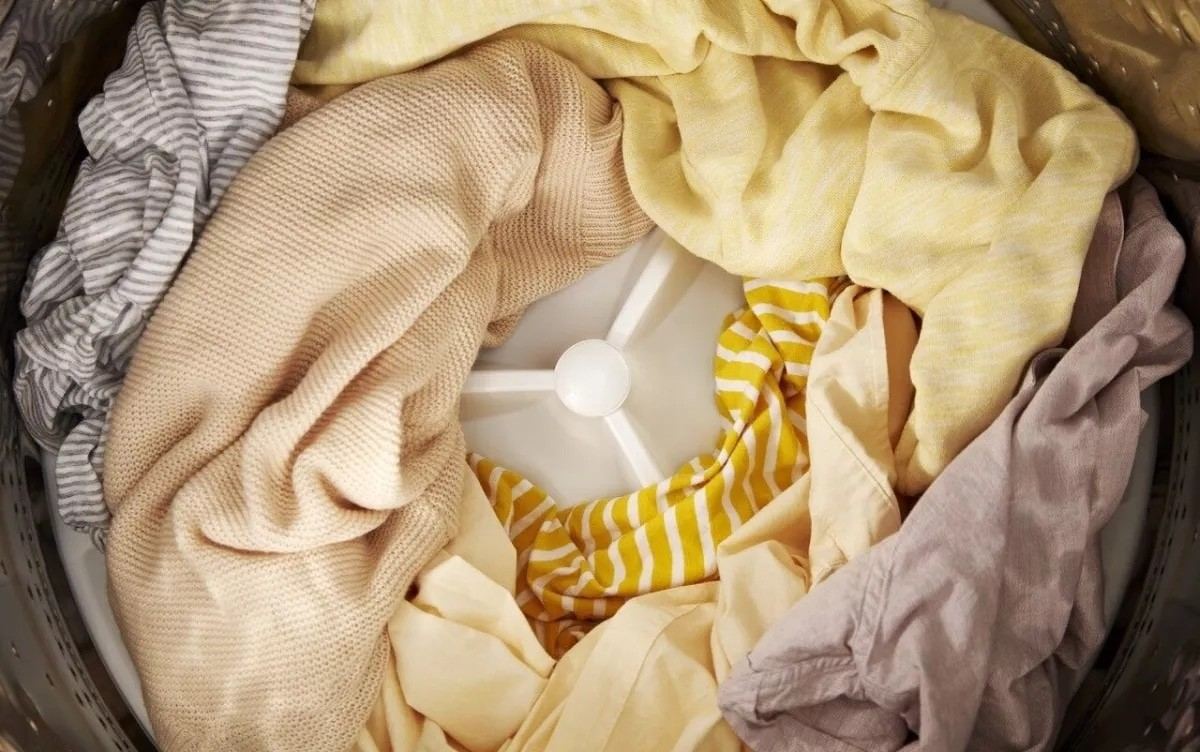
The source's washing routine uses a measured detergent dose based on the pack instructions, load and soil level. That is a more specific decision than adding extra product automatically because coffee is visible. If using laundry capsules, follow their placement instructions rather than treating them as a liquid for direct application to a spot. Select a compatible load and the garment's permitted cycle. The product mentioned in the source is one formulation, so instructions should not be transferred unchanged to a different detergent with different concentration or use directions.
Pause before applying dryer heat
Tide explicitly recommends checking whether the stain remains after washing and repeating an appropriate treatment before using the dryer. Dryer heat can make a remaining mark harder to remove. This inspection creates a useful stopping point between washing and finishing, rather than assuming that a completed cycle means the stain has disappeared. Follow the garment's permitted drying method once the mark has been assessed. The complete routine therefore includes label reading, correct product use, washing and a visual check, with drying treated as a separate decision rather than an automatic next step.
Use the capsule as directed rather than as a spot-treatment tool
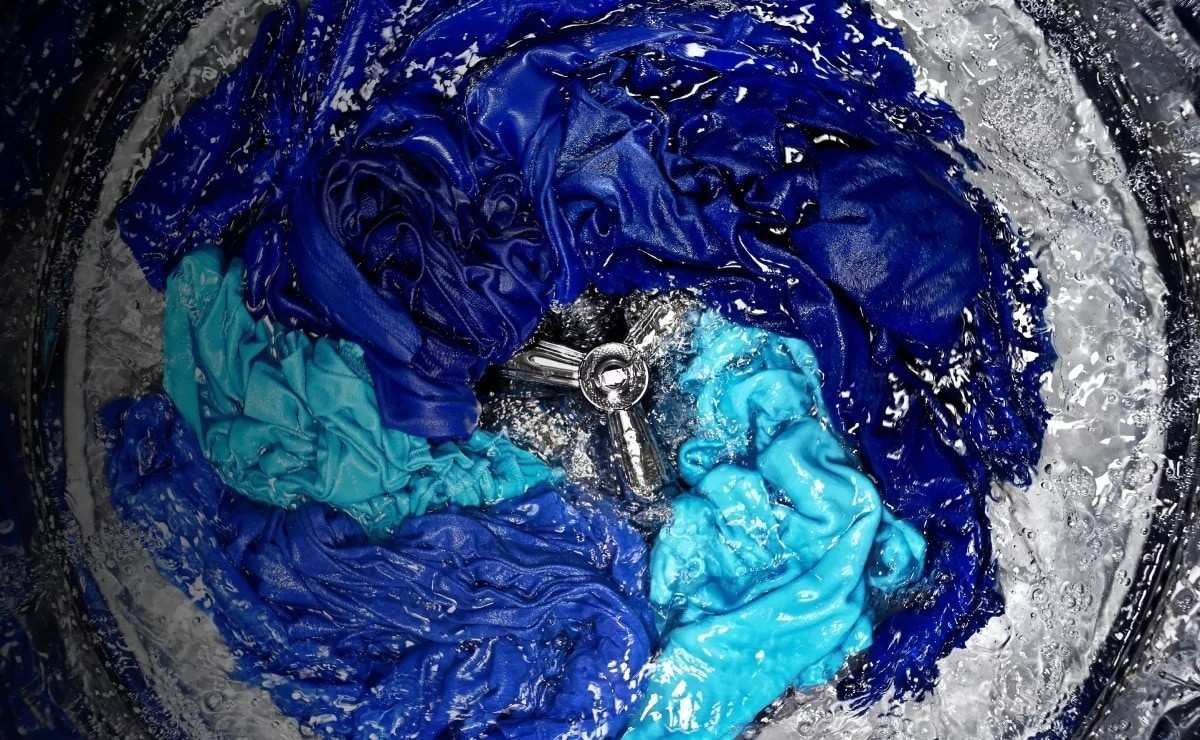
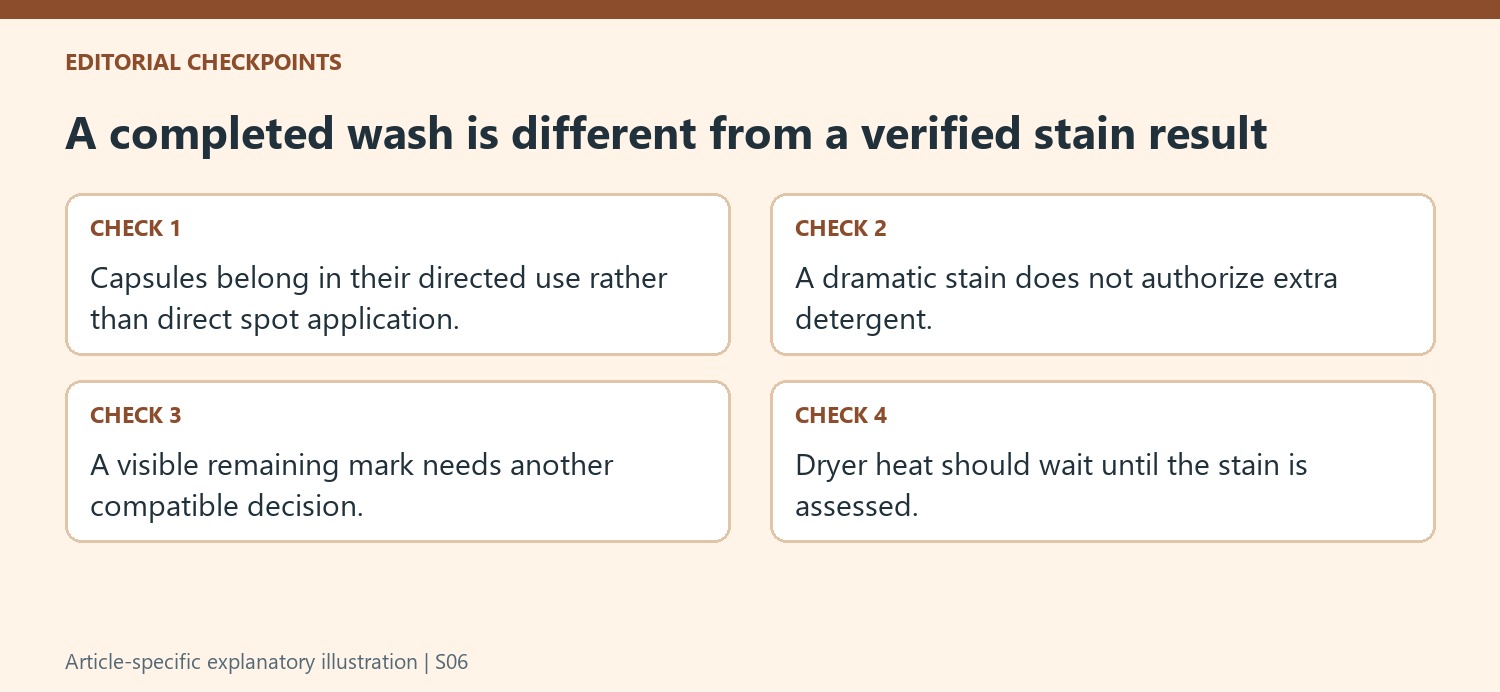
Tide's illustrated coffee routine places the required laundry capsules directly into the washer drum according to the package. That instruction is specific to how the product is intended to be used. Do not turn a capsule into an improvised liquid pretreatment by opening it or applying its contents to the mark. Read the actual pack for the dose and placement appropriate to the load, and confirm that the detergent suits the garment. A large stain does not automatically require extra capsules beyond those directions. The source's sequence is useful because it links measured product use with the permitted wash instead of implying that every visible coffee spill needs a stronger local chemical application first.
The garment label still decides what wash can follow
Coffee can land on many fabrics, so identify the completed item before adopting the source's machine-wash example. A cotton-looking white shirt may contain a blend or finish with additional restrictions. Read its care claim, then build a compatible load and choose the allowed process. If home washing is excluded, the visible stain does not create an exception. Seek appropriate professional guidance instead. Likewise, the product in the guide is a particular formulation; its directions should not be copied automatically onto another detergent with a different concentration or use method. This keeps stain treatment focused on two necessary questions at once: a suitable response to the coffee and a process the actual garment is permitted to receive.
Make the post-wash inspection an intentional pause
The guide tells readers to repeat the appropriate treatment if the mark remains before using a dryer. Plan to examine the stained area after washing, rather than moving the load on automatically because the cycle has ended. A completed program records that treatment took place, not that the result has been achieved. If a mark remains, choose a further compatible response within the product and garment directions. Do not escalate heat simply to finish faster. Once assessed, follow the textile's own drying instruction, which may require a natural arrangement rather than tumbling. This checkpoint gives the stain-removal routine a clear decision point between cleaning and finishing and keeps a persistent mark from receiving avoidable dryer heat.