GarmentCare Guide

Keep specialist tasks out of the ordinary basket
Homes & Gardens' laundry-sorting guide includes a dedicated bag for items that need dry cleaning or alterations. This simple separation can prevent a garment from entering the washer merely because it was placed among everyday dirty clothing. It also makes it easier to gather specialist work for one trip. Read the care label when sorting, then route the item according to the required task. A repair, professional cleaning appointment and ordinary home wash are different jobs even if all three items have been taken out of the wardrobe together.
Prepare routine items while sorting them
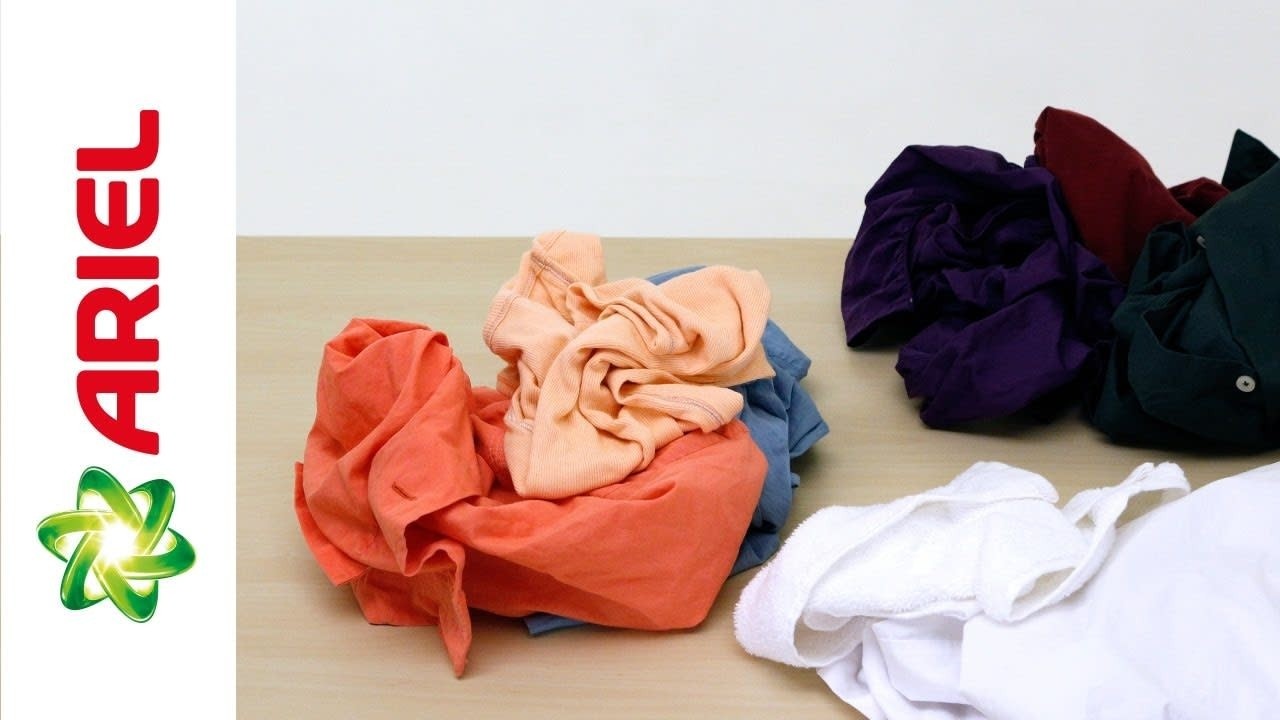
For suitable home-washable clothing, the article recommends checking pockets, securing fasteners and turning appropriate garments inside out before creating loads. Complete those steps while the item is already in hand rather than repeating the same inspection at the machine. Then separate compatible colors and review fabric type. White towels, underwear and a fine blouse may share a shade while needing different washing conditions and drying times. A mesh bag can offer protection within an allowed process, but it should not be treated as permission to combine items with conflicting care requirements.
Give first washes and heavy soil their own attention
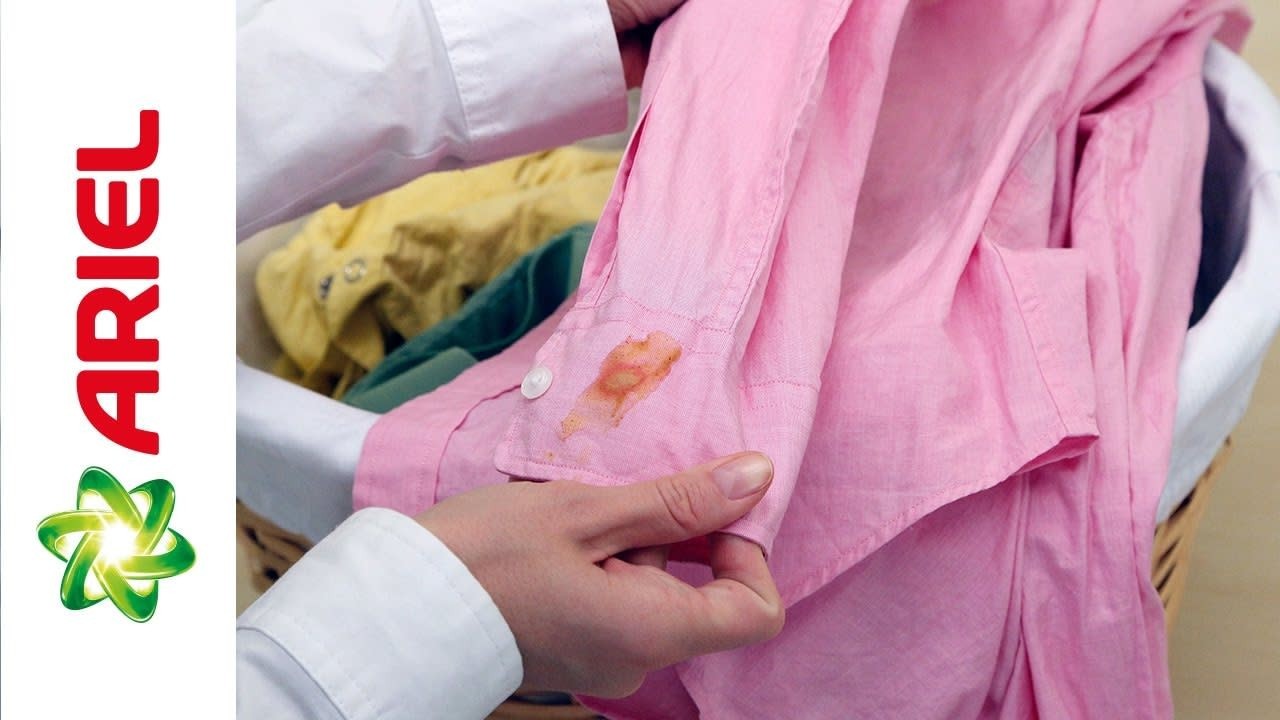
The guide recommends distinguishing new or unfamiliar clothing from established loads because dye-transfer behavior may be uncertain. Heavily soiled pieces also need assessment and appropriate pretreatment before washing with lightly worn items. Any stain product should be compatible with the fabric and used for the directed contact time. A useful system does not require an ever-growing collection of piles; it needs clear destinations for routine loads, uncertain first washes and specialist tasks. That makes sorting easier to repeat and reduces mistakes caused by treating every item in the laundry area as ready for the same machine cycle.
A specialist-task bag works because it changes the item's route
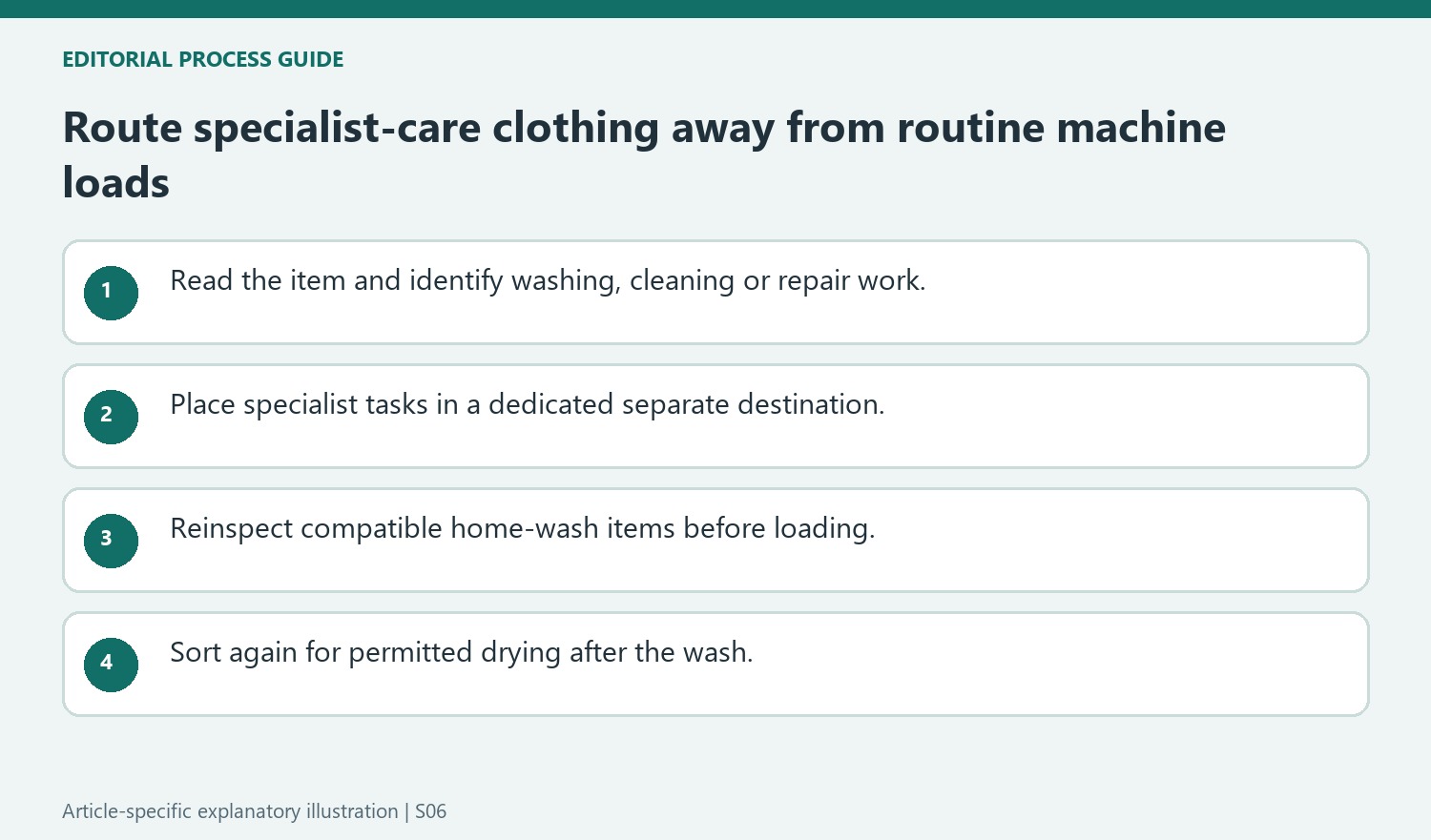
Homes & Gardens describes keeping a separate bag for clothing needing dry cleaning or alterations. Its value is practical: the item is removed from the ordinary wash flow before someone mistakes it for another routine load. Read the care instructions and identify the task while sorting, then place it in the appropriate destination. A garment awaiting repair is not necessarily ready for washing, and a professional-cleaning article should not enter a delicate cycle simply because it happens to be nearby. Keeping these tasks together can also make collection easier for a trip to a cleaner or repair service. The system works through clear routing rather than through an increasingly complicated set of wash settings.
Pre-sorting needs a last inspection before the machine
The article suggests compartmented baskets and schedules to make laundry manageable, but a basket's label cannot establish that its contents are compatible. Look over the actual pieces before loading. Read unfamiliar care claims, remove pocket objects, secure relevant closures, and prepare suitable inside-out garments while they are already in hand. Then compare fabric, color, and condition. This prevents organizational convenience from becoming a substitute for garment assessment. A new dark item or a heavily soiled piece may need separate attention even if someone placed it in an otherwise familiar group. The final check also catches specialist-care clothing that has found its way back into the ordinary basket despite the intended system.
Sort again when washing gives way to drying
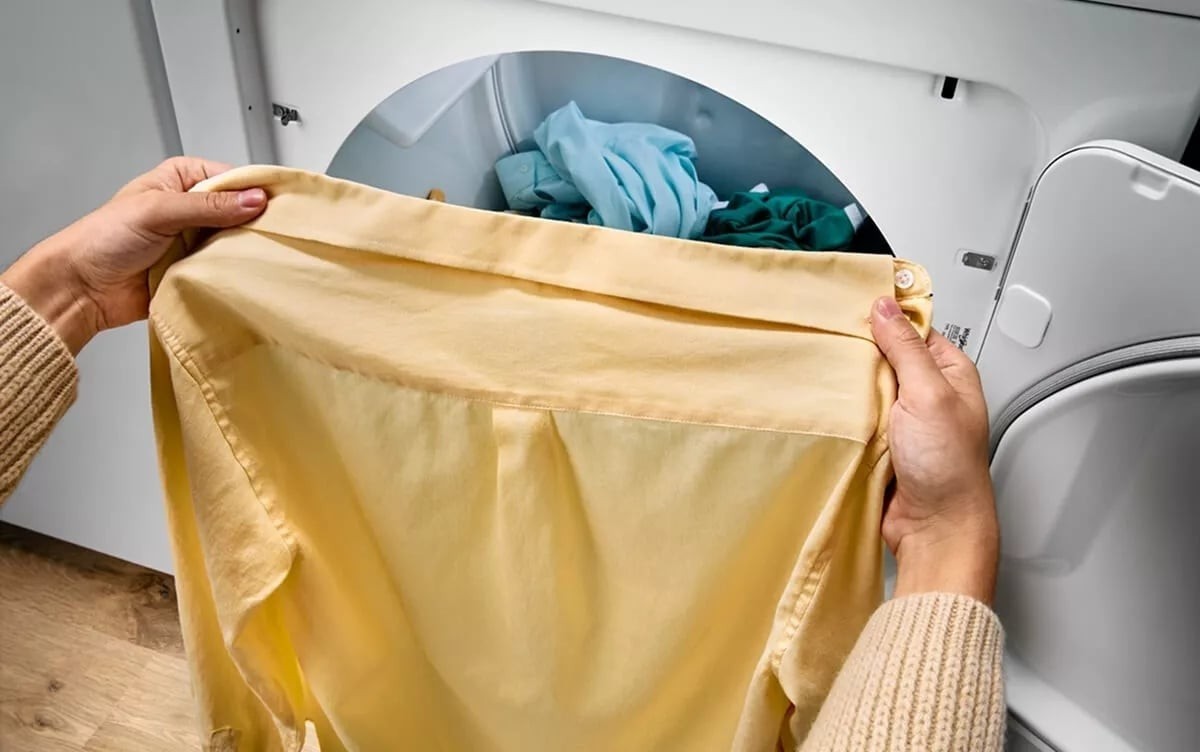
The source points out that items sharing a washer setting can require different dryer settings or no tumble drying at all. Use the transition after washing for another brief inspection rather than moving the entire group automatically. Check any remaining marks before applying heat and follow the permitted support arrangement for natural drying. A garment needing flat support should not be hung merely because an airer is available. This second sorting step gives the original organization a clear purpose: appropriate treatment through the whole task. Schedules and labeled compartments can make the work easier to maintain, while the actual garments still decide which items go together, which need another route, and what happens after the wash finishes.
References
- How to sort clothes for laundry – 10 tips to take laundry day from stressful to simple. Homes and Gardens; Ottilie Blackhall; Tara King.