GarmentCare Guide
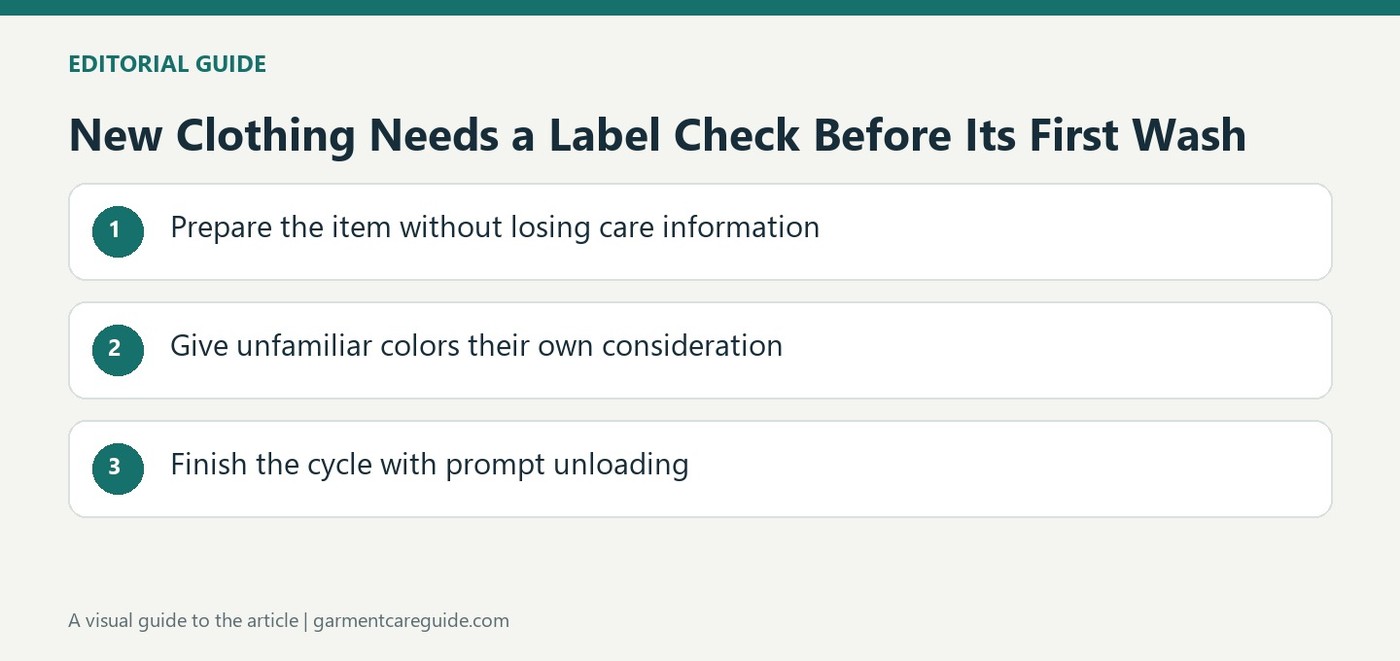
Prepare the item without losing care information
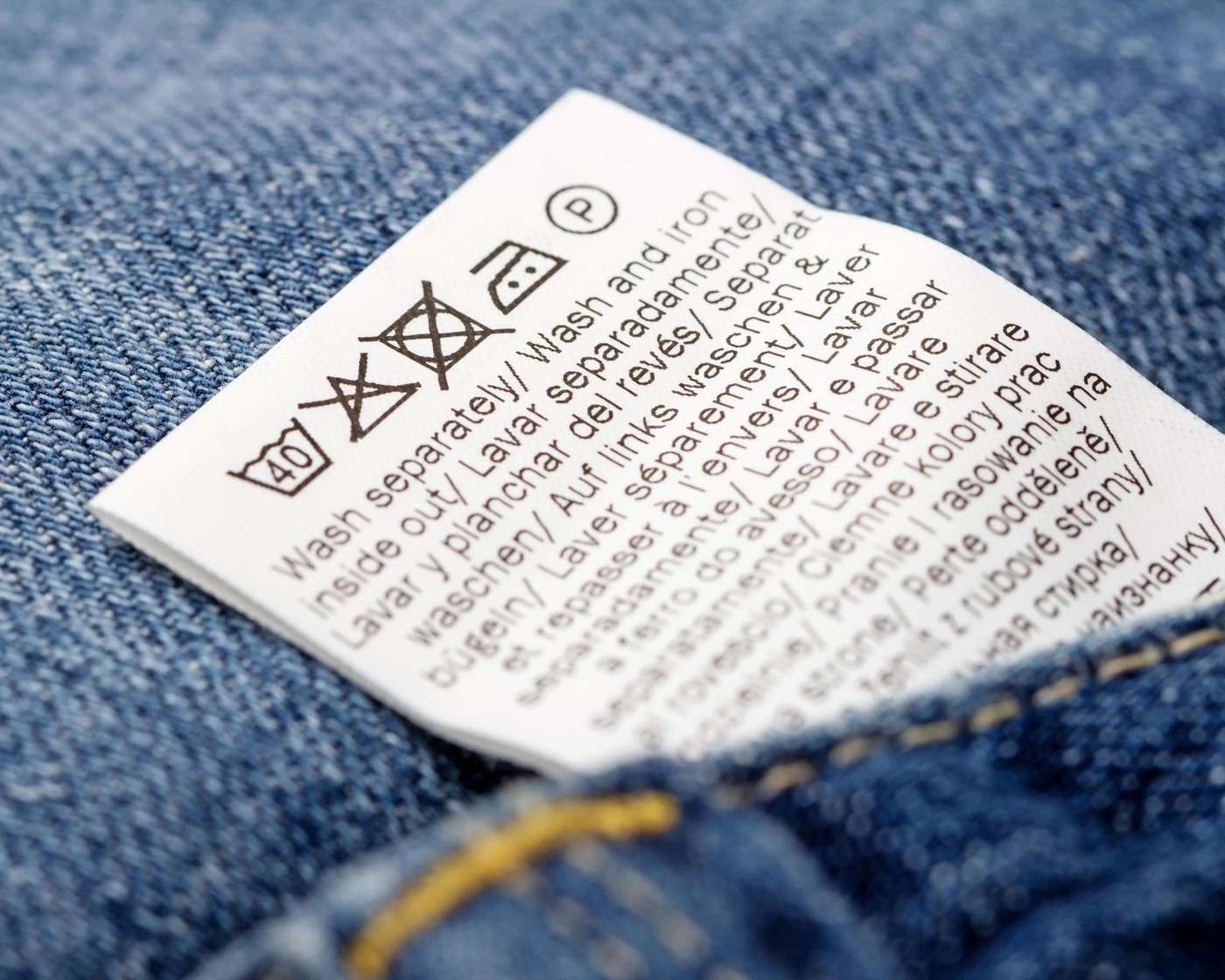
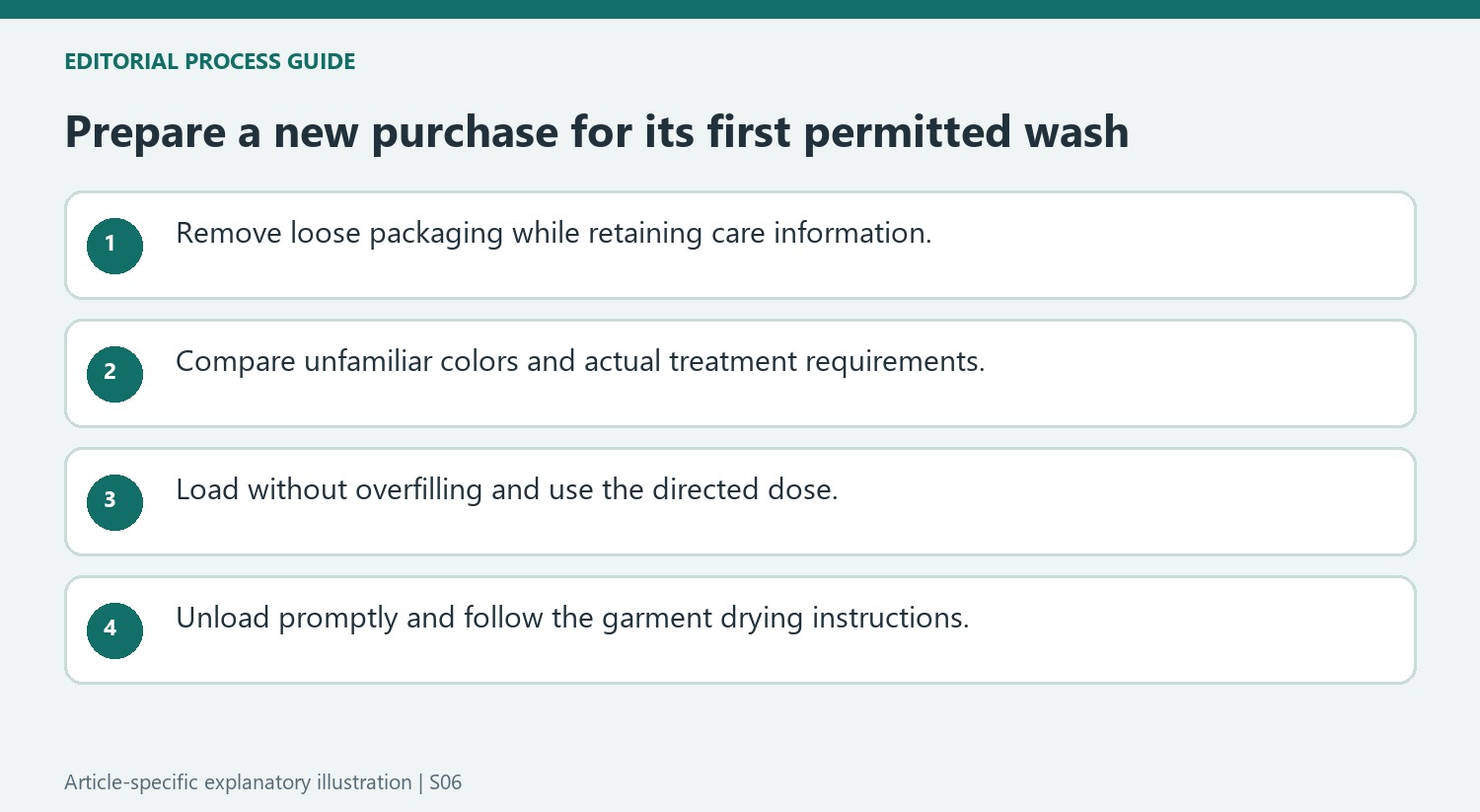
New clothing can look ready to wear while still needing a first cleaning according to its care instructions. Ariel's guide recommends removing unwanted loose tags and other objects before washing, then checking the permanent care label. Retain useful purchase information if it may still be needed. The sewn-in washing directions should remain available for later use. A new garment is not automatically suitable for an ordinary mixed load merely because it is clean-looking or has not yet developed a visible stain.
Give unfamiliar colors their own consideration
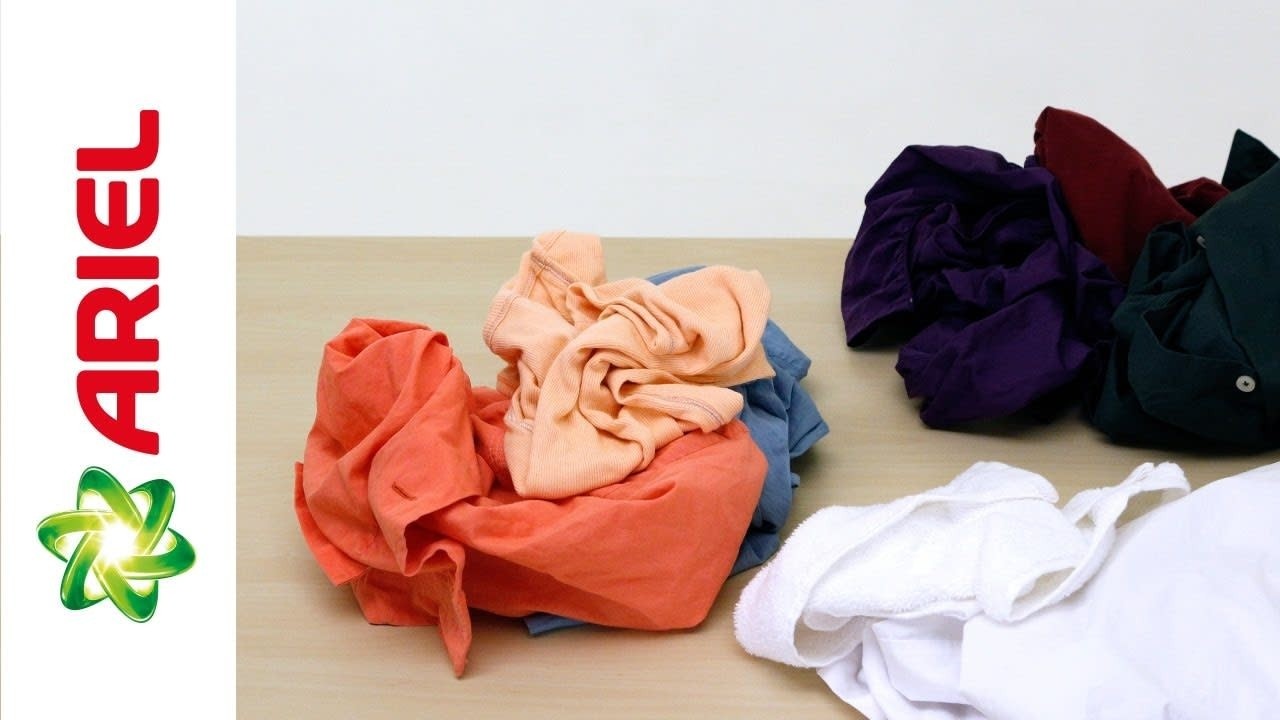
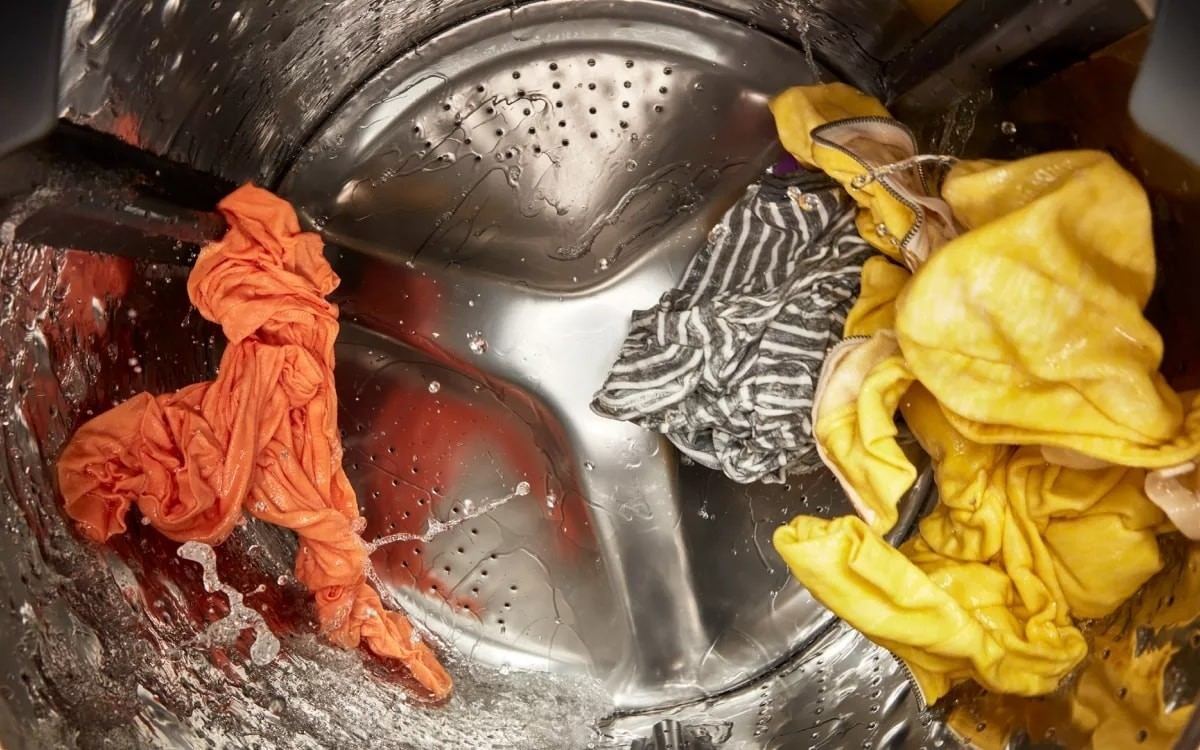
The source notes that new items can transfer dye, particularly darker garments. Sort by compatible colors and care needs rather than adding a new dark piece to light laundry without checking. Where uncertainty exists, follow an appropriate colorfastness assessment within the garment's permitted treatment. Inside the washer, avoid overloading and use the directed detergent dose. A small new item still introduces its own care requirements to the load. Read its label for the permitted temperature and cycle instead of relying on the routine already chosen for older clothing.
Finish the cycle with prompt unloading
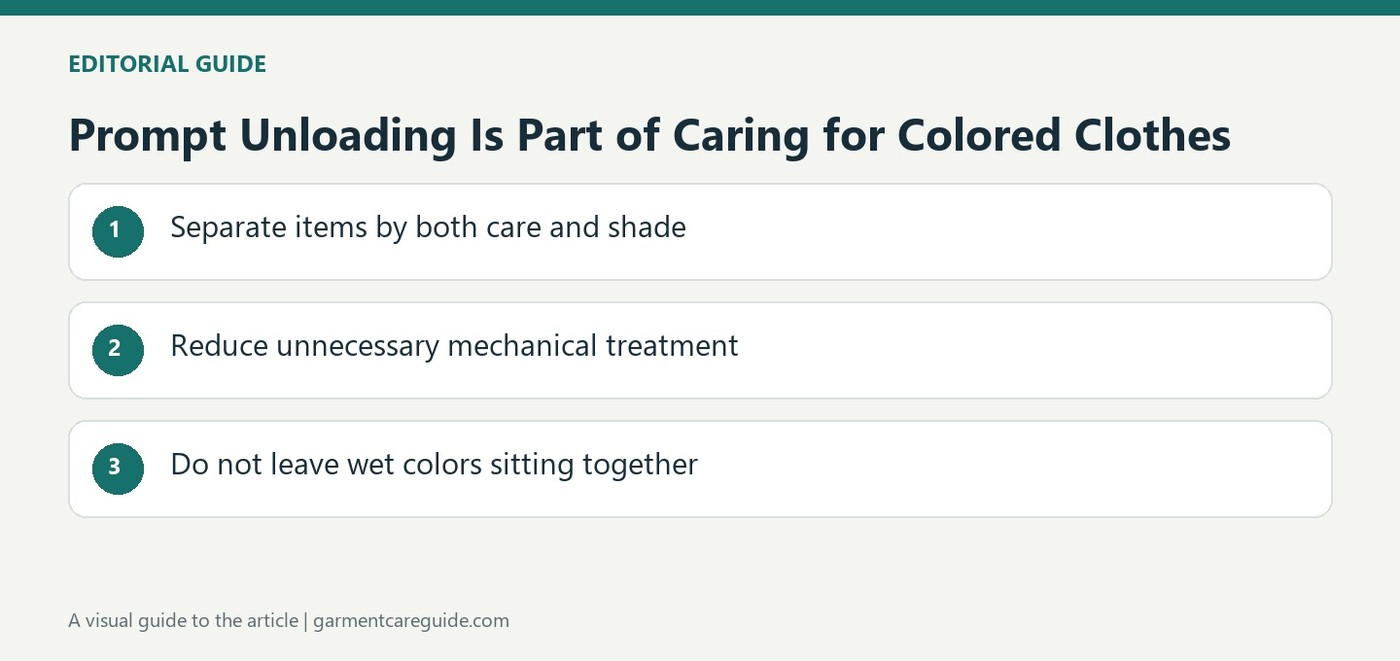
Ariel recommends unloading at the end of the wash rather than leaving new clothing damp in the machine. The garment's drying instructions then govern what happens next, whether it can tumble dry or needs a natural method. Preparing that arrangement in advance makes it easier to finish the first wash correctly. The process is straightforward: remove loose objects, retain the care information, sort compatible items, dose properly and use the stated settings. This gives a new purchase a routine based on its actual needs, instead of assuming that a first wash should be hotter or more intensive than future ones.
Distinguish removable packaging from lasting care information
Ariel's first-wash sequence starts by removing unwanted loose objects and tags, but the care information needs to remain available. Check pockets and attached packaging before loading while retaining purchase details that may still be needed. The permanent care label has a different purpose from a removable price tag: it supplies the instructions for both the first cleaning and later use. Read it before making assumptions about an ordinary cycle. This distinction prevents an enthusiastic preparation step from discarding the most useful reference. It also makes clear that a new-looking garment is still a finished textile with specific treatment limits, not a blank item to which any first-wash routine can be assigned.
An unfamiliar dye needs its own sorting decision
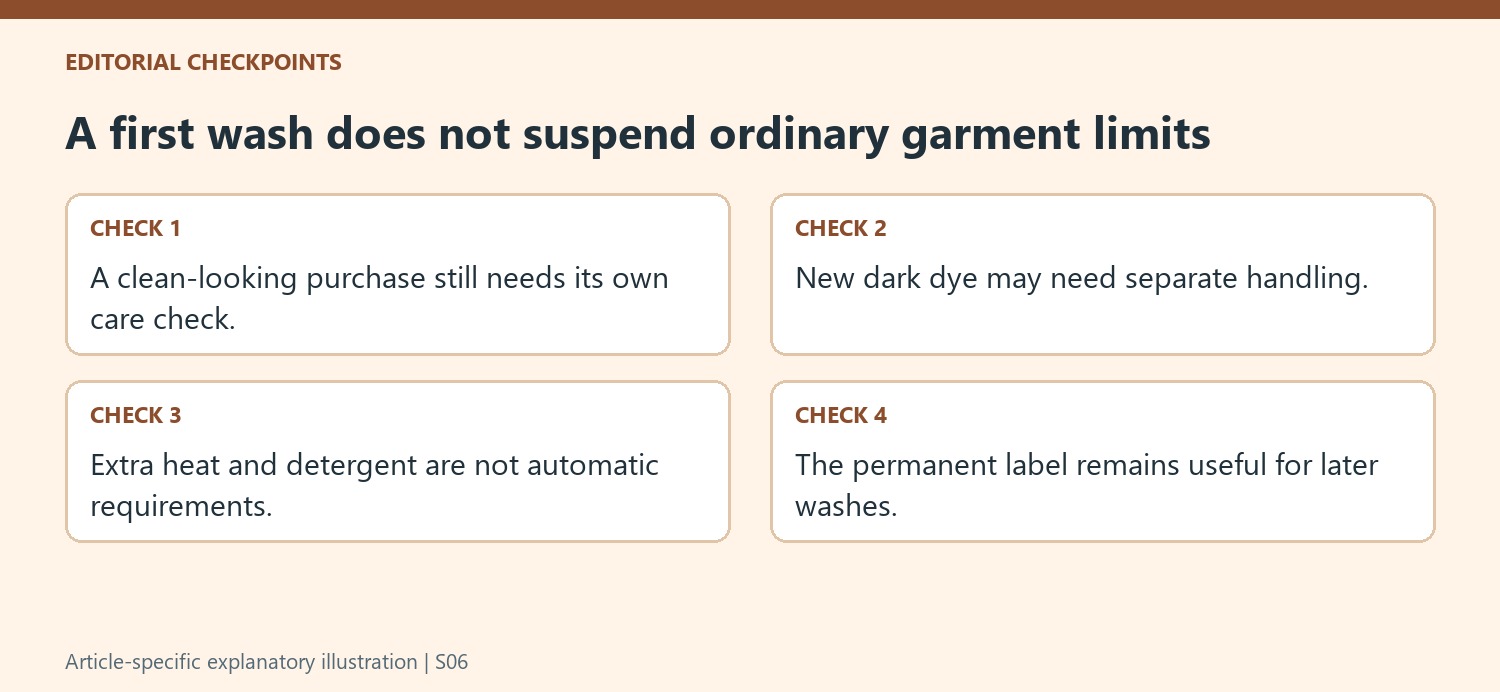
The source gives particular attention to new dark clothing because dye transfer may be more likely before repeated wearing and washing. Treat a first wash as an opportunity to identify that uncertainty rather than adding the piece automatically to a familiar light load. Use any appropriate colorfastness assessment only within the garment's permitted treatment; a test does not override restrictions on washing or heat. Then compare color with the other practical needs of the load, including fabric and cycle. Inside-out preparation, where appropriate, can supplement that decision, but it does not prove that no dye will move. Keep the grouping based on the actual item instead of its apparent cleanliness or the size of the purchase.
The first cycle still needs ordinary loading and finishing discipline
A new purchase does not require an extra-strong dose or an unusually hot wash merely because this is its first cleaning. Ariel instead directs readers to the product's correct dose, the clothing label, and a machine that is not overloaded. Apply those checks together. After the cycle, unload promptly and move to the garment's permitted drying route. Prepare that space beforehand when natural drying or flat support is required. This is also a useful moment to retain the care details for future washes. The first routine then establishes a repeatable approach tied to the article's actual instructions, rather than treating its first encounter with water as an exception to normal fabric care.
References
- How to Wash New Clothes. Ariel.