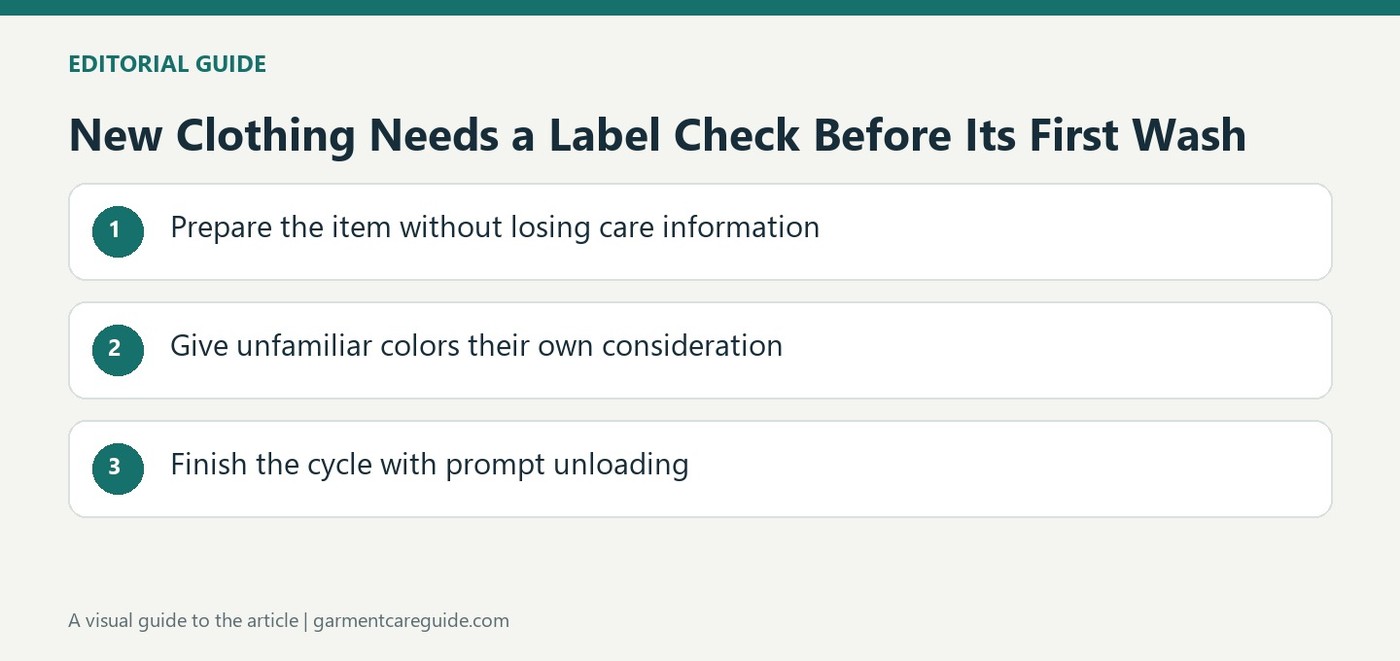
GarmentCare Guide
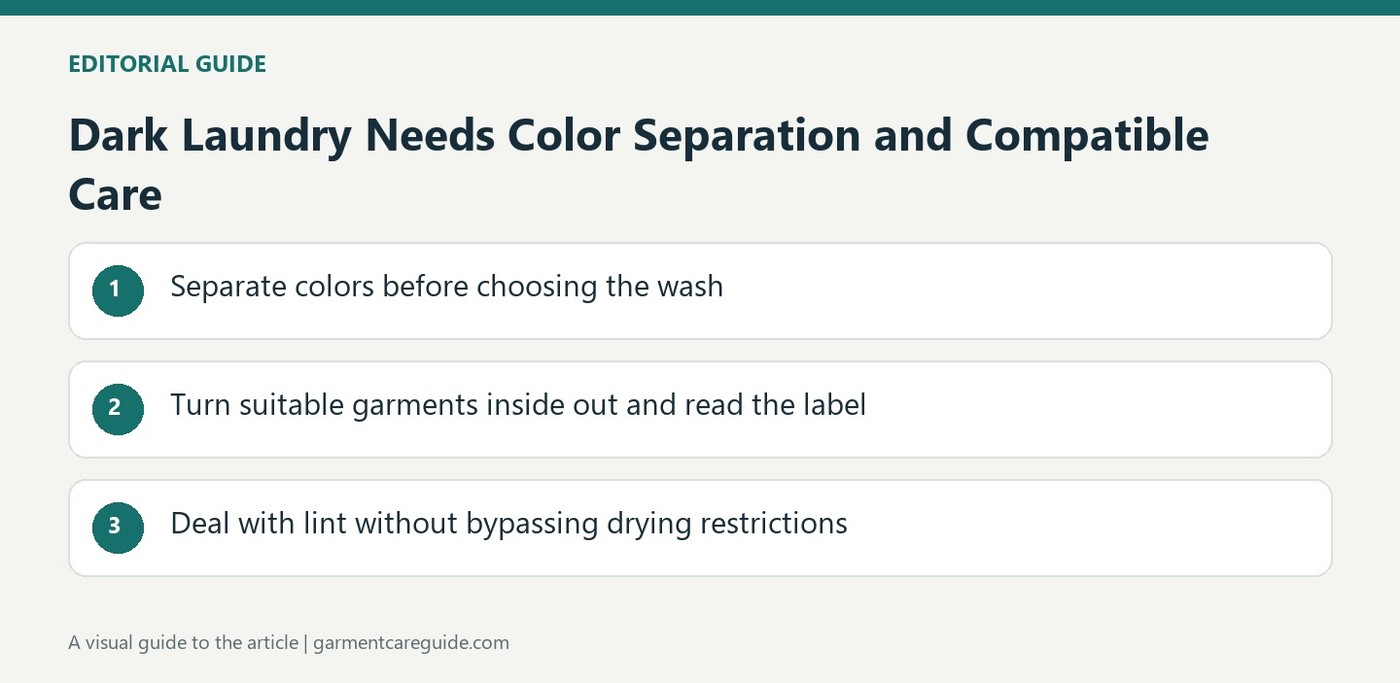
Separate colors before choosing the wash
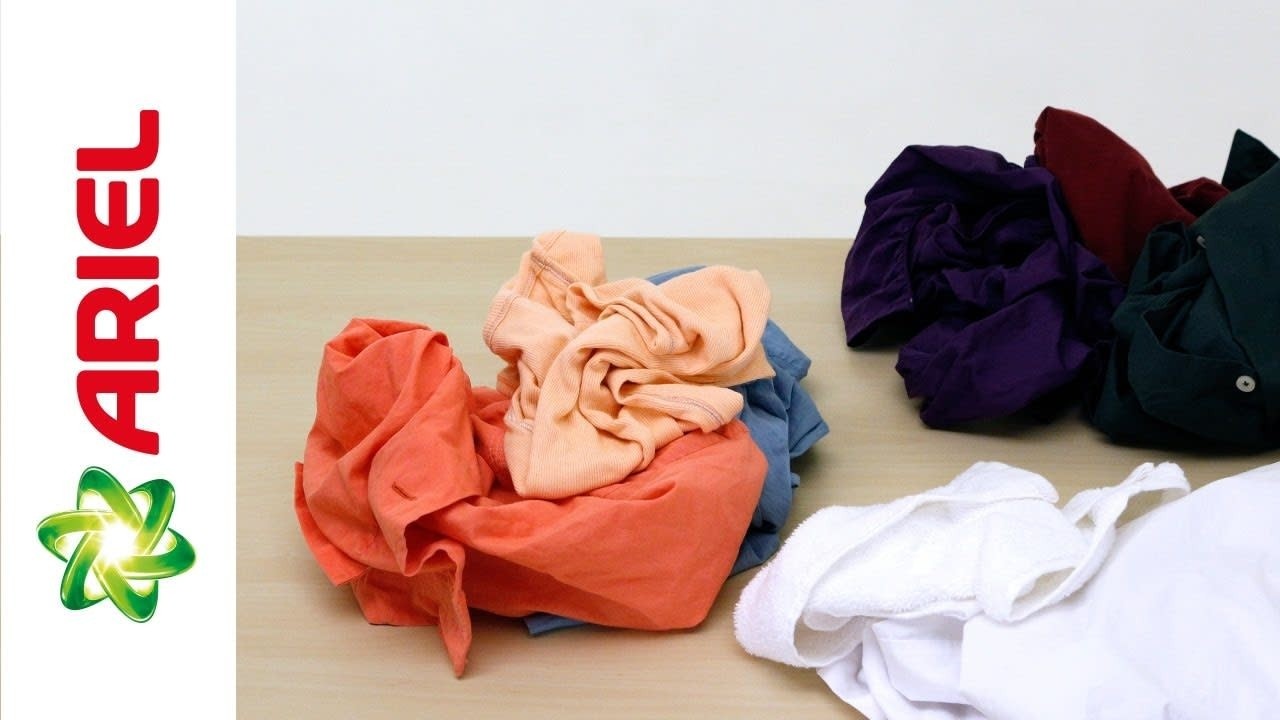
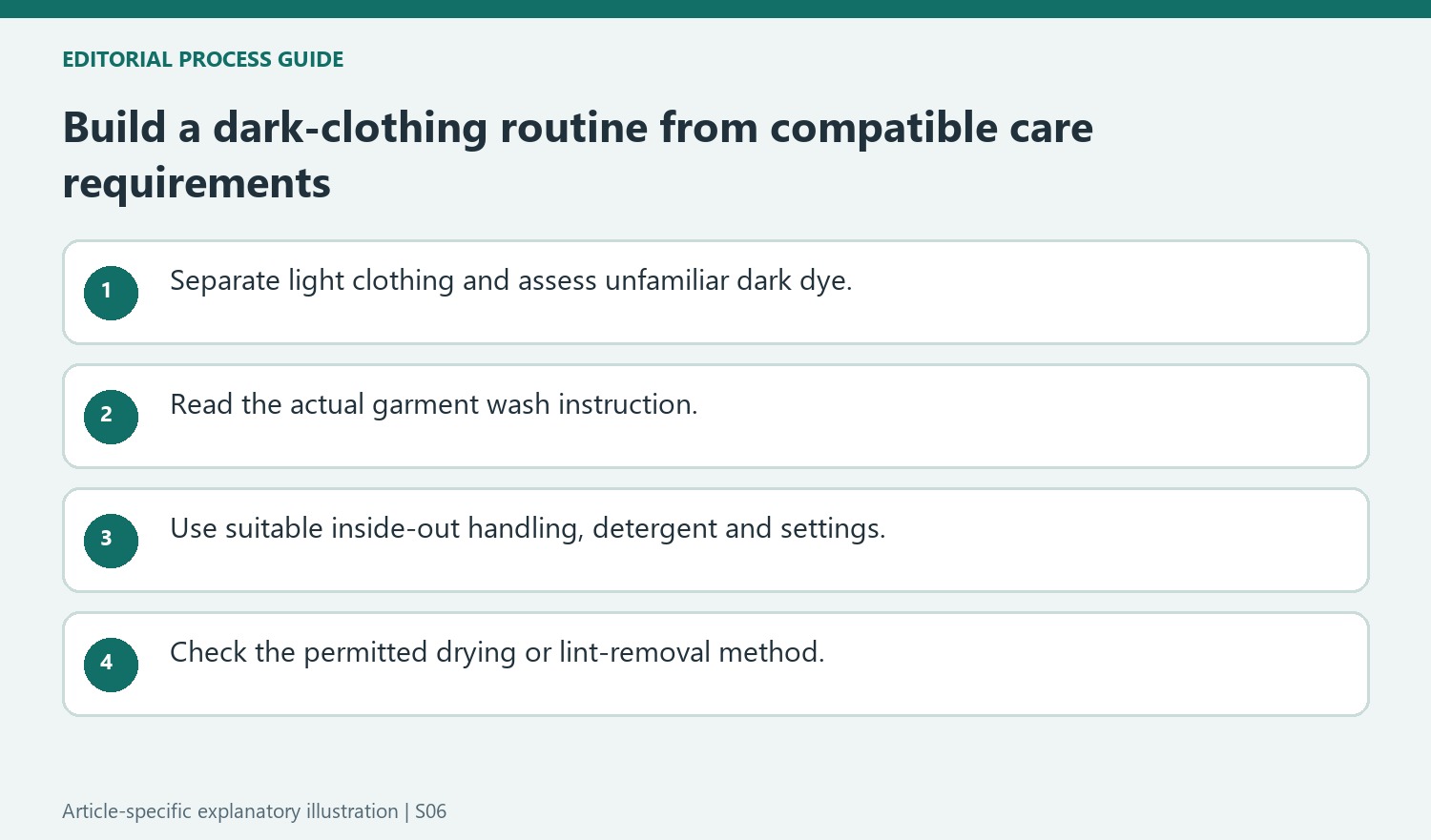
Ariel's guide to dark clothing begins with keeping whites and light garments away from a dark load. Dye released during washing can affect other items, making sorting a practical first step. New or unfamiliar dark garments deserve particular attention where colorfastness is uncertain. The source describes checking for bleeding before a mixed wash. Any such check still needs to respect the item's care instructions. A dark color does not establish that a garment can be soaked, machine washed or handled like every other dark item in the basket.
Turn suitable garments inside out and read the label
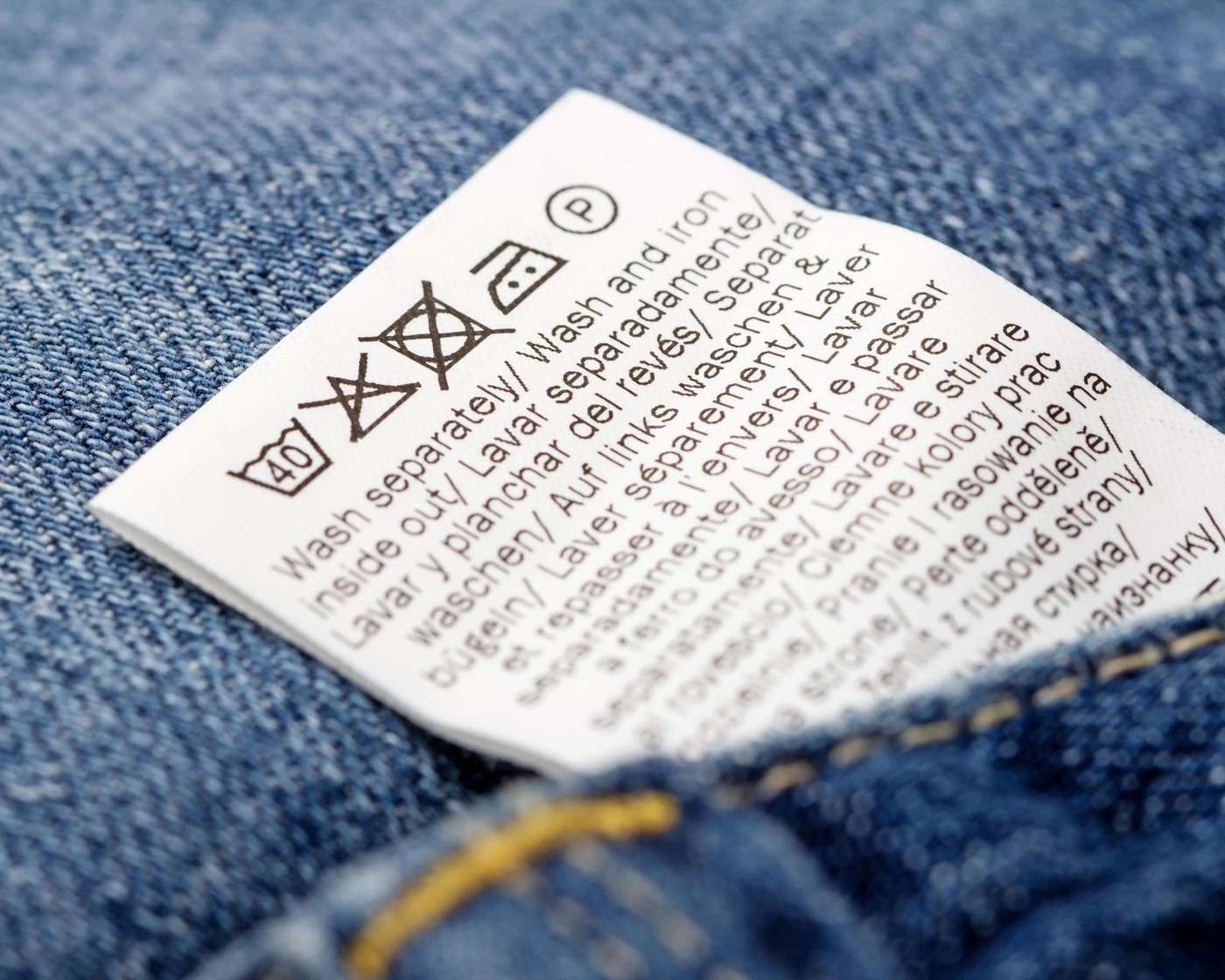
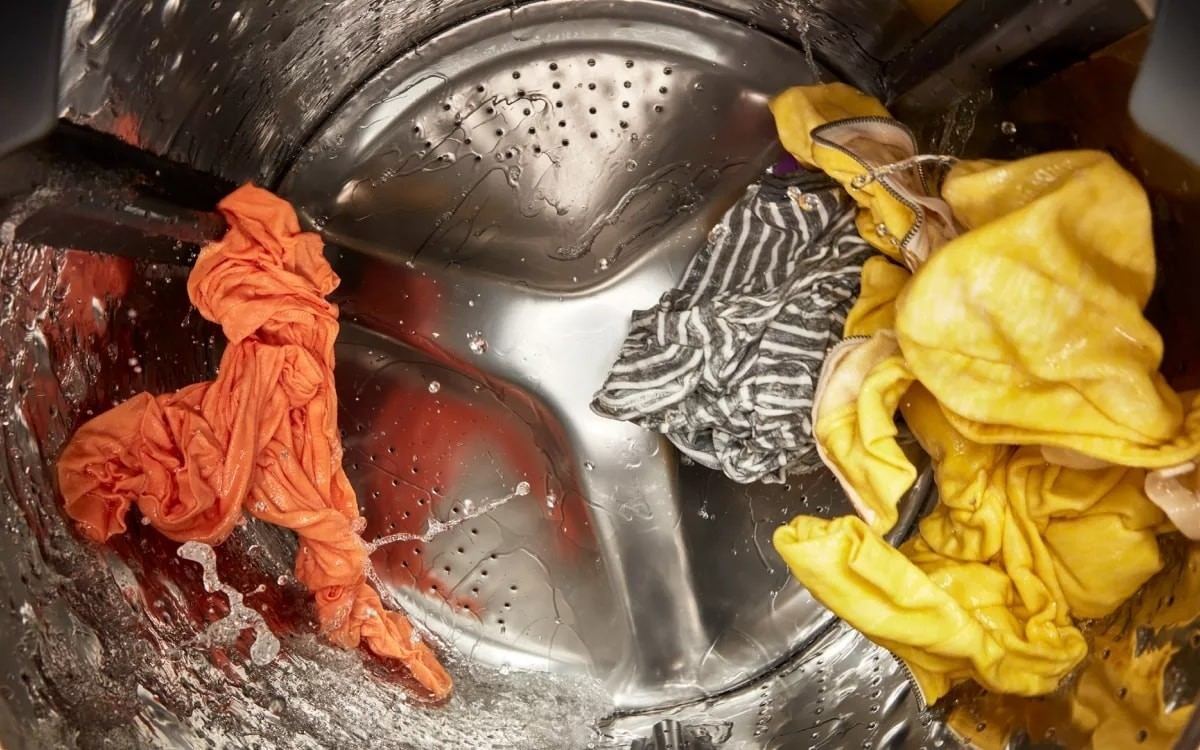
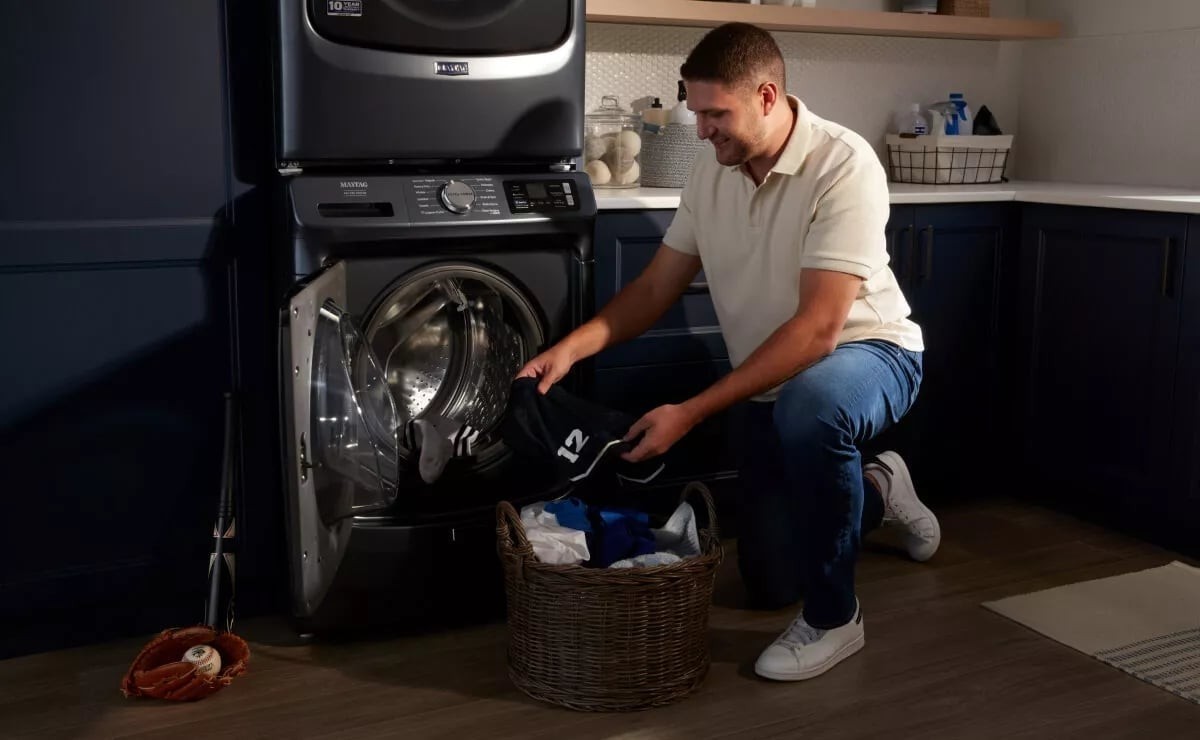
The guide recommends turning dark clothes inside out before machine washing. Select a detergent appropriate for the clothing and use the dose directed for the load. Ariel discusses cooler water as part of protecting dark colors, but the garment's care label governs both temperature and process. Do not assume that any quick cycle is cold or gentle: check the actual appliance settings. The useful combination is a compatible load, permitted washing action and suitable temperature, with preparation steps supporting that choice rather than replacing it.
Deal with lint without bypassing drying restrictions
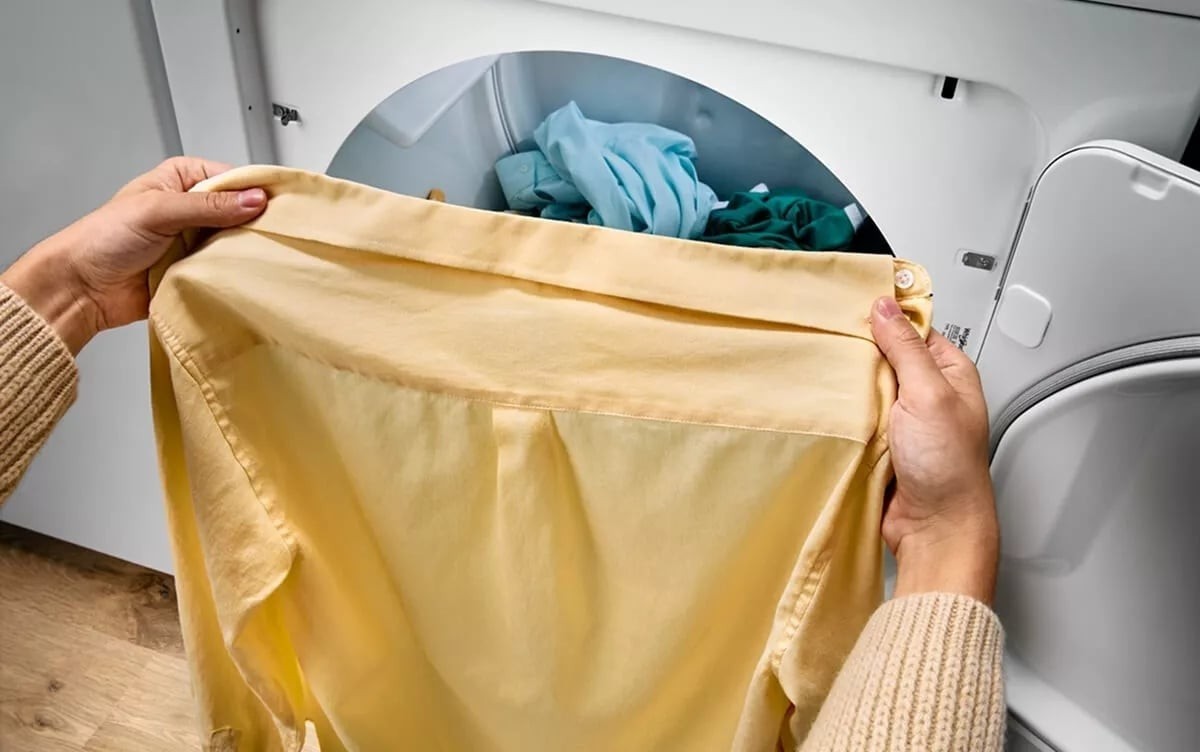
Lint can be especially visible against black fabric. Ariel mentions a lint roller as one way to remove it and also discusses an air-only dryer method. A dryer-based approach still requires the garment to permit tumbling; no heat does not remove the drum movement. Choose the method that fits the actual item's instructions. After washing, follow its drying guidance instead of transferring the whole dark load automatically into one program. Color care is therefore a sequence of decisions about sorting, washing and finishing, rather than a single setting that applies to everything black.
A colorfastness check has a narrower purpose than wash permission
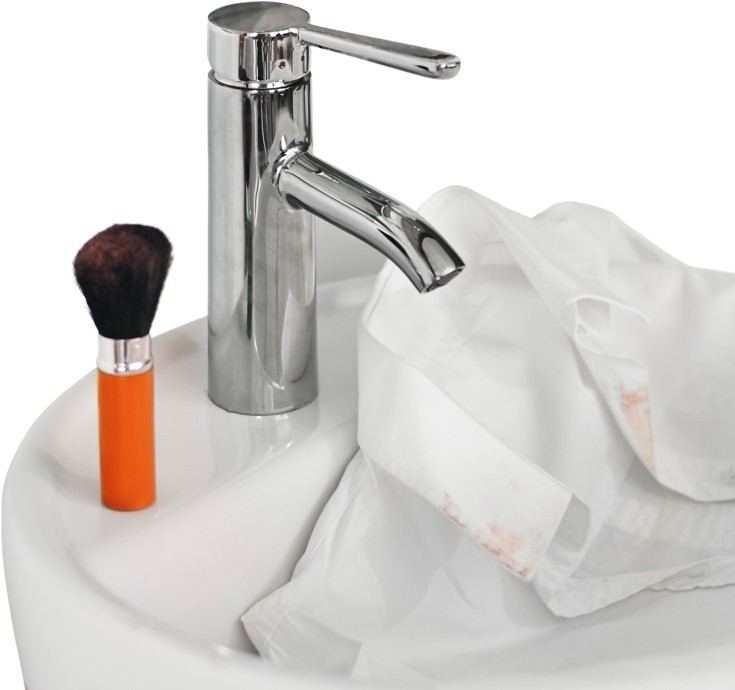
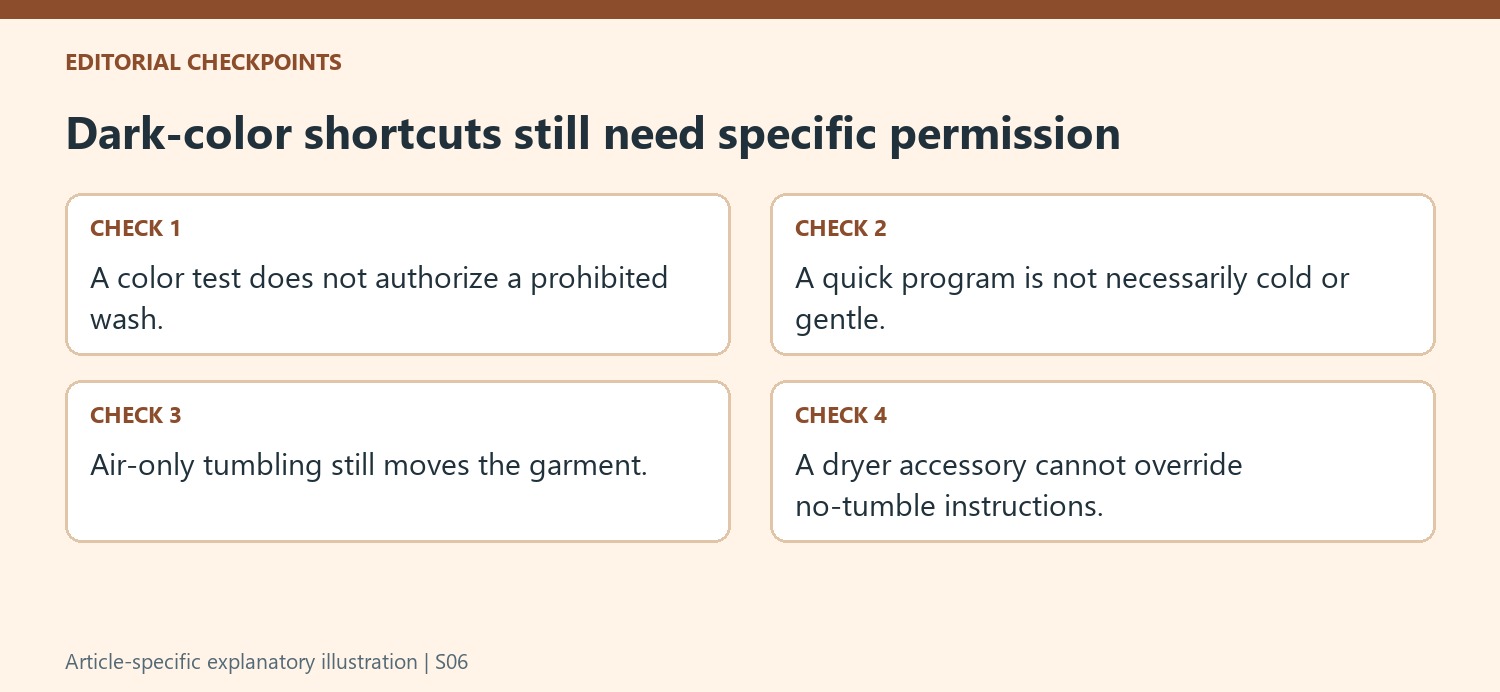
The guide describes checking whether an unfamiliar dark garment releases dye before combining it with other pieces. That question concerns color response to a proposed treatment. It does not establish that a restricted article may be soaked or machine washed merely because the test water stays clear. Begin with the actual care instructions and keep any compatibility assessment inside the permitted route. If color bleeding occurs, the item needs separate consideration; hand washing is not automatically authorized by the existence of a dye problem either. This distinction keeps a useful color check from becoming an improvised replacement for the finished garment's washing directions, especially when the item includes delicate components or an unfamiliar blend.
Read the actual controls on a quick or cold program
Ariel discusses cooler washing and shorter treatment in its color-care advice, but a program name does not specify everything the garment will experience. Check the washer's temperature, movement, and timing against the item's instructions. A quick program is not necessarily cold, and a cold program is not necessarily mechanically gentle. Read the appliance manual if the controls do not make those differences clear. Then combine the permitted process with a suitable detergent and its directed dose. Turning the garment inside out supports that routine but cannot compensate for settings that exceed the label. The practical choice is the complete treatment delivered by the machine, rather than a reassuring word printed beside one button.
Air-only tumbling still has a mechanical component
Lint on black clothing can invite a quick dryer-based solution, yet removing heat does not remove drum movement. The source's air-only suggestion therefore needs the same attention to tumble permission as another dryer use. Check the garment before adopting that method, and check the suitability of any optional dryer product as well. A lint roller offers a different approach for an appropriate surface, with careful handling still important. Distinguish the visible lint problem from the broader washing and drying routine. The aim is to remove the unwanted fibers in a way that suits the item, without treating an unheated appliance setting as universally harmless or overriding a specific instruction to avoid tumbling.