GarmentCare Guide

Read the care sequence before making a load
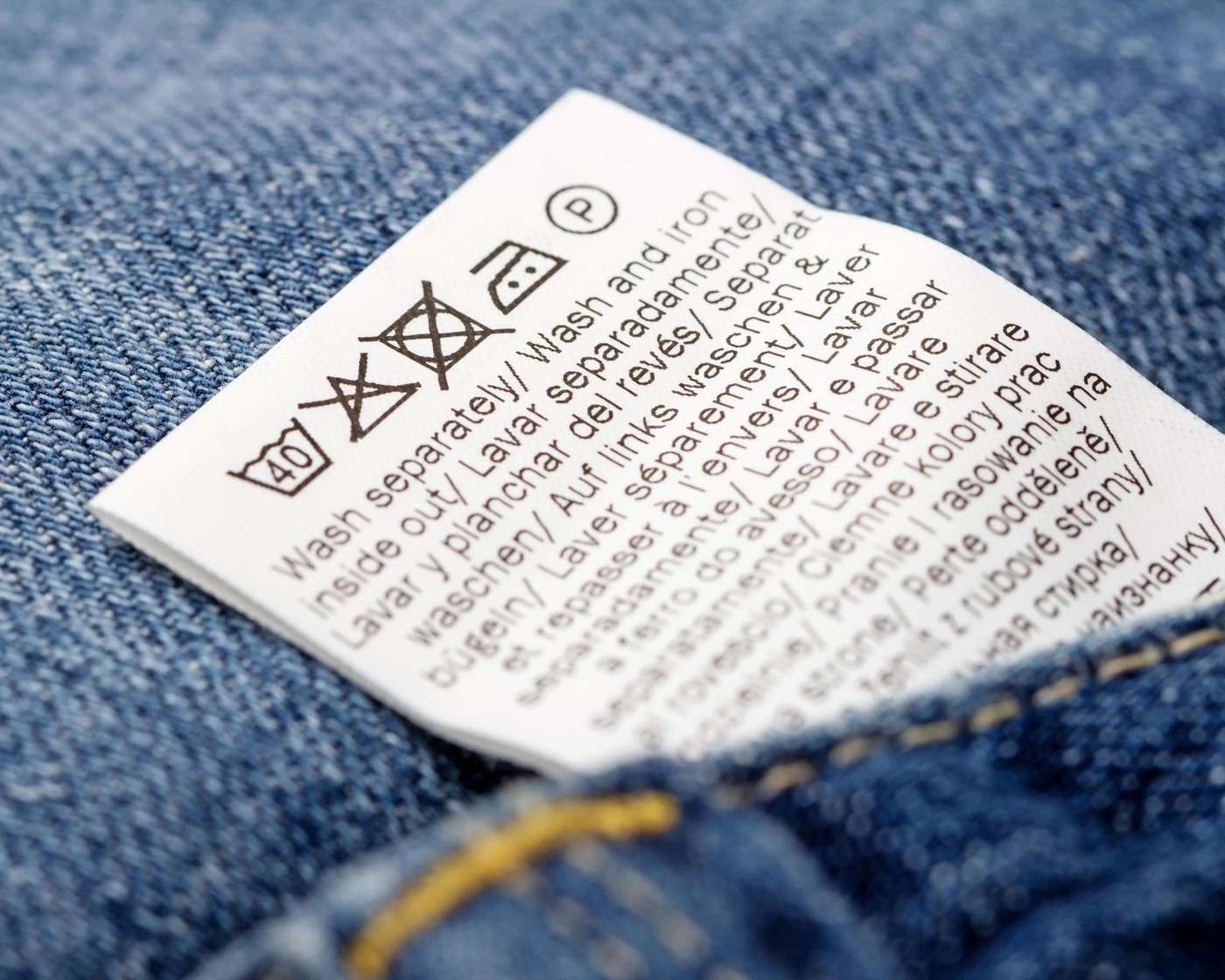
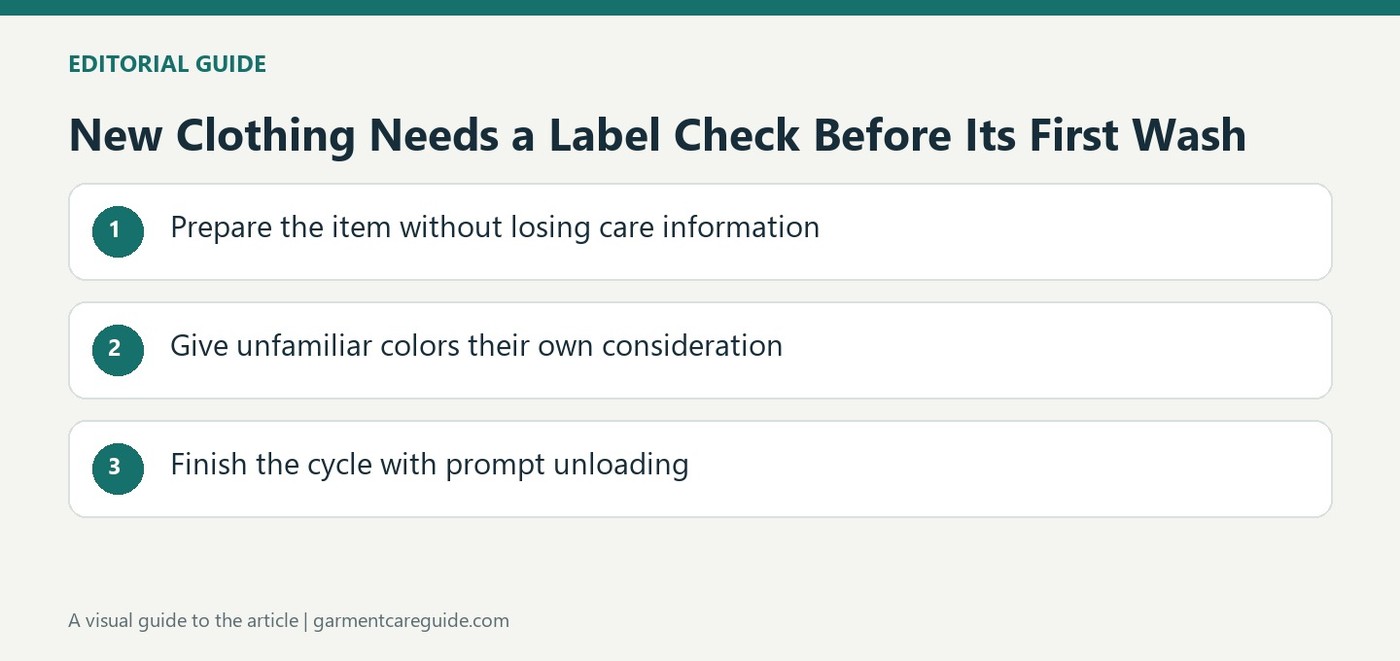
Ariel's general laundry guide begins with the symbols governing washing, bleach, drying, ironing and professional cleaning. This is useful because the correct wash cannot be chosen from fabric appearance alone. Read the full sequence for each unfamiliar item before it joins a load. A washing permission may include a temperature limit and a particular process, while later symbols restrict how the wet garment is dried or finished. Checking those steps in advance prevents a convenient machine cycle from becoming the only decision that receives attention.
Sort by more than the visible color
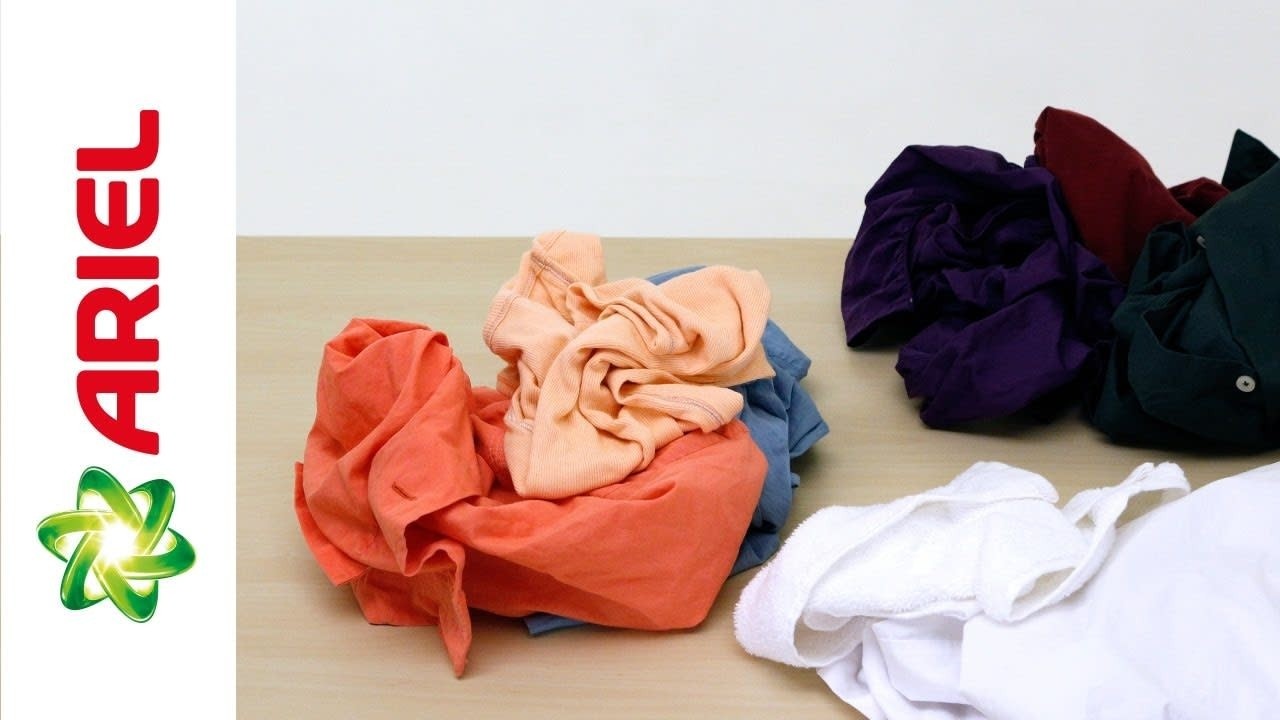
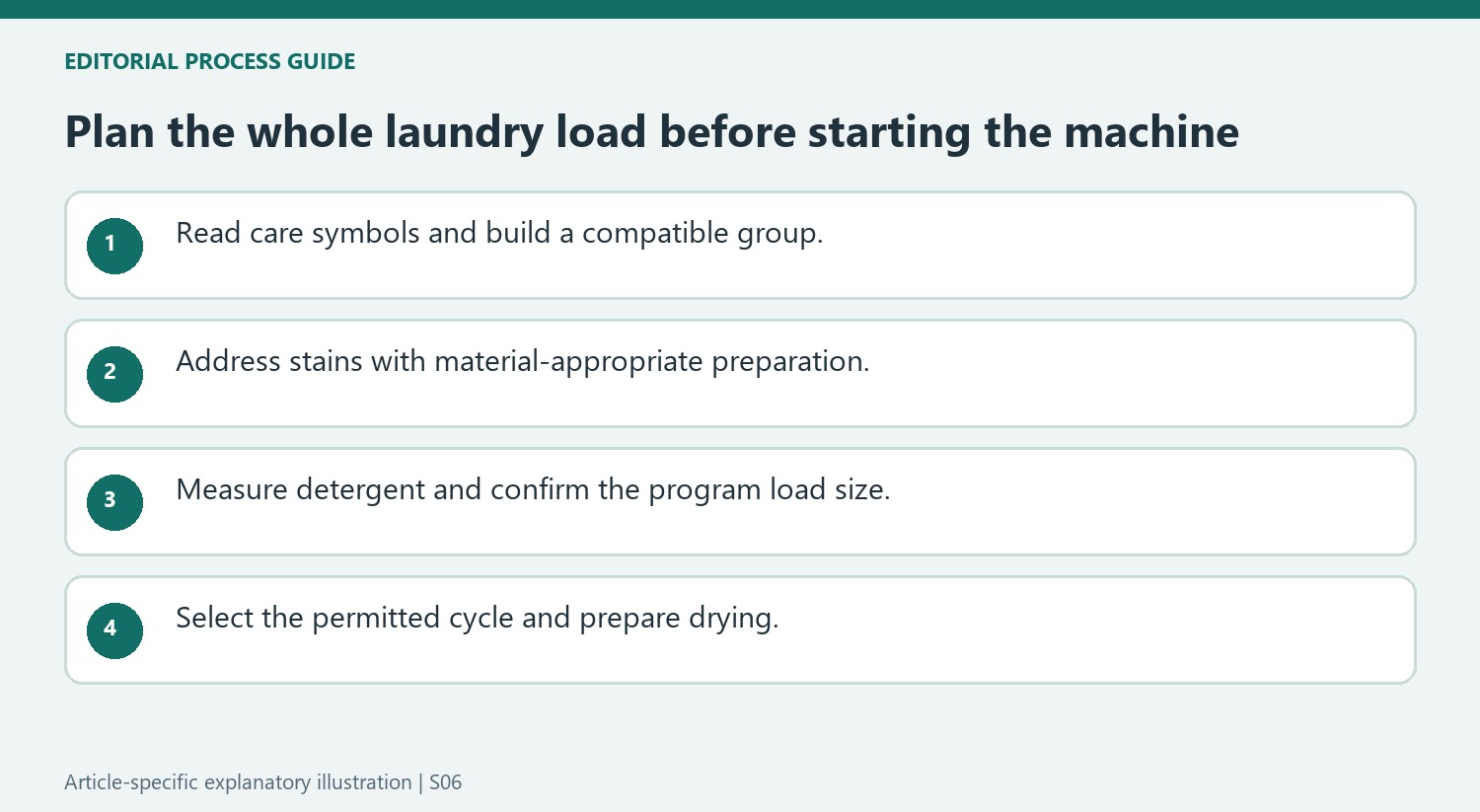
The guide groups laundry by shade, weight, fabric type and degree of soiling. These factors address different risks. Dark dyes can affect lighter items, while heavier textiles can rub against fine fabrics. Fasteners and snag-prone materials also deserve consideration. A heavily soiled piece may need a different permitted treatment from lightly worn clothing, even when their colors match. Build a load with compatible care requirements rather than forcing everything through the same program simply because the drum has room. The actual garment instructions remain the final check on the proposed grouping.
Match pretreatment to the stain and material
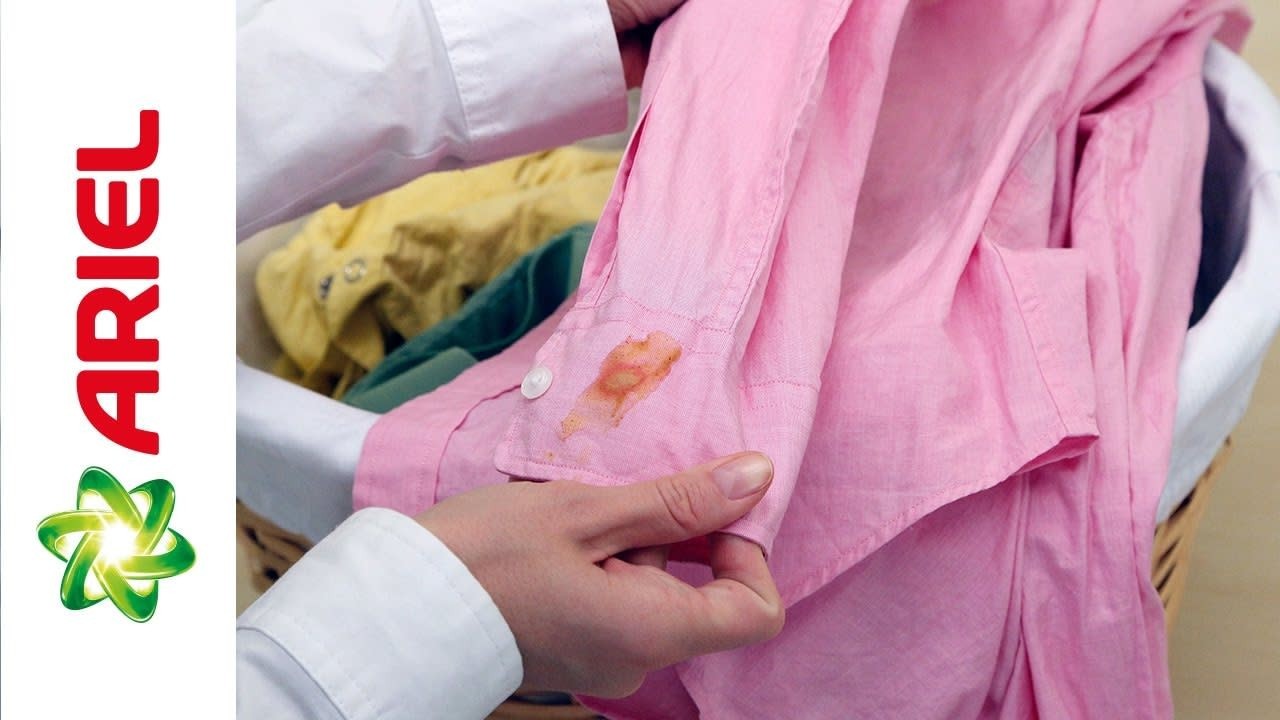
Ariel discusses pretreatment as a way to loosen marks before the main wash, using different approaches for drink stains, dirt and greasy foods. The treatment should be suitable for the particular fabric and follow the product directions; a general recommendation is not permission to rub a delicate surface or apply an incompatible chemical. After preparation, use an appropriate detergent dose and allowed cycle, then complete the garment's drying instructions. Thinking through these decisions before loading makes the laundry routine more consistent, with each stage supporting the needs of the same finished items.
Dose from the product and load rather than from habit
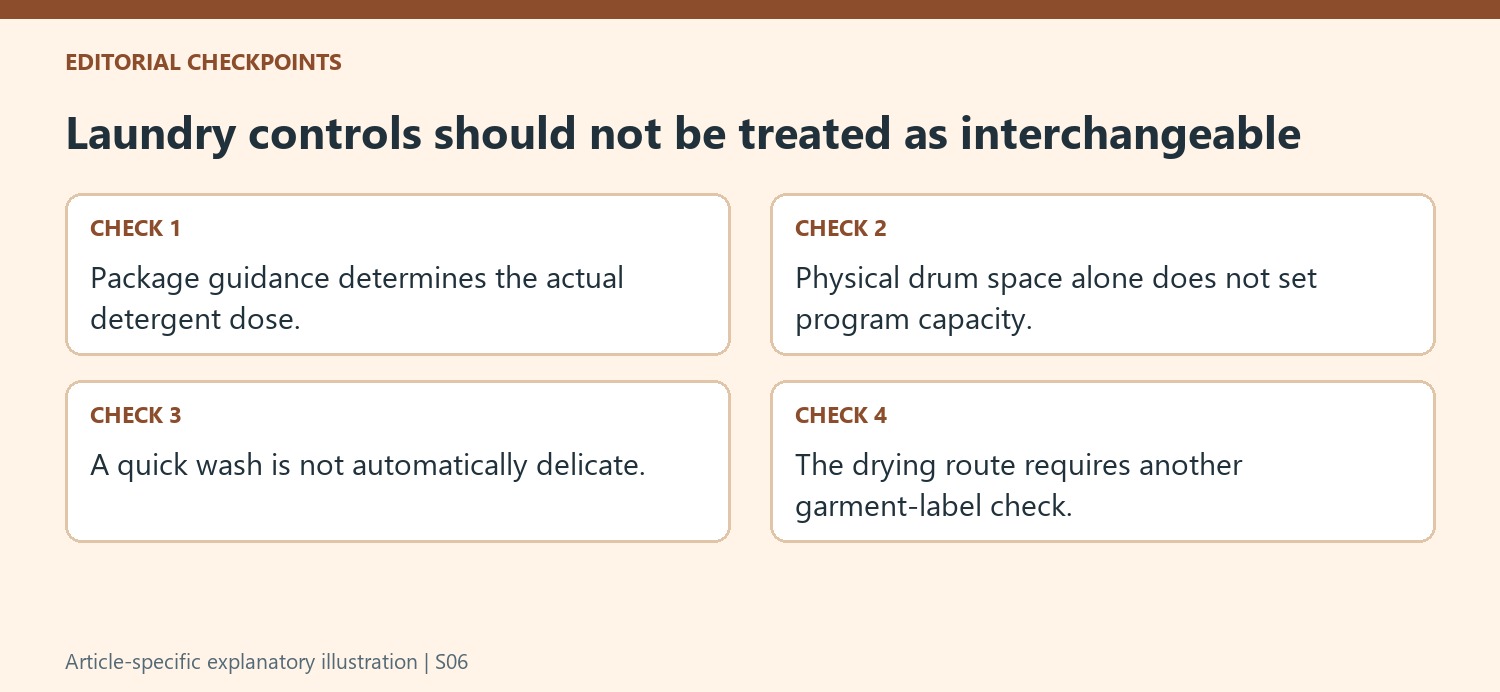
Ariel's comprehensive guide identifies load size, soil level, water hardness, machine type, and detergent form as factors in dosing. Read the current package instead of transferring an amount remembered from a different product. Capsules, liquids, gels, and powders are measured and introduced differently, so their instructions are not interchangeable. The washer's directions also matter for where the product belongs. Correct dosing is a decision made for the proposed load after it has been sorted and assessed. This makes the preparation more specific than adding extra detergent whenever clothing appears dirty. A difficult stain may need appropriate pretreatment, while the main wash still needs the dose and product placement directed for that actual combination.
Load size and cycle are related but separate choices
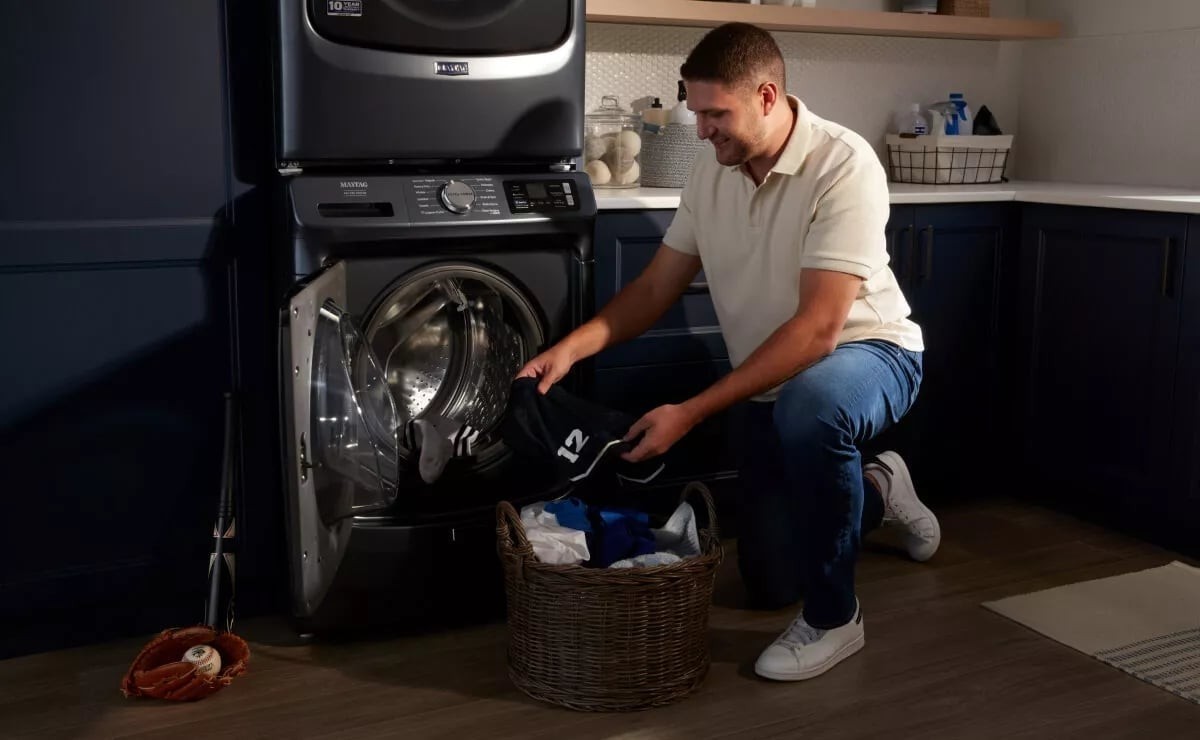
The guide discusses leaving room in the drum and then selecting a process appropriate to the garments. Follow the appliance's own loading information rather than treating the remaining physical space as the only limit. A delicate program can have different requirements from another cycle, and compressing a large pile into the machine does not make it a suitable load. Once the grouping is compatible, confirm that its quantity fits the intended program. Then compare temperature and mechanical action with the care claims. This gives the machine an appropriate task: a load of suitable size receiving a permitted treatment, with enough preparation done before starting that overfilling is not left for the cycle itself to resolve.
Keep a quick program distinct from a delicate process
Ariel's cycle overview describes differences in movement, spin, and duration, making clear that short treatment is not the same thing as gentle treatment. A quick wash may be intended for lightly soiled everyday clothing rather than sensitive fabric. Read the actual washer manual and garment instructions before choosing it. Equally, a machine option named hand wash should not be assumed to override a manual-wash-only claim without suitable garment guidance. Treat program descriptions as information to compare, not a replacement label. After the wash, apply the same care to prompt unloading and the separate drying route. The whole routine works because each decision answers its own question instead of letting one convenient cycle name answer all of them.