GarmentCare Guide
Start with shared treatment requirements
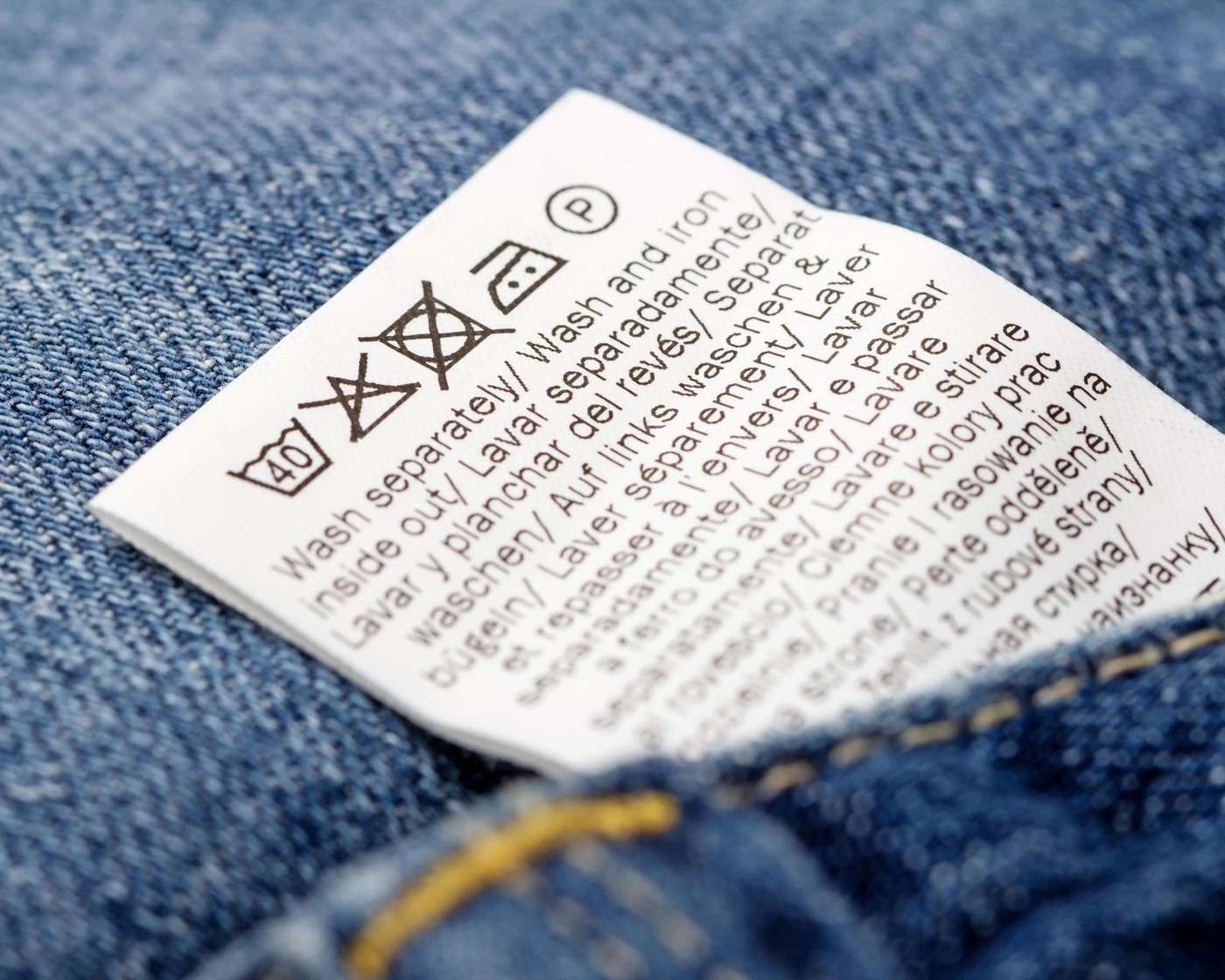
Maytag explains that items can often share a load when their care labels, colors, fabric weights, soil levels and required settings align. This turns sorting into a compatibility check rather than a simple dark-versus-light split. Read the labels first, then consider the other factors. Two white garments may still need separate washing if one requires a delicate process and the other needs a more intensive allowed treatment. The shared color does not resolve a difference in temperature, movement or the suitability of machine washing itself.
Separate heavy fabrics and uncertain dyes
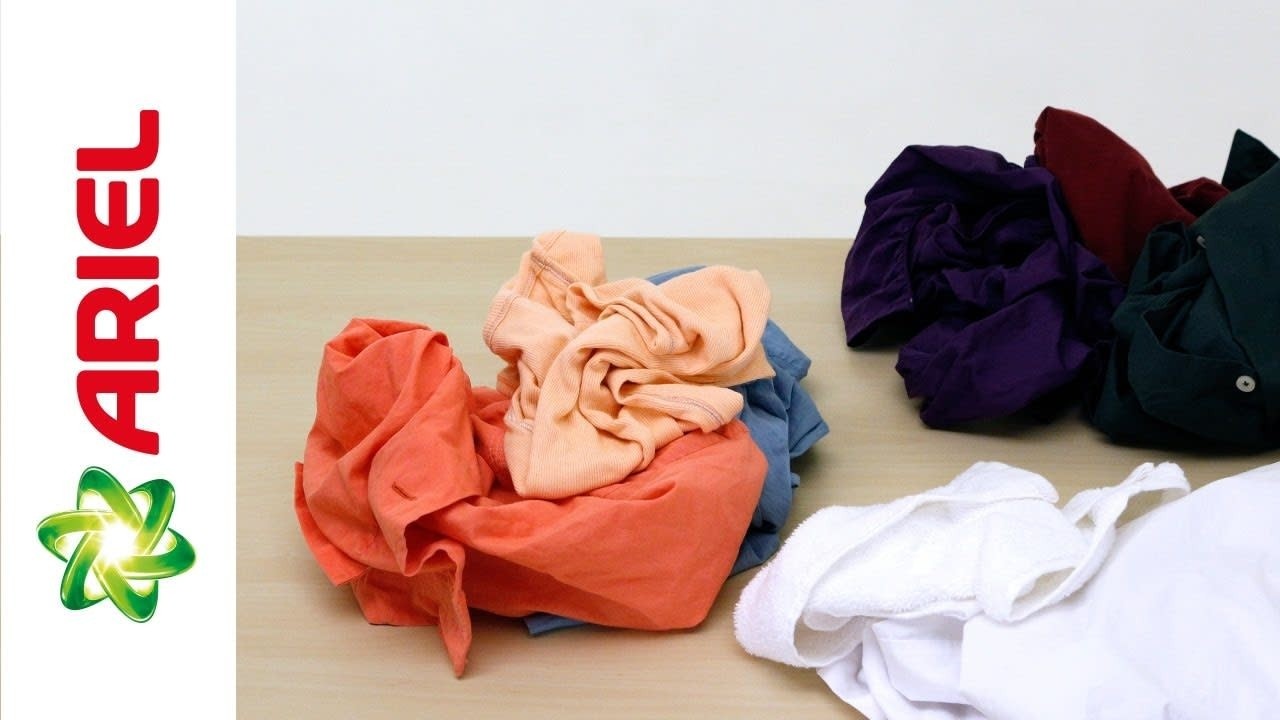
The source recommends keeping heavy denim away from delicate or snag-prone fabrics where the weight and cycle needs differ. It also cautions about new or deeply colored pieces that may release dye. Keep such items apart from whites and lights until their color-transfer behavior is understood. Towels add another consideration because they are heavy, absorbent and often release lint. A load containing towels, sheets and clothing may be convenient, but the guide favors separating them where different treatment and fabric characteristics make a combined load less suitable.
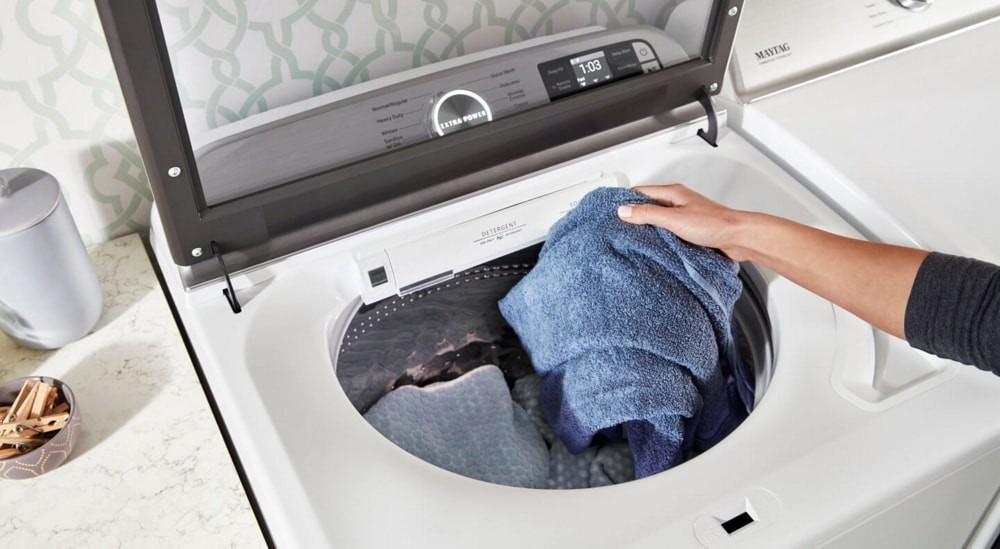
Let soil level refine the remaining groups
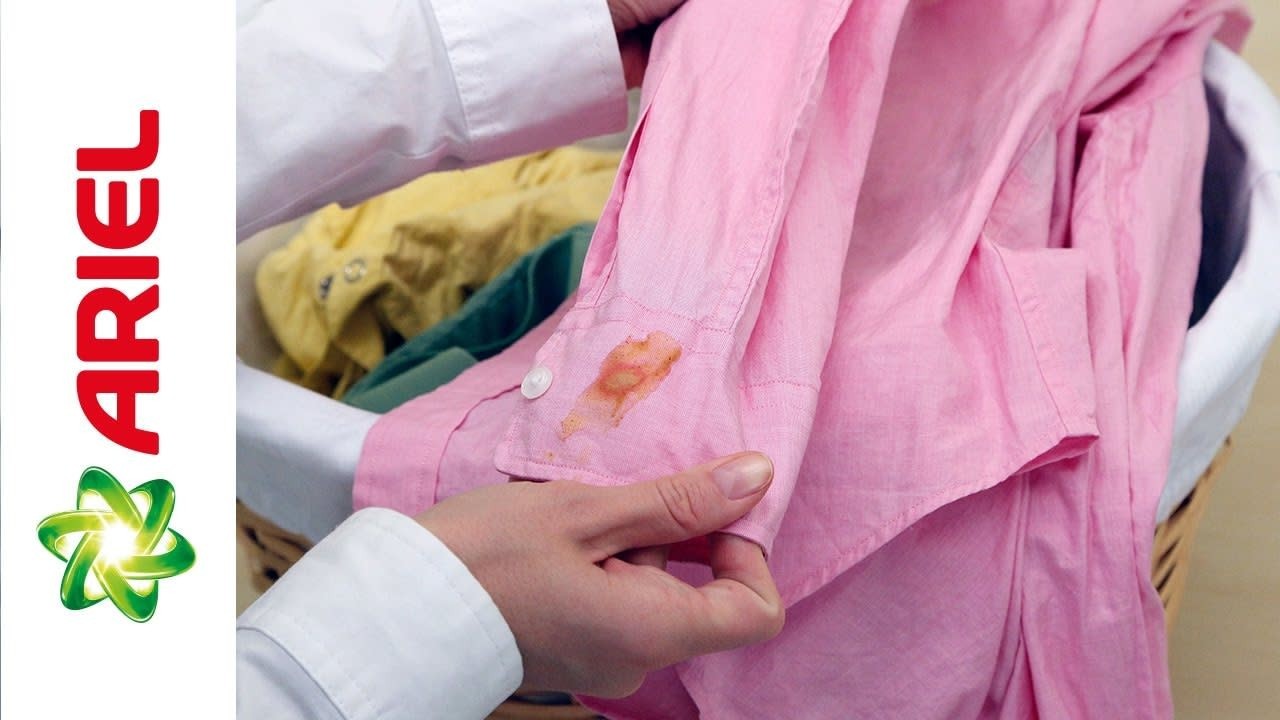
Greasy, muddy or heavily stained items may require pretreatment, a different soil setting or another permitted cycle. Washing them separately can help prevent loosened soil and residue from affecting lightly soiled pieces. This does not mean choosing an intensive program regardless of the fabric; care instructions still establish what the item can tolerate. A useful final check asks whether every garment in the proposed load can receive the chosen wash and later drying treatment. That approach gives sorting a concrete purpose: each item receives a compatible process rather than merely fitting into the same basket.
Use compatibility as a series of checks rather than one category
Maytag's sorting approach asks whether items align on care instructions, color, weight, soil, temperature, and cycle. Think through those questions in that order of purpose instead of assuming one label such as whites or everyday clothes settles the entire load. A pale delicate and a pale sturdy textile may agree on color but disagree on mechanical treatment. Two dark pieces may share a temperature ceiling while differing in weight or color-transfer risk. Set aside the conflict rather than allowing whichever characteristic is easiest to notice to dominate. This produces a group with a clear common treatment, making the final program choice easier to justify from the actual garments rather than from a convenient basket name.
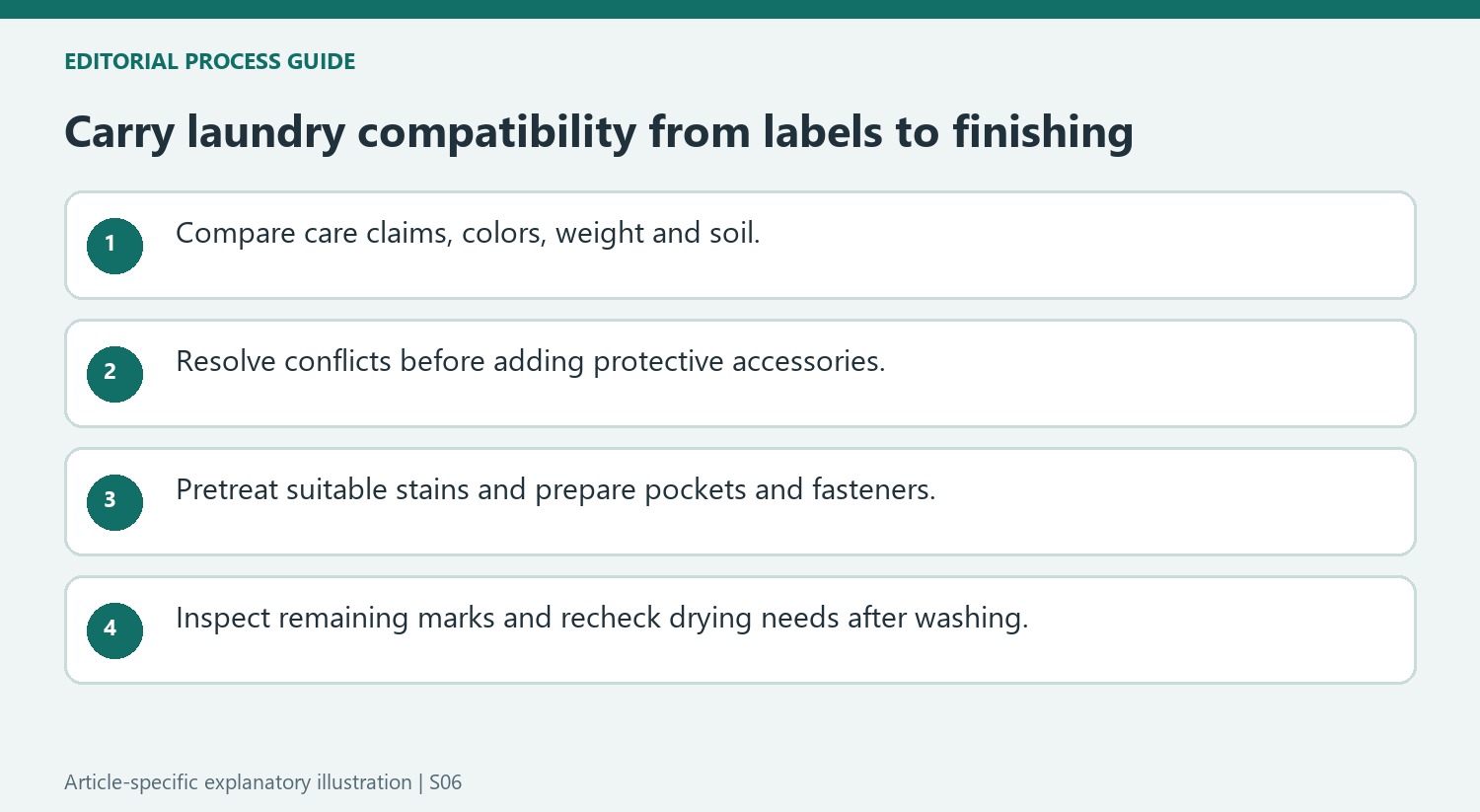
Preparation cannot repair a mismatch in the proposed load
The guide recommends emptying pockets, fastening zippers, turning embellished items inside out, and using a mesh bag where appropriate. These actions help prepare compatible pieces for the allowed treatment. They cannot make heavy denim equivalent to a delicate fabric or remove uncertainty about a newly purchased deep dye. Complete the compatibility decisions first and then carry out the relevant preparation for each item. This prevents a useful accessory from being given too broad a role. A bag may protect a particular garment from some contact, but the machine still supplies the load's chosen water, time, and movement. Those conditions must already be suitable for every piece that remains in the drum.
Check remaining marks before committing to dryer heat
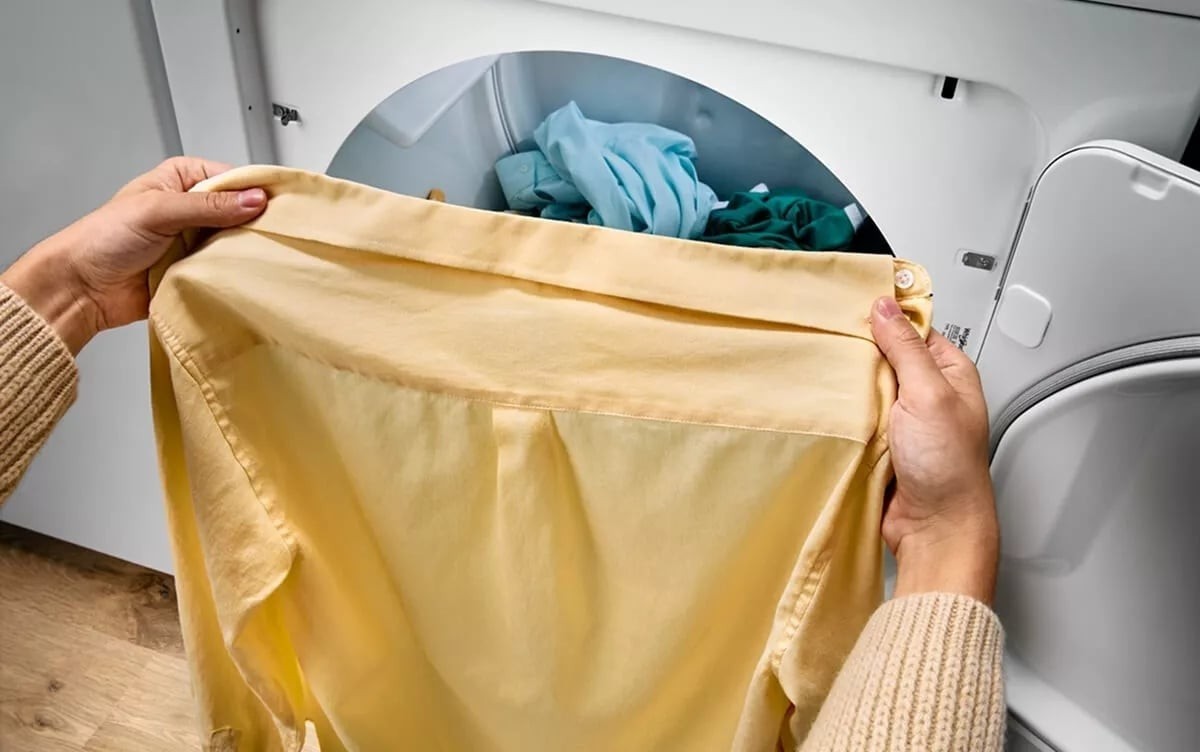
Maytag recommends checking that stains have been removed before placing clothing in a dryer because heat can make residual marks harder to address. Build that inspection into the transition after washing. A heavily soiled group may have received its own compatible pretreatment and cycle, but that does not guarantee every mark has disappeared. If a stain remains, consult appropriate fabric-specific guidance before finishing. Drying also requires another care check: a group compatible in the washer may need to be divided by drying route or support position. This keeps sorting connected to its practical purpose, giving each garment an appropriate sequence rather than assuming the wash load must stay together until everything is put away.