GarmentCare Guide
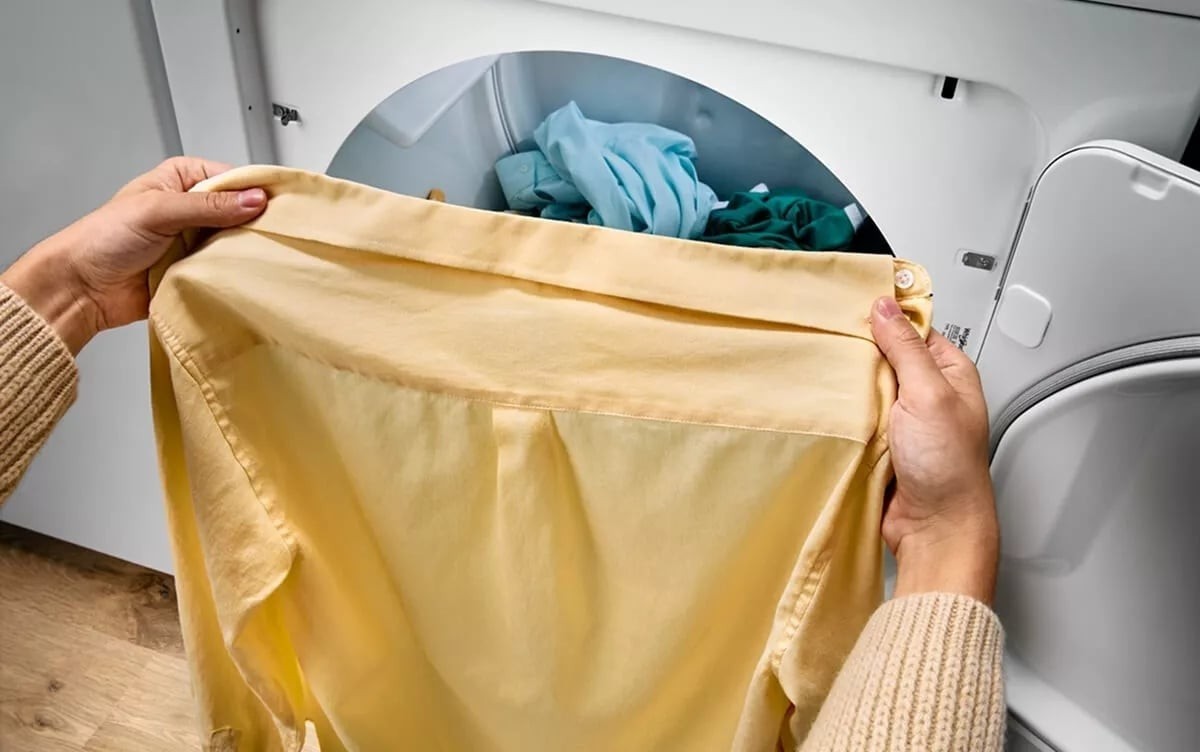
Build groups around compatible care claims
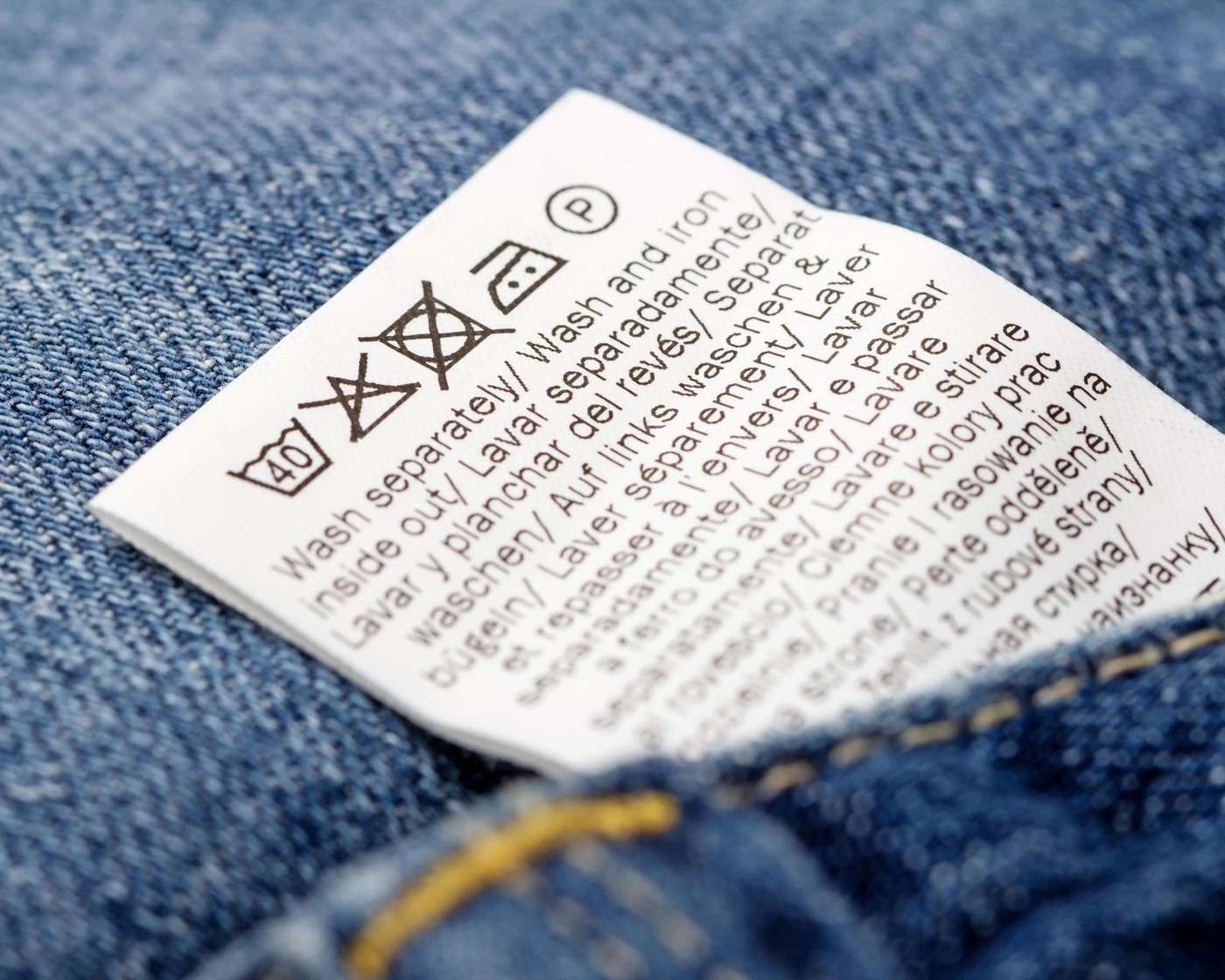
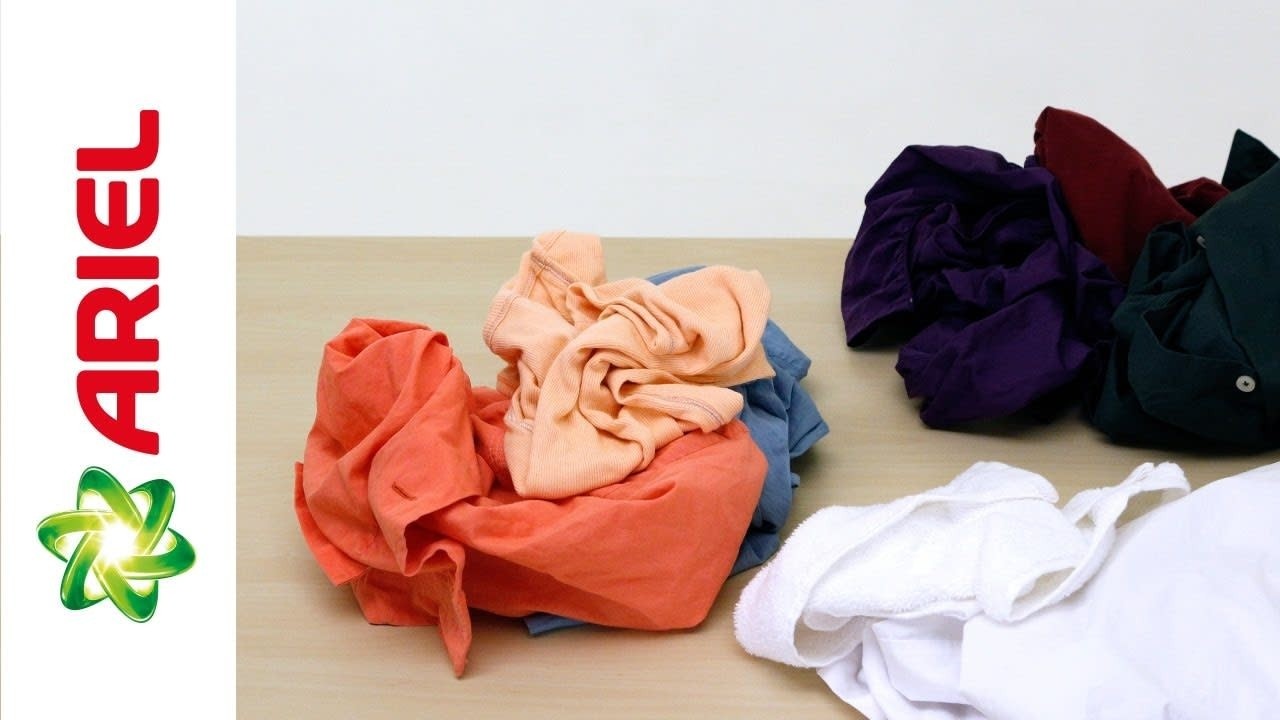
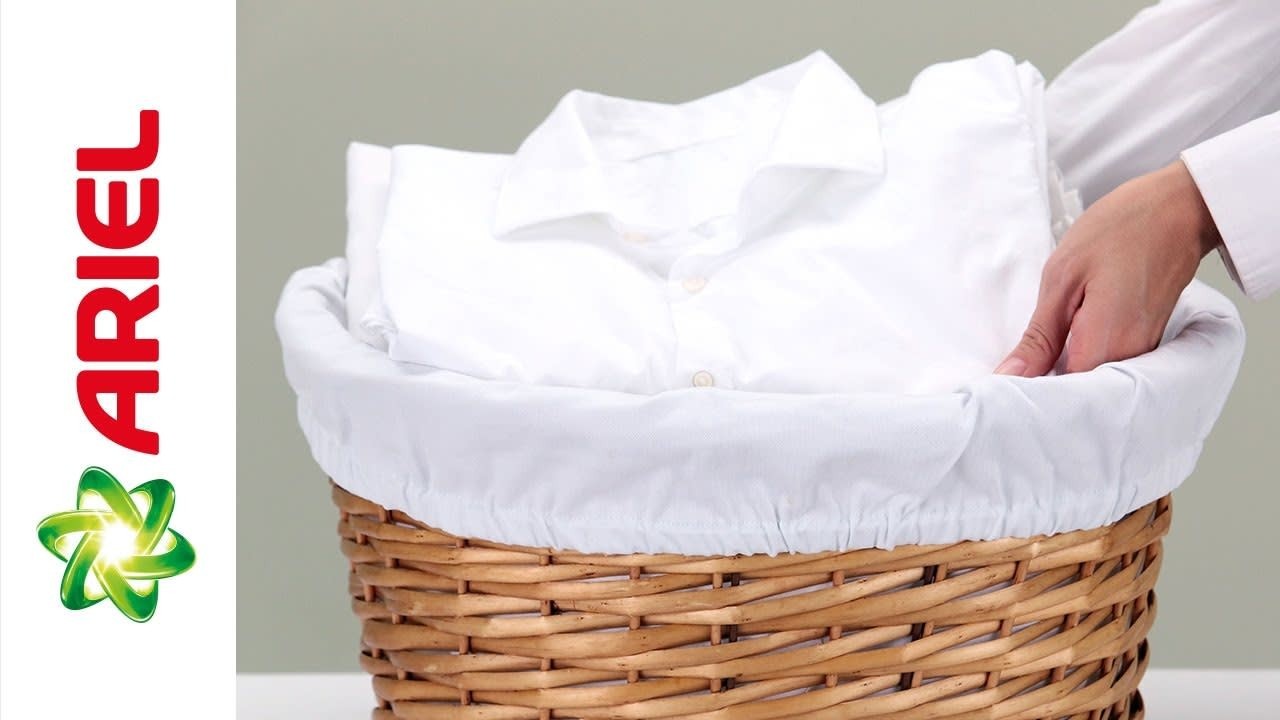
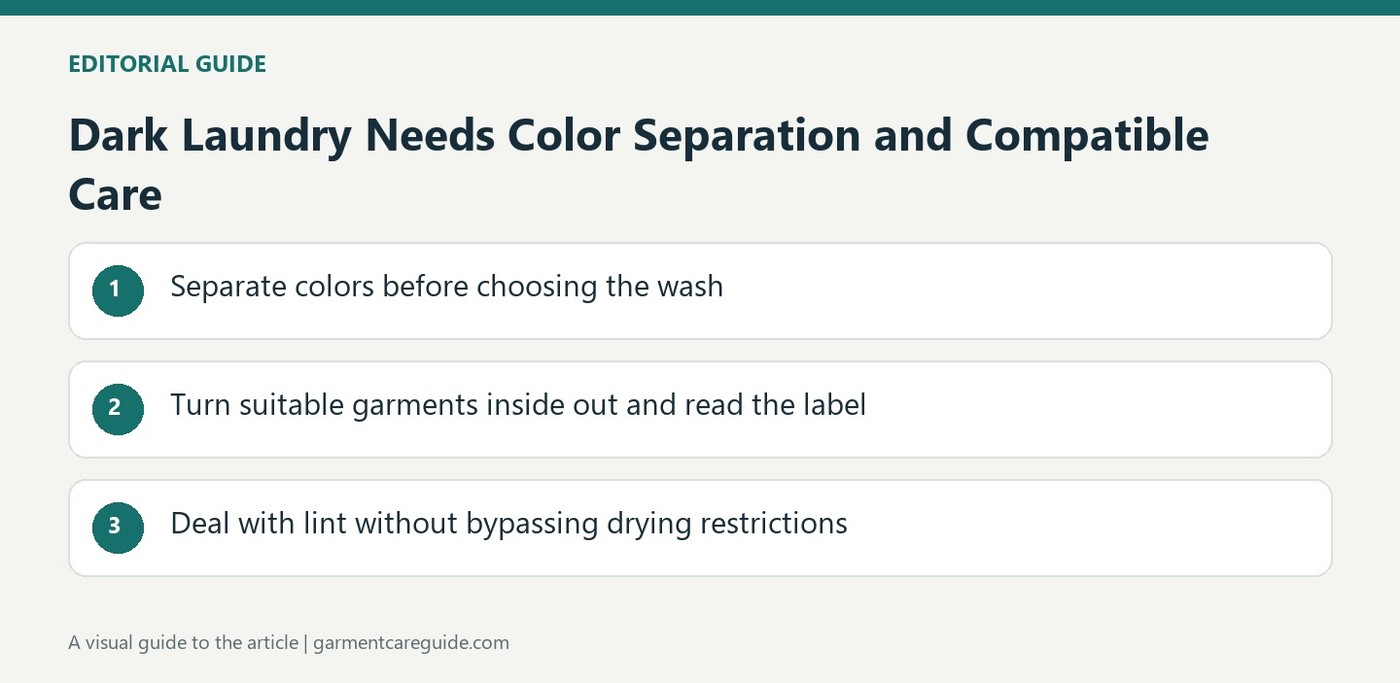
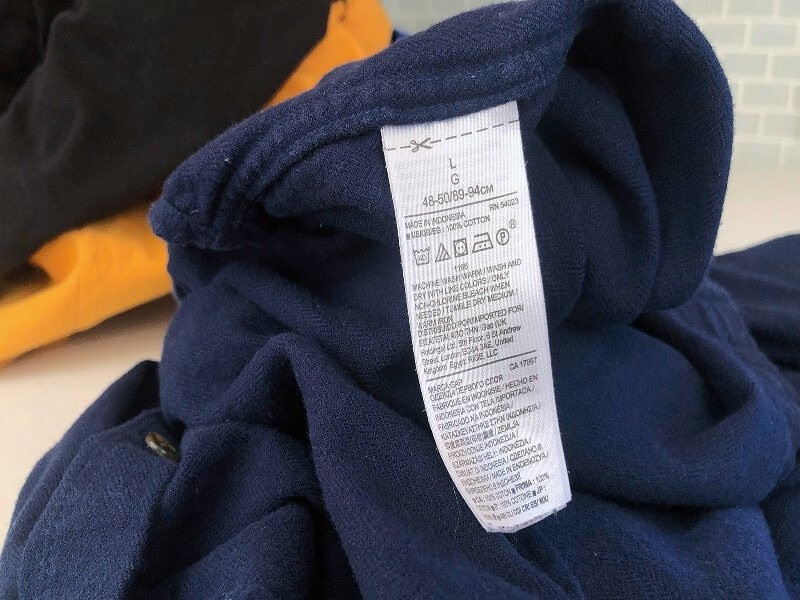
Whirlpool's laundry-sorting guide recommends separating clothing by care label, color, fabric type, soil level and newness. Begin with items requiring hand washing or professional cleaning so they do not enter the machine by mistake. Then compare the permitted temperature and process among the remaining clothes. Color groups provide another filter, but they do not make incompatible care instructions disappear. White embroidery, prints or unfamiliar dyes also deserve attention rather than being treated exactly like undecorated white material. The aim is a load whose items can share the intended treatment.
Fabric weight affects contact inside the washer
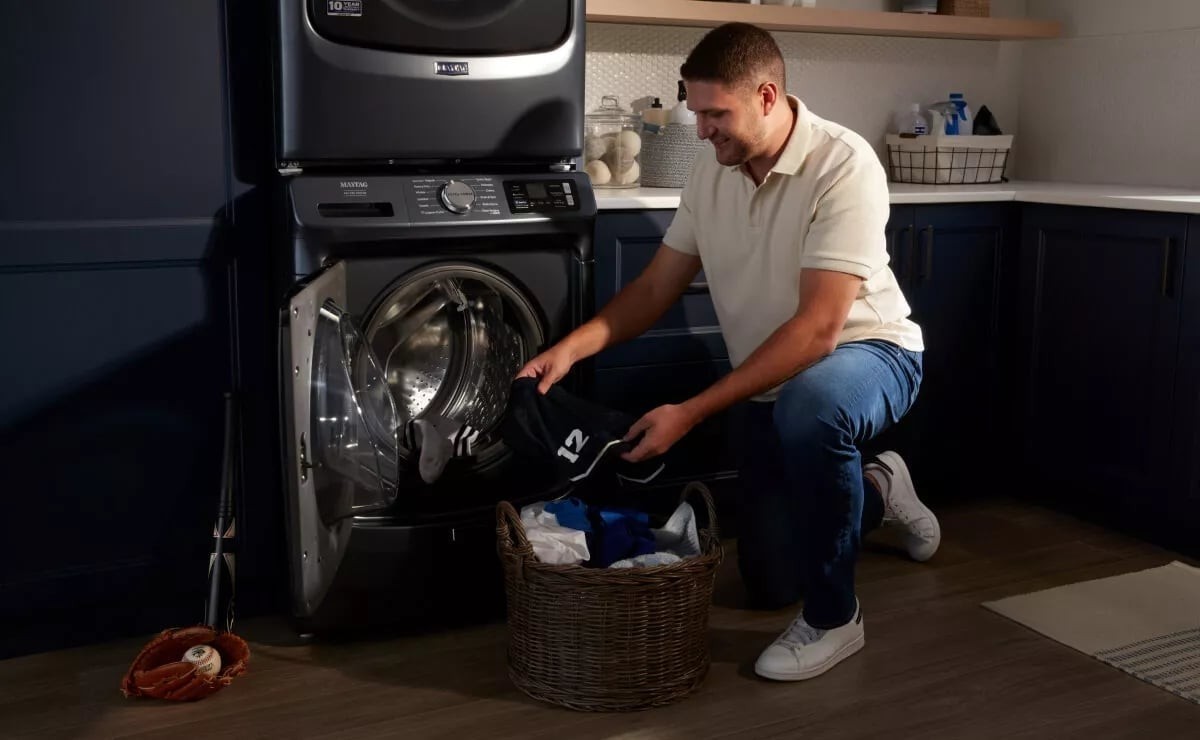
The source notes that garments repeatedly contact one another during washing. Heavier materials can be more abrasive to delicate clothing, making fabric weight another reason to separate loads. Denim, ordinary daily clothing and fine fabrics may therefore need different groupings even when their shades match. Athleticwear can introduce its own care requirements, and heavily soiled items may require separate pretreatment and settings. Use the garment's instructions to make the final decision rather than following a sorting chart as though every example were universally compatible with every other member of its group.
Prepare pockets and closures before loading
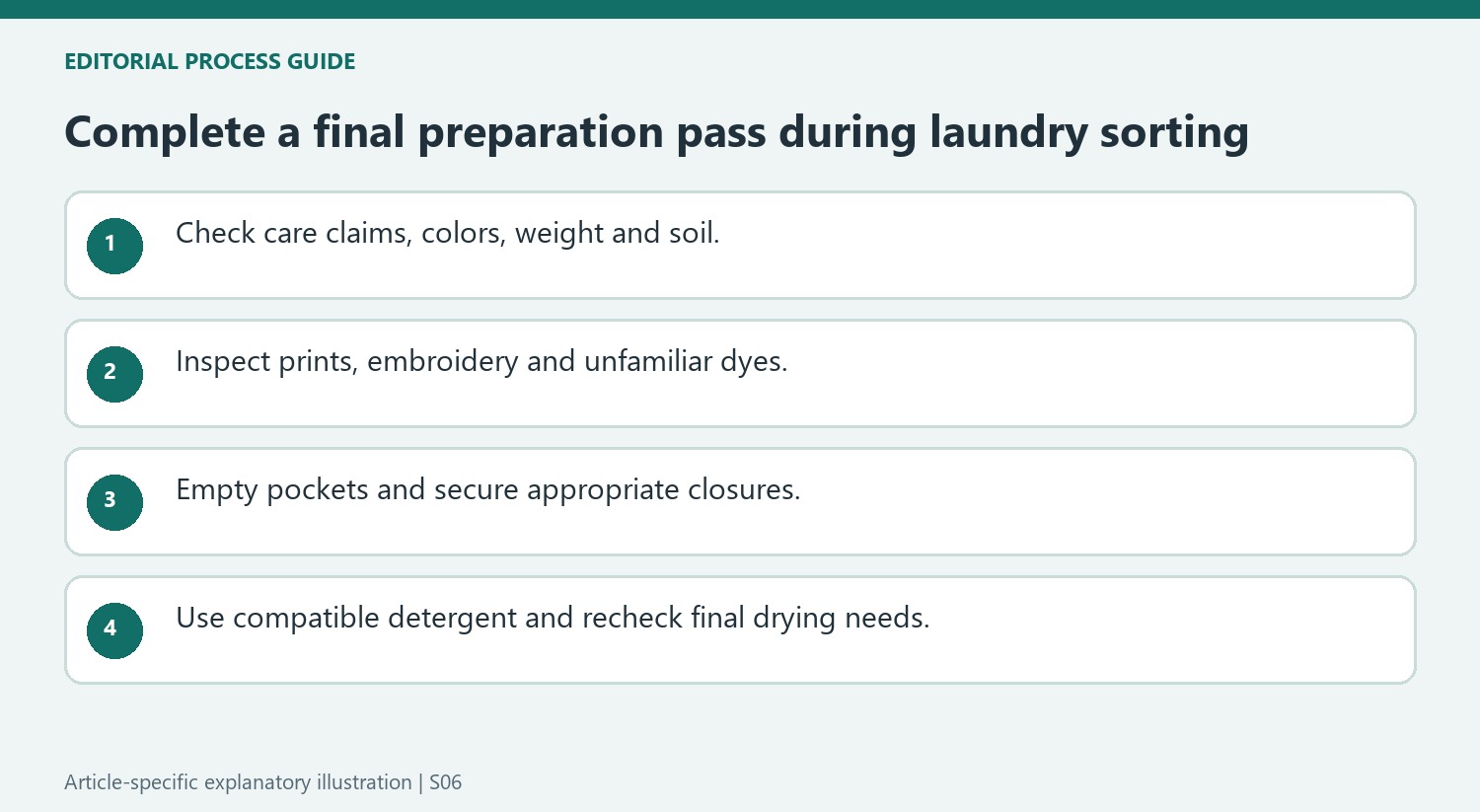
Whirlpool recommends removing objects from pockets, securing zippers and hooks, and turning suitable knits or colored clothing inside out. These checks are easiest to complete while sorting, before the load reaches the drum. They address risks such as snagging and unwanted objects entering the wash, which cycle choice alone cannot resolve. A mesh bag may add protection for approved delicate items, within a compatible load. Finish by confirming that the washer is not overloaded and that the later drying method is suitable. Preparation and sorting work together to make the selected program appropriate for the actual clothing being cleaned.
Check pockets and closures while each item is accessible
Whirlpool's preparation advice fits naturally into the sorting stage. Empty pockets, secure relevant zippers or hooks, and turn suitable knits or embellished clothing inside out before the load reaches the drum. These tasks concern objects and contact points that a correct water temperature cannot resolve. A forgotten pocket item still enters the machine on a gentle program, and an exposed fastener can still interact with neighboring fabric. Complete those checks after establishing wash permission and before packing the group together. The result is a load whose garments are both compatible and prepared, instead of relying on cycle selection to compensate for details that were easier to address by hand while sorting.
Read color charts alongside prints embroidery and unfamiliar dyes
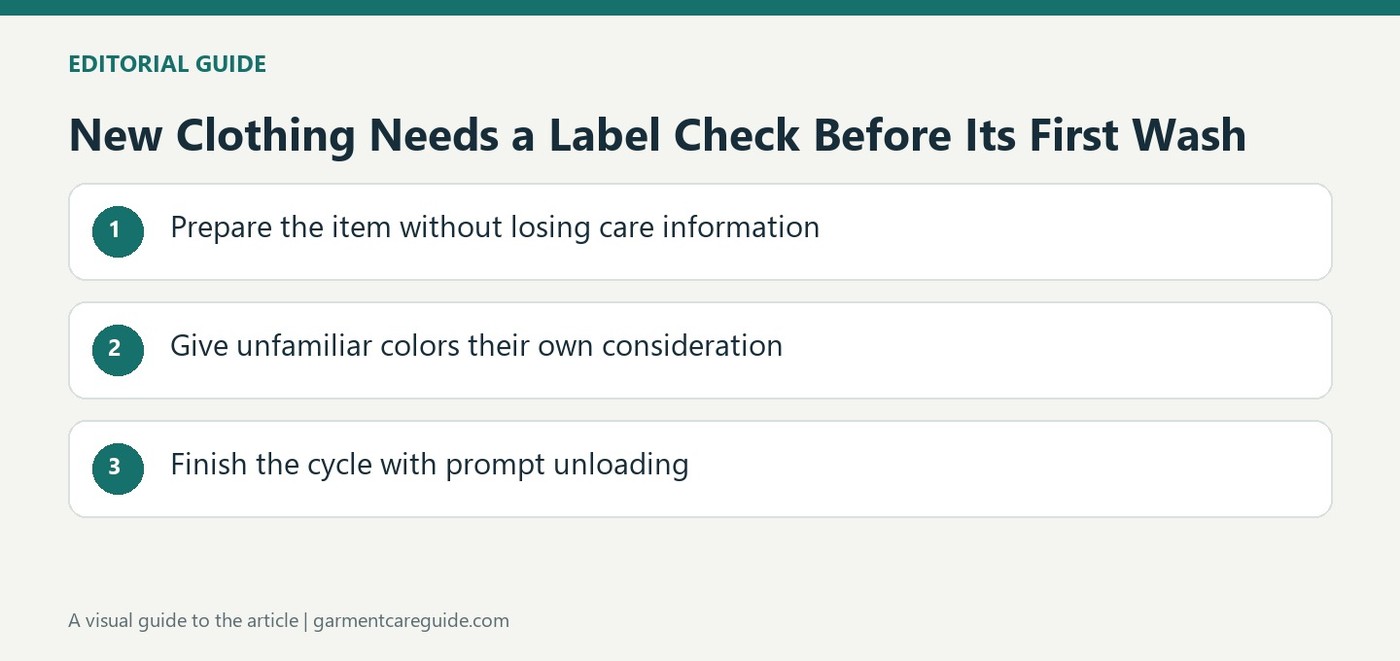
The source distinguishes plain whites from white items carrying prints or embroidery, showing why a sorting chart needs close observation. A garment's background color does not describe every dye or decorative component it contains. Similarly, new clothing may need separate attention before its color-transfer behavior is understood. Use the chart as a reference for asking these questions, then compare the actual care claims and construction. Do not treat the group heading as a guarantee that every listed example can share one process. Color, weight, and washing permission are different filters, and all need to align before the machine is loaded. This is especially helpful for multicolored pieces that do not fit neatly into a single visual pile.
Detergent choice does not eliminate physical compatibility
Whirlpool notes that modern detergents do not replace separating whites from darks or delicates from heavier fabrics. Chemical performance cannot remove every contact or dye-transfer issue created by the load itself. Choose an appropriate detergent after grouping compatible garments, and follow its directions for dose and machine type. A mesh bag can supplement handling for suitable delicates, but it does not erase a conflict in permitted treatment. Continue the compatibility check after washing by separating drying routes and inspecting any remaining stains before heat. This carries the sorting logic through the whole task rather than assuming that a capable detergent and a protective accessory make the original combination appropriate for every stage of care.
References
- Laundry Sorting Guide: How to Separate Laundry. Whirlpool.