GarmentCare Guide
Modal describes a fiber, not one finished textile
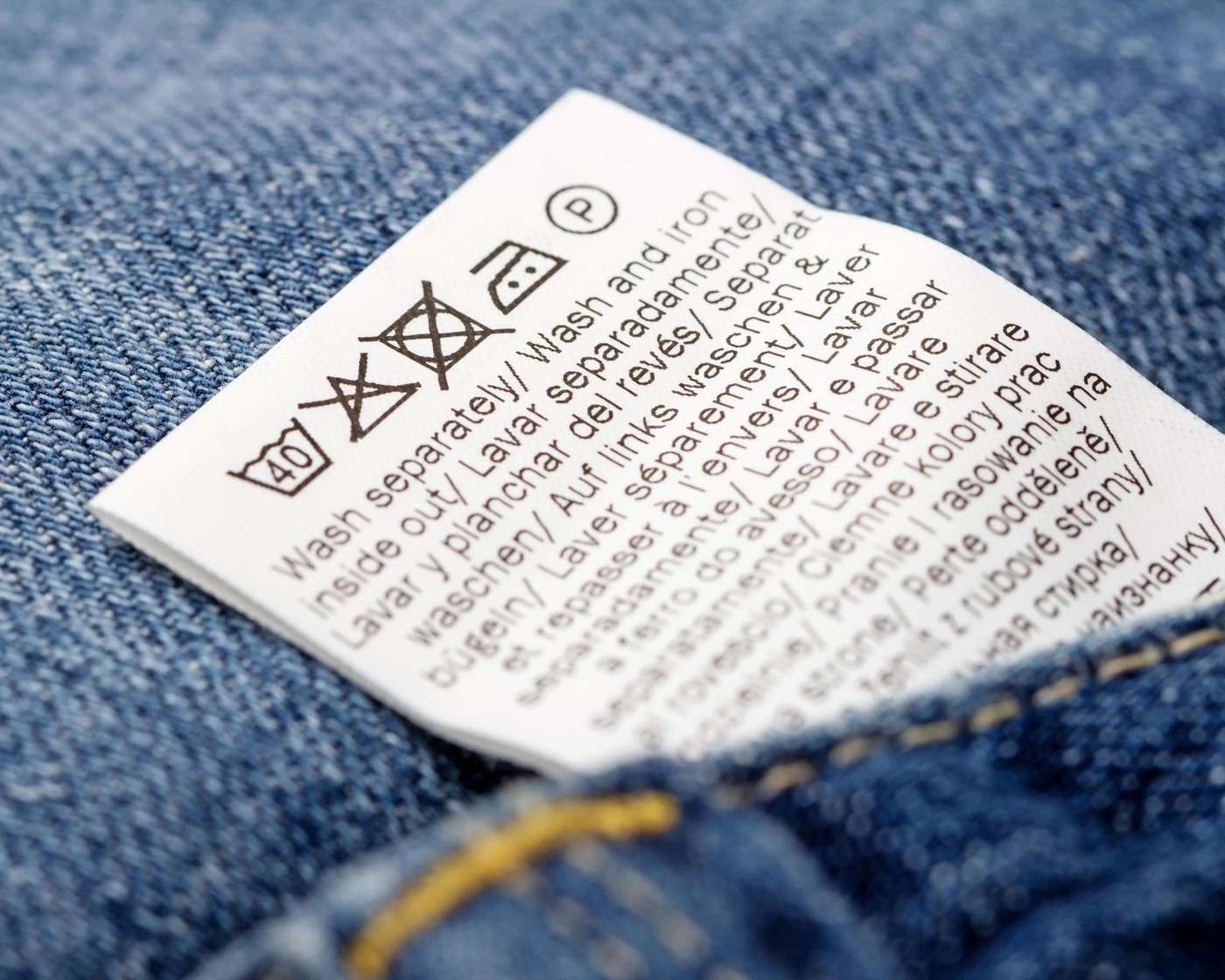
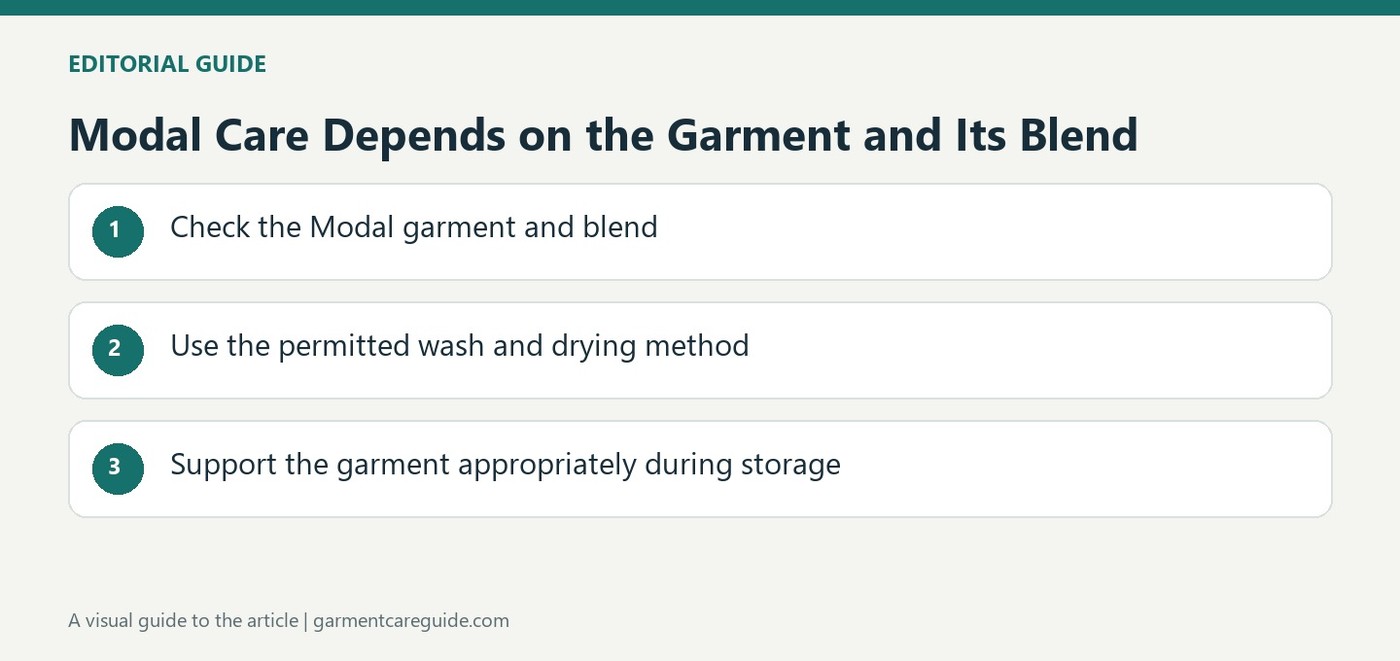
Modal is a regenerated cellulose fiber within the rayon family. Ariel's guide describes its use in pajamas, underwear, towels, bedding and other items, and notes that it can be blended with cotton or elastane. That range makes the finished product important when choosing care. A soft modal garment and a heavier household textile should not automatically follow one routine. Check the label for the item itself, including its washing permission and any restrictions created by the blend, construction or finish. Fiber content provides context, while the care claim specifies treatment.
Cold machine washing remains conditional
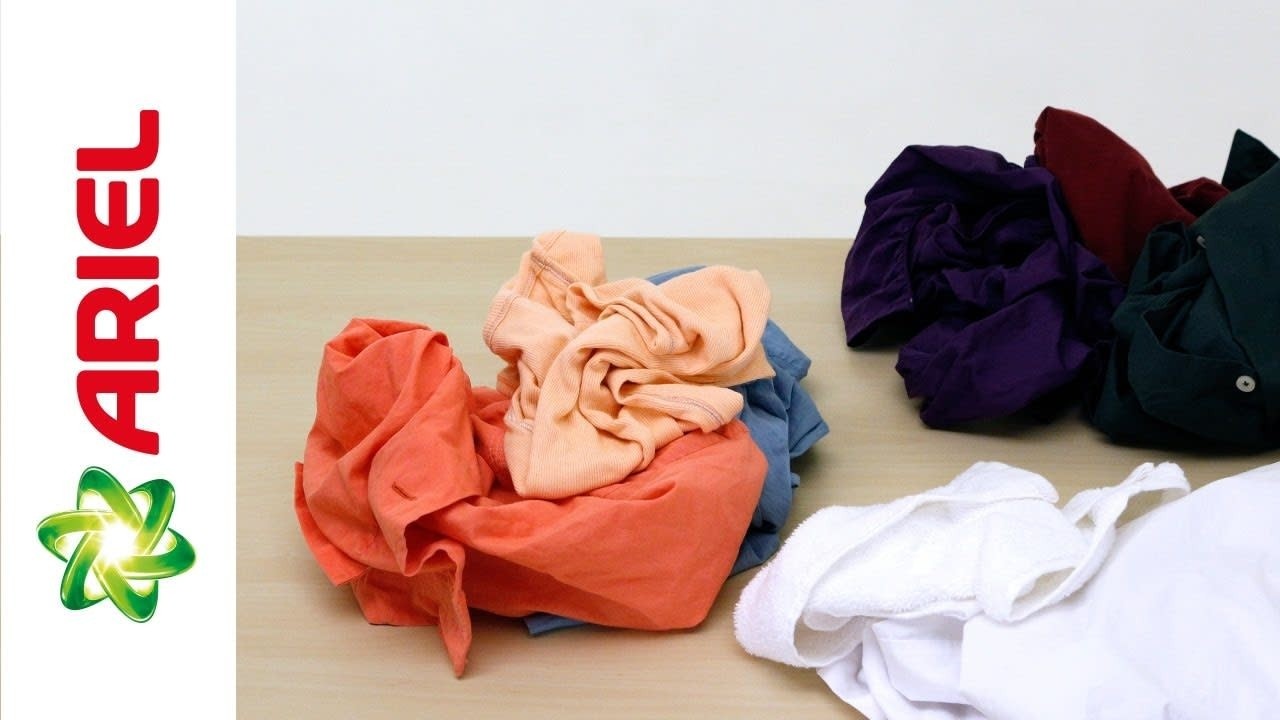
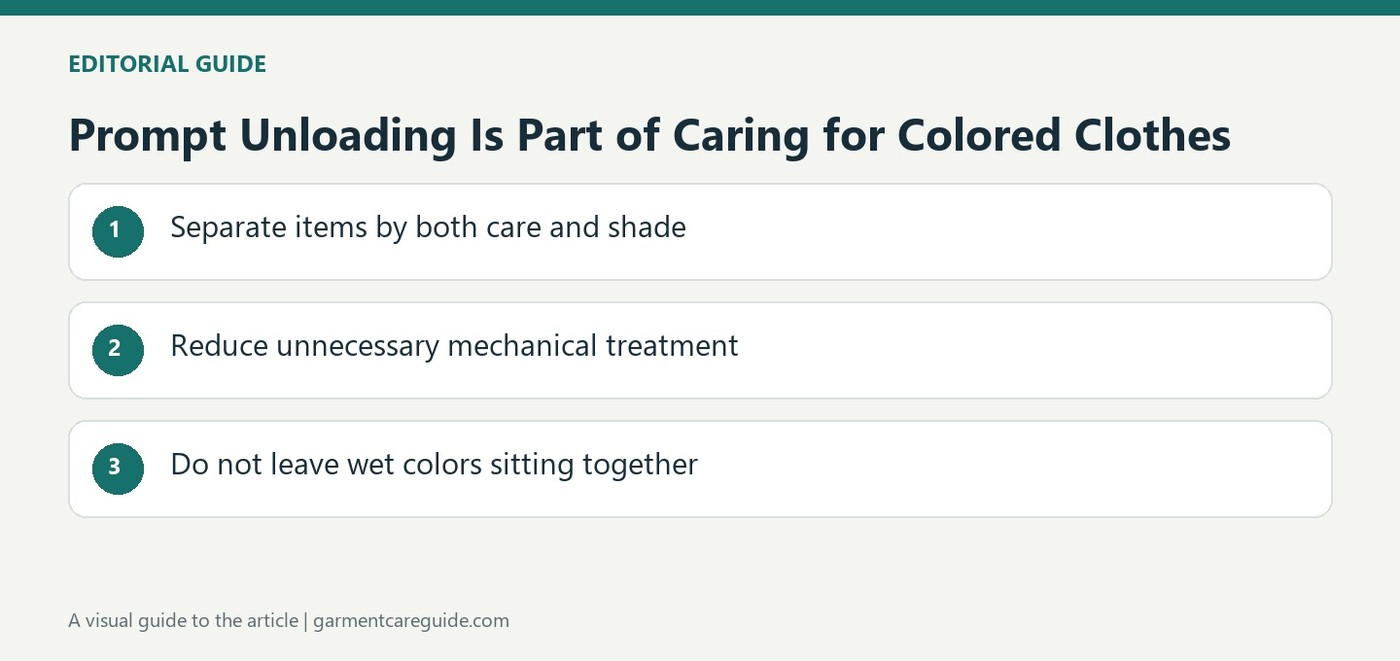
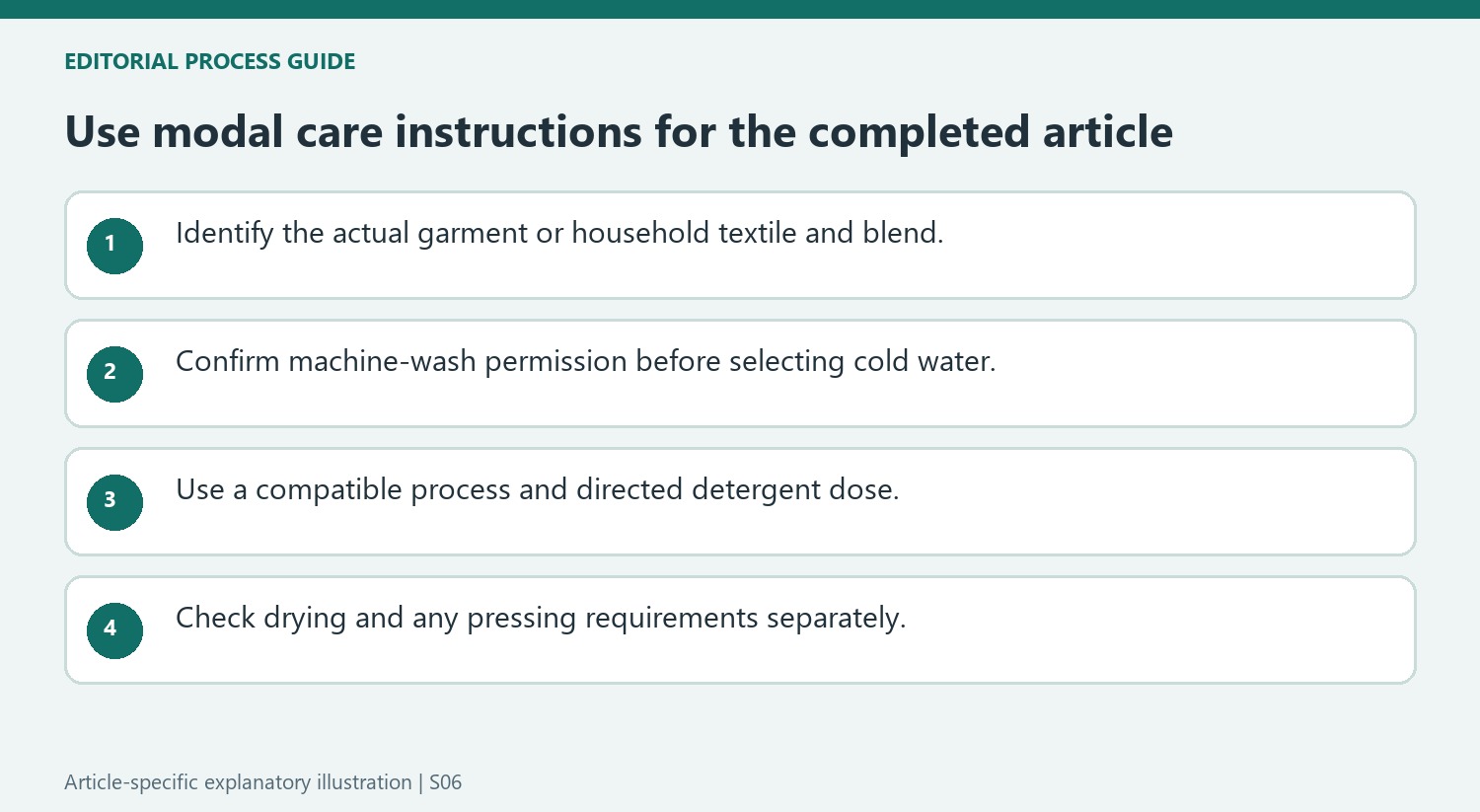
For modal clothing that permits machine washing, Ariel recommends a cold-water cycle and an appropriate detergent. The actual label may supply more detailed requirements, so keep those limits in view when choosing the program and loading the washer. Suitable detergent should be dosed according to its directions rather than increased automatically because the fabric feels delicate. Sort items by compatible care and color. A garment containing elastane, for example, still needs its full instructions checked instead of relying only on the modal portion of the composition description.
Drying and ironing are separate permissions
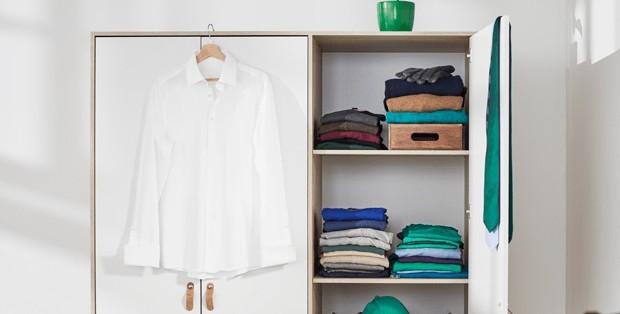
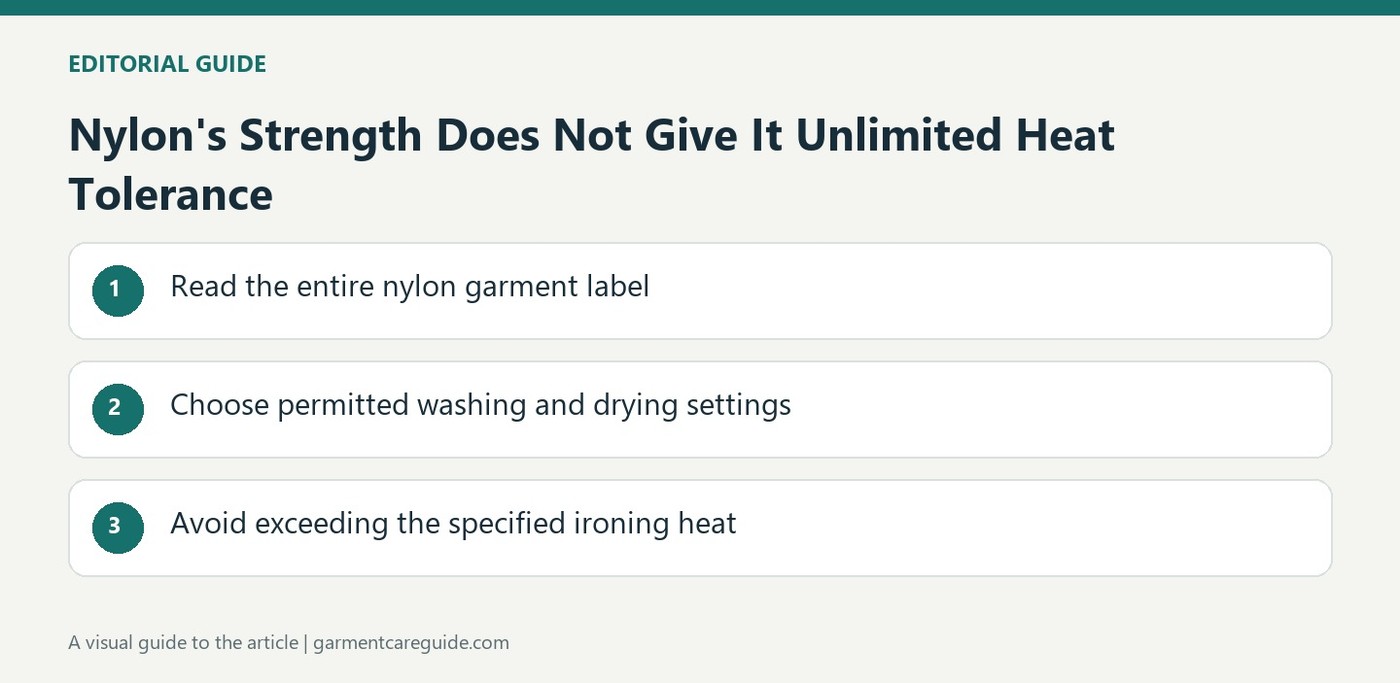
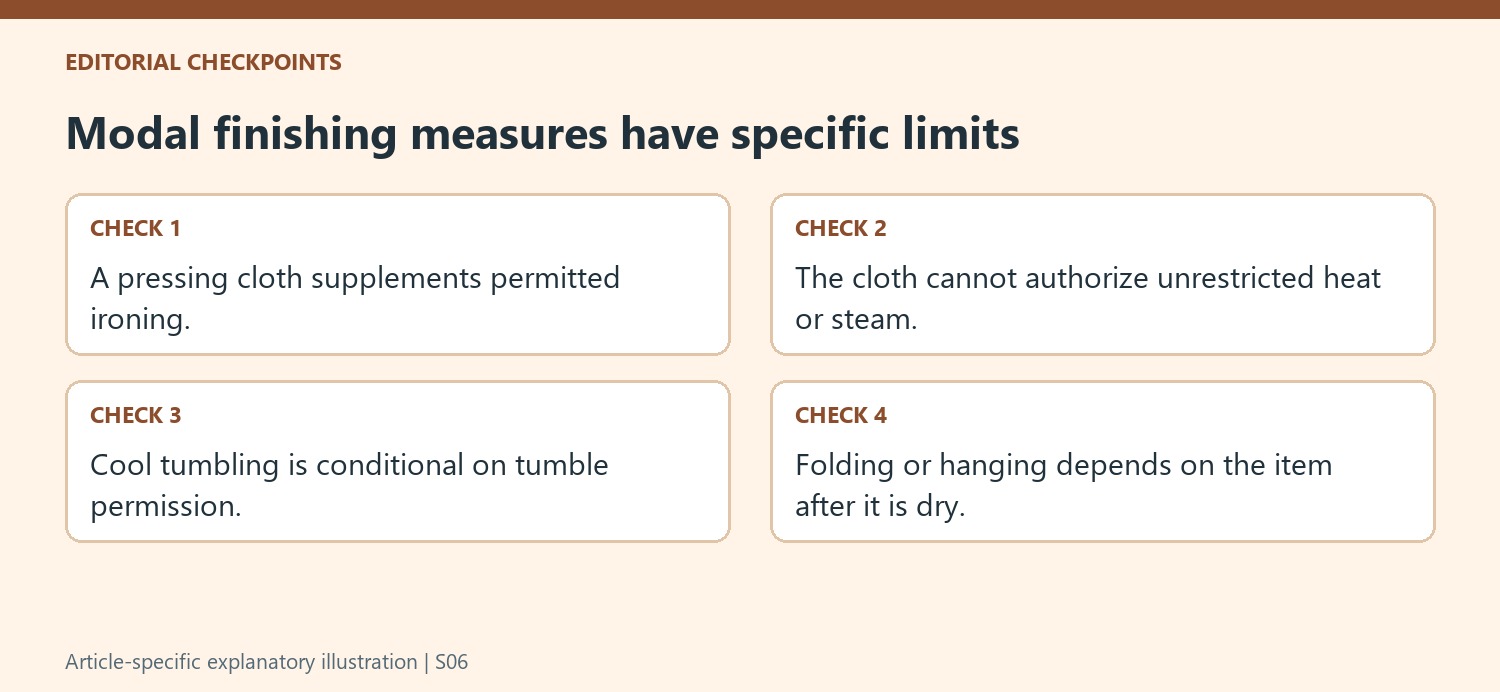
The source discusses natural drying and cool tumble drying, but explicitly directs readers back to the fabric care label. Choose the permitted route for the particular item rather than treating both as universally available. Where ironing is allowed, Ariel recommends a pressing cloth between the iron and the garment. Store the clean item in a cool, dry place, with folding or hanging chosen to suit it. These finishing steps reinforce the same principle as the wash: modal identifies a material family, while the finished garment determines which practical care choices are appropriate.
Use the range of modal products as a reason to read more closely
The guide lists modal in sleepwear, underwear, bathrobes, towels, and sheets. These examples illustrate variety rather than a single care standard. A garment containing modal and elastane can have a different construction from a household textile combining modal and cotton. Read the actual composition and completed-item care claim before deciding that both belong in the same load. Softness does not settle the suitable movement, wash temperature, or drying support. The fiber description helps identify the material, while the product instructions account for how it has been turned into the article in front of you. Keeping that distinction clear is particularly useful when several familiar-looking soft garments carry different blends and treatment symbols.
A cold cycle still needs a suitable process and dose
Ariel makes machine washing conditional on the modal garment's permission and then recommends cold water for that route. Read both parts together. A low temperature does not independently authorize every program, and a delicate feel does not establish how much detergent the load needs. Select a suitable product, follow its dosing information, and compare the actual machine program with the clothing instructions. Optional conditioner or other treatments need compatibility checks as well. Build a group that shares those requirements rather than combining pieces solely because their colors match. The wash decision then reflects the full process the textile will receive, not just a temperature selected from a general modal-fiber description.
A pressing cloth supplements the allowed iron setting
The source recommends placing a pressing cloth between an appropriate iron and modal clothing where ironing is permitted. That is a protective handling measure within an allowed finishing step, not permission to use any heat or steam setting. Read the garment's actual iron instruction and decide whether pressing is needed before preparing the cloth. The drying route also remains separate: natural drying and cool tumbling are alternatives only where the particular item allows them. After the textile is clean and dry, use the guide's cool, dry storage approach with folding or hanging suited to its construction. Each stage stays connected to the same finished article rather than inheriting unrestricted permission from the fact that modal is present.
References
- How to wash modal. Ariel.