GarmentCare Guide
White shirts need a separate color decision
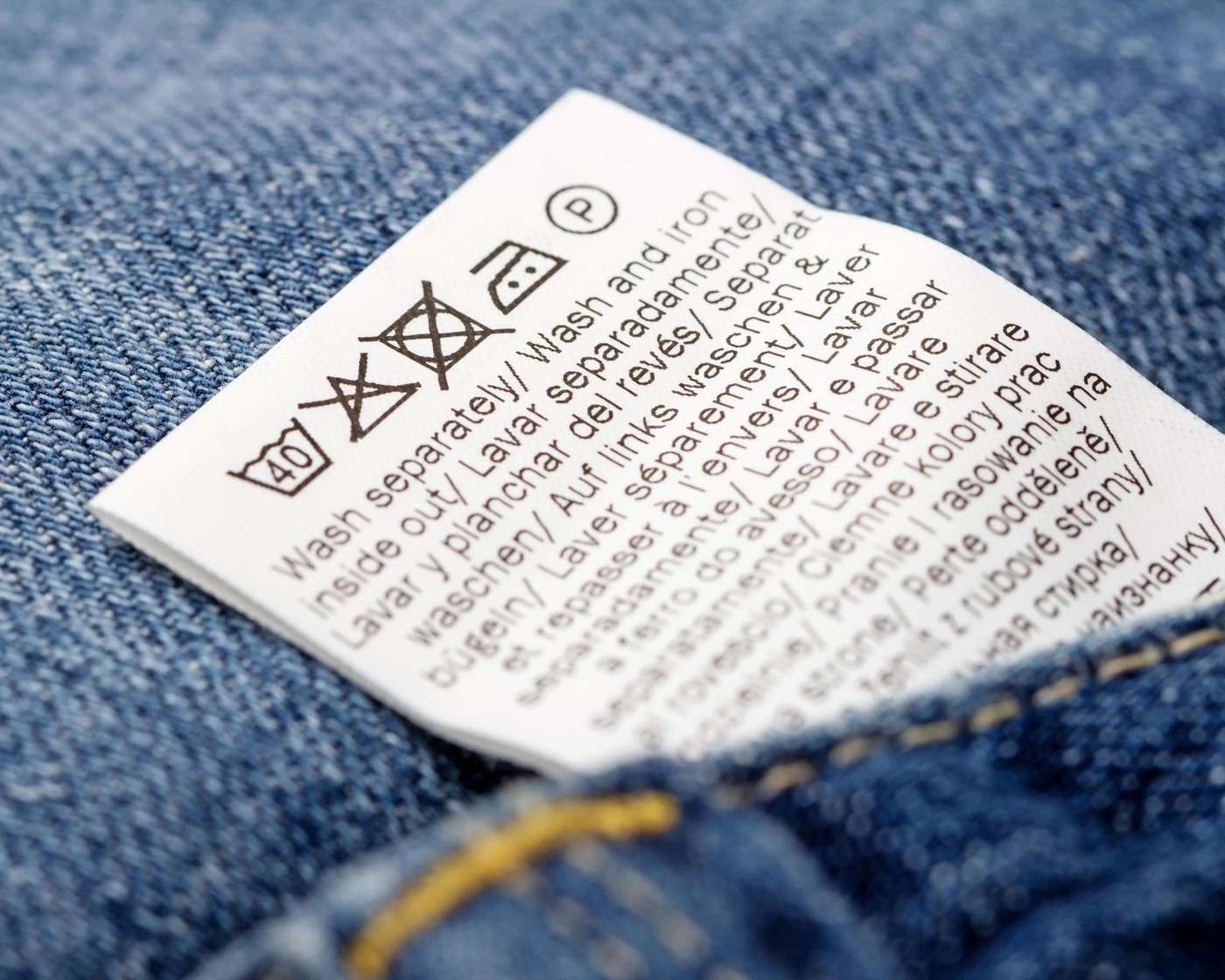
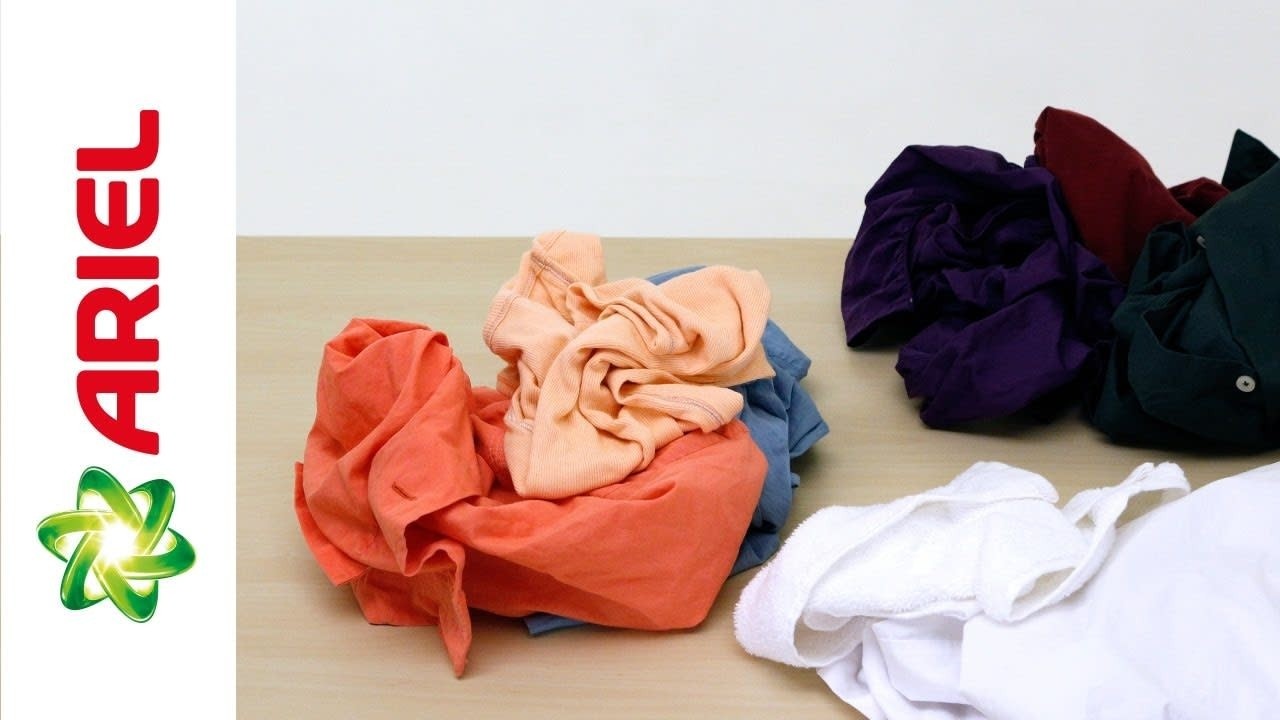
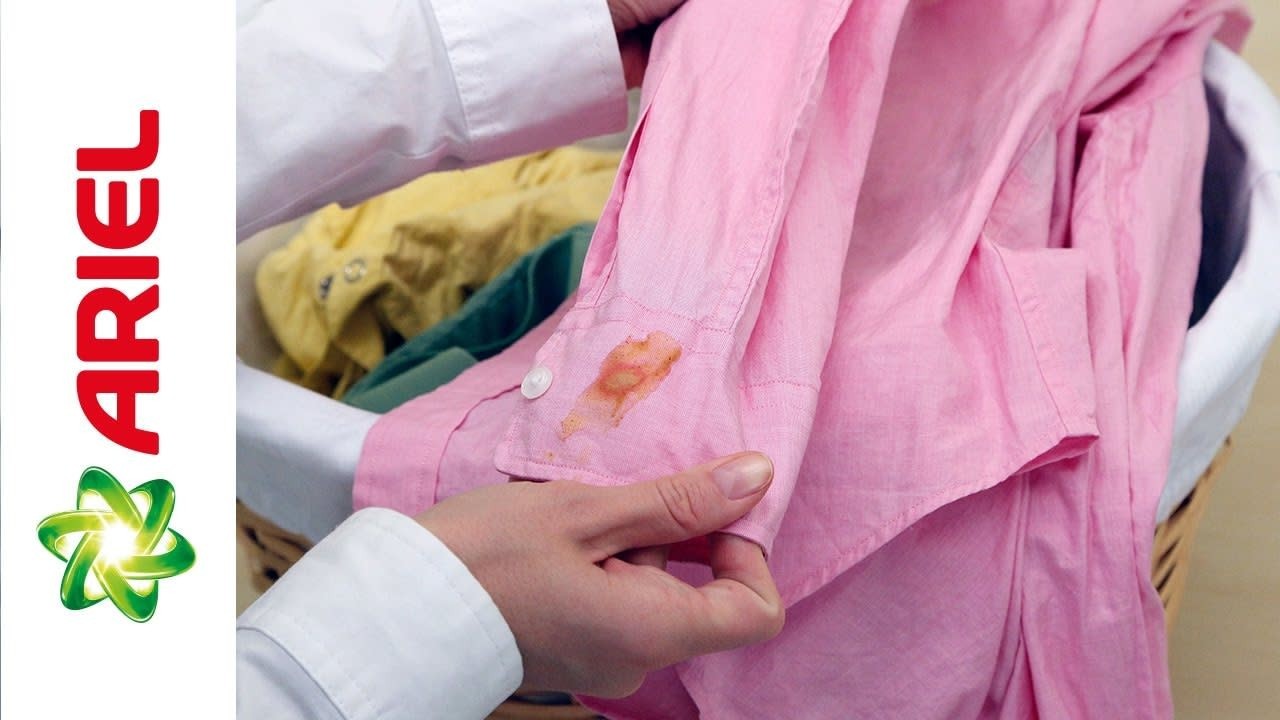
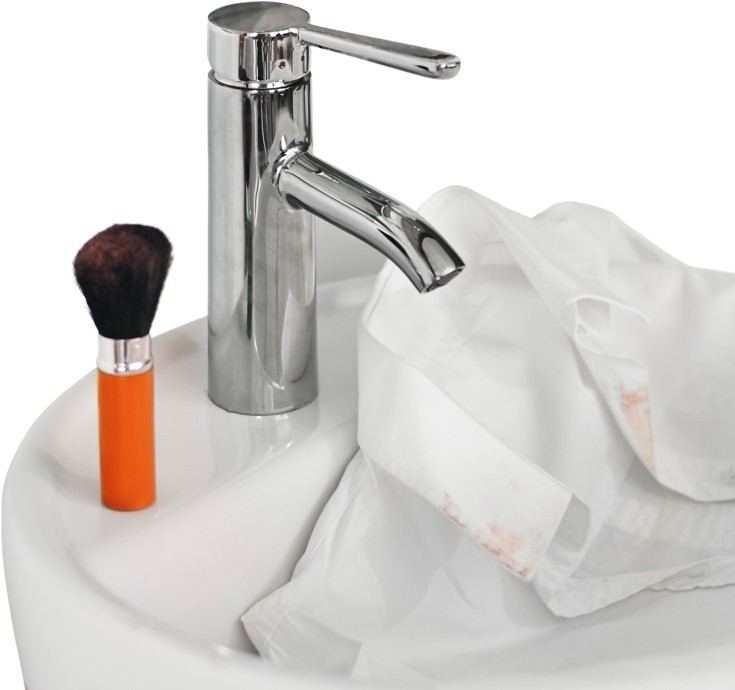
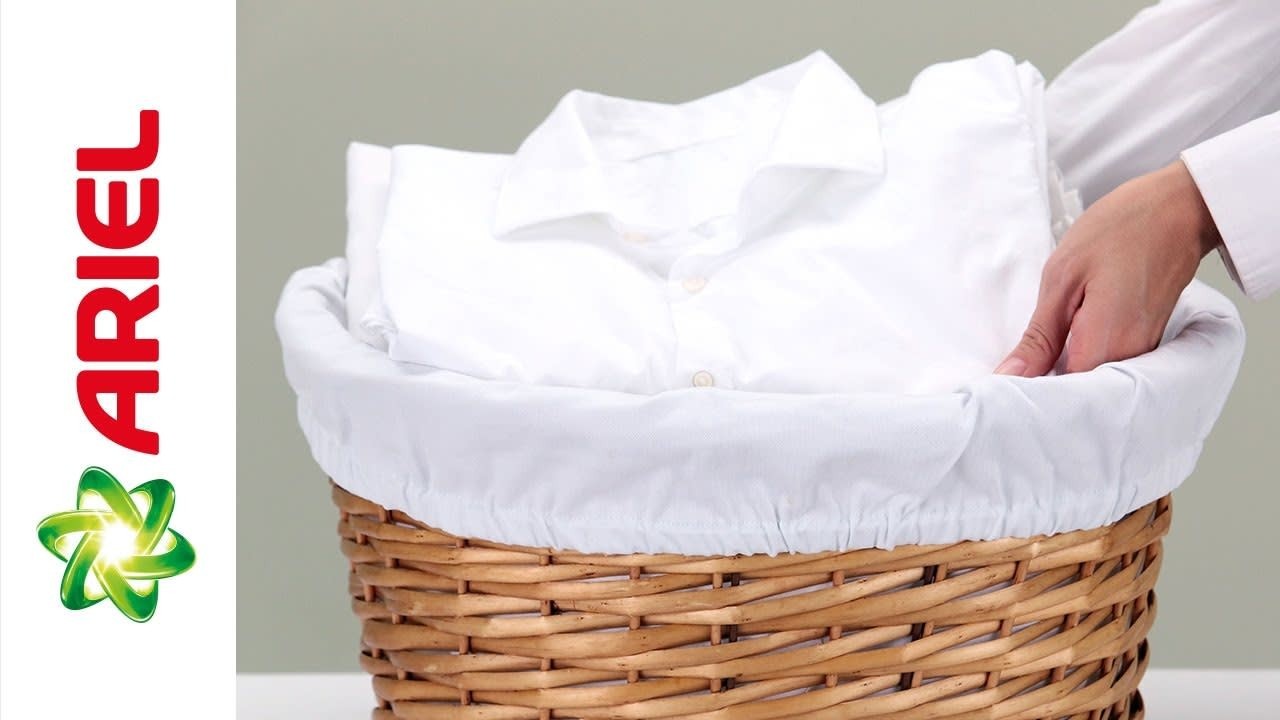
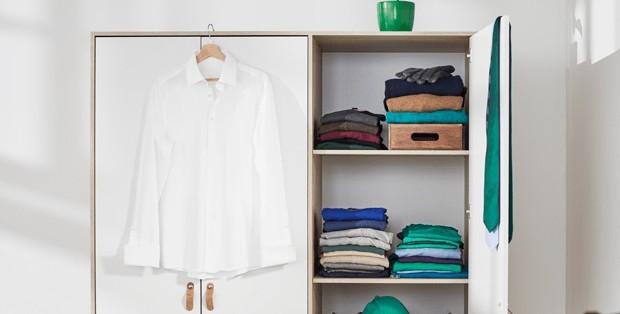
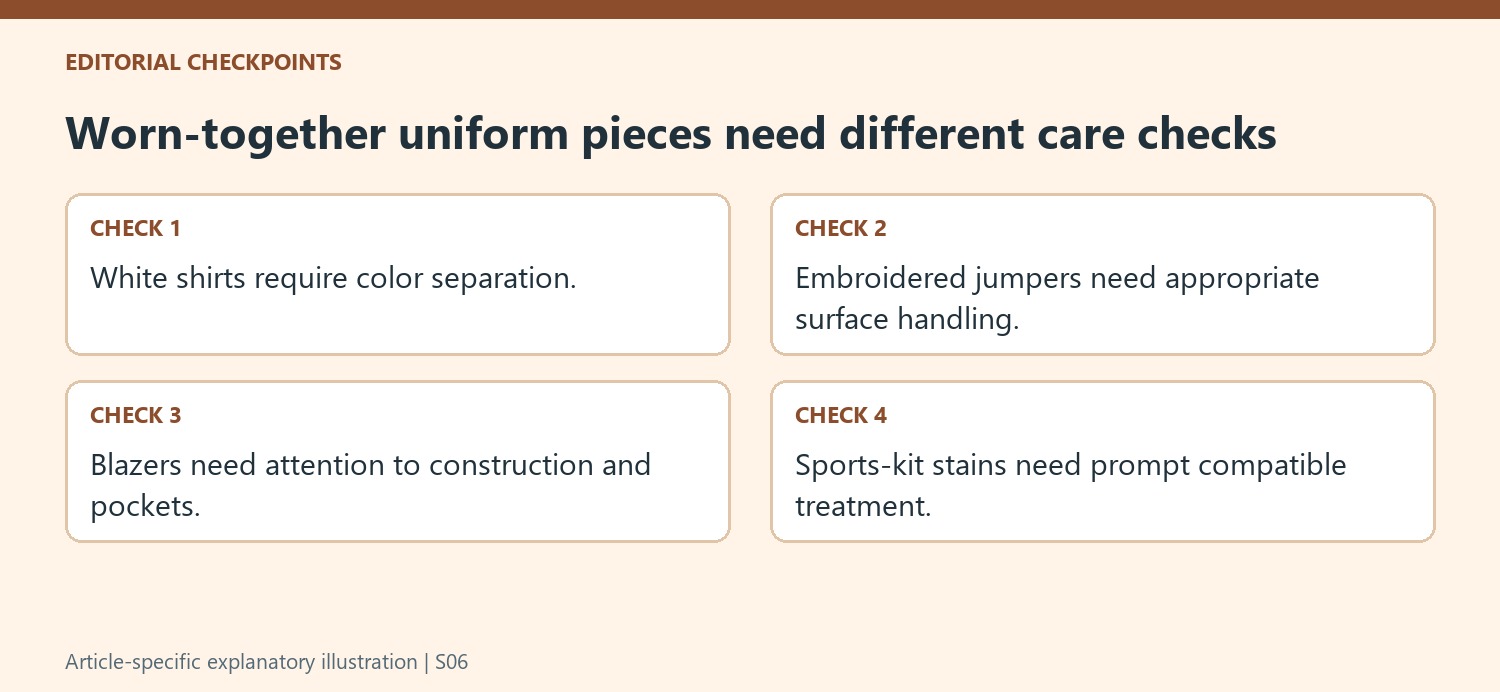
A school uniform can combine white shirts, dark knitwear, trousers, blazers and sports clothing. Ariel's guide treats these as different laundry tasks rather than one matching outfit that belongs in a single load. White shirts should be separated from darks and colors, with the fabric label providing temperature and ironing guidance. Look for stains before washing and select a suitable treatment for the material. The fact that the pieces are worn together does not establish that their dyes, construction or cleaning requirements are compatible in the machine.
Handle embroidered knitwear and structured pieces carefully
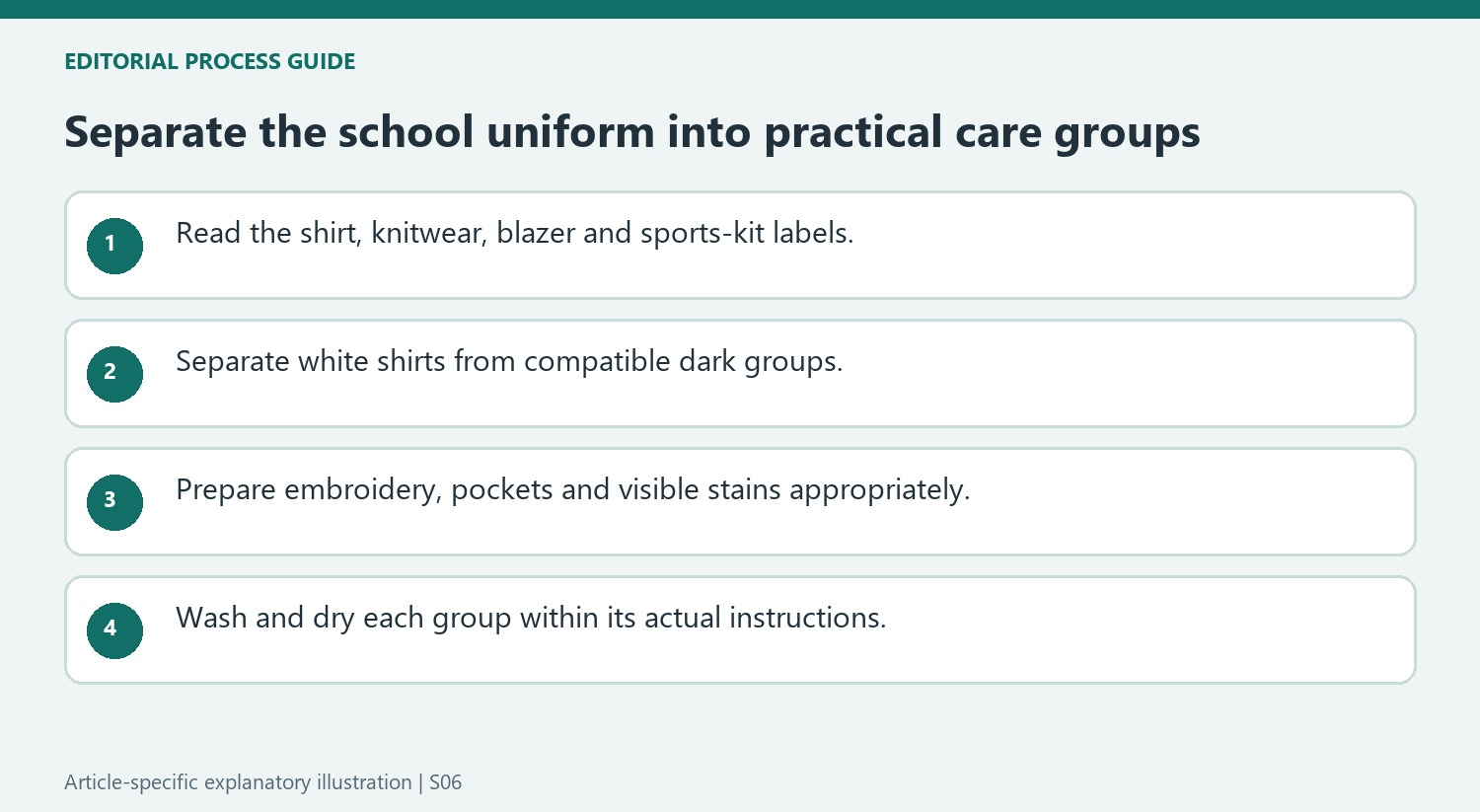
For dark school jumpers, the source recommends turning the garment inside out, particularly where embroidery is present, and using a permitted gentle wash with similar colors. Trousers and skirts also need their own label check. Blazers require attention to the care instructions rather than an assumption based on appearance or a likely fiber content. Empty pockets before an allowed wash and follow the stated temperature and drying method. A structured garment may need a different treatment from a simple shirt even if both contain manufactured fibers.
Sports kit brings a different soil problem
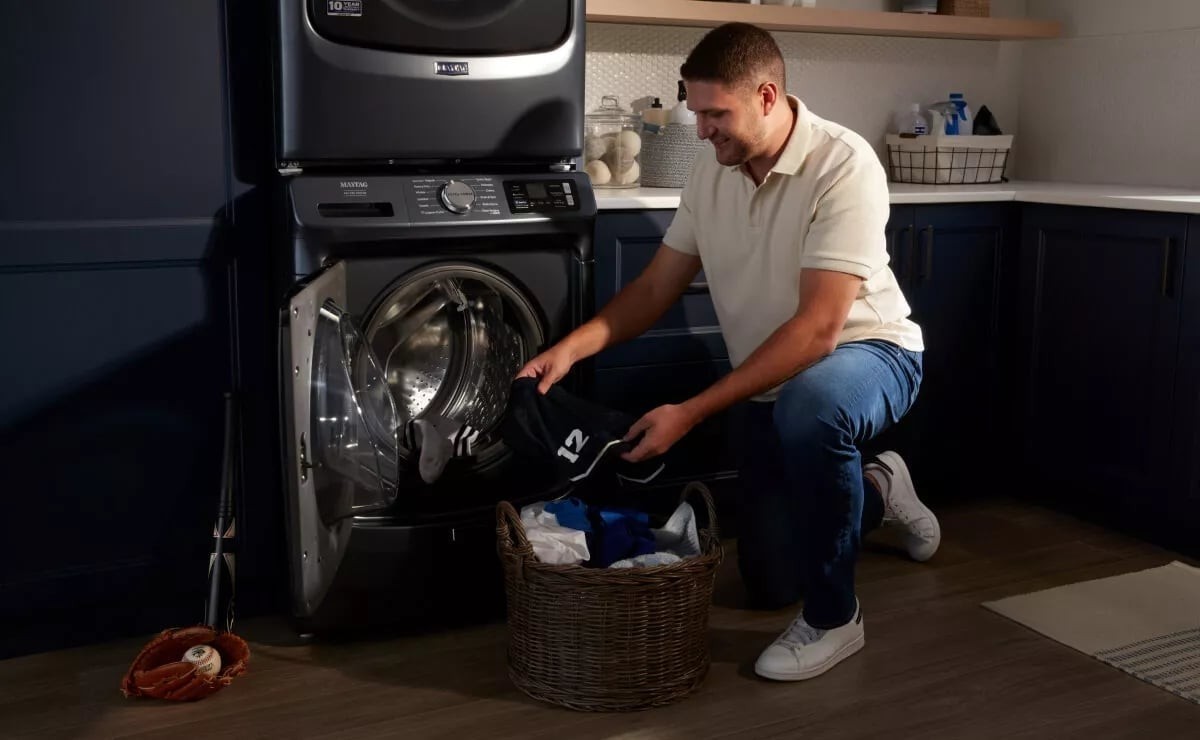
Ariel highlights sweat, odors and grass stains in sports kit and recommends prompt cleaning to avoid leaving those problems untreated. Choose the method and temperature allowed by the specific item's label instead of applying the hottest available cycle to the whole uniform. Separate heavily soiled pieces where they need a different process from lightly worn clothing. Planning loads by care, color and condition makes the routine easier to repeat during a school week. It also keeps convenience from overriding the distinct needs of a blazer, embroidered jumper and muddy sports top.
Use the uniform outfit as a list of separate care tasks
A shirt, jumper, blazer, trousers, and sports top may form one coordinated outfit while still needing several laundry routes. Ariel's guide breaks the uniform into those components, a useful starting point for planning the week's cleaning. Read the labels before assembling loads, then compare color and condition. White shirts should not be included with dark pieces merely because they are worn together, and a structured blazer should not inherit the shirt's washing instructions. The aim is a repeatable routine for each actual garment. Keep the relevant information available as pieces are replaced, because a new uniform item can look similar to the old one while carrying different material or treatment requirements.
Embroidery and pockets add preparation beyond color sorting
For suitable school jumpers, the source recommends inside-out handling, particularly around embroidery, along with a compatible gentle wash. Before an allowed blazer wash, it highlights emptying pockets. These tasks address the finished article rather than its color alone. Check decorative details and loose contents while reading the garment instructions, then prepare it for the permitted route. A dark shade does not prove that a jumper, skirt, and blazer can all share one mechanical treatment. Nor can careful preparation authorize a wash excluded by the label. Treat each action as part of a larger decision that includes construction, wash setting, and the method by which the garment will subsequently dry.
Sports stains should not intensify the entire uniform load
The guide identifies sweat, odors, and grass as common sports-kit problems and recommends prompt attention. Assess that kit separately from lightly worn uniform pieces. Use the item's allowed method and compatible stain guidance rather than choosing the hottest setting for everything in the basket. A grass mark on one top is a localized cleaning need, while the rest of the clothing still has its own limits. Plan the drying stage at the same time, especially where kit and structured garments differ. This lets practical scheduling support the garments' requirements: address soiled sportswear without unnecessary delay while keeping a blazer, embroidered knit, and white shirt out of treatments chosen for a different task. Check the labels again before combining any of those pieces.