GarmentCare Guide
Polyester appears in many fabric forms
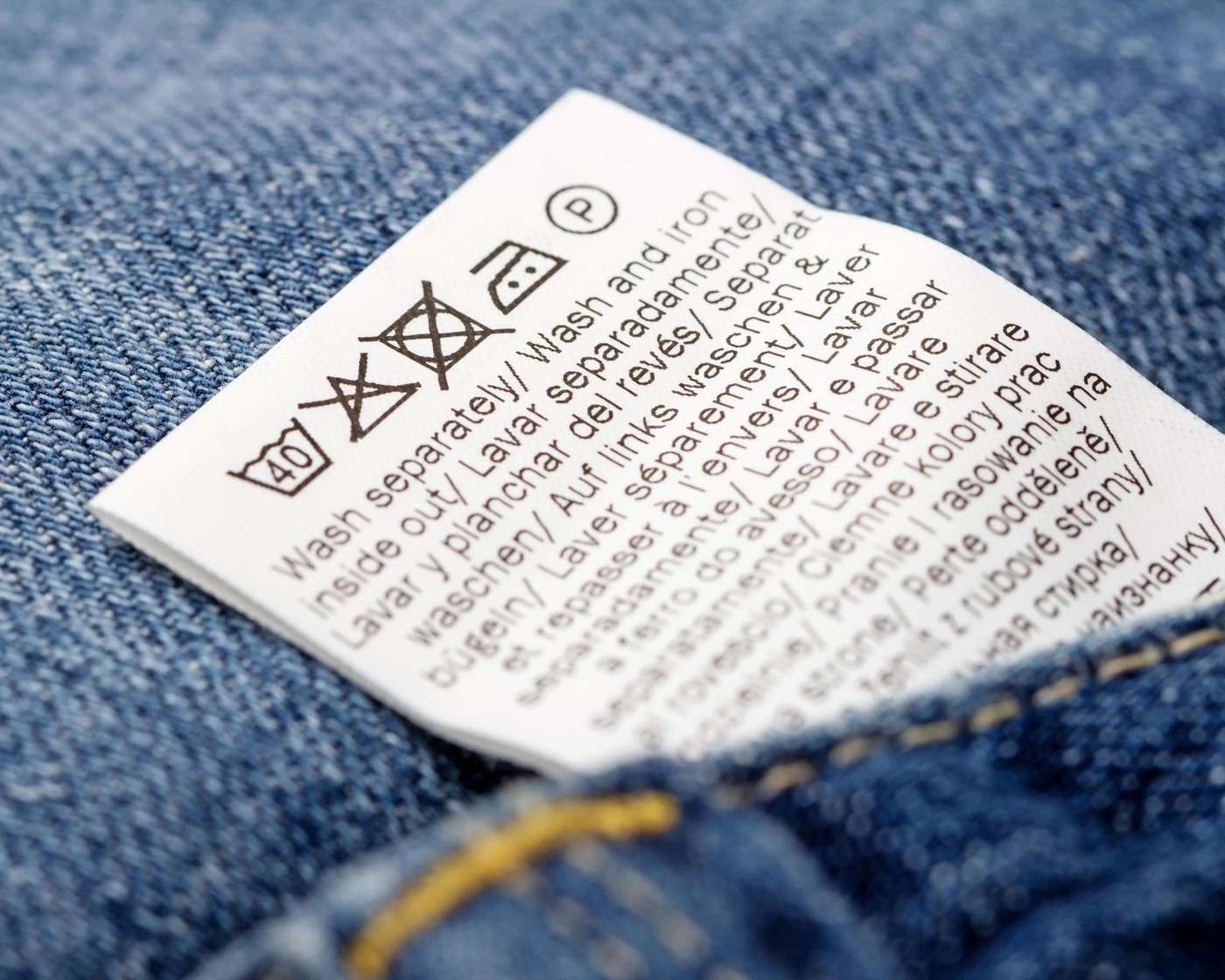
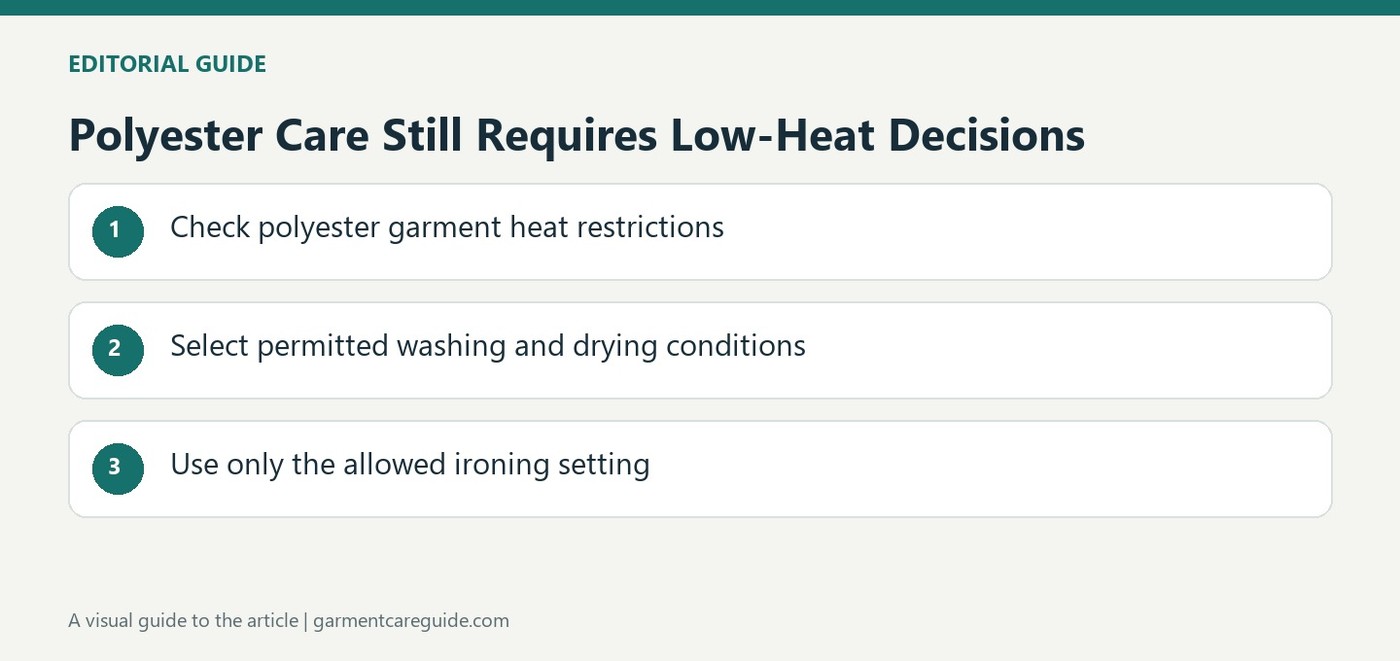
Ariel's polyester guide describes a manufactured fiber used across clothing categories and in blends with other materials. Its versatility means that the name polyester can appear on products with very different surfaces, weights and intended uses. A fleece, lining and lightweight blouse should not automatically receive the same care. Start with the finished garment's label, including restrictions connected to its blend or construction. General descriptions such as durable or wrinkle resistant provide context, but they do not determine whether a particular item can be washed, tumbled or pressed at a chosen temperature.
Choose the permitted wash and drying route
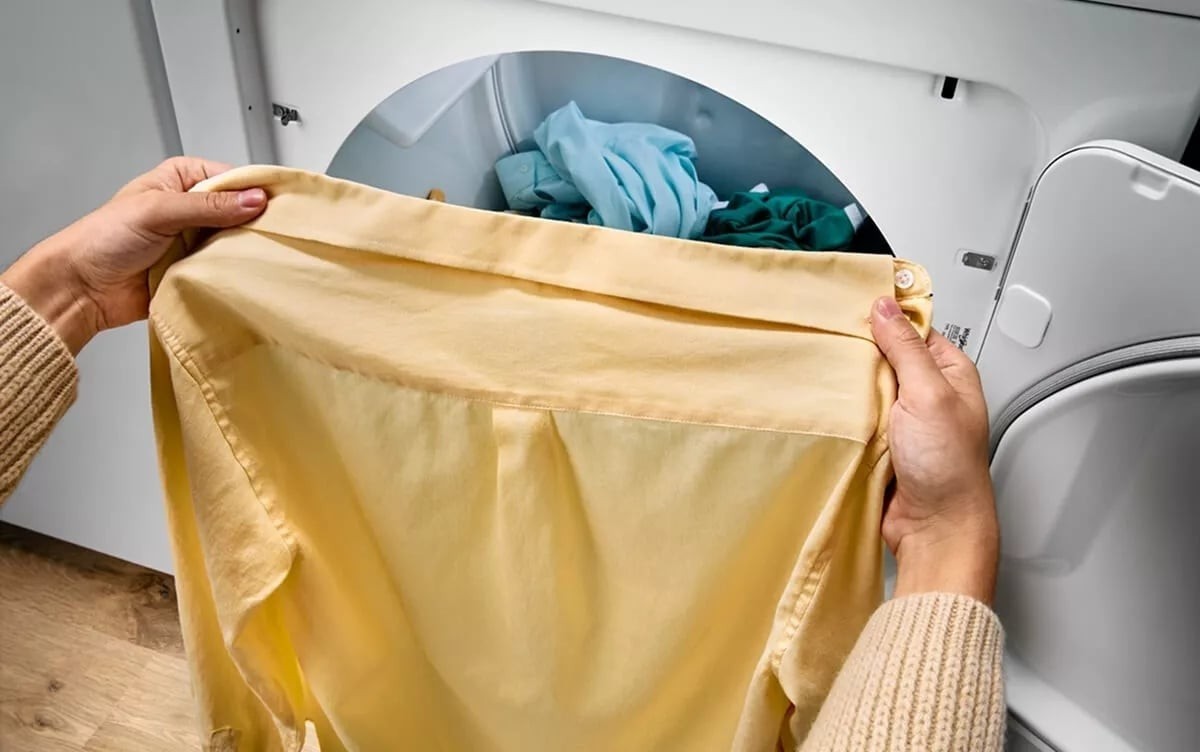
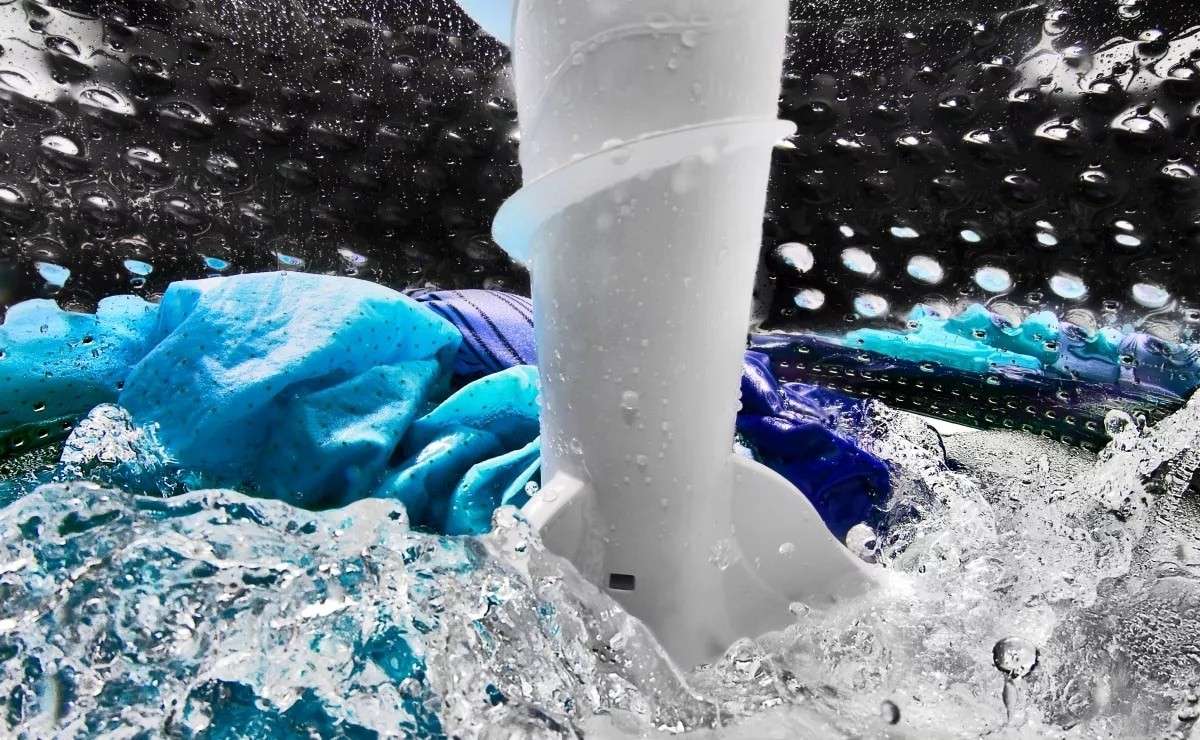
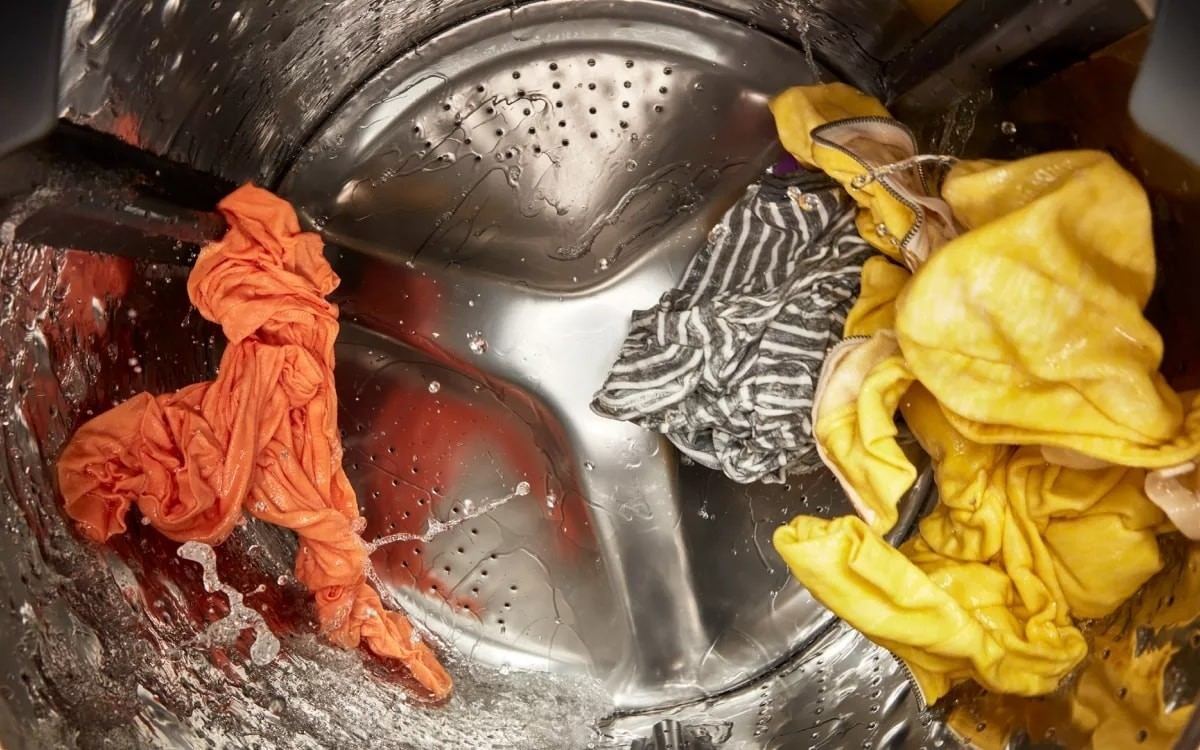
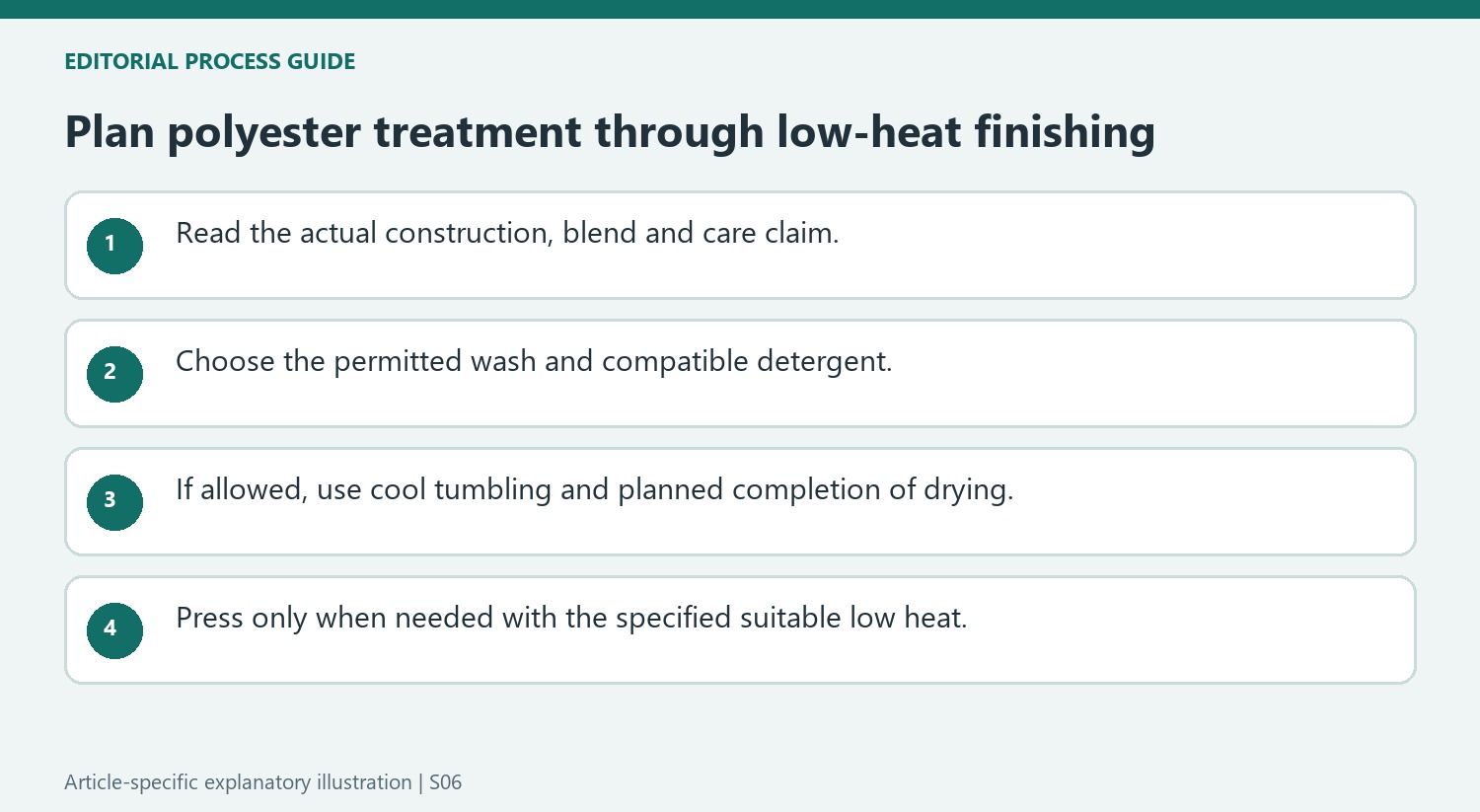
The source discusses machine washing for many polyester items while explicitly directing readers to the care instructions. Select the allowed cycle and temperature, use suitable detergent and avoid assuming that a familiar synthetic program suits every product. Where tumble drying is permitted, Ariel recommends a cool setting and prompt attention near the end of drying to limit unwanted creasing. That is a separate permission from machine washing. An item that requires natural drying should follow that method instead of entering the dryer because another polyester garment can tolerate it.
Iron only when the label permits it
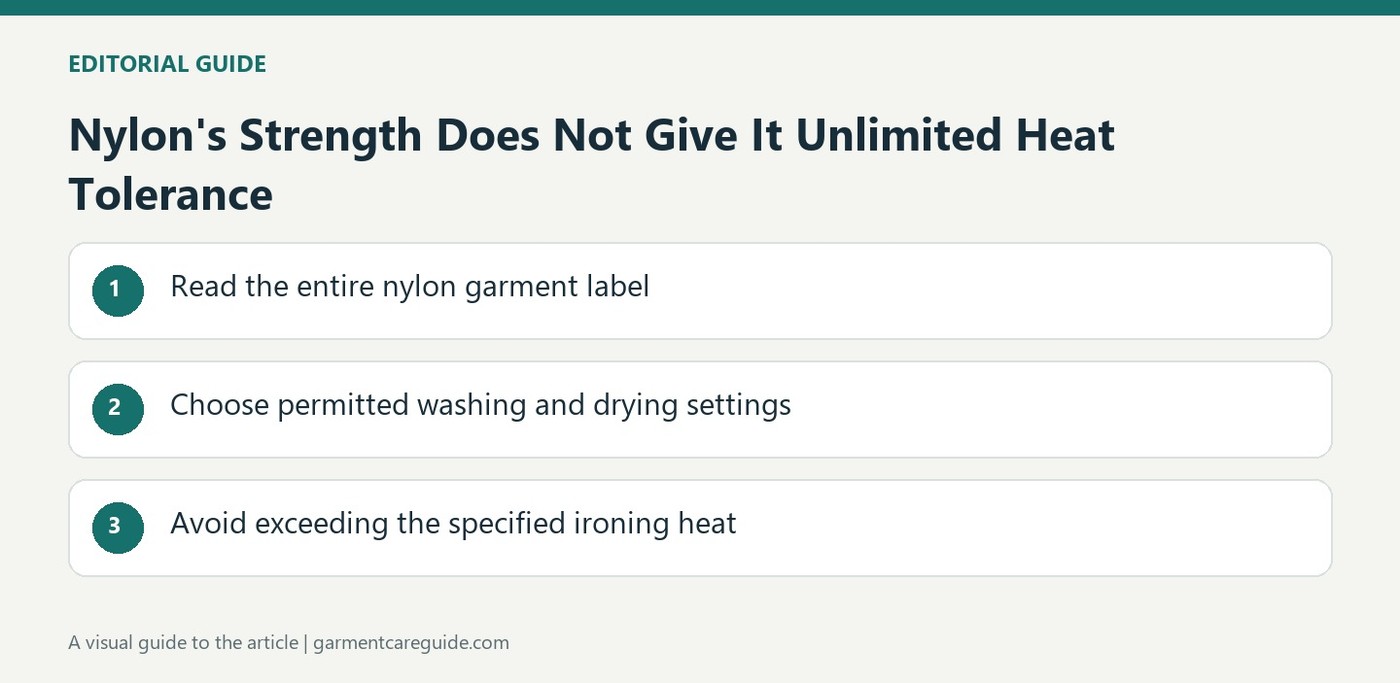
Polyester may resist creasing, but any required pressing still needs a label check. Ariel advises low heat and notes that high temperatures can melt the material. This gives a clear reason not to equate strength in use with resistance to a hot soleplate. Check steam restrictions and use the garment's instructions rather than a heat choice based solely on another fiber in the blend. Store the clean, dry item by folding or hanging according to its needs. A complete routine keeps heat control in view through washing, drying and finishing.
Different polyester surfaces can conceal different care requirements
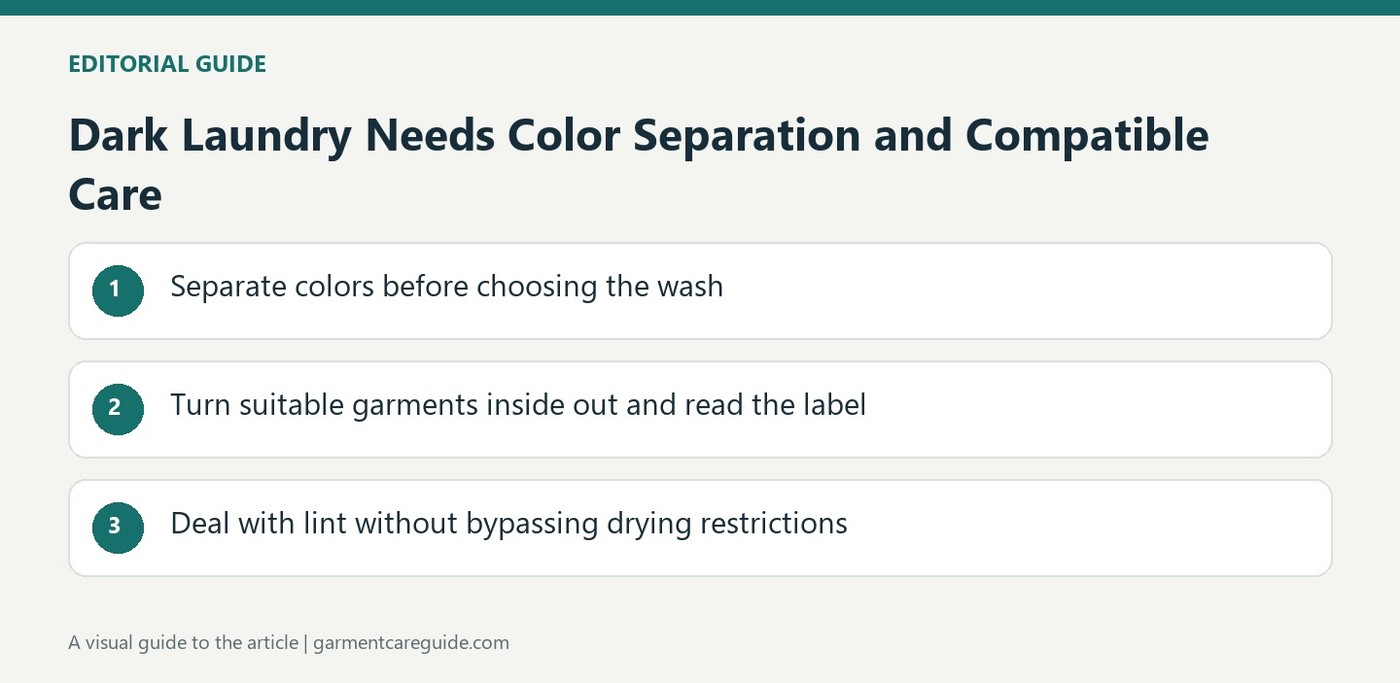
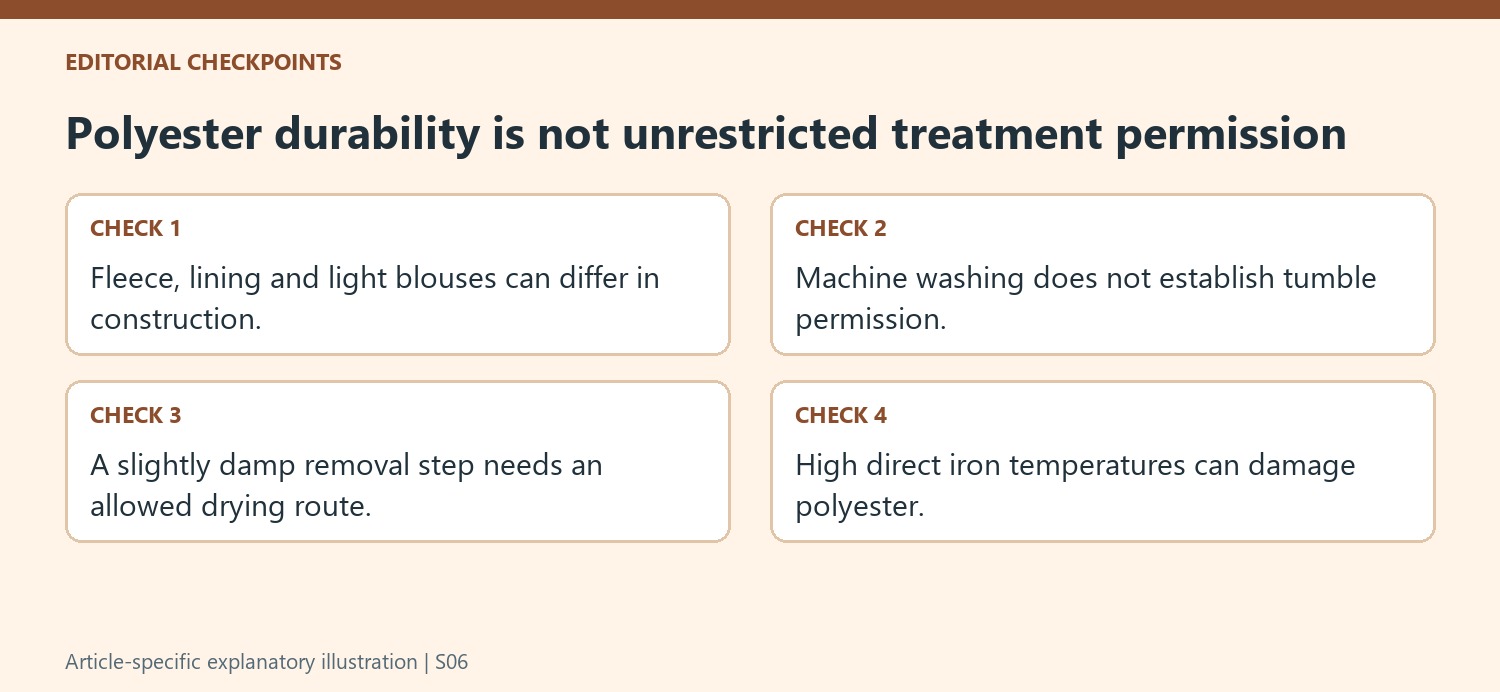
Ariel lists polyester across outdoor clothing, fleece, and many other garments, and notes its frequent combination with additional fibers. A shared fiber name therefore does not describe one finished construction. Read the label before assigning a fleece, a lining, and a light blouse to the same wash. Their surfaces, weight, components, and finishes can add separate requirements. General durability or wrinkle-resistance language gives material context without establishing a permitted process for each product. This is particularly relevant when sorting by color, because two similarly shaded synthetic pieces can still need different handling. The actual clothing instructions provide the bridge from a broad fiber description to the water, action, and finishing that the garment may receive.
Plan the end of permitted tumbling before it starts
For suitable polyester items, the source discusses cool tumble drying and removing clothing slightly damp to limit unwanted creasing. Read that advice only within the actual garment's drying permission. If the item requires natural drying, a cool dryer setting is not an automatic substitute. Where the described route is allowed, prepare the suitable arrangement for completing drying before unloading. The remaining moisture is part of the planned sequence rather than a reason to leave the item indefinitely in a compressed pile. This also keeps drying separate from the wash decision. Permission to machine wash answers one question, while the dryer route, its setting, and any final support arrangement need to be established independently.
Low iron heat remains relevant even on durable clothing
The guide cautions that high temperatures can melt polyester and recommends low heat where ironing is needed. A sturdy appearance or successful wash does not remove that direct-heat concern. Read the iron and steam instructions for the garment, including blends, before using the appliance. If pressing is unnecessary, omit it rather than treating it as a compulsory finishing step. A care plan can be complete without involving every machine in the laundry room. After the allowed drying and any required pressing, fold or hang the item according to its construction. This retains the useful durability of the material as context while keeping specific heat permissions responsible for the actual treatment applied to it.
References
- How to wash polyester. Ariel.