GarmentCare Guide
Separate by shade even when washing cool
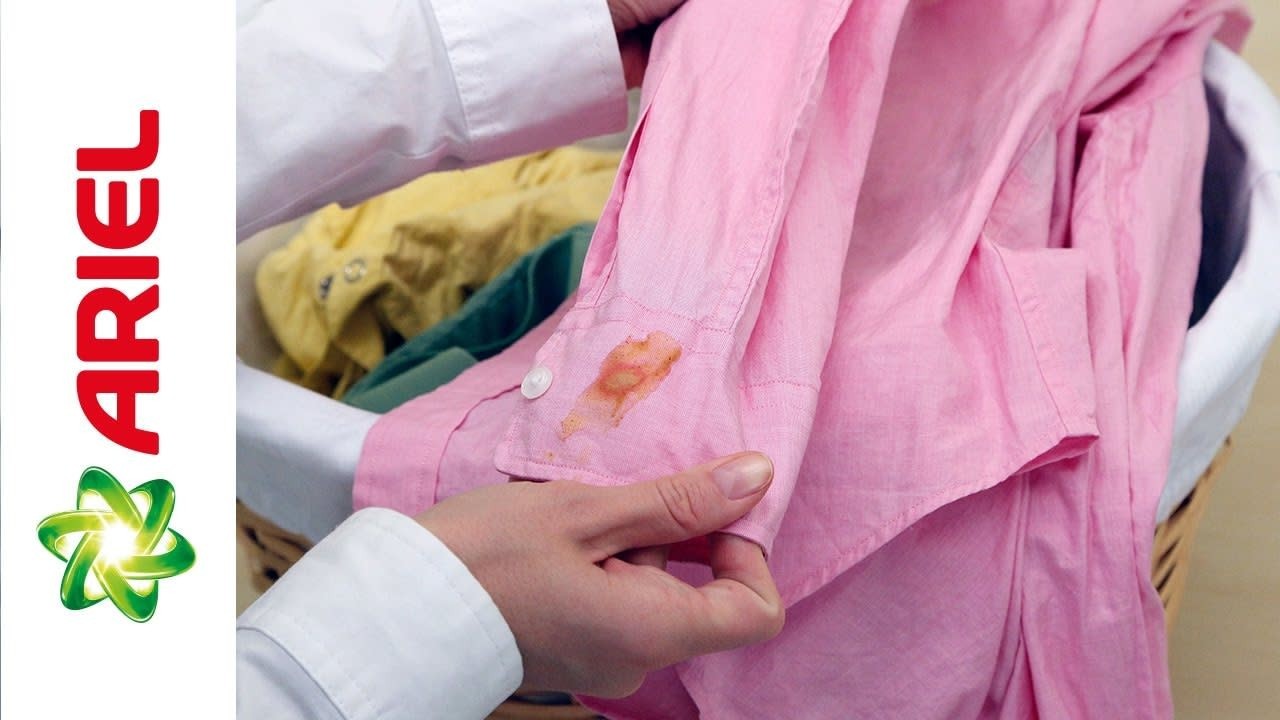
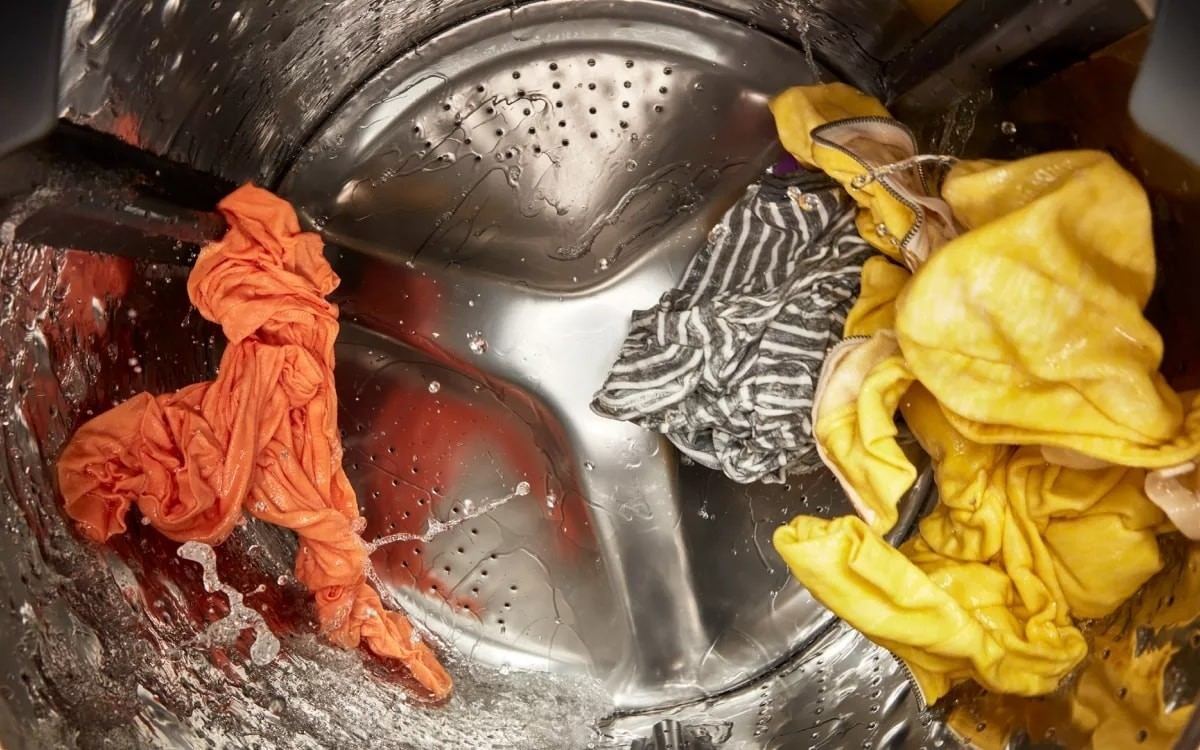
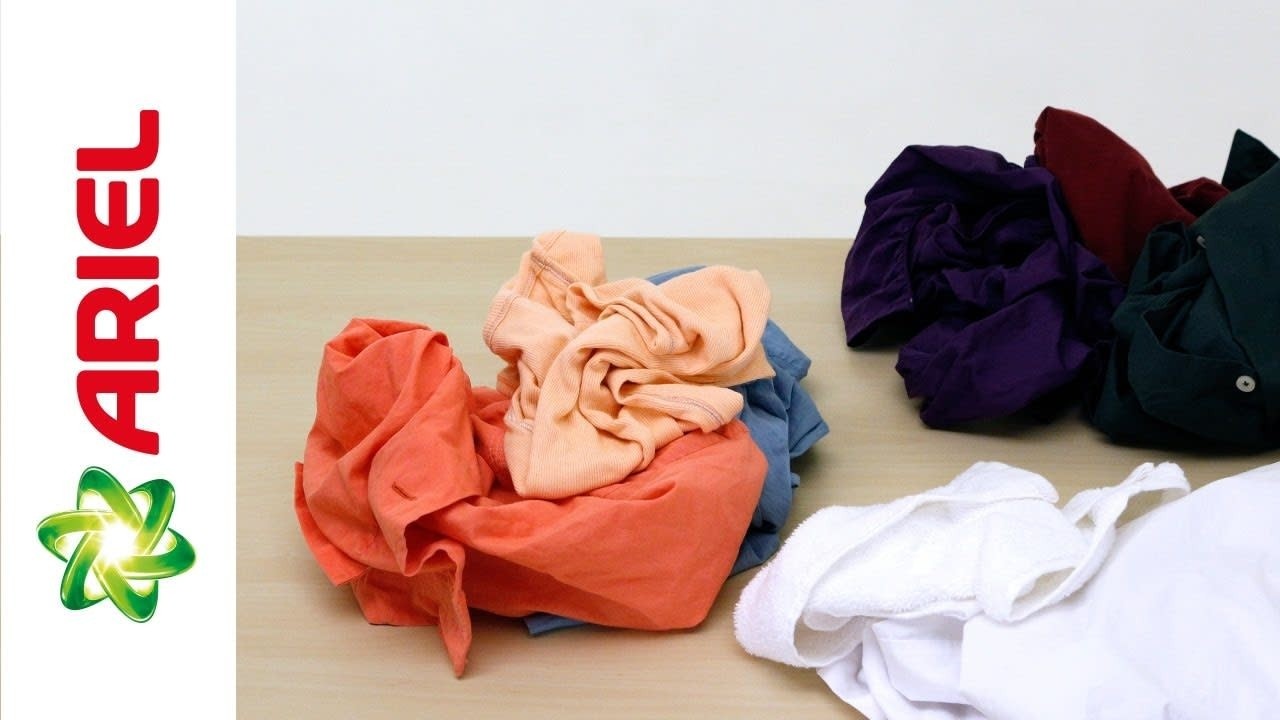
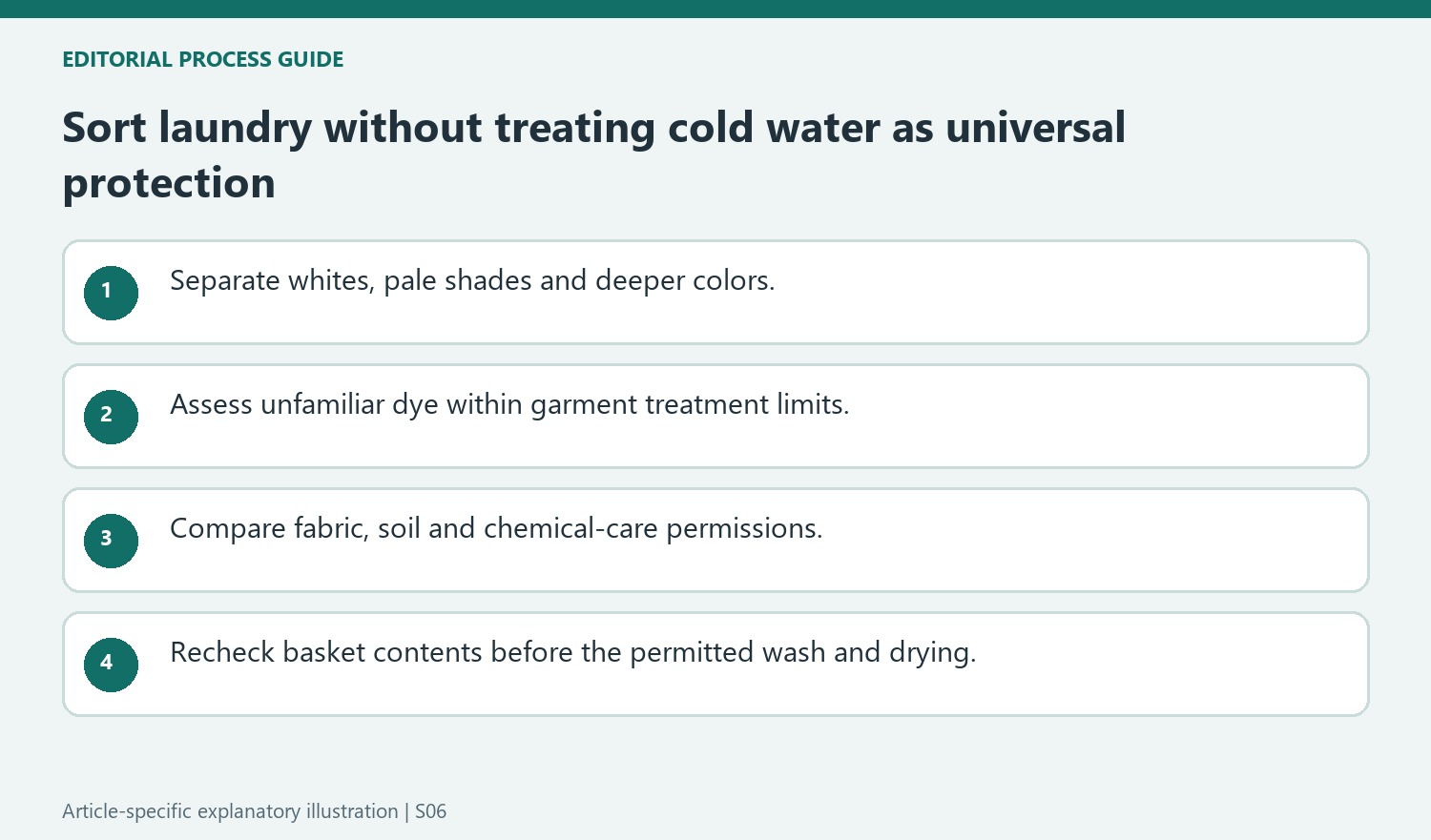
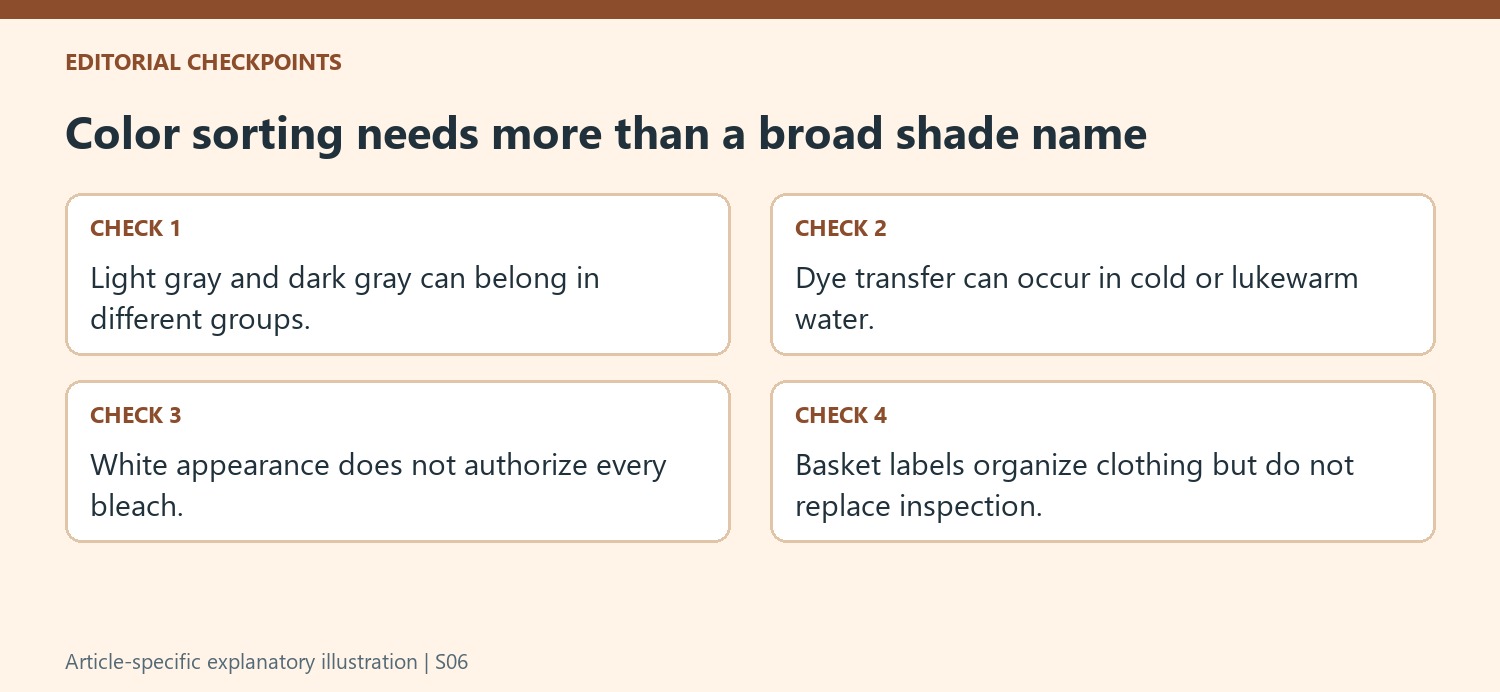
Ariel's sorting guide notes that some dyes can move into the wash even in cold or lukewarm water. Cooler washing therefore does not establish that every color can safely share a load. Keep whites separate and distinguish light shades from darker versions of the same color. Light gray and dark gray, for example, need not belong in the same group. New or unfamiliar clothing deserves extra attention where dye stability is uncertain. The garment's permitted treatment remains relevant when considering any colorfastness check or first wash.
Color groups still need fabric sorting
Once shades are separated, Ariel recommends checking fabric type and soil level. Delicate items, denim and other materials can need different mechanical action and temperatures, so a shared color is only one condition for compatibility. Heavily soiled pieces may require pretreatment or a different permitted process from lightly worn garments. A detergent used for colored clothing should also fit the fabric and its label. Read bleach permissions independently rather than assuming that all light items can receive the same whitening product or that a color-safe description suits every delicate textile.
Make the sorting system easy to maintain
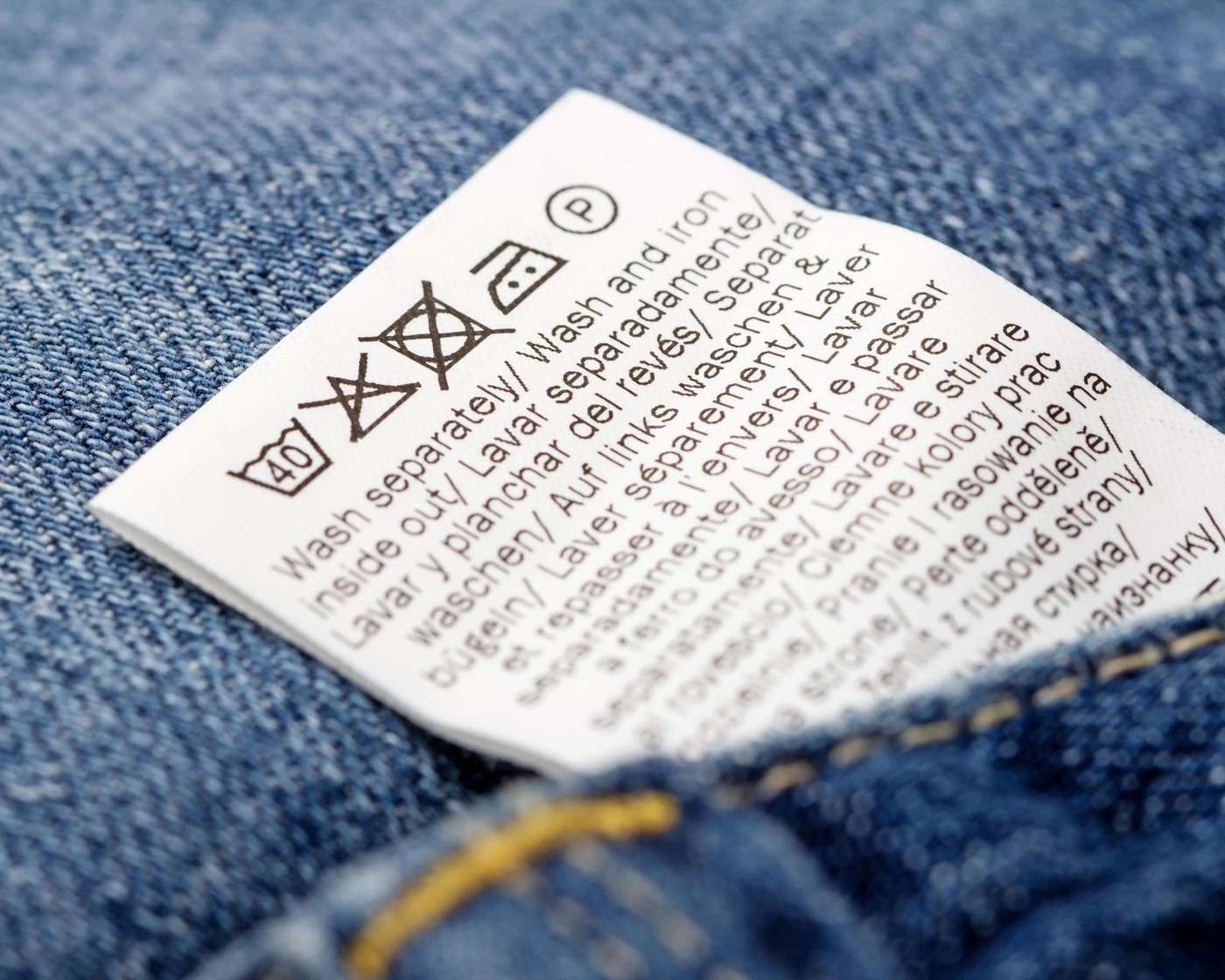
The guide suggests a partitioned basket or separate baskets to keep categories organized. Labels on the sections can help a household follow the system, but a final check before loading is still useful because items may have been misplaced. Turn suitable garments inside out as part of preparation and check their care claims before selecting a program. Plan the corresponding drying route as well. The practical benefit of sorting is not the number of piles; it is making sure that every item in the chosen load can receive the same treatment without relying on cold water as universal protection.
A cold setting does not replace dye-risk sorting
Ariel explicitly notes that some dye can bleed in cold or lukewarm water. Keep that limitation in mind when using cooler washing to care for color. A lower temperature may be appropriate for the permitted process without proving that an unfamiliar dark garment can join a pale load. Separate by shade and consider new items independently until their behavior is understood. Light gray and dark gray illustrate why a color name alone can be misleading: their depth of shade creates different grouping questions. Any colorfastness assessment also needs to fit the garment's allowed treatment. The aim is a compatible load, not a demonstration that one cool-water setting can make all possible dye combinations harmless.
Read bleach permission separately from a detergent description
The source discusses different products for whites and colors, but a garment's chemical-care limits still need their own check. White appearance does not establish permission for every bleaching ingredient, while a color-care claim does not automatically establish suitability for a delicate material. Read the label and the chosen product's directions together before use. This is particularly important when a light-colored group contains blends or sensitive finishes alongside ordinary clothing. Sorting by shade is only one filter. Detergent compatibility, allowed temperature, and mechanical treatment must also align. Keep optional stain removers or whitening products within the same limits rather than treating them as exceptions because they are applied before the main wash.
Make household sorting simple without losing the final check
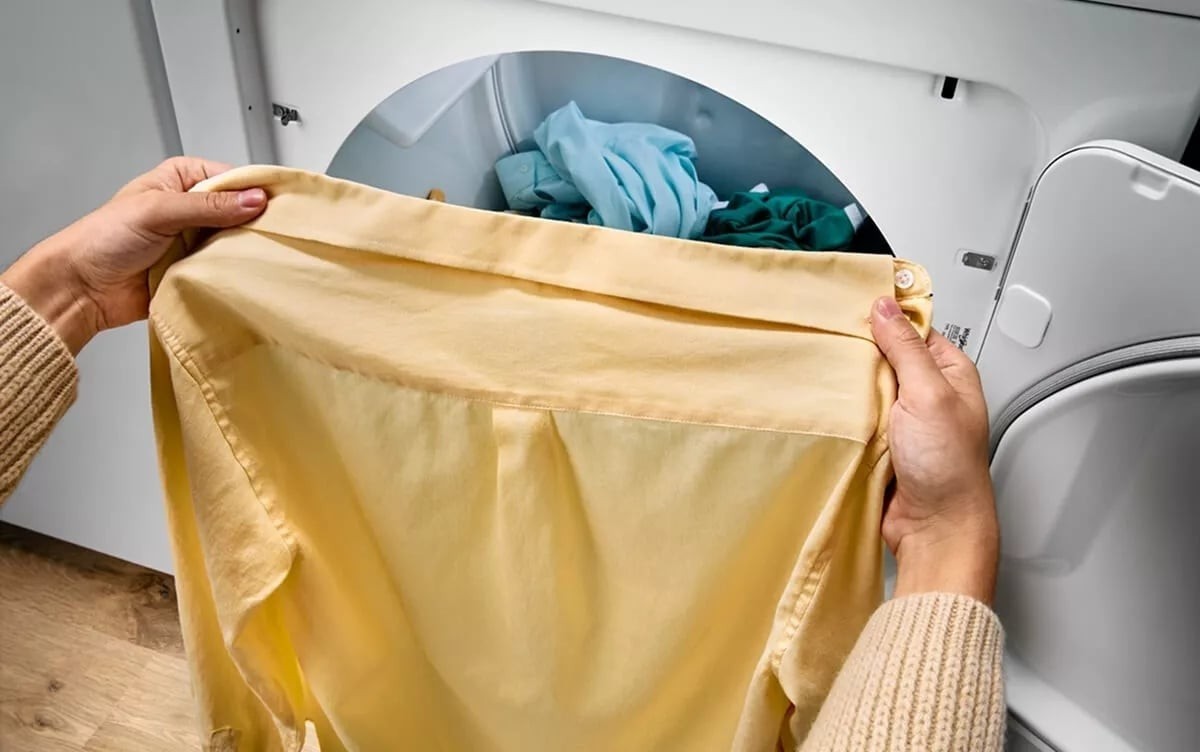
Ariel suggests separate or partitioned baskets and labels that help everyone use the same system. These are organizational aids, not evidence that every item has reached the correct destination. Recheck the actual garments before loading, especially when someone else has placed them in a section. Complete appropriate inside-out preparation and compare the care claims at that point. A practical system can use only a few clear destinations while still setting aside an unfamiliar first wash, a delicate item, or a heavily soiled piece for attention. Extend that decision to drying, because compatible wash settings need not imply identical finishing. The baskets help maintain the routine, while the final inspection keeps it attached to the clothing actually present.