GarmentCare Guide
Check the care claim before grouping the colors
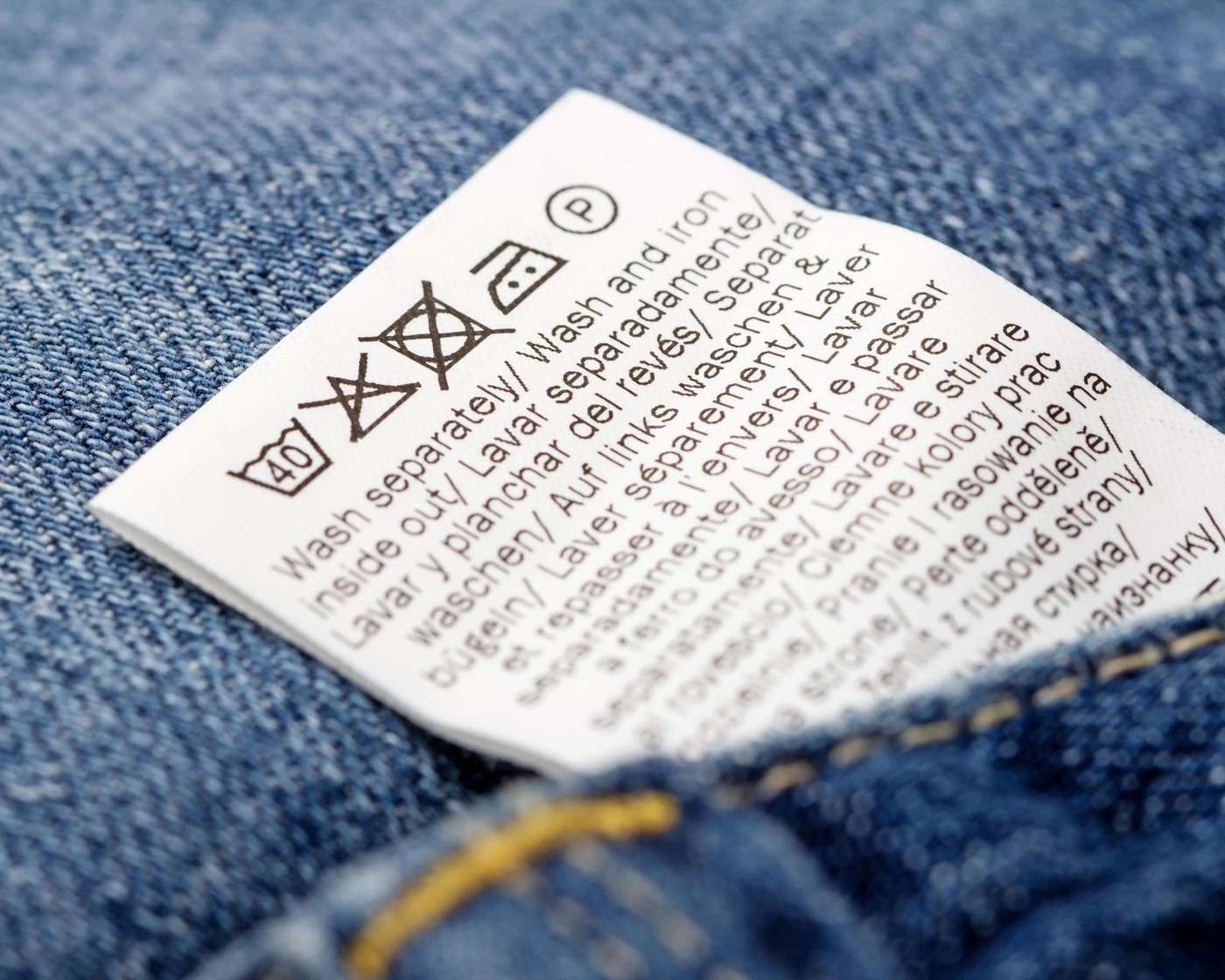
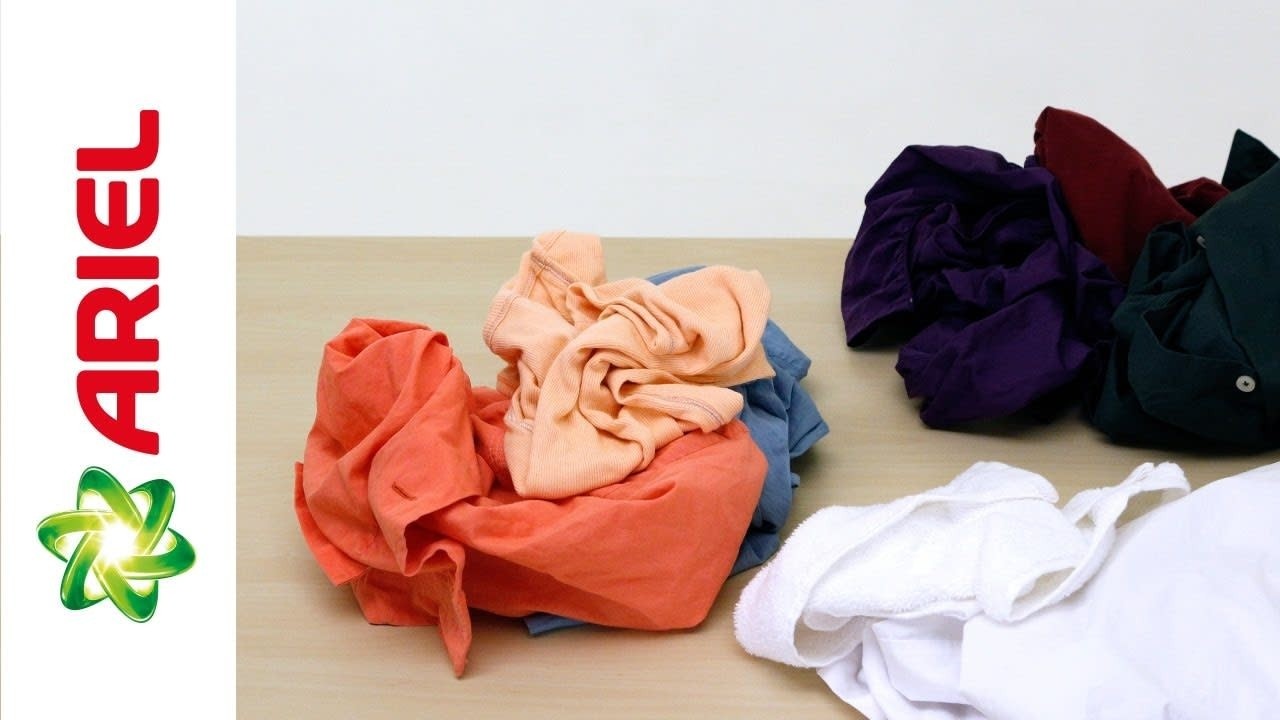
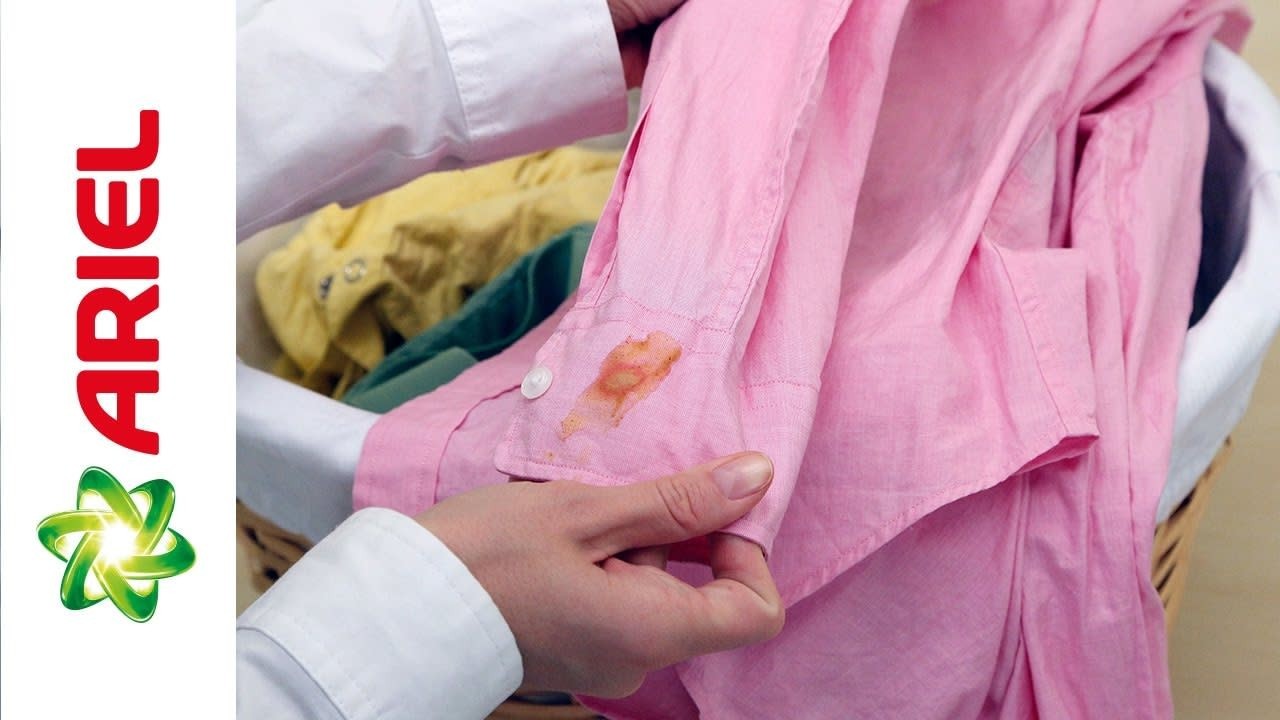
Ariel's guide to colored clothing starts with the label, which determines whether the item can be washed in a machine, treated by hand or sent for professional cleaning. Only then should suitable home-washable items be grouped by compatible color and care needs. A bright garment's appearance does not establish its safe temperature or mechanical treatment. Read the complete instructions rather than assuming that every colorful item needs the same program. This keeps the sorting decision tied to the finished clothing as well as its shade.
Treat marks and avoid unnecessary severity
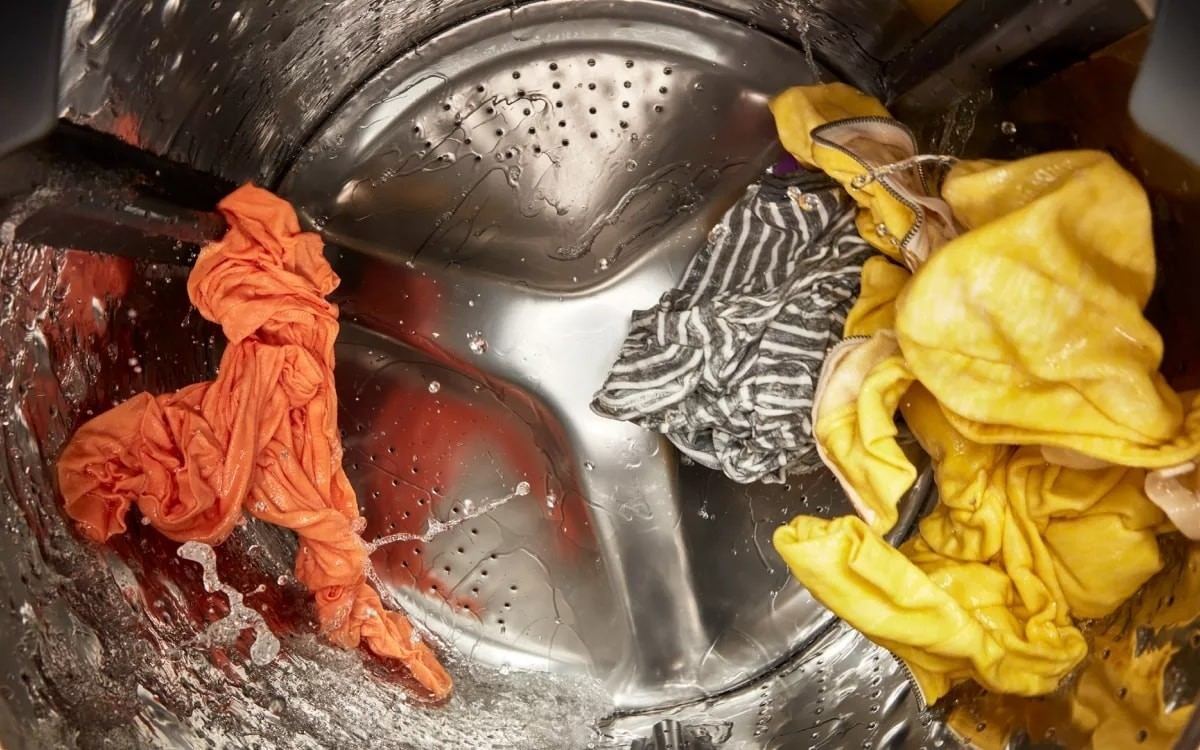
The source recommends examining garments for stains before washing and using a suitable liquid detergent for permitted pretreatment. Follow the product instructions and the garment's restrictions, especially on surfaces that should not be rubbed. Turn suitable new colored clothes inside out, avoid overfilling the machine and choose an appropriate cycle. Ariel discusses cold washing with detergent designed for those conditions as part of its color-care approach. That combination still needs to satisfy the actual clothing instructions. More detergent, hotter water or extra agitation should not be treated as an automatic improvement.
Remove damp garments instead of leaving them together
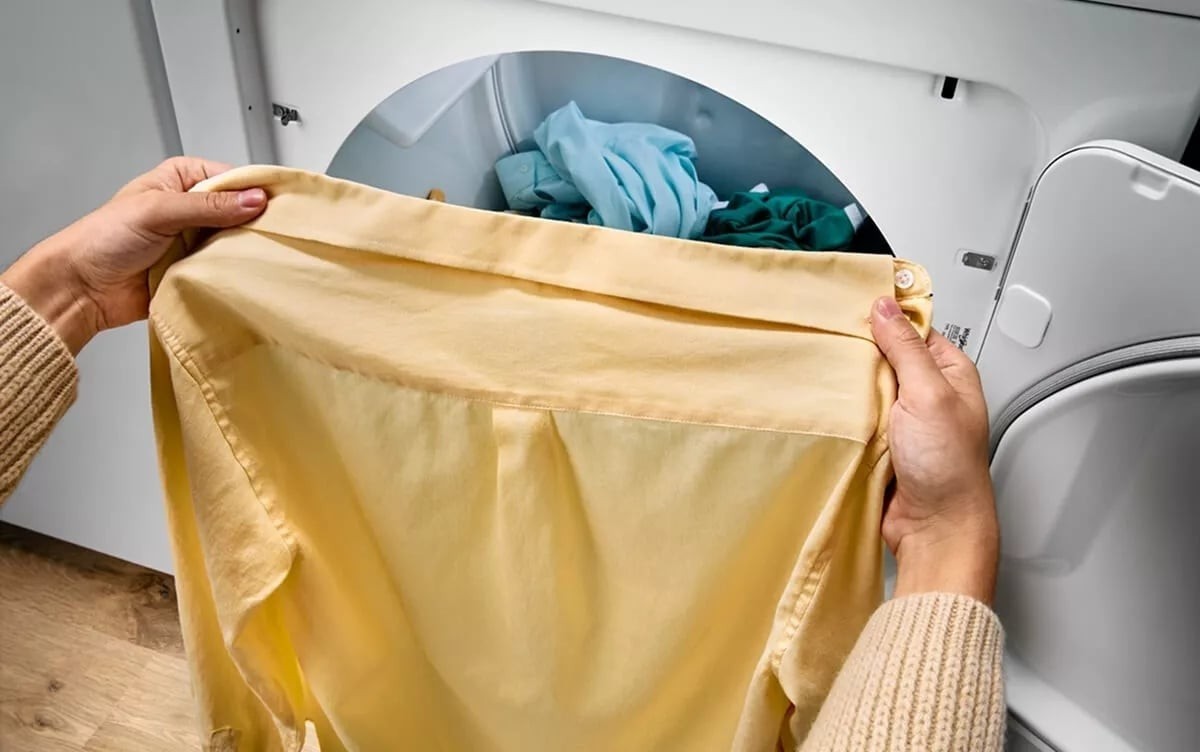
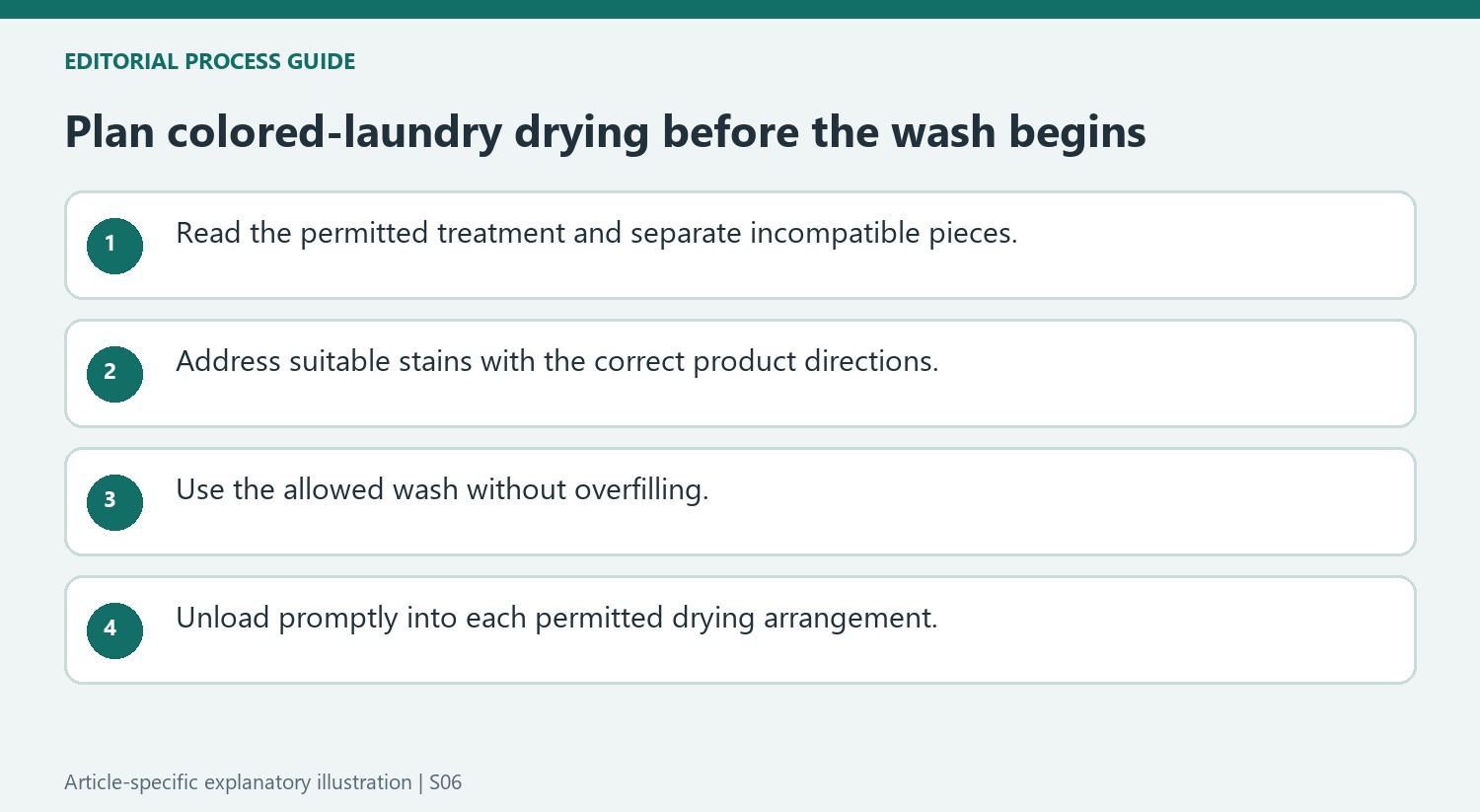
Ariel advises unloading colored clothing as soon as the wash ends, noting that damp items left together can transfer color. Planning the drying arrangement before starting makes prompt handling easier. The guide favors natural drying for suitable colored garments, but each item's instructions determine the method and any shade requirement. Check for missed marks before applying any permitted heat during finishing. The routine therefore extends beyond choosing a wash temperature: compatible sorting, controlled treatment and timely unloading all contribute to caring for a colorful garment throughout the complete laundry sequence.
Use the drying plan to make prompt unloading realistic
Ariel identifies damp colored clothes sitting together as a possible source of dye transfer and advises removing them when the wash ends. Prepare the next stage before starting, including space for any flat, hanging, or shade requirement on the garments. This is a simple way to connect washing and finishing rather than treating them as unrelated chores. A load carefully sorted by shade still needs timely handling afterward. Prompt unloading is not a guarantee against all fading, but it addresses a specific avoidable exposure described in the source. The plan should suit the actual items, so several drying arrangements may be needed even when the clothing could safely share one wash cycle.
Pretreatment should match the mark and the surface
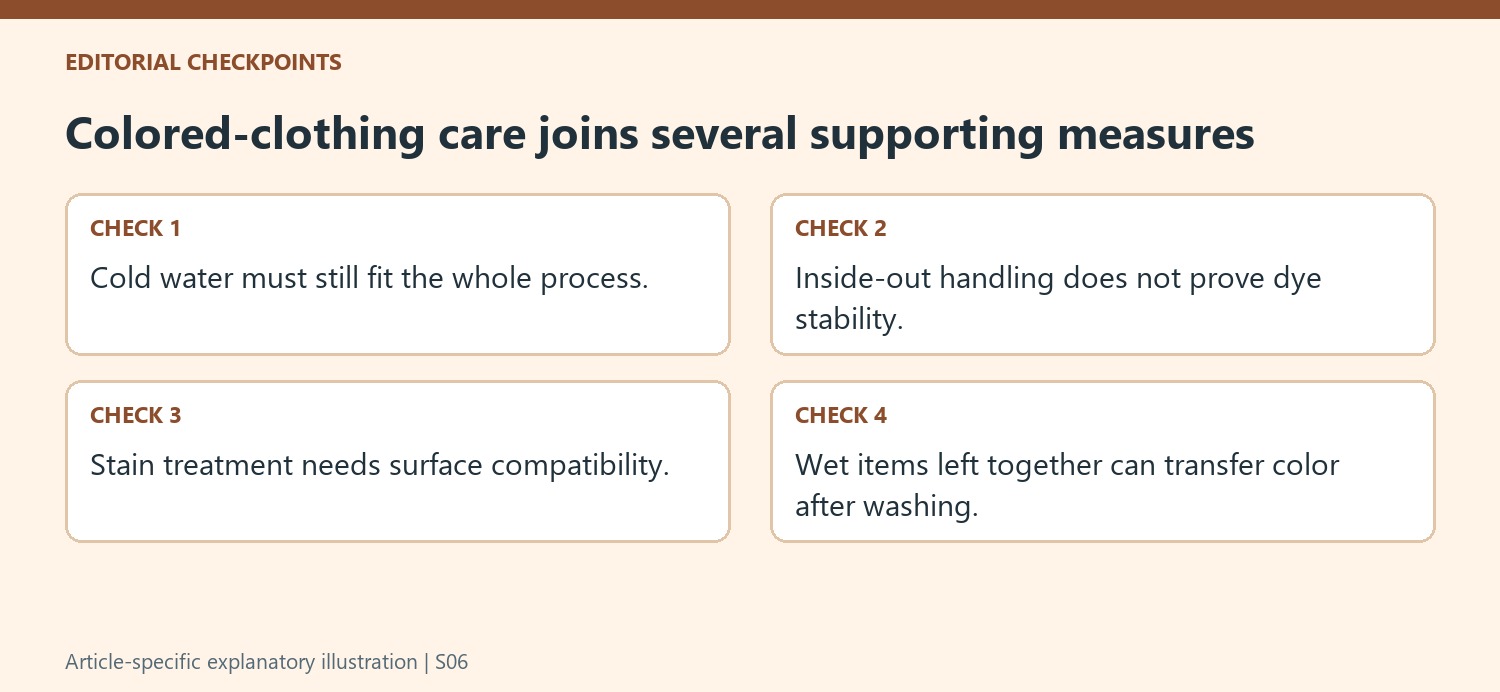
The guide recommends examining colorful garments for stains before washing and applying suitable liquid detergent where permitted. Identify the material and relevant product directions before using that approach. A small visible mark does not authorize vigorous rubbing on a delicate finish or an extended soak beyond the allowed treatment. Keep the product amount and contact time within its instructions, then select a compatible main wash. This separates local stain work from the cycle needed by the entire garment. It also avoids increasing heat or agitation for every piece in a color group simply because one article has a difficult mark. The routine remains controlled at both the stain site and the level of the complete load.
Cold water and inside-out handling are supporting choices
Ariel combines colder washing with a suitable detergent and recommends reversing appropriate new colored clothing. These measures work within an allowed process rather than proving that any colorful fabric is washable. Read the garment's label first and keep hand-wash or professional-care items out of an unsuitable machine load. Then compare shade, fabric, weight, and condition before choosing the settings. Avoid overfilling the washer, which the source identifies as another practical concern. After the cycle, inspect for missed marks before applying any permitted finishing heat. The useful sequence joins several specific decisions; it does not depend on expecting one familiar trick, such as reversing a shirt, to remove every cause of dye transfer or fading.
References
- How to wash colour clothing. Ariel.