GarmentCare Guide
A small stretch component can still matter
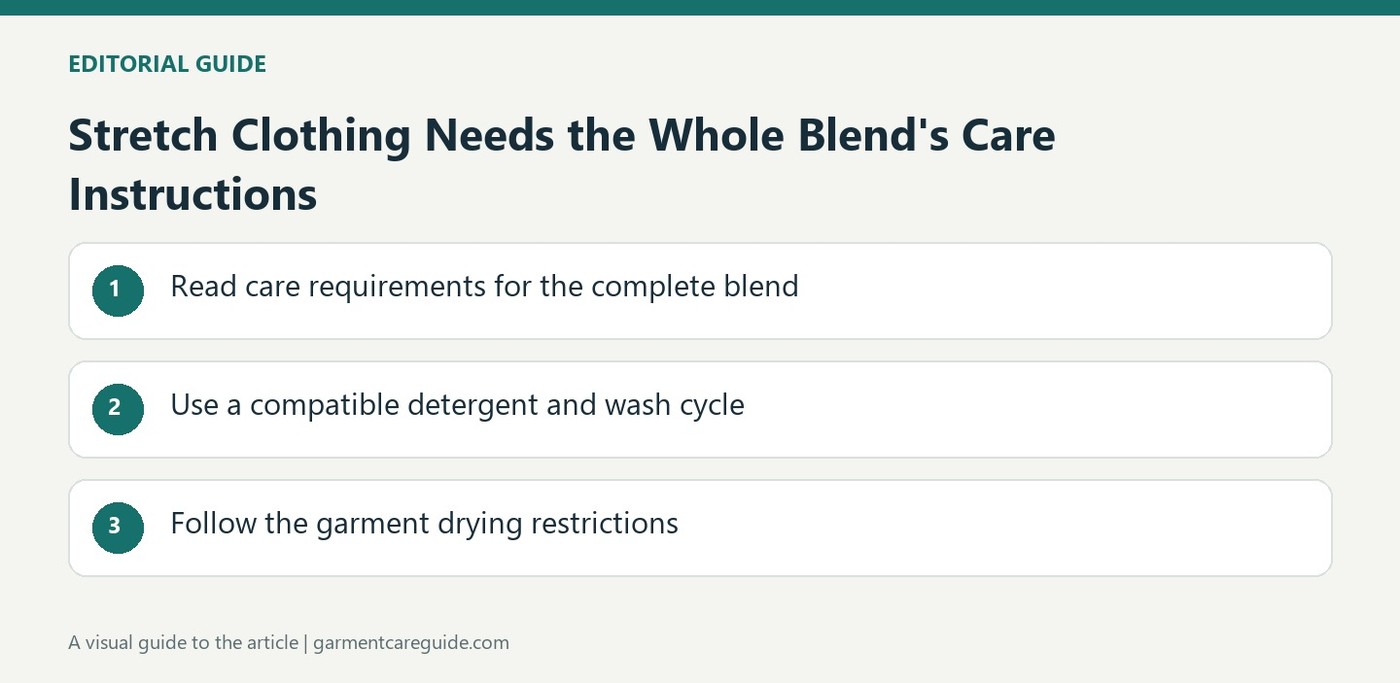
Elastane, also called spandex, is used with fibers such as cotton, nylon and polyester to add stretch and recovery. Ariel's guide lists applications ranging from jeans and tops to leggings, swimwear and cycling clothing. These products have different constructions and functions, so the stretch-fiber name does not supply a universal wash setting. Read the care instructions for the finished item, including all components and finishes. A small percentage of elastane should not be ignored when deciding whether a cotton-based garment can follow the routine used for ordinary cotton cloth.
Machine washing remains a product-specific permission
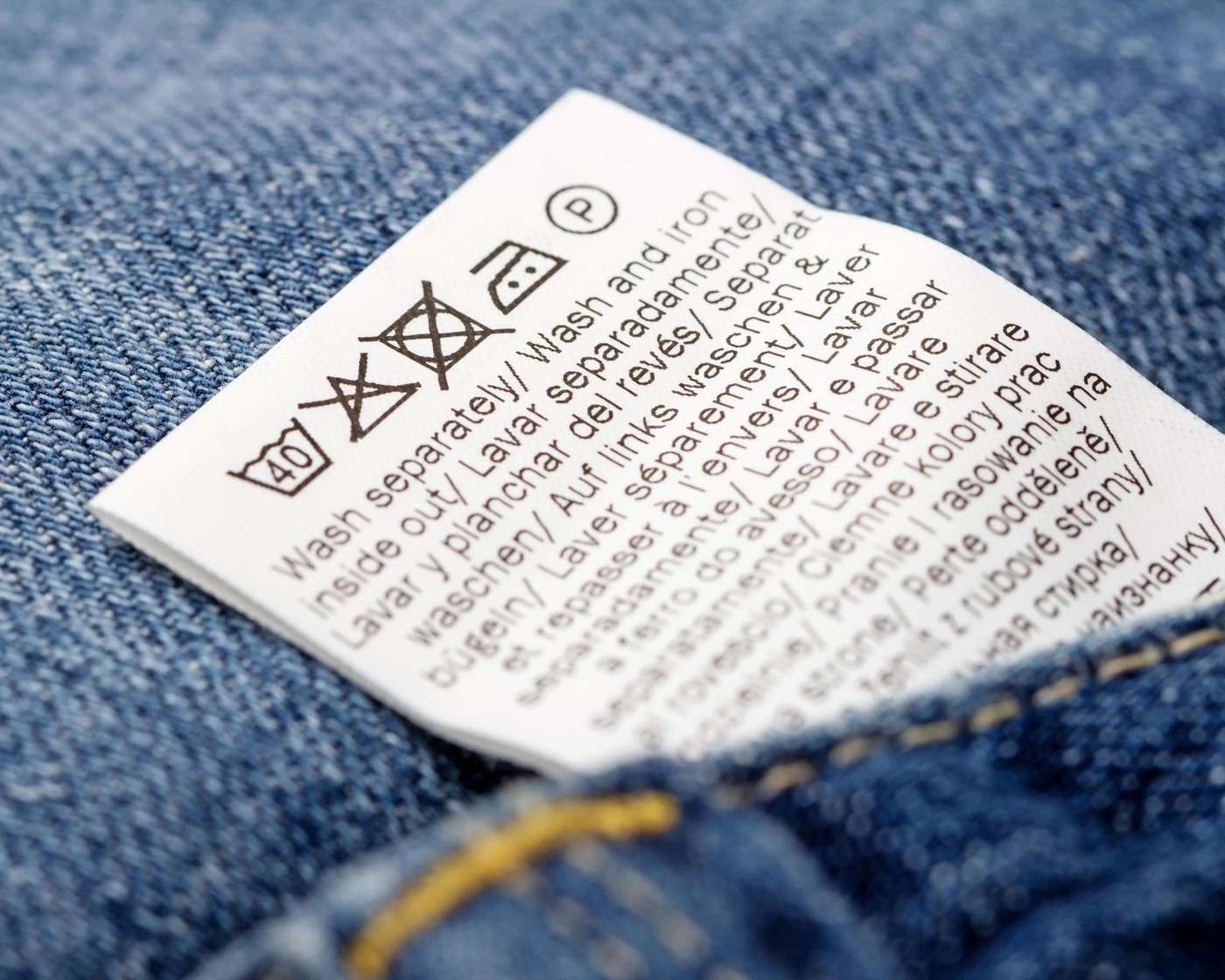
The source says many elastane-containing garments can be machine washed but places the label first. Use the permitted temperature, cycle and detergent rather than interpreting the general statement as approval for every stretch item. A garment designed for swimming may have different requirements from stretch denim or a lightweight top. Sorting by compatible care helps keep those differences visible. Choose any additional products only where suitable for the item and follow their instructions. Stretch and recovery during wear do not imply that a fabric can tolerate unrestricted laundry movement or heat.
Check drying, pressing and storage separately
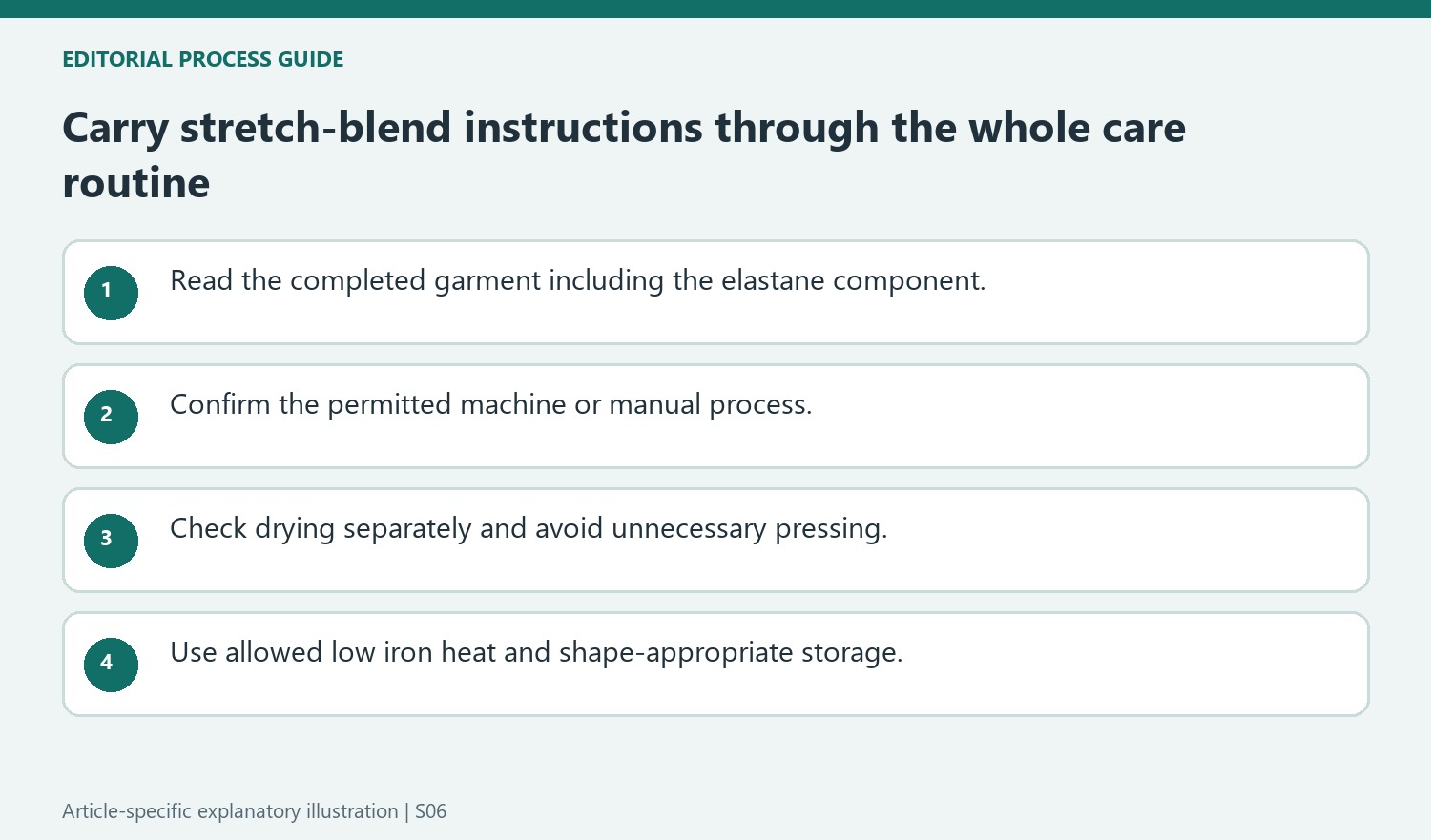
Ariel discusses drying choices subject to the care claim and recommends avoiding unnecessary ironing. If ironing is allowed, use the specified low setting rather than assuming a high-heat routine suitable for another fiber in the blend. The guide also suggests folding stretch garments where hanging could distort their form. These later decisions belong to the same care plan as washing. Read the full label before starting, prepare an appropriate drying arrangement and choose storage that suits the finished item. This keeps a useful stretch feature from being overlooked simply because another fiber forms most of the fabric.
A minor stretch component can affect the whole care decision
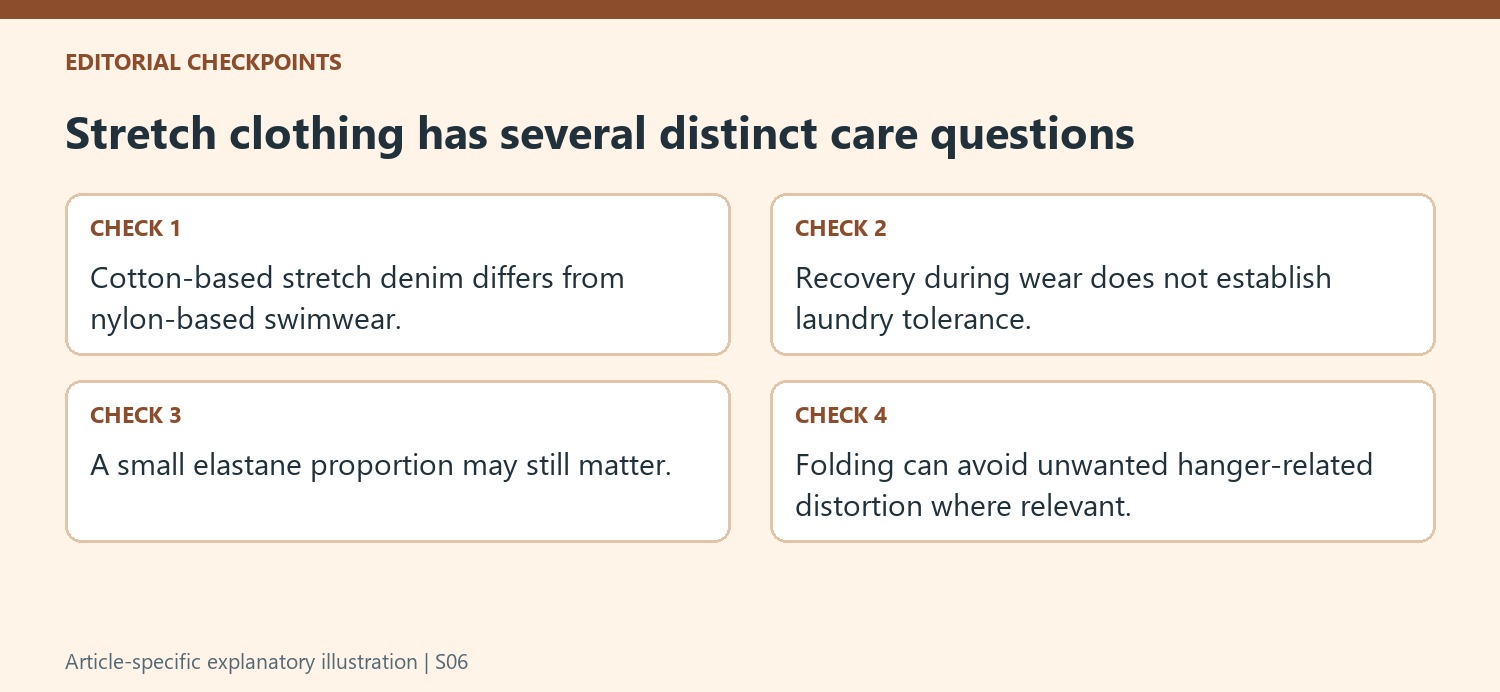
Ariel describes elastane being blended with cotton, nylon, polyester, and other fibers to provide stretch and recovery. A small percentage can therefore serve an important purpose in the finished fabric. Do not discard that information when selecting a familiar cotton or synthetic routine. Read the care label for the complete article, including any construction and finishing details. Stretch jeans, swimwear, leggings, and dance clothing are not interchangeable laundry examples merely because they all contain elastane. Their uses and structures differ. The useful question is how the actual item is intended to be treated, rather than which ingredient forms the largest percentage and might otherwise dominate a quick reading of the composition label.
Recovery during wear is different from laundry tolerance
The guide explains elastane in terms of its ability to stretch and recover, but that feature does not establish resistance to every washing action or heat setting. Select the permitted process from the garment's instructions. Many stretch items may allow machine washing, yet the general statement does not authorize every program or additional product. Check detergent and optional-treatment suitability independently, following their directions within the garment limits. This is especially useful when sorting sportswear and ordinary stretch clothing of similar colors. A comfortable elastic response in use does not prove that the same fabric can withstand a heavy load, intensive cycle, or drying method intended for an unrelated item without affecting the finished product.
Avoid unnecessary pressing and choose storage suited to the shape
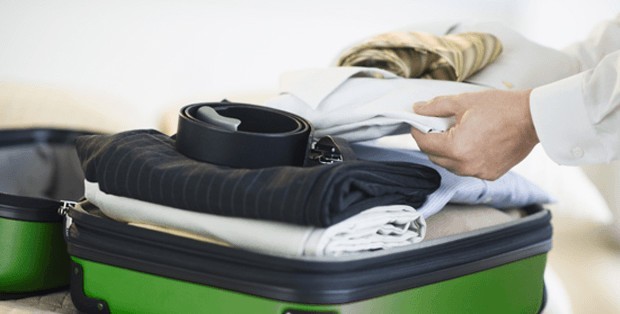
Ariel recommends avoiding ironing where it is unnecessary and using a low permitted setting only when the care label allows pressing. Decide whether the garment actually needs that stage before preparing an iron. A wrinkle-resistant or close-fitting item should not be pressed simply because it has reached the end of the wash routine. The source also favors folding stretch garments where hanging could create unwanted bulging or distortion. Check what suits the actual construction after it has completed its allowed drying method. These decisions keep fit-related care in view beyond washing: drying permission, any optional pressing, and support during storage all concern the same finished article, including the stretch component that may represent only a small part of its listed composition.
References
- How to wash elastane. Ariel.