GarmentCare Guide
Read labels before sorting the pile
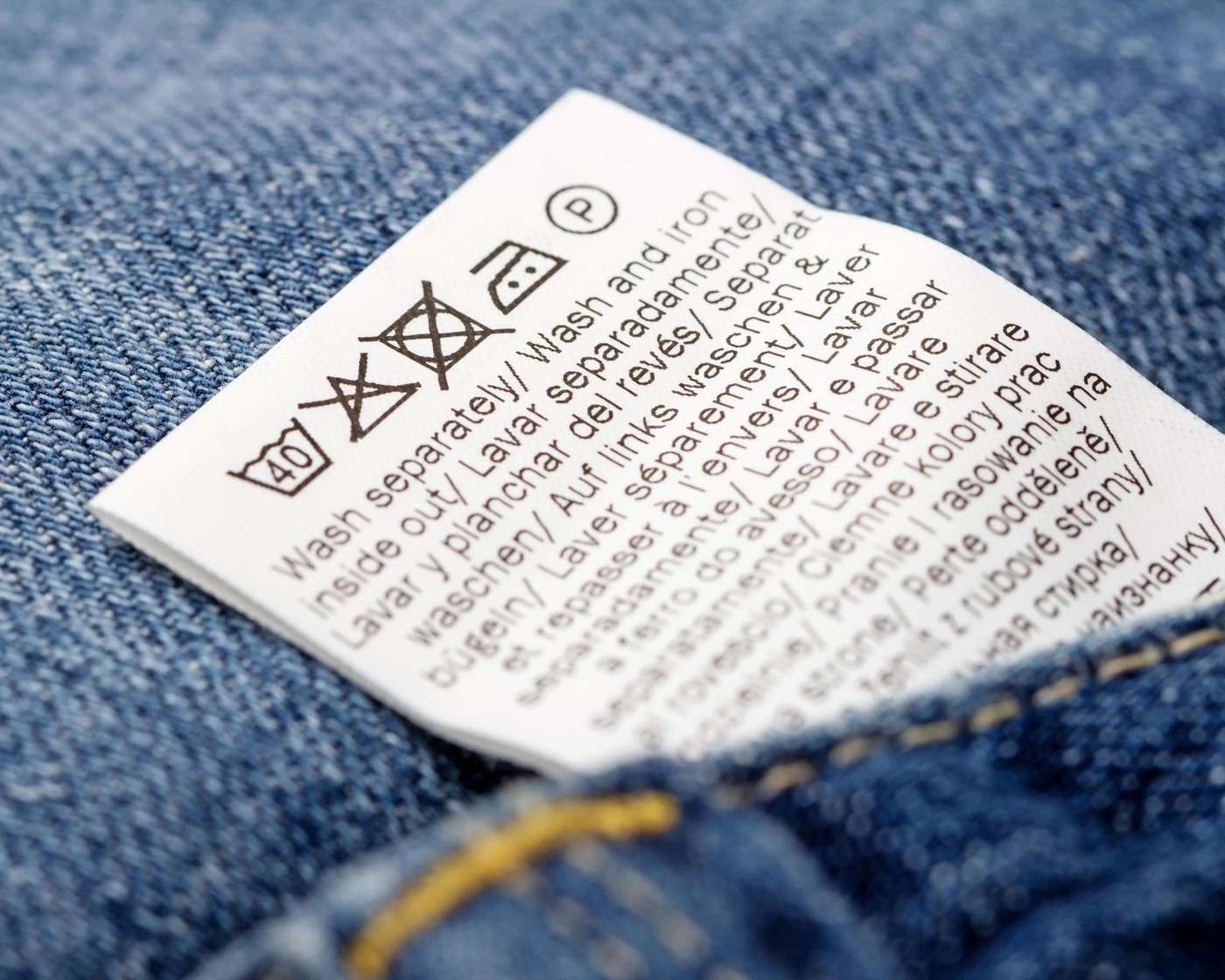
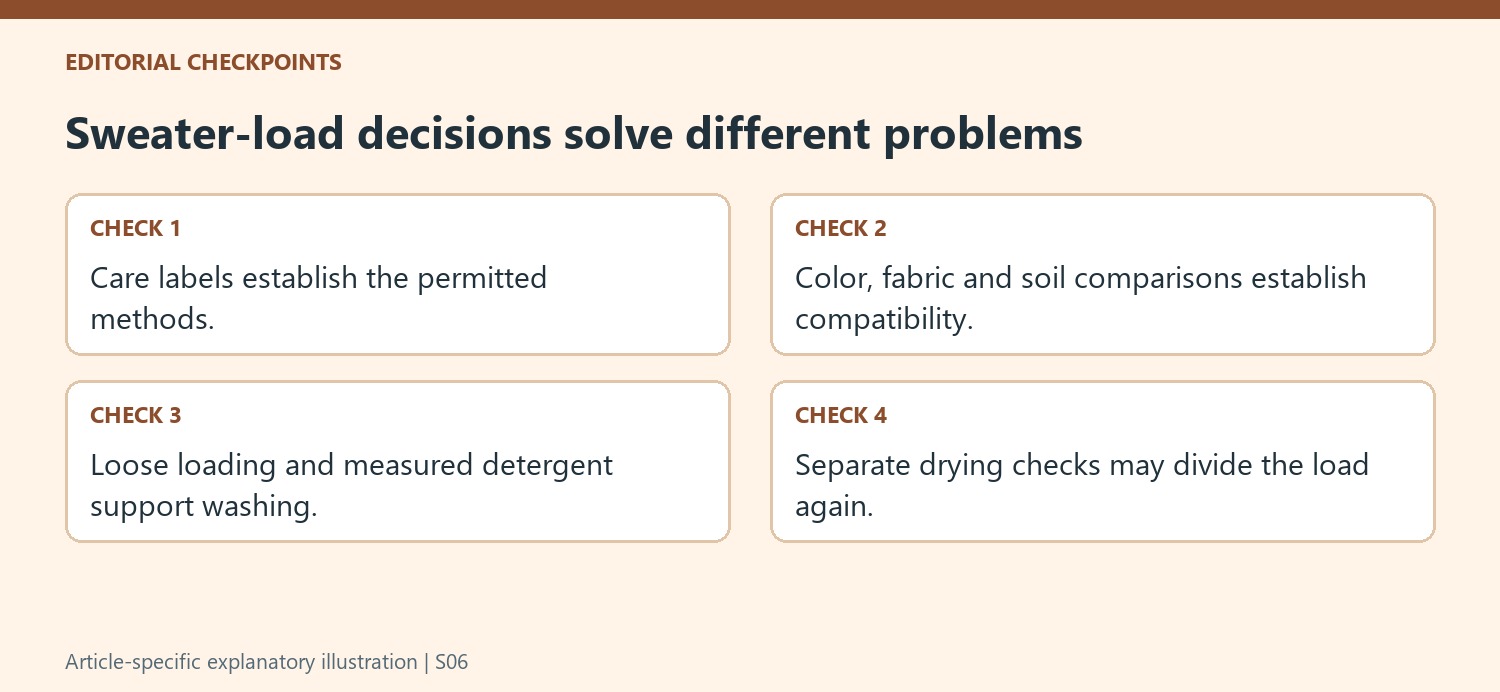
Whirlpool's sweater guide makes machine washing conditional on the clothing label. Some sweaters permit it, while others require hand washing or another treatment. Read the instructions first, then group items by compatible colors, fabrics and soil levels. This prevents a pile of similar-looking knitwear from being treated as a single load by default. Washing frequency also depends on use and condition, including whether another layer was worn underneath. Assess the garment instead of treating a suggested wear count as a guarantee that every sweater is equally ready for cleaning.
Load loosely and measure the detergent
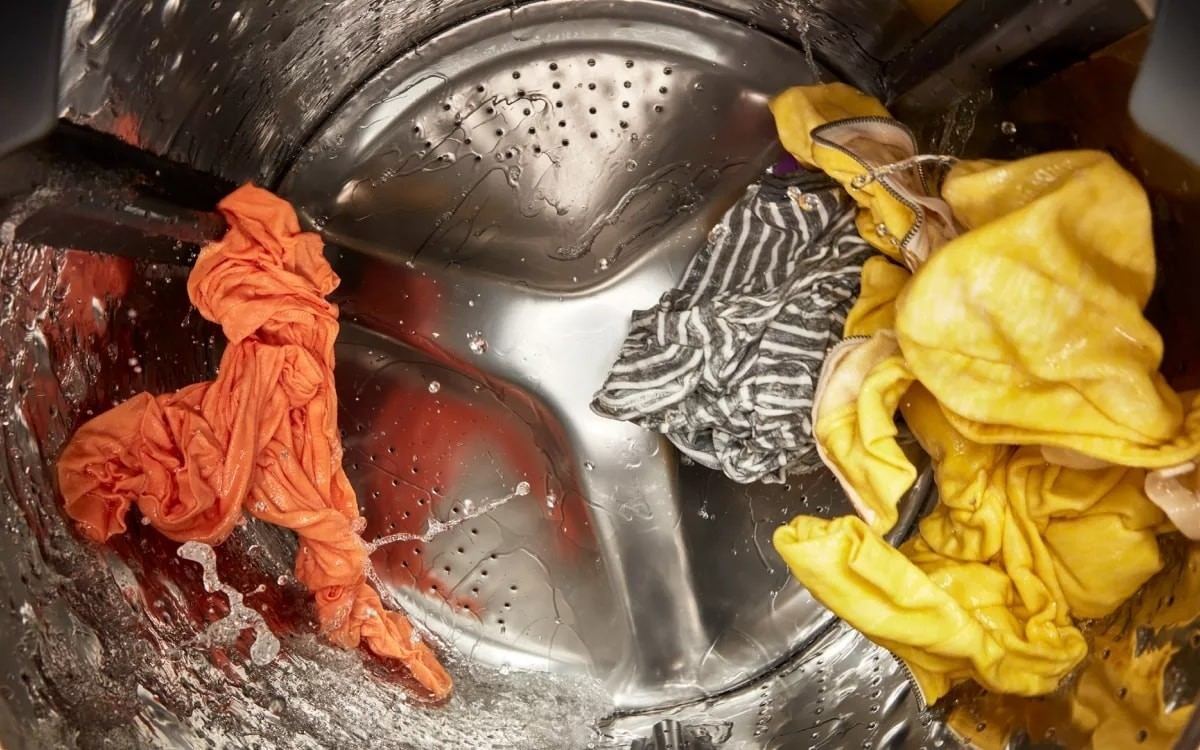
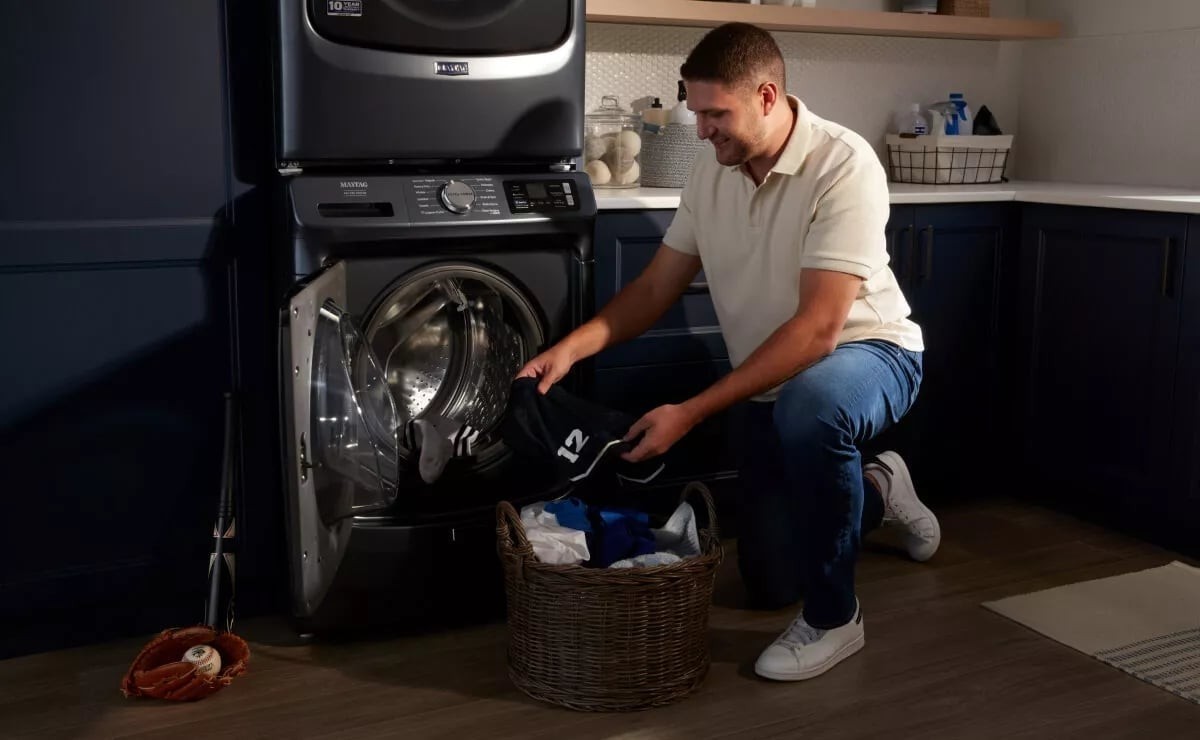
For approved machine-washable sweaters, the source recommends turning them inside out and placing them loosely in the washer. Do not pack the load down to force more items into the drum; divide it if necessary. Space and movement affect how the wash performs. Detergent should also be measured according to the product directions rather than estimated generously. Whirlpool notes that excessive detergent can affect performance and leave residue. Those loading and dosing choices belong alongside the cycle selection, so a suitable program is supported by a load the appliance can handle properly.
Keep hand-wash items and drying instructions separate
Set aside sweaters whose claims require manual washing instead of including them because the machine is already running a gentle cycle. After washing, check the drying method for each garment, since compatible wash instructions do not necessarily imply identical drying needs. A knit that must be supported flat should have an appropriate space ready. The useful routine is therefore label reading, compatible grouping, loose loading and correct dosing, followed by permitted drying. Each step solves a different part of the task, keeping one convenient load from taking priority over the needs of individual garments.
A named sweater pile may still contain several loads
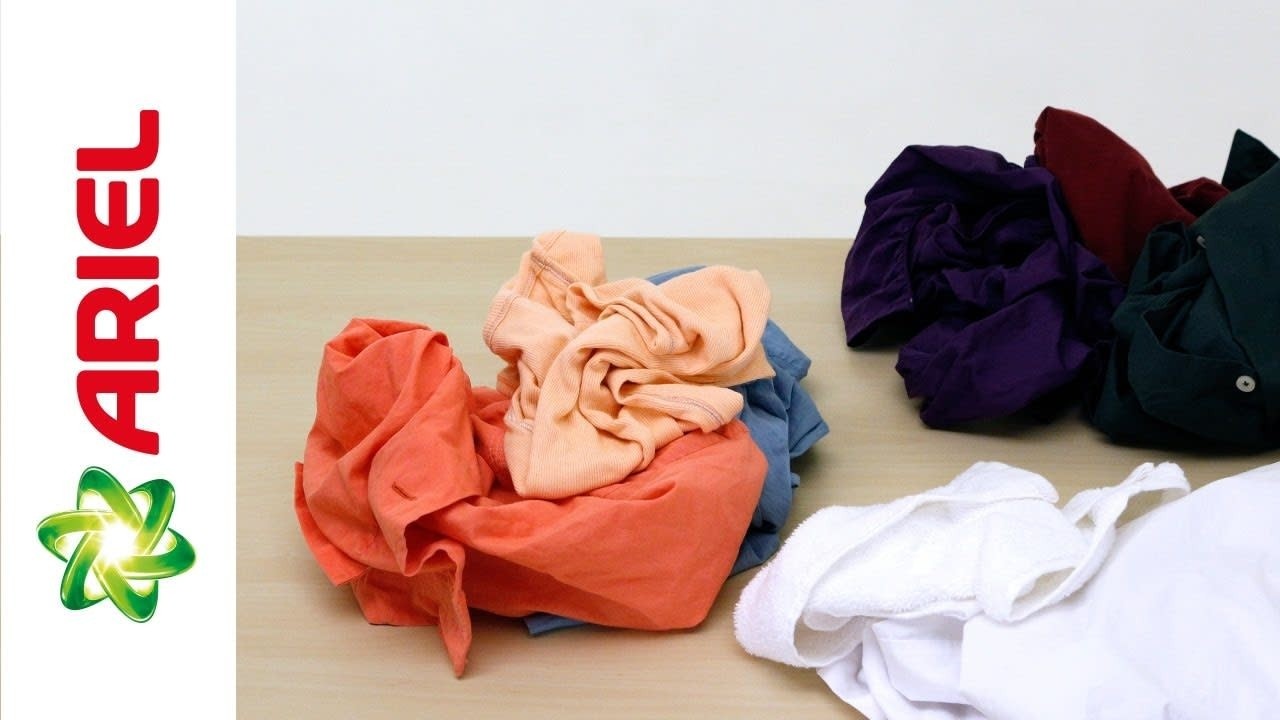
Whirlpool begins with labels because the category sweater includes different constructions and care claims. Separate hand-wash items first, then compare the remaining garments by their allowed temperature, process, color, and condition. Similar appearance does not establish compatibility. If two pieces require different methods, placing them together and selecting a convenient compromise is not a reliable substitute for following both instructions. A more deliberate grouping may leave several smaller piles rather than one large load, but each then has a clear treatment basis. Repeat this comparison when a new garment enters the basket instead of assuming that it shares the routine already used for the household's familiar knitwear.
Loose loading and correct dosing support the selected cycle
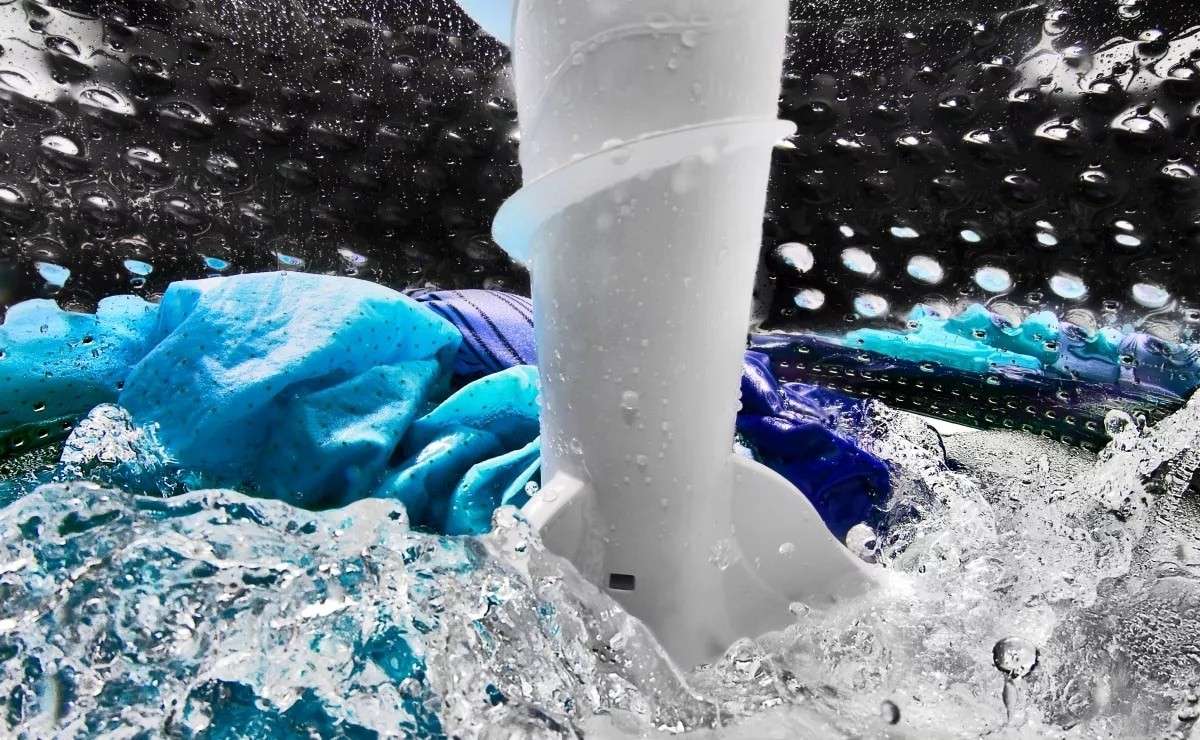
The source advises placing sweaters loosely into the machine and dividing an oversized load rather than packing it down. Follow the washer's own loading information, including placement around an agitator or impeller where relevant. Measure detergent for that load using the product directions. Whirlpool links excess detergent with performance issues and residue, so a larger-looking pile is not a reason to estimate a generous amount. These preparations make cycle selection meaningful. An allowed program still needs a load the machine can handle and an appropriate product dose. Consider those decisions together before starting instead of trying to resolve every cleaning concern through a longer or stronger cycle after the drum has been overfilled.
Drying compatibility needs another look after washing
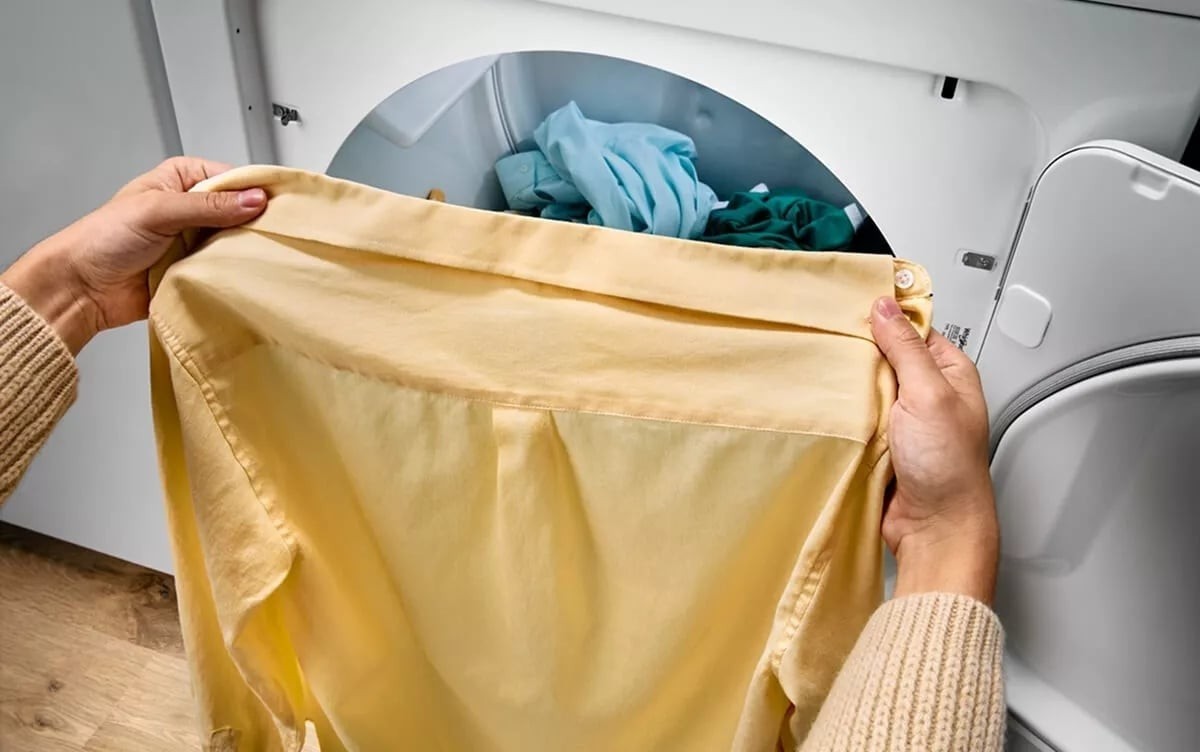
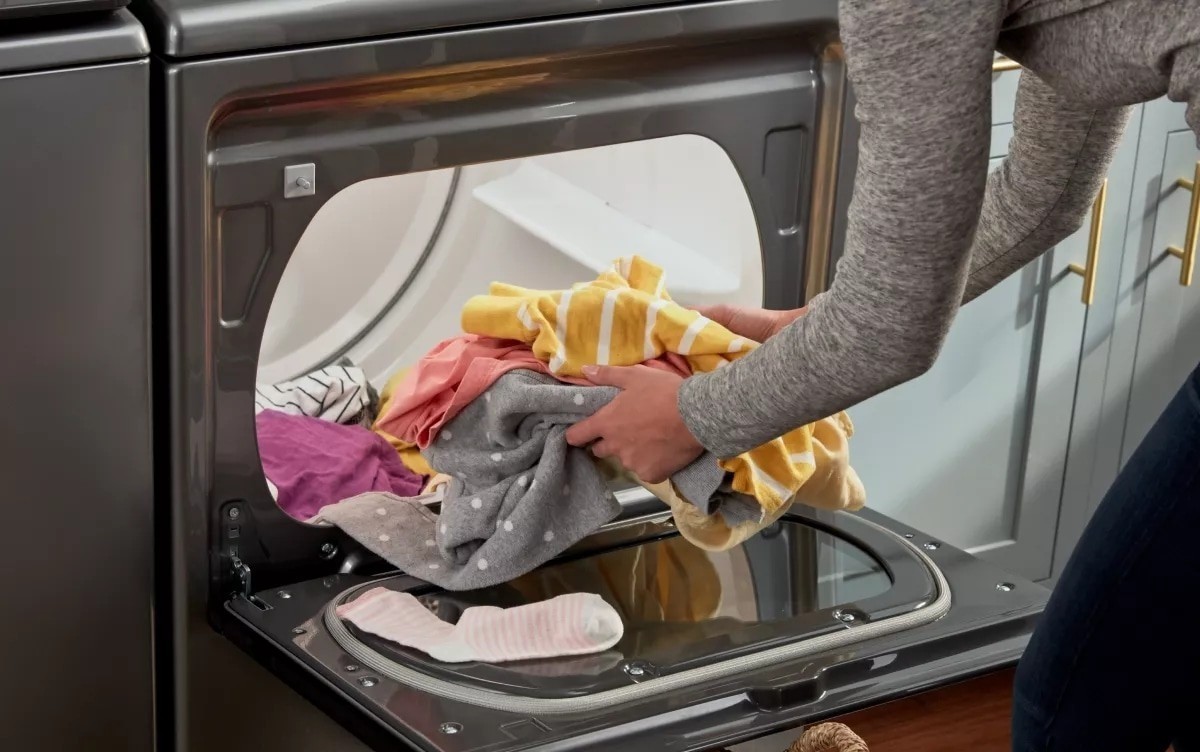
Sweaters that share an approved wash can still have different drying instructions. Before transferring the wet pile, separate any pieces requiring flat support or another natural-drying arrangement from those specifically permitted to tumble. For an allowed dryer load, check the garment's heat instruction and the machine's capacity rather than overfilling it. Optional dryer products require their own suitability check as well. Prompt unloading after a permitted cycle helps complete the routine without leaving the clothes waiting in the drum. The source's broader point is that drying depends on the individual garment. A successful shared wash does not establish a single finishing route for everything that happened to be washed together.
References
- How to Wash Sweaters & Dry Them | Whirlpool. Whirlpool.