GarmentCare Guide
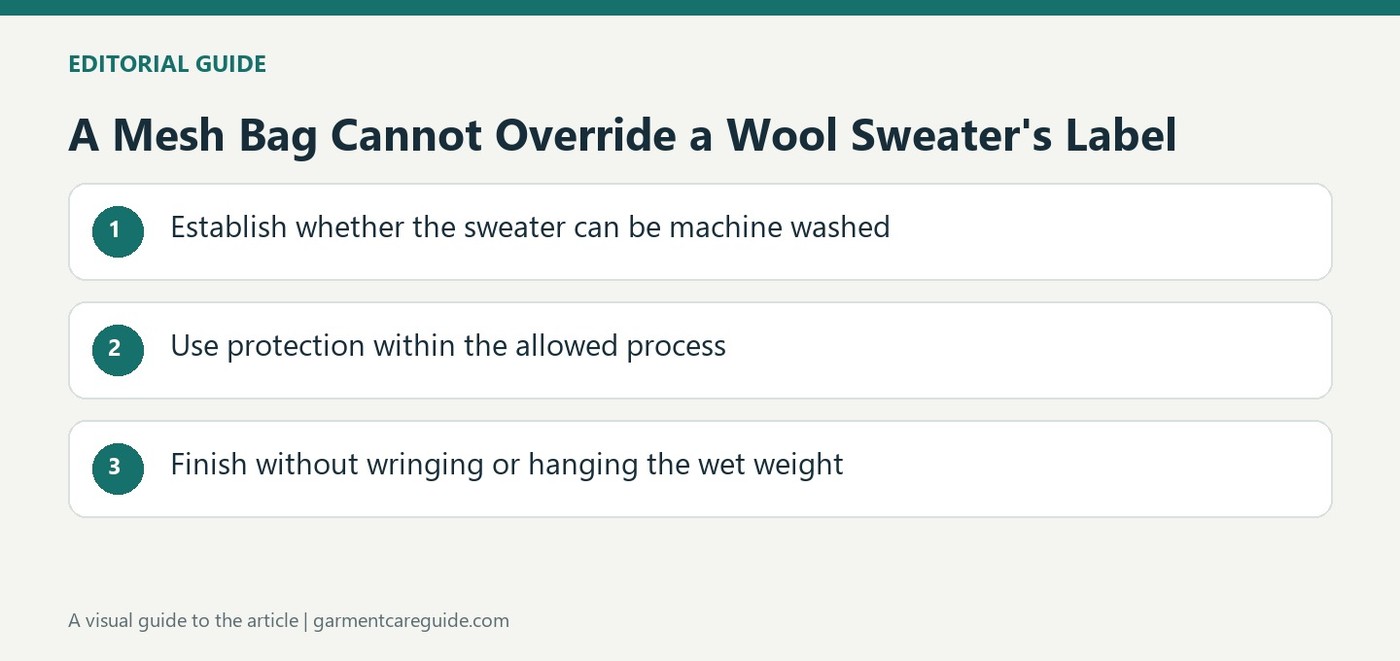
Establish whether the sweater can be machine washed
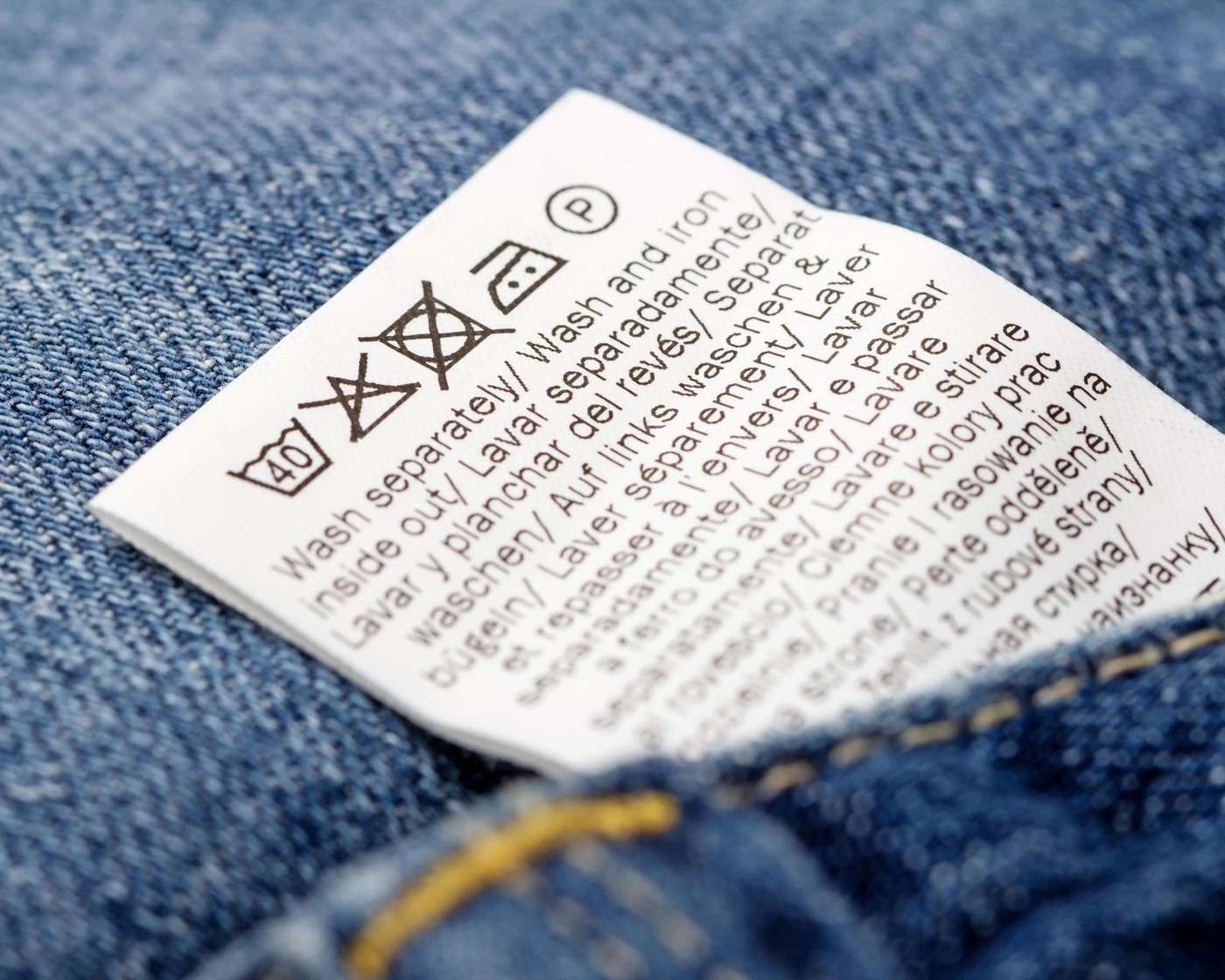
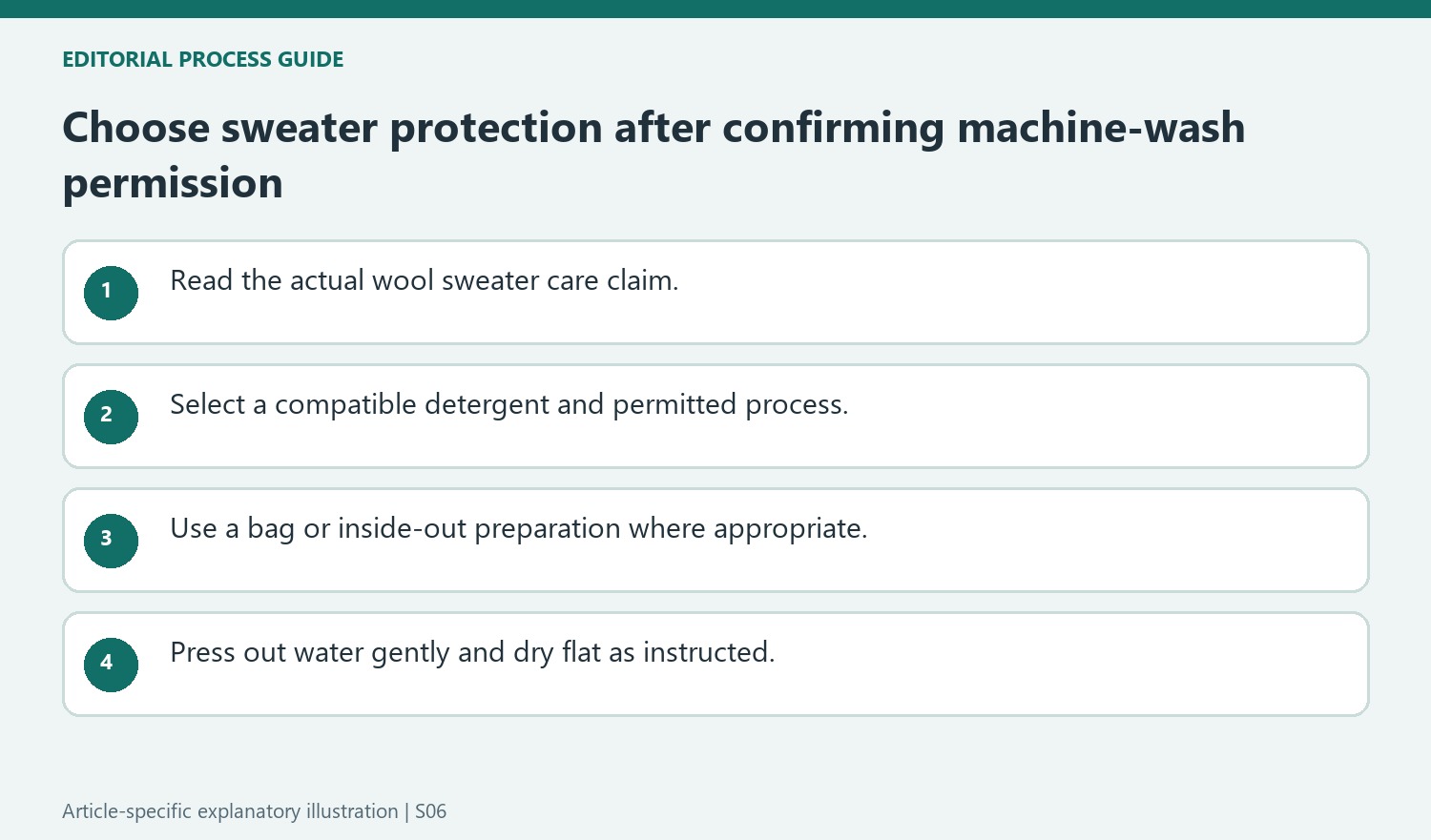
Tide's wool-sweater guidance begins with checking the garment's care label. Some wool products allow machine washing, while others call for a different treatment. This permission should be established before preparing a load. A sweater resembling one that previously washed successfully is not enough evidence that it shares the same claim. The finished garment can differ in construction, finishing or blend. Read its own instructions, including any temperature and process limits, rather than relying on wool as a single uniform laundry category.
Use protection within the allowed process
For a sweater that permits machine washing, Tide recommends a gentle detergent, cold water and a suitable gentle cycle. A mesh garment bag may help protect the item during movement in the drum. That extra protection does not turn a prohibited machine wash into an approved one. The detergent also needs to be suitable for wool and used as directed. Woolmark's complementary sweater guidance likewise places the care claim first and discusses turning an approved garment inside out or using a laundry bag. These are preparation choices within a label-led routine, not alternatives to reading the label.
Finish without wringing or hanging the wet weight
Tide advises gently pressing out excess water rather than twisting the sweater, then laying it flat to dry. Woolmark's sweater guide specifically recommends flat drying knitwear in the shade. Preparing that drying arrangement before washing makes it easier to support the wet garment properly. Machine-wash permission does not automatically permit a hot tumble dry or a hanger-based drying method. The protective bag is therefore one small part of a complete sequence that begins with the label and continues through water removal and drying.
Read wash permission before choosing protective accessories
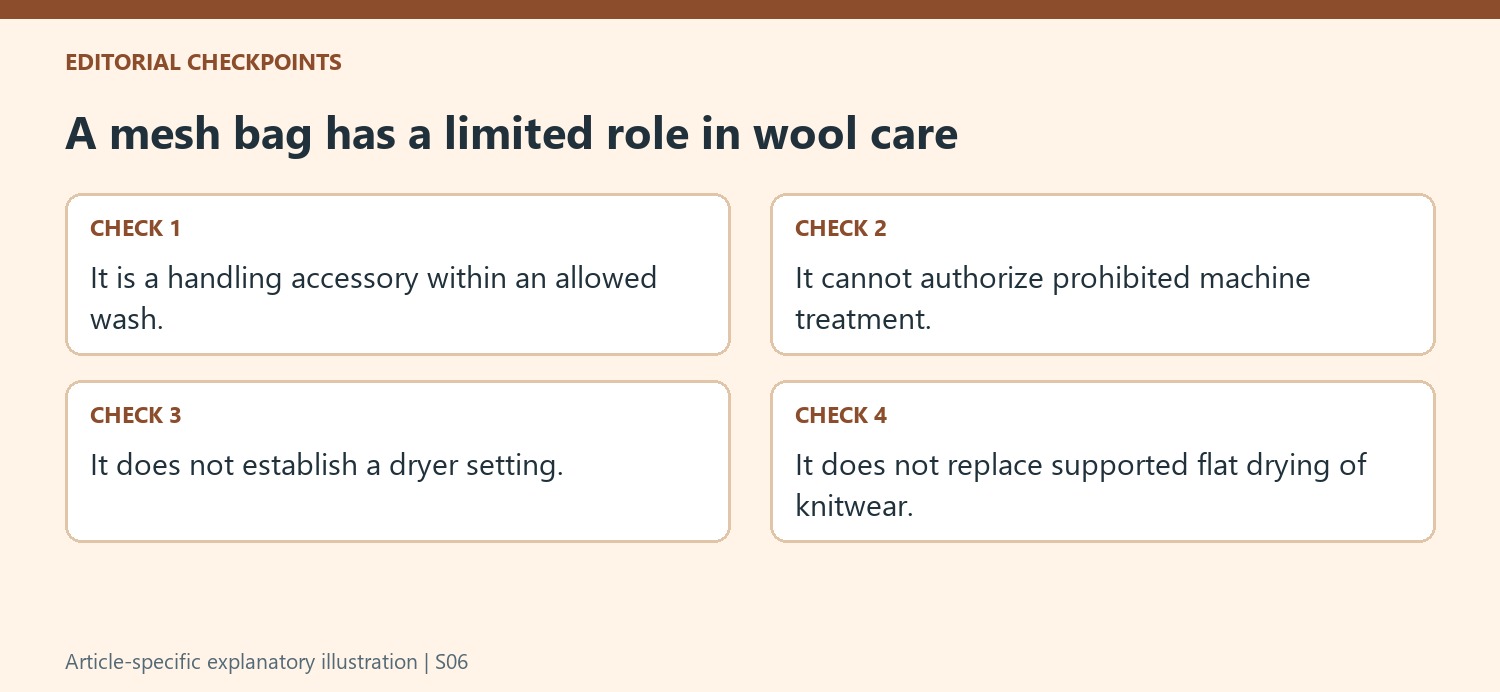
A mesh laundry bag is easy to recognize as a protective measure, but Tide presents it after establishing that machine washing is allowed. Keep that order when preparing a sweater. First read the garment's own treatment claim and confirm that the proposed appliance process fits it. Then consider turning the item inside out or using the bag as appropriate within that process. These measures address handling during washing rather than the underlying permission to wash. A bag cannot change the finished garment's construction or make a prohibited treatment acceptable. This is particularly useful when two sweaters look alike but have different instructions, because the accessory should not become a reason to combine them automatically.
Match gentle detergent with the allowed machine process
The source recommends a gentle detergent for suitable washable wool. Check that the chosen product is appropriate for the actual garment and follow its directions, including the amount to use. The cycle and water setting need attention at the same time. Cold water alone does not establish that every program is gentle, while a gentle program name does not override a more specific clothing restriction. Read the washer information where necessary to understand the available treatment. A compatible combination is the goal: permitted machine washing, suitable product, correct dose, and appropriate temperature and movement. Each choice addresses part of the routine, with none serving as a substitute for the others.
Set up flat drying while the sweater is still dry
Tide's advice moves from gentle water removal to flat drying, and Woolmark's complementary guidance specifies flat drying knitwear in the shade. Prepare a surface that can support the sweater before the wash begins. After cleaning, press out excess water without wringing and transfer the garment carefully to that arrangement. A wet sweater's weight should not be used as a reason to hang it simply because a rail is nearby. Nor does machine-wash permission establish permission for heated tumbling. Thinking ahead makes the final stage easier to perform consistently. The care decision then extends from the label through the washer to the supported position in which the garment completes drying. Keep the mesh bag separate from that supported drying arrangement.
References
- How to Properly Care for Wool Sweaters: Machine Washing Tips. tide.com.
- How to wash a wool sweater. The Woolmark Company.