GarmentCare Guide
A fiber name does not set the washing method
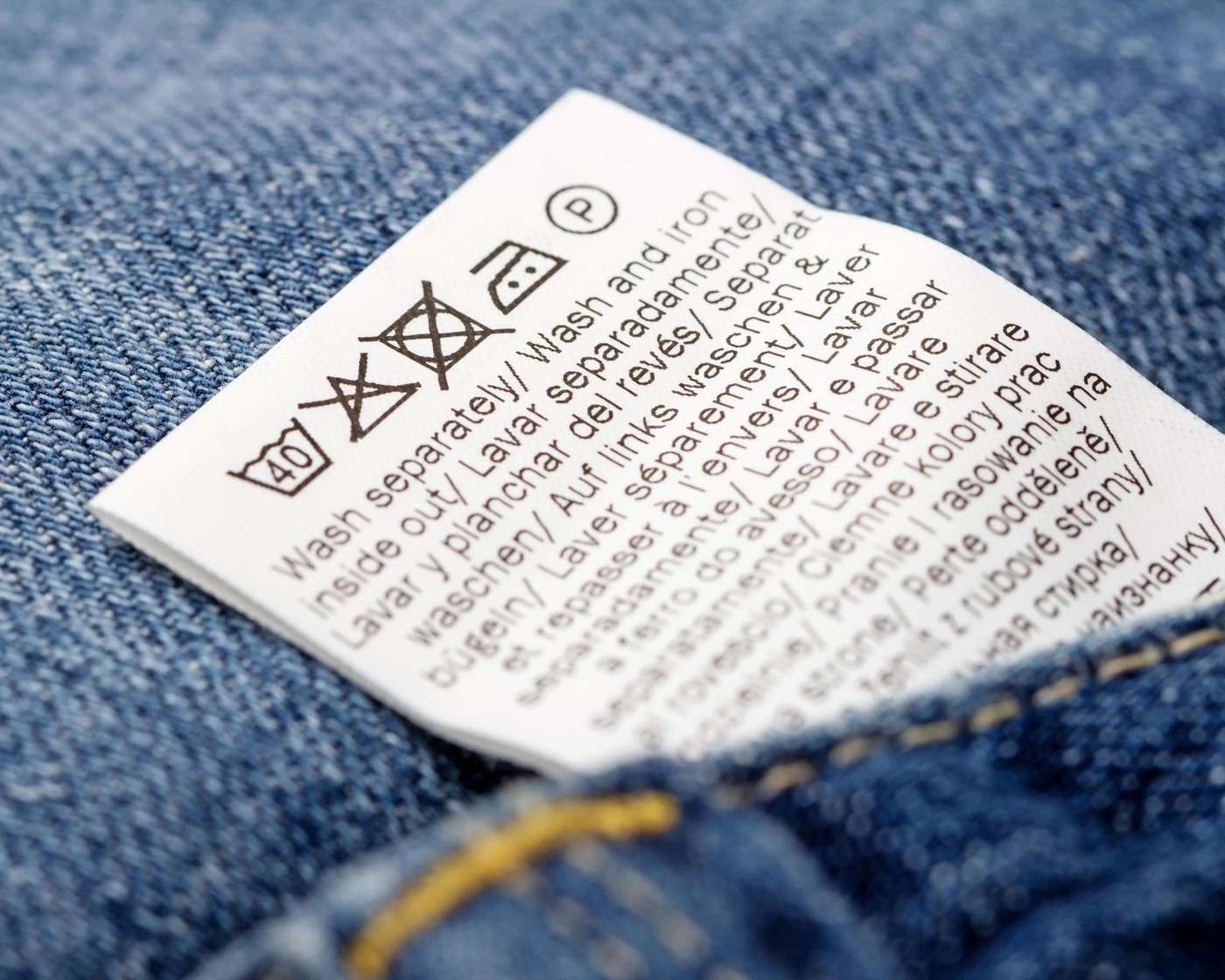
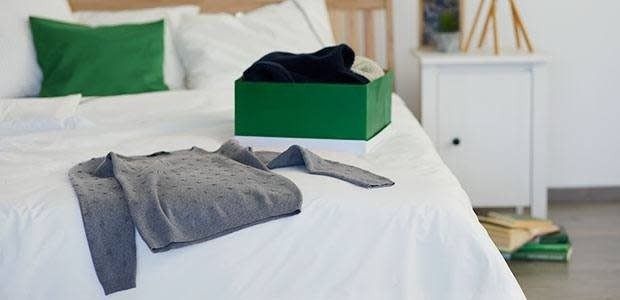
Ariel's wool-care guide identifies the need for special attention when cleaning garments made from wool or wool blends. Its first practical instruction is to check the care label. That step prevents a general fiber description from being treated as permission for a particular machine setting. A hand-washable item and a machine-washable blend may call for different routines. The actual garment's directions remain more useful than assumptions based on softness, thickness or the idea that all knitted clothing can be washed together on the same program.
Use a permitted gentle routine
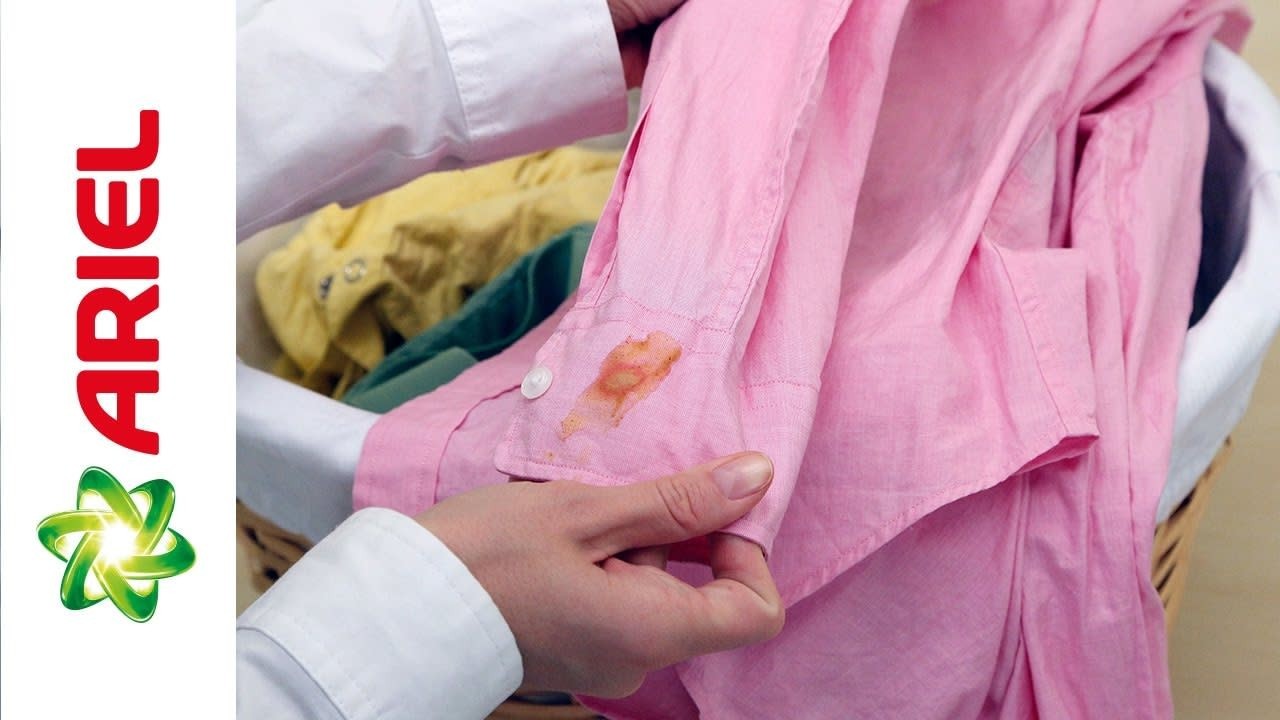
For hand-washable garments, the source recommends cool water and a mild detergent suited to wool. Machine treatment is discussed only for suitable items, with a cool and gentle process. Select a product compatible with the garment and follow its directions rather than assuming ordinary heavy-duty detergent is appropriate. When dealing with a small mark, Ariel describes gentle handling rather than aggressive rubbing. A stain that remains unresolved may need more specific guidance. The general washing routine should not be escalated beyond the label's limits simply because the garment still has a visible problem.
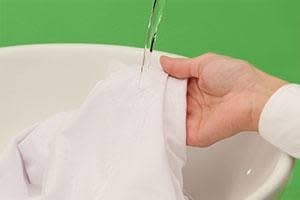
Remove water without twisting and support drying
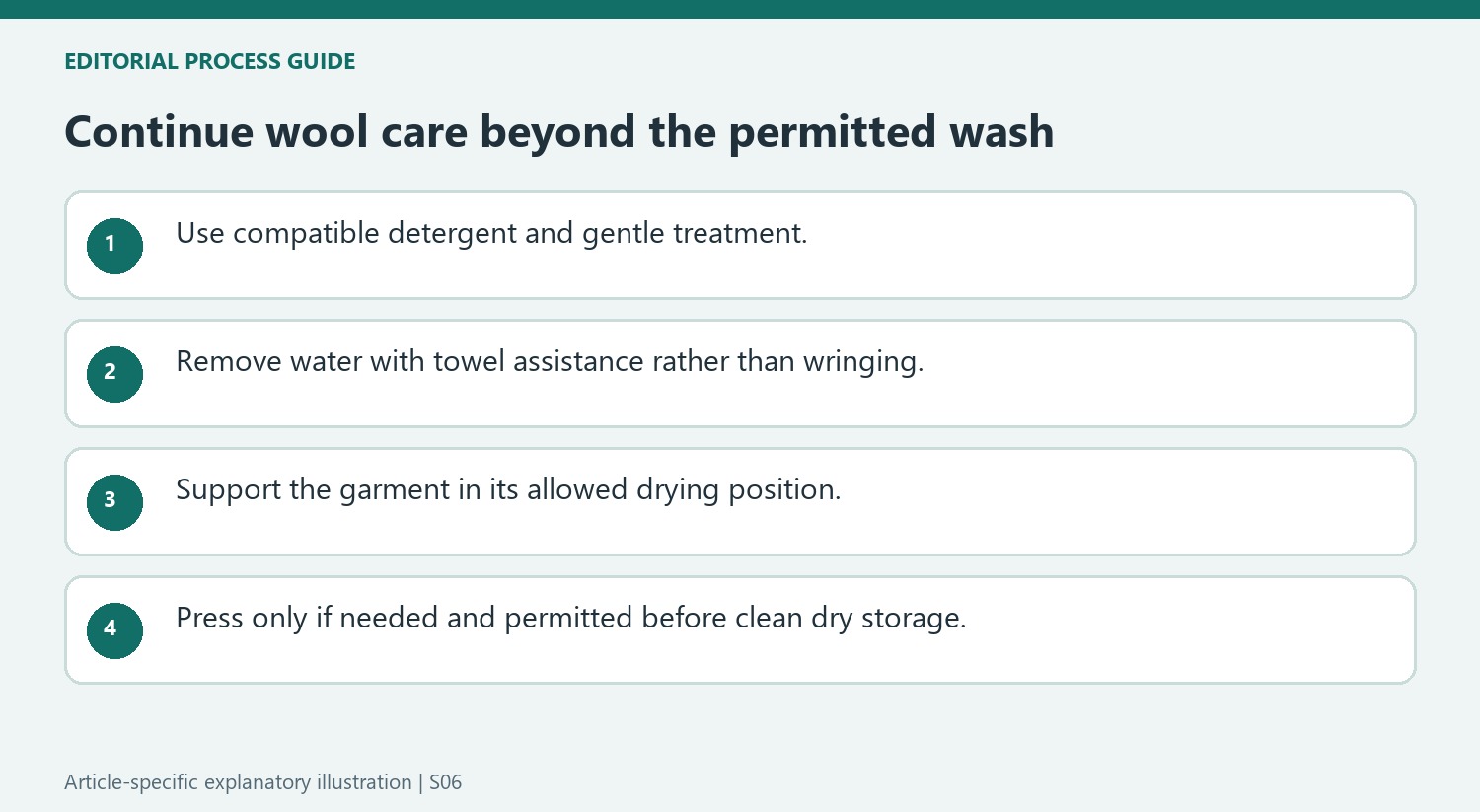
The guide suggests rolling the wet garment in a towel to take up excess moisture. This provides an alternative to wringing the fabric. Its general drying advice favors natural drying, with the garment supported appropriately and the item's own claim checked for any specific requirements. Ironing, where allowed, also needs controlled heat rather than an automatic high setting. Store clean, dry wool in a suitable cool and dry place. These steps make the care plan broader than selecting a washer cycle: water removal, drying position, finishing and storage all remain decisions about the same finished item.
Plan water removal and support as one stage
The towel technique in Ariel's wool guide offers a way to remove excess water without twisting the garment itself. Place the item appropriately, roll it within the towel, and use controlled pressure rather than wringing it into a rope. Then move it to the support arrangement required for drying. Prepare that arrangement before cleaning so the wet piece is not left hanging while a surface is found. The source's general wool advice favors natural drying and flat support, while the actual care claim remains the reference for a particular garment. This connects two actions that are often treated separately: taking moisture out and keeping the item supported while the remaining water leaves.
A blend does not supply automatic permission for stronger treatment
Ariel describes wool being combined with other fibers, including silk or nylon. That can produce different finished products, but it does not create a general rule that every blend tolerates a standard wash. Read the label on the supplied article to identify whether hand washing, machine treatment, or professional care is appropriate. A lower wool percentage is useful composition information rather than a substitute instruction. The same caution applies when choosing detergent and optional products. Check their compatibility with the garment and use the directed amount. Treating a blend as a finished textile with its own limits is more reliable than assigning care solely from the fiber that seems most familiar.
Finishing decisions should respond to a real need
The source observes that some wool knits need little crease removal while other garments or blends may require pressing. Do not turn an optional finishing step into an automatic part of every wash. First decide whether the item needs it and whether the care claim permits it. Where ironing is allowed, use the stated suitable heat and handling rather than a high setting chosen for speed. A remaining stain should be addressed through compatible stain guidance instead of being pressed into the routine without assessment. After the allowed drying and any necessary finishing, store the clean, dry item appropriately. The care plan then follows the garment's condition instead of repeating the same appliance sequence regardless of need.