GarmentCare Guide
Color is only the first sorting decision
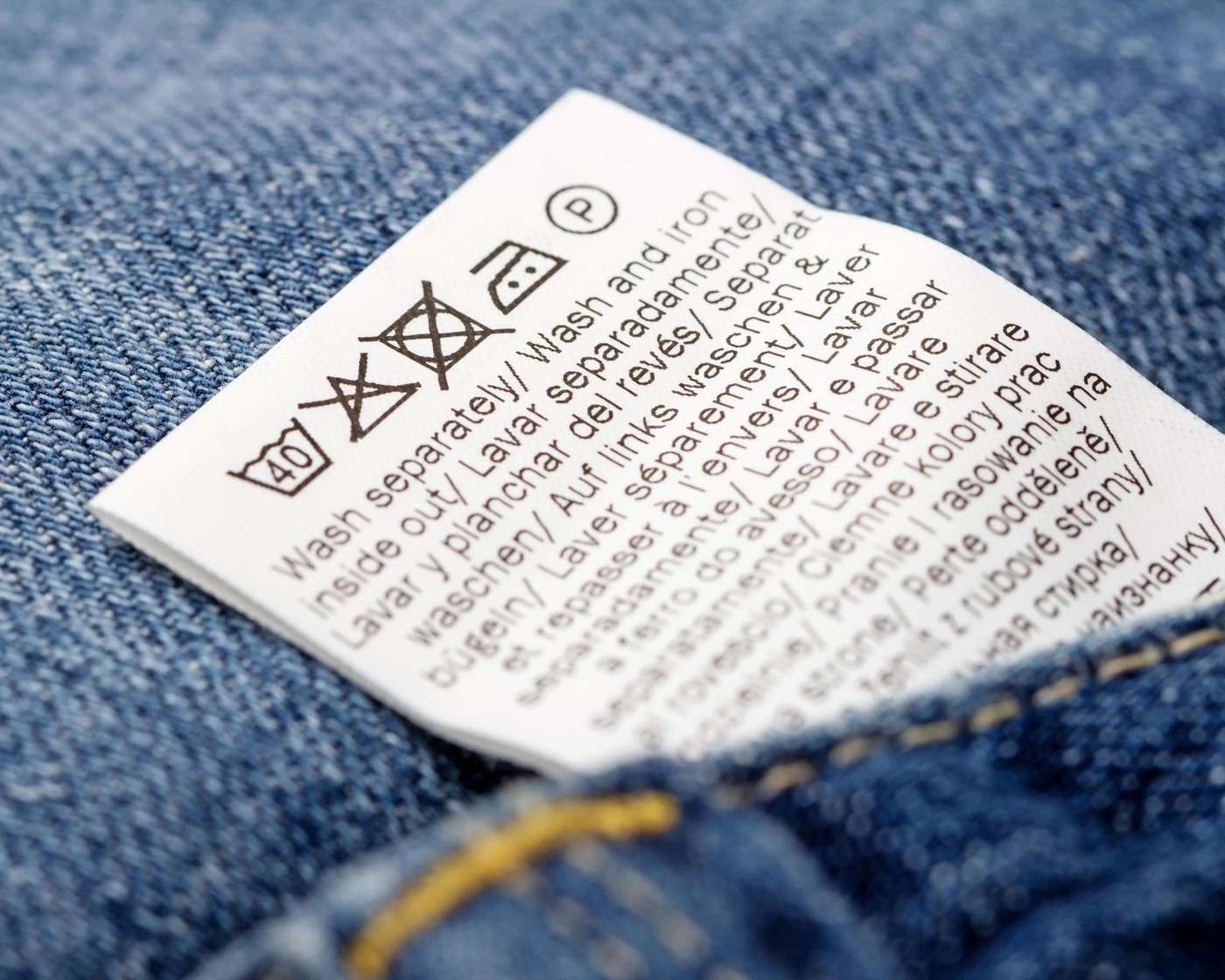
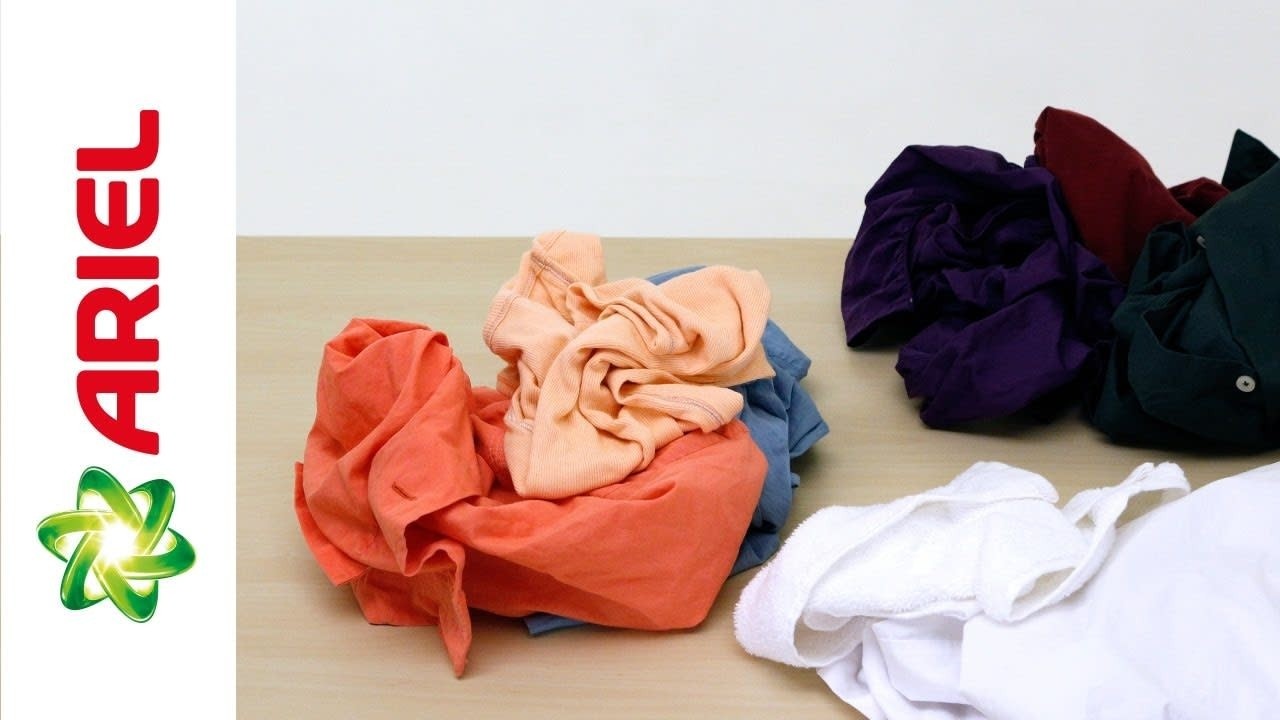
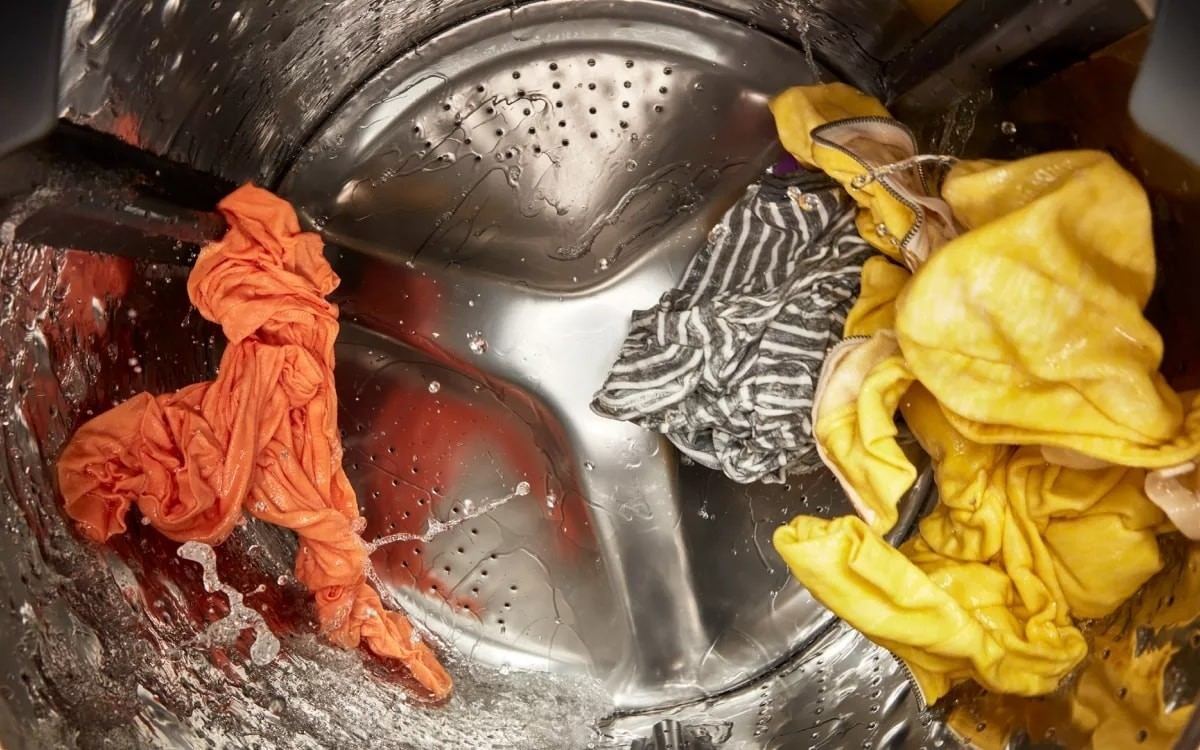
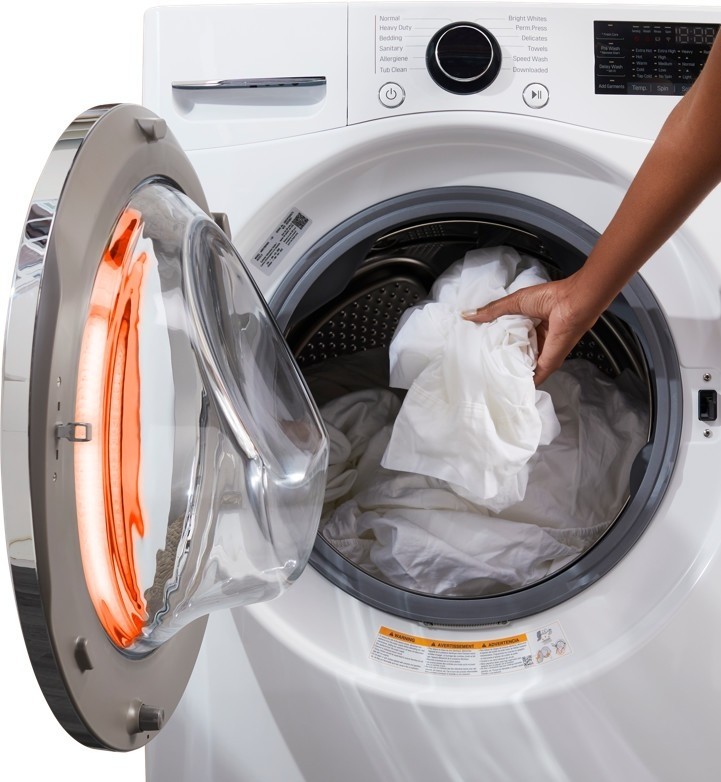
Tide's sorting guide begins with colors and fabric types, noting that new or deeply colored items may release dye. Grouping similar shades can reduce the chance of transferring color to light garments, but it does not establish that everything in the group needs the same treatment. Read the care labels before creating a load. Dark jeans and dark lingerie may look compatible by color while requiring very different handling. The useful aim is a group that shares appropriate settings, rather than a basket divided solely into whites and everything else.
Separate weight, fasteners and lint behavior
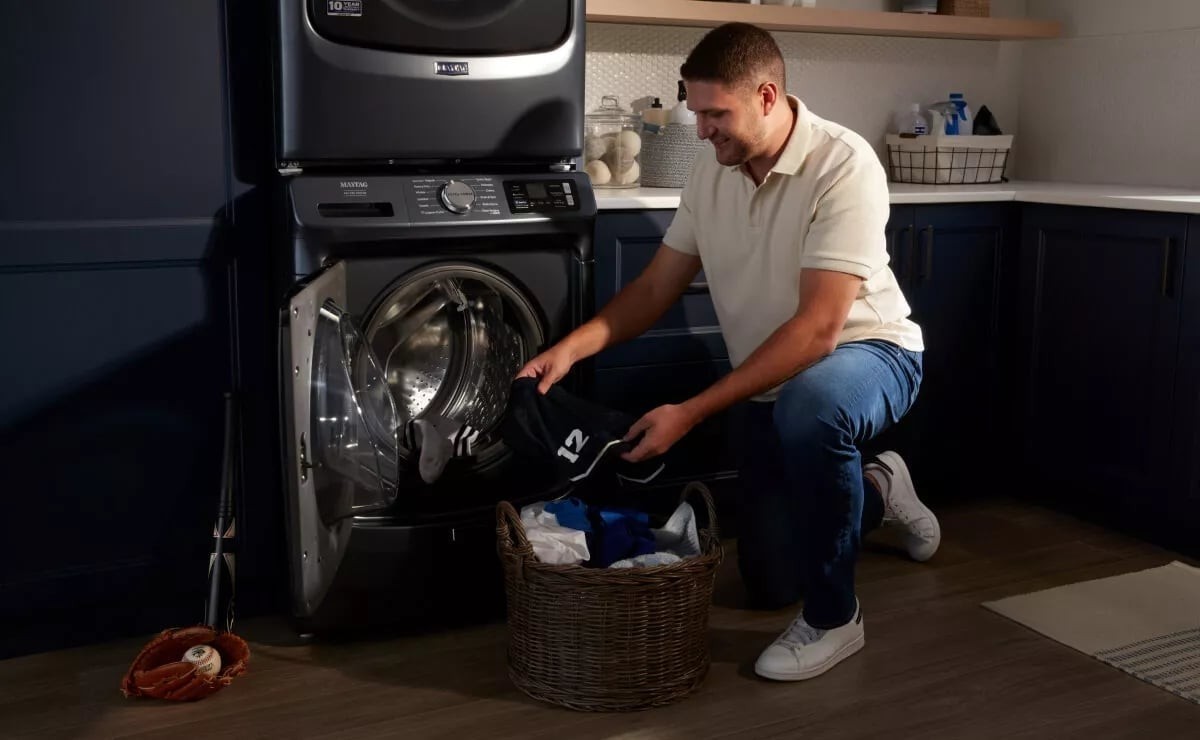
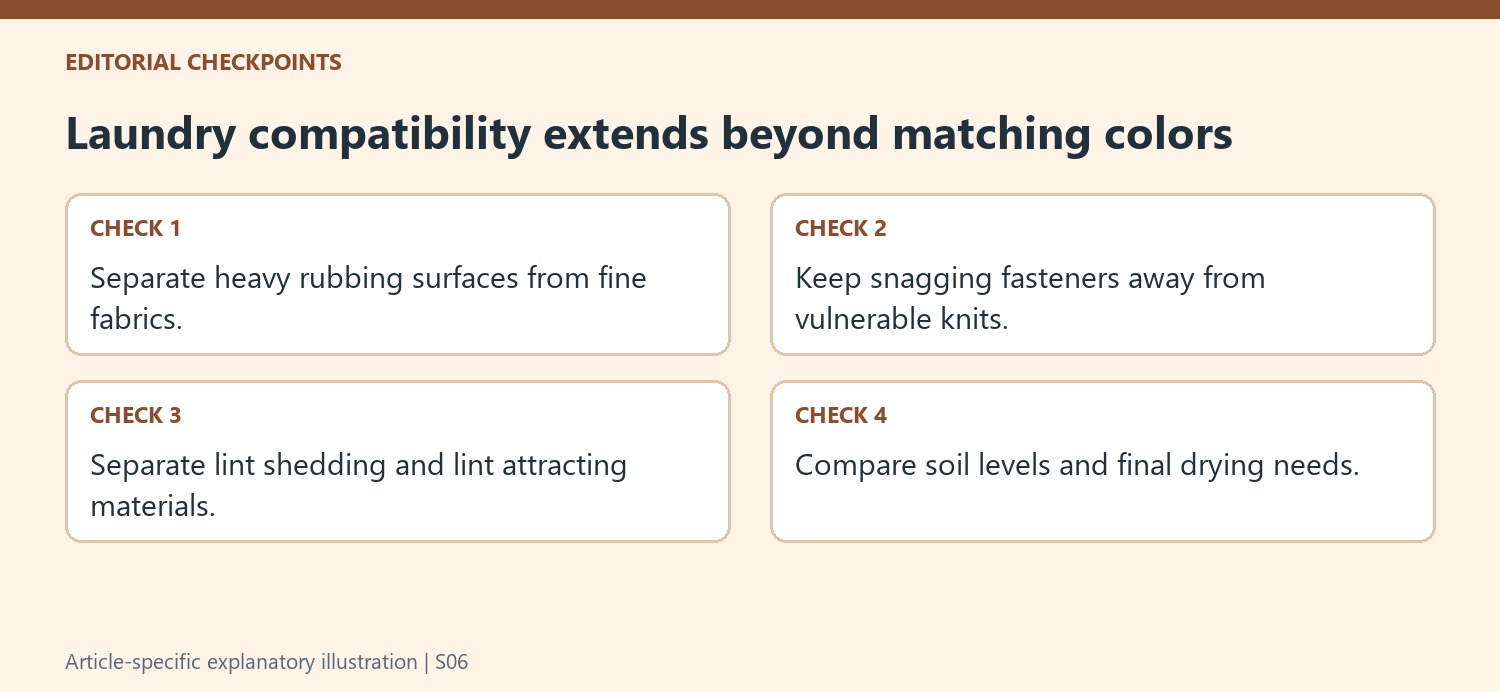
The source recommends keeping heavier items such as towels away from lightweight clothing because rubbing can damage finer fabrics. It also distinguishes pieces with zippers or buttons from knits and lingerie that may snag. Lint adds another sorting consideration: textiles that shed fibers should be separated from materials that readily collect them. These are practical reasons to reconsider a mixed load even when the colors match. Turning suitable garments inside out and using a mesh bag for approved delicates can help within the correct treatment, but neither replaces a compatible grouping.
Soil and drying needs complete the plan
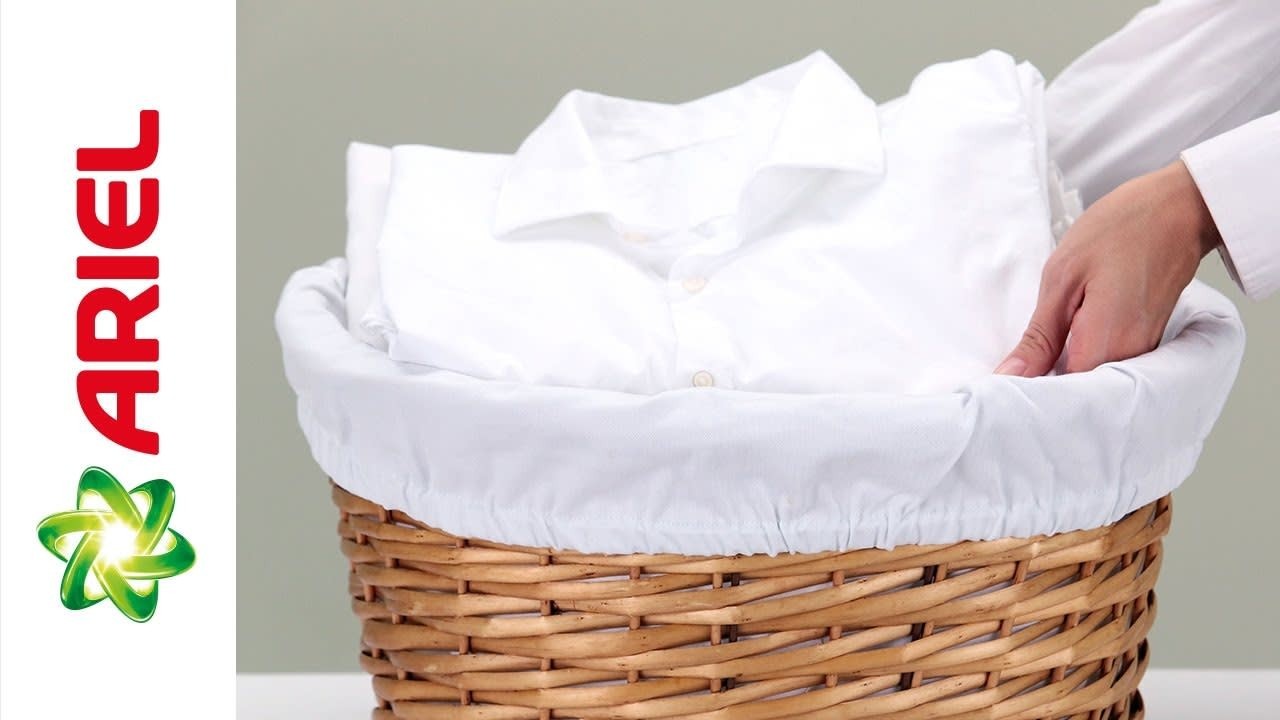
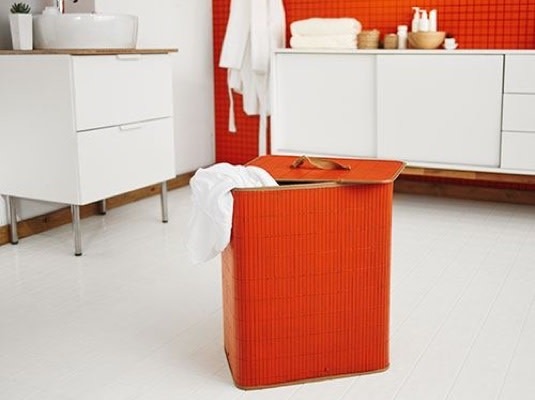
Tide advises washing heavily soiled or stained items separately where they require a more intensive permitted treatment. Pretreatment can address marks before the wash rather than subjecting lightly soiled clothing to the same cycle automatically. The guide also notes that heavy and light pieces can dry at different rates, leaving some overdried while others remain damp. This extends sorting beyond the washer. Plan separate drying where needed, with each item's care label governing the method. A partitioned basket may help maintain groups, but a final label check remains useful before any load enters the machine.
Use a second sorting pass after matching colors
Tide's examples show why a load benefits from more than one sorting decision. After grouping similar shades, look again at weight, surface, and fasteners. A heavy towel can rub against a fine textile, while a zipper can catch a knit that otherwise appears compatible by color. Lint behavior adds a further distinction between shedding items and surfaces that readily collect loose fibers. These are concrete reasons to divide a same-colored group before selecting its treatment. A final label check then establishes whether the remaining pieces actually share permitted settings. The aim is a compatible working load, not merely an orderly set of baskets whose contents are assumed to need identical care.
A stain can change the preparation without changing every item's needs
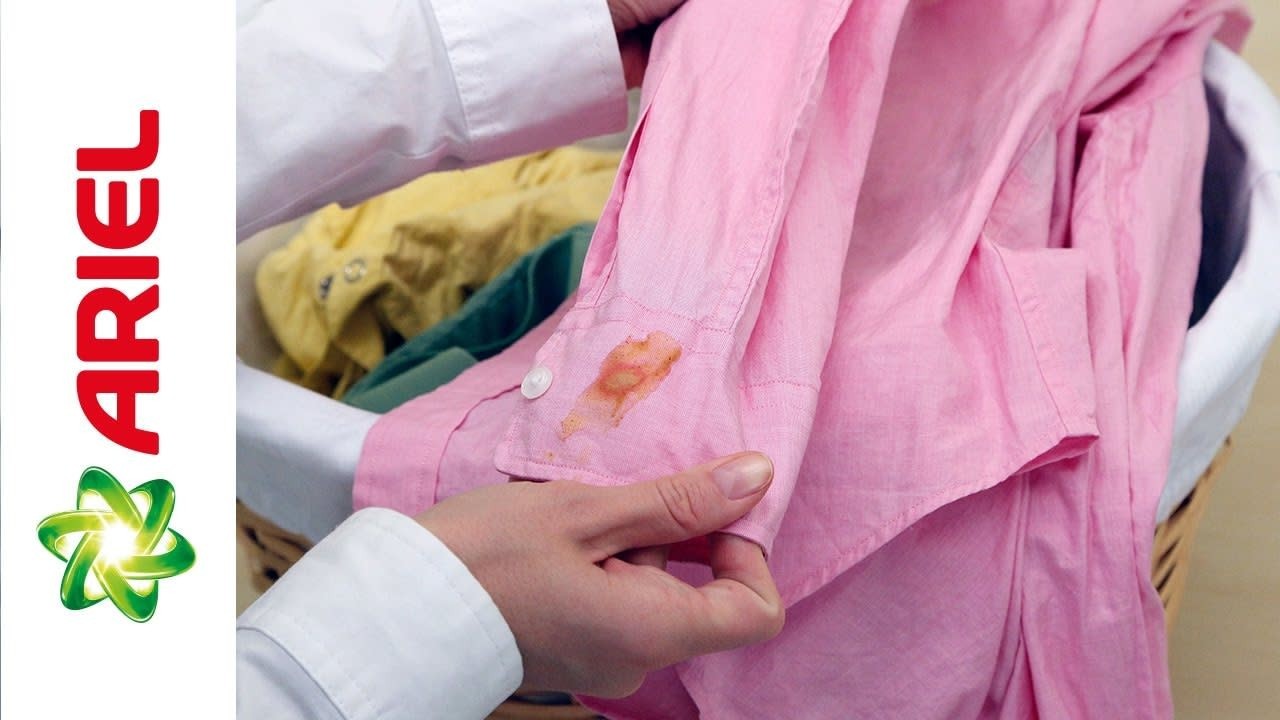
The source separates heavily soiled pieces from lightly soiled clothing and recommends pretreating suitable stains. Use this to distinguish the condition of one article from the limits of the whole load. A more intensive cycle remains appropriate only where the garment permits that action. It should not be imposed on delicate pieces simply because they share a basket with a dirty item. Likewise, pretreatment products need compatibility and dosing checks of their own. Identify which marks need attention, prepare those pieces within their instructions, and then decide which garments can safely be washed together. This avoids treating a mixed level of soiling as a reason to increase every setting indiscriminately.
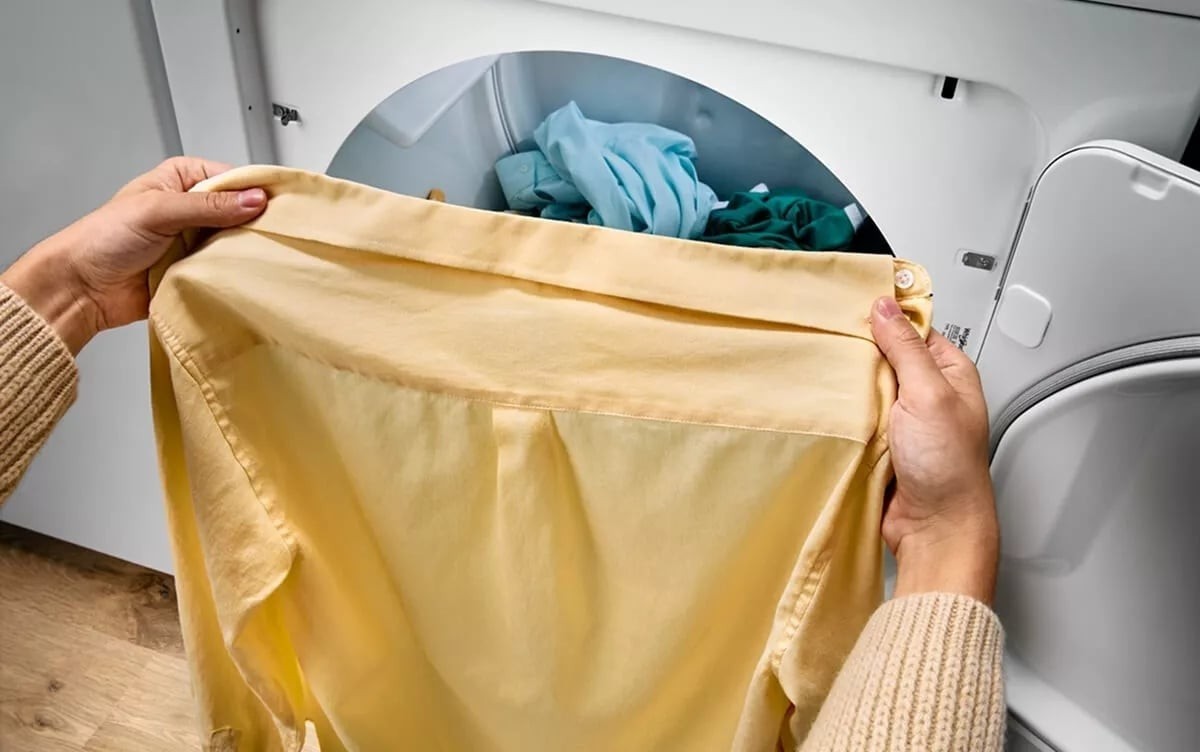
Carry the sorting decision through to drying
Tide notes that heavy and light items can reach dryness at different times. When they are dried together, a light piece may continue tumbling after it is dry while a heavier piece remains damp. The wash group is therefore not automatically the final drying group. Check each item's allowed drying route and consider its weight before transferring the load. A partitioned laundry basket can support the initial organization, but it cannot account for a garment placed in the wrong compartment or a different instruction on a newly bought item. Recheck the actual labels at the point of use. Sorting remains a practical judgment about the garments present, extending beyond color and beyond the washer.
References
- How to separate laundry and sort clothes. tide.com.