GarmentCare Guide

Begin with the finished item's instructions
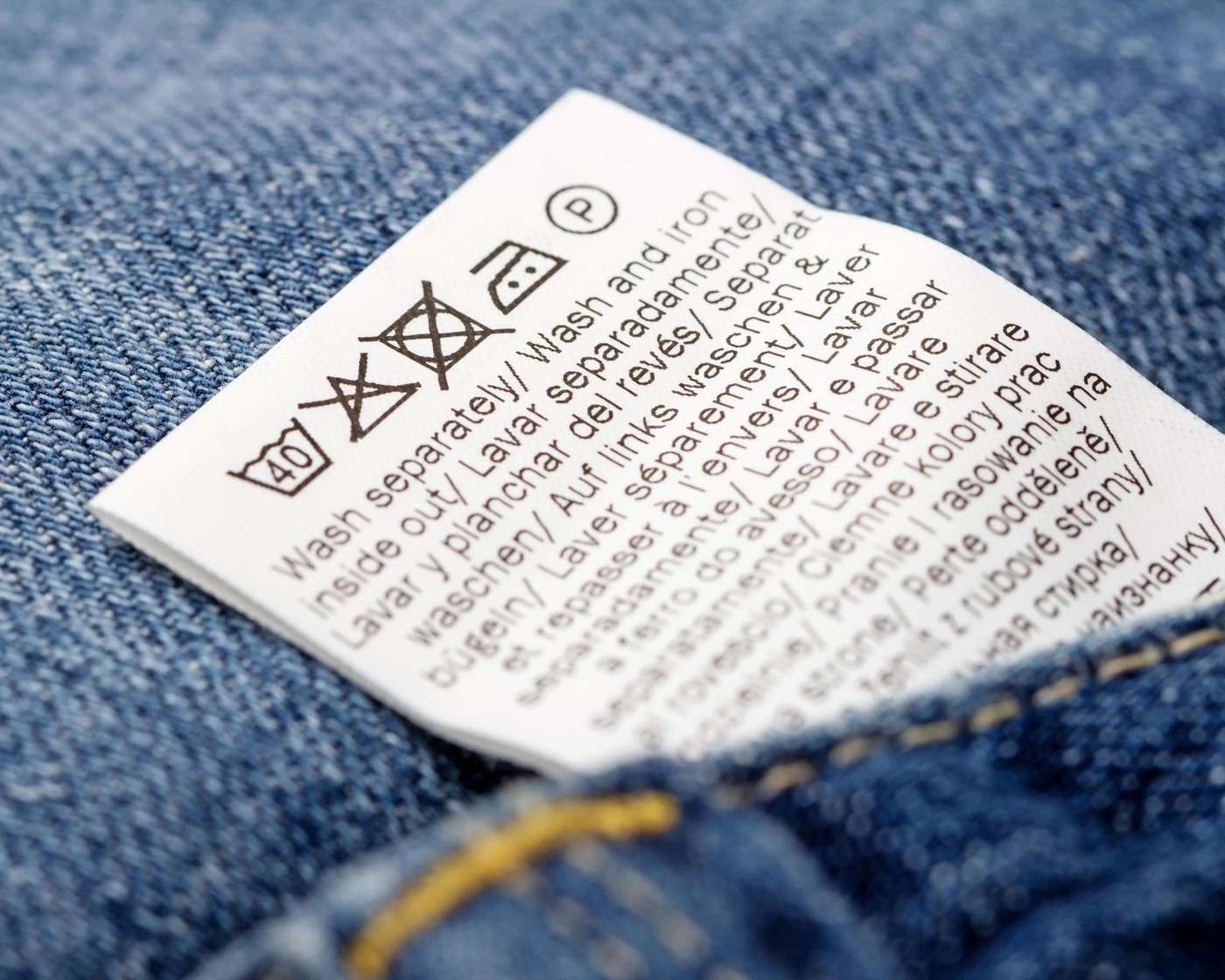
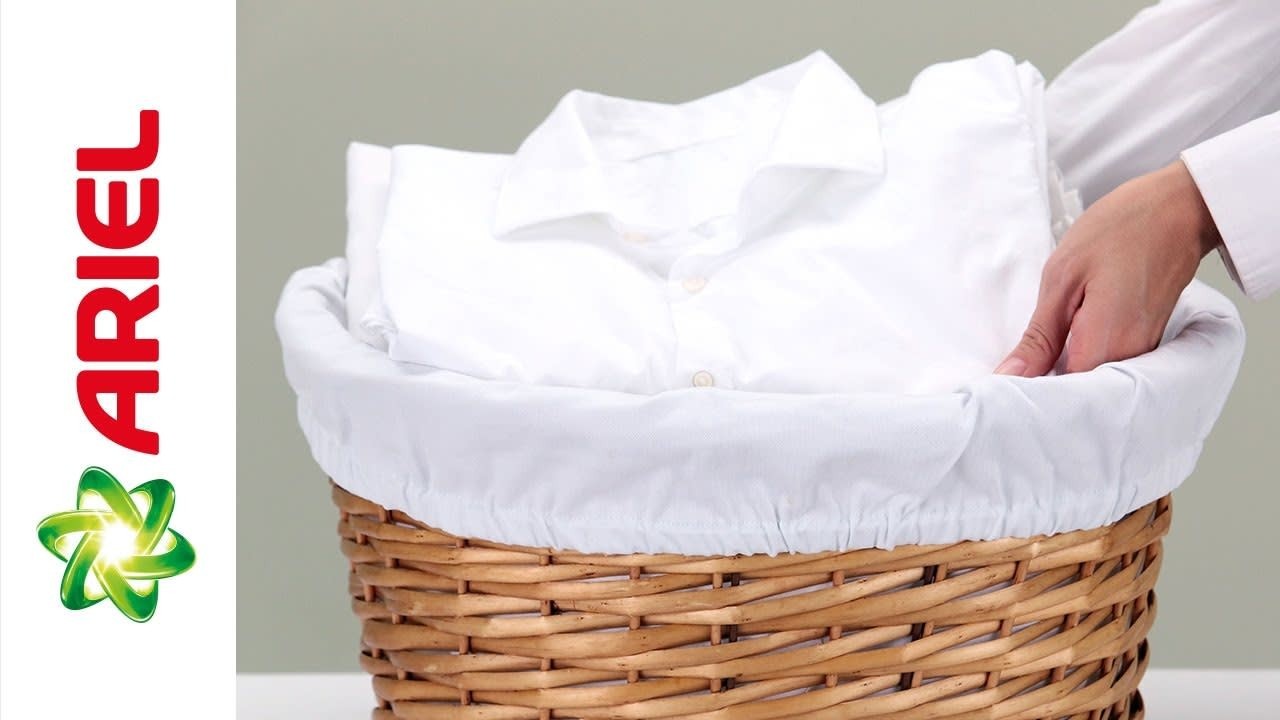
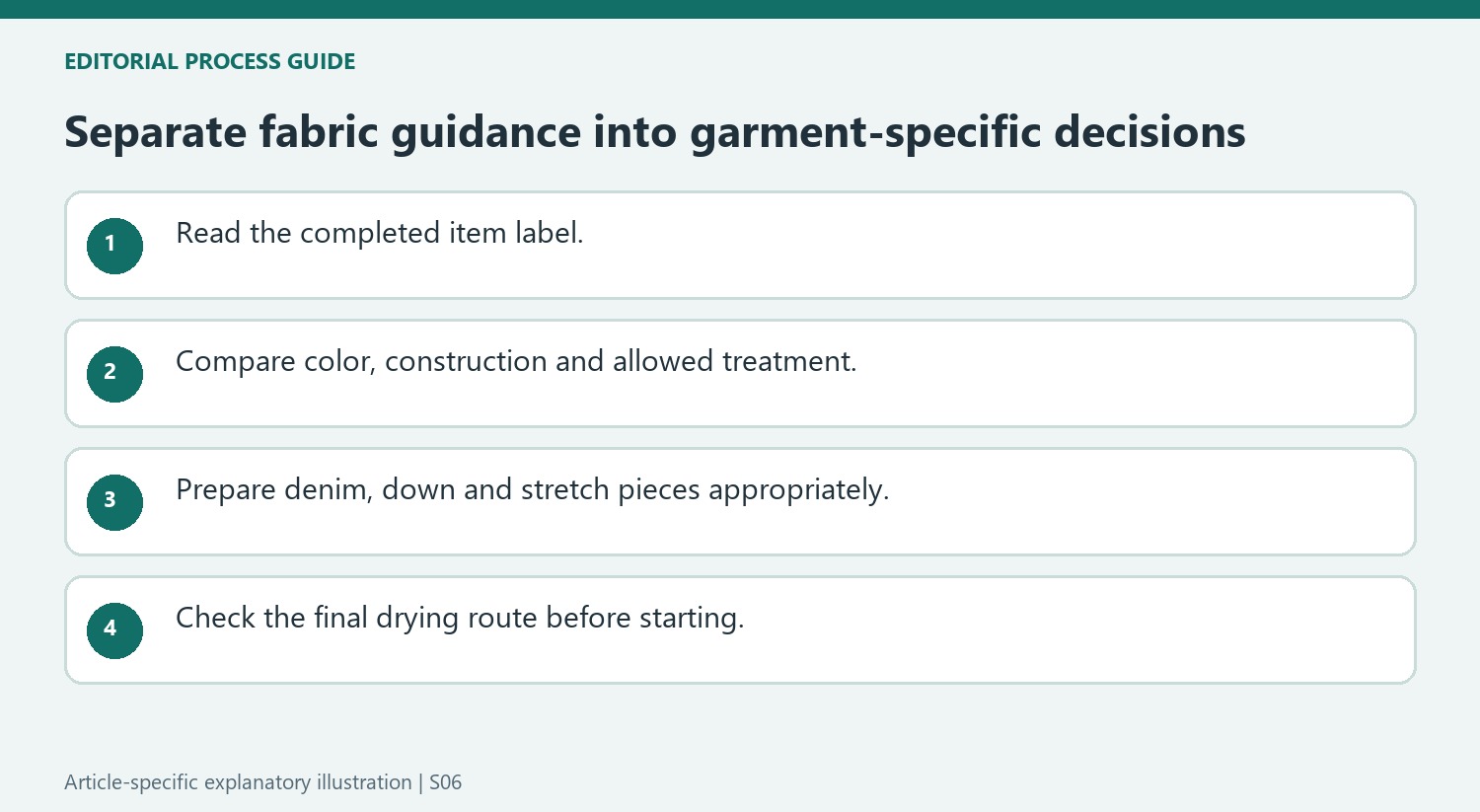
Ariel's guide to washing different fabrics starts with a common rule: read the care label. The page then separates advice for denim, cotton, bedding, down-filled items and stretch fabrics. That organization is useful because a laundry basket can contain products that need different temperatures, mechanical action and drying methods. A familiar garment category is only a starting point. The label identifies what the actual item permits, including restrictions that may reflect blends, finishes or construction details not obvious from its general appearance.
Prepare the load around compatible needs
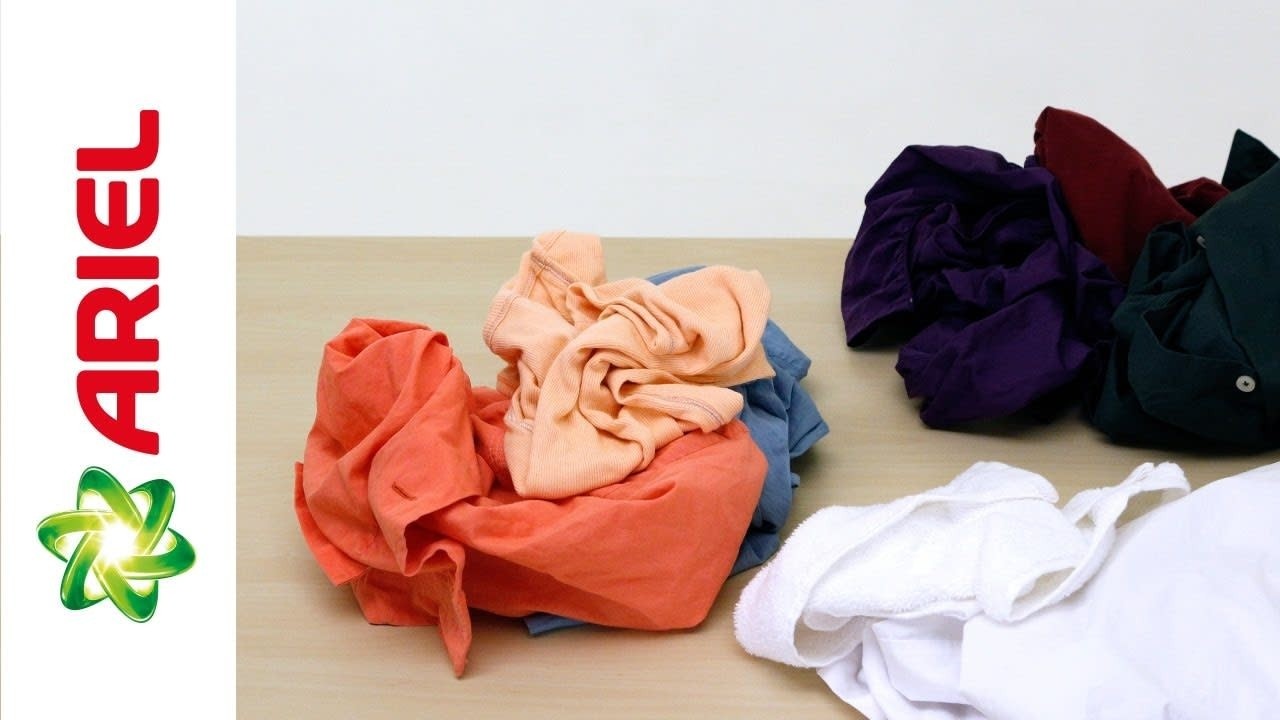
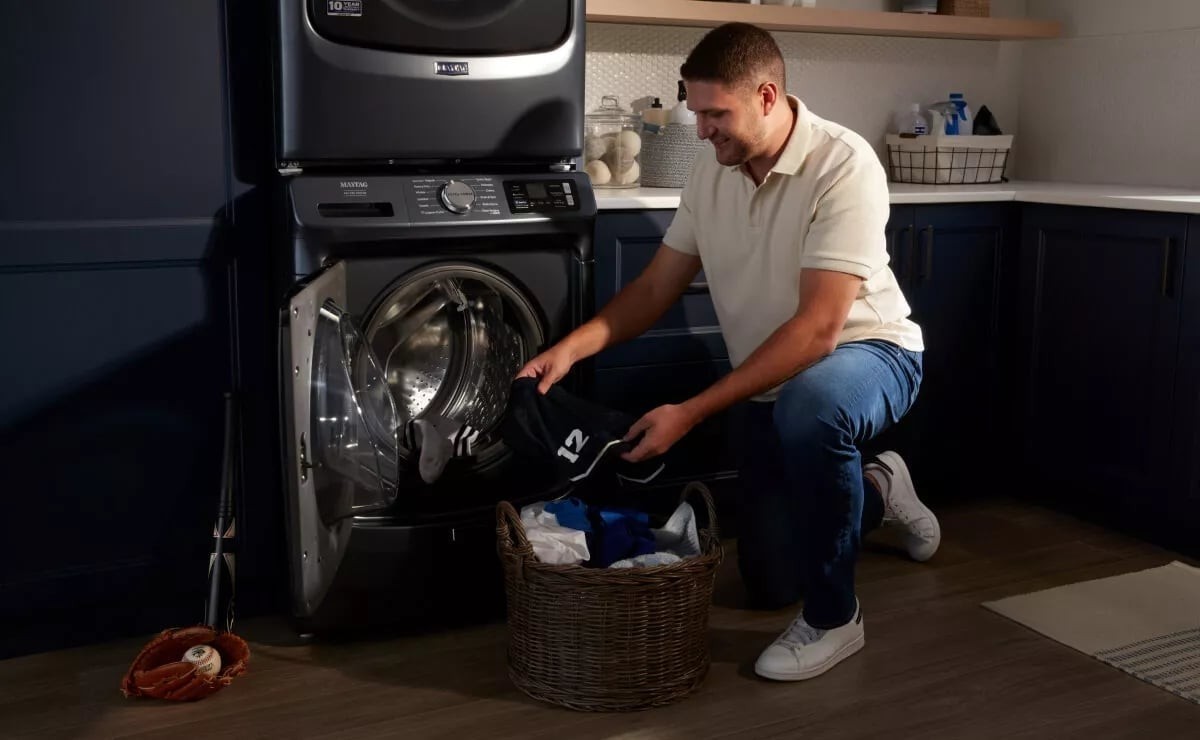
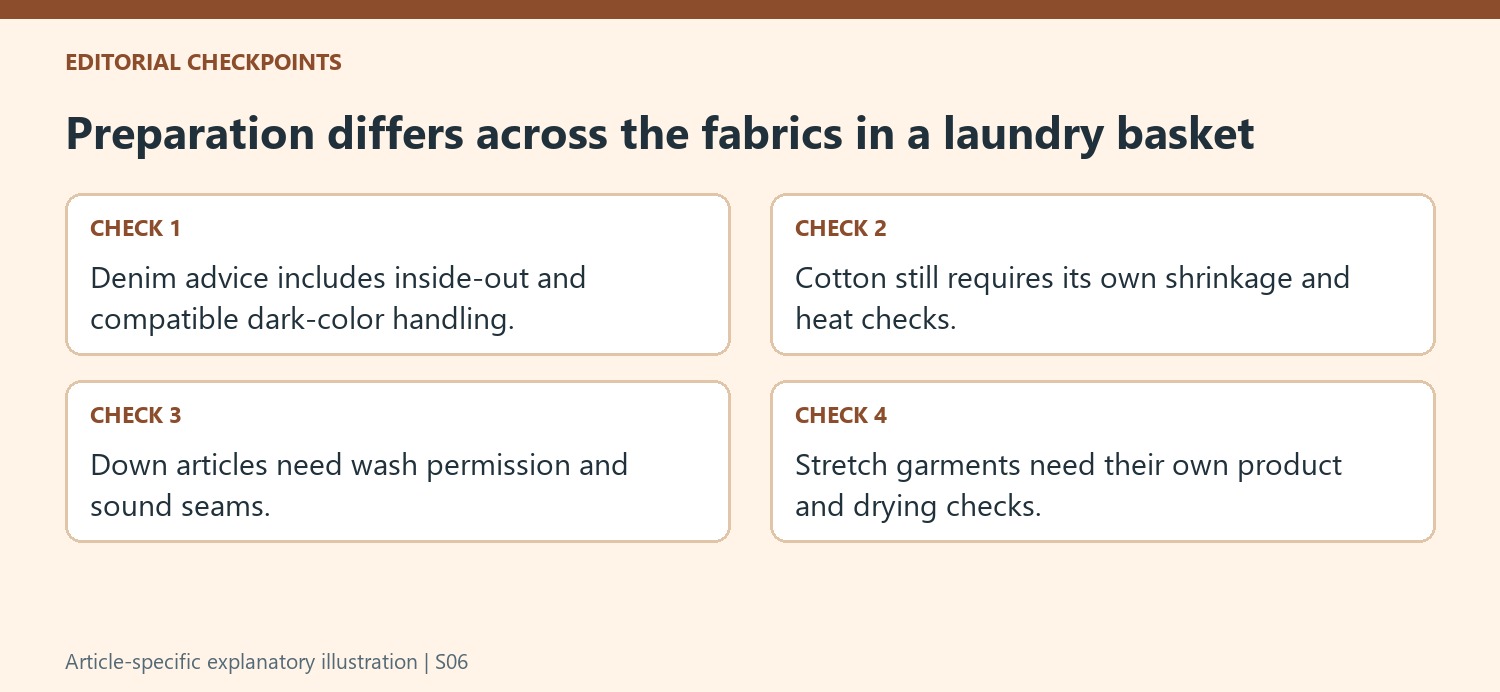
For denim, the source discusses turning garments inside out and washing them with appropriate darker colors using a cool, gentle process. Its cotton advice emphasizes separating colors and accounting for shrinkage risk. Down-filled coats or bedding need a machine-wash permission and a check of their seams before cleaning; the guide also discusses thorough rinsing. These are specific preparation questions rather than interchangeable steps. A mesh bag or inside-out wash cannot turn an item with unsuitable care instructions into a compatible addition to the same load.
Treat stretch components as part of the fabric
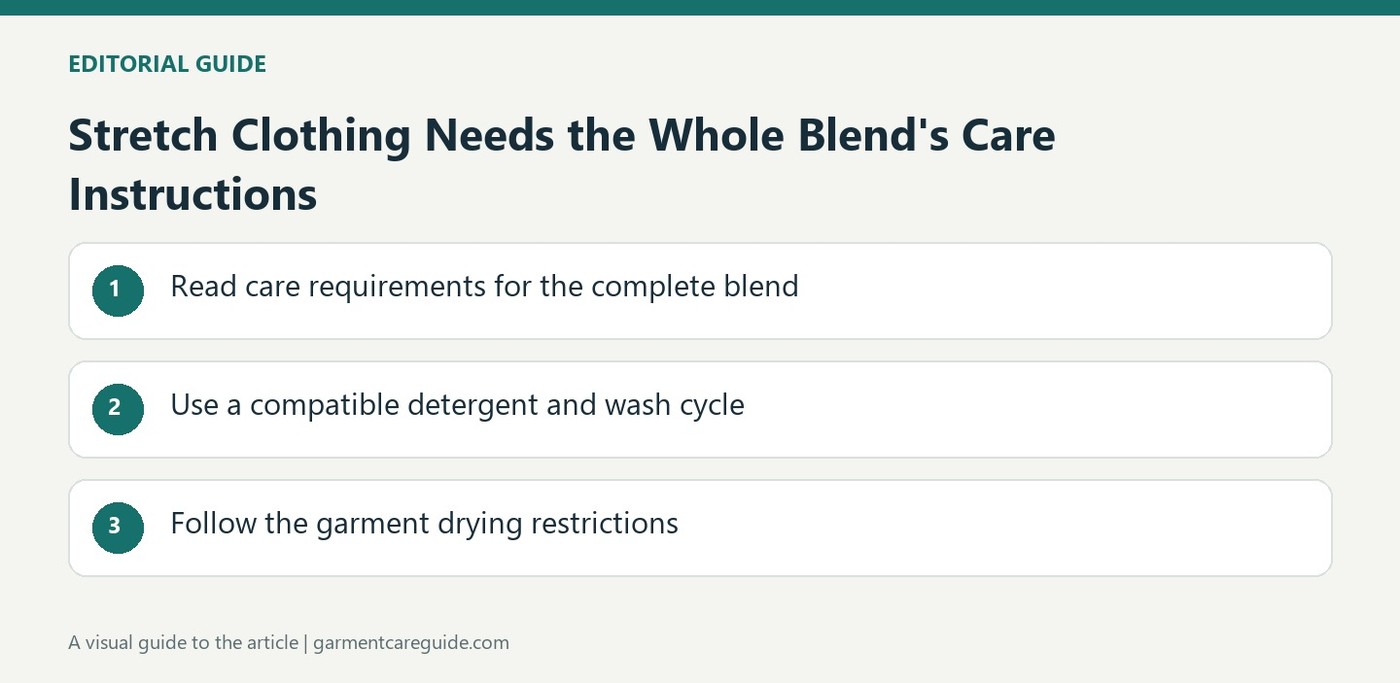
The source highlights spandex-containing clothes as another example of mixed care requirements. Such products can be based on cotton or manufactured fibers, making blend information relevant while leaving the garment label in charge. Its general recommendations avoid bleach, conditioner and tumble drying for the stretch garments described. Apply the actual item's more specific instructions where they differ. The broader lesson is to group clothing by allowed treatment, not just by whether it is casual wear, white or apparently durable. That approach connects material differences to practical choices instead of forcing the whole basket through one default cycle.
A denim preparation step cannot define the whole basket
Turning jeans inside out and washing appropriate dark pieces together are useful examples in Ariel's guide, but they operate within a suitable process. They do not establish that every dark item belongs with denim. A lightweight dark garment may require different movement or drying even if its color appears compatible. Use the label to compare those needs before adding it to the load. The same distinction applies to cotton: the fiber description gives context, while the finished item's instructions settle permitted heat and treatment. Reading the guide by fabric category is most useful when it leads back to those particular checks rather than becoming a short list of universal temperatures.
Inspect down-filled items before thinking about detergent
For down coats and bedding, the source asks readers to confirm machine-wash permission and examine seams before loading. These are construction and treatment checks that precede the choice of a product. A detergent selected for an allowed wash cannot correct a damaged seam or authorize a machine process excluded by the item's instructions. The guide also calls attention to thorough rinsing. Follow the item's and machine's compatible directions when planning that stage, and arrange the required drying method before starting. A filled article is therefore not simply another fabric swatch in the basket. Its assembly and filling make the whole product's condition and care instructions central to the proposed routine.
Stretch content adds another reason to compare instructions
Ariel points out that spandex-containing clothing can be based on cotton or manufactured fibers. That variety matters when considering a stretch item alongside ordinary garments of a similar color. The source's general stretch-care discussion favors lower heat and avoids certain additional treatments for the examples described. Read the actual article's claim rather than assuming those examples establish every detail. Check bleach, conditioner, and drying decisions independently, with product suitability considered alongside the garment. This is the same sorting principle applied to a different construction: a visible category such as leggings does not fully describe the fabric or its limits, and a shared wash setting cannot be inferred from appearance alone. Retain the care information for subsequent finishing as well.