GarmentCare Guide
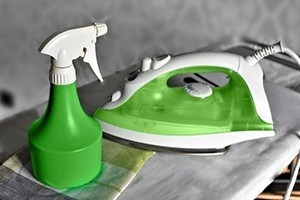
Flax identifies the fiber, not every care setting
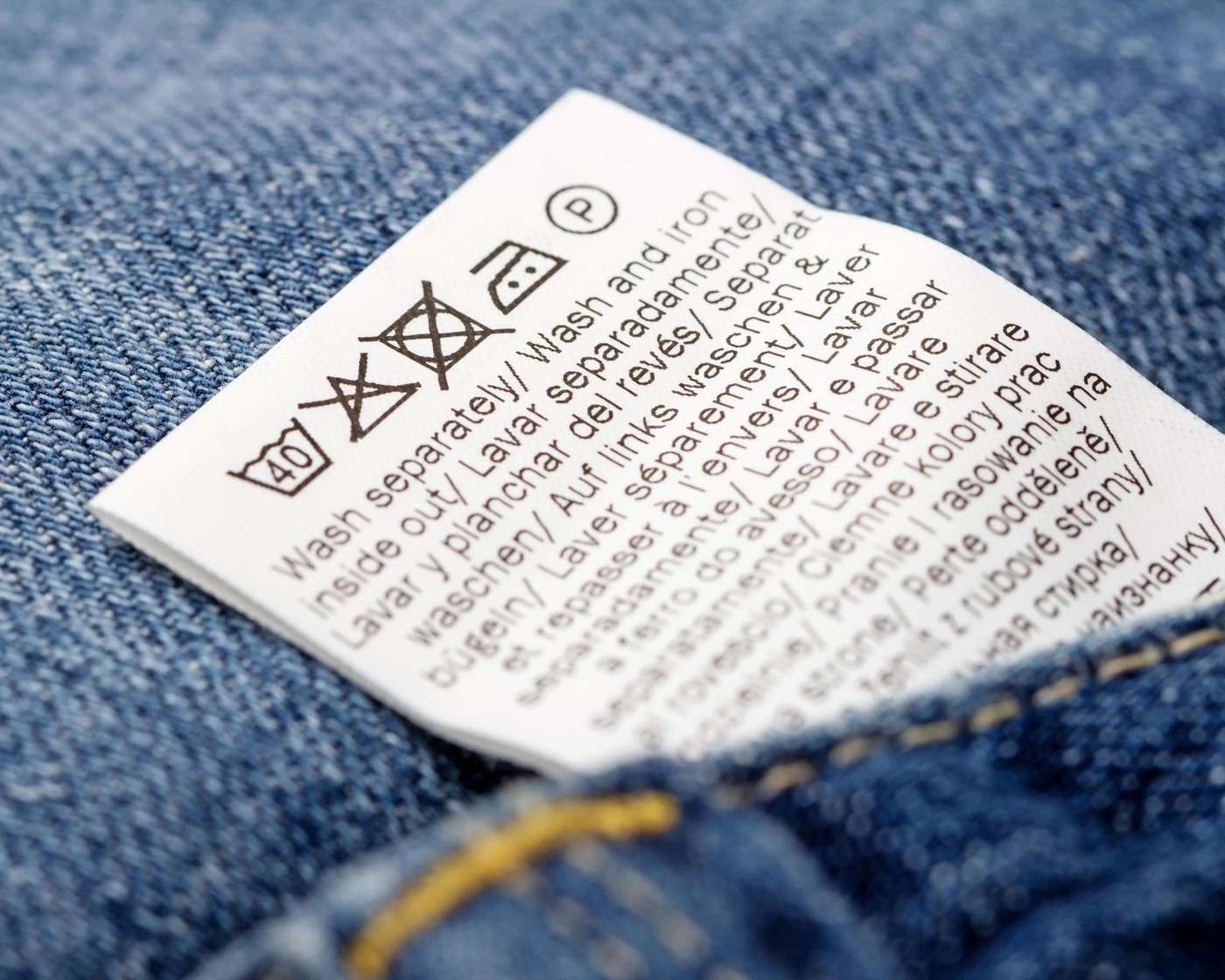
Linen is made from flax fibers that are prepared and spun into yarn before textile production. Ariel's guide notes its use in clothing, towels, bags and bedding, as well as blends with other fibers. Those different products should not all be assigned one treatment. Check the care label on the finished item before washing, especially where linen is combined with another material. Creasing is a recognizable feature of many linen fabrics, but the permitted wash method depends on more than how wrinkled the item appears.
Wash colors within the garment's limits
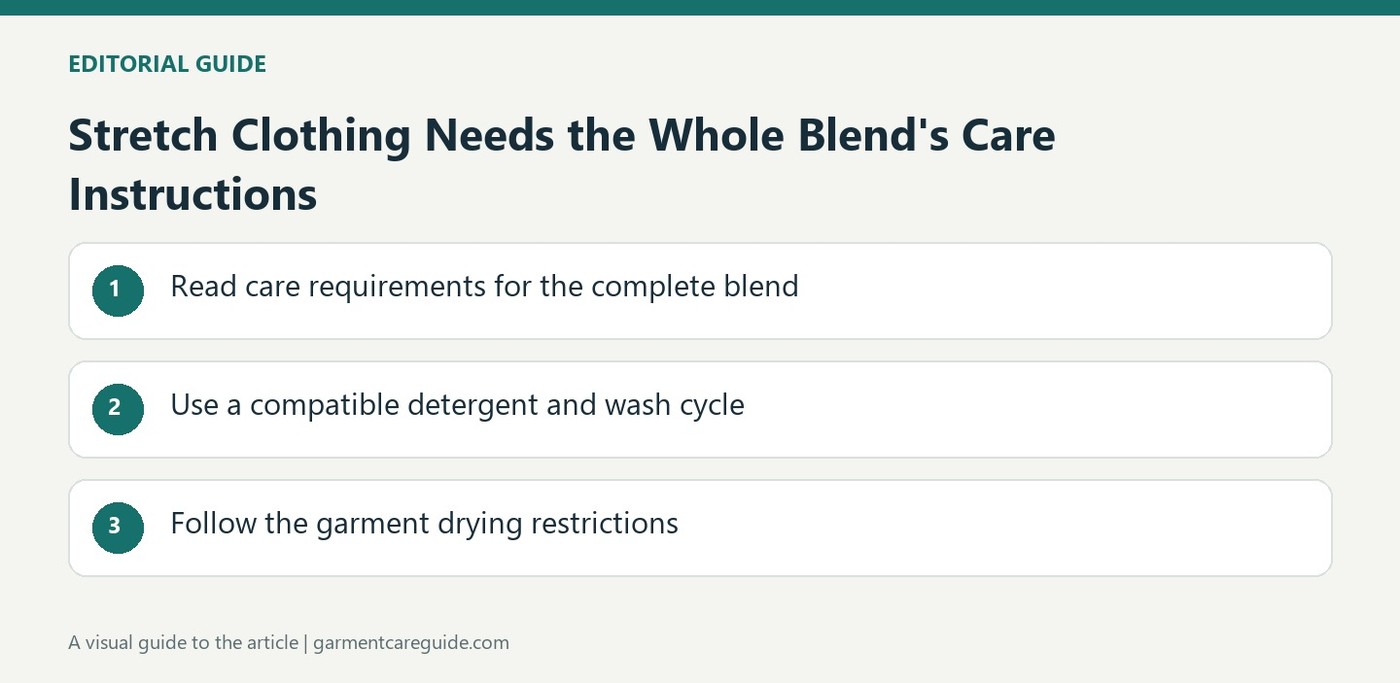
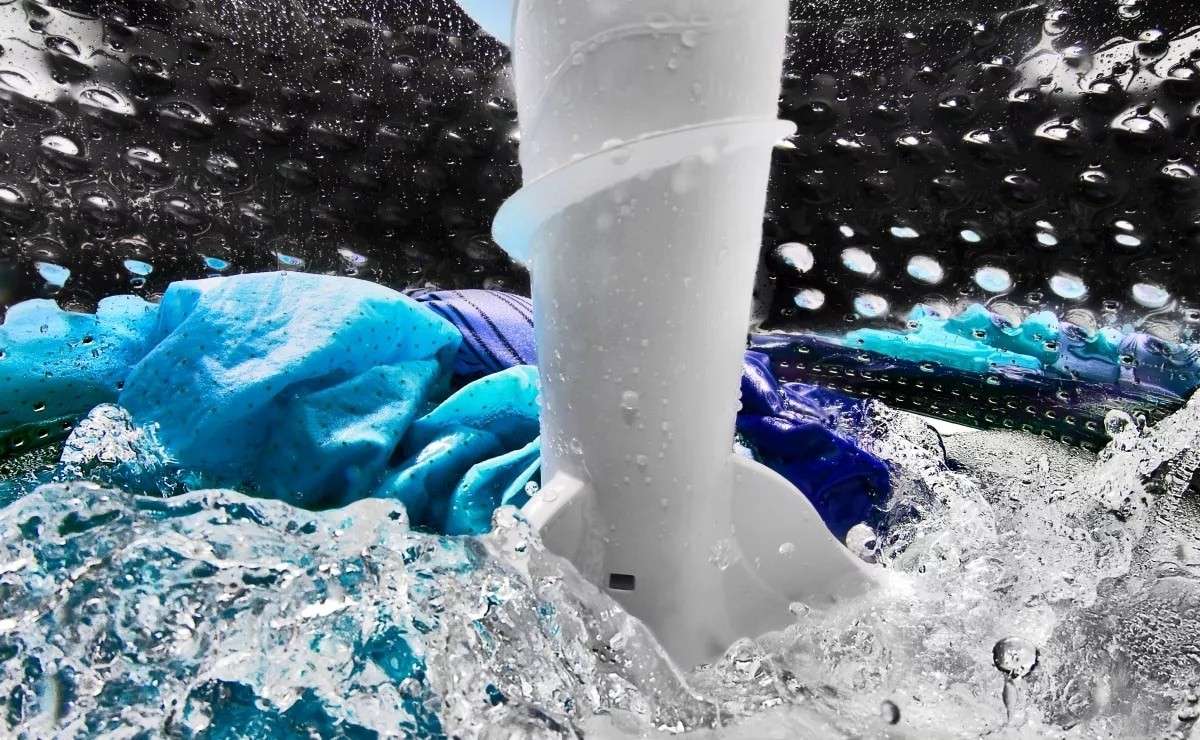
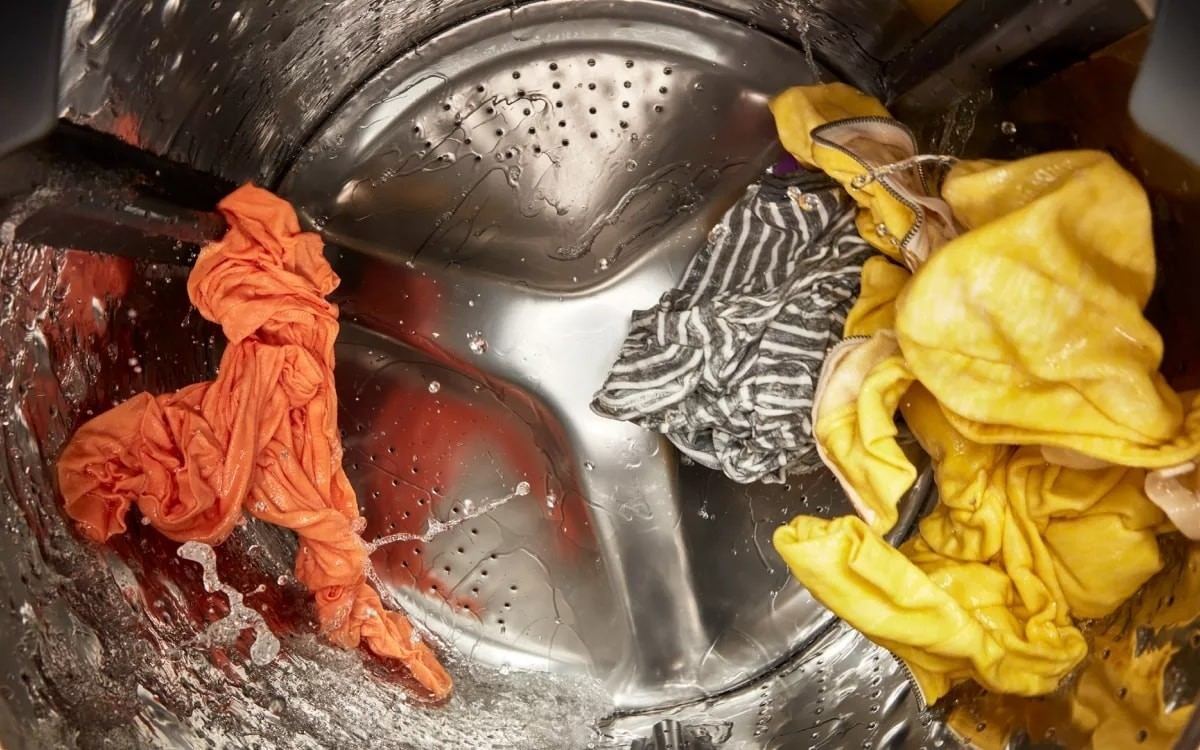
The source describes cold machine washing for many linen items, subject to their own labels, and notes that cooler water can help protect colored fabric. Select a suitable detergent and follow its dosing instructions rather than assuming more product improves care. A garment's washing permission still needs to be read alongside any bleach and drying restrictions. This keeps the routine specific to the item. A linen table textile, summer shirt and blended dress may share flax content while requiring different handling, programs or finishing choices after the wash.
Avoid turning drying into an afterthought
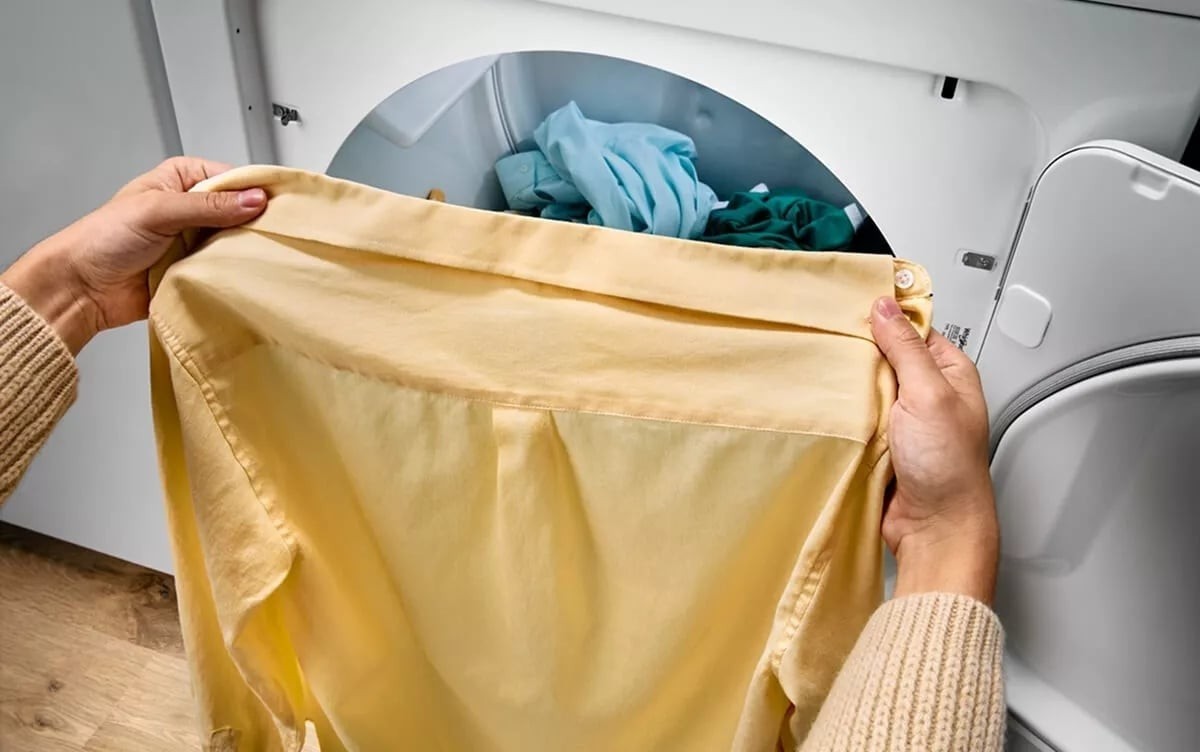
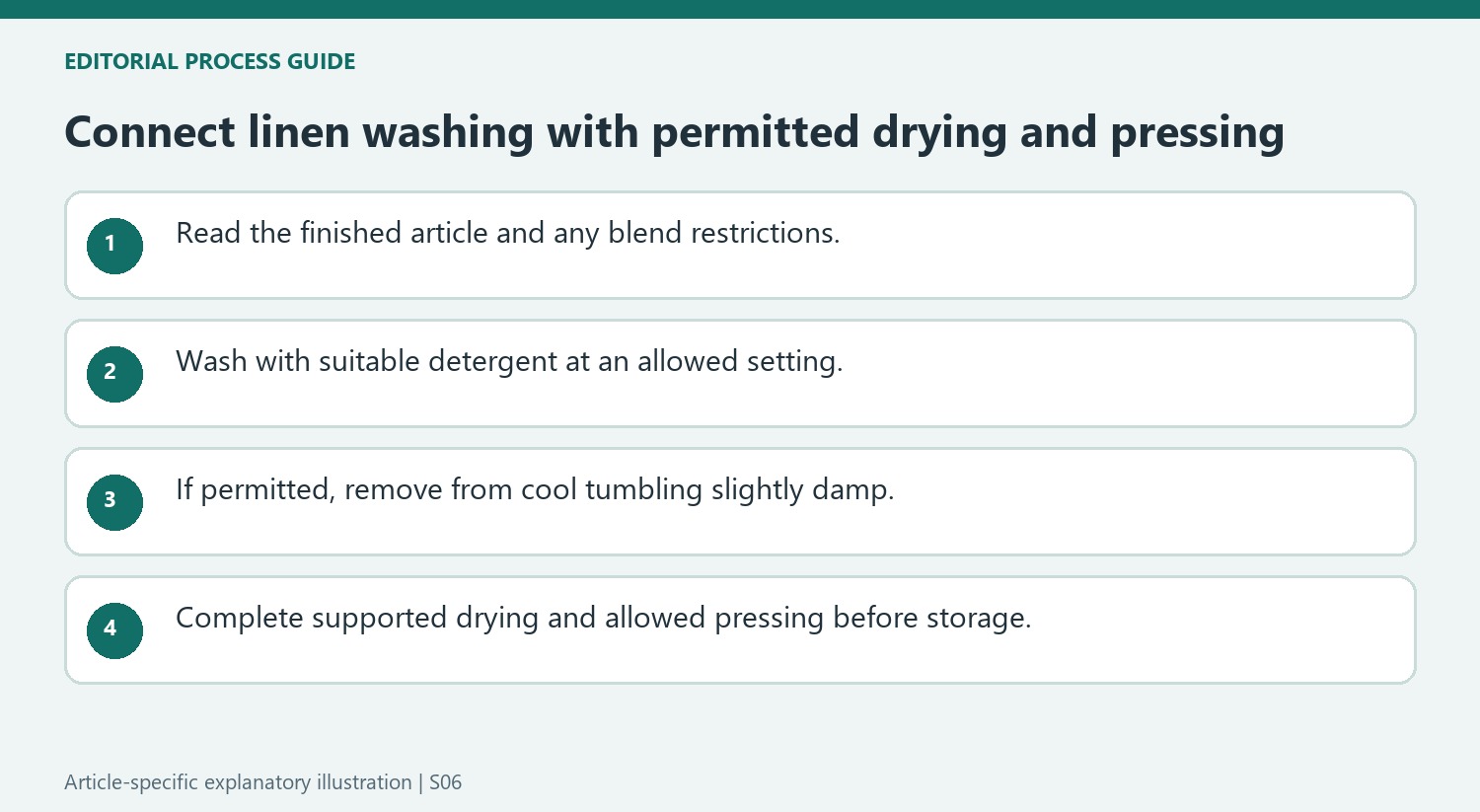
For linen that permits tumble drying, Ariel discusses cool settings and removing the item while it remains slightly damp to avoid overdrying. The garment can then complete drying in its permitted position. The guide also describes pressing slightly damp linen, with the iron's setting governed by the label. A padded board provides support while working through creases. Store the clean, dry item in a cool and dry place. Thinking through washing, drying and pressing together helps use the fabric's remaining moisture deliberately instead of leaving a dried, creased garment to be handled without a plan.
Prepare the finishing space before the wash ends
Ariel's linen sequence makes the transition from washing to drying and pressing especially useful to plan. If the item permits cool tumble drying and is to be removed while slightly damp, decide in advance where it will go next. Have the allowed hanging or flat arrangement ready, together with the pressing equipment if ironing is intended and permitted. Otherwise, a helpful instruction about remaining moisture can become difficult to follow in practice. The relevant question is not simply whether the linen is dry enough to remove from the machine. It is how that particular garment will complete its allowed care routine without being left in an unsuitable position while the next step is improvised.
Remaining moisture is a handling aid rather than protection from any heat
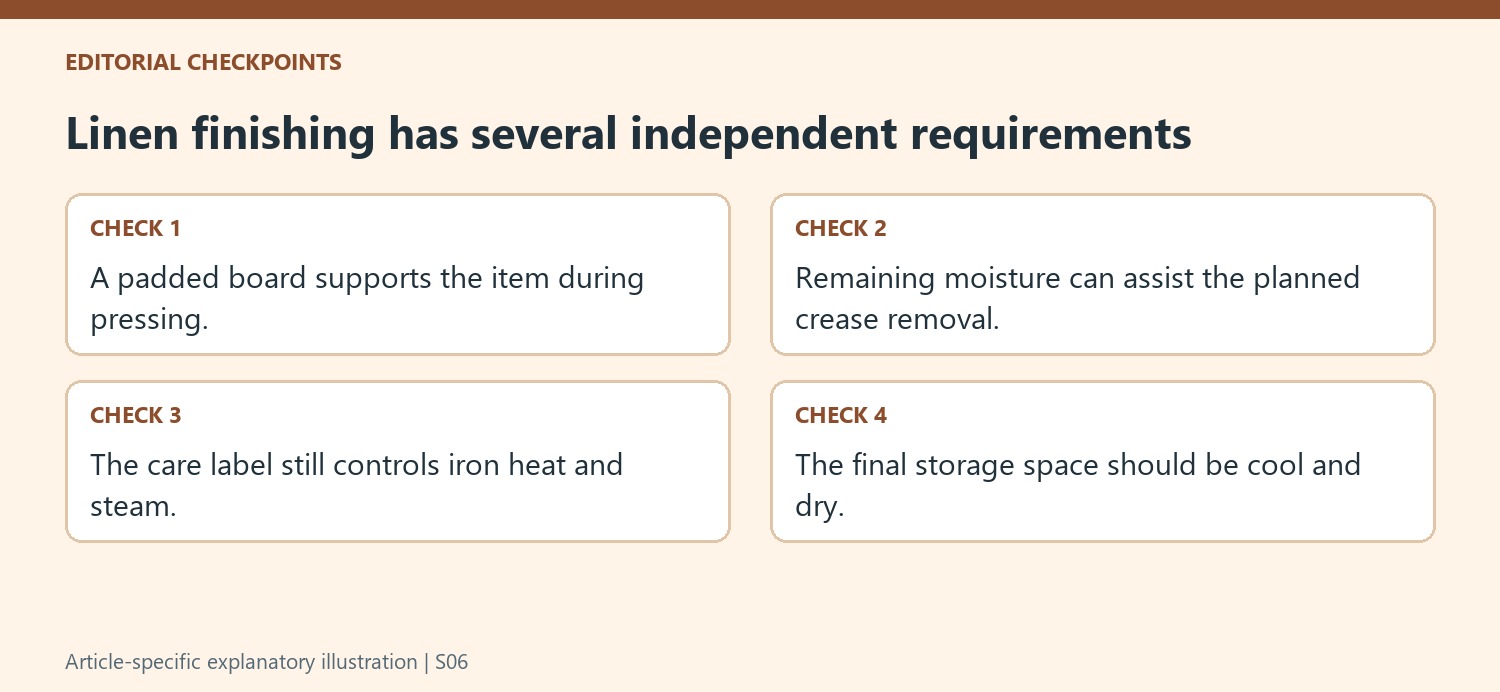
The guide describes pressing linen while it is slightly damp or lightly moistening it on a padded ironing board. Those suggestions help organize crease removal, but they do not replace the label's permitted iron setting. Damp fabric is not evidence that an unrestricted temperature will be harmless. Read the pressing instruction for the completed item, particularly where linen is blended with another fiber or combined with decorative components. Keep the distinction between useful preparation and treatment permission clear. The board supports the item and the remaining moisture assists the planned work, while the garment's own care information determines whether the iron and any steam may be used and under what limits.
Apply a linen routine to the actual product
The source lists linen across clothing, towels, bags, aprons, and bedding. Those examples illustrate why the fiber name alone is too broad to define a household treatment. A summer shirt and a household textile can differ in construction, color, blend, and finish even when both contain flax. Before combining them, compare their wash and drying requirements rather than relying on a shared linen description. Follow the detergent directions for the permitted load and check any optional treatment separately. After drying and allowed finishing, use the guide's cool, dry storage approach. This keeps the full routine attached to the finished product instead of turning a general fiber overview into a promise about every linen article.