GarmentCare Guide
Begin with a cool disconnected appliance
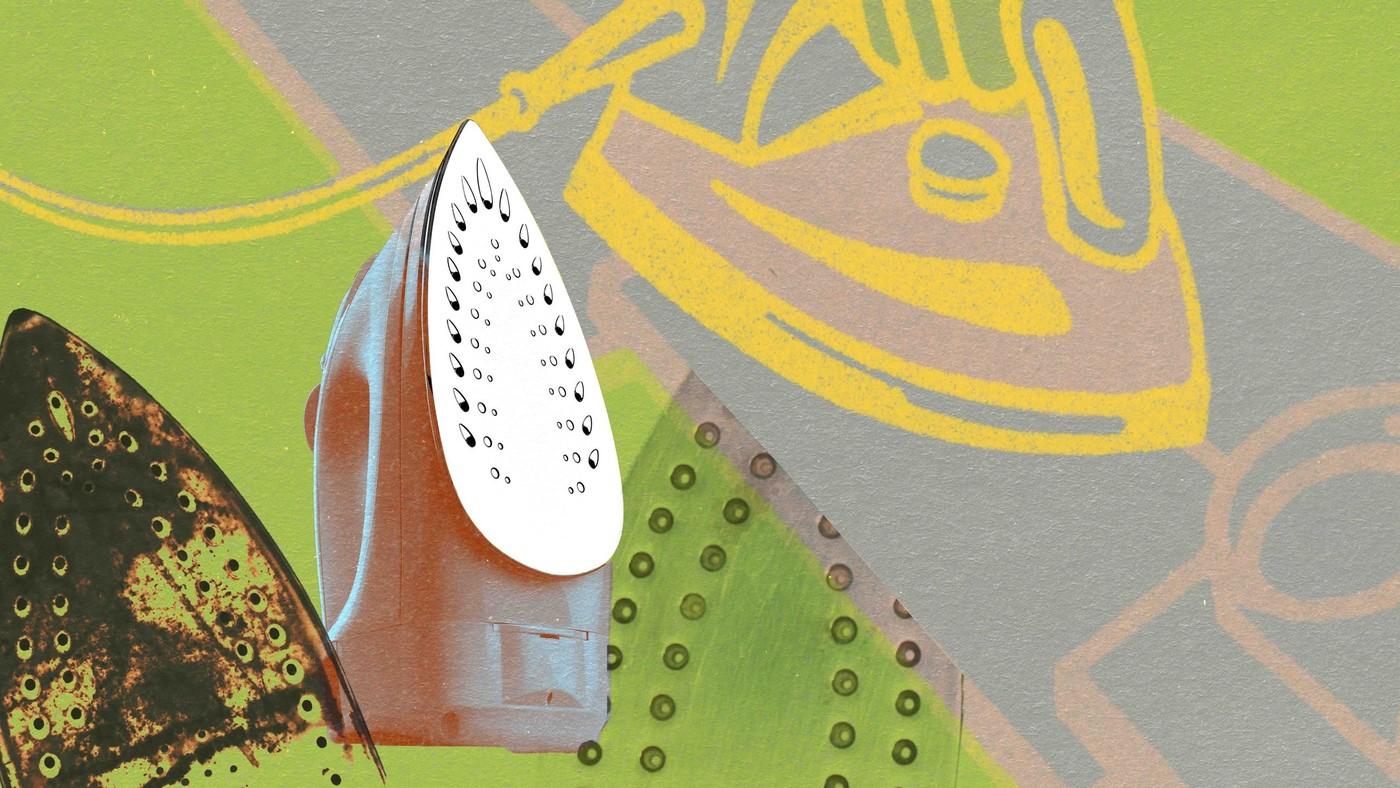
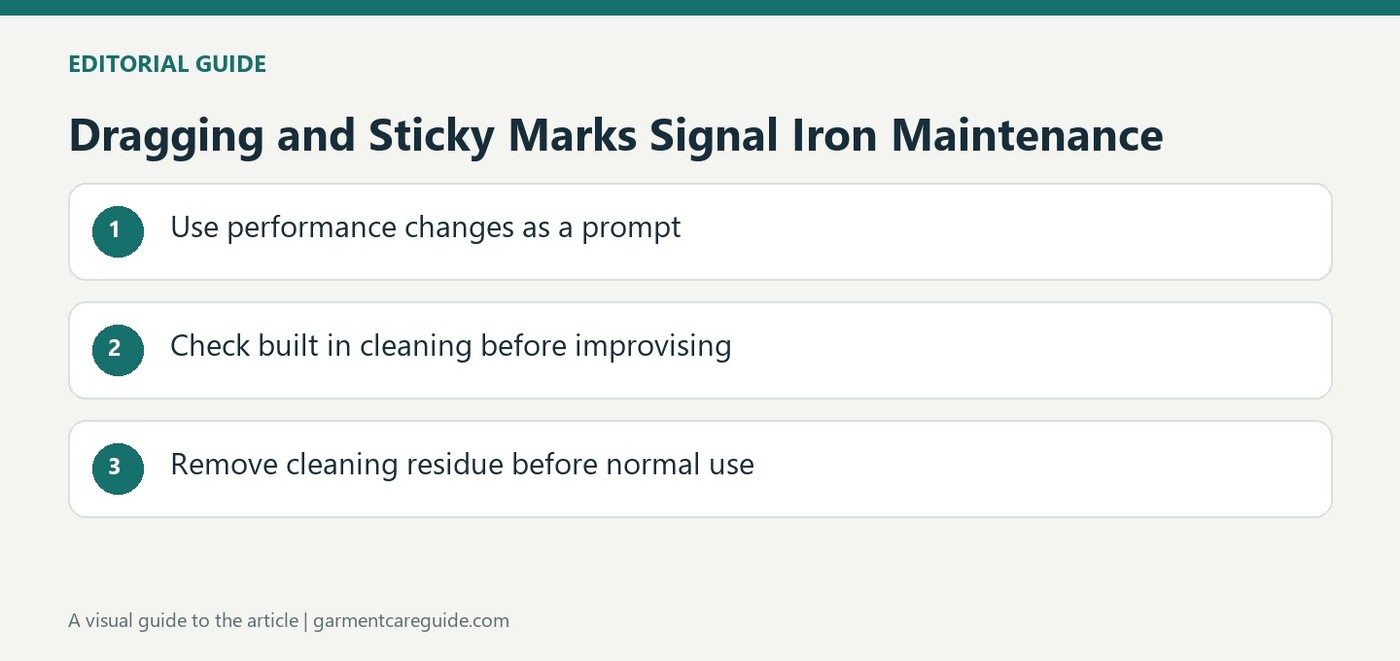
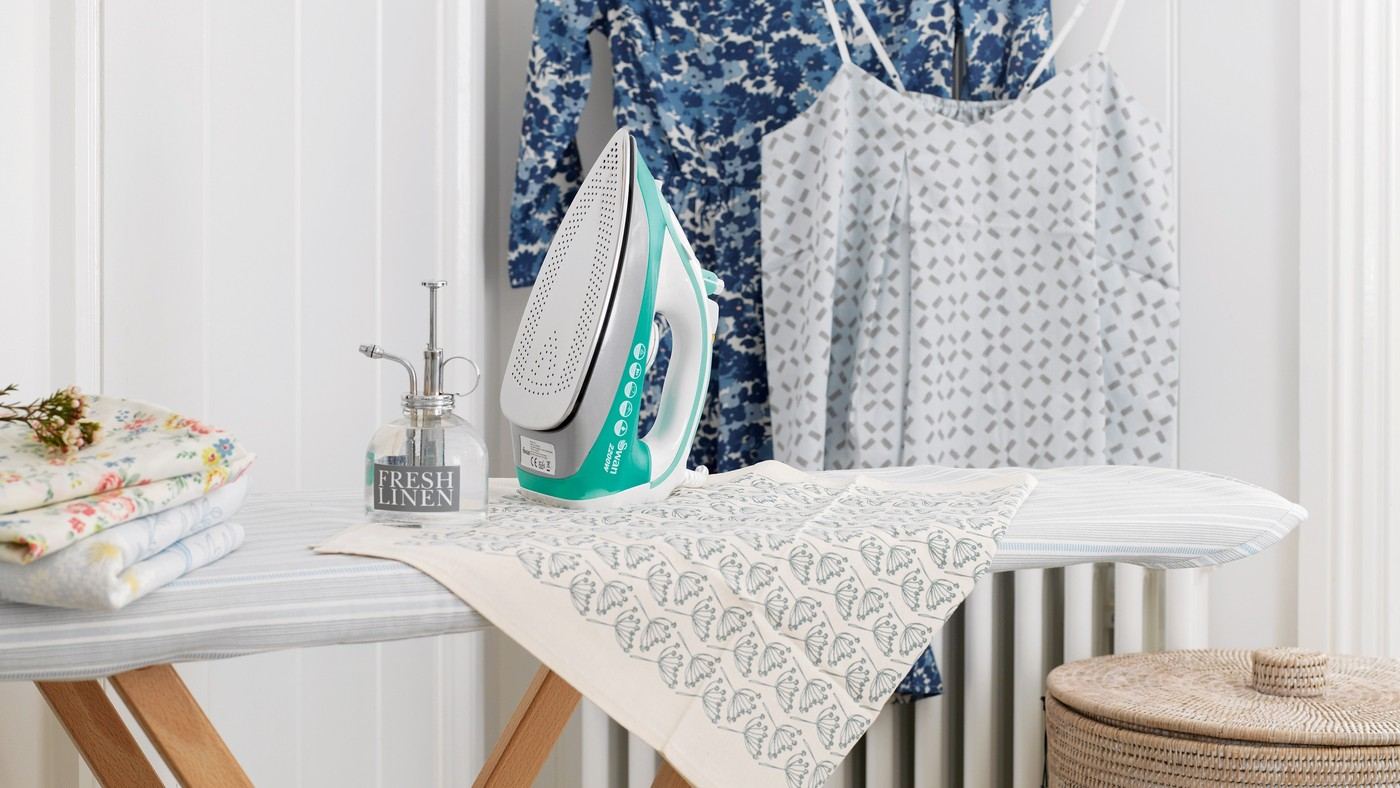
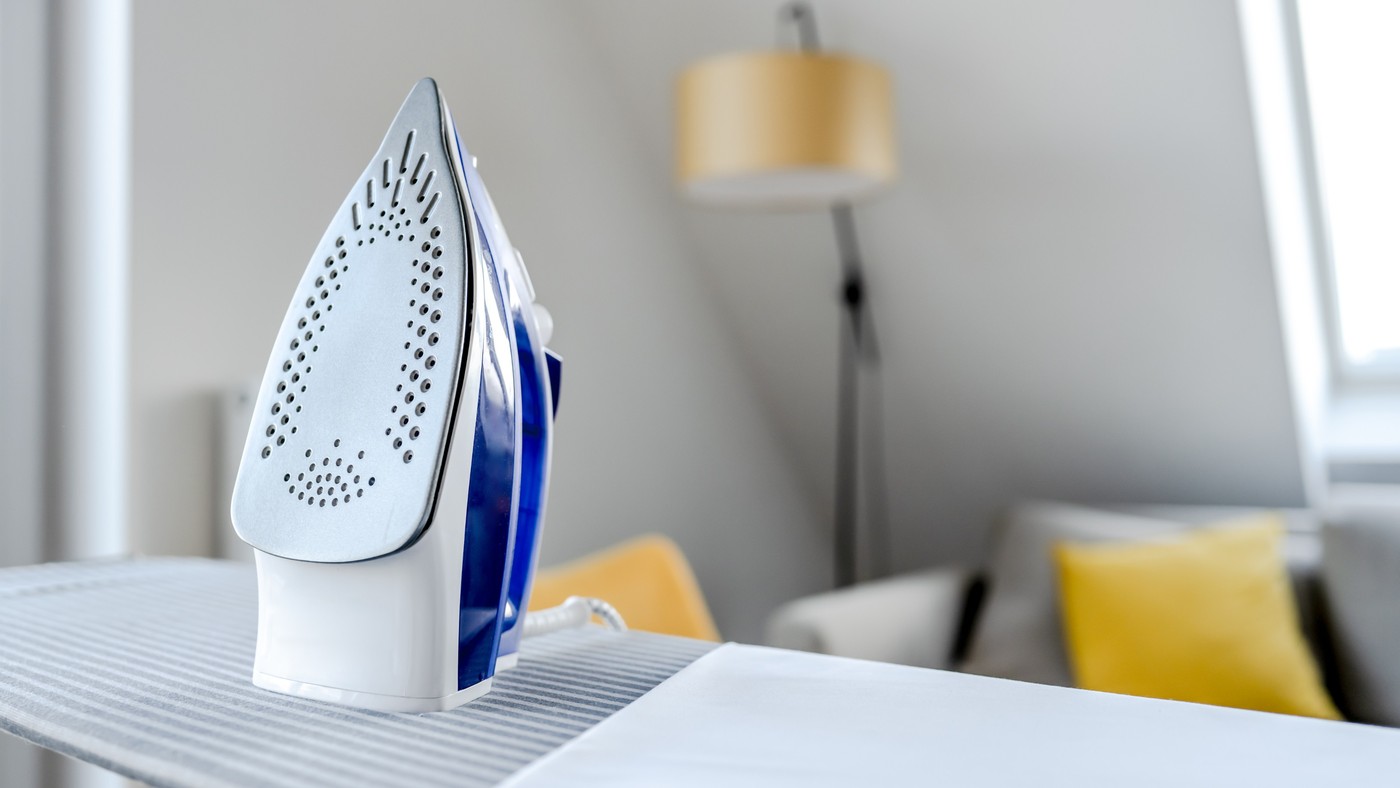
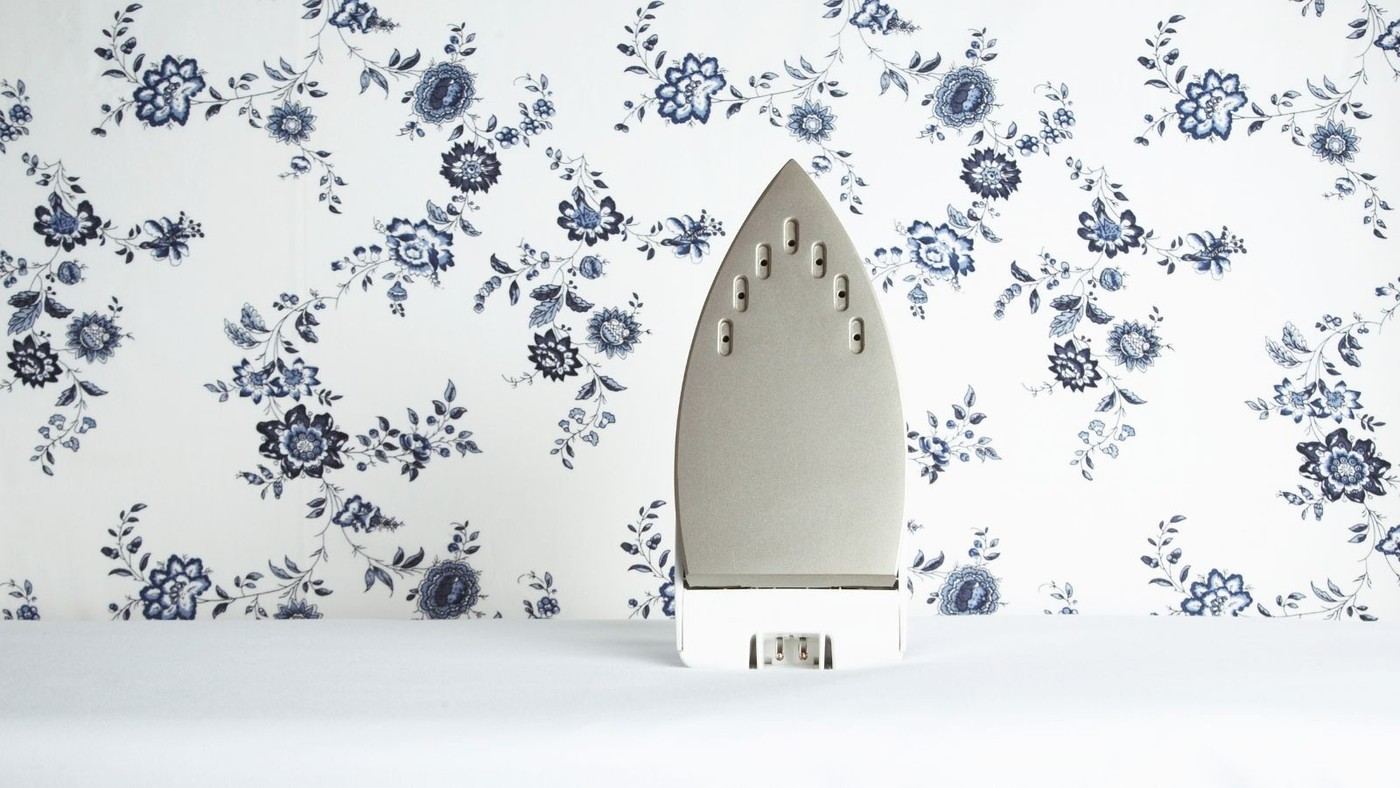
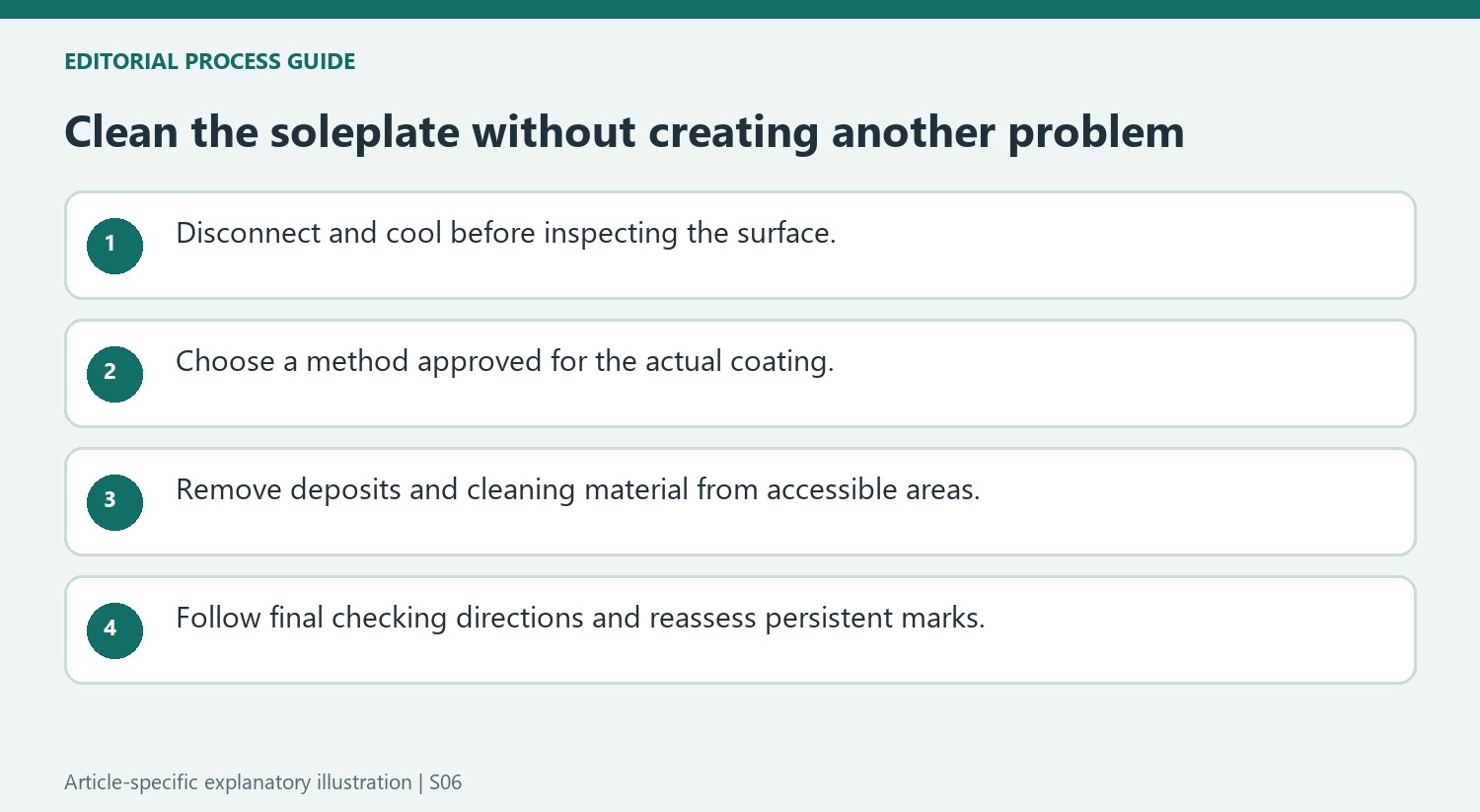
Homes and Gardens describes cleaning an iron's base as a separate task from using it to press clothing. Disconnect the appliance and allow it to cool fully before touching the soleplate for cleaning. Visible deposits, sticky areas or residue around steam openings can explain why a supposedly clean laundry session produces marks. Inspect where the material is located rather than immediately applying a stronger cleaner. A surface deposit and an internal water system problem may need different approaches. The article's advice to start with cooling and disconnection creates the right conditions for a controlled inspection rather than hurried work beside hot metal.
Match the cleaner to the soleplate
The source discusses vinegar based cleaning but explicitly notes that reservoir treatment may not be appropriate for all irons. Check the manufacturer's instructions for both the external plate and the internal system before using any product. Apply an approved surface cleaner with the type of soft cloth specified, avoiding metal tools and strong abrasives that can scratch the plate. Do not force paste or loosened debris into the steam holes. Residue left by cleaning can become another obstruction, so removing the product properly matters as much as lifting the original dirt. Follow the required rinsing, wiping or flushing procedure for the model.
Reduce the need for repeated heavy cleaning
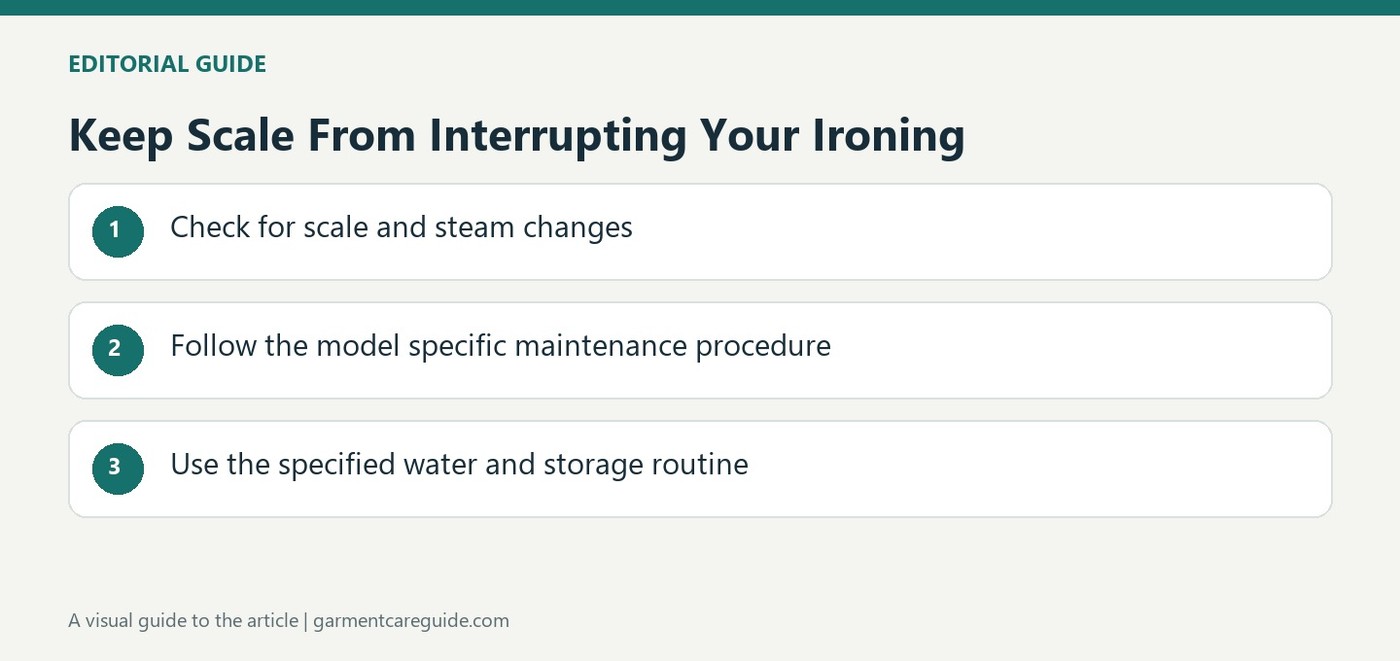
Correct water choice and storage can help manage the deposits that later interfere with steam. Use the water type recommended for the appliance and empty the tank after use where directed. Inspect the plate periodically so small changes are noticed before residue builds into a larger problem. If a compatible cleaning method does not resolve marking, spitting or poor glide, seek service guidance instead of increasing abrasion. A clean appearance alone does not establish that an internal fault has been corrected. Consistent maintenance supports the intended operation without relying on one cleaner as a universal solution.
Keep the external plate and water chamber separate
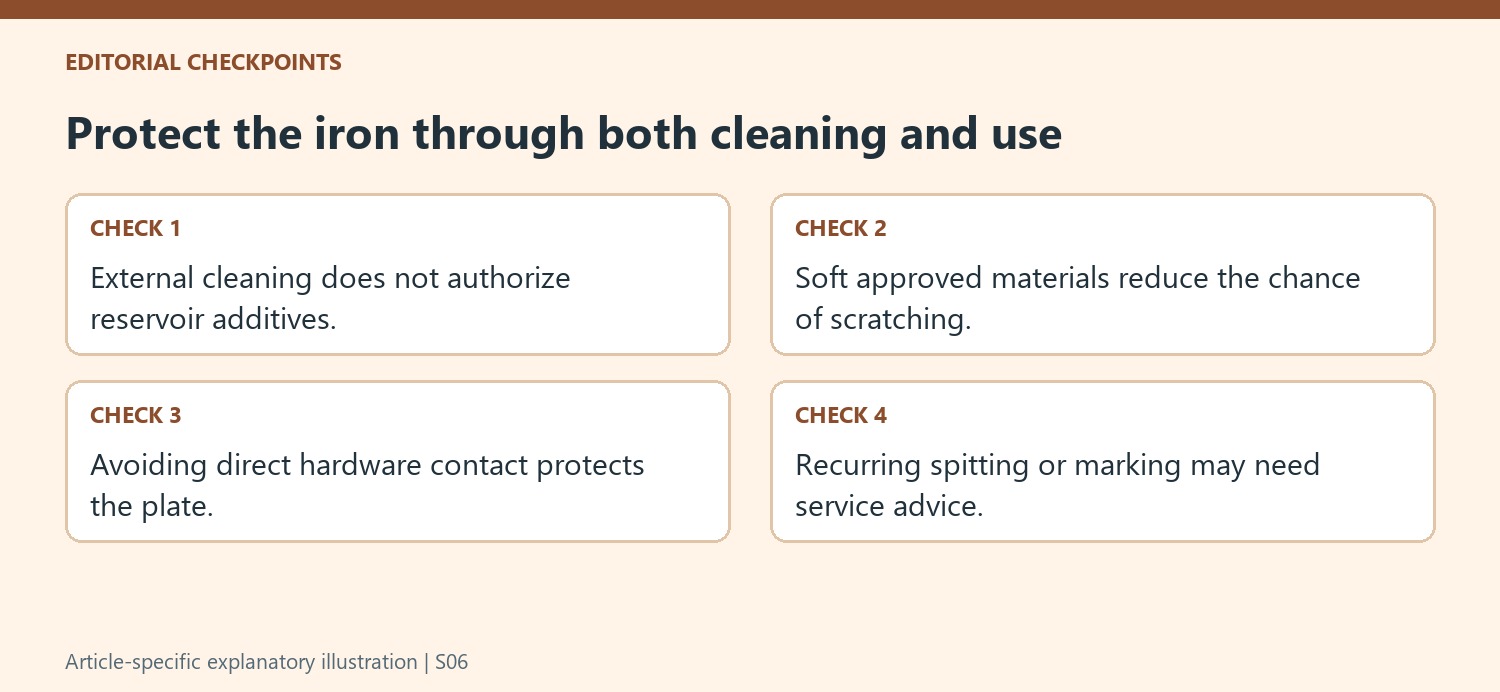
The source explicitly notes that a vinegar treatment inside the reservoir may not suit every steam iron. That distinction should guide the whole cleaning decision. A product permitted on an outer surface is not automatically approved for internal seals, channels, or scale-management components. Find the model's directions for each affected area before beginning. If the symptom is a sticky patch on the plate, focus on the documented surface method; if material emerges with steam, consult the relevant internal maintenance procedure as well. Do not add a liquid simply because the appliance has a water chamber. The correct route depends on the design, and the absence of a restriction in a general article is not manufacturer approval.
Protect the soleplate while removing deposits
The source recommends a soft cloth and warns against metal tools or strong abrasion. These points matter because cleaning should not create scratches that later catch or mark clothing. Start with the required cooling and disconnection, inspect visible deposits, and use only the compatible method. Pay attention to the steam openings when removing loosened material; a surface that looks cleaner can still have product left where it may dry into an obstruction. Follow the prescribed final wipe or flush rather than increasing the scrubbing force until the plate shines. If the coating is already damaged, stop treating it as ordinary removable dirt. Manufacturer advice is more useful than another abrasive attempt to restore a surface that has physically changed.
Reduce avoidable contact with garment hardware
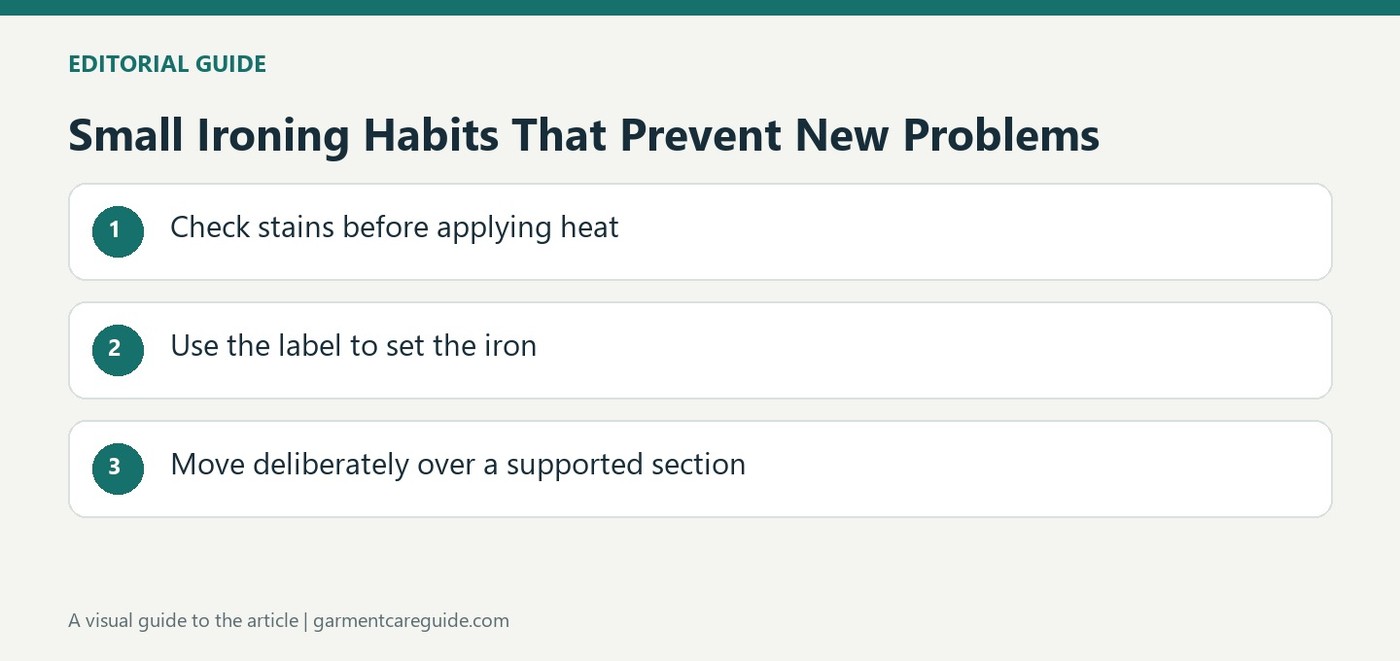
The prevention advice includes avoiding direct passes over metal embellishments such as zippers, rivets, and snaps. Arrange the garment so the permitted fabric area is supported and the iron can work beside hardware rather than scrape across it. This is distinct from mineral maintenance, but both practices help protect the working surface before a problem reaches the next item of laundry. Continue with the model's specified water and storage routine, and inspect the plate when its glide changes. Usage and added garment products can affect how often attention is needed, so follow the manual alongside actual observations. Persistent spitting or marking after correct cleaning is a reason for further advice rather than a signal to try increasingly aggressive surface treatment.