GarmentCare Guide
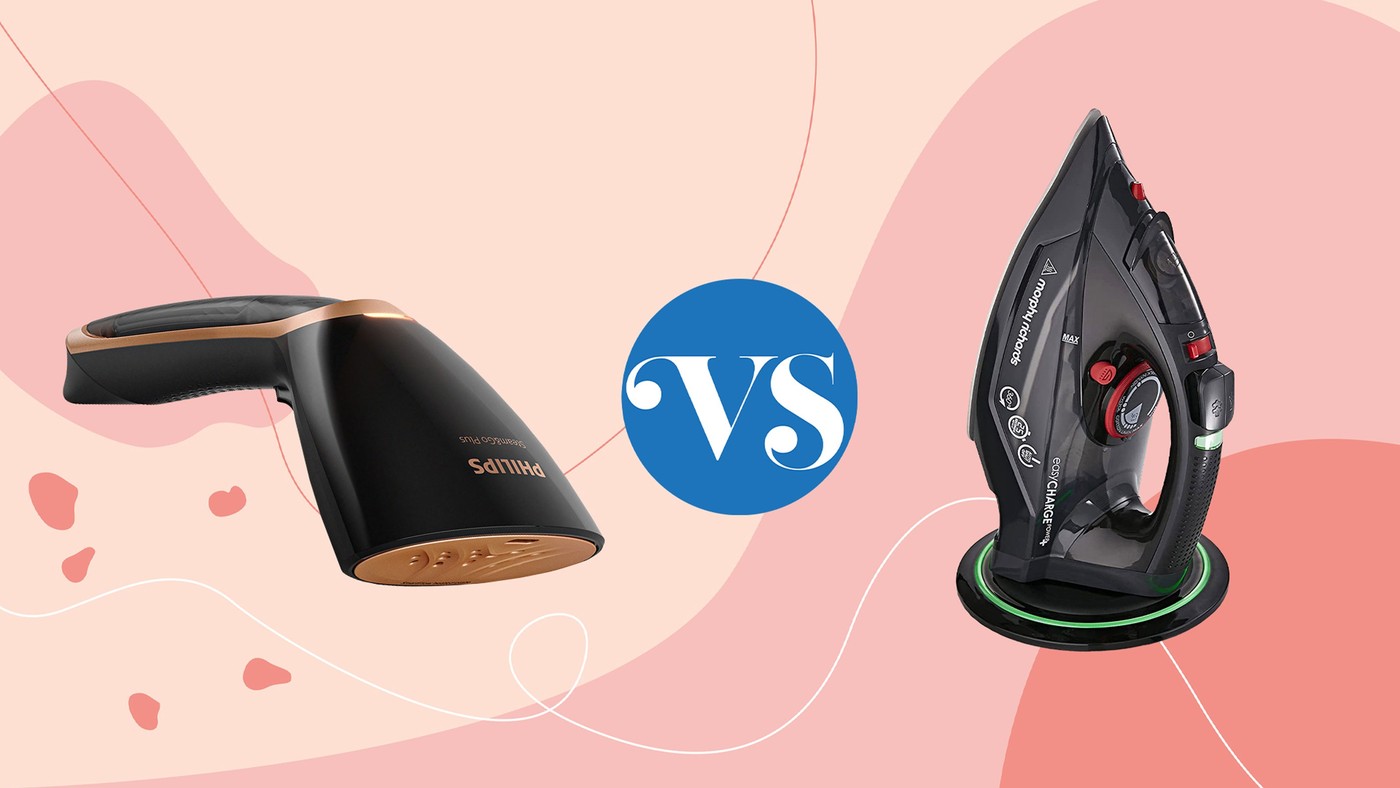
Separate smoothing from deliberate creasing
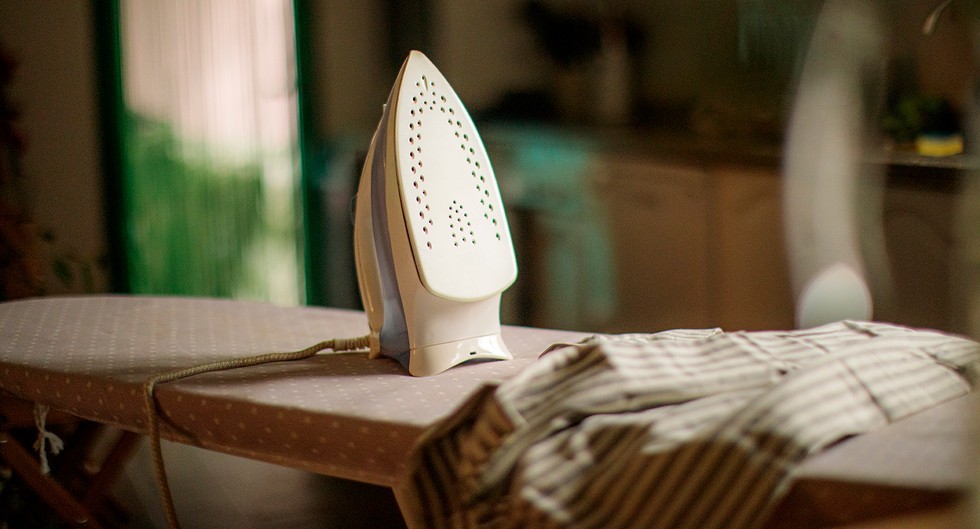
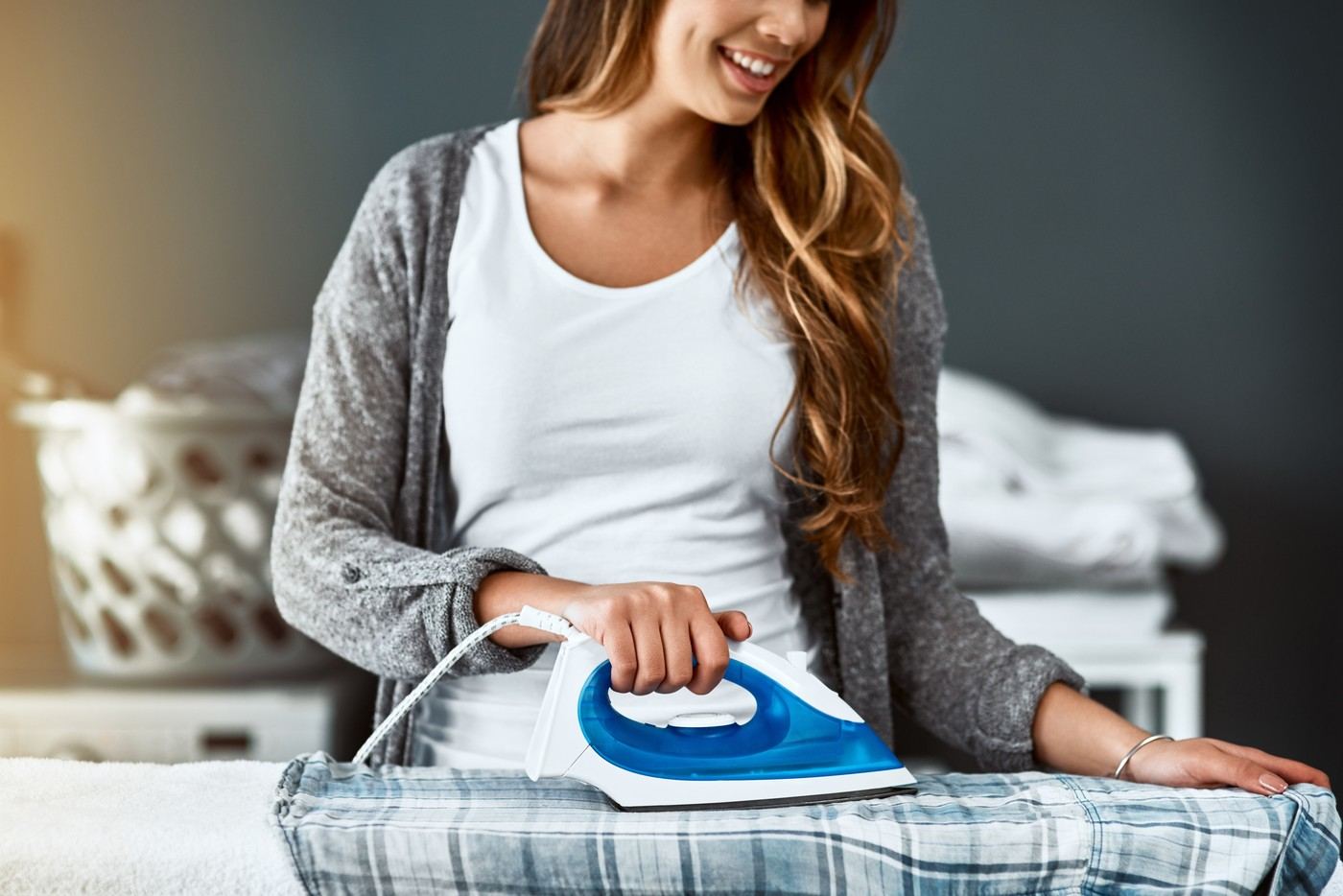
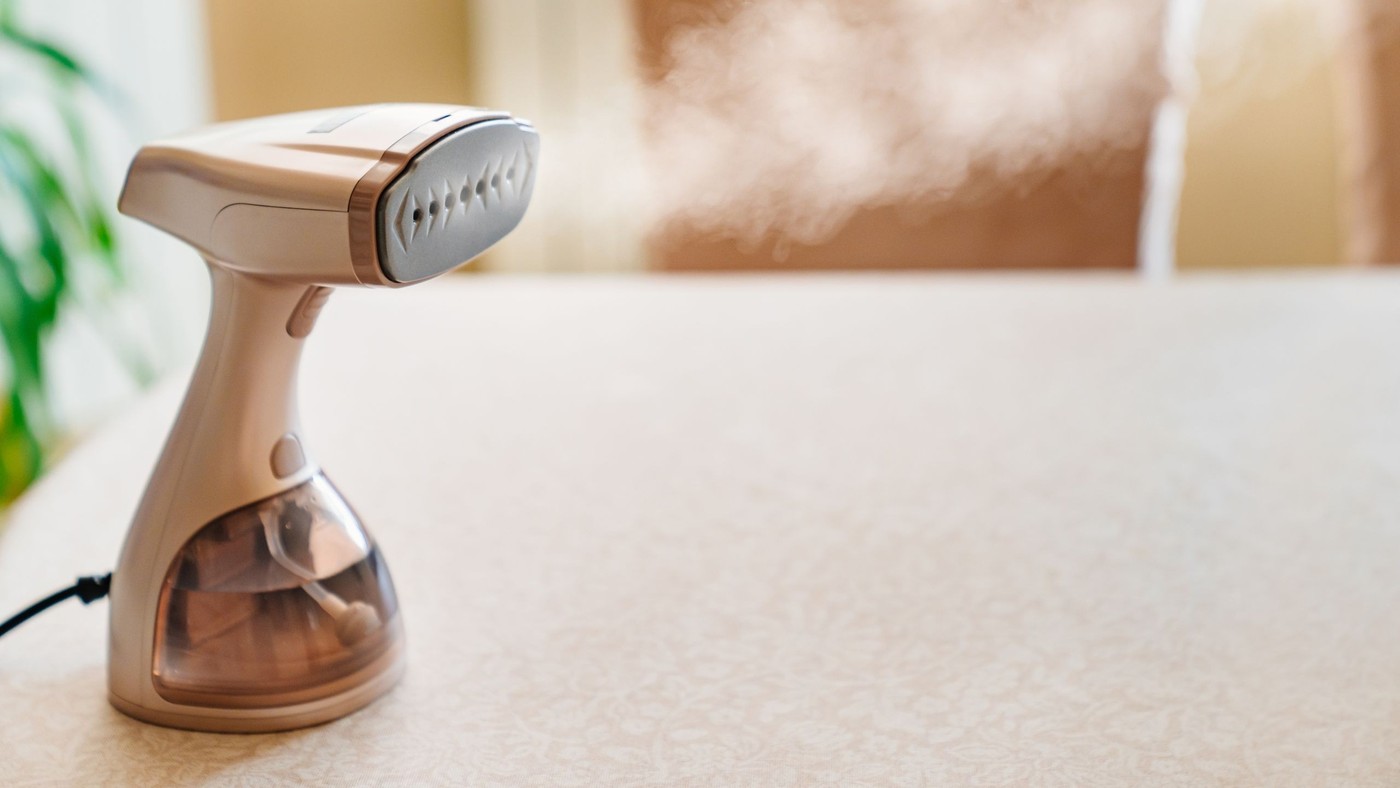
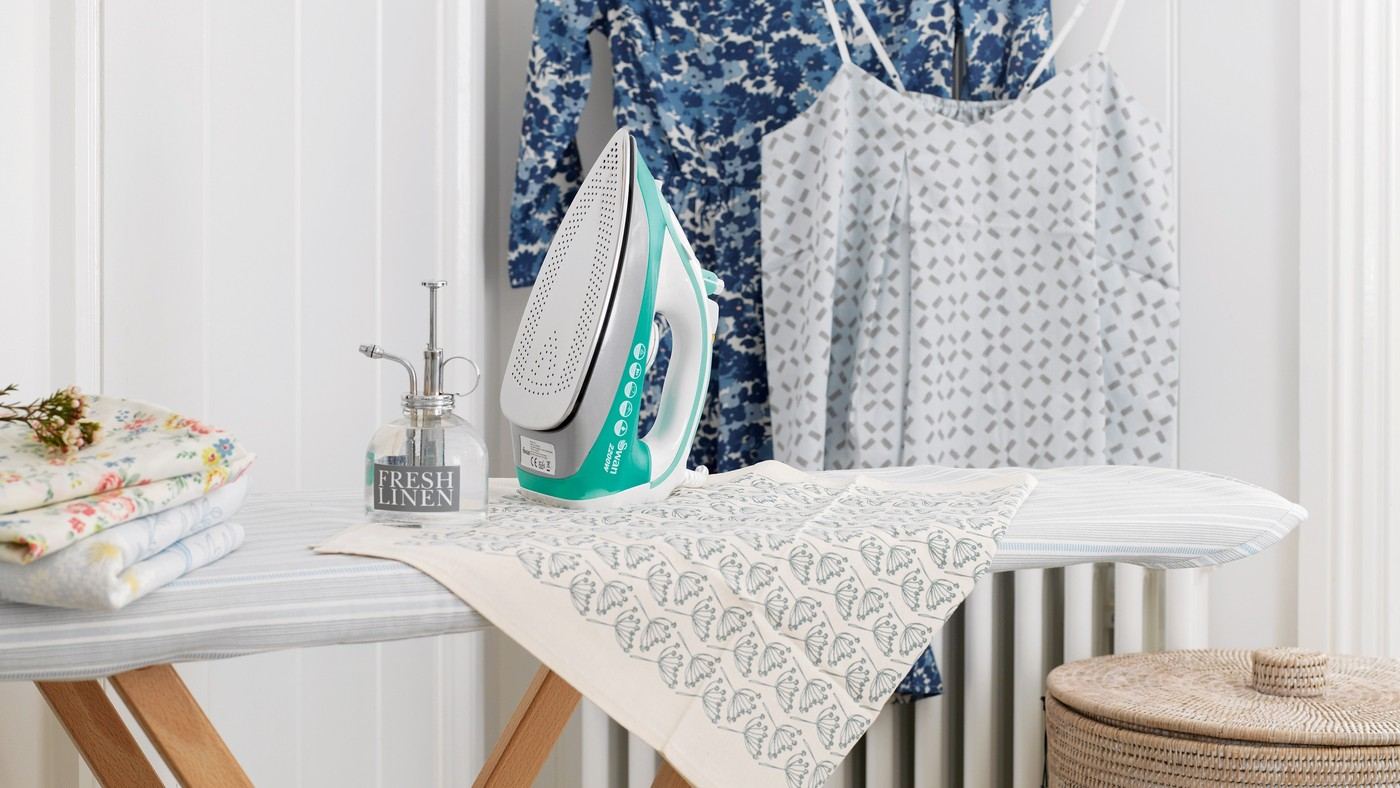
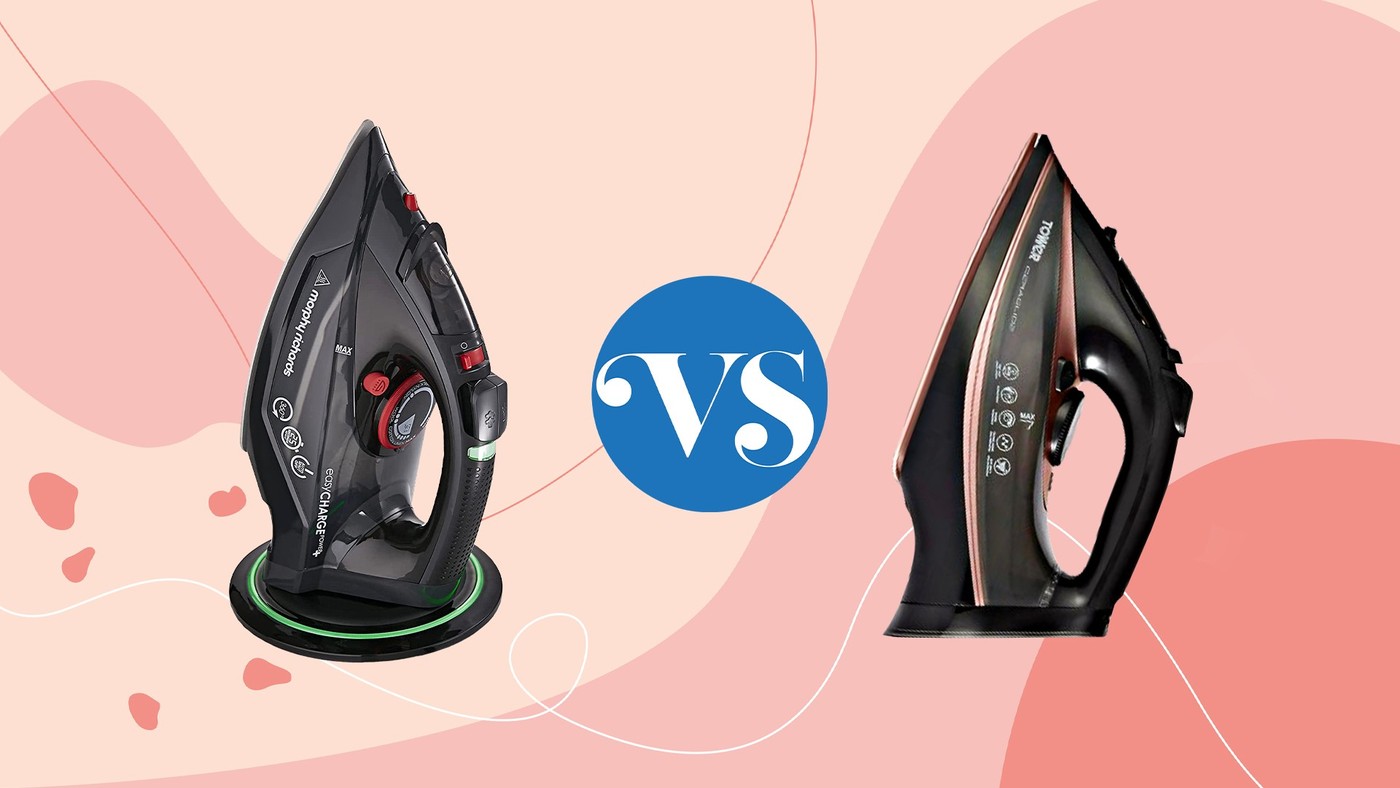
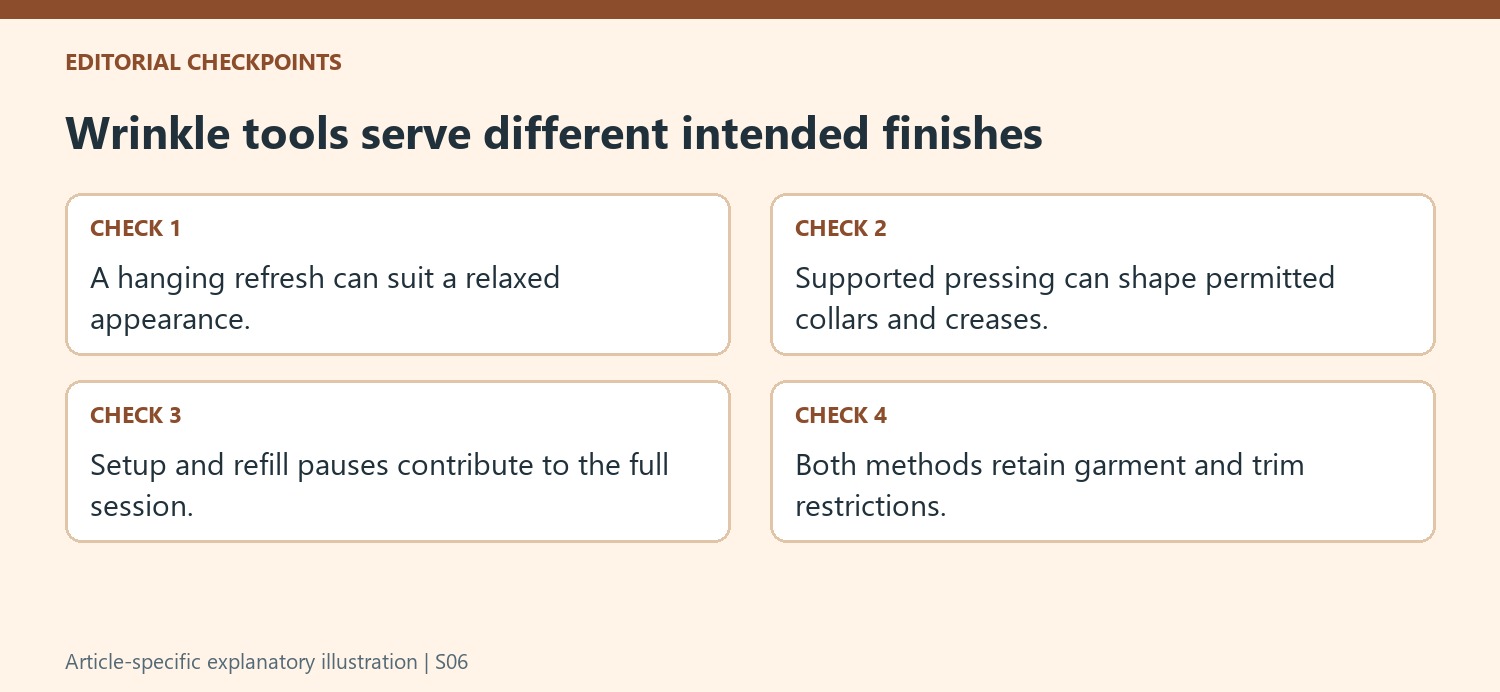
Ideal Home's comparison of steaming and ironing shows why the desired finish is a useful starting point. A steamer can soften everyday wrinkles while clothing hangs, whereas an iron presses fabric against a supported surface. That contact helps create deliberate creases and a crisp appearance where the garment permits it. A relaxed blouse and tailored trousers may therefore need different approaches even when both are described as wrinkled. Check the clothing's care instructions before choosing either tool, especially where trims, coatings or a mixed construction may respond differently from the main fabric.
Include setup and interruptions in timing
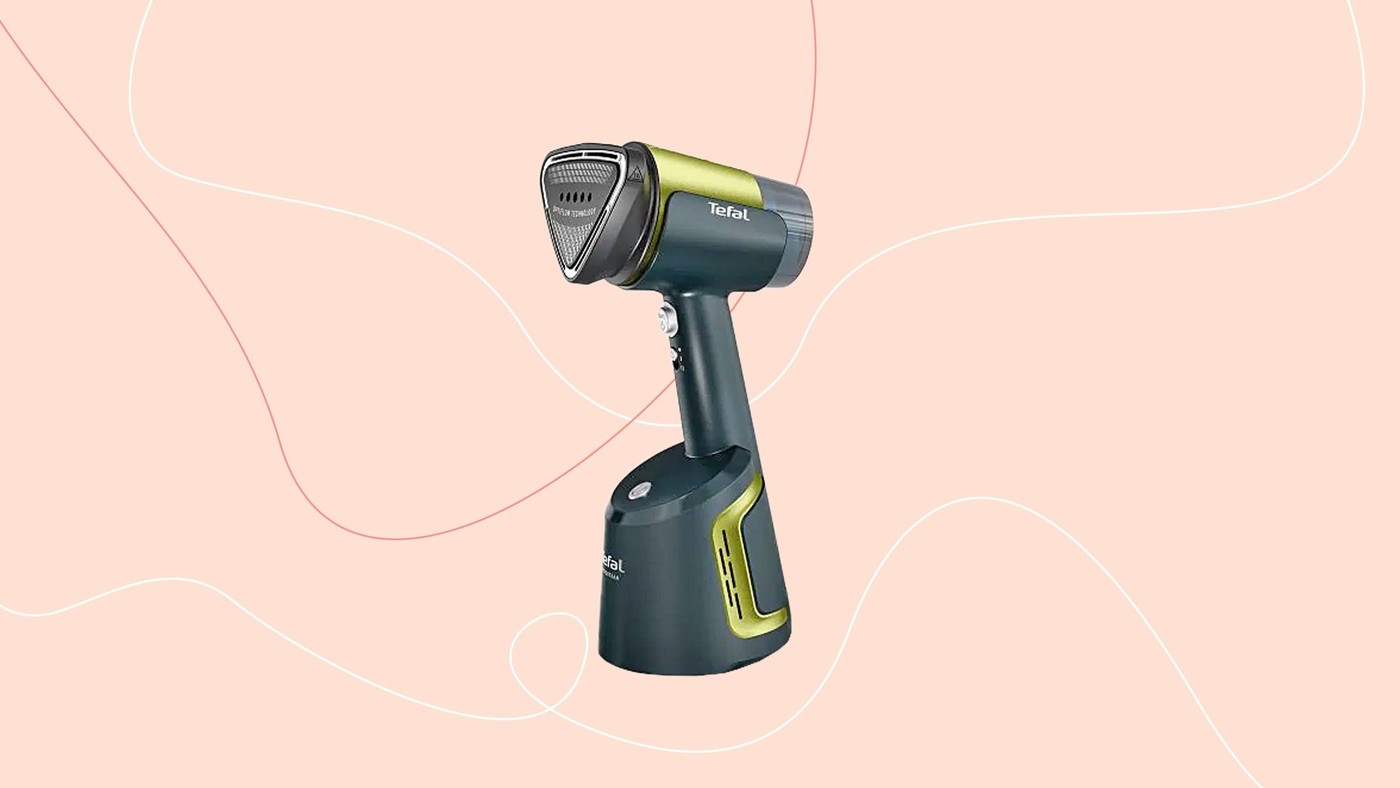
The fastest option is not determined only by how quickly steam appears. Setting up a board, arranging a garment, refilling a tank and waiting for an appliance to regain heat all contribute to the session. The source gives examples of tested products with different operating and reheating patterns. Those observations are model specific and should not be converted into one promised time for all steamers or irons. A handheld tool may suit one last minute outfit, while a supported pressing setup can be worthwhile for several items needing precise finishing. Consider the complete job rather than an isolated heating specification.
Allow for space and routine maintenance
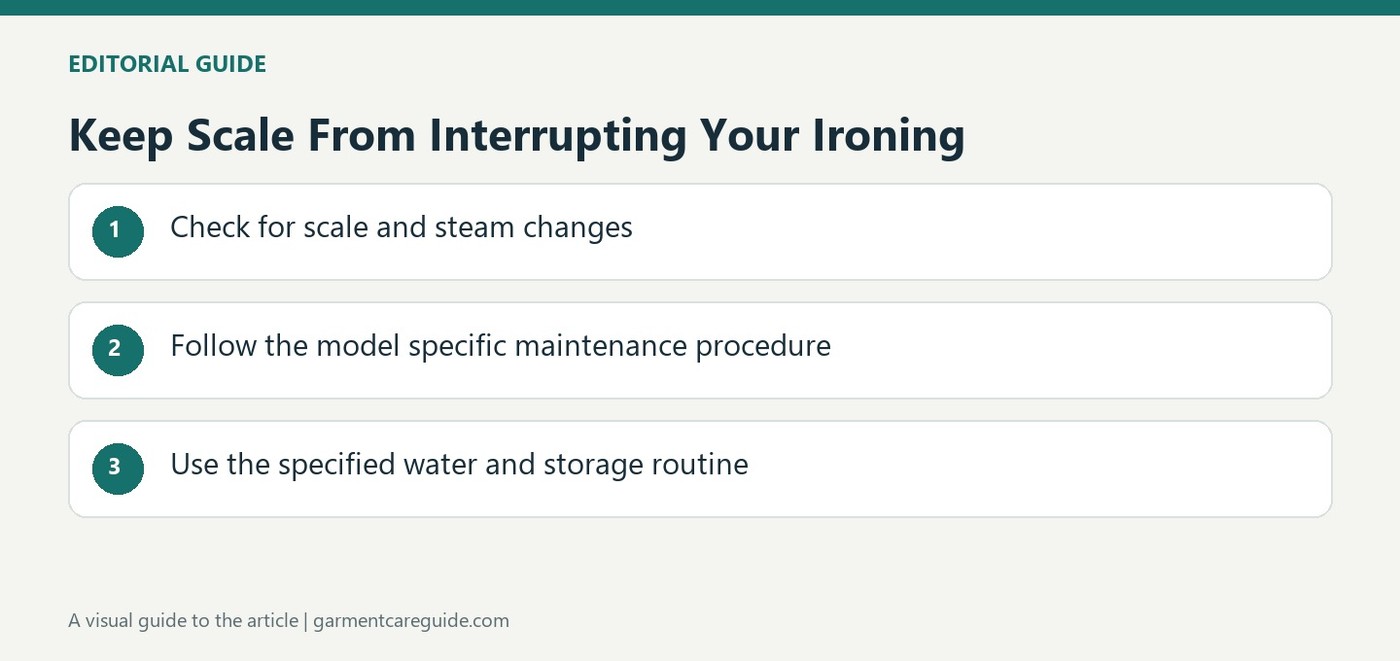
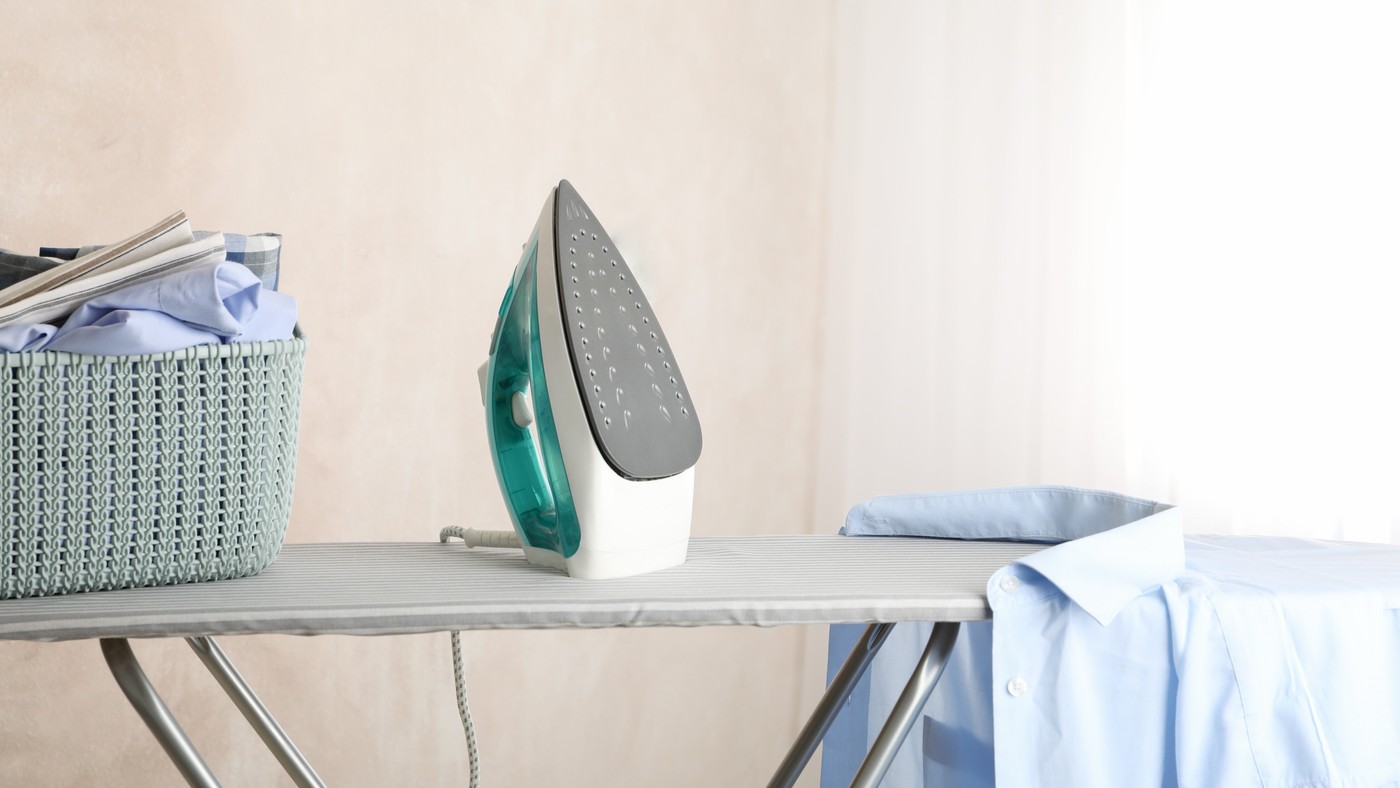
An ironing board needs working and storage space, although compact designs can help with smaller tasks. A steamer also needs a suitable place for hanging clothing and enough clearance to use it comfortably. Compare the filled weight, control layout and maintenance instructions of the appliances under consideration. Water systems may require regular care to keep steam flowing as intended. The article's broader comparison is most useful when applied to the clothes and space already at home. Choosing a tool that fits those conditions is more practical than declaring a universal winner, and it leaves room for different methods when the wardrobe requires them.
Compare the full session rather than the first steam
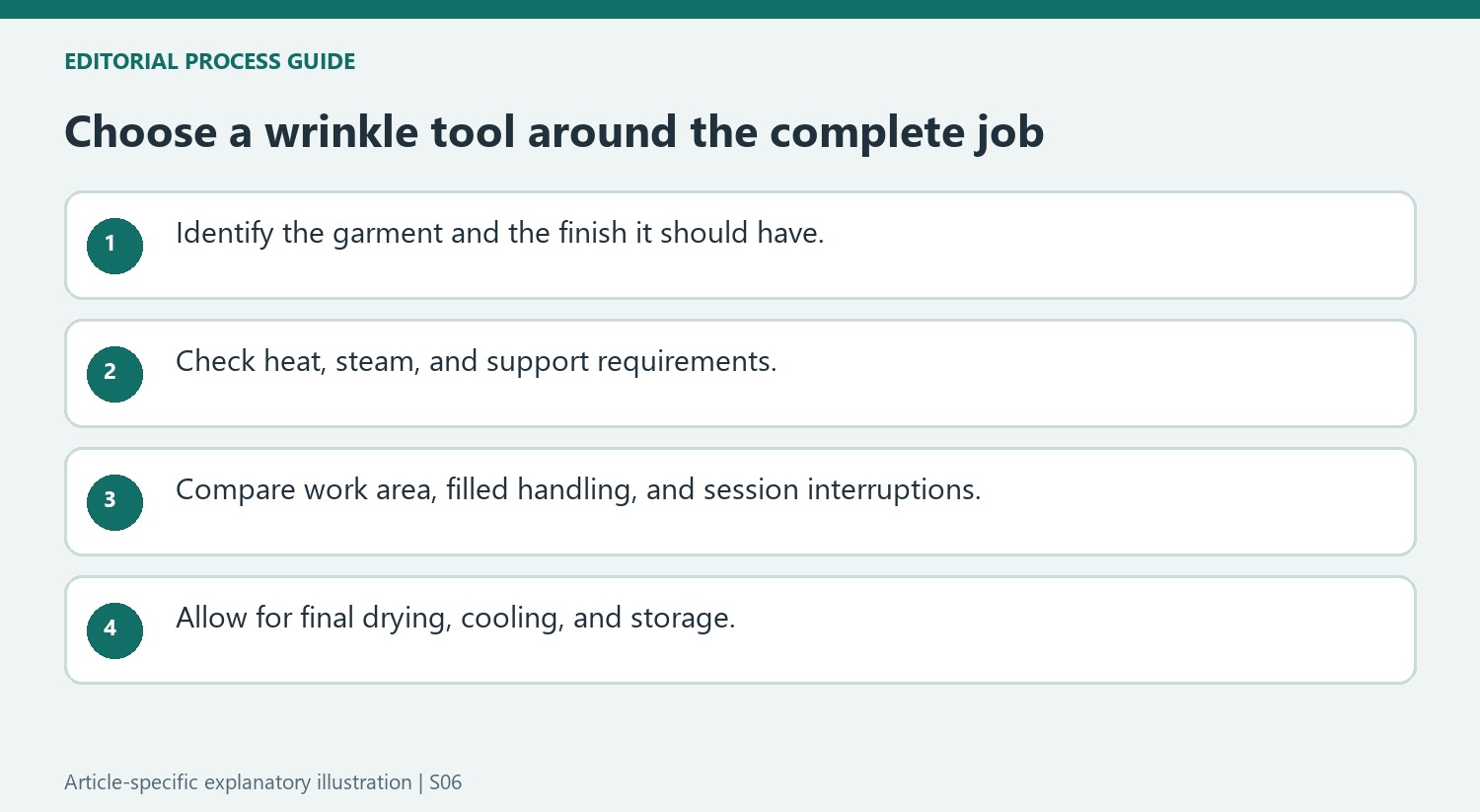
The comparison describes products with different operating intervals and return or refill needs. These differences matter because a short heat-up time is only one part of finishing an outfit. Include the time to find support, arrange the garment, treat each section, refill where needed, and allow the piece to dry or settle. A hanging refresh that leaves dampness may not fit an immediate departure, while a board takes time to set up before supported pressing begins. The source's examples should stay attached to their particular models. Compare the actual workload at home rather than multiplying a quoted preparation time into a promise for an entire laundry basket. The most useful timing measure is the complete task at the required finish.
Give precision work its own equipment question
The article distinguishes a soft wrinkle release from the sharp edge wanted for some trousers, collars, and pleats. Those are different outcomes, even if both tools improve the appearance of rumpled cloth. Identify the garment's intended shape before choosing an appliance. A supported soleplate can help deliberate shaping where permitted; a hanging method may suit a less structured finish. Neither description authorizes treatment that the label prohibits. Check trims and mixed construction as well as the main material, since the permitted method can be limited by a small attached detail. When precision matters regularly, include that task in the buying decision instead of judging every appliance only on a broad flat panel or a quickly refreshed blouse.
Count working space as part of convenience
A board's storage footprint and opened dimensions both affect an ironing routine. A compact model can be useful for smaller pieces but still needs an appropriate surface or support according to its instructions. A steamer uses the room differently, requiring a stable garment position and clearance to move the appliance safely. The source notes these setup differences alongside handling and price. Compare complete equipment costs and current product information rather than historical examples alone. Water-system maintenance also remains relevant for steam-producing tools. A purchase is easier to assess when the work area, filled weight, refilling, and storage have been considered together. There may be room for two methods in the wardrobe without either one being a universal winner.
References
- Steaming vs ironing - which is better for your clothes | Ideal Home. Ideal Home; Lauren Bradbury.