GarmentCare Guide
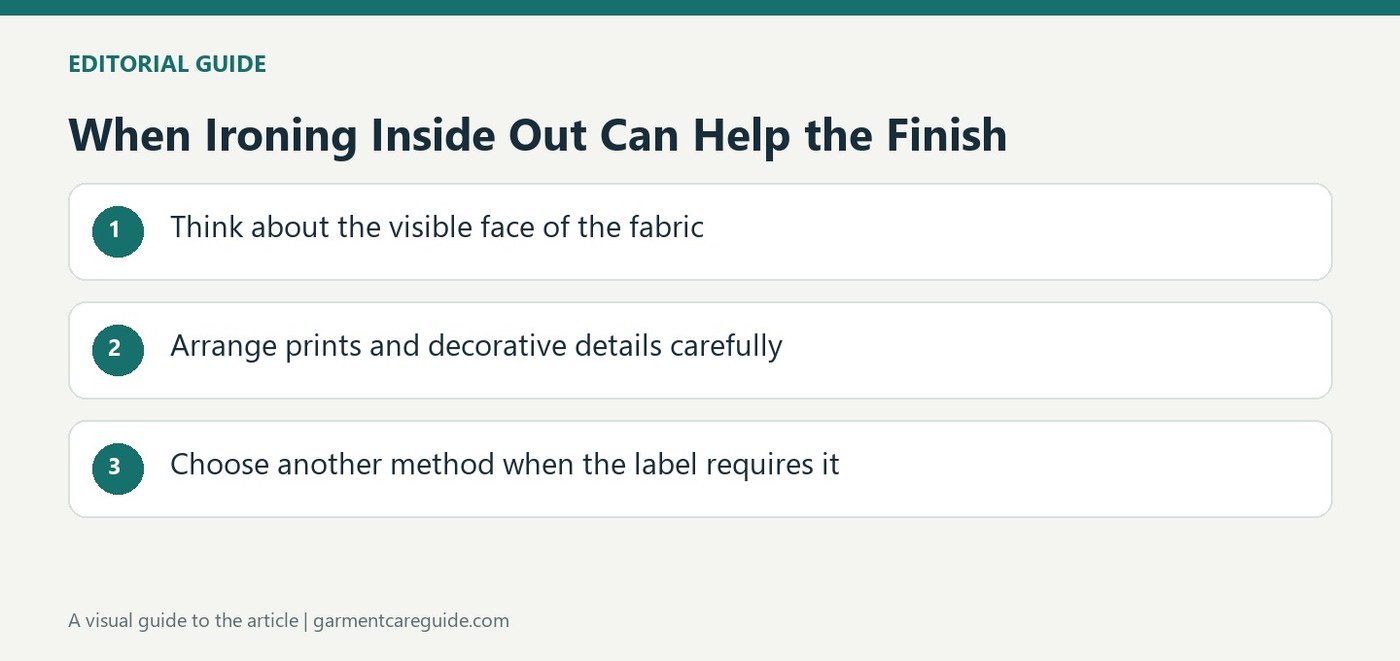
Think about the visible face of the fabric
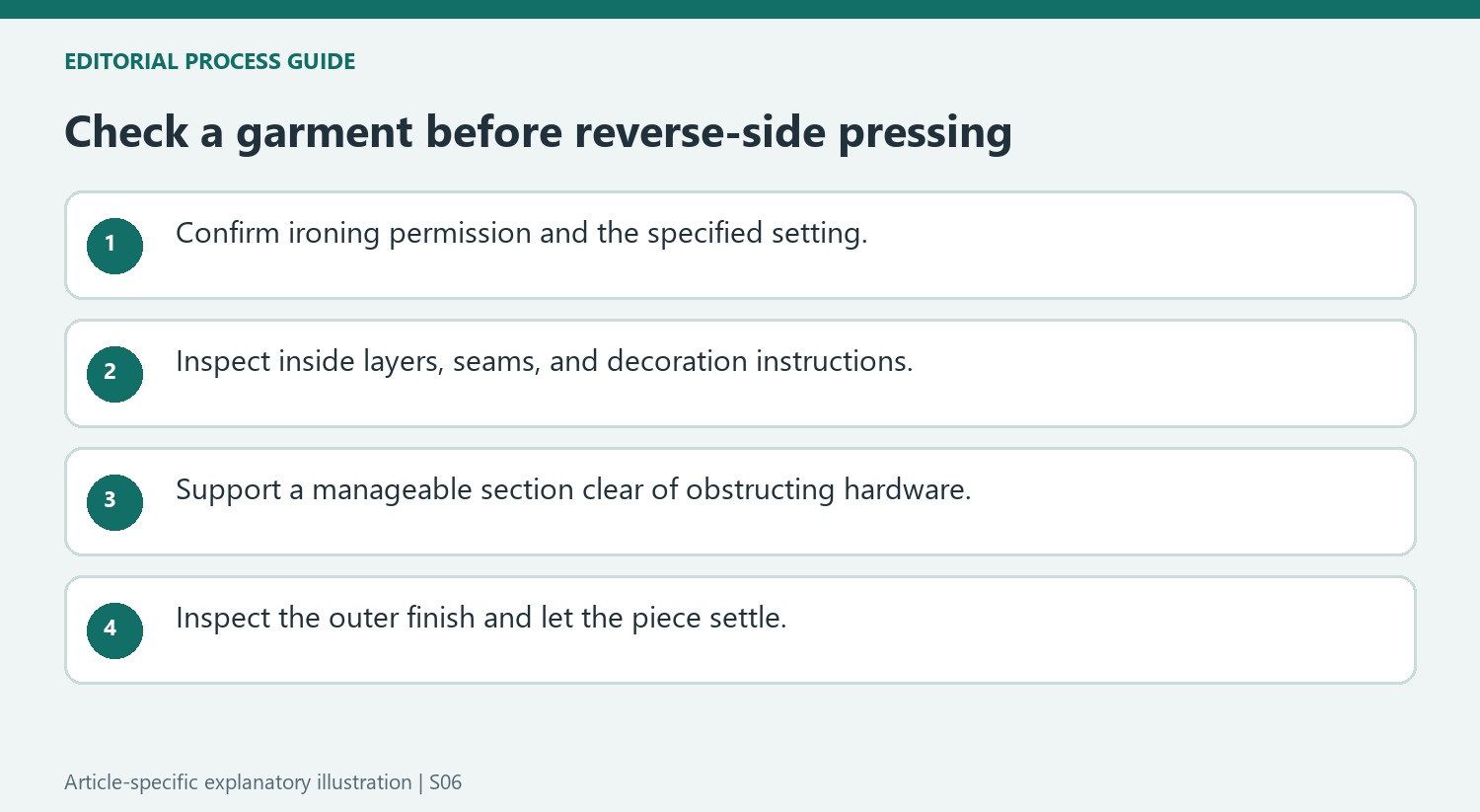
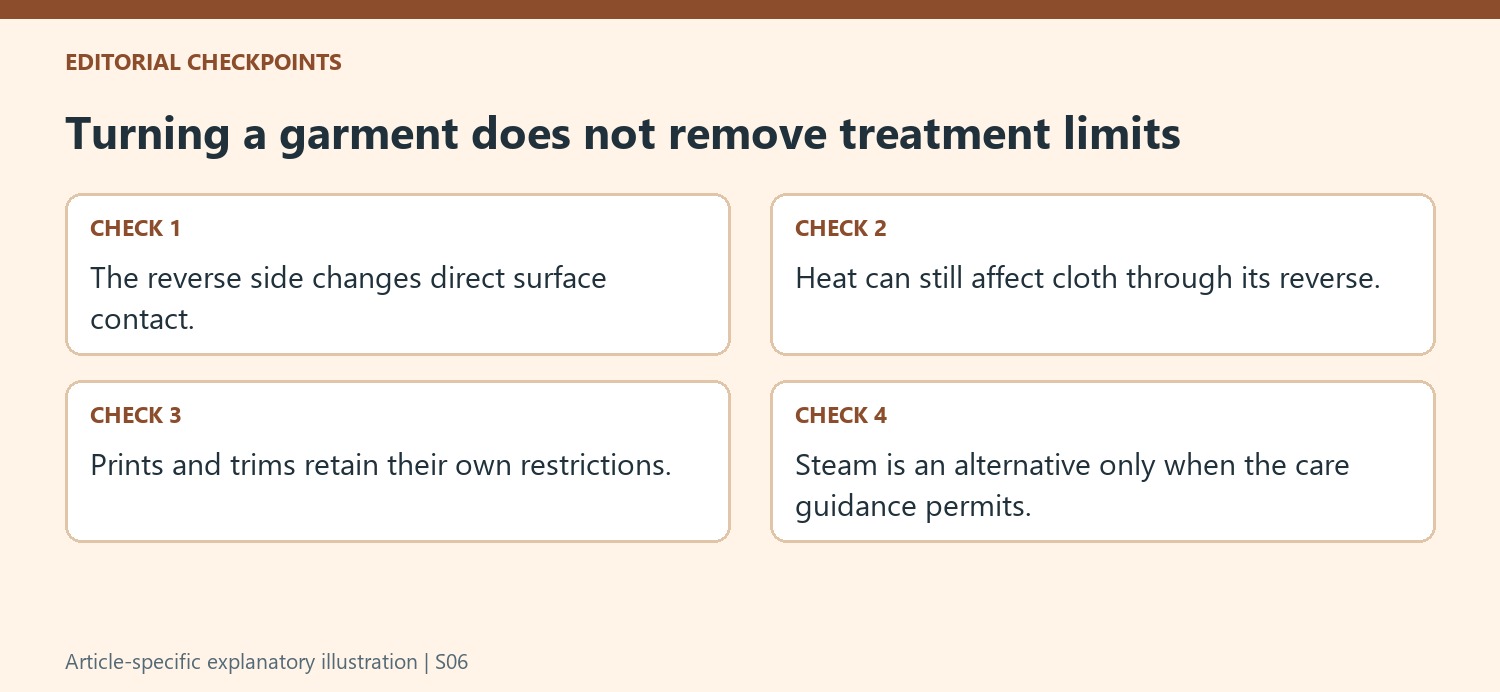
Ideal Home describes inside out ironing as a way to reduce direct contact between the soleplate and a garment's outward facing surface. This can be useful where shine marks or a delicate finish are concerns. Turning the item does not make it resistant to excessive heat: the care label still determines whether ironing is allowed and which setting to use. A fabric can be affected through its reverse side as well. Treat inside out pressing as a technique to consider within the garment's instructions, rather than a protective measure that makes every temperature or steam level acceptable.
Arrange prints and decorative details carefully
Printed areas, embroidery and embellishments can introduce requirements different from the main cloth. The source highlights these details as reasons to pay attention to the pressing side. Check any written instructions covering decoration and avoid putting the hot plate directly onto a feature that cannot tolerate it. Support a manageable section so buttons, zips or seams do not distort the surface underneath. Turning the garment gives another view of its construction, but fastenings still need careful positioning. Reposition the cloth when necessary instead of pressing forcefully over an obstruction merely because it is less visible from the inside.
Choose another method when the label requires it
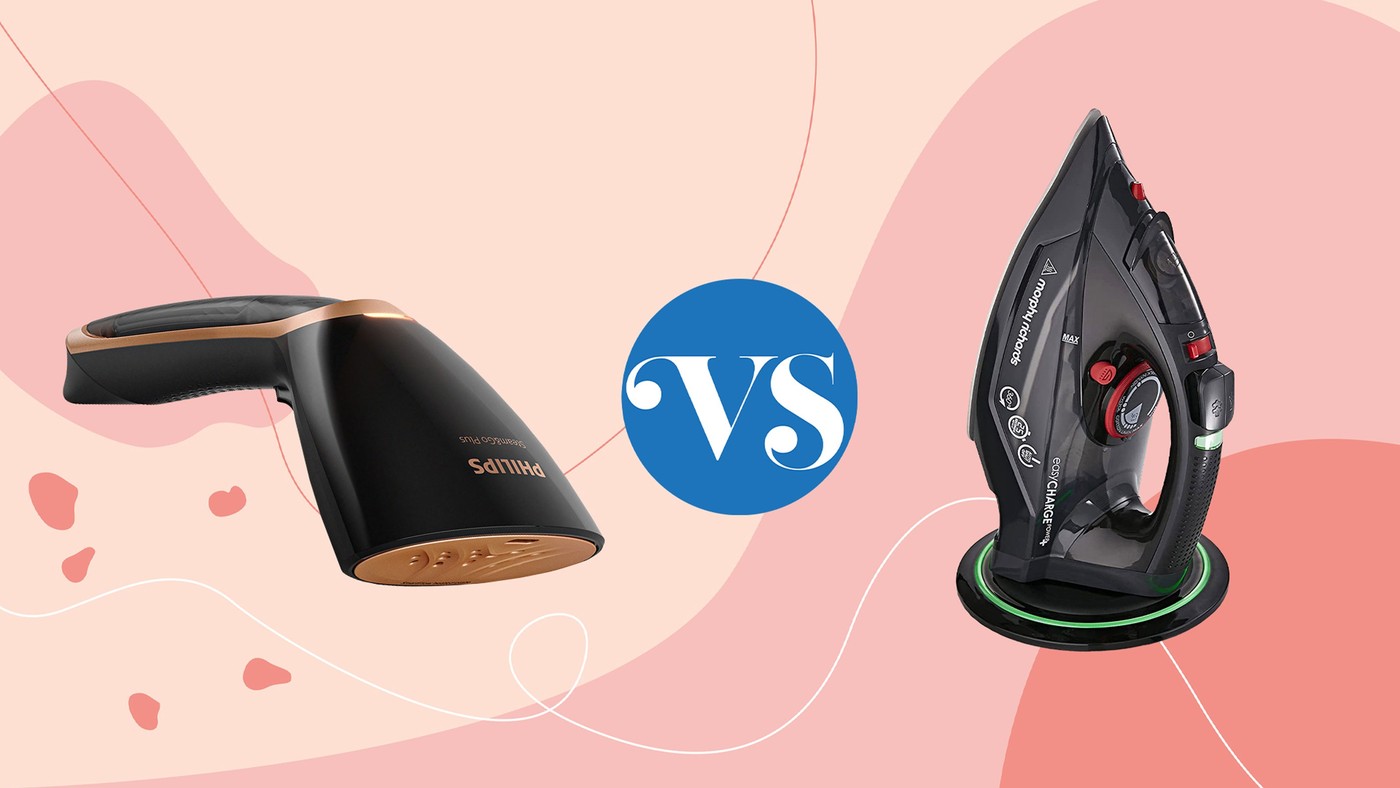
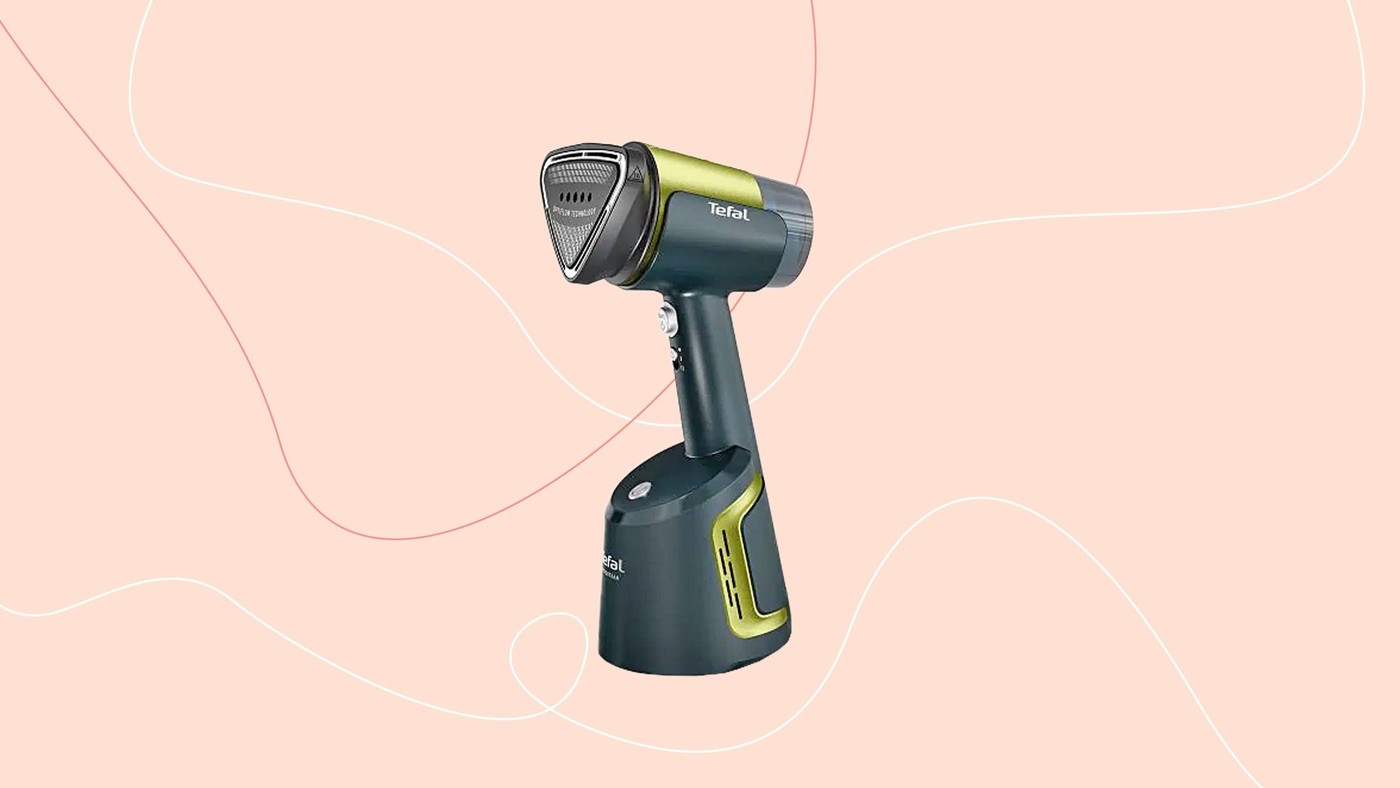
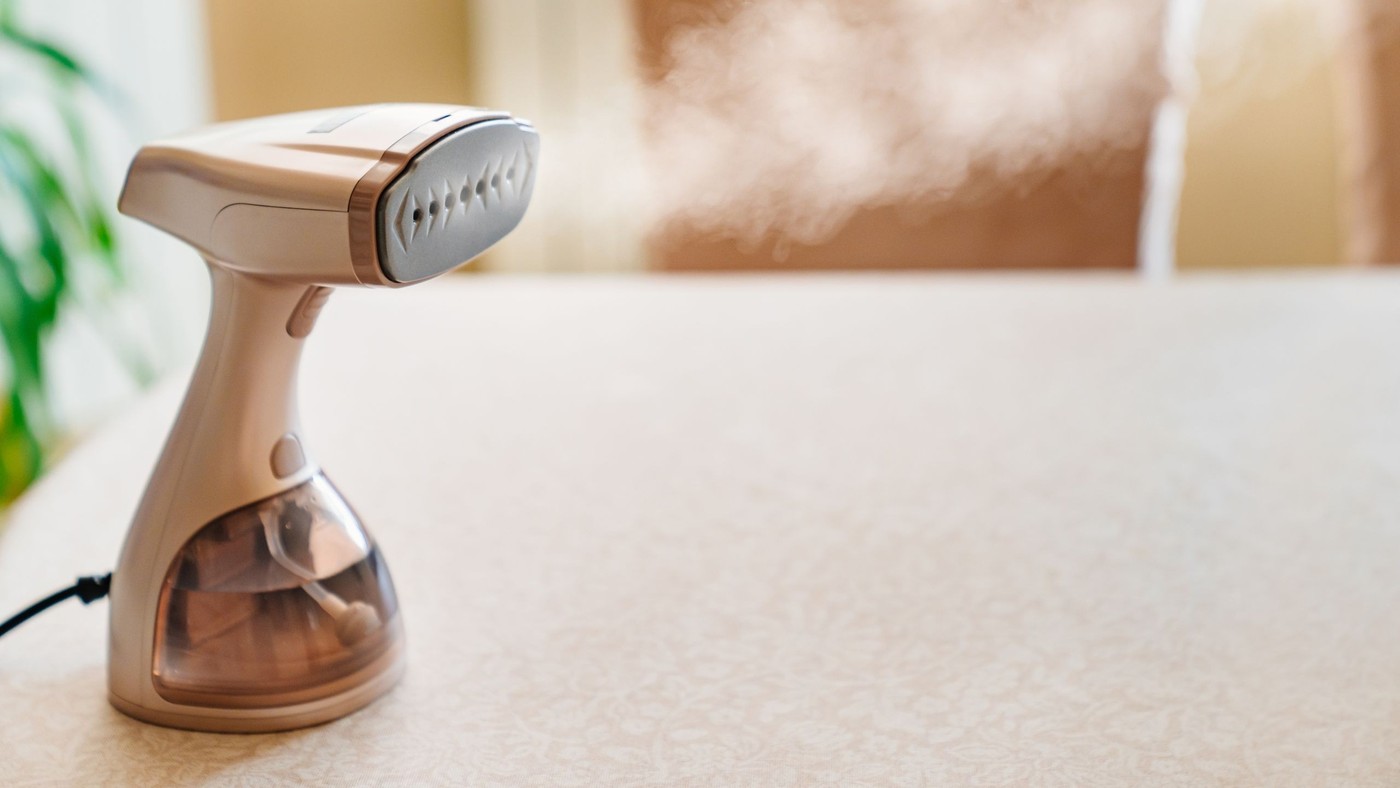
A garment that cannot be ironed should not be pressed simply because it has been reversed. The article suggests steaming as an alternative for some clothing, but this also needs permission from the care instructions and a compatible appliance method. Some finishes and trims are sensitive to steam as well as contact heat. Decide which treatment fits the item and the finish wanted before starting. After pressing, let the garment settle on an appropriate hanger or support, avoiding a fresh pile of wrinkles. Careful heat selection, arrangement and handling work together; changing the pressing side is only one part of that routine.
Use the reverse side as an access choice
Turning a garment inside out changes which surface meets the soleplate; it does not remove heat from the process. The source discusses that choice in relation to shine marks and delicate finishes. Begin by checking whether the particular item can be ironed at all, then follow its temperature, steam, and pressing-side instructions. Look at the inside construction before starting, since seam allowances and folded layers may create an uneven surface. Support a limited section and check what lies beneath it. If the reverse is difficult to arrange, reposition instead of compensating with extra force. The technique is useful only when the whole pressing arrangement remains compatible, including the cloth, its decoration, and any layers trapped under the working area.
Give trims their own care check
A main fabric label does not make every attached detail equally tolerant of direct contact. The article highlights prints, embroidery, buttons, and fastenings as reasons to be deliberate about positioning. Read any specific decoration guidance and keep an unsuitable feature away from the soleplate even after the garment is reversed. A zip or button can still create a hard ridge under the cloth, and pressing forcefully over that ridge may distort the visible result. Work around the detail where the instructions permit, moving the garment to maintain support. Inspect the outside periodically rather than assuming an unseen surface is protected from every effect. The goal is a suitable finish, not merely keeping the hot plate out of sight behind the main fabric.
Do not treat steam as an automatic escape route
The source suggests steaming as an alternative for some clothing, but an ironing restriction should not be interpreted as blanket permission for vapor treatment. Check the garment's steam guidance, including sensitive trims or finishes, and the appliance's intended operating method. A soft hanging finish and a crisp pressed finish also serve different purposes, so choose with the actual appearance needed in mind. If neither treatment is appropriate, professional advice may be more useful than repeating a household method from another garment. After a permitted treatment, let the piece settle on suitable support and avoid compressing it into a pile. Changing the pressing side can help manage surface contact, while correct heat, arrangement, and post-treatment handling remain equally necessary.
References
- Should you iron clothes inside out? Experts explain | Ideal Home. Ideal Home; Jullia Joson.