GarmentCare Guide
Start with the size of the task
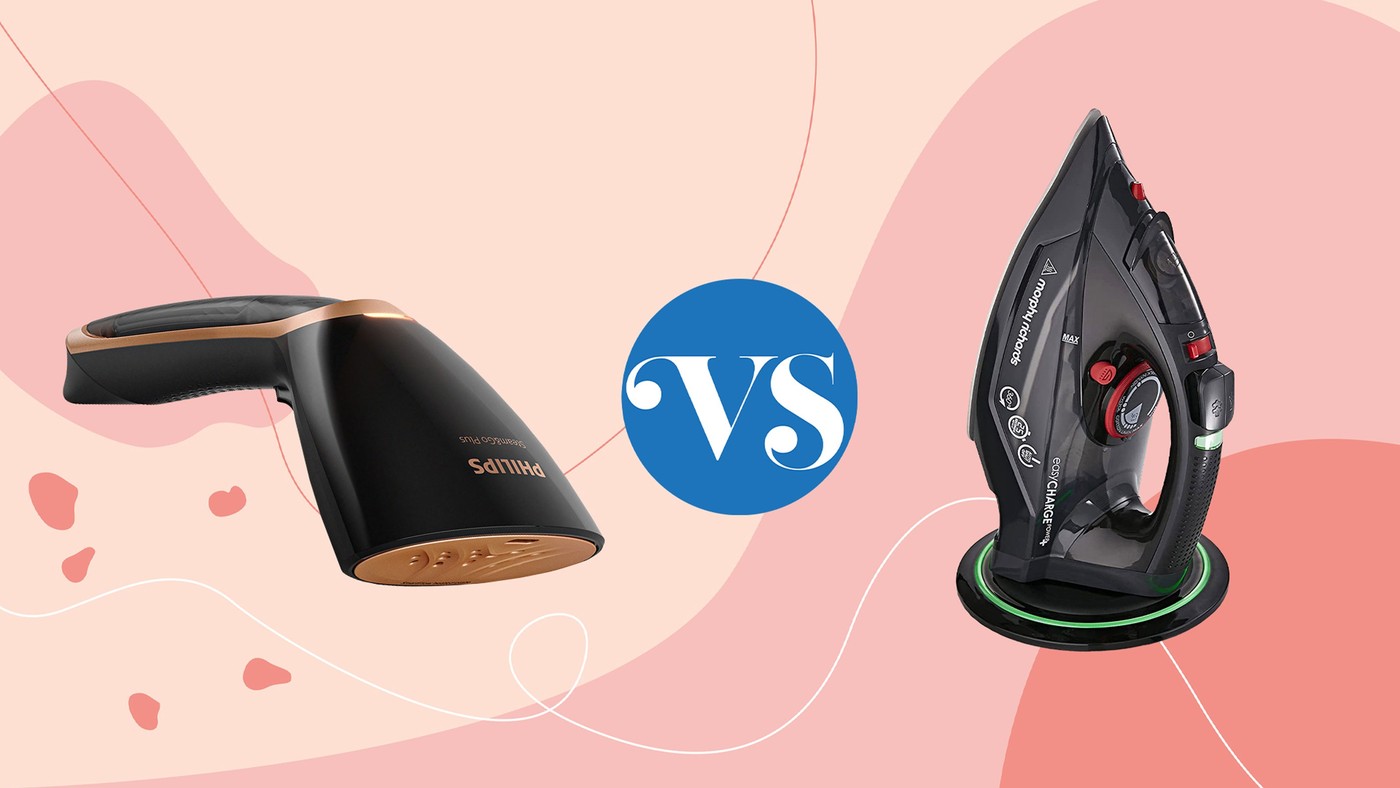
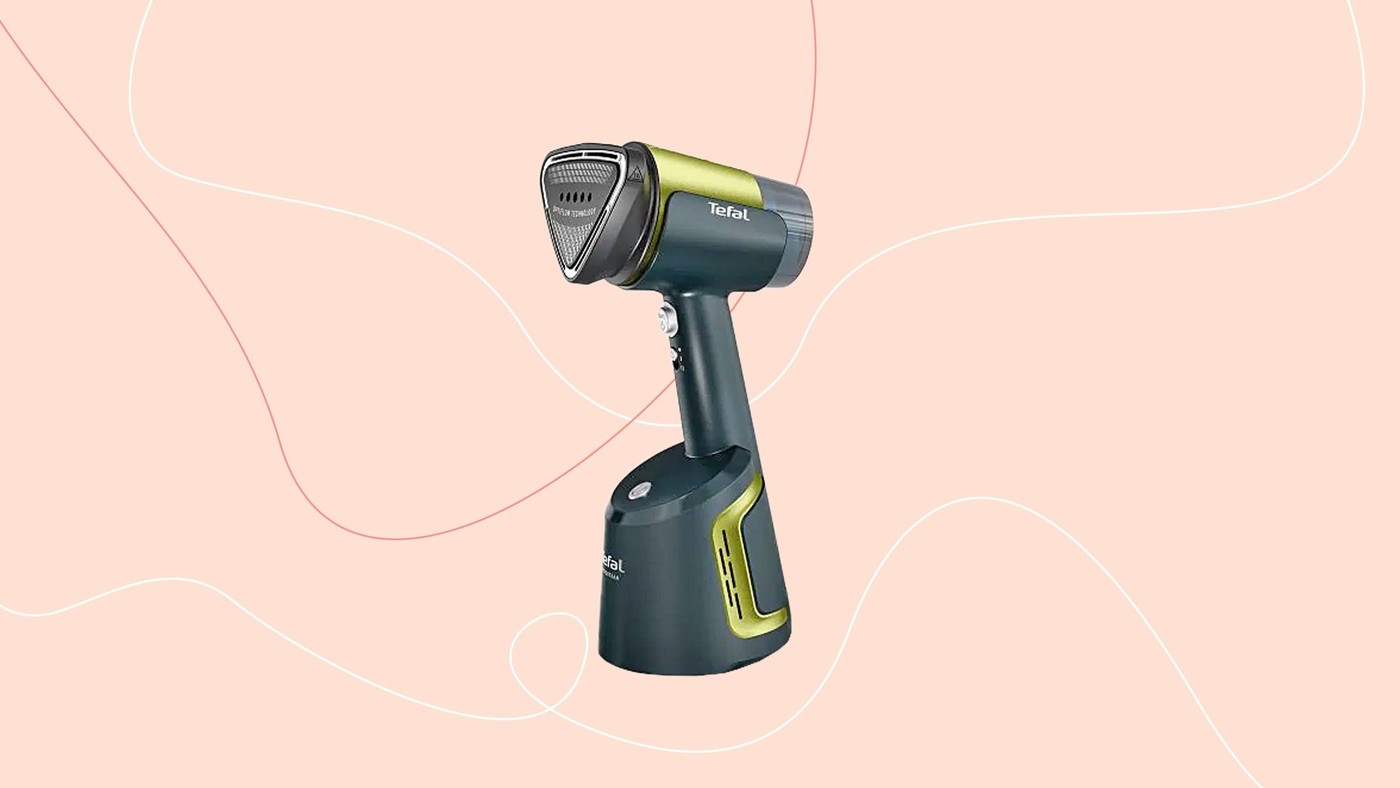
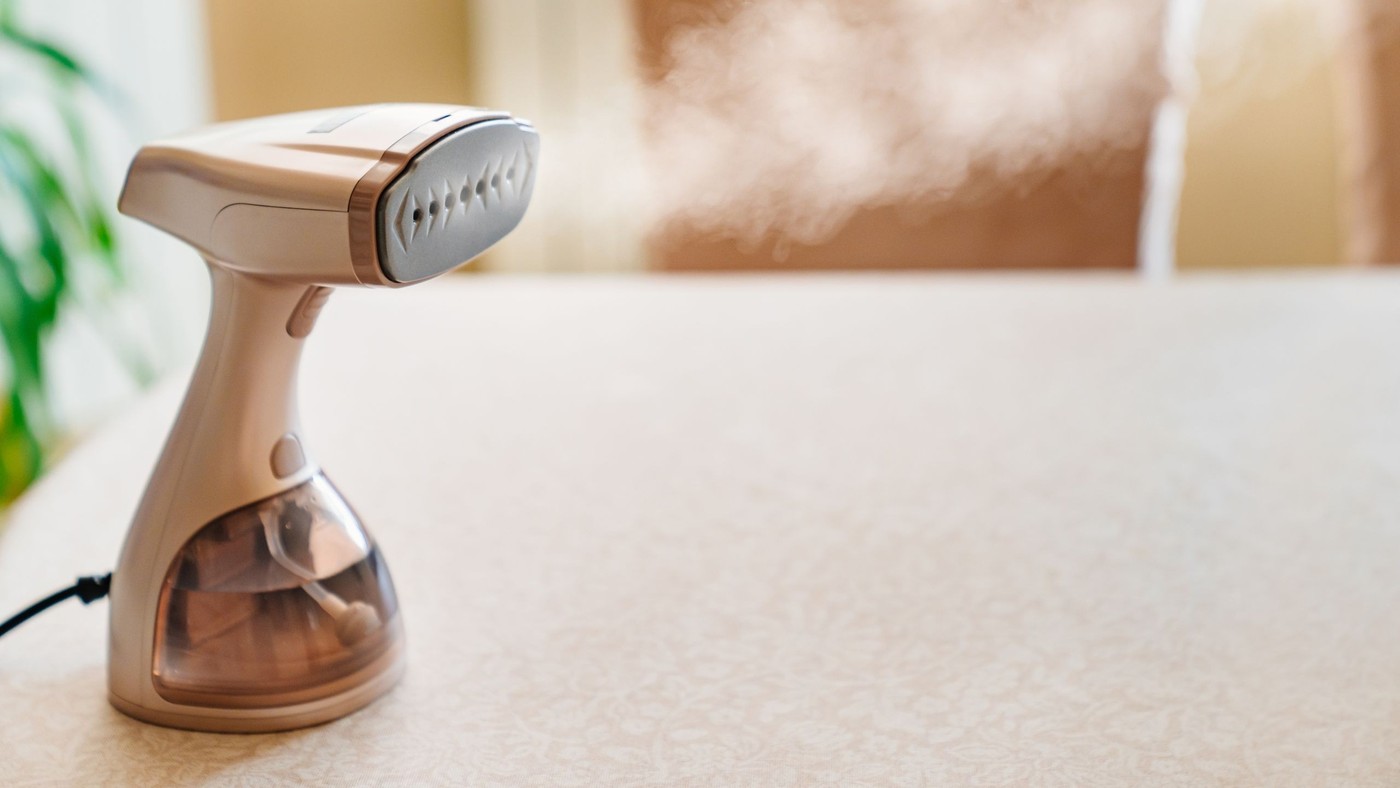
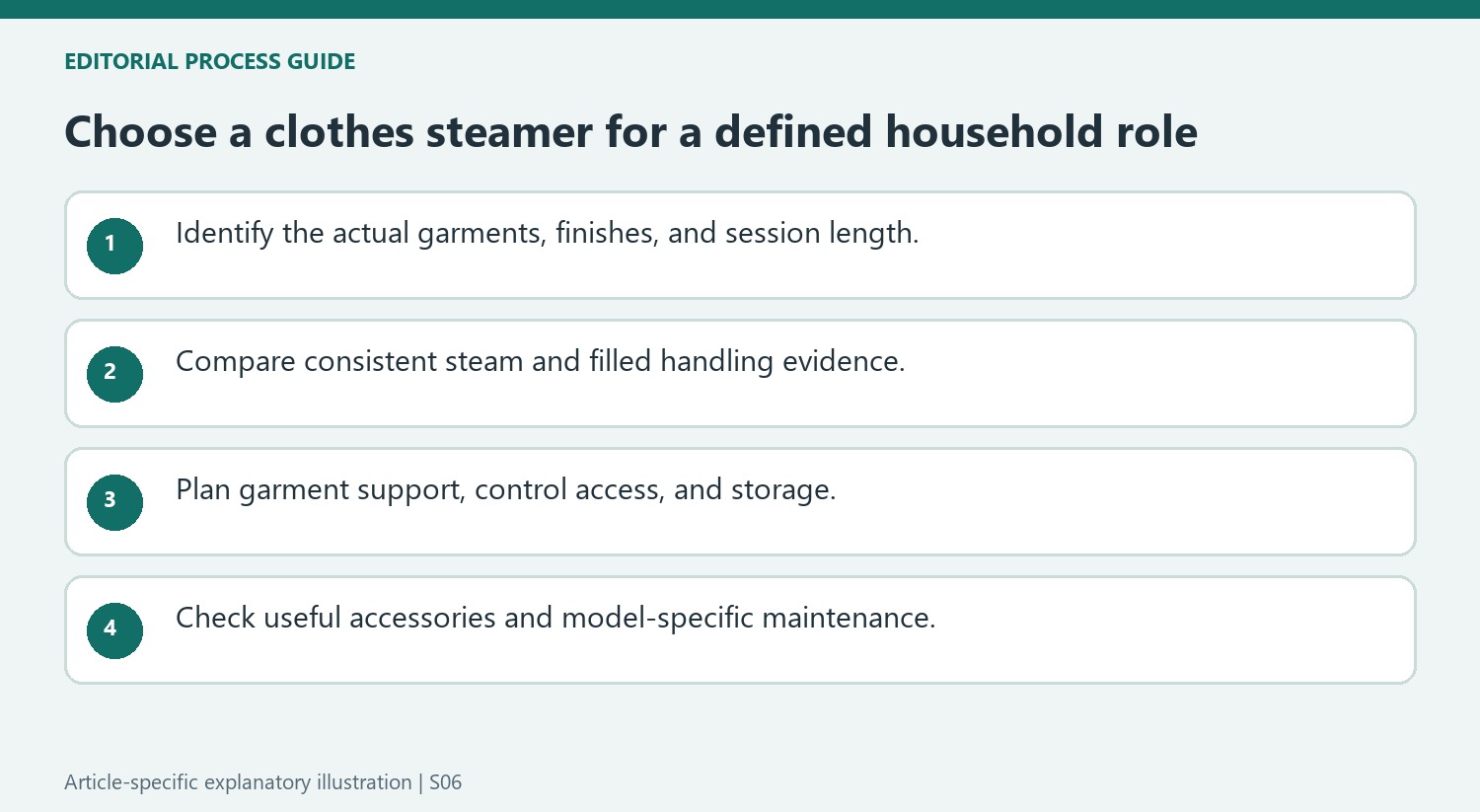
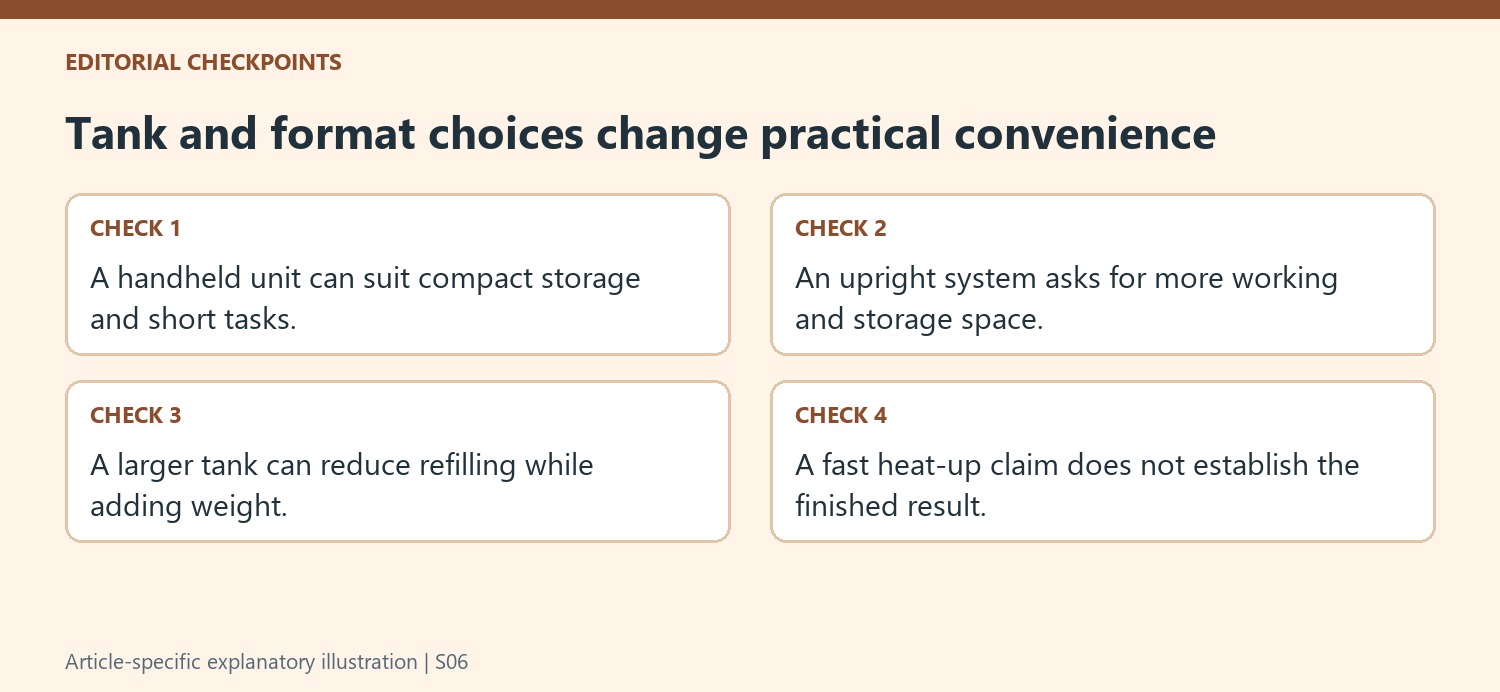
Ideal Home's account of buying a clothes steamer distinguishes quick outfit touchups from longer sessions involving several garments. A handheld model can be convenient for occasional use and compact storage, while an upright machine may provide a larger reservoir for repeated work. Neither format is automatically the right choice for every home. Consider where clothing will hang during steaming and where the appliance will be stored afterwards. A larger unit offers little practical advantage if setting it up is so awkward that it rarely gets used. The intended garments also need to permit steam treatment.
Balance water capacity against handling comfort
A bigger tank can reduce refill interruptions, but it also changes weight and handling, especially on a handheld appliance. The source describes learning that maximum capacity was not always the most comfortable option for small jobs. Check how easily the tank detaches, fills and locks back into place, and whether the water level is visible. Controls and handle position should be comfortable during the length of session you expect. Steam consistency matters too: repeatedly passing over the same area can make a supposedly quick task frustrating. Compare tested performance where available rather than choosing solely from a tank size or power figure.
Account for maintenance and useful accessories
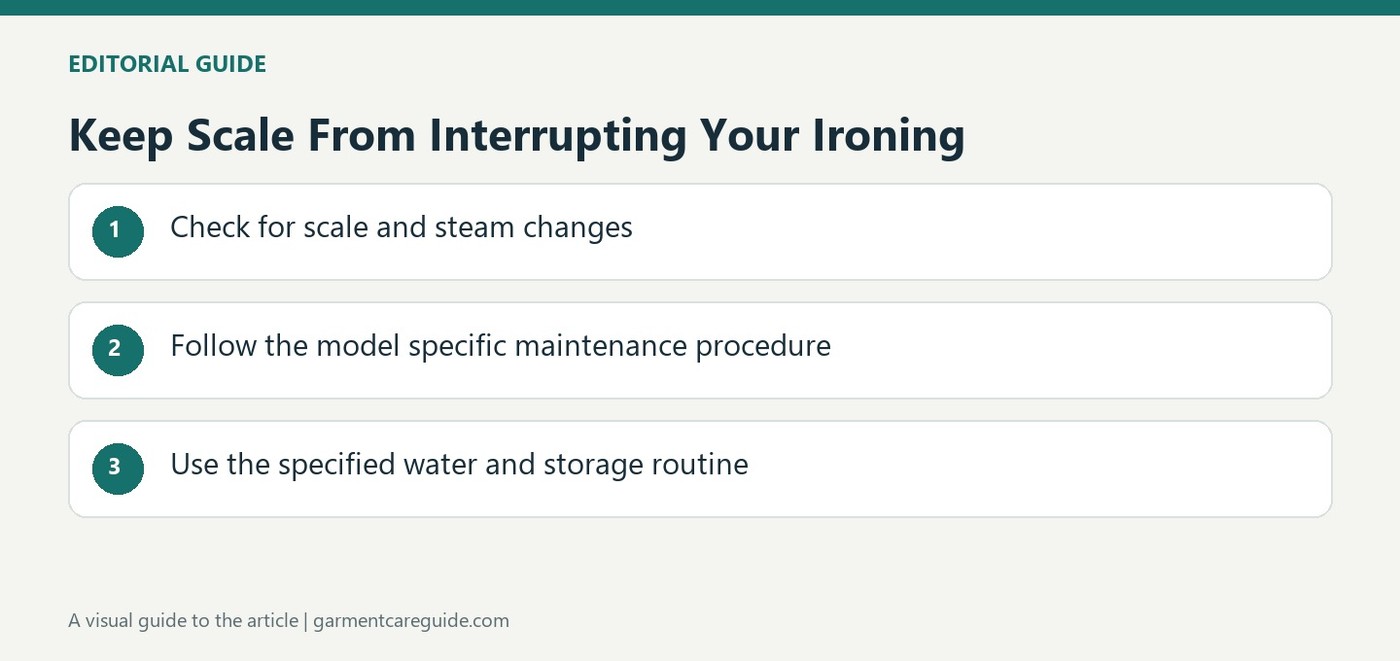
Attachments such as brushes or crease tools may help on particular garments, provided their use matches both appliance directions and clothing care labels. Check whether accessories solve a real task in your wardrobe rather than simply adding to the package. The article also emphasizes emptying and maintaining the water system, with descaling needs influenced by the model and water conditions. Follow the manufacturer's specified process and water type. A steamer can complement an iron, but some sharply pressed finishes still suit conventional pressing better. A realistic expectation of its role makes the purchase easier to judge.
Judge steam consistency in a relevant task
The writer describes frustration with an early steamer that required repeated passes over the same area. That experience points to a useful comparison question: does the model deliver an effective, consistent flow on the kinds of garments you intend to refresh? Wattage and advertised heat-up time can help describe a product, but neither alone establishes the finished result. Look for testing that explains the clothing used, the working position, and any spotting or interruptions. A fast start is less valuable if the rest of the task becomes awkward. Keep expectations realistic as well. A light refresh on one garment is a different demand from creating crisp creases or working through a long batch of heavier clothing.
Inspect the controls and the support arrangement
The source highlights comfortable handling, accessible controls, and automatic shutoff among the features worth examining before purchase. Consider them together with the place where the garment will hang. The operator needs room to move the tool as its manual permits, without using clothing being worn or supporting fabric with an exposed hand in the steam path. A compact appliance does not eliminate the need for a stable working arrangement. Check whether its accessories and any protective items are intended for the particular task. Detachable tanks should lock back correctly after filling, and the operating position must match the model's directions. These details can make a short session easier to control than simply selecting the largest reservoir available.
Balance purchase price with the role in the wardrobe
The source recommends choosing useful features rather than assuming a higher price always buys the right steamer. List the actual jobs: an occasional blouse, travel touchups, or repeated work on several suitable garments. Then compare tank capacity, storage, maintenance, and handling for that workload. A larger upright system may reduce refilling but ask for more space, while a handheld unit can be easier to store yet require more frequent attention during a long session. Check the current manual's water and scale-care guidance before buying. If an iron will still be needed for other finishes, include that in the plan. The aim is to buy a tool with a clear place in the routine rather than expecting one appliance to solve every pressing task.
References
- What I wish I knew before buying a clothes steamer – don't make the same mistakes I made. Ideal Home; Jenny McFarlane.